
Titanium Plates: Strength Meets Lightweight Versatility
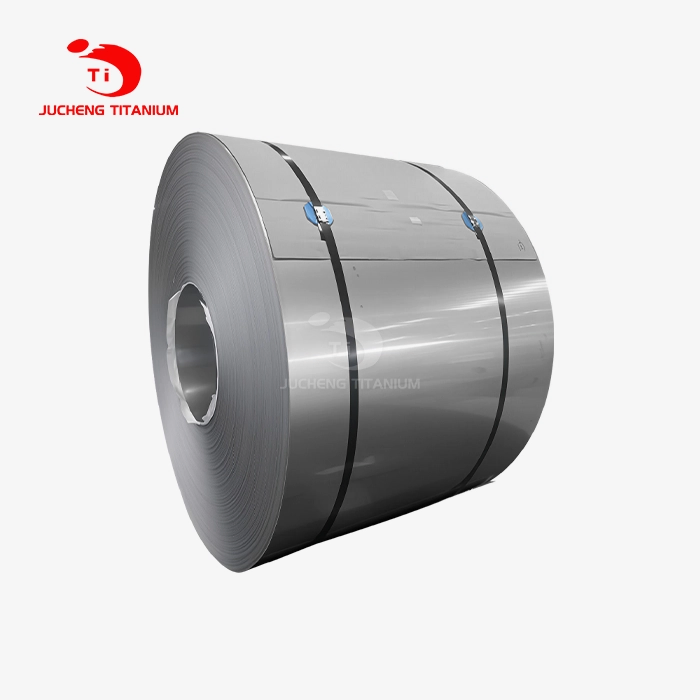
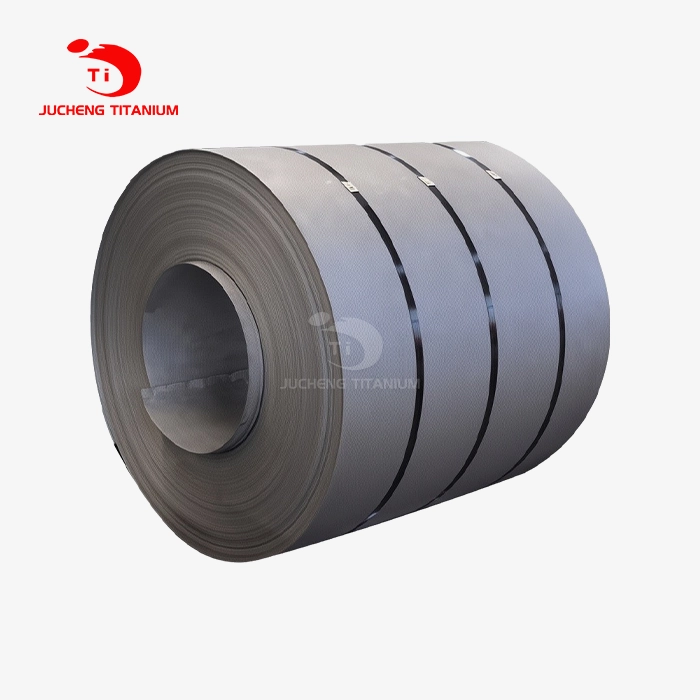
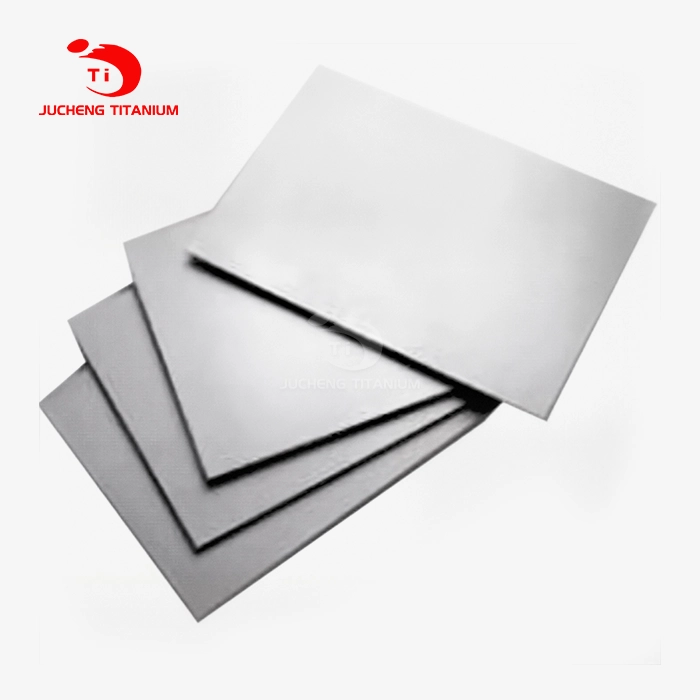
When it comes to important material choices, engineers and purchasing workers always choose titanium plates when other metals don't work. These precision-engineered materials, which are flat-rolled products that are wider than 610 mm and thicker than 4.75 mm, solve important problems in the industry that threaten structural integrity, working efficiency, and the life of equipment. Their strength-to-weight ratio is almost twice that of aluminum, and they don't corrode in harsh environments like aluminum does. This makes them essential in industries like aerospace, chemical processing, medicine, and manufacturing, where poor performance has big effects.

Understanding Titanium Plates: Composition, Properties, and Grades
Material Composition and Manufacturing Excellence
Our titanium plates are made through vacuum arc remelting, which guarantees their high purity and structural stability. With the hot-rolled way of production, plates can be anywhere from 4 mm to 80 mm thick, 950 mm to 2500 mm wide, and up to 10,000 mm long. Custom measurements can be made to fit the needs of specific projects in a wide range of businesses.

Internationally Recognized Grade Standards
Material selection depends heavily on understanding grade features:
Commercially Pure Grades offer great shapeability and protection from rust. Grade 1 is the most flexible and can be used for complicated shaping tasks. Grade 2 is the most commonly stated grade for chemical processing equipment because it has the best mix of mechanical properties and weldability. Grade 4 gives you more strength while still being very resistant to rust.
Alloy Grades are used for tough construction tasks. Grade 5 (Ti-6Al-4V) is the most popular material in aircraft and naval engineering because it has a great strength-to-weight ratio and works well at high temperatures. Palladium is added to Grade 7 to make it more resistant to reducing acids, which is important for making chemicals. Grade 9 is a cheaper option than Grade 5, which has similar mechanical qualities. Grade 12 is better in oxidizing conditions because it has molybdenum and nickel added to it.

All of our products are made to strict international standards like ASTM B265, ASTM F67, AMS 4911, and ASME SB265. This makes sure that all of our products can be tracked and meet the licensing requirements that purchasing professionals need.
Critical Mechanical and Chemical Properties
Titanium's mass of 4.5 g/cm³, which is about 60% that of steel, makes structures lighter without lowering their ability to hold weight. The tensile strength varies from 240 MPa in Grade 1 to over 900 MPa in Grade 5. This gives manufacturers a lot of options for different types of applications. The material stays mechanically sound from very cold temperatures to around 600°C, which solves problems caused by thermal cycles in the aircraft and petrochemical industries.

A self-healing oxide layer forms instantly when air hits the metal, making it resistant to corrosion. This film doesn't break down easily in seawater, chlorine, most acids and alkalis, and other chemicals that are used in stainless steel systems.
Titanium Plates vs Alternative Metals: Making an Informed Choice
Performance Advantages Over Conventional Materials
By comparing different material choices, you can see clear practical benefits. Chloride-rich conditions cause pitting and crevice rust in stainless steel parts, which means they need to be replaced often and can cause unplanned downtime. Our titanium plates get rid of these weaknesses, which makes tools last decades longer in chemical processing and marine uses.
Even though aluminum alloys are lighter, they aren't strong enough or resistant to rust enough to be used in high-stress, corrosive settings. Even though carbon steel has great mechanical qualities, it needs a lot of protective coatings that wear off over time and require expensive upkeep processes.
The better strength-to-weight ratio of titanium plates lowers fuel waste in aerospace uses and allows for lighter structural designs in car engineering. Manufacturers of chemical equipment gain from fewer support structures being needed. This lowers the overall cost of the project, even though they have to pay more for materials at the start.
Distinguishing Plates from Sheets and Foils
The description of a product and its fit for a given use are based on its thickness. Titanium sheets are between 0.5 mm and 4.75 mm thick and can be used for things that need modest strength and shapeability. For specific electrical and chemical reaction needs, foils less than 0.5 mm are used. For pressure tanks, heat exchanges, and load-bearing aerospace parts where dimensional stability under stress is important, plates that are bigger than 4.75 mm are needed to keep the structure strong.

Grade Selection Impact on Performance
Grade 2 is used in general industrial settings where good resistance to rust and average power are enough. Its ability to be shaped and welded makes it easier to make, which lowers the cost of production in large-scale equipment making.
When high strength-to-weight rates and high temperature performance are important for design, Grade 5 becomes necessary. Aerospace structural parts, underwater drilling tools, and high-performance car parts all need parts with better mechanical qualities that are worth the extra cost.
Working with Titanium Plates: Cutting, Welding, and Heat Treatment Best Practices
Precision Cutting Techniques
The right way to cut things is the first step to making something that works. Cutting with a water jet makes smooth lines that don't have any heat-affected areas, so the material properties stay the same all the way through the piece. Plasma cutting is faster for working with bigger pieces, but workers have to keep an eye on the heat to keep the metal from changing. Smaller shops can still use abrasive cutting wheels, but they need blades with carbide tips and slower cutting speeds to keep the work from getting too hard.

Controlling contamination while cutting saves the reacting surface of titanium. As soon as operators see iron bits, they remove them because foreign metals inside them start galvanic rusting. Cross-contamination from previous steel or metal processes can't happen with clean cutting fluids and specialized tools.
Welding Methods and Quality Assurance
Due to its accurate heat control and high-quality welds, TIG welding is the most common way to work with titanium. The weld pool, heat-affected zone, and root side are kept clean from air pollution by inert gas protection, which is usually argon with a purity level above 99.95%. Any contact with air, nitrogen, or hydrogen during welding weakens the metal and makes it more easily broken.

When the joint is properly prepared, it allows for full entry with little damage. Backing bars and following shields cover more area with protective gas than just the weld zone. As part of our processing skills, we use strict pre-weld cleaning procedures with stainless steel brushes and acetone to get rid of surface oxides and other contaminants that could weaken the weld.
Visual inspection, dye penetrant tests, and x-ray analysis are all used for post-weld checking to make sure the structure is sound. These quality control steps make sure that welded parts meet the standards needed for medical and aircraft use.
Annealing and Stress Relief Optimization
Heat treatment improves the mechanical qualities and gets rid of any pressures that were left over from welding and forming. Depending on the grade, annealing temperatures between 650°C and 800°C recover flexibility and stop work hardening caused by cold forming. Controlled cooling rates stop the growth of grains that would weaken the structure.

When our goods are annealed, their mechanical properties stay the same across the whole plate. This is very important for makers who need reliable performance in precision machining and forming. Stress relieving at lower temperatures gets rid of stresses caused by production without changing the material's properties too much, which makes the final parts more stable in their dimensions.
Procuring Titanium Plates: Sourcing, Pricing, and Supplier Selection Guide
Navigating Market Dynamics and Pricing Variables
The prices of titanium plate materials change depending on the availability of raw materials, the price of energy, and the world market cycle. Choosing the right grade has a big effect on the price. For example, commercially pure grades usually cost 30–40% less than aircraft metals. Specifications for thickness, width, and length affect how efficiently 【titanium plate】 goods are made, which in turn affects unit prices.
Commitments to buy in bulk give you more power when negotiating prices. As long as we have 3,000 tons of stock on hand, we can quickly meet urgent needs, and big orders get a better price. Custom sizes require extra steps in the production process that cost more. Standard sizes from our large inventory, on the other hand, cut down on wait times and costs.
Evaluating Supplier Credentials and Capabilities
Compliance with certification is the basis for judging a seller. Certifications like ASTM B265 and AMS 4911 prove that materials can be tracked and that testing procedures are followed. Our quality control methods are in line with ISO standards, so the specifications of each batch of products are always the same.
The difference between skilled providers and commodity sellers is their ability to make things and their technical knowledge. Our 120,000-square-meter building has a lot of different kinds of working equipment, like rolling mills, heat treatment ovens, and systems for finishing the outside of things. This kind of vertical integration keeps an eye on quality throughout the whole production process and lets you make changes to fit the needs of each individual project.
Dependability in delivery affects both project plans and the cost of keeping goods on hand. Our well-established global export infrastructure works with makers and distributors all over the US and Europe, and our partnerships with logistics companies make sure that transit times are always regular. With more than 20 years of knowledge in the field, the supply chain is now strong enough to keep customers from being affected by problems.
Strategic Procurement Approaches
Long-term supply deals keep prices stable and make sure that materials will be available for project-based buying cycles. Structured contracts that match supply with production plans are good for companies that make chemical equipment and aerospace contractors because they get rid of the need to buy things at the last minute at high spot market prices.
Technical consulting services are useful for more reasons than just getting materials. During the planning phase, our engineering team works with customers to suggest the best grades and specs that meet performance needs while also being cost-effective. Using this partnership method has helped build strong bonds with large companies like Jiangxi Copper Group and study groups like the Northwest Institute for Nonferrous Metal Studies.
Advantages of Titanium Plates for Industrial Applications: Why Strength and Lightweight Matter
Corrosion Resistance Driving Lifecycle Economics
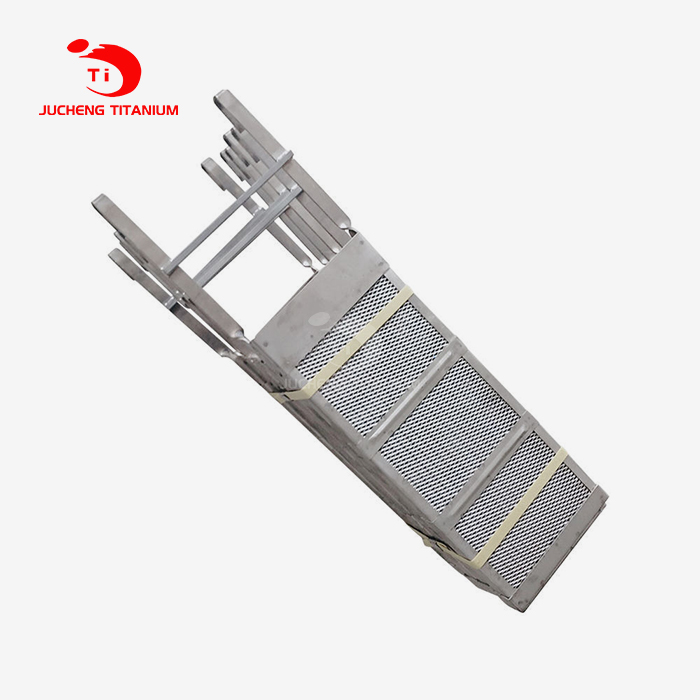
Equipment used in chemical processes is exposed to strong acids, chlorine compounds, and acidic conditions that break down most materials in just a few months. Our titanium plates won't break down in these tough conditions for decades, so they don't need to be replaced often, which saves money and keeps production going. A petrochemical heat exchanger made of stainless steel might need to be replaced every 5 to 7 years, but titanium systems last longer than 30 years, which changes the total cost of ownership estimates in a big way.

Similar benefits can be seen in seawater uses. Offshore drilling equipment, water plants, and military ships are all constantly being attacked by acids and bases. Titanium surfaces have an inactive oxide layer that regenerates instantly, even when they are worn down. This layer protects the titanium throughout its lifetime. North American companies that make industrial air coolers have been able to stretch the time between repair visits and cut costs by a large amount by using our titanium plates.
Mechanical Performance Under Extreme Stress
Materials for aerospace buildings need to be able to handle repeated loads, high temperatures, and weight limits all at the same time. Manufacturers of aircraft parts use our Grade 5 plates for structural bulkheads and landing gear parts because they have high strength-to-weight ratios that directly increase fuel economy and carrying capacity. Weight savings of 40–50% compared to steel alternatives lower running costs over the life of an airplane.
Applications in industrial equipment benefit from wear resistance, which makes parts last longer when they are loaded over and over again. Heat exchangers that go through cycles of very high and very low temperatures keep their structure strong without the problems with thermal expansion that happen in mixed-metal designs and cause seals to fail. The low rate of temperature expansion of our plates lowers stress levels at joints and welds, which makes them more reliable.
Real-World Performance Validation
Our titanium plates are used in more than 500 different product designs in a wide range of fields. The WUGANG Group put the biggest titanium spiral plate heat exchanger in China, which shows that it can be scaled up and still work reliably. Luoyang Petrochemical successfully put titanium-based composite tube systems into service, showing that our materials can be used in important infrastructure.
Biocompatible titanium from our company is used by medical device makers to make surgical implants and tools. The material must be pure and meet all licensing requirements. We make sure that our products always have the same properties that meet FDA and foreign medical device standards by using controlled production methods and strict quality checking routines.

Conclusion
Titanium plates are the best in both mechanical strength and corrosion protection, which helps important businesses move forward. Knowing about different types of materials, the best ways to make things, and how to buy things gives engineering and purchasing workers the power to choose the best answers for tough problems. Titanium is being used more and more by top makers, even though it costs more at first. This is because it is known to improve performance by making equipment last longer, lowering upkeep costs, and making operations more efficient. Our wide range of technical support services, large inventory, and proven production skills allow us to adapt to changing industry needs while upholding the quality standards that guarantee project success.
FAQ
1. What distinguishes different titanium plate grades?
Differences in grades happen because the alloy's makeup changes its mechanical qualities and resistance to corrosion. Grades 1, 2, and 4 that are used in commerce are the most corrosion-resistant and easiest to shape. Grade 2 is the best mix for general industrial use. Grade 5 adds aluminum and vanadium to make it stronger and better at handling high temperatures, which is important for aircraft structures. Palladium is added to Grade 7 to make it more resistant to reducing acids. The people who work in procurement should choose grades that are right for the application's stress levels, the surroundings, and government rules.
2. Can standard welding equipment handle titanium fabrication?
With the right changes to the protective gas, TIG welding equipment that is used for stainless steel can easily be used on titanium. Titanium needs high-purity argon shielding (99.95%+) and safety of both the weld face and root side. This is the most important difference. Trailing screens and backing bars keep the atmosphere out while cooling is happening. Teaching workers methods that are only used on titanium stops it from becoming weak and ensures that the quality of the weld meets standards for aerospace and medical approval.
3. How do buyers verify titanium plate certification and quality?
Suppliers you can trust give you material test results that show the chemical makeup, mechanical properties, and heat treatment factors for each production lot. Certifications to ASTM B265, AMS 4911, and ASME SB265 show that testing procedures and specifications are followed. Independent third-party inspection services can check homes. Established providers have quality management systems that are ISO-certified and can be tracked all the way through production. This gives customers faith in the authenticity of the materials and their consistent performance.
Partner with Jucheng Titanium for Certified High-Performance Materials

With more than 20 years of experience in making titanium, Baoji Jucheng Titanium Industry is ready to help you with your buying needs. Our large selection of approved titanium plates comes in Grades 1, 2, 4, 5, 7, 9, and 12. These plates meet strict requirements in aircraft, chemical processing, medical, and industrial settings. As a reliable titanium plate provider, we keep 3,000 tons of stock on hand to ensure fast delivery. We can also fully customize our plates to fit the exact measurements of your project. Our engineering team can help you with everything from choosing the right materials to making sure your plan works well and doesn't cost too much. You can email our sourcing experts at s4@juchengti.com to see all of our products and talk about how our production services can help your supply chain and give you an edge over your competitors.
References
1. Boyer, R., Welsch, G., & Collings, E.W. (1994). Materials Properties Handbook: Titanium Alloys. ASM International, Materials Park, Ohio.
2. Donachie, M.J. (2000). Titanium: A Technical Guide, 2nd Edition. ASM International, Materials Park, Ohio.
3. Schutz, R.W. & Watkins, H.B. (1998). "Recent developments in titanium alloy application in the energy industry." Materials Science and Engineering: A, 243(1-2), 305-315.
4. ASTM International (2015). ASTM B265-15: Standard Specification for Titanium and Titanium Alloy Strip, Sheet, and Plate. West Conshohocken, Pennsylvania.
5. Lutjering, G. & Williams, J.C. (2007). Titanium, 2nd Edition: Engineering Materials and Processes. Springer-Verlag, Berlin.
6. Peters, M., Kumpfert, J., Ward, C.H., & Leyens, C. (2003). "Titanium Alloys for Aerospace Applications." Advanced Engineering Materials, 5(6), 419-427.