
Acid Pickled Titanium Tube with ASTM Certified Quality
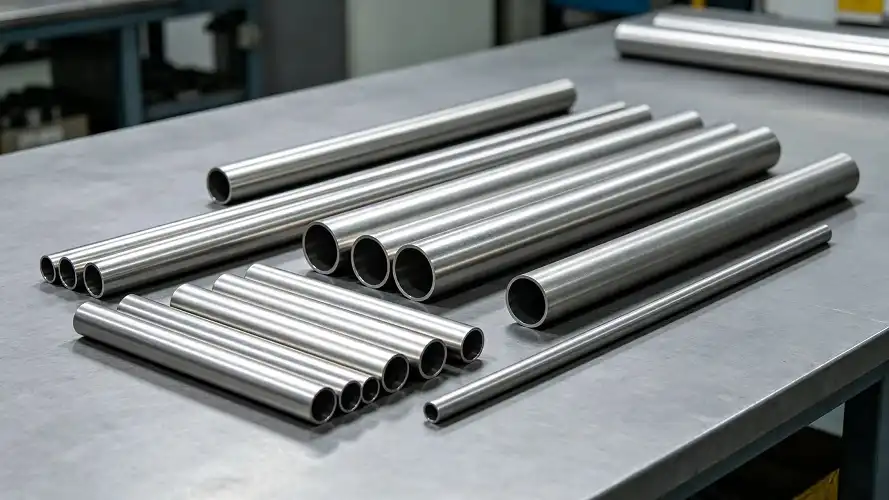
The surface state of the titanium tube is just as important as the base alloy itself when choosing materials for important industry uses. An acid-pickled titanium tube goes through an exact chemical process using hydrofluoric and nitric acid solutions to get rid of the oxide scale and surface contaminants that formed during production. This method gives a smooth, matte finish that is cleaner and more resistant to rust, and it meets strict ASTM standards like B338 and B861. The end result is a chemically pure surface that works well in harsh conditions where regular finishes would wear out quickly.
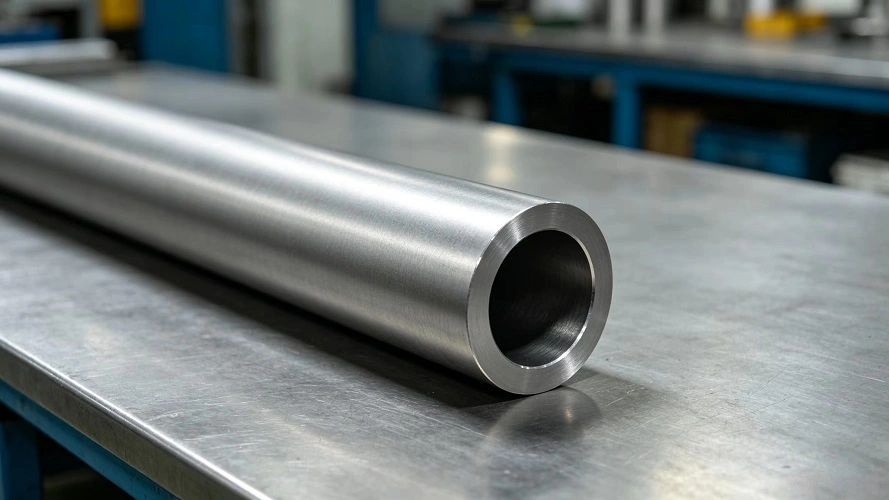
Understanding the Acid Pickling Process for Titanium Tubes
What Makes Acid Pickling Essential?
High-temperature processes, such as annealing, are used to make titanium tubes. These processes form an oxygen-rich, rigid layer on the surface called the alpha case. This layer makes the material less flexible and creates a weak spot where cracks can start when it is stressed. This layer, along with any iron pollution or loose oxides, is chemically broken down by acid pickling. This brings back the titanium's original qualities. Controlled immersion in acid solutions takes about 0.02mm to 0.05mm of material, leaving behind a clean base that is ready for tough service conditions.
A carefully balanced mixture is what makes this treatment work chemically. Nitric acid is an oxidiser, and hydrofluoric acid is an etching mixture. Keeping the nitric-to-hydrofluoric ratio high stops hydrogen from entering the titanium lattice, which could weaken it. This level of accuracy sets professional acid pickling apart from other surface treatments.
How the Treatment Process Works
The pickling process is organised in a way that makes sure the results are the same from batch to batch. Before acid can touch tubes, they are degreased to get rid of any oils or organic residues that could get in the way. The material is then put into a controlled-temperature pickling bath. The temperature range depends on the type of metal and the rate of removal that is needed. Technicians keep a close eye on the soaking time because too much pickling can make the surface rough or pitted, and too little pickling leaves behind scale.
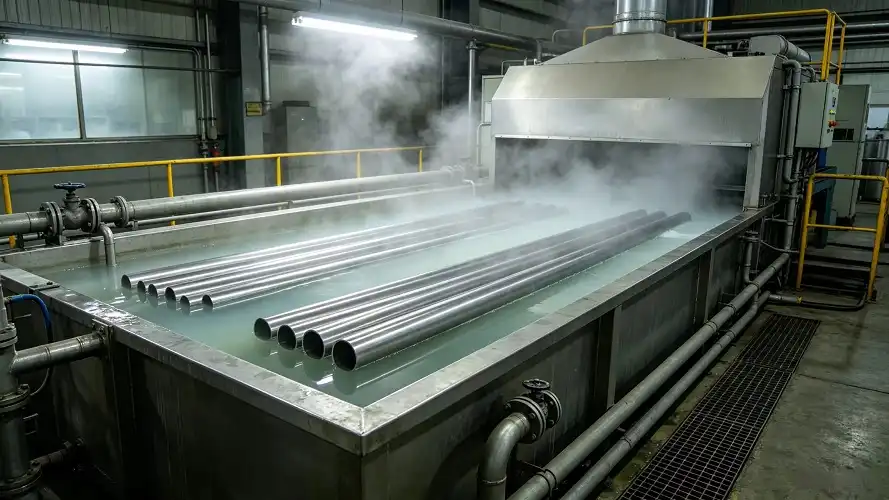
After the acid treatment, the tubes are rinsed well with several stages of water to get rid of all traces of acid. In the last step, passivation in diluted nitric acid helps make a solid titanium dioxide film that protects against rusting over time. Checking for quality includes looking at the finish to make sure it's even, measuring the roughness of the surface, and making sure that the tolerances for size don't change after the material is taken away.
Benefits and Performance Advantages of Pickled Titanium Tubing
Superior Corrosion Resistance in Harsh Environments
Acid cleaning makes the surface of the Acid Pickled Titanium Tube clean and free of oxides, which lets the natural passive film form evenly across the whole tube. When this protective layer gets broken, it fixes itself and is much more resistant to attack from chlorides, acids, and seawater than surfaces that are covered in industrial scale. Facilities that work with acidic media depend on this increased resistance to keep things from breaking down too soon and having to shut down without warning, which can be very expensive.
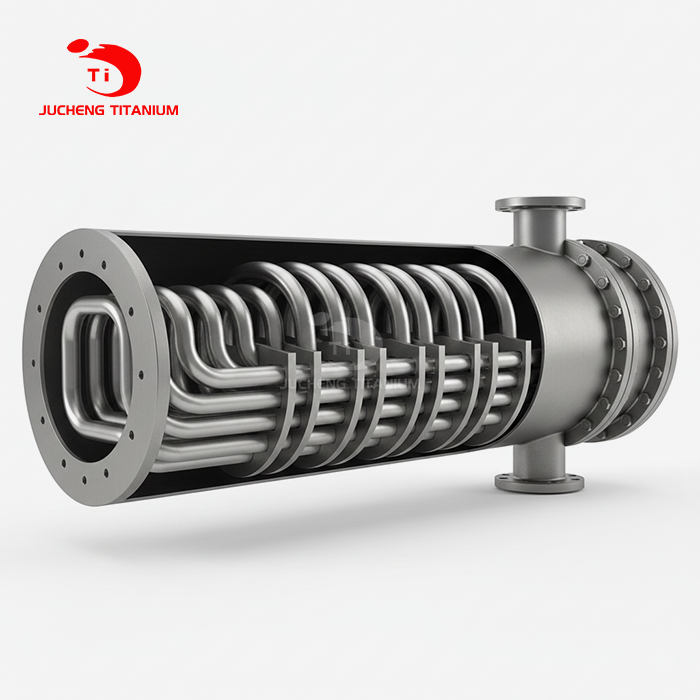
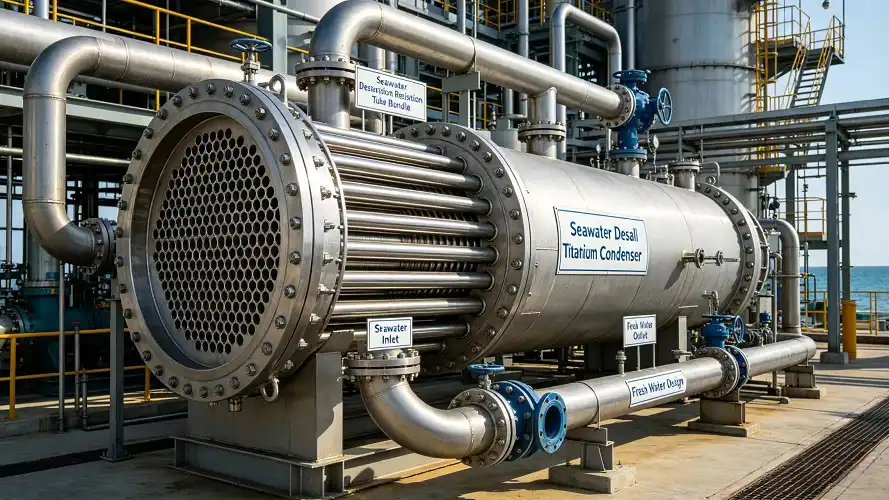
Pickled surfaces are especially useful for marine applications. In seawater desalination plants, these tubes are used in evaporators and heat exchangers, where the fast flow of brine can take advantage of any flaws in the surface. The matte texture gives the passive film the best anchor profile and stops crevice rust in threaded links and tube-to-tubesheet joints.
Extended Service Life and Reduced Maintenance
Getting rid of the weak alpha case layer makes the material more resistant to fatigue in situations where it is loaded and unloaded over and over again, like in aerospace hydraulic systems and power generation equipment. The flexible layer below can handle cycles of shaking and temperature expansion without getting tiny cracks that grow into big problems. This directly leads to longer periods between inspections and lower costs over the lifecycle.
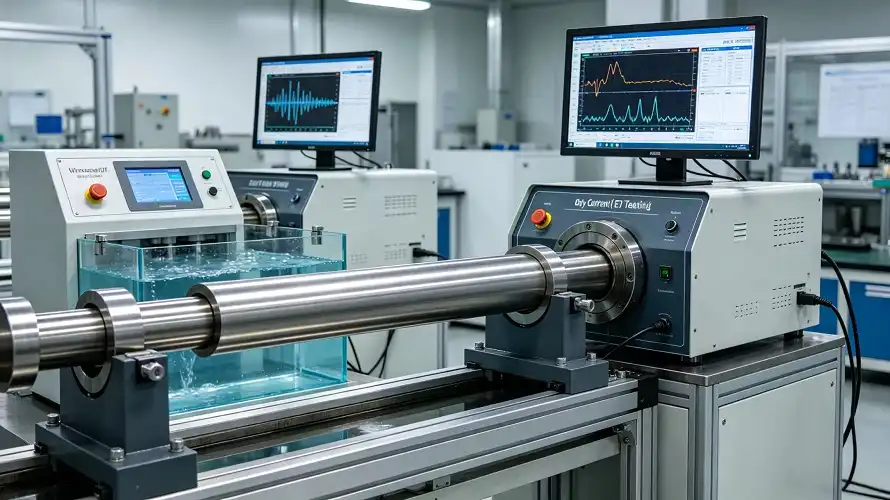
The chemically clean surface also makes non-destructive tests more reliable. When oxide layers and other contaminants are not present, ultrasonic and eddy current inspections are better at finding flaws below the surface. Maintenance teams can safely check the integrity of tubes without getting false readings that cause them to be replaced or flaws to be missed.
Improved Welding and Fabrication Outcomes
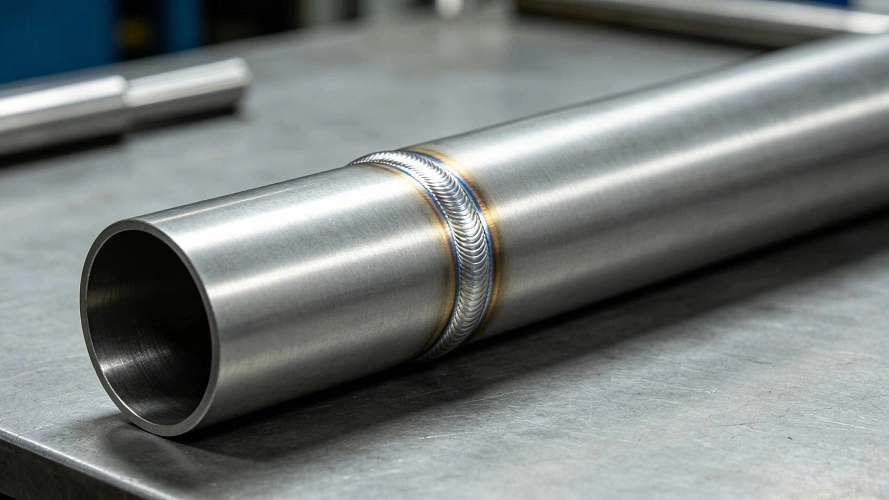
When fabricators use treated titanium tubes, the welds are better, and there are fewer rejects. In the heat-affected zone, surface contaminants and oxides cause holes and weakening, which lowers the strength of the joint. The clean surface from acid pickling lets the filler metal join properly with the base material. This makes sound welds that meet aircraft and pressure tank code standards without a lot of work being done before the weld.
Comparing Surface Treatments: Making the Right Material Choice
Acid Pickled vs. Bright Annealed Finishes
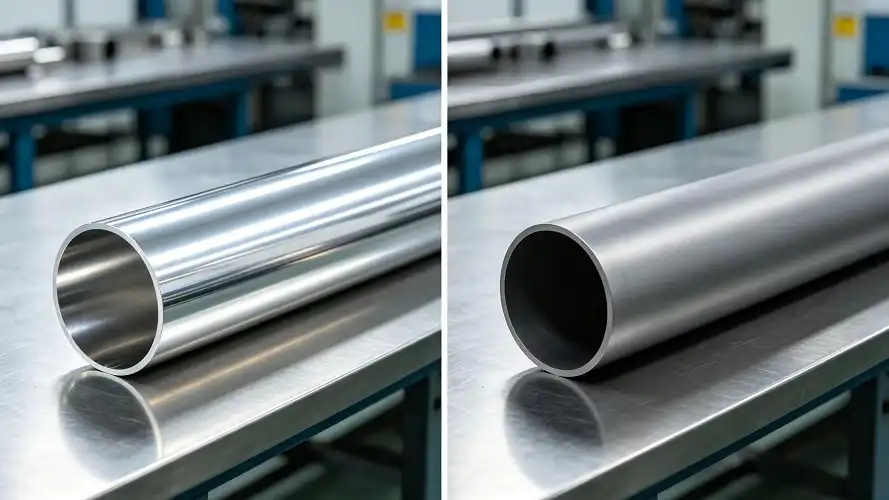
Bright annealed tubes that are heated in controlled atmosphere or vacuum furnaces keep their shiny, reflective surface that can be used for some aesthetic purposes. But this finish costs more because it needs careful control of temperature and atmosphere during hardening. The pickled finish is a useful option when performance and cost-effectiveness are more important than how something looks. Both treatments get rid of alpha case, but pickling cleans more thoroughly and guarantees that all contaminants are gone.
The two methods have very different levels of surface roughness. The Ra range for bright annealed tubes is usually between 0.4μm and 1.0μm, and the range for pickled surfaces is between 1.6μm and 3.2μm. This rougher surface on pickled tubes makes it easier for coats, paints, or glue to stick to them when they are going to be treated again later.
Titanium vs. Stainless Steel Tubing Performance
When procurement teams are looking at different materials, they often compare the starting costs of titanium and 300-series stainless steels. Even though stainless steel tubes are cheaper up front, titanium's high strength-to-weight ratio and resistance to rust make it a better long-term investment. An acid-pickled titanium tube that weighs half as much as stainless steel can work just as well or better in corrosive environments with less need for structural support.
This comparison is especially useful in chemical processing and offshore work, where chloride stress corrosion cracking can happen to stainless steel. Titanium's passive film stays steady over a wider pH range and can handle oxidising acids that break down stainless steel quickly. Titanium is chosen by equipment designers when dependability can't be compromised, and getting replacements is hard or expensive.
Procurement Guidelines for ASTM-Certified Titanium Tubes
Verifying Standards Compliance and Certification
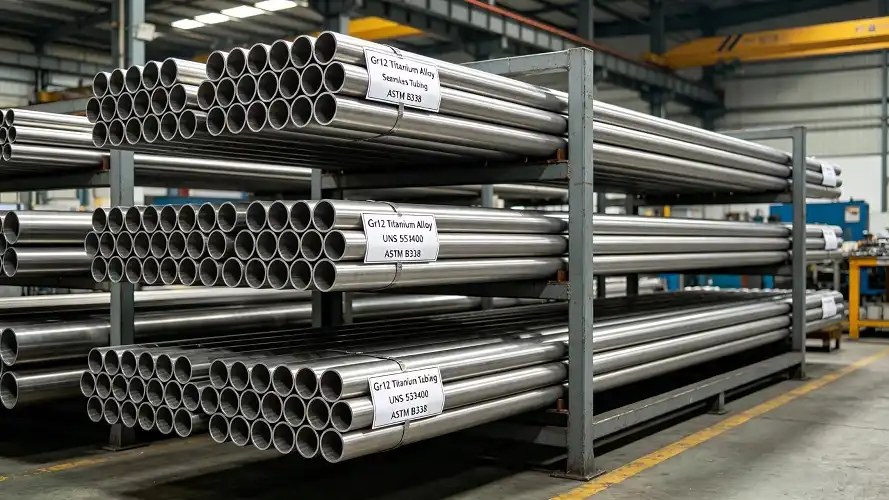
When a product is certified by ASTM, it means that its composition, mechanical qualities, and manufacturing methods all meet standards that are known around the world. Specifications like ASTM B338 for welded and seamless tubes, B337 for seamless tubes, and B861 for seamless commercial grade tubes spell out exact needs for chemical testing, tensile strength, and size variations. For each production lot, suppliers should give mill test reports that show compliance with the relevant standard.
For example, AMS 4942, which puts stricter limits on trace elements and processing methods, is needed by the aircraft industry. Manufacturers of medical devices need proof that biocompatibility testing was done and that each lot can be tracked. When looking for pickled titanium tubing, make sure the company that sells it has quality management systems that are certified to ISO 9001 and, if needed, AS9100 for aerospace or ISO 13485 for medical uses.
Evaluating Supplier Capabilities and Experience
To be a qualified titanium tube provider, a company must be able to do more than just offer materials. When looking for a company, look for one that has cutting services, an acid cleaning facility, and a tube production facility all under one roof. When compared to sellers who outsource important processing steps, this vertical integration makes it easier to keep an eye on quality and cuts down on wait times.
With more than 20 years of experience, Baoji Jucheng Titanium Industry stands out among companies that make titanium. We keep 3,000 tonnes of titanium on hand for quick shipping and make titanium tubes that meet ASTM B338, ASME SB338, and AMS 4942 standards. Our factory is in China's Titanium Valley. We make Grades 1, 2, 3, 5, 7, 9, and 12 in seamless shapes with outside diameters from 3 mm to 219 mm and wall thicknesses from 0.5 mm to 20 mm. Products can be made to your exact specifications and measurements.
Understanding Pricing and Order Logistics
Titanium tube prices depend on a number of factors, such as the grade chosen, the complexity of the dimensions, the number of orders, and the current markets for raw materials. For general rust protection, commercial purity grades like Grade 2 are the best value. On the other hand, alloyed grades like Grade 5 (Ti-6Al-4V) are more expensive because they are stronger. When you commit to buying a lot of something, you can usually get lower unit costs through tiered prices.
Lead times depend on whether the material is in stock or needs to be made to order. Standard sizes in common grades can usually be shipped within days, but custom sizes or materials that aren't used very often take 6 to 12 weeks to make and process. When procurement deadlines are tight, working with suppliers who keep a lot of ready-to-ship inventory helps keep projects from being held up.
Technical Specifications and Quality Assurance Practices
Critical Dimensional and Mechanical Parameters
To make sure that designed systems work properly, Acid Pickled Titanium Tube seamless titanium tubes made to ASTM standards must meet very tight size limits. Outside diameter tolerances are usually between ±0.10mm and ±0.40mm, depending on the standard size. Wall thickness tolerances are kept to ±10% of the number given. Tubes that are saw-cut are held to ±3mm in length, and tubes that are shear-cut to ±6mm.
The mechanical properties depend on the grade and the condition. Grade 2 titanium that has been annealed has a minimum tensile strength of 345 MPa, a minimum yield strength of 275 MPa, and an extension of more than 20%. Grade 5 alloy is much stronger than Grade 4 alloy—minimum 895 MPa tension and 828 MPa yield—so it can be used for structural aircraft parts. These mechanical qualities are kept by the pickling process, which only removes the top layer.
Inspection Methods and Quality Control
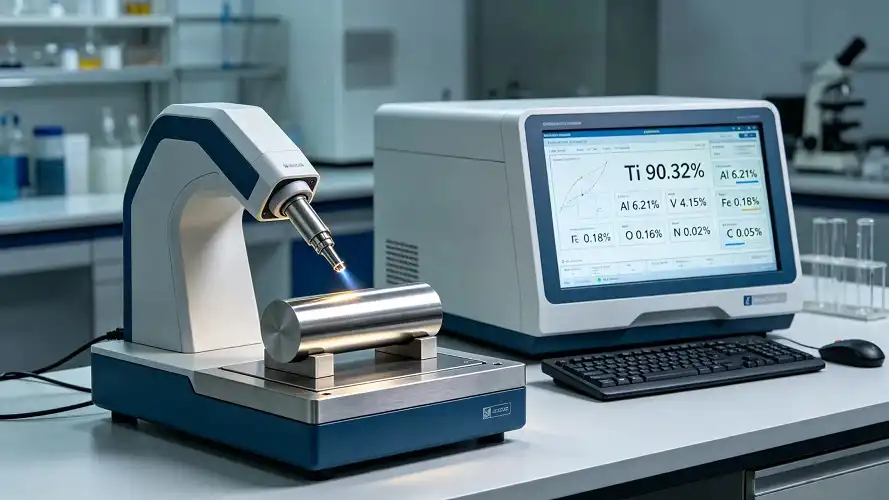
Full quality control starts with checking the raw materials that come in using optical emission spectroscopy for chemical analysis. This proves that each titanium heat meets the composition limits for iron, oxygen, nitrogen, and carbon, which affect how well it resists corrosion and how it behaves mechanically. After the tube is formed and pickled, precision micrometres and coordinate measuring tools are used for measurement checking to make sure it meets the requirements of the drawing.
A very important quality check is non-destructive testing. Ultrasonic testing finds flaws inside things, like inclusions or voids, that make it harder for the pressure to stay inside. With an eddy current inspection, you can find cracks, laps, and other surface and near-surface discontinuities. By putting more pressure on tubes than their design limit, hydrostatic testing shows that they don't leak. A visual check makes sure that the pickled surface has the right finish and doesn't have any pits, discolouration, or leftover scale.
Proper Handling and Maintenance Recommendations
Keeping the integrity of pickled titanium tubes while they are being stored and installed stops damage to the surface that could take away from the acid treatment's benefits. Keep tubes in racks with covers so they don't come into contact with carbon steel, which can rust if it gets wet. Do not drag tubes across concrete or rough surfaces that can damage the protective oxide film.
During welding fabrication, make sure that the pickled surface is kept clean by covering both the weld face and the root side with enough shielding gas. Argon cleaning stops the pickup of oxygen and nitrogen, which weakens the area that is exposed to heat. Cleaning with stainless steel wire brushes, never carbon steel ones, after welding gets rid of any heat tint without adding ferrous contamination.
Conclusion
Acid Pickled Titanium Tubes with ASTM certification are a tried-and-true material choice for fields that need high stability and protection to corrosion. The pickling process gets rid of surface flaws and impurities that lower performance. This leaves the tube ready for important jobs in chemical processing, aircraft, marine, and power generation. When procurement professionals know about the technical aspects of acid pickling, different grades of materials, and certification requirements, they can make decisions that meet performance needs and stay within budget. When you work with experienced sources who keep up-to-date quality systems, you can be sure that the materials you receive will always meet your needs.
FAQ
1. What distinguishes an acid pickled finish from bright annealing?
During heat treatment, vacuum or controlled atmosphere processing creates bright annealed surfaces that have a shiny, glossy finish with little material removal. Acid pickling breaks down surface oxides and alpha case, giving the metal a matte grey look. Pickling is the best way to clean a surface thoroughly when cleanliness is more important than how it looks. It gets rid of all contaminants and rigid layers.
2. Does the pickling process affect tube wall thickness?
Yes, acid pickling does take away stuff from all surfaces that are uncovered. The usual range for removal is between 0.02 mm and 0.05 mm, but this depends on the pickling conditions and the type of alloy. Manufacturers make up for this loss during the initial production of the tube by keeping the wall thickness within certain limits. This makes sure that the final product meets the requirements after pickling. After all the steps of processing are done, the mill test reports show the actual sizes.
3. Can pickled titanium tubes handle oxygen service applications?
Pickled tubes are clean enough to start using oxygen, but they need extra cleaning that goes beyond regular pickling. To keep high-pressure oxygen systems from catching fire, cleaning procedures get rid of all organic leftovers, hydrocarbons, and particulate matter. Standard pickling gets rid of metal oxides and alpha case, but it doesn't get rid of biological pollution. When buying tubes for these important uses, you should always make sure that the oxygen cleaning needs are listed separately.
4. How do you prevent hydrogen embrittlement during acid pickling?
To stop hydrogen absorption, the acid mixture ratio must be carefully managed. Keeping the nitric acid to hydrofluoric acid ratio high (usually more than 10:1) makes sure that the nitric acid's oxidising effect takes over. This stops the lowering conditions that would bring hydrogen into the structure of the titanium lattice. With the right process control and bath tracking, you can keep the metal from becoming fragile while still getting rid of oxides effectively.
Partner with Jucheng Titanium for Your Acid Pickled Titanium Tube Requirements
As a seller of acid-pickled titanium tubes, Baoji Jucheng Titanium Industry gives aircraft makers, chemical processors, and equipment builders the quality, product depth, and technical know-how they need. Our 120,000-square-meter building has all the equipment needed to make tubes. It can extrude, cold roll, anneal, and acid pickle tubes under quality systems that are ISO 9001 approved. We keep common grades and sizes in stock so that they can be sent out right away. We also offer custom manufacturing for specific alloy or size needs.
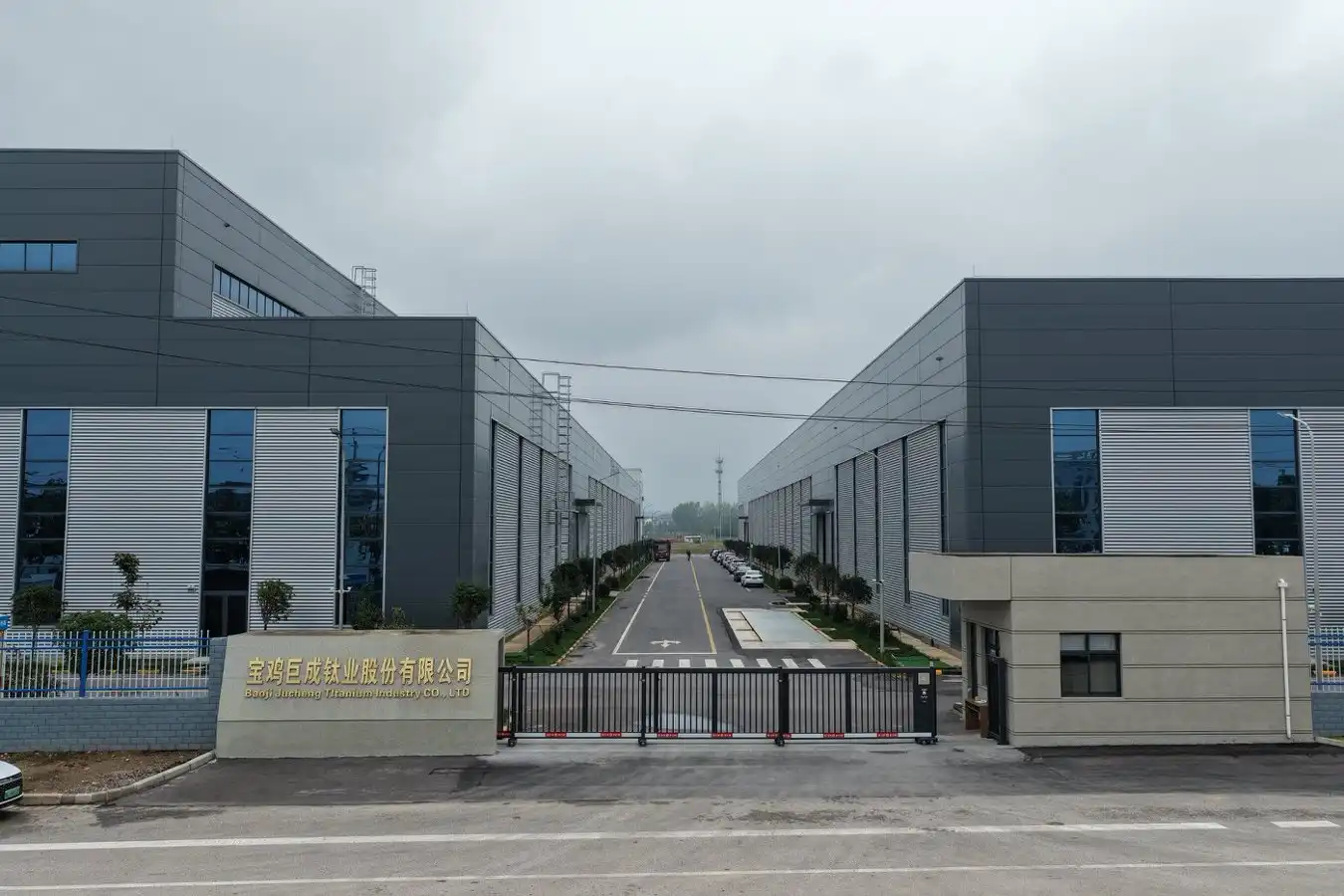
We are recognised as a National High-Tech Enterprise and have 45 patents that back up our manufacturing methods. This means that we are both innovative and reliable. Our engineering team can help you choose the best material grade and specs for your project by giving you expert advice. We can meet your needs, no matter how big or small they are. You can use small amounts for testing or a lot of them for production projects. To talk about your project goals and get a full quote, email our team at s4@juchengti.com. With more than 20 years of experience in the titanium industry, we can guarantee that you will always get material that meets your needs.
References
1. American Society for Testing and Materials. Standard Specification for Seamless and Welded Titanium and Titanium Alloy Tubes for Condensers and Heat Exchangers, ASTM B338-21. West Conshohocken, PA: ASTM International, 2021.
2. Donachie, Matthew J. Titanium: A Technical Guide. 2nd ed. Materials Park, OH: ASM International, 2000.
3. Schutz, R.W. "Environmental Behavior of Titanium and Its Alloys." Journal of Metals 36, no. 11 (1984): 33-37.
4. Peters, M., and C. Leyens, eds. Titanium and Titanium Alloys: Fundamentals and Applications. Weinheim, Germany: Wiley-VCH, 2003.
5. American Society of Mechanical Engineers. Specification for Seamless and Welded Titanium and Titanium Alloy Tubes, ASME SB-338. New York: ASME, 2020.
6. Boyer, R., G. Welsch, and E.W. Collings, eds. Materials Properties Handbook: Titanium Alloys. Materials Park, OH: ASM International, 1994.