
Best Titanium Seamless Pipe Uses and Benefits Explained?
Titanium seamless pipe is a game-changing option for businesses that work in harsh environments where regular materials always fail. Precision extrusion and cold rolling are used to make these pipes without any bonded joins. This means that they are stronger than seamless pipes. Their amazing resistance to rust, especially in chloride-rich, acidic, and high-temperature environments, along with their high strength-to-weight ratio, makes them essential in the medical device, aircraft, chemical processing, and chemical processing industries. This detailed guide talks about how picking the right grade and standard can cut costs by a huge amount over the life of a system while also making it more reliable.
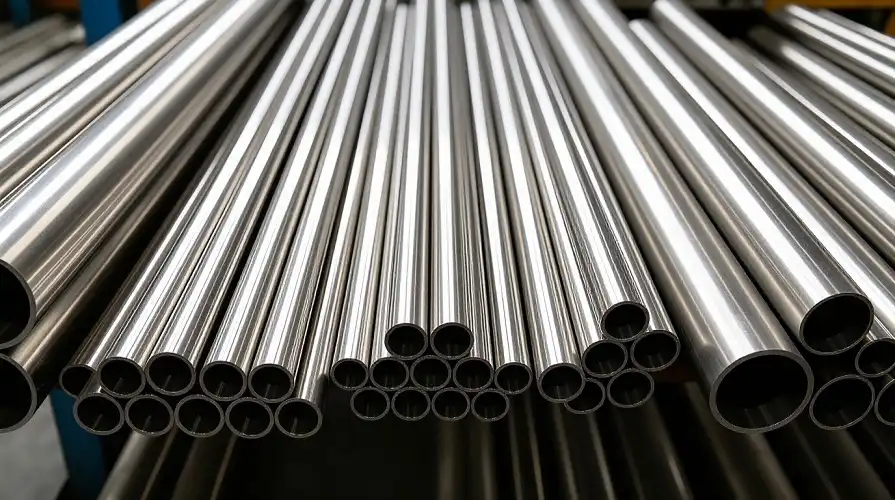
Understanding Titanium Seamless Pipes: Properties and Manufacturing Process
Titanium seamless pipe is based on how pure the metal is and how precisely it can be made. Seamless construction maintains the same grain structure throughout the pipe wall, unlike welded versions that have heat-affected areas more likely to concentrate stress, ensuring consistent performance.
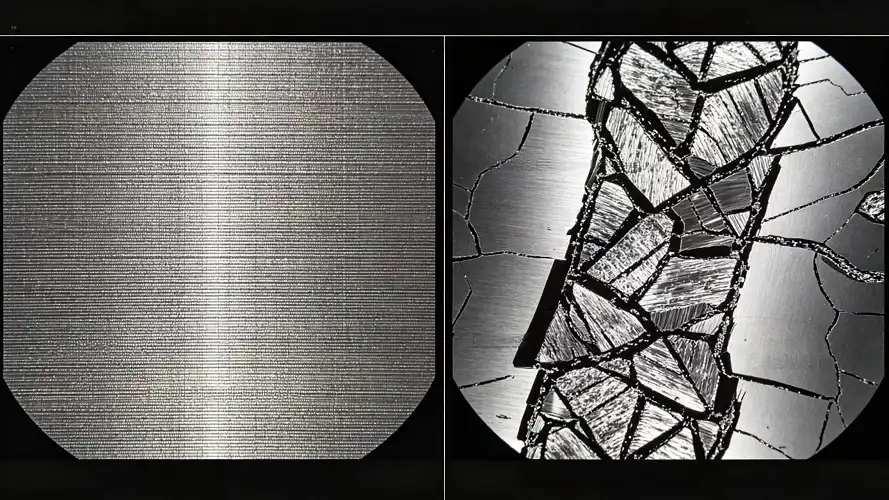
Chemical Composition and Industrial Grades
Grade 2 (UNS R50400), the most common grade of commercially pure titanium, serves as the workhorse material due to its excellent mix of formability and corrosion protection. This grade has very few alloying elements (up to 0.3% iron and 0.25% oxygen), which makes it very flexible for complicated pipe designs. Grade 1 is even purer and is used for jobs that need the best cold-forming properties. Grade 5 (Ti-6Al-4V), on the other hand, has aluminium and vanadium added to it to get tensile strengths close to 895 MPa for structural aircraft parts. Grade 9 (Ti-3Al-2.5V) and other intermediate grades offer better performance by being stronger while still being better at withstanding hydraulic pressure for underwater systems.
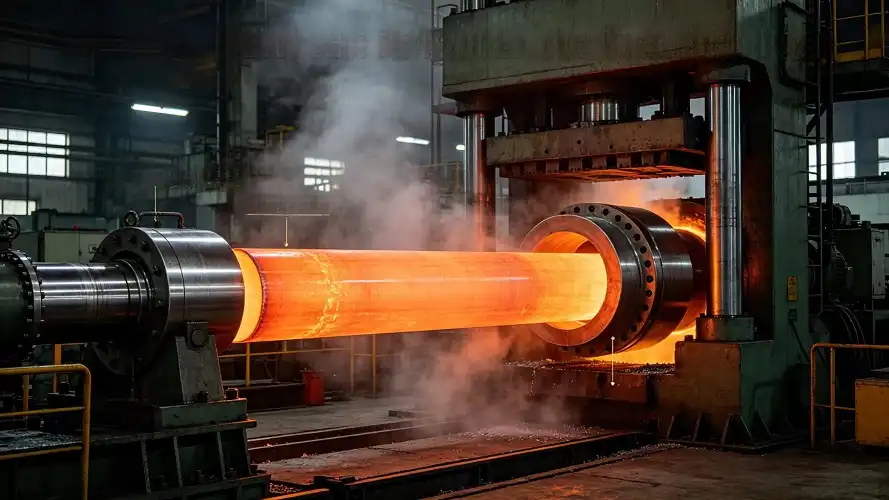
Manufacturing Process Excellence
Our manufacturing process starts with carefully chosen titanium billets that are chemically analysed thoroughly before they are processed. In the extrusion process, billets are heated to exact temperatures (usually between 900°C and 1000°C) and then pushed through precise dies to make the first shape that is smooth. After cutting, the internal dimensions are fine-tuned, and the material is cold-rolled several times to achieve the final dimensional standards while also hardening it. Then, an annealing heat process lowers the internal stresses that have built up during cold working. This makes the metal more flexible and resistant to rust. Using acid pickling to finish the surface gets rid of the oxide scale, leaving a clean, passive layer that makes the material more resistant to the environment. The last steps of straightening make sure that the dimensions are accurate within the limits set by ASTM B861. The outside sizes can be anywhere from OD3 to OD219 mm, and the wall thicknesses can be anywhere from 0.5 to 20 mm, or they can be made to fit the needs of the project.
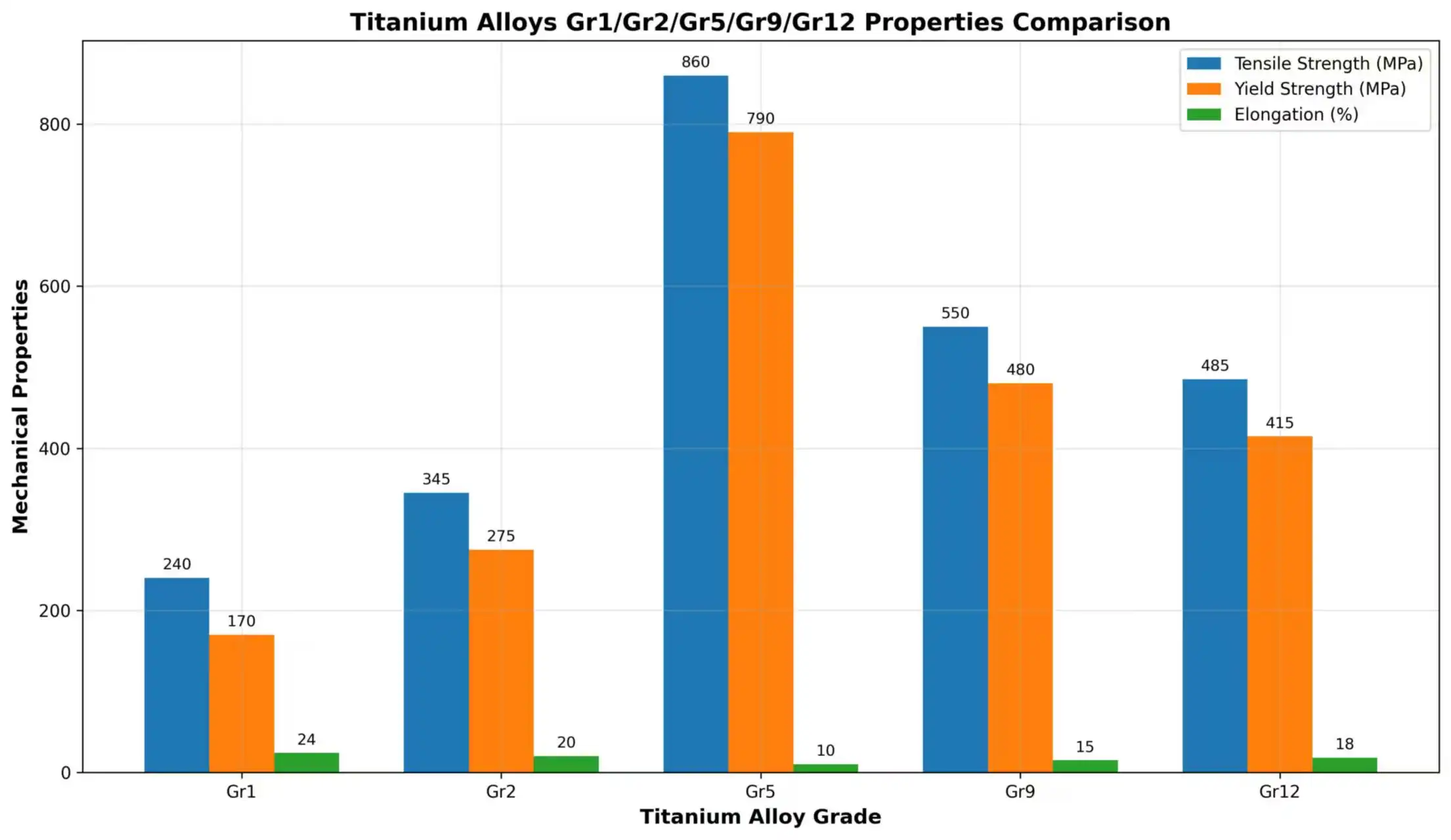
Key Mechanical Properties
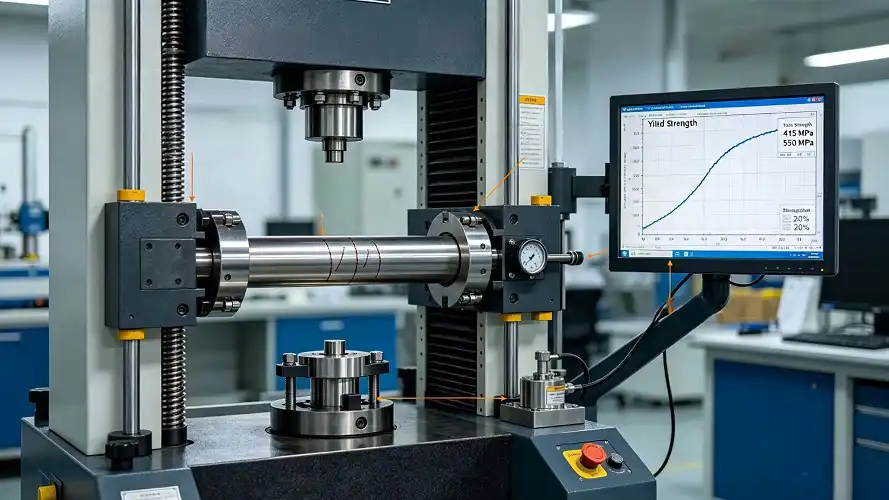
Titanium is defined by its persistent oxide film, which heals itself instantly when broken. This makes it resistant to pitting and crevice rust in places where stainless steel breaks down quickly. These pipes have a very low density of 4.51 g/cm³, which is about 60% that of steel. They are very strong, so they can be used to reduce weight without affecting the structure's stability. It has better fatigue strength than most engineering metals, which is very important for uses that have to deal with cyclic loads in aircraft and offshore systems. Temperature stability goes from very low temperatures (cryogenic) to 400°C constant service, keeping the mechanical qualities the same over this wide range of temperatures.
Key Benefits of Titanium Seamless Pipes for Industrial Applications
Even though it costs more at first, procurement choices are leaning more toward titanium seamless pipes because lifetime cost studies show that it has many benefits over traditional materials.
Superior Corrosion Resistance and Durability
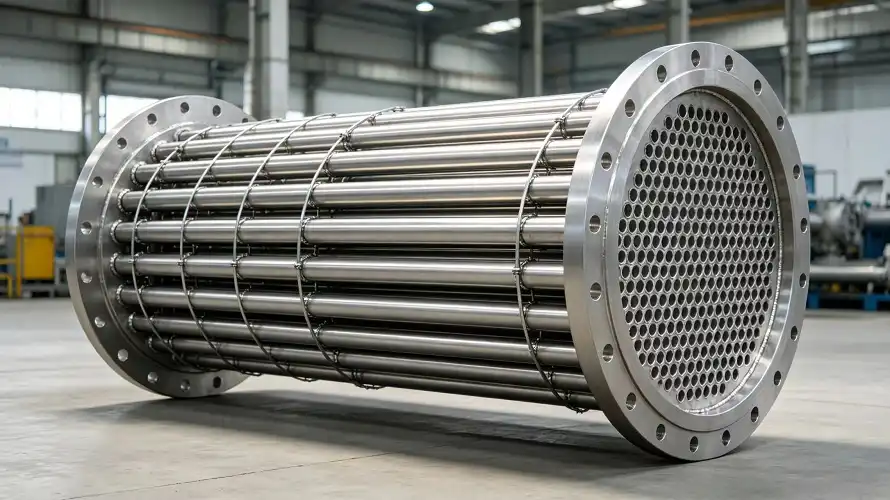
Chemical production areas put pipe systems in contact with strong acids, chlorinated solvents, and oxidising chemicals that break down normal metals over time. Stainless steel 316L works fine in mild conditions, but it gets damaged in areas with chloride levels above 200 ppm, which can cause unexpected breakdowns and expensive production stops. Titanium seamless pipes don't have this weakness because they have a self-healing oxide layer that keeps them solid in seawater, wet chlorine gas, and strong acids that would eat through nickel metals in months. A big petroleum plant on the Gulf Coast used Grade 2 heat exchanger tubing for 15 years straight in corrosive hydrocarbon handling. This wasn't possible with copper-nickel alloys, which had to be replaced every 3–4 years. These longer service lives immediately lead to lower maintenance costs, less downtime, and higher operating reliability.
Exceptional Strength-to-Weight Ratio
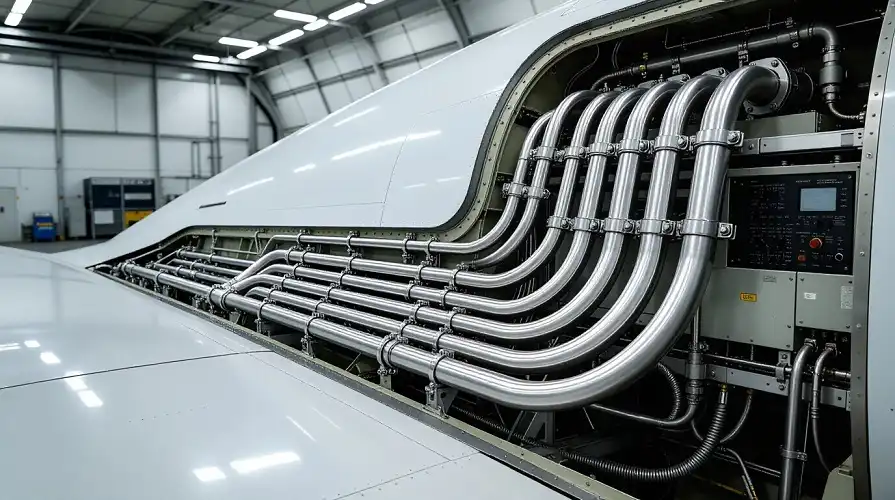
For aerospace uses, you need materials that can hold the most weight while still being safe. Because titanium seamless pipe has certain strengths, engineers can make systems that are 40–50% lighter than steel ones while keeping the same pressure levels. More and more, commercial aeroplane hydraulic systems need Grade 9 seamless tubes that can handle working pressures of 3000 psi while being much lighter than aluminium alternatives. This is because aluminium isn't as stable at high temperatures or as resistant to corrosion. In the same way, defence companies use these qualities in missile navigation systems and rocket propulsion units, where each gram changes the performance parameters.
Lifecycle Cost Efficiency
The initial costs of buying titanium seamless pipes are usually three to five times higher than those of stainless steel versions. This makes it hard for purchasing teams that are focused on costs to make the switch. More in-depth lifetime studies show different economic facts. A case study of a chemical plant compared titanium and stainless steel in caustic service and found the total purchase costs over 20 years of use. Stainless systems needed three full repairs and a lot of upkeep work, which added up to costs that were more than 400% of the initial installation. During the evaluation time, titanium devices didn't need any upkeep and had a 60% lower total cost, even though they cost more to buy. Procurement experts are using these studies more and more to help them choose materials, since they know that short-term savings can hide higher costs in the long run.
Main Applications of Titanium Seamless Pipes Across Industries
Titanium seamless pipes are mostly used in the following industries: grade selection and specification factors are based on the needs of the industry, as performance requirements are very different across application areas.
Aerospace and Defense Sectors
When aircraft makers define AMS 4942 standards for titanium seamless pipes, they make sure that the lines can be tracked and that their mechanical properties can be checked, which is a key part of getting an aeroplane certified for airworthiness. Even after 30 years of use, these tubes are still leak-tight even after being exposed to vibrations, changes in temperature, and flight fuels. Defence uses include the airframes of missiles and the ballast systems of submarines, where resistance to rust in salt water is very important. Material test reports with tensile strength, flaring test results, and ultrasonic inspection records are usually required by procurement requirements. This is to make sure that the quality of paperwork meets strict military standards.
Chemical and Petrochemical Industries
Titanium seamless pipes are the best choice for heat exchangers, reactor cooling coils, and transfer lines that handle harsh chemicals because they don't rust. ASME SB338 sets the rules for condensers and heat exchangers. Grade 2 systems are the most common and are used to process chlorinated hydrocarbons, sulphuric acid, and nitric acid solutions. When you use seamless construction, there are no weak spots in the weld that can lead to rust in welded tubes. Our biggest titanium spiral plate heat exchanger installation, which was for a big steel company, shows that the technology can be scaled up. It handles more than 50 million BTU/hr of heat and can stand up to corrosive blast furnace gas condensates that destroyed stainless steel units in just 18 months.
Marine and Offshore Operations
Immersion in saltwater makes the conditions very hostile, speeding up galvanic rusting, biofouling, and oxygen concentration cell attack. Titanium seamless pipes are being used more and more in offshore platform saltwater cooling systems, desalination plant heat exchangers, and submarine propulsion parts to meet the expected 25–30 year service life. These pipes are used on surface ships in important firefighting and grounding systems where reliability has a direct effect on operating safety. Because sea organisms can't stick to the material, it requires less upkeep and doesn't need the harmful antifouling coatings that copper metals must have.
Equipment for making medicine and food
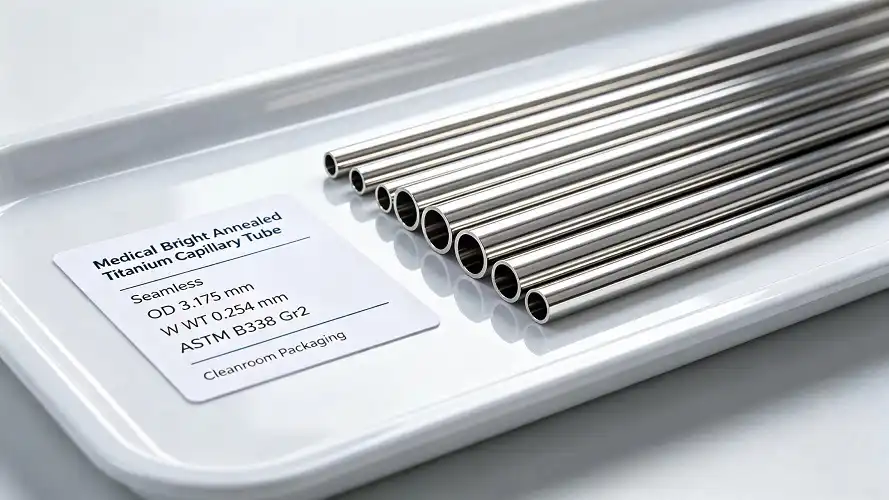
Biocompatibility rules limit the types of materials that can be used for food-contact areas and implanted devices. When it comes to making medical instruments, pharmaceutical reactor systems, and heat exchangers for food processing, titanium seamless pipes are the best choice because they are pure and easy to clean. Grade 2 meets FDA standards for direct food contact and can handle harsh cleaning-in-place (CIP) methods that use hot, acidic, and caustic solutions. Manufacturers of medical devices like the bright annealed surface finish because it makes cleaning easier and stops germs from growing.
How to Choose the Right Titanium Seamless Pipe for Your Project?
Titanium seamless pipe: How to Select It requires matching the pipe standards to the operational factors, while performance needs are balanced with budget limits.
Technical Requirements Assessment
First, project engineers have to set design factors, such as the highest working pressure, the widest range of temperatures, the type of corrosive media used, and the conditions under which the structure will be loaded mechanically. For pressure tank uses, calculations must be done to make sure the wall thickness meets the requirements of ASME Section VIII. Seamless pipes have joint efficiency factors of 1.0, while welded pipes have 0.85-0.90. This 10-15% edge lets the walls be thinner and the weight be lower. When temperatures go from very low to very high, commercially pure grades that stay flexible are best. On the other hand, Grade 5 metal may be worth the extra cost and lower corrosion protection for high-strength uses.
Material Grade Comparison
Grade 1 is best for uses that need the most shapeability for complex shapes and tight bend radii. It can handle a lower tensile strength of about 345 MPa. Grade 2 is the best choice for 80% of industrial uses because it has a minimum tensile strength of 450 MPa, is very resistant to rust, and doesn't cost too much more than other grades. Grade 9 is used in hydraulic systems that need strength close to 620 MPa while still being easier to weld than Grade 5. Grade 5 is used for aerospace structural parts where the best balance of strength and weight supports higher prices and special welding methods.
Supplier Evaluation Criteria
The success of procurement relies on suppliers' skills that go beyond just comparing prices. For each production lot, we keep full material certifications that include mill test records that show the chemical makeup, mechanical qualities, and results of non-destructive examinations. Our quality control method includes ultrasonic testing for finding cracks inside, eddy current checking for finding flaws on the outside, and hydrostatic pressure testing to make sure the structure is solid. Lead times depend on how complicated the specifications are. Standard sizes from our 3,000-tonne store ship within days, but special sizes take 8–12 weeks to extrude and process. Established connections with study centres, such as the Northwest Institute for Nonferrous Metal Study, make it possible to obtain metallurgical assistance for demanding applications.
Best Practices for Procurement and Handling of Titanium Seamless Pipes
Titanium seamless pipe procurement and handling best practices require attention to correct specifications, check routines, and installation methods that are often missed in normal purchasing processes.
Specification and Ordering Guidelines
Dimensional requirements, such as outer diameter, wall thickness, length, and number, must be clearly stated in purchase orders. Ambiguity leads to mistakes that cost a lot of money and delivery delays. Setting relevant standards (ASTM B337, ASTM B338, and ASTM B861) sets standards for quality and testing needs. The type of surface finish—polished, machined, or acid pickled—affects both how it looks and how well it resists rust. Bright annealed finishes are the most expensive. To get the most out of manufacturing, custom sizes outside of normal production ranges need thorough drawings with tolerances, an idea of how many items will be ordered, and the ability to change the shipping timeline.
Quality Control and Inspection
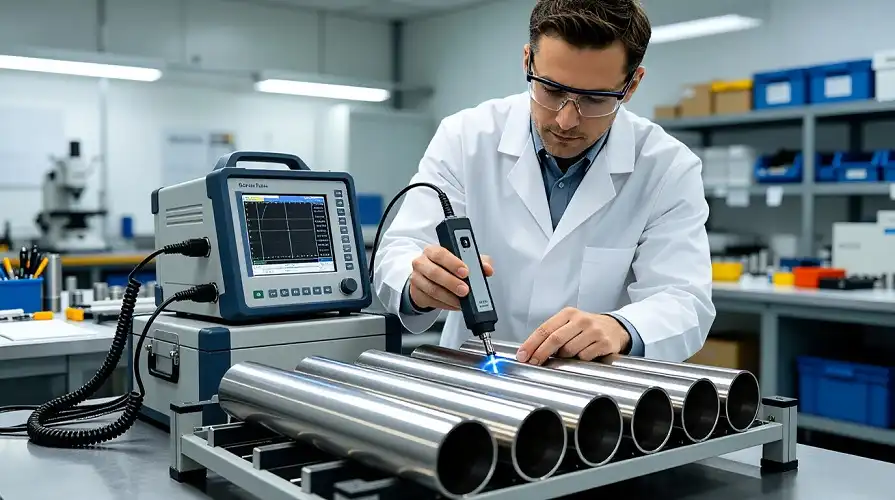
Receiving inspection methods should use precise measuring tools to make sure that the dimensions are correct, paying special attention to how the uniformity of wall thickness affects pressure ratings. Material test records need to be looked over to make sure they meet the requirements for grade, heat number tracking, and mechanical properties. Ultrasonic and eddy current examination papers show the results of non-destructive testing. They show any underground or surface problems that are too big to be ignored. Records of hydrostatic tests, which are usually done at 1.5 times the original working pressure, show that the pressure is stable. Positive material identification (PMI) with handheld X-ray fluorescence scanners verifies chemistry and protects against material replacement scams, which sometimes happen in the titanium market.
Installation and Maintenance Considerations
When welding titanium seamless pipes, you have to follow special steps to keep the weld zone clean and free of airborne contaminants that weaken the metal. Inert gas protection with argon or helium must cover both the weld face and the root side, and the flow rates of the covering gas must be carefully controlled. For expensive weld failures to be avoided, qualified welders approved to AWS D1.9 titanium welding codes are needed. To keep the tools sharp, the cooling flow must be high, and the cutting speed must be reasonable so that the work doesn't get too hard and damage the tools. To stop galvanic rust and iron poisoning from moving, carbon steel must be stored in clean, dry areas that are kept away from each other.
Conclusion
Titanium seamless pipe technology works better than any other material in tough industry settings where failure of the material can have serious effects on safety and operations. Getting rid of welded seams improves structural integrity, which is very important in high-pressure aircraft hydraulics, corrosive chemical processing, and coastal conditions that break down normal metals quickly. Although they cost more at first than standard materials, full lifecycle analyses always show that they are cheaper in the long run because they last longer, need less upkeep, and don't break down at the worst times, which can throw off production schedules. Selecting the right grade for the job, making sure the source meets strict standards for quality and traceability, and installing titanium in a way that keeps its natural benefits are all necessary for a successful implementation.
FAQ
1. What distinguishes seamless from welded titanium pipes in industrial applications?
With seamless building, there is no heat-affected zone like there is with welding, which could make titanium seamless pipes weak. This even grain structure gives about 20% higher pressure ratings and better resistance to wear, which is why seamless pipes are best for uses that need to withstand repeated loads and high levels of safety.
2. How does titanium compare to stainless steel and aluminium for corrosion resistance?
Titanium's self-healing oxide layer protects it from chloride-induced pitting and fissure corrosion, which is something that stainless steel can only do in mild conditions. Aluminium is not as stable at high temperatures as titanium, and it corrodes quickly in acidic environments. This limits its uses, even though it is cheaper.
3. What certifications verify supplier credibility for aerospace and chemical applications?
The dimensions and technical requirements are set by ASTM B338 and ASTM B861, and the aerospace-specific tracking requirements are added by AMS 4942. ISO 9001 quality management approval shows that the process is being controlled in a planned way, and ASME SB338 compliance shows that it is suitable for use with pressure vessels.
Partner with a Trusted Titanium Seamless Pipe Supplier
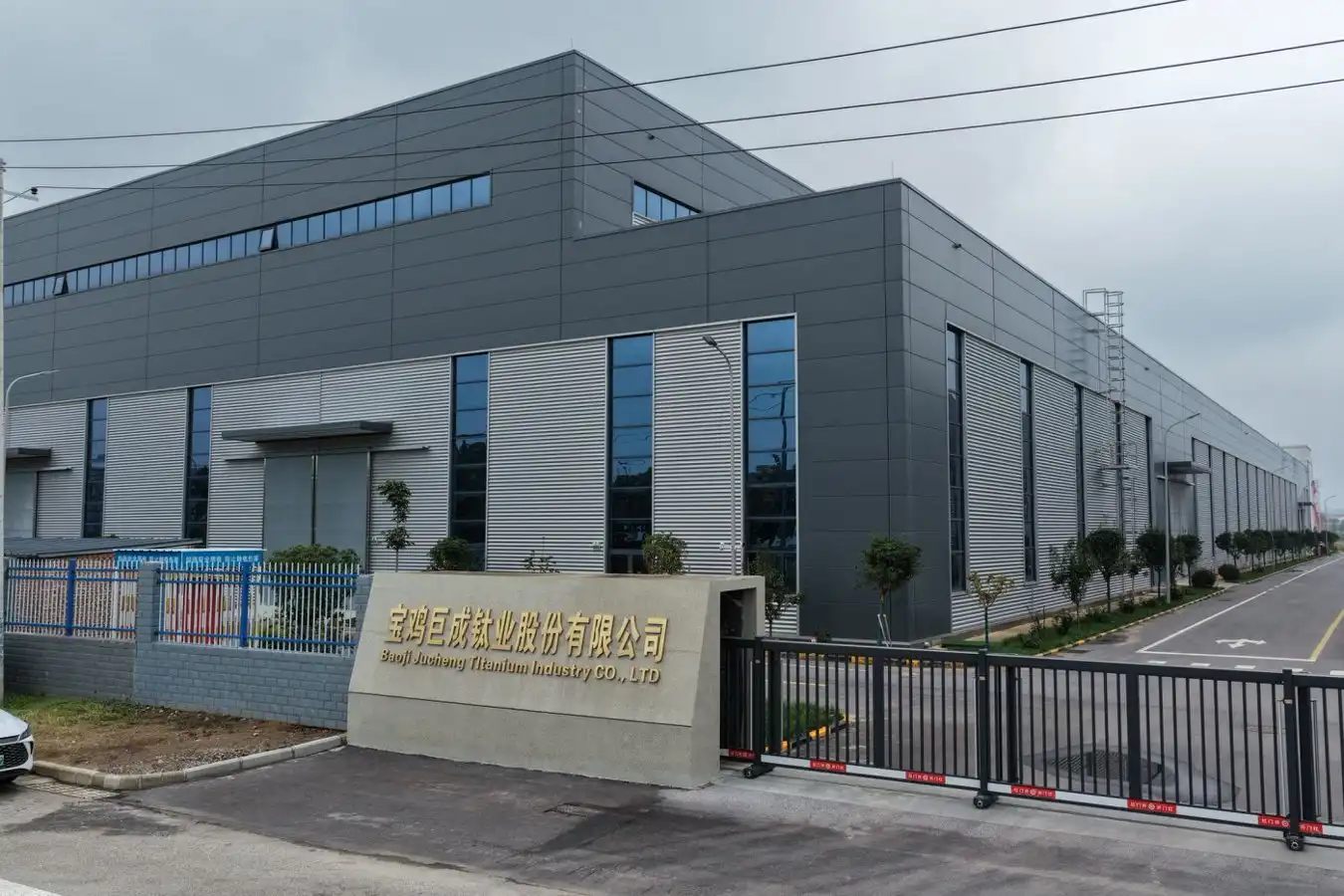
Baoji Jucheng Titanium Industry Co., Ltd. has been making precision-machined titanium seamless pipes for over 20 years and works with industries like aircraft, chemical processing, and marine engineering. We keep 3,000 tons of material in Grade 1, Grade 2, Grade 5, Grade 7, Grade 9, and Grade 12 specifications because we are a nationally known high-tech company with 45 patents. This lets us deliver quickly for urgent project needs and make custom solutions for unique dimensional needs. We can make tubes with outside sizes ranging from OD3 mm to OD219 mm and wall thicknesses ranging from 0.5 mm to 20 mm. These tubes can be made to meet ASTM B337, ASTM B338, and ASME SB338 standards by extruding, cold rolling, heating, and applying precise surface treatments. For expert advice and cheap quotes on your next project, email our engineering team at s4@juchengti.com.
References
1. American Society for Testing and Materials. (2021). ASTM B338-21: Standard Specification for Seamless and Welded Titanium and Titanium Alloy Tubes for Condensers and Heat Exchangers. ASTM International.
2. Boyer, R., Welsch, G., & Collings, E.W. (2019). Materials Properties Handbook: Titanium Alloys. ASM International.
3. Donachie, M.J. (2020). Titanium: A Technical Guide, 3rd Edition. ASM International.
4. Lutjering, G., & Williams, J.C. (2018). Engineering Materials and Processes: Titanium, 2nd Edition. Springer-Verlag Berlin Heidelberg.
5. Schutz, R.W. & Watkins, H.B. (2017). "Recent Developments in the Application of Titanium Alloys in the Chemical Process Industry." Materials Performance Journal, 56(11), pp. 52-59.
6. Veeck, S., & Kircher, R. (2019). "Titanium Piping Systems for Corrosive Service: Design Considerations and Field Performance." Chemical Engineering Progress, 115(4), pp. 38-45.