
Exploring the Benefits of Titanium Seamless Pipe for Industrial Use
Titanium seamless pipe stands out as a strategic option that solves multiple operational problems at once when industrial engineers and procurement managers are faced with difficult choices about plumbing materials for harsh settings. Instead of standard welded options, seamless titanium tubing has no heat-affected zones or possible weak spots along the seam lines, so its structural integrity is not weakened. This type of material is very resistant to corrosion in harsh chemical environments. It also has a great strength-to-weight ratio that makes fitting easier and saves money over the product's lifetime by requiring less upkeep and service. Titanium seamless pipe is being used increasingly in industries like chemical processing and making aircraft parts to solve long-standing reliability problems and lower total ownership costs across demanding applications.
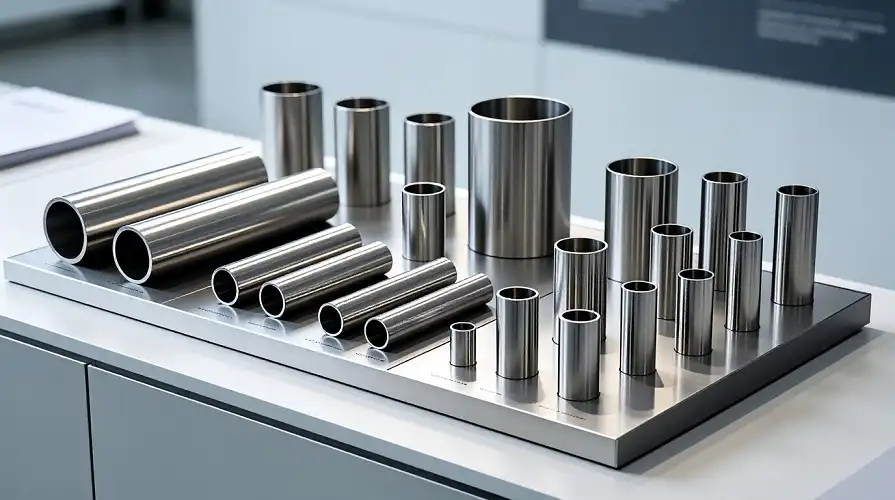
Understanding Titanium Seamless Pipes: Properties & Specifications
What Makes Seamless Construction Superior?
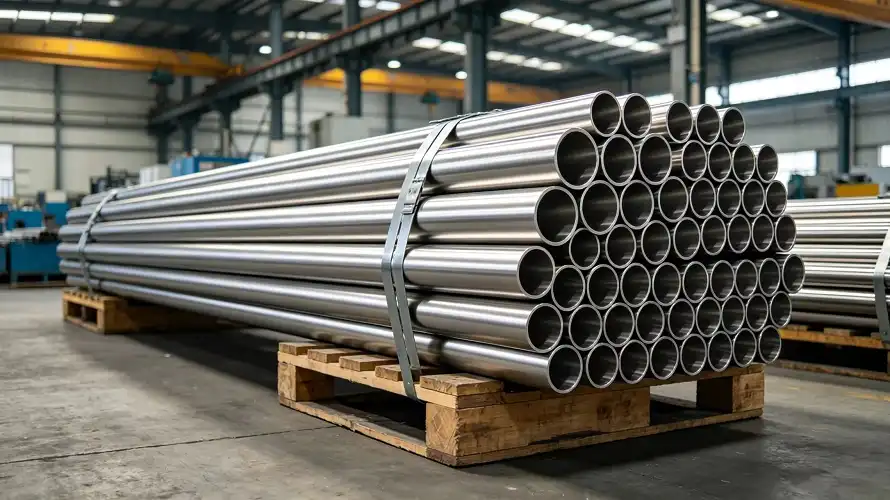
Basically, the main difference between seamless and welded pipes is how they are made. Solid titanium billets are extruded or pierced to make seamless tubes. This makes a metal structure that is continuous and doesn't have any horizontal joints. This way of building doesn't have the problems that come with soldered gaps, where changes in the metal's structure in areas that have been heated can make it less strong when put under repeated pressure or corrosive attack. Because titanium seamless pipes don't have any weld lines, they can withstand higher pressures—usually 20% higher than similar welded designs. This makes them the best choice for high-pressure hydraulic systems and underwater uses.
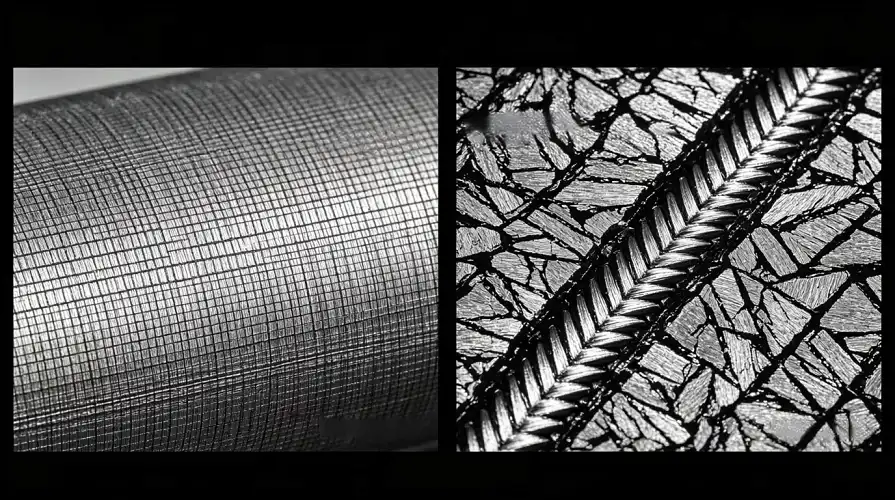
Core Mechanical and Chemical Properties
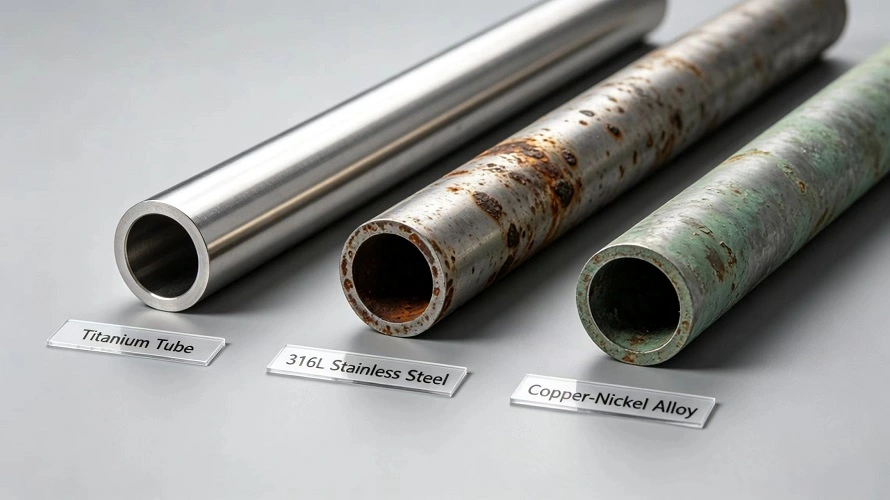
Titanium is unique because it has a persistent oxide film that heals itself when it gets harmed. This makes it resistant to corrosion in saltwater, wet chlorine, and oxidising acid conditions. Titanium has a very low density of 4.51 g/cm³, which is about 60% that of steel. It has a high specific strength, which lowers structural loads in uses that need to be light. It is stable at temperatures ranging from very cold (cryogenic) to around 400°C, and its mechanical properties stay the same throughout this range. Stress corrosion cracking and impingement attack are not possible with this material. These are failure modes that are common in copper-nickel and stainless steel options used in naval applications.
Industrial Standards and Grade Classifications
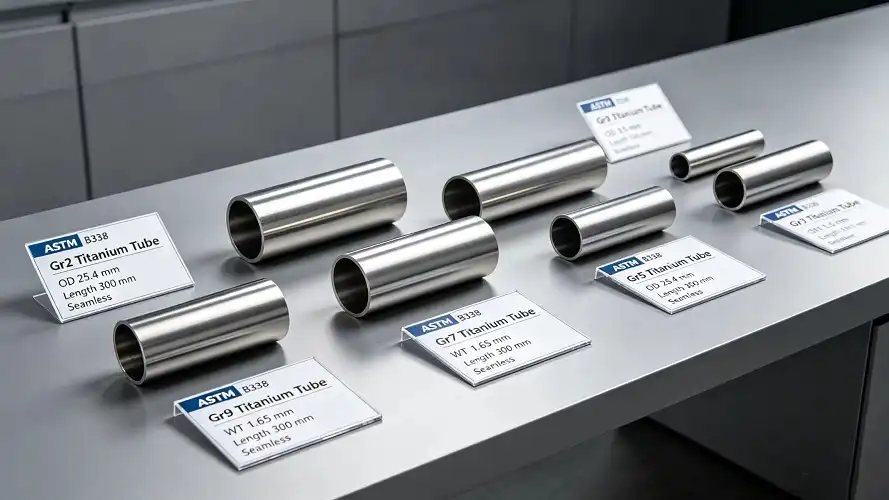
Seamless titanium tubing meets strict international standards, such as ASTM B861 for general industry use, ASTM B338 for heat exchangers and condensers, and AMS 4942 for use in aircraft. The choice of grade relies on how well the strength and formability standards are met. Grade 1, which is commercially pure, is the most flexible and has a tensile strength of about 345 MPa. It is perfect for complicated pipe plans that need to be cold-curved. Grade 2 is the workhorse of the industry; it has a modest level of strength and is very easy to shape for basic chemical processing uses. For aircraft structural parts, Grade 5 (Ti-6Al-4V) has a tensile strength of about 895 MPa, and Grade 9 (Ti-3Al-2.5V) has the best hydraulic pressure resistance. Outer diameters range from 3 mm to 219 mm, and wall thicknesses range from 0.5 mm to 20 mm. This makes it possible to meet the unique needs of many businesses.
Advantages of Titanium Seamless Pipes in Industrial Applications
Unmatched Corrosion Resistance in Aggressive Environments
Facilities for handling chemicals and remote platforms work in places where normal materials break down quickly. Titanium seamless pipe is very resistant to chloride stress corrosion cracking, which is a way that stainless steel fails in salty water and high-chloride process streams. Titanium is resistant to sulfidation attack, which is good for refineries that deal with bad crude oil that contains hydrogen sulfide. When exposed to oxidising acids like nitric acid and aqua regia, which would quickly dissolve carbon steel or copper alloys, the material keeps its shape. This resistance to rust directly leads to longer service lives—installations usually last 25 to 30 years, compared to 5 to 10 years for stainless steel options in the same service conditions.
Weight Reduction Without Strength Compromise
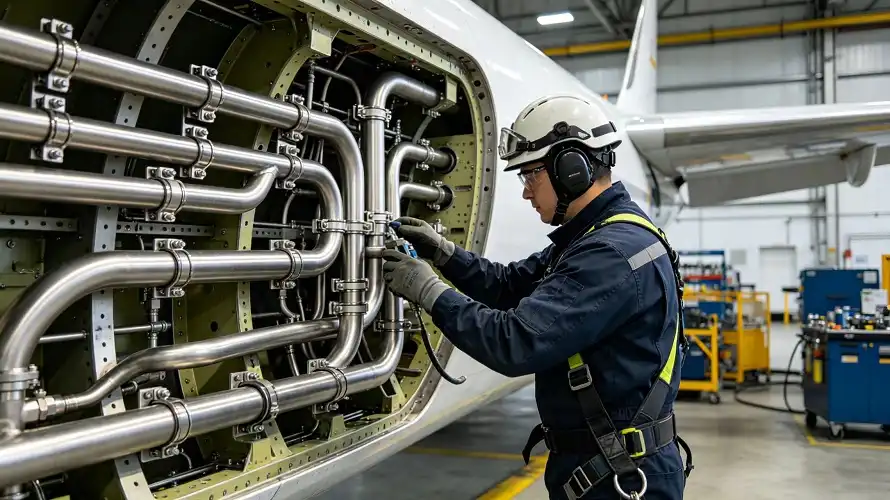
Manufacturers of aerospace parts are always under pressure to make their parts lighter while still meeting the standards for structural approval. Titanium has a high strength-to-weight ratio, which means that engineers can define thinner wall sections that still meet pressure ratings while having a lot less mass than steel alternatives. A Grade 9 titanium seamless pipe can be used instead of Schedule 40 stainless steel pipes, which is 40% lighter but can still hold the same amount of pressure. This trait is useful for both mobile tools and building ocean platforms, since weight has a direct effect on how much fuel is used, how much support is needed, and how the installation is done. This benefit is used by defence companies on naval ships and military planes, where every kilogram saved improves tactical performance.
Lifecycle Cost Efficiency Through Durability
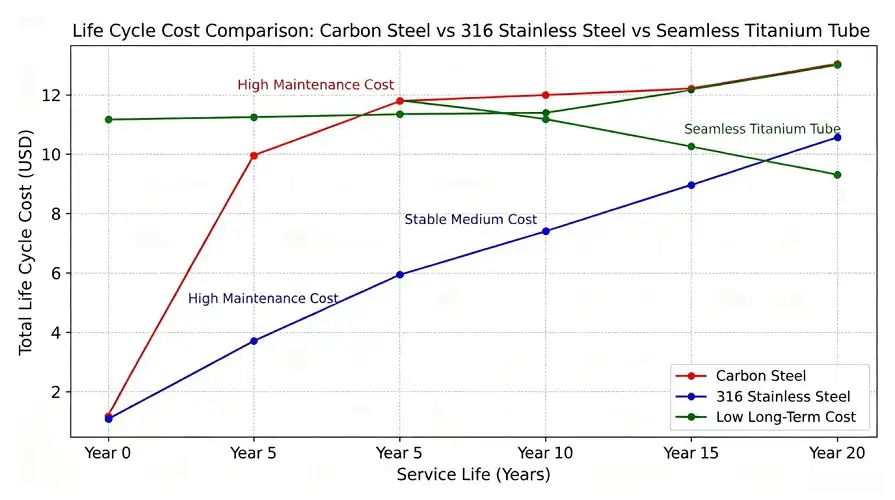
Materials made of titanium are more expensive than common metals at first, but over the life of an operation, they save a lot of money. Scheduled repair shutdowns cost chemical companies $50,000 to $200,000 per day in lost production. Longer service intervals cut down on these shutdowns. Failures caused by corrosion that require emergency repairs and safety accidents cost even more in terms of responsibility and following the rules. Marine heat exchangers made of titanium seamless pipe don't need to be maintained for decades, so they don't need to replace their tube bundles every six months like copper-nickel designs do. When oil companies replace important services with titanium pipes, they get their money back in three to five years because they don't have to pay for corrosion fees, inspections happen less often, and response times are longer.
Comparing Titanium Seamless Pipes with Alternative Materials
Performance Distinction from Stainless Steel
Type 316 stainless steel is usually the best choice for corrosive work, but it has some problems in places with a lot of salt. When ocean temperatures are above 60°C, stainless steel experiences pitting corrosion. When conditions are still, it experiences fissure corrosion. Titanium stays inactive at all temperatures and is much more resistant to reducing acids than stainless steel, which breaks down horribly in these conditions. Stainless steel has a higher thermal expansion rate, which makes it harder to build systems that go through thermal cycling. Material availability benefits stainless steel with faster lead times, but this advantage fades when you consider how often you have to repair things and how much it costs for unplanned downtime when corrosion fails.
Seamless Versus Welded Construction Advantages
Welded titanium pipe goes through big changes in its metal makeup in the fusion zone and the heat-affected zone. To get back its corrosion resistance, it needs a stress-release heat treatment. Joint efficiency factors used on welded seams lower the maximum working pressures by 15 to 25 per cent compared to standards for titanium seamless pipes. For important aircraft hydraulic systems and underwater control lines, a seamless building is needed to get rid of places where problems could start. Ultrasonic testing shows that the seamless production process creates a pipe wall with a uniform grain structure and consistent mechanical properties. Welded options might have flaws like partial fusion or inclusions that aren't seen during manufacturing but spread when the material is loaded and unloaded over and over again.
Economic Considerations Against Carbon Steel
Due to its low cost, carbon steel is the most popular material for common pipes. However, in corrosive uses, the total fixed costs tell a different story. Protective coating systems cost an extra $50 to $150 per linear metre for carbon steel installations. Every 5 to 10 years, the covering needs to be fixed because it wears down. Allowances for corrosion mean that wall pieces have to be bigger, which raises the cost of materials and welding. Chemical companies that use wet chlorine service report that carbon steel pipes fail completely between 18 and 24 months, while titanium pipes last forever. The estimate changes a lot when you include the costs of safety shutdowns, cleaning up the surroundings, and lost output due to corrosion-related failures.
How Titanium Seamless Pipes are Made: Production Process Overview?
Raw Material Selection and Preparation
The process starts with high-purity titanium sponge or ingot material that meets strict chemical makeup standards. To get the best corrosion protection and mechanical qualities, the iron and oxygen contents must be below certain levels. For Grade 2, these levels are usually less than 0.30% iron and 0.25% oxygen. Supplier approval keeps track of where materials come from and checks their chemistry using spectroscopic analysis. Titanium billets are remelted under a vacuum spark to get rid of segregation and make sure that the metal is spread out evenly. This careful preparation of the materials sets the stage for regular product quality that meets the needs of the aircraft and medical device industries.
Advanced Forming Techniques
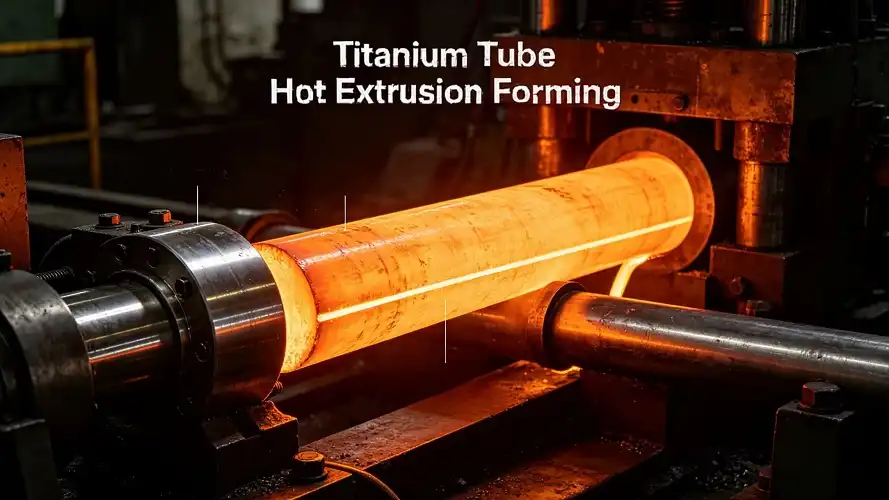
Hot extrusion methods push hot titanium billets through precise dies, making titanium seamless pipes that don't have any openings along their length of them. Depending on the grade of the metal, extrusion temperatures are usually between 900°C and 1100°C. Careful control is needed to keep grain growth from happening, which would damage the mechanical properties. Rotary tools are used in piercing methods to make hollow shapes out of solid bar stock. While working hardening the material, cold rolling reduces the width of the tube and finetunes the wall thickness to the end size. After that, annealing heat processes at 650–750°C remove internal stresses and return ductility, making the material in the annealed state required by ASTM standards. Pickling in acidic solutions gets rid of the oxide scale on the surface, leaving behind bright surfaces that can be used in serious situations.
Quality Control and Certification Protocols
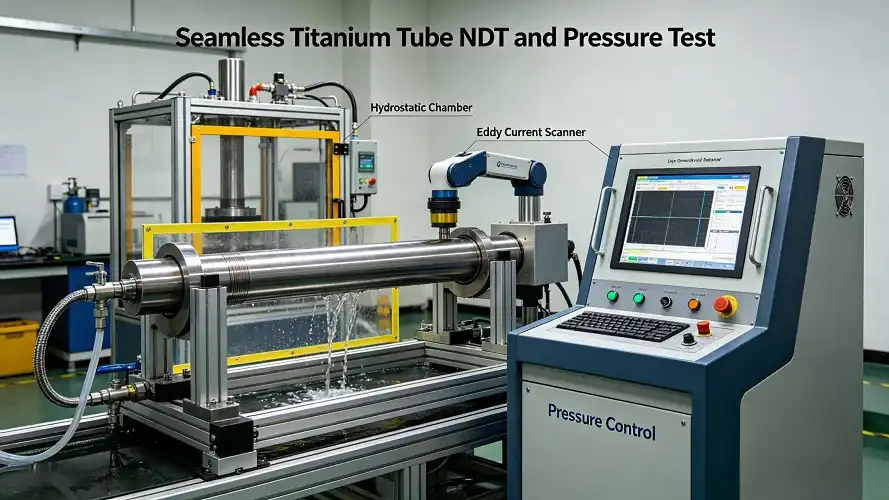
Before being shipped, every tube must pass strict checking programmes to ensure it meets the standards. Ultrasonic testing uses high-frequency sound waves to find cracks or delamination inside pipe walls. Through electromagnetic induction, eddy current testing finds flaws on the surface or close to the surface. Pipes are put under 1.5 times their working pressure for set hold times during hydrostatic tests to make sure they can withstand the pressure. For mechanical testing, samples are put through bending tests, flattening tests, and tensile strength tests to make sure they are flexible enough without breaking. Laser micrometers are used for dimensional measurement to check the wall thickness, outer diameter, and ovality limits. Positive material identification through X-ray fluorescence proves the grade's reliability and protects buyers from fake materials. Full test records of the materials that are shipped with them show their chemistry, mechanical qualities, and inspection results so that they can be fully tracked.
Practical Applications & Selecting the Right Titanium Seamless Pipe
Aerospace and Defense System Requirements
Aircraft hydraulic systems work at pressures higher than 3000 psi while keeping weight as low as possible to carry as much as possible. For these strict requirements, Grade 9 titanium seamless pipe has the best mix of strength and flexibility. For flare valves that connect hydraulic lines, the material needs to be flexible enough to make leak-tight seals without breaking. Commercially pure grades are great at this. Military standards require full material traceability and lot control, which means that providers have to keep very strict records. Manufacturers of airplane frames choose seamless construction to get rid of possible failure spots in flight-critical systems where the safety of the crew depends on the dependability of the parts.
Chemical Processing and Petrochemical Applications
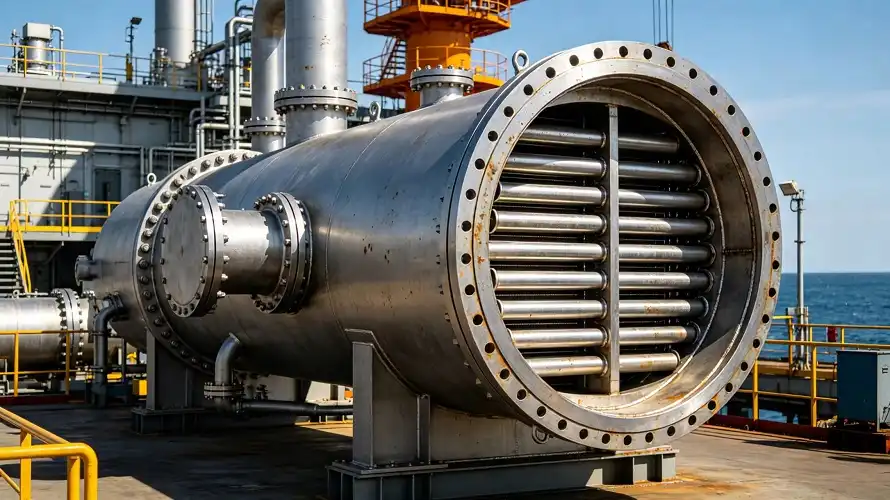
Chlor-alkali plants that make chlorine gas use titanium heat exchanger tubes because they can handle wet chlorine conditions that would kill stainless steel in months. Grade 2 material is strong enough for moderately pressurised tanks and can be shaped easily to fit complicated pipe setups. Titanium is resistant to sulphidation attacks in hydrotreating units, which helps refineries handle crude oils with a lot of sulphur. As a result of its ability to fight rust and transfer heat, titanium seamless pipe is perfect for shell-and-tube heat exchangers that keep corrosive streams separate. Custom manufacturing lets you make things in non-standard sizes that are needed for retrofit setups in buildings that are already there.
Marine and Offshore Installation Demands
Seawater piping systems on military ships and offshore bases are always exposed to chloride-filled environments that cause normal materials to rust in cracks. Titanium pipe keeps its passivity without needing cathodic protection. This makes system design easier and gets rid of the need for sacrificial anode upkeep. Titanium tube bundles are used in multi-stage flash evaporators at desalination plants. These materials have to be able to handle both high temperatures and high salt amounts at the same time. Because it is lightweight, offshore buildings have less topside weight, which makes room for more production equipment. For cooling seawater, Grade 2 titanium seamless pipe is a good mix of corrosion protection and cost-effectiveness. Grade 7 with palladium added is better for areas with a lot of acid.
Procurement Best Practices and Supplier Evaluation
To choose a good titanium seamless pipe provider, you need to check their manufacturing skills and quality control methods. ISO 9001 certification shows basic quality control procedures, and AS9100 certification shows compliance with aircraft industry standards. Ask for proof that the testing equipment has been calibrated and that a third-party laboratory has been approved. Check the supplier's store levels and manufacturing capabilities to make sure they can meet both urgent needs and project deadlines. Technical support is helpful when choosing the best grades for a given service situation or fixing problems that come up during installation in the field. Established sellers keep in touch with makers of raw materials, which keeps the supply chain stable when the market is tight.
Conclusion
Titanium seamless pipe is a good material for industrial uses where long-term dependability, resistance to rust, and the best balance of strength and weight are more important than original cost. Better mechanical properties, proven success in harsh conditions, and longer service life all add up to real economic benefits in the chemical processing, marine, industrial, and aircraft sectors. When procurement experts know about grade selection criteria, manufacturing quality standards, and application-specific needs, they can choose materials that meet operational difficulties and reduce the total cost of ownership. As businesses keep asking for better performance from their most important equipment, titanium seamless pipe offers tried-and-true options backed by decades of successful use in the field.
FAQ
1. How does seamless construction differ from welded titanium pipe in pressure rating?
Seamless pipes usually have 20% higher working pressure ratings than welded seams because they don't have the joint efficiency decrease factor that welded seams do. The metal structure is continuous, so there are no heat-affected areas where changes in the microstructure weaken the structure. This benefit is very important in high-pressure hydraulic systems and underwater uses, where safety gaps decide whether the requirements are met.
2. Which grade should I choose for general chemical processing use?
Grade 2 titanium is the standard in the chemical business because it is very resistant to corrosion and has a middling strength of about 345 MPa. The material is flexible enough to be bent and formed in the field, and it is also inexpensive. Grade 5 is used in aircraft for high-strength needs, and Grade 7 with palladium added is used in settings with a lot of acid.
3. Can seamless titanium pipe be bent or flared during installation?
Commercially pure grades, such as Grades 1 and 2, are very flexible and can be used for cold bending and curving. To do it right, you need to control the bend radius, which is usually 3 to 5 times the outer diameter, and use the right grease to keep the galling from happening. Flaring tests are done during quality control to make sure that the material is ductile and can be shaped in the field without cracking.
Partner with Jucheng Titanium for Your Seamless Pipe Requirements
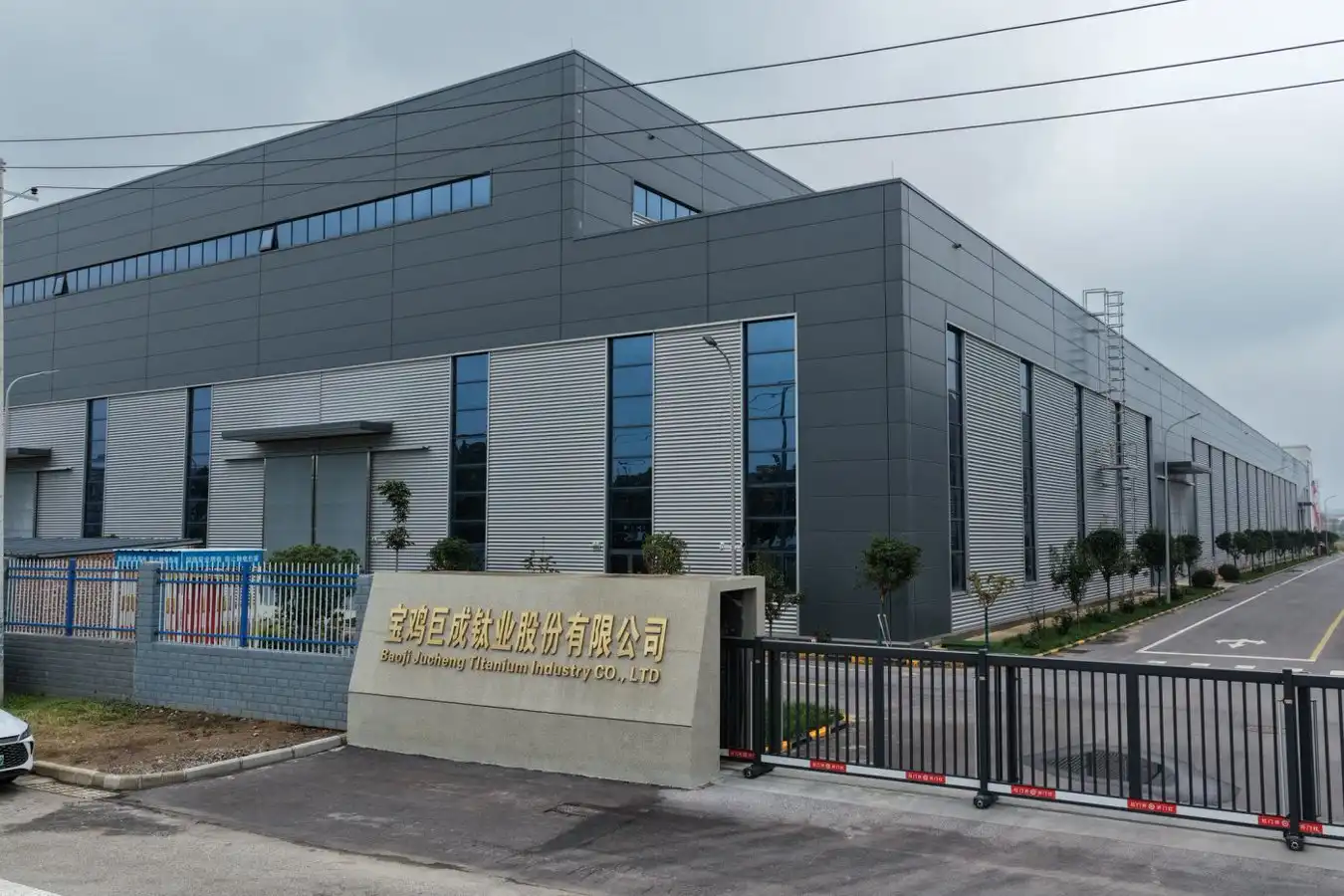
Baoji Jucheng Titanium Industry has been providing precision-engineered titanium seamless pipe solutions to aircraft makers, chemical processors, and industrial equipment builders around the world for more than 20 years. We can make Grades 1 through 12 with outside diameters ranging from 3 mm to 219 mm, and we can do this according to ASTM B861, B338, and AMS 4942 standards. We keep 3,000 tons of inventory on hand all year so we can handle pressing project needs quickly and offer custom manufacturing for unique uses. Our quality control systems make sure that we fully follow international standards. They do this by providing detailed material test results and documentation for tracking. As a company that makes titanium seamless pipes for the North American market, we can help you meet your buying goals by offering low prices and technical knowledge. You can email our engineering team at s4@juchengti.com to talk about your unique needs and get full project specifications.
References
1. Boyer, R., Welsch, G., & Collings, E.W. (1994). Materials Properties Handbook: Titanium Alloys. ASM International, Materials Park, Ohio.
2. Schutz, R.W. & Thomas, D.E. (1987). "Corrosion of Titanium and Titanium Alloys," ASM Handbook Volume 13: Corrosion, ASM International.
3. American Society for Testing and Materials (2021). ASTM B861-21: Standard Specification for Titanium and Titanium Alloy Seamless Pipe. ASTM International, West Conshohocken, Pennsylvania.
4. Donachie, M.J. (2000). Titanium: A Technical Guide, 2nd Edition. ASM International, Materials Park, Ohio.
5. Peters, M., Kumpfert, J., Ward, C.H., & Leyens, C. (2003). "Titanium Alloys for Aerospace Applications," Advanced Engineering Materials, Volume 5, Issue 6.
6. Craig, B.D. & Anderson, D.S. (1995). Handbook of Corrosion Data, 2nd Edition. ASM International, Materials Park, Ohio.