
Selecting the Ideal Ti-6Al-4V plate for Your Project
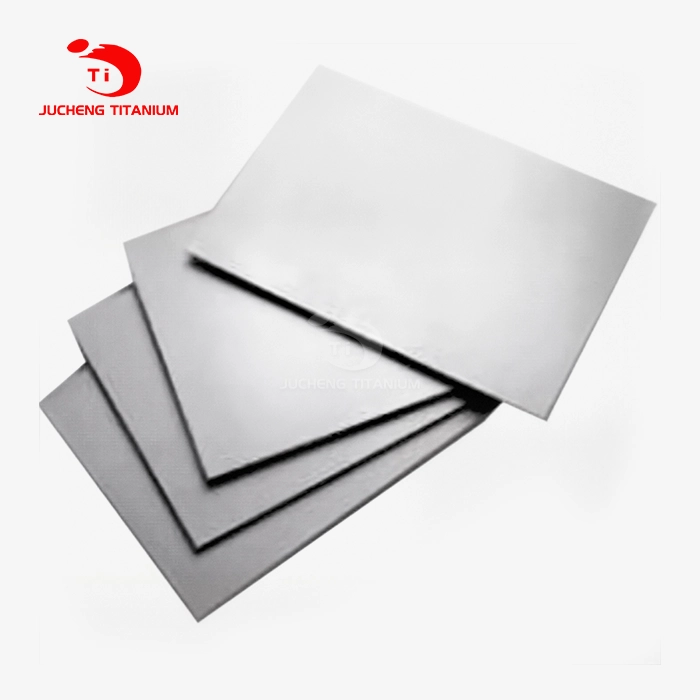
Choosing the right Ti-6Al-4V plate for your project requires balancing mechanical performance, corrosion resistance, and cost-efficiency. This Grade 5 titanium alloy combines 90% titanium with 6% aluminium and 4% vanadium, delivering an exceptional strength-to-weight ratio and durability. With applications spanning aerospace structures, chemical processing equipment, and medical implants, understanding the technical specifications, supplier credentials, and material comparisons is crucial. Whether you're sourcing plates for structural components or precision-machined parts, this guide provides actionable insights to streamline your procurement process and ensure material reliability across demanding industrial environments.
Understanding Ti-6Al-4V Plate: Properties and Advantages
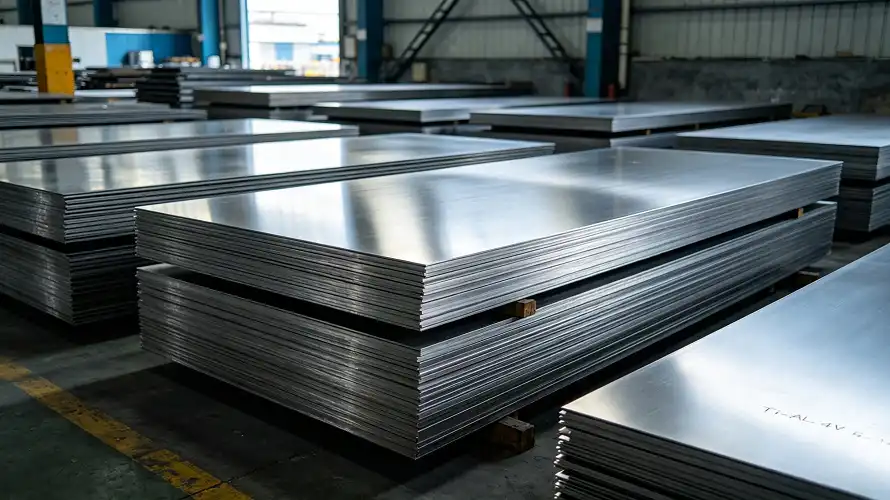
Grade 5 titanium metal is now the main material used in many fields that need to be reliable in harsh circumstances. More than half of all the titanium used in the world is this alpha-beta metal. This shows how versatile it is and how well it has worked in the past.
Chemical Composition and Microstructure
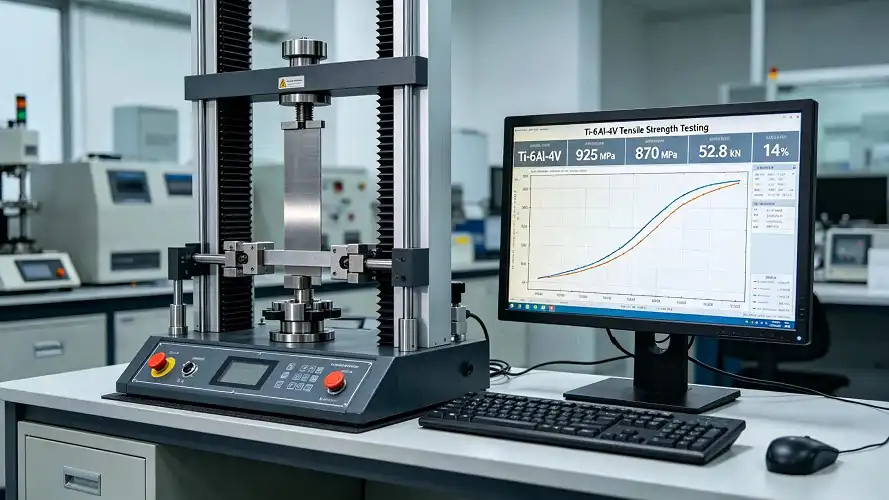
Adding aluminium as an alpha stabiliser and vanadium as a beta stabiliser on purpose makes a two-phase lattice that improves both strength and flexibility. With this mechanical design, the material can stay structurally sound at temperatures up to 400°C and not oxidise. Unlike available pure titanium types (Gr1 and Gr2), the alloyed structure has a tensile strength of more than 895 MPa without losing its ability to be shaped. Controlled rolling, annealing, and pickling steps help manufacturers make hot-rolled plates with a uniform grain structure that is needed for aircraft approval.

Mechanical Performance Parameters
The choice of material depends on its measurable mechanical features. The Ti-6Al-4V plate has a density of 4.43 g/cm³, which makes it much lighter than stainless steel while keeping the same level of strength. The minimum yield strength of 828 MPa and stretch of 10% make it flexible enough for shaping. The hardness is usually 36 HRC, which means it is resistant to wear without being weak. These qualities don't change when the plate thickness is changed from 4 mm to 80 mm. The width can be up to 2500 mm, and the length can be customised up to 10,000 mm. This lets fabricators use optimised cutting designs to reduce material waste.
Heat Treatment and Corrosion Resistance
Grade 5 is not like pure titanium grades; it can be treated with a solution and aged (STA), which lets engineers change its mechanical qualities to fit different uses. Meeting ASTM B265 and AMS 4911 guidelines, annealed conditions give metals a good mix of strength and workability. The material's inactive oxide layer heals itself when it gets scratched, making it more resistant to corrosion in oceans, acidic settings, and chloride-rich air. This feature is helpful for chemical processing plants because it makes tools last much longer than stainless steel options in the same conditions of use.
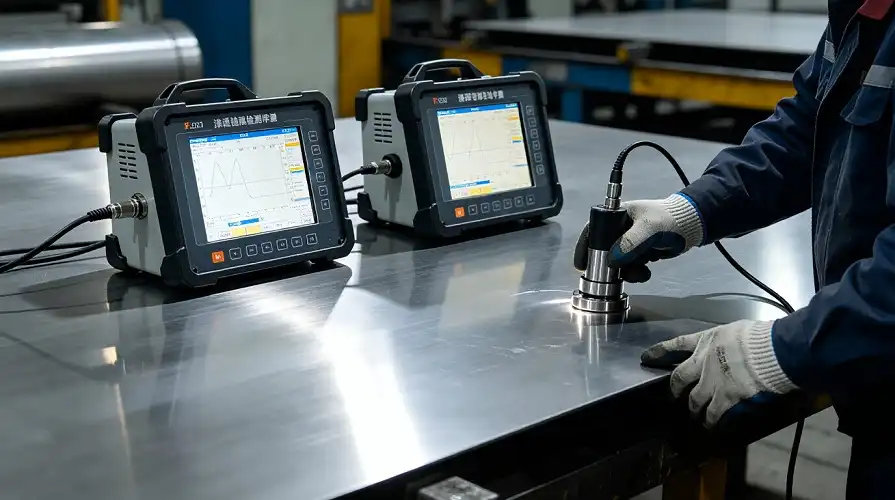
Certifications for materials are important when failure is not an option. ASTM F67 and ASME SB265-compliant plates go through a lot of tests, such as an acoustic check according to AMS 2631 standards, to make sure they are structurally sound on the inside. Surface processes, like polishing, milling, or acid-pickling, change both how something looks and how well it works. This is especially true in medical settings where biocompatibility is essential.
Comparing Ti-6Al-4V Plate with Alternative Materials
To choose the right material, you need to know how Grade 5 titanium compares to other metals. People who have to make decisions have to compare the original prices to the long-term value, taking into account things like how often the product needs to be maintained or replaced, and when it won't be working.
Ti-6Al-4V Versus Stainless Steel
While 304 stainless steel costs less up front, the Ti-6Al-4V plate is more resistant to rust and weighs 40% less. When aerospace component makers create airframe structures, they take this advantage into account because every kilogram saved means more fuel economy. The strength-to-weight ratio is especially important for spinning equipment because less mass lowers rotational stress and makes bearings last longer. Due to pitting rust, stainless steel needs to be replaced often in marine settings. Titanium, on the other hand, can keep its surface intact for decades without any protective coatings.
Performance Against Aluminum Alloys
Aluminium plates are lighter than titanium plates, but they can't handle high temperatures. Aluminium metals lose a lot of their strength at temperatures above 150°C, which means they can't be used in heat exchangers. Grade 5 titanium keeps its mechanical qualities at temperatures where aluminium would break in a very bad way. The difference in modulus of elasticity also has an impact on the structure design. Titanium's modulus of 113 GPa is more similar to bone tissue in medical implants, which means it reduces the stress shielding effects that cause bone to break down around artificial devices.
Inconel and High-Temperature Alloys
Inconel superalloys work very well in places with temperatures above 600°C, but they are very expensive and hard to machine because of this. For uses below 400°C, Grade 5 titanium is more cost-effective while still having similar corrosion protection and strain strength. Titanium plates are the best value for money for companies that make chemical equipment that works with acidic media at mild temperatures. The material is easier to work with than Inconel, which lowers the cost of tools and shortens the time it takes to make something.
Selecting between material options depends on your application's specific thermal, mechanical, and environmental requirements. Aerospace projects prioritise weight reduction and fatigue resistance, while chemical processing emphasises corrosion immunity and long-term durability.
Key Considerations When Procuring Ti-6Al-4V Plates?
Comparing prices is only one part of successful buying. To lower project risks, buyers need to look at what suppliers can do, how they ensure quality, and how resilient the supply chain is.
Supplier Certification and Quality Compliance
Working with approved sources makes sure that materials can be tracked and meet requirements. Manufacturers who are ISO certified and follow ASTM B265 standards offer paperwork packages that include mill test results, chemical composition analyses, and guarantees of mechanical properties. Ultrasonic testing according to ASTM B594 finds problems inside that can't be seen with the naked eye. This keeps important systems from failing in terrible ways. Aerospace suppliers need to make sure that AMS 4911 is followed to the letter, with inspection levels of Class A or A1. This makes sure that the materials used in structural parts that are loaded and unloaded repeatedly are sound.
Customization Capabilities and Lead Times
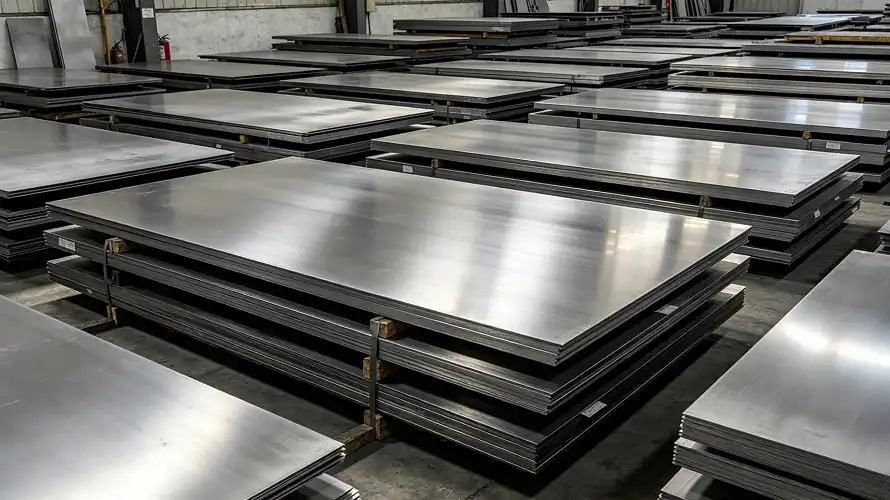
The standard Ti-6Al-4V plates might not work with your design needs. When suppliers let you specify the thickness, width, and length, you don't have to do any extra handling, which can be expensive. Cutting, machining, and forming services that are customised to your plans improve supply lines and reduce the cost of keeping goods on hand. Knowing how long it really takes to get big orders can keep projects on schedule. Suppliers with large inventories—some hold 3,000 tons of titanium in stock—can meet immediate needs that smaller suppliers can't meet. Manufacturing capacity is important when you want to make more. Facilities that make more than 500 titanium equipment pieces a year show that they are operationally mature and consistent with their processes.
Global Logistics and Total Cost Analysis
International purchasing adds more factors than just the price of materials. To ship big plates, you need freight forwarders who know how to deal with reactive metals and make sure the right paperwork and boxes are used. Total landing costs are affected by import taxes, the time it takes to clear customs, and changes in the value of the currency. To make accurate cost comparisons, buyers should ask for thorough quotes that list the costs of materials, processing, packing, and shipping. Suppliers who already ship to North America, Europe, and Southeast Asia know how to deal with legal requirements quickly and easily, which makes it easier for buying teams to do their jobs.
Quality control goes all the way through the supply chain. A metallographic study that confirms the spread of the alpha and beta phases and the lack of the alpha case—a brittle oxygen-rich surface layer—keeps the material from failing too soon due to fatigue. Checking the chemical makeup by measuring the hydrogen level below 0.0125% stops the weakening that threatens the structure's integrity.
Best Practices for Working with Ti-6Al-4V Plates
The buying of materials is only the first step. The best way to handle, process, and maintain something is to do it the right way.
Machining Techniques and Tooling Selection
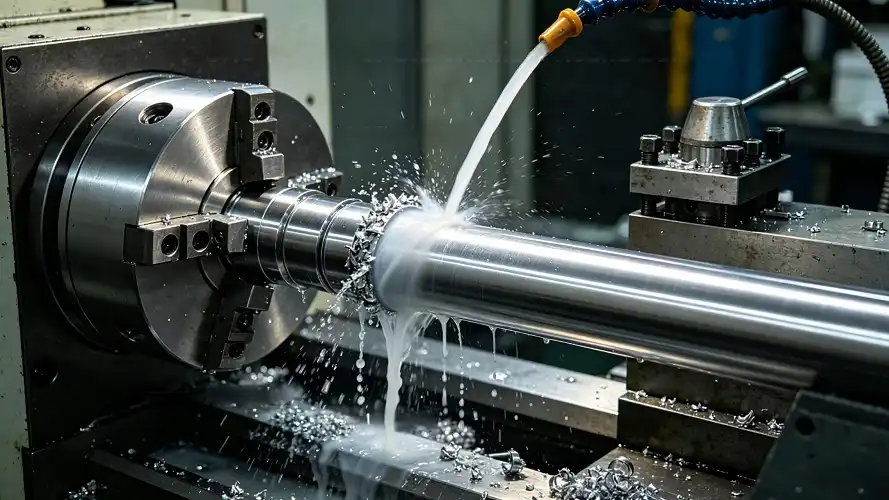
The Ti-6Al-4V plate is hard to machine because it doesn't conduct heat well, so heat builds up at the cutting edges instead of spreading through the chips. Sharp carbide tools with large rake angles and high-pressure water delivery systems stop galling, which is when the workpiece and tool sides join together like a welding process. Cutting speeds must be slowed down by 50% compared to steel, and feed rates must be kept constant for the tool to last long enough. People who write code shouldn't dwell at full depth because work hardening makes cuts dull very quickly. Compared to other milling methods, climb milling lowers cutting forces and improves surface finish.
Heat Treatment and Post-Processing
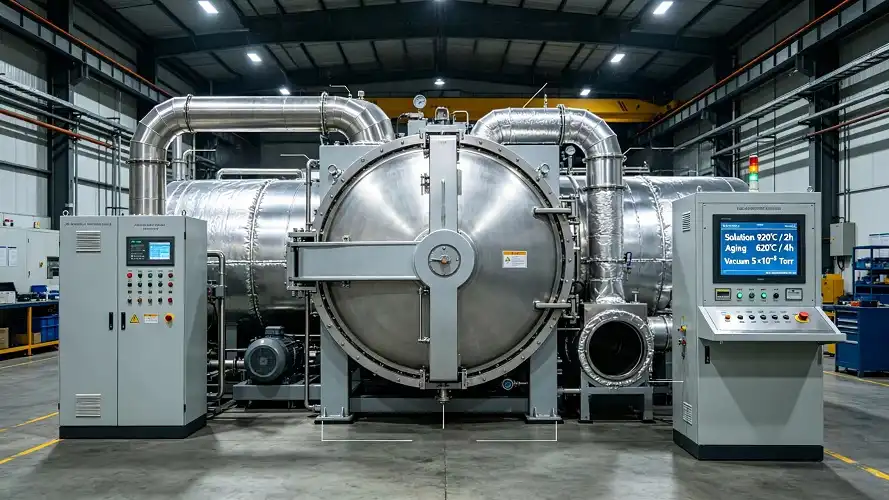
Solution treatment at temperatures close to 955°C followed by rapid cooling and ageing at 540°C makes the metal stronger than when it was annealed. This thermal cycle works well for aircraft parts that need to have the best mechanical qualities. Relieving stress at lower temperatures lowers leftover stresses from cold forming or welding without changing the qualities of the base metal too much. Surface finishing methods, such as sanding and acid pickling, get rid of dirty layers and make the surface more resistant to rust. When preparing medical-grade plates, they need to be done in a cleanroom so that particles don't get on them and cause immune reactions.
Preventive Maintenance and Inspection
Setting up regular inspection plans helps keep tools in good shape throughout their useful lives. Visual inspection can find damage on the surface, but regular ultrasound testing can find cracks spreading inside the material before they get too big. Chemical processing equipment that is exposed to aggressive media can be replaced before the walls start to thin and make pressure control less effective. This is possible with thickness readings that track the rate of corrosion. When things are stored correctly in climate-controlled areas, they don't absorb water, which can cause hydrogen embrittlement during later heat processing.
For welding to work, the atmosphere must be tightly controlled. Using argon or helium as an inert gas screen stops the pickup of oxygen, nitrogen, and hydrogen, which weakens the fusion zone. Vacuum chamber welding completely removes atmospheric pollution, making parts that don't have any flaws in important uses. After welding, heat treatment reduces any remaining stresses and evens out the grain in areas that were heated.
Conclusion
To choose the best Grade 5 titanium plate, you need to carefully look at the features of the material, the supplier's skills, and the needs of the application. The best results for a project are achieved by understanding the technical specs, comparing performance to other materials, and using the right processing methods. Because they are very strong for their weight, don't rust, and can be heated to change their shape, Ti-6Al-4V plates are essential in industries like aircraft, chemical processing, and medical device making. Working with seasoned sellers who have a lot of certifications, a large inventory, and expert support makes buying easier and lowers the risks in the supply chain. This leads to reliable material solutions that meet the strictest industry standards.
FAQ
1. What distinguishes Grade 5 from Grade 23 titanium plates?
Grade 23 is the Extra Low Interstitial (ELI) version of Grade 5. It has less oxygen and iron, with levels below 0.13% and 0.25%, respectively. Because this improvement makes the material more flexible and less likely to break, Grade 23 is the best choice for surgical implants and other medical equipment where biocompatibility is very important. Grade 5 is used for structural purposes in aerospace, where normal mechanical qualities suffice.
2. Can a grade 5 titanium plate be welded successfully?
When welding a Ti-6Al-4V plate, strict environmental controls are needed to keep the air clean. Shielding gas like argon or helium keeps oxygen, nitrogen, and hydrogen from getting into the weld pool, heat-affected zone, and root side, which would weaken the material. Vacuum chamber welding completely gets rid of the risk of contamination, making parts that are free of flaws and meet aircraft quality standards.
3. How does Grade 5 titanium perform in non-magnetic applications?
Grade 5 titanium is nonmagnetic, which is important for marine mine countermeasure ships and magnetic resonance imaging (MRI) equipment, where ferromagnetic materials would make it harder for sensors to work correctly or for good images. Because of this and its ability to prevent corrosion, the metal is perfect for naval electronics housings and medical device parts.
4. What surface treatments improve corrosion resistance?
Acid pickling gets rid of the dirty top layers and mill scale, revealing new titanium that quickly forms protective oxide films. Polishing makes products smooth, which reduces the amount of surface area that could start rusting. Anodising makes oxide layers that are thicker and have better barrier qualities, but Grade 5's natural passive film protects against corrosion very well in most work settings without any other treatment.
Why Choose Jucheng Titanium as Your Ti-6Al-4V Plate Supplier?
Choosing where to get materials has long-term effects on the progress of a job. When you work with skilled titanium experts, you get access to technical know-how, high-quality products, and quick customer service that you can't get from generic distributors.
Located in Baoji—China's Titanium Valley—our company has dedicated over 20 years to mastering titanium alloy processing and application engineering. As the first private titanium company in Shaanxi Province to be listed on the National Equities Exchange and Quotations, we offer both financial security and technological innovation. We have 4 invention patents and 41 utility model patents that have been successfully applied across all of our products.
Our production skills meet the needs of a wide range of industries. Every year, we make 1,500 tons of titanium anode plates, which is more than 70% of the market for hydrometallurgy uses. The chemical processing, petroleum, and energy sectors use more than 500 sets of specialised titanium equipment, such as heat exchangers, reactors, and air coolers. Luoyang Petrochemical uses our titanium-based composite tubes successfully, and WUGANG Group uses our spiral plate heat exchangers, which are the biggest titanium units in China. All-titanium air fans are well-known in North American markets, showing that they meet high standards around the world.
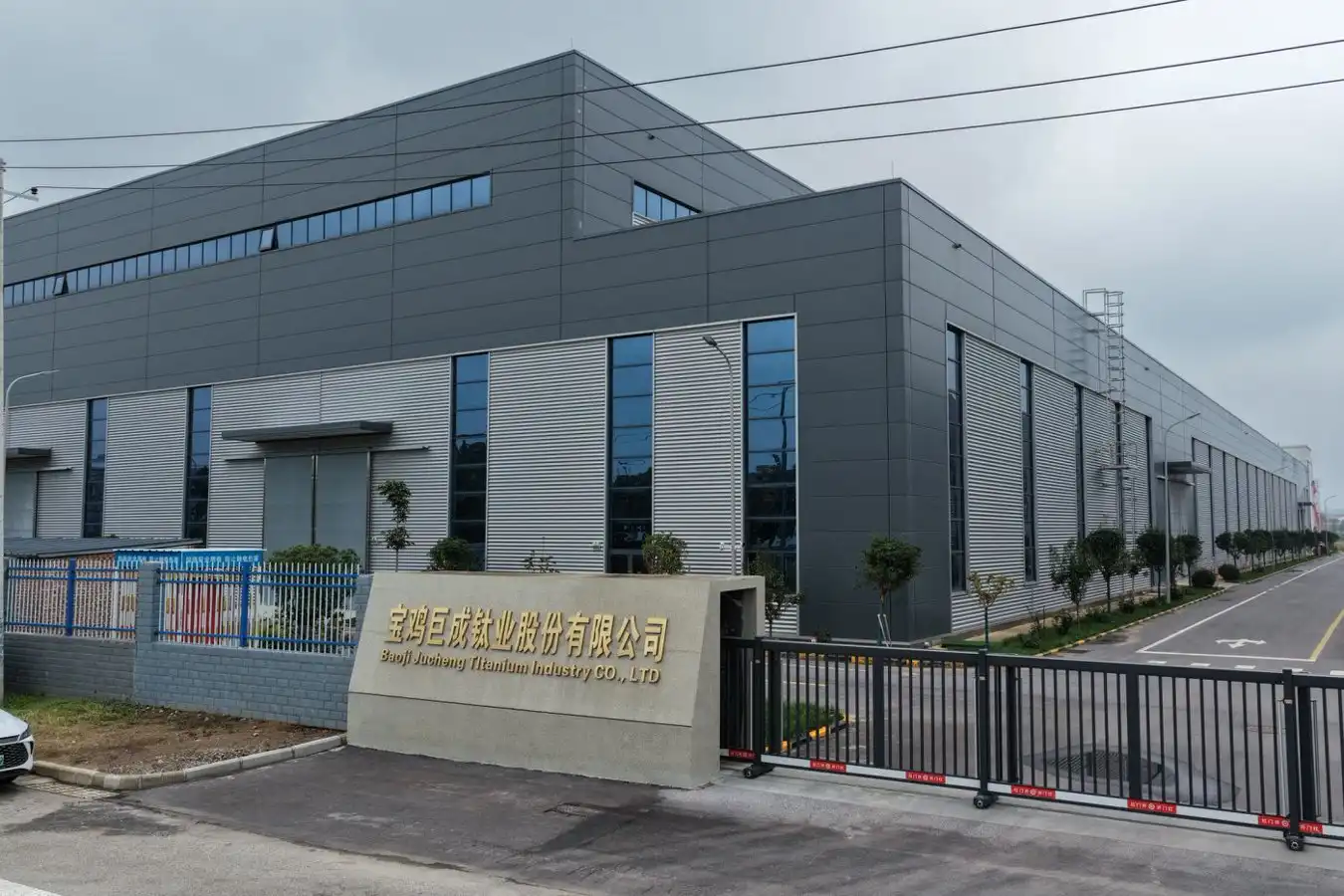
We keep about 3,000 tons of titanium in stock in different grades (Gr1, Gr2, Gr4, Gr5, Gr7, Gr9, and Gr12) so we can meet pressing needs quickly without sacrificing quality. Our technical team works directly with customers to find the best materials and processing settings for custom production services that meet special needs. Before they are sent out, all of the plates are inspected to make sure they meet the standards set by ASTM B265, ASTM F67, AMS 4911, and ASME SB265.
Our after-sales service management team offers ongoing expert help for the whole lifecycle of the equipment. We are dedicated to our customers' success even after the original transactions. This includes solving processing problems, suggesting heat treatment cycles, and giving advice on upkeep routines. This consultative method has helped aeroplane makers, chemical equipment fabricators, and medical device manufacturers all over the world build long-lasting partnerships.
People in charge of buying things who need a trusted Ti-6Al-4V plate manufacturer will find that our large inventory, ability to make changes, and technical know-how meet the complex needs of modern industrial uses. Email our team at s4@juchengti.com to talk about your unique project needs and find out how our skills match up with your quality standards and delivery schedules.
References
1. Boyer, R., Welsch, G., & Collings, E.W. (1994). Materials Properties Handbook: Titanium Alloys. ASM International, Materials Park, Ohio.
2. Donachie, Matthew J. (2000). Titanium: A Technical Guide, 2nd Edition. ASM International, Materials Park, Ohio.
3. Lütjering, Gerd & Williams, James C. (2007). Titanium, 2nd Edition. Springer-Verlag, Berlin Heidelberg.
4. Peters, M., Kumpfert, J., Ward, C.H., & Leyens, C. (2003). Titanium Alloys for Aerospace Applications. Advanced Engineering Materials, Volume 5, Issue 6.
5. Schutz, R.W. & Watkins, H.B. (1998). Recent developments in the application of titanium alloys in the energy industry. Materials Science and Engineering: A, Volume 243, Issues 1-2.
6. ASTM International. (2021). ASTM B265-20a: Standard Specification for Titanium and Titanium Alloy Strip, Sheet, and Plate. West Conshohocken, Pennsylvania.