
Grade 2 Titanium Round Rod for Aerospace and Medical Parts
Engineers and procurement managers always have to find the right balance between strength, weight, corrosion resistance, and legal compliance when they are looking for materials for mission-critical aircraft parts or life-saving medical devices. A grade 2 titanium round rod is the best option because it is made of commercially pure titanium bars that are very flexible, straightforward to join, and safe for living things. It's also less complicated and expensive than alloyed grades. These rods, which are made to strict international standards, are used as the main material for aeroplane fasteners, medical tools, and implantable devices that need to be reliable. It was a smart investment in long-term performance to choose commercially pure titanium over alloyed options or traditional metals. This material is the titanium industry's workhorse, used for decades in high-oxidising-agent and chloride conditions. Its spontaneous oxide layer grows back right away when it gets broken, making it almost completely resistant to rust while keeping its 60% lighter density than steel. Aerospace companies save fuel by cutting down on weight, and medical device companies have to meet strict biocompatibility standards set by regulatory bodies around the world.
Understanding Grade 2 Titanium Round Rod: Specifications and Properties
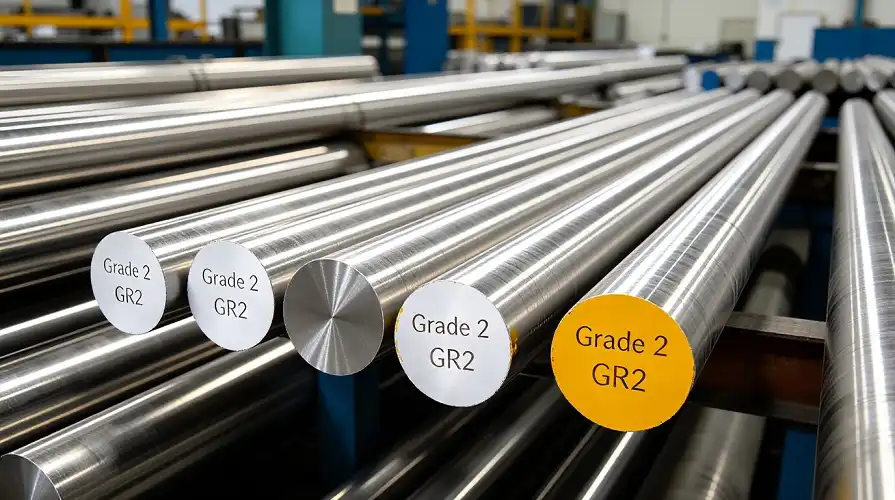
International standards like ASTM B348, ASME SB348, AMS 4928, and ISO 5832-3 control the technical structure of commercially pure titanium bars. These standards set strict limits on the chemicals that can be used and the levels of mechanical performance that makers must meet across all batches of production.
Chemical Composition and Purity Standards
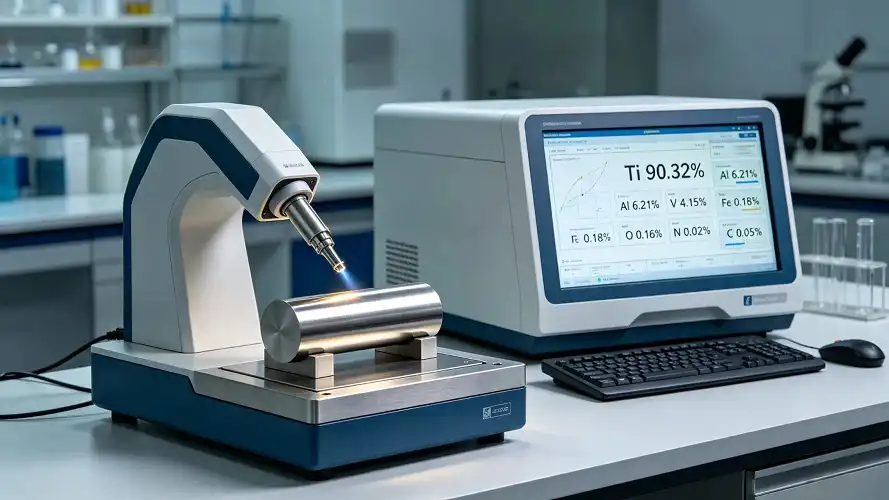
Titanium round stock balance is the main ingredient, with oxygen content capped at 0.25%, iron content capped at 0.30%, nitrogen content capped at 0.03%, and carbon content kept below 0.08%. These carefully controlled amounts of impurities have a direct effect on how flexible and shapeable a material is. Unlike higher-strength metals that contain aluminium and vanadium, this commercially pure version puts rust resistance and the ability to be cold worked ahead of maximum tensile strength.
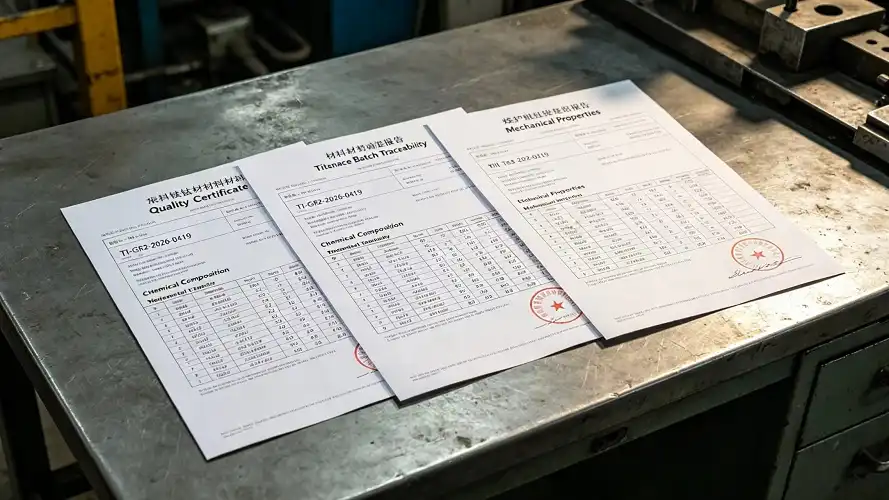
The lack of alloying elements makes the process of checking for quality easier. Optical emission spectroscopy and X-ray fluorescence testing show how much of each element is present, and mill test papers show the whole process from vacuum melting to final inspection. The purchasing teams ensure the items are real by comparing heat numbers to certification papers. This makes sure the material's history meets the standards for medical and aerospace traceability.
Mechanical Performance Characteristics
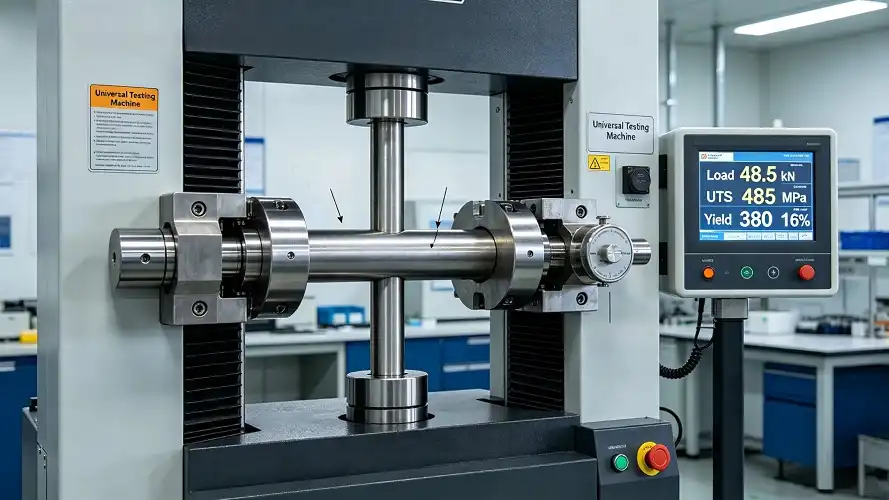
The minimum tensile strength is 345 MPa, and the maximum yield strength is over 275 MPa at 0.2% offset. Elongation values over 20% in four-diameter gauge lengths indicate adequate bending. This malleability allows intricate cold-forming processes that would break stronger titanium grades like Grade 5, which has twice the tensile strength but is harder to shape.
The Brinell hardness is 160–200 HB, soft enough for routine cutting but sufficiently hard to prevent galling during assembly. The material resists cold touch better than austenitic stainless steel. It bends without breaking at -196°C.
Physical and Dimensional Specifications
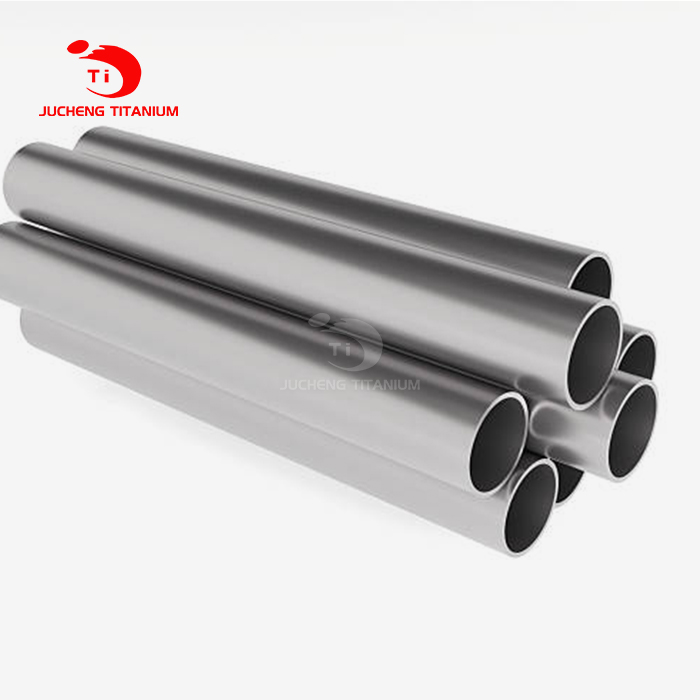
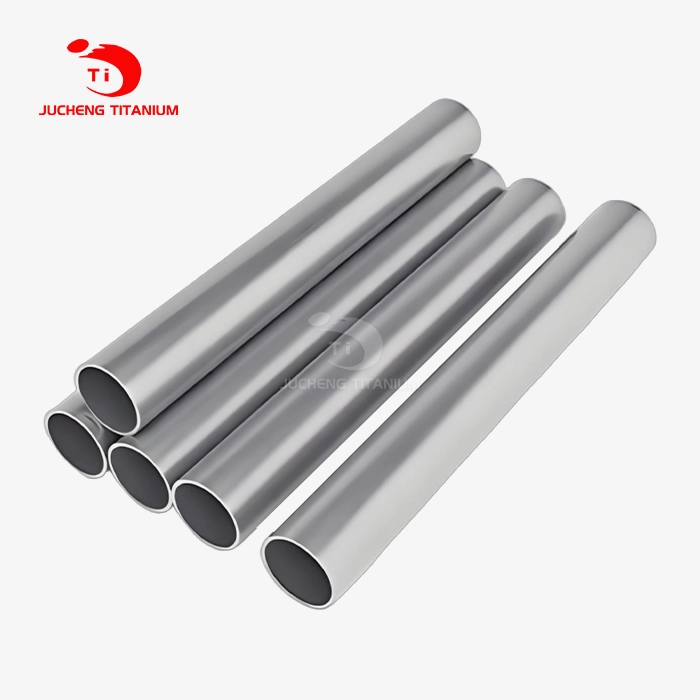
This material has a density of 4.51 g/cm³, significantly lower than stainless steel (8.0 g/cm³) and nickel metals (above 8.5 g/cm³). Round bars have diameters from 6 to 450 mm and lengths up to 6000 mm. If needed, customised lengths can reach up to 12000 mm. Diameter tolerances meet h9 or h11 grades, depending on surface polish, for CNC cutting precision.
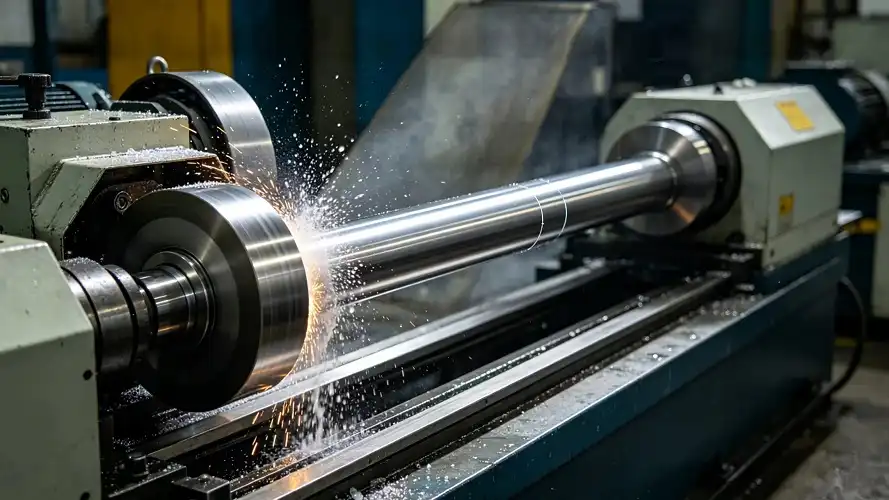
Vacuum arc remelting starts the production process. Next is open-die forging, hot rolling, or rotating forging, then centreless grinding or precision turning. Surface finishes include bright polished, twisted and peeled, centerless ground, sanded, and acid-pickled matte grey. Final straightness tolerances are 1 mm per metre. Different finishes are suitable for different uses. Polished surfaces are useful for biocompatibility-tested medical implants, while turned surfaces are suitable for accurate aeroplane fasteners.
Applications of Grade 2 Titanium Round Rod in Aerospace and Medical Sectors
The aircraft industry has used commercially pure titanium bars for more than 50 years. They are used in airframe structures, engine parts, and fastening systems where rust from salt spray and hydraulic fluids could damage the structure.
Aerospace Component Manufacturing
Hydraulic system parts, landing gear nuts, and exhaust hangers are made from these rods. Stress corrosion cracking doesn't occur on seawater-sprayed carrier decks where military aircraft operate. Less weight equals higher cargo or range, which are economic factors in business and military aircraft.
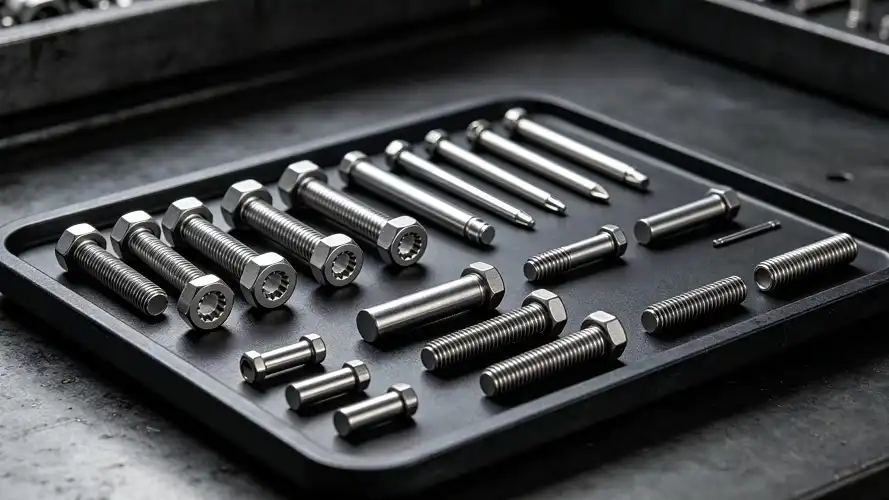
Fastener manufacturers make bolts, screws, and rivets from round bars. Composite structures are connected via these. Steel fasteners electrochemically react with carbon fibre composites, but titanium ones don't. They also stabilise joints during temperature cycles. Major aircraft OEMs employ these parts in wing sections, fuselage panels, and control surface pieces that must be reliable without servicing.
Medical Device and Surgical Instrument Production
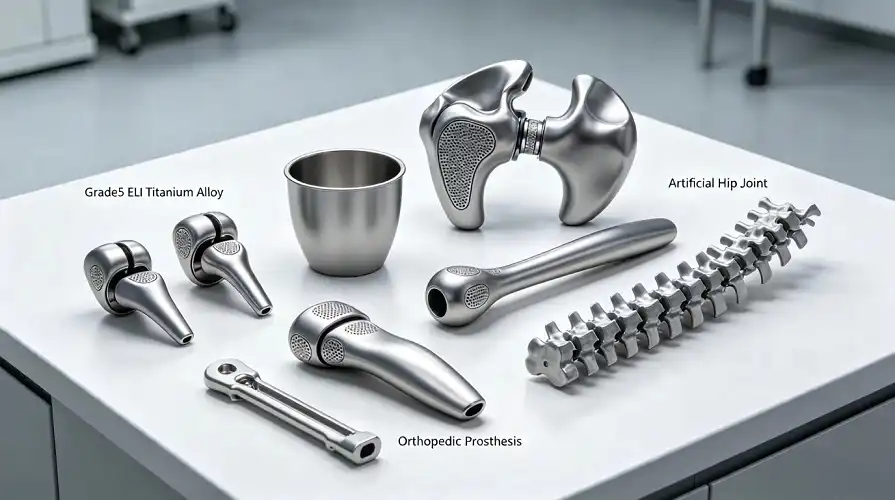
This biocompatible material is suitable for orthopaedic, oral, and surgical tools. The naturally existing titanium dioxide surface layer mixes together with human tissue during osseointegration, allowing bone to grow directly onto implant surfaces without rejection. With negligible adverse effects, these rods have been employed in spinal fusion bars, hip replacement stems, and head plates for decades.
Surgical tool makers appreciate the material because it can be autoclaved repeatedly at 134°C and exposed to germ-killing chemicals. Retractors, tools, and bone saws are cleaned thousands of times to maintain sharpness and size. It doesn't interfere with MRI imaging because it's non-magnetic. Tools can remain in position throughout diagnostics without producing visual artefacts or magnetic attraction hazards.
Recent case studies from major medical device manufacturers reveal implant survival rates of 95% at 15 years. Aerospace manufacturers claim parts can withstand over 50,000 flight hours in corrosive circumstances with minimal maintenance. This supports both industries' material choices.
Grade 2 vs. Other Titanium Grades and Metals: Making the Right Material Choice
When choosing materials, you have to balance a lot of different performance factors against your budget and your factory's production skills. Understanding the pros and cons of commercially pure and alloyed titanium helps people make the best decisions about what to buy.
Comparison with Higher-Strength Titanium Alloys
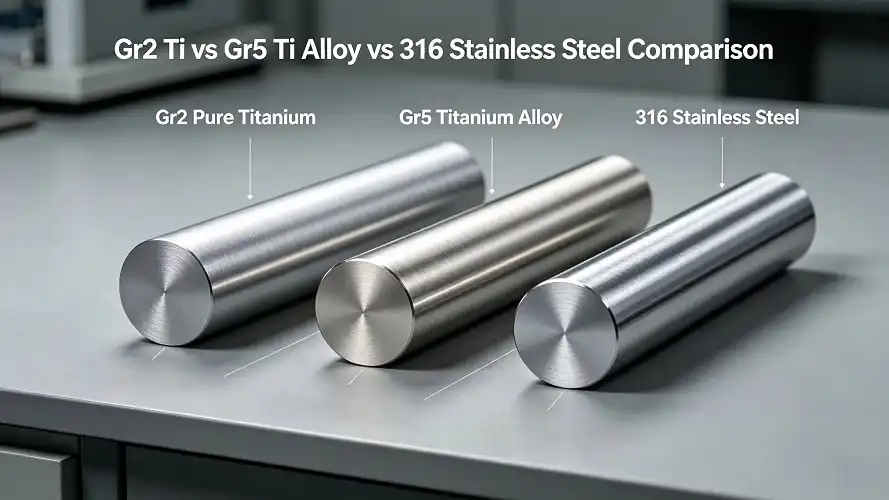
Grade 5 titanium alloy, with 6% aluminium and 4% vanadium, offers final tensile strengths close to 900 MPa, more than twice as strong as the pure form offered in stores. This greater strength comes at a cost: cold shaping is harder, welding is harder and requires a controlled atmosphere, and raw materials are pricier. For applications that require structural efficiency under stress, the premium choice is best, while the widely pure option is preferable for corrosion protection and ease of manufacture.
Grade 3 commercially pure titanium is of medium strength. It is stronger and retains most of its forming properties due to its greater oxygen concentration (0.35% maximum). For most aerospace and medical applications, the minor performance boost doesn't warrant the more complicated standard; therefore, grade 2 titanium round rod is best unless strength requirements dictate otherwise.
Competitive Analysis Against Traditional Metals
316L and other stainless steels resist corrosion in many circumstances and cost less. Crevice corrosion failures occur in chloride-containing fluids when passive films break down, especially under mechanical stress or high temperatures. Titanium's self-regenerating oxide layer prevents these failures, making maintenance and part replacement easy.
When densities are near 2.7 g/cm³, aluminium alloys save significantly more weight. Above 150°C, their mechanical strength diminishes quickly, and their corrosion protection isn't robust enough for marine or chemical exposure. Nickel-based superalloys operate well in acidic environments at high temperatures but are three to five times heavier and costlier than titanium.
The total cost of ownership favours commercially pure titanium bars due to greater service life, less maintenance, and no protective coatings. Aircraft manufacturers save fuel over the life of the frame, and hospitals don't have to pay for expensive implants or rust repair surgeries.
Practical Tips for Using and Machining Grade 2 Titanium Round Rod
Understanding titanium's unique machining properties and following the right manufacturing processes are needed to get the most out of the material and the quality of the parts.
Machining Parameters and Tooling Selection
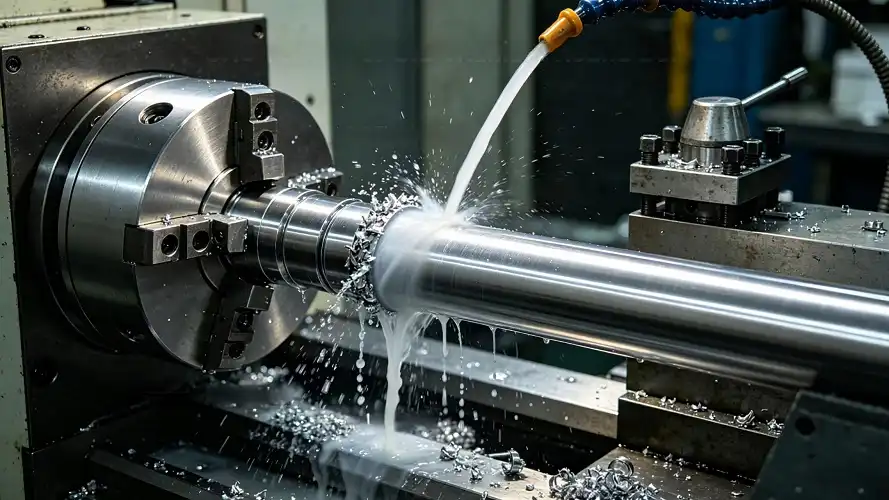
Cutting speeds should be 50–80 m/min for sharp carbide or polished tools with positive rake angles. Sharp tools prevent the surface layer from solidifying, which dulls new cutting edges and generates too much heat. Flood coolant eliminates heat, preventing microstructural changes that damage mechanical properties.
Material removal and surface finish are best matched at feed rates of 0.1 to 0.3 mm per rotation. Intermittent cuts raise and lower temperatures, speeding tool wear. Inserts must be replaced more often than during steady operations. Stiff settings and controlled feeds prevent tap galling against the workpiece during thread cutting.
Storage and Handling Protocols
Round bars should sit on padded racks to avoid metal-on-metal impact. Plastic film resists air moisture but doesn't rust like ferrous metals when stored long-term. Sharp tools generate wear cracks when loaded and unloaded; therefore, avoid them.
Inspections employ calibrated micrometres and coordinate measuring equipment to verify dimensions. Surface finish measurements meet drawing roughness standards, and ultrasonic testing finds hidden faults. Each lot's certification package includes mechanical test, chemistry analysis, and heat treatment findings.
Customization Options for OEM Applications
Manufacturers with unique diameter standards can make accurate fittings without grinding, reducing production costs and wait times. Surface treatments, from "as forged" to "mirror polishing", suit varied uses. Customising length up to 12000 mm eliminates weld connections in lengthy parts, making them more wear-resistant and quality control easier.
The metal is most flexible and ready for shape when annealed. Stress-relief treatments at 480–595°C stabilise the measurements of precision parts. These heating methods require regulated gas ovens to prevent surface oxidation, which would require extra pickling or machining.
How to Procure Certified Grade 2 Titanium Round Rod: Supplier and Pricing Insights?
Setting up reliable supply chains requires a thorough review of suppliers and clear buying processes. Material validity and approval compliance have a direct effect on how well a component works and how well it is accepted by regulators.
Supplier Qualification Criteria
Manufacturers that are considered to be good manufacturers have quality control systems certified to AS9100 for aerospace and ISO 13485 for medical devices. These approvals demonstrate that the process controls ensure consistency and design compliance. Manufacturing sites in Baoji, China, known as China's Titanium Valley, benefit from long-standing supply chains and technical expertise.
Manufacturing capacity is indicated by annual output, equipment capabilities, and store depth. Suppliers with enormous raw material stocks—sometimes over 3,000 tonnes—provide shorter lead times and greater planning freedom than manufacturers. Metallurgical labs and design engineers provide technical support during material selection and application development.
Pricing Factors and Order Considerations
The global titanium sponge market affects prices. Mining output, refining capacity, energy, chemical processing, and aviation demand cycles affect these markets. Due to economies of scale, buying in bulk can save you money, but conventional sizes limit you to 500 kg. Custom requirements like non-standard diameters, longer lengths, or custom surface treatments require setup and tooling fees amortised over larger quantities.
The product's complexity, current work, and shipping method determine lead times, which range from four to twelve weeks. Expedited services address urgent needs at a higher price, while scheduled delivery programmes ensure resources arrive on time for manufacturing, reducing stockpile costs. Foreign trade agreements determine payment terms, and letters of credit or advance deposits confirm orders.
Documentation and Quality Assurance Workflow
The purchase process begins with material specifications for sizes, mechanical properties, and certificates. Request for quotation packages include drawings, annual cost estimates, and delivery options. Price, wait time, and certification capabilities are detailed in supplier proposals, allowing comparison.
Purchase orders begin production planning and raw material distribution. Everyone gets progress updates, and pre-shipment checks ensure everything is in order before booking international goods. Shipments include material test reports, conformity certificates, and traceability documents. These demonstrate that the product fulfils customer and government quality standards.
Working with makers who can process raw materials and make completed parts simplifies supply chains and reduces vendor management costs. Integrated titanium bar and tool providers can provide comprehensive solutions for complex settings.
Conclusion
Choosing the right material for medical and aircraft uses is a big choice that affects how well the product works, how well it meets regulations, and how much it costs to own the whole thing. Commercially pure titanium bars have the best mix of resistance to rust, biocompatibility, and shapeability for parts where these qualities are more important than strength. Quality is always the same in global supply chains because of international standards, and reliable materials that meet strict licensing requirements are made using tried-and-true manufacturing methods. Strategic relationships with suppliers, clear procurement processes, and lots of quality documents help people make confident choices about where to buy things. Commercially pure grade 2 titanium round rod continues to prove its worth in tough situations where failure is not an option, as aeroplane manufacturers strive to make their products lighter and medical device companies enhance implant technologies.
FAQ
1. What distinguishes Grade 2 titanium from Grade 5 alloy in practical applications?
Grade 2 titanium is commercially pure and has no more than 0.25% oxygen. It is better at resisting rust and welding, and can also be cold-shaped very well. Grade 5 alloy (Ti-6Al-4V) has 6% aluminium and 4% vanadium. It has about twice the tensile strength of Grade 4 alloy, but it needs to be welded in a controlled atmosphere and formed using special hot-forming techniques. When the structure needs to be as strong as possible under mechanical load, Grade 5 should be used. On the other hand, Grade 2 should be used in places where rust resistance is needed or where the fabrication geometry is complicated.
2. How can buyers be sure that the stuff they're buying is real?
Genuine providers give mill test results that show the chemical makeup using optical emission spectroscopy, the mechanical properties through tensile testing, and heat treatment records with furnace temperature charts. Check the heat numbers on the material against the certifications, and if you need more proof, ask for third-party inspection reports from approved labs. Full traceability is needed for aerospace and medical uses, so make sure the provider has quality management system certifications like AS9100 or ISO 13485 that show process controls.
3. What lead times should teams in charge of buying things in bulk expect?
Round bars with a standard width that are already in stock usually ship within two to four weeks. Lead times can go up to eight to twelve weeks if you need non-standard diameters, lengths longer than 6000 mm, or special surface treatments. This depends on production plans and the supply of raw materials. When you need something quickly, suppliers with a lot of inventory can help. Scheduled delivery programmes line up shipments with production planning cycles, which is the best way to handle your working capital.
Why Choose Jucheng Titanium as Your Grade 2 Titanium Round Rod Manufacturer?
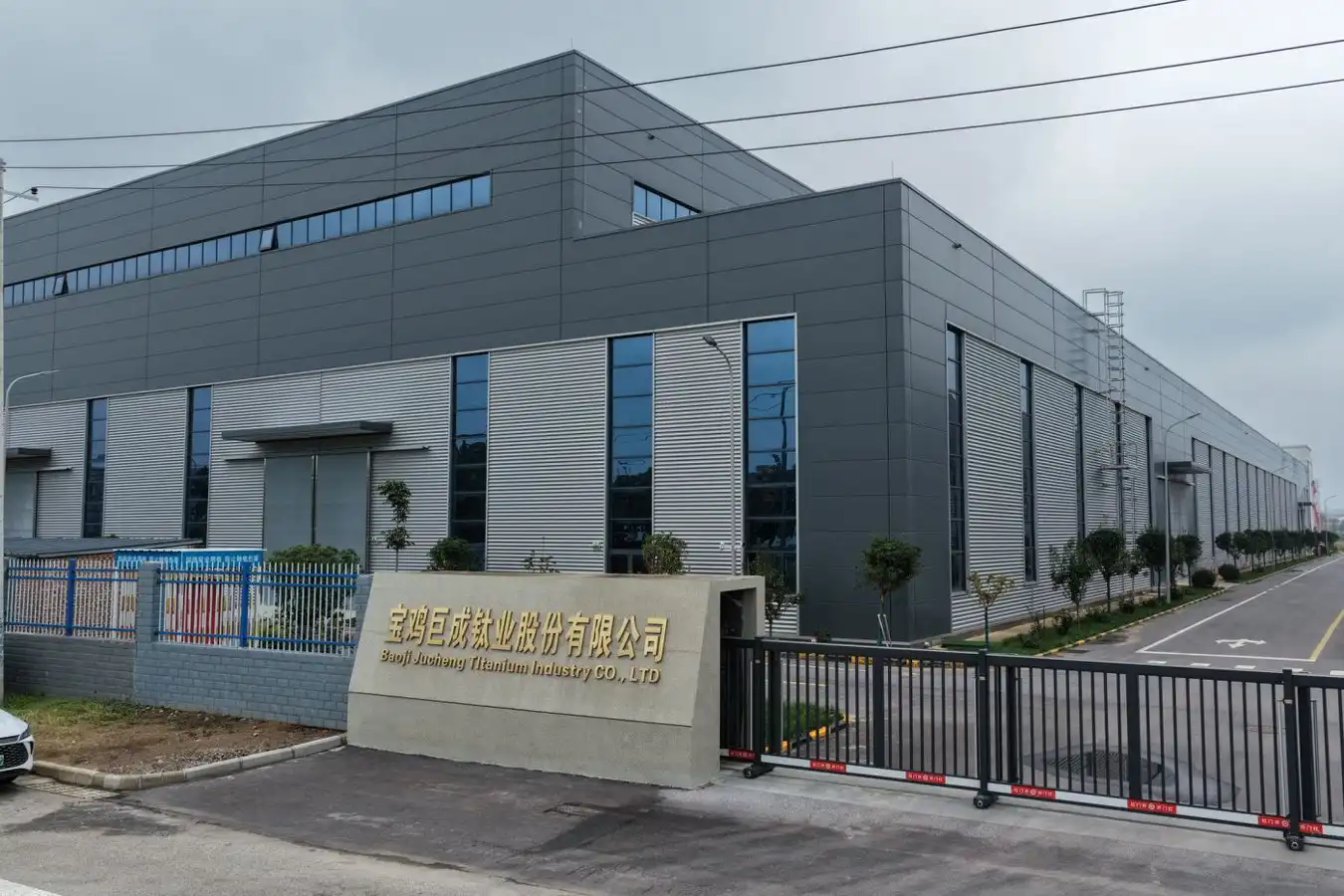
Baoji Jucheng Titanium Industry Co., Ltd. is a trusted partner for companies that make medical and military devices and need approved commercially pure titanium bars. Our company has been making titanium materials, preparing them, and making tools since 2004. It is located in Baoji, China, which is known as the Titanium Valley. Being named a National High-Tech Enterprise and a national-level focused "little giant" shows how advanced our technology is and how we lead the market.
Our production facility is spread out over 120,000 square meters, and we keep over 3,000 tons of titanium in stock so that we can quickly deliver it to meet important project deadlines. Production skills include the whole processing sequence, from vacuum melting to the final surface treatment. This makes sure that quality control and material traceability are maintained throughout the whole production chain. Four idea patents and 41 utility model patents show that we are always coming up with new ways to process titanium.
Internationally recognised quality control systems help with applications in aerospace and medical devices, and full-service testing labs check the quality of materials. Our technical team works with research centres like Tsinghua University and the Northwest Institute for Nonferrous Metal Research to make sure we have access to the most up-to-date metalworking knowledge. If you're interested in buying grade 2 titanium round rods, please email our engineering team at s4@juchengti.com for more information, verification paperwork, and reasonable prices. You can get processing services that are exactly tailored to your exact size needs, surface finish preferences, and shipping plans that work with your production planning.
References
1. Boyer, R., Welsch, G., & Collings, E. W. (1994). Materials Properties Handbook: Titanium Alloys. ASM International, Materials Park, Ohio.
2. Donachie, M. J. (2000). Titanium: A Technical Guide, 2nd Edition. ASM International, Materials Park, Ohio.
3. Lutjering, G., & Williams, J. C. (2007). Titanium, 2nd Edition. Springer-Verlag, Berlin Heidelberg.
4. Peters, M., Kumpfert, J., Ward, C. H., & Leyens, C. (2003). "Titanium Alloys for Aerospace Applications." Advanced Engineering Materials, Volume 5, Issue 6, pages 419-427.
5. Rack, H. J., & Qazi, J. I. (2006). "Titanium alloys for biomedical applications. Materials Science and Engineering C, Volume 26, Issue 8, pages 1269-1277.
6. ASTM International. (2020). ASTM B348 / B348M - Standard Specification for Titanium and Titanium Alloy Bars and Billets. West Conshohocken, Pennsylvania.