
Can Grade 5 Titanium Seamless Tube Improve Corrosion Resistance?
For important industrial uses where rust protection is important, the grade 5 titanium seamless tube is a strong choice. This material is made from a Ti-6Al-4V alloy, which gives it great protection against corrosion and high mechanical strength. The seamless construction gets rid of weak weld seams that can hurt performance in places like chemical plants, underwater drilling operations, and aircraft hydraulic systems, where corrosion is a problem. The oxide layer that forms naturally on the surface acts as a self-healing shield against aggressive media, and it works much better than stainless steel and aluminium when exposed to saltwater, acidic chemicals, and high-temperature conditions that cause oxidation.


Understanding Grade 5 Titanium Seamless Tube and Its Corrosion Resistance
Because they are so good at making a steady, protective oxide layer, titanium metals are very resistant to corrosion. When this passive film is damaged, it heals itself and continues to protect against external damage.
What Makes Grade 5 Titanium Alloy Different?
Grade 5 titanium seamless tube, also called Ti-6Al-4V, contains about 6% aluminium and 4% vanadium. This mix of alloys makes an alpha-beta phase microstructure that has a good balance between high tensile strength and reasonable flexibility. Compared to pure titanium grades like Grade 2 that are sold in stores, this combination is almost three times as strong and doesn't rust in most industrial settings. The seamless tube design makes it even more reliable because it doesn't have any horizontal joints, which can become weak spots when subjected to repeated stress and corrosion.

The Science Behind Titanium's Corrosion Resistance
Titanium is very resistant to corrosion because it reacts instantly with air to make a thin but very stable layer of titanium dioxide (TiO₂) on the surface. The oxide film is usually only 10 to 20 nanometres thick, but it does an impressive job of protecting. If there are even tiny amounts of air or water on the film, it can heal itself in milliseconds after being scratched or broken. Because they can heal themselves, titanium metals are very useful in situations where repair workers can't easily get to the part that needs fixing or where downtime costs a lot. Titanium performs much better than most stainless steels at resisting attack from seawater, chloride solutions, nitric acid, and most organic substances in neutral and oxidising conditions.
Comparative Performance in Harsh Environments
Titanium seamless tubing works better than other options in several toxic situations, as shown by real-world tests. When chloride levels rise above certain levels in naval settings, stainless steel 316L experiences pitting erosion, especially when the flow is slow or stops. Titanium Grade 5 is still pretty much unaffected by these kinds of attacks. In chemical processing settings with reacting acids like nitric acid or chlorine dioxide, titanium alloys keep their shape while nickel alloys break down over time. Titanium is resistant to Skydrol and other phosphate ester fluids that can damage metal parts, which is particularly beneficial for aerospace hydraulic systems. These improvements in performance directly lead to longer service life, shorter repair times, and higher levels of safety at work.

How is a Grade 5 Titanium Seamless Tube Made and Treated to Enhance Corrosion Resistance?
The manufacturing methods used to make a titanium tube heavily influence its final corrosion-resistant pipe profile. Precision at every stage of production ensures the purity of the material and the best surface properties.
Advanced Manufacturing Techniques
Hot extrusion or cutting of titanium billets, which is usually done at temperatures between 900°C and 1,050°C, is the first step in making smooth titanium tubes. Because Grade 5 metal is forceful, it needs to be shaped with special tools and under very careful temperature control. After being shaped at first, tubes are cold rolled or pilgered to achieve exact dimensions and a better finish on the outside. The seamless design gets rid of the heat-affected zone that comes with welded tubes. In this area, small changes in the structure can cause galvanic cells to form, which speed up rusting. Products made by trusted providers meet standards like ASTM B337, ASTM B338, ASTM B861, AMS 4942, and ASME SB338, which ensure that all production runs have the same material qualities and resistance to corrosion.

Heat Treatment and Metallurgical Optimization
Heat treatment has a big effect on both the mechanical properties and the resistance to rust of titanium metals. Annealing methods, which are usually done at 700–800°C, remove any remaining pressures from cold working and improve the microstructure at the same time. This heat processing stabilises the alpha-beta phase balance and makes the material more flexible without lowering its strength. Controlled cooling rates stop grains from growing too much, which could make some lines of rusting more likely than others. In most industrial settings, the annealed state is the best mix of being able to shape and not rusting. If you treat the material with a solution and then let it age, you can make it even stronger for high-stress situations, but it may become less flexible.
Surface Finishing for Enhanced Protection
In addition to the natural oxide film, surface treatment methods provide extra layers of defence against rust. Acid cleaning gets rid of surface impurities and mill scale, leaving a smooth, clean titanium surface that helps the passive film form properly. Electropolishing removes tiny surface flaws, making localised rust less likely to start. This method also makes the inactive layer more stable and even. Mechanical cleaning to a bright or mirror finish is useful and nice to look at, especially in food preparation and medicinal settings, where cleanliness is very important. After these steps, the raw extruded tube is turned into a precision-engineered product that is ready for harsh work settings.

Practical Advantages of Using Grade 5 Titanium Seamless Tubes in Corrosive Environments
When choosing a titanium tube, the original cost has to be weighed against the long-term benefits for operations. Knowing about these benefits helps people who work in buying choose the right materials.
Exceptional Durability Against Multiple Corrosion Modes
Titanium seamless tubes are resistant to a number of rust processes that damage other materials. Pitting corrosion, which is when protective coats are broken in certain places, doesn't happen very often in titanium, even when it's in chloride-rich settings. With stainless steels, crevice rust is widespread in tight joints and gasket surfaces. With titanium parts, this is not a big problem. Stress corrosion cracking can be very bad for high-strength aluminium and steel metals when they are exposed to both tensile stress and rust. However, titanium doesn't have this problem in most industrial media. This resistance with many faces gives engineers faith in their designs in a wide range of operating situations.
Superior Strength-to-Weight Performance
Grade 5 titanium has functional benefits that go beyond its resistance to rust. A titanium tube makes structures much lighter because it has a mass of 4.43 g/cm³, which is about 56% that of steel. In aircraft uses, where every kilogram counts when it comes to fuel economy and payload capability, these weight savings are especially useful. The minimum tensile strength of 895 MPa and yield strength of 828 MPa are higher than those of many types of stainless steel. This means that wall sections can be smaller, which cuts weight even more without lowering pressure ratings. When it comes to design, seamless tubes that come in sizes from OD3 mm to OD219 mm and wall thicknesses from 0.5 mm to 20 mm give designers a lot of options for everything from accurate tools to heavy industrial equipment.

Long-Term Cost Benefits and Lifecycle Value
Titanium tubes cost more up front than stainless steel or carbon steel tubing, but the total cost of ownership often favours titanium. Longer service life means that parts don't have to be replaced as often, which saves money. Less upkeep means less money spent on labor and fewer breaks in output. Getting rid of rust limits, protective coatings, or cathodic protection systems makes engineering easier and cuts down on extra costs. In chemical handling, a titanium heat exchanger that doesn't break down for 20 to 25 years is better than a stainless steel unit that needs to be replaced every 5 to 7 years. When businesses have strict uptime requirements and high replacement prices, these economic benefits become even more appealing.

How to Choose the Right Titanium Seamless Tube for Your Application
To choose the right materials, you need to make sure that the product specs fit the working conditions and performance needs. The best results are guaranteed by a systematic review method.
Assessing Environmental and Mechanical Demands
Start by giving a full description of the service setting. Write down information about the specific corrosive media that are present, such as their chemical makeup, quantity, temperature, and flow properties. Find the mechanical loading factors, like changes in temperature, pressure inside the structure, and forces from outside. Titanium grade 5 works best in oxidising conditions and mild temperatures up to 400°C. Other grades may work better in highly reducing acids or cryogenic settings, though. Even though they aren't as strong mechanically, commercially pure titanium types like Gr2 are better at resisting corrosion in some chemical conditions. By comparing these parameters to details on the material's properties, you can be sure that the powers of the part meet the needs of the application.
Importance of Certification and Customization
Working with certified sellers who follow strict quality standards keeps you safe from problems with the materials or how they work. Suppliers who follow international standards make sure that products can be tracked by giving detailed mill test records for each production lot that show the chemical makeup, mechanical qualities, and accuracy of the dimensions. When standard shapes don't meet design needs, the ability to customise becomes especially important. Manufacturers with a lot of experience can make tubes with specific lengths, wall thicknesses, outer sizes, and surface finishes for different uses. This adaptability includes special processing like bending, flaring, or cutting that turns raw tube into parts that are ready to be installed.

Evaluating Supplier Credentials and Support
There's more to choosing the right provider than just looking at prices. Ask them about their experience with mechanical processes, quality control, and using their skills in your industry to see how technically skilled they are. Reliable sellers keep a lot of stock on hand to make sure they can deliver quickly and keep project delays to a minimum. Look for partners that offer technical support. These partners can help you choose the right materials, install them correctly, and fix problems. You can be sure that a seller will be able to meet your needs if they have experience with similar projects in the past. Being certified as a National High-Tech Enterprise or a specialised maker shows that a company is dedicated to quality and new ideas, which helps customers by providing them with better goods and faster service.
Conclusion
Due to its special metallurgical qualities, seamless construction, and formation of a protective oxide layer, grade 5 titanium seamless tube is rust-resistant. The performance of this mixture is outstanding in tough conditions where regular materials fail early. Titanium tubing costs more up front, but it pays for itself many times over through longer service life, less upkeep, and reliable operation. To choose the right tube grade, size, and seller, you need to carefully look at the surroundings, the mechanical needs, and the source's skills. When ordered and put in correctly, titanium seamless tubes last for decades without any problems in industrial, naval, aircraft, and chemical processing settings.

FAQ
1. Does Grade 5 titanium resist saltwater corrosion better than stainless steel?
In saltwater settings, Grade 5 titanium works much better than most types of stainless steel. The stable titanium dioxide inactive layer stays in place even when the seawater stays still, which is bad for stainless steel 316L because chloride attacks cause pitting erosion. Titanium is the best material for drilling tools used at sea, desalination plants, and marine heat exchanges because of this.
2. Can heat treatment improve the corrosion resistance of titanium tubes?
It's not directly better at resisting corrosion; heat treatment mostly improves mechanical qualities and reduces internal stresses. The annealing process makes the microstructure stable and makes sure that an inactive film forms evenly across the surface. The right heat treatment gets rid of any leftover stresses that could cause limited corrosion sites in certain situations. This indirectly helps the material's long-term resistance to corrosion.
3. What makes seamless tubes superior to welded tubes for corrosive applications?
With seamless construction, there is no join gap, which could be weak in environments that are acidic or alkaline. Welded tubes have a heat-affected zone where changes in the microstructure can make galvanic cells or stress concentration points. Because they don't have any weak longitudinal parts, seamless tubes have the same qualities all the way around. This means they are consistently resistant to rust and strong.
Partner With a Trusted Grade 5 Titanium Seamless Tube Supplier
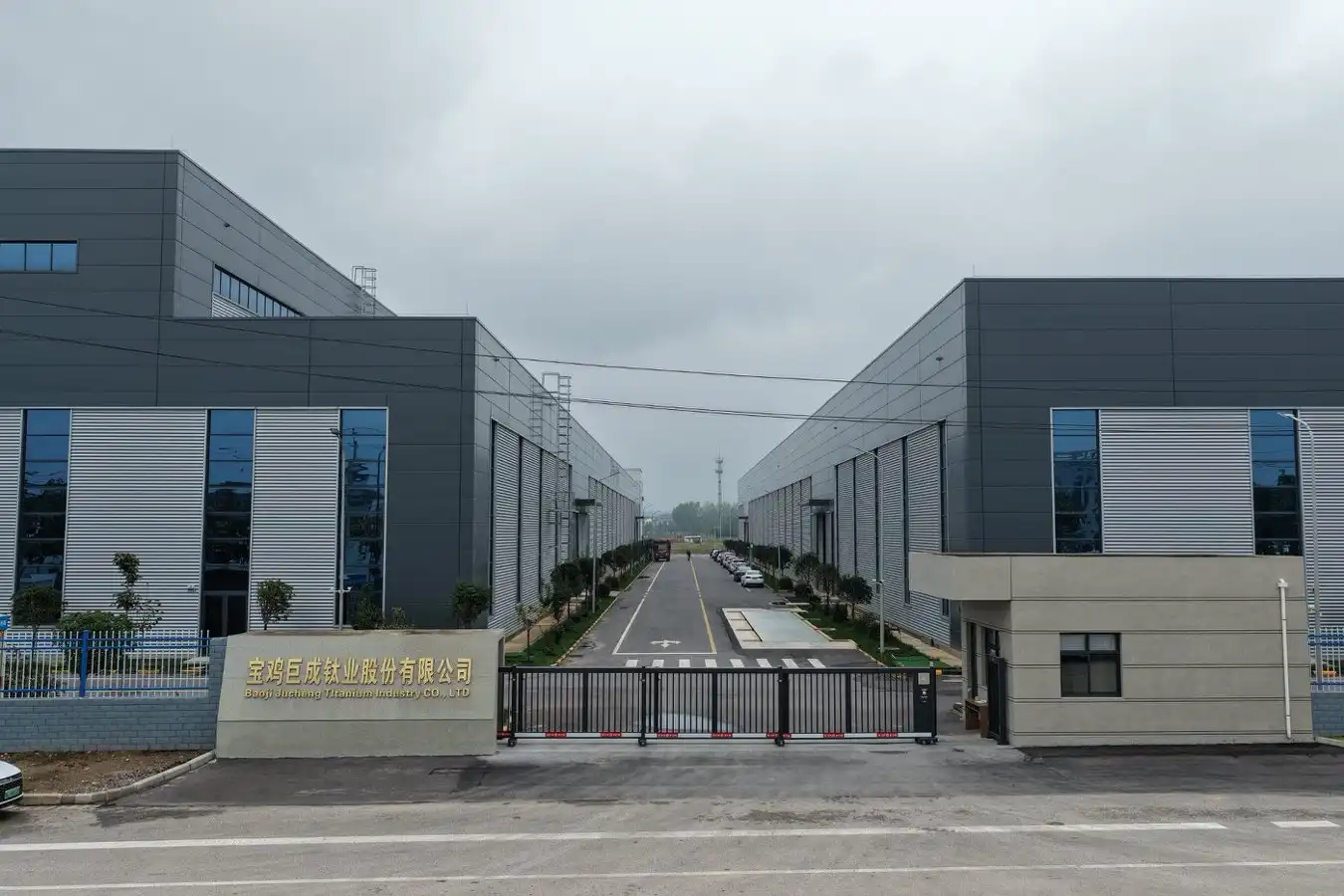
As a top manufacturer of corrosion-resistant grade 5 titanium seamless tubes and titanium pipe materials for the aircraft, chemical processing, and industrial equipment industries for more than 20 years, Jucheng Titanium has extensive specialised knowledge. Our wide range of products includes titanium seamless tubes made to ASTM B337, ASTM B338, and ASTM B861 standards in grades Gr1 through Gr12, with outside sizes ranging from 3mm to 219mm and wall thicknesses that can be changed. Keeping about 3,000 tonnes of titanium in stock guarantees quick delivery to meet tight project deadlines. Our 45 patents and National High-Tech Enterprise approval show that we are dedicated to quality and new ideas. We offer full technical help from choosing the right materials to making custom products. This is backed by strict quality control and full data for tracking. Email our engineering team at s4@juchengti.com to talk about your needs for corrosion-resistant tubing and get a full quote for your next project.
References
1. Boyer, R., Welsch, G., & Collings, E.W. (1994). Materials Properties Handbook: Titanium Alloys. ASM International.
2. Schutz, R.W. & Thomas, D.E. (1987). Corrosion of Titanium and Titanium Alloys. Metals Handbook, Ninth Edition, Volume 13, Corrosion.
3. Donachie, M.J. (2000). Titanium: A Technical Guide, Second Edition. ASM International.
4. ASTM International (2021). ASTM B861-21: Standard Specification for Titanium and Titanium Alloy Seamless Pipe.
5. Peters, M., Kumpfert, J., Ward, C.H., & Leyens, C. (2003). Titanium Alloys for Aerospace Applications. Advanced Engineering Materials, Volume 5, Issue 6.
6. Lutjering, G. & Williams, J.C. (2007). Titanium: Engineering Materials and Processes, Second Edition. Springer-Verlag Berlin Heidelberg.