



Best Titanium Sheet Roll for Heat Exchangers and Fabrication
When engineers and procurement managers search for the right flat-rolled titanium product, the titanium sheet roll stands out as a top-tier choice. Processed into continuous coils through hot or cold rolling, these rolls conform to ASTM B265, ASME SB265, AMS 4911, ASTM F67, and ASTM F136 standards. They deliver consistent grain structure, tight dimensional tolerances, and superior corrosion resistance — making them the preferred material for plate heat exchangers, aerospace thermal shielding, chemical processing equipment, and precision fabrication lines worldwide.
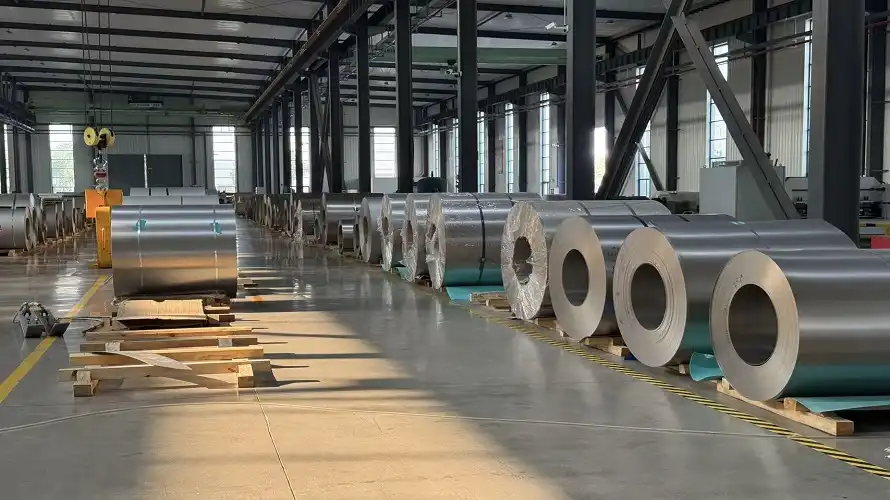

Understanding Titanium Sheet Rolls for Heat Exchangers and Fabrication
What Is a Titanium Sheet Roll?
Titanium Sheet Rolls are flat-rolled titanium products that are made into a single coil. They come in lengths of 950 mm to 1500 mm and thicknesses of 0.3 mm to 12.0 mm. When automated stamping or forming is used, the coil format wastes less material than cut-to-length plates. As a result, it keeps the same grain structure across large areas of the surface, which prevents unevenness and breaking when deep drawing or hydroforming is done.
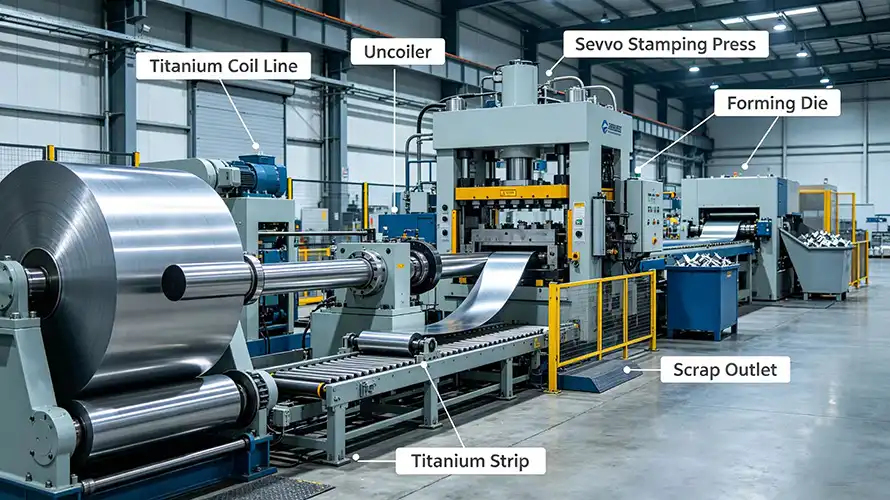
Grades and Standards
Gr1, Gr2, Gr3, Gr4, Gr5, Gr7, and Gr12 are the grades that Jucheng Titanium sells. With an extension of ≥24%, Grade 1 is the most flexible and can be used for heat exchanger plates with complicated shapes. Grade 2 is the workhorse of the industry, with a yield strength of 275 MPa or more. Grade 5 (Ti-6Al-4V), on the other hand, has a tensile strength of 895 MPa and is used in aircraft. According to EN 10204 3.1, all materials have full Mill Test Reports (MTRs).
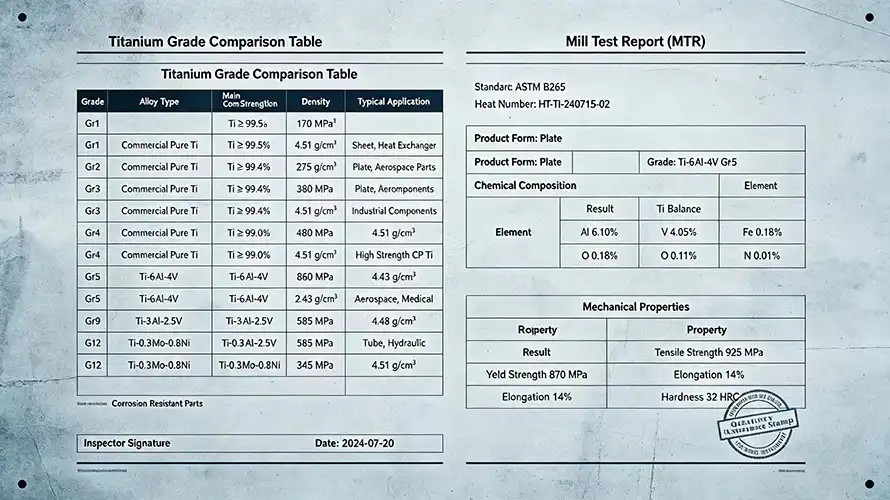
Key Properties That Matter
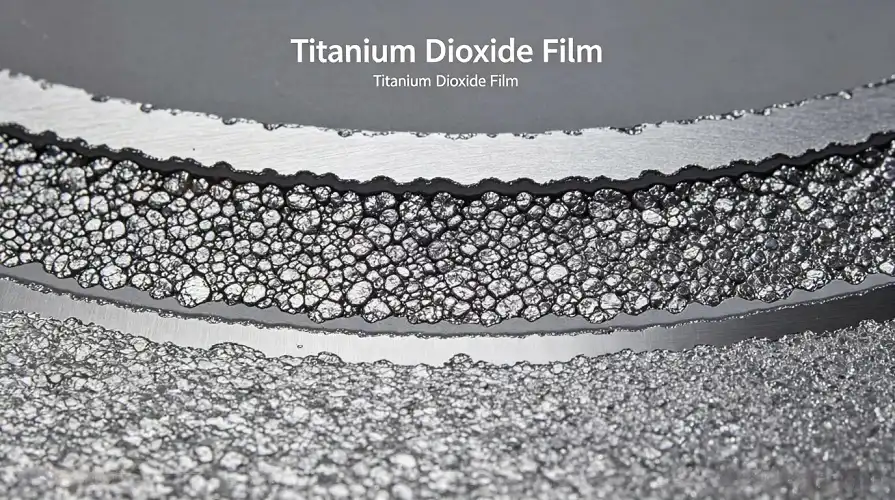
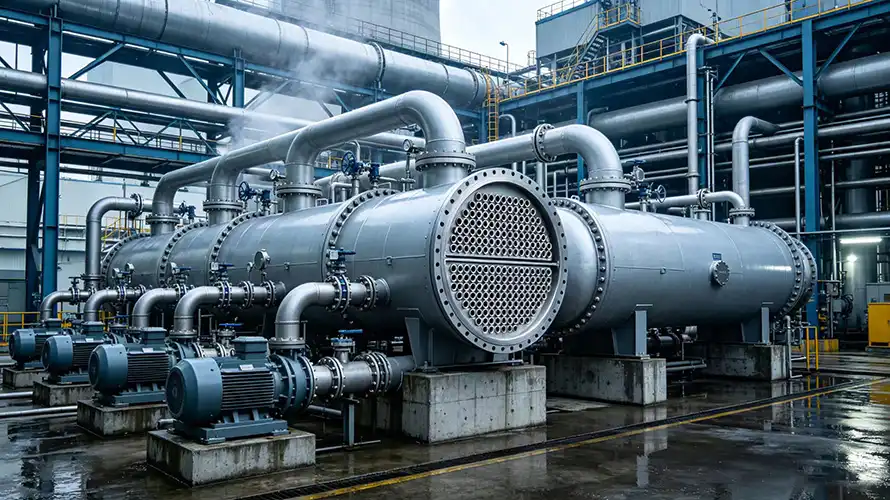
Titanium has a density of 4.51 g/cm³, which is about 60% of steel's weight, and a melting point close to 1668°C. Its naturally occurring TiO₂ passive oxide film protects against chloride-induced pitting and crevice corrosion, which is a common way for stainless steel heat exchangers to break down. Cold-rolled versions have a rougher surface (Ra < 0.4 µm) and better thickness tolerances than hot-rolled versions.
Comparing Titanium Sheet Rolls to Alternative Materials
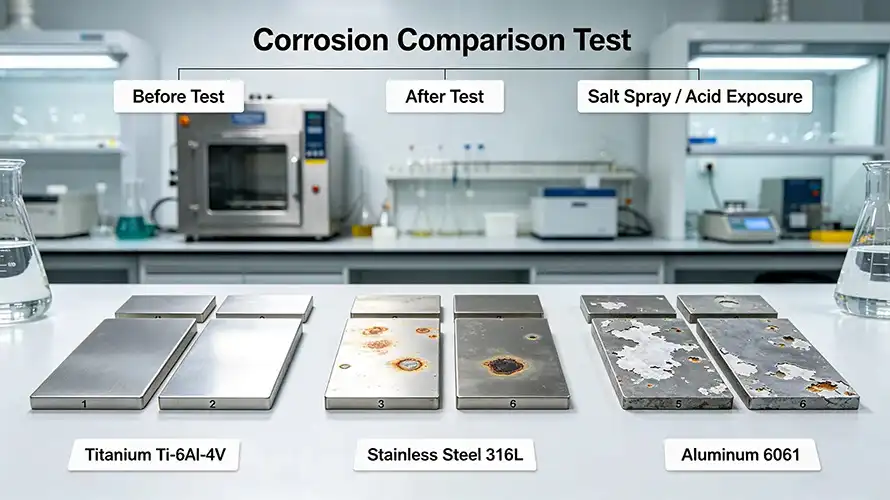
Titanium vs. Stainless Steel and Aluminum
Stainless steel rusts over time in acidic or high-chloride conditions, so equipment needs to be replaced often. Aluminum is not thermally stable enough to be used in places where the temperature is above 150°C. Titanium flat-rolled coil works better than both because it doesn't rust in seawater, hydrochloric acid, or oxidizing environments, and it can withstand temperatures up to 300°C in standard commercial grades.
Titanium costs more per ton up front, but data from desalination and chemical plants regularly shows that it costs 30% to 50% less to maintain over its lifetime than stainless steel plate heat exchangers. This is the trade-off that makes purchasing teams at chemical and petroleum companies choose titanium strip coil over other options more and more.
Titanium Sheet Roll vs. Titanium Plate
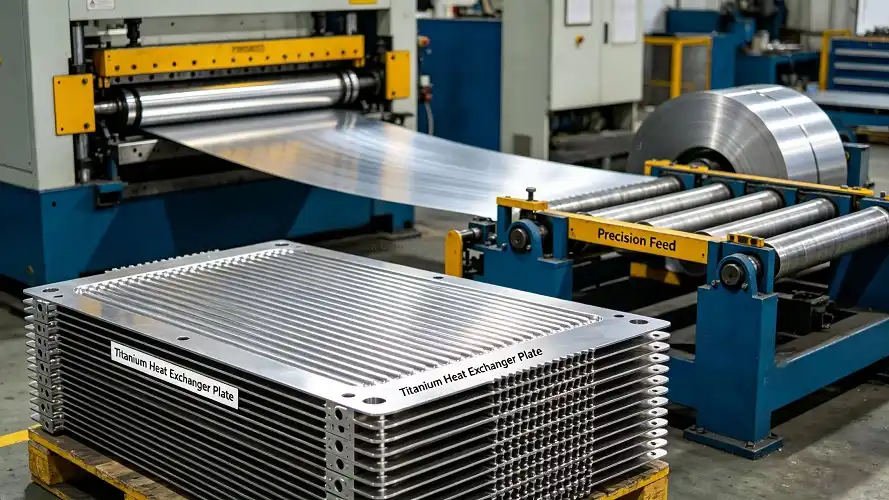
The coil shape of a titanium sheet roll lets the material be fed continuously by machines into stamping presses or roll-forming machines. Discrete plates need to be repositioned often, which increases the cost of labor and cycle time. When it comes to making heat exchanger plates, coil processing lines can get a lot more done than plate-fed systems. The adjustable width of 950 mm to 1500 mm lets you match materials to specific press widths without losing too much when trimming.
Grade 2 vs. Grade 5: Choosing the Right Alloy
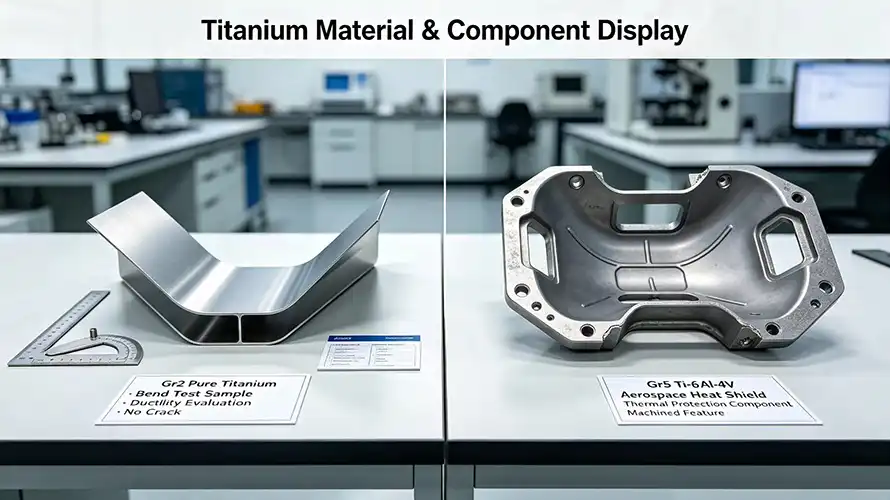
Grade 2 titanium is commercially pure and works well in most heat exchanger and chemical processing jobs where it needs to be easy to shape and won't rust. High tensile strength is a must for Grade 5 (Ti-6Al-4V), which is used for aerospace thermal shielding and structural brackets. Grade 2 has a minimum bend radius of 2T at room temperature. Grade 5 needs to be carefully formed with heat to keep it from cracking along the direction of rolling.
Selecting the Best Titanium Sheet Roll for Your Project
Match Grade to Application
Before you place an order, here are the main things you should think about when choosing a supplier:
- Heat exchangers and chemical reactors: Gr2 or Gr7 (palladium-stabilized) for maximum corrosion resistance in acidic media and chloride-rich environments.
- Aerospace firewalls and ducting: Gr5 (Ti-6Al-4V) per AMS 4911 for high-temperature strength and fatigue resistance.
- Medical device stamping: Gr1 or Gr4 per ASTM F67 and ASTM F136 for biocompatibility and deep-drawing precision.
- Marine and offshore equipment: Gr12 for resistance to high-velocity seawater erosion.
Matching grade to surroundings keeps things from failing too soon and saves money on expensive material changes in the middle of a project.
Thickness, Tolerance, and Certification
For pressing plate heat exchangers, cold-rolled material with thicknesses between 0.3 mm and 1.0 mm gives the best chevron pattern definition. For pressure tank frames and building structures, thicker gauges from 2.0 mm to 12.0 mm are used. All of Jucheng Titanium's goods come with approved chemical composition and mechanical test results that show they meet the standard.
Procurement Logistics for Global Buyers
Jucheng Titanium keeps about 3,000 tons of titanium in stock all year, so they can quickly fill both one-time orders and long-term supply contracts. Coil lengths can be changed to fit your needs. Distributors and trade firms in North America, Europe, and Southeast Asia can use OEM packaging and branding choices.
Manufacturing and Processing of Titanium Sheet Rolls
From Melting to Finished Coil
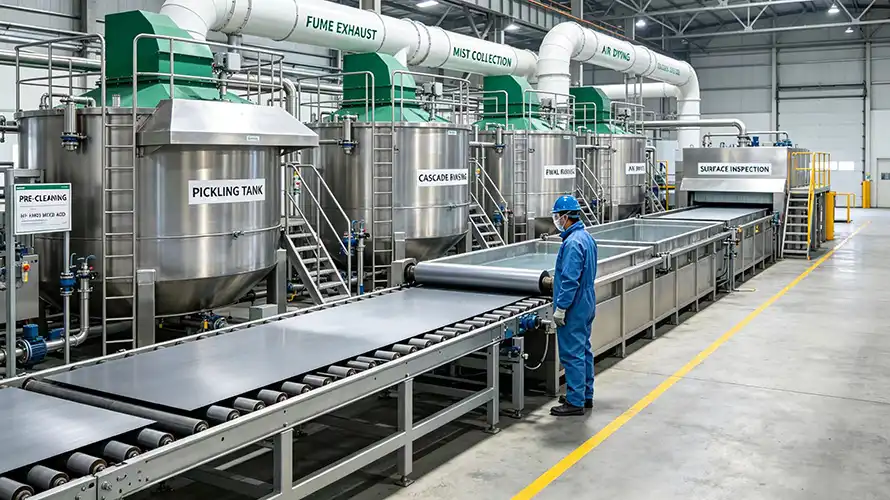
Vacuum arc remelting (VAR) or electron beam melting is the first step in the production of a titanium sheet roll. This is done to achieve the required chemical purity. First, the ingot is hot-rolled to make it thinner. Then, it is cold-rolled to get to its final gauge and tighter limits. The steps in Jucheng Titanium's processing chain are rolling, annealing, leveling, and pickling. Each step is controlled to give the surface one of three states: annealed, pickled, or bright.
Eliminating Alpha Case
Alpha case is a thin, rigid layer of oxygen that forms during high-temperature processes. It can damage stamping dies and make finished parts have tiny cracks in them. This layer is completely removed by acid cleaning at Jucheng Titanium, which is confirmed by a surface check before shipping. Material with a bright finish goes through extra steps to get a clean, shiny surface that can be used in medical and food-grade settings.
Welding and Fabrication Notes
The best way to weld titanium sheet is with GTAW (TIG) in an argon atmosphere that is completely inert. When you directly connect carbon steel to it, you make weak TiFe intermetallic compounds that cause the joint to fail right away. For joints made of different metals, you need to use explosion bonding or mechanical fasteners. Stress-relief annealing, also known as tension leveling, makes sure that coils unwind flat, which stops spring-back errors in lines for precision machining or stamping.
Trusted Suppliers for Titanium Flat-Rolled Products
What to Look for in a Supplier
When buying titanium coil and strip from other businesses, four things are very important: being able to track the materials, having enough certifications, having enough supplies, and being able to get expert help quickly. Full heat number traceability, third-party mechanical test records, and documented ultrasonic inspection per AMS 2631 for aerospace-grade material are all things that a trusted provider should offer.
Why Jucheng Titanium Stands Out
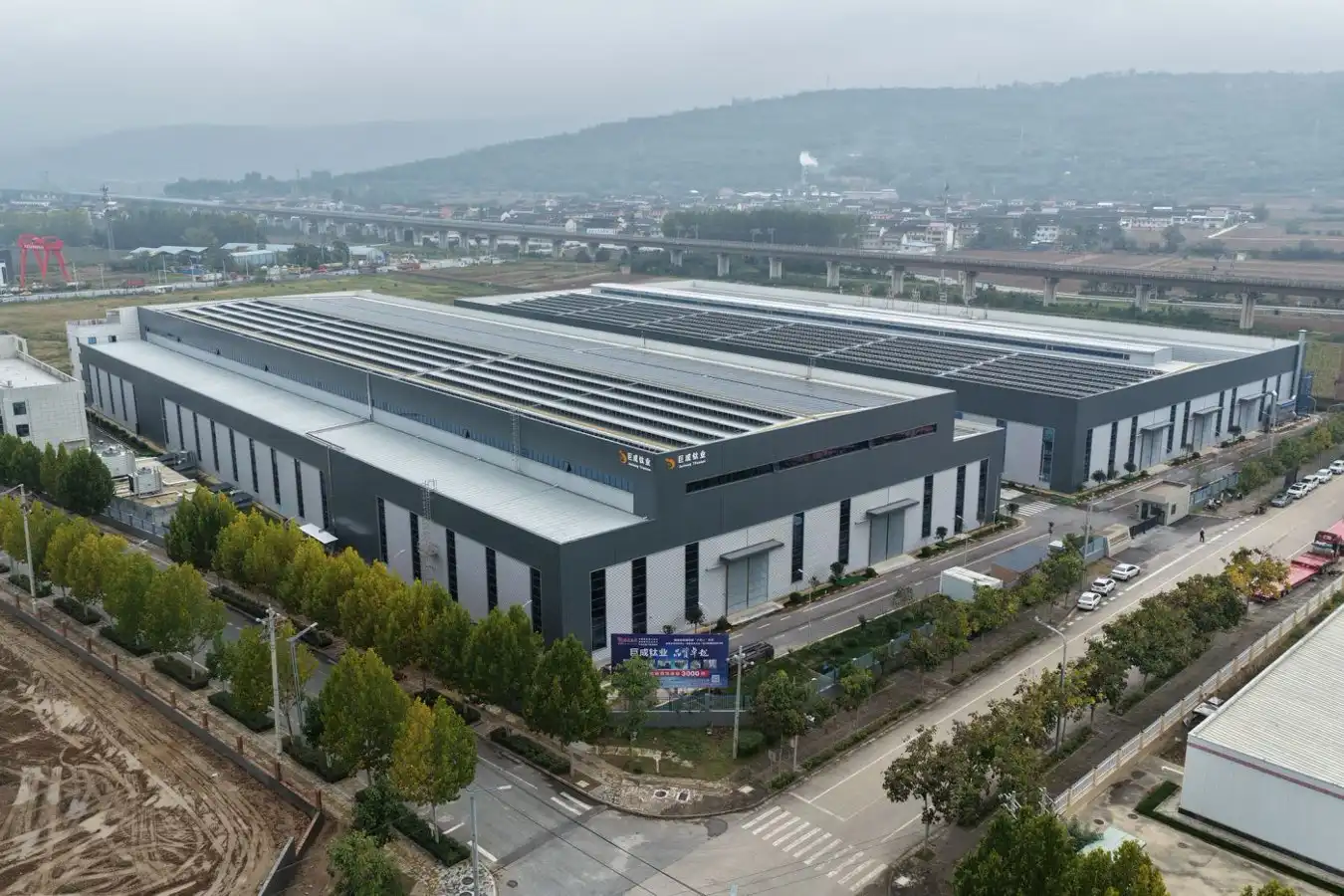
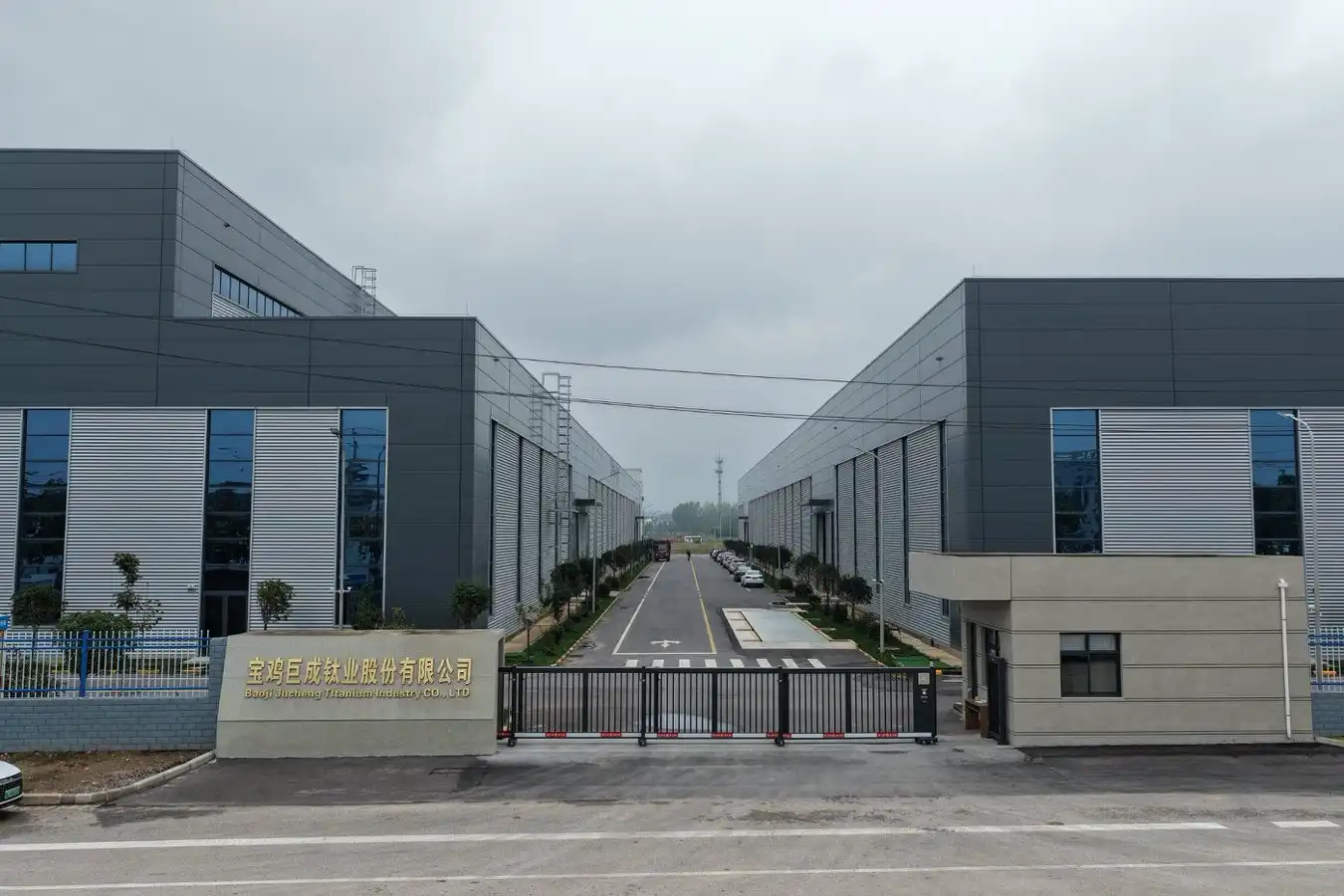
Baoji Jucheng Titanium Industry Co., Ltd. has been in business for more than 20 years in Baoji, China's Titanium Valley. It was founded in 2004 and has 4 invention patents and 41 utility model patents. It is known across the country as a High-Tech Enterprise and a specialized "little giant" enterprise. For three years in a row, sales income has grown by more than 30% each year. Customers in more than 30 countries buy titanium flat-rolled materials and finished tools from the company. These customers are in the aircraft, chemical, medical, and industrial fields.
Northwest Institute for Nonferrous Metal Research and Tsinghua University work with Jucheng Titanium to create new alloys. This keeps material specs up to date with changing needs in the industry. The fact that they make over 500 sets of titanium equipment every year, such as heat exchangers, reactors, and air coolers, shows that they can do direct fabrication, which is something that most material distributors can't do.
Conclusion
Titanium sheet rolls are used to make heat exchangers, parts for spacecraft, and equipment that needs to be resistant to rust. Your project will meet its cost, performance, and compliance goals if you choose the right grade, processing state, and supplier. You can get grades from Gr1 to Gr12 that are treated to meet ASTM B265 and AMS 4911 standards. The thicknesses range from 0.3 mm to 12.0 mm, and they meet almost all industry needs. Jucheng Titanium can meet both short-term and long-term buying needs because it has 3,000 tons of stock, full material certification, and strong expert support.
FAQ
1. Which titanium grade offers the best corrosion resistance for heat exchangers?
Grade 7 (Gr7), which has 0.12 to 0.25% palladium, is the commercially pure grade with the best corrosion resistance. At high temperatures, it can stand up to reducing acids like hydrochloric acid. Grade 2 is a cheaper material that works well enough for most standard plate heat exchangers that are used in seawater or mild chemicals.
2. Can titanium sheet rolls be customized in thickness and width?
Yes. Jucheng Titanium makes coils that are 0.3 mm to 12.0 mm thick and 950 mm to 1500 mm wide. The length of the coil can be changed to fit the needs of the job.
3. How does pricing change with order volume and grade?
Higher-alloy grades, like Gr5 (Ti-6Al-4V) and Gr7, cost more than pure grades that are sold in stores. Bulk orders usually get price breaks based on the number of items ordered. Jucheng Titanium keeps a lot of stock on hand, which keeps prices stable even when the market changes quickly and helps project sourcing teams make accurate cost estimates.
4. What certifications accompany each shipment?
As required by EN 10204 3.1, all shipments come with Mill Test Reports (MTRs) that list the heat numbers, chemical composition, and mechanical test results. For each grade that applies, it is shown that the material meets the requirements of ASTM B265, ASME SB265, ASTM F67, AMS 4911, and ASTM F136.
Request a Quote from Jucheng Titanium — Trusted Titanium Sheet Roll Supplier
For more than 20 years, Jucheng Titanium has sold approved titanium flat-rolled goods to people in North America, Europe, and Southeast Asia. Our team can give you fast quotes, full paperwork, and a variety of shipping choices, whether you need a normal Gr2 titanium sheet roll for making heat exchangers or a custom Gr5 coil for making parts for spacecraft. To talk about your needs, please email us at s4@juchengti.com right now.
References
1. ASTM International. ASTM B265: Standard Specification for Titanium and Titanium Alloy Strip, Sheet, and Plate. ASTM International, 2020.
2. Boyer, R., Welsch, G., & Collings, E. W. Materials Properties Handbook: Titanium Alloys. ASM International, 1994.
3. Schutz, R. W., & Grauman, J. S. "Corrosion Performance of Titanium in Heat Exchanger Applications." Corrosion, NACE International, 1986.
4. Donachie, M. J. Titanium: A Technical Guide, 2nd ed. ASM International, 2000.
5. SAE International. AMS 4911: Titanium Alloy Sheet, Strip, and Plate, 6Al-4V, Annealed. SAE International, 2015.
6. Peters, M., Kumpfert, J., Ward, C. H., & Leyens, C. "Titanium Alloys for Aerospace Applications." Advanced Engineering Materials, Wiley-VCH, 2003.