
Can a Titanium Bar be used in electronic devices?
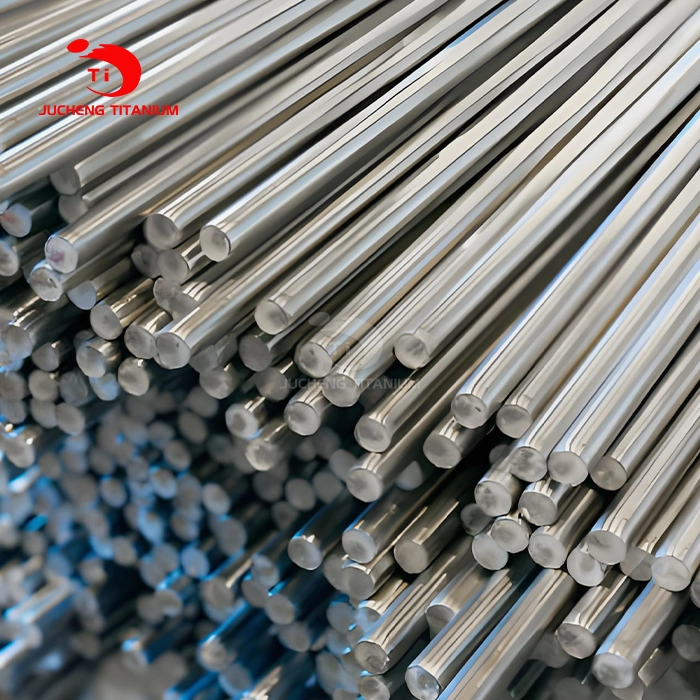
Buying managers and electronics specialists frequently ask, "Can a titanium bar be used in electronics?" The answer is yes, and it's crucial. Titanium round Bars are robust and rust-resistant. This makes them ideal for tech applications where strength and durability are more critical than electrical conductivity. Titanium is not a carrier like copper, but it can construct protective shelters, heat-absorbing structures, and enclosed sections. Learn about titanium bars, how they're acquired, and how they're utilised to choose when and how to employ them in technology.
Understanding Titanium Round Bars and Their Properties
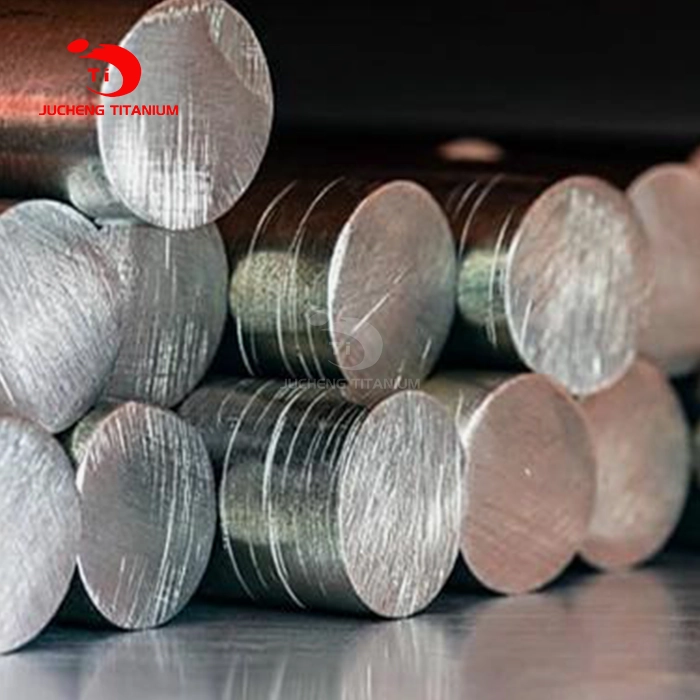
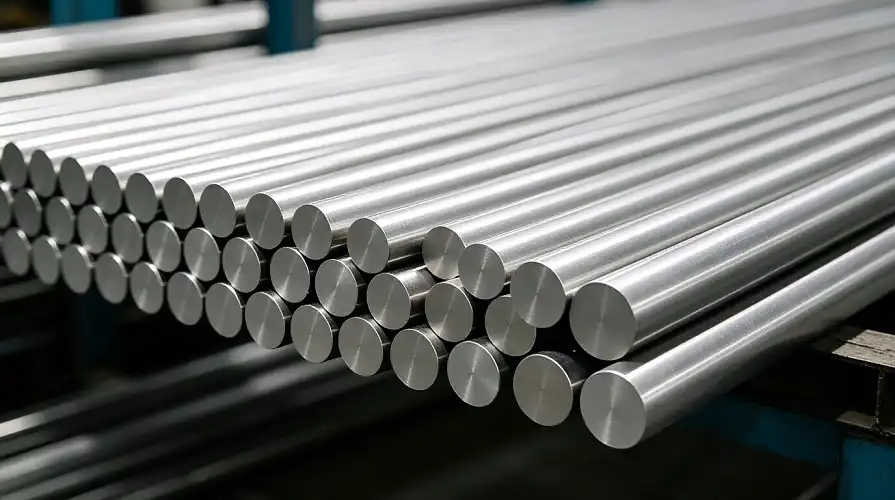
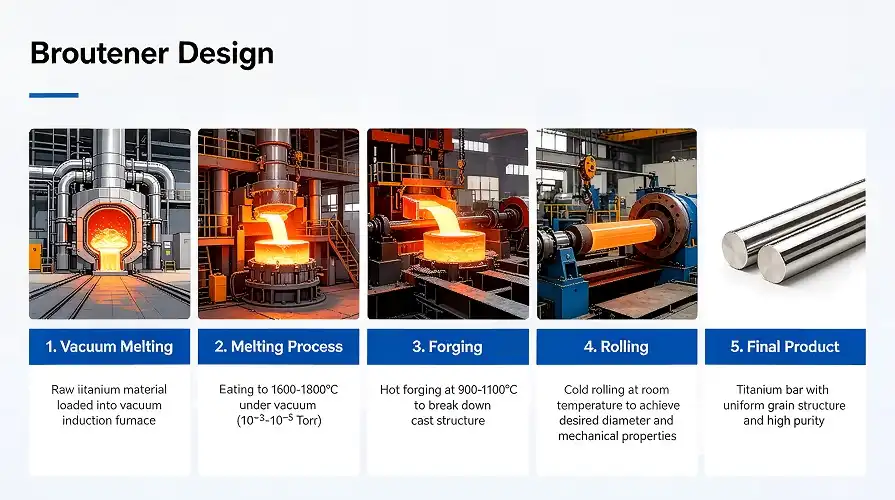
Titanium round Bars are narrow cylinders. They are accurately manufactured utilising vacuum melting, casting, hot rolling, and surface treatment. We follow stringent international standards, including ASTM B348, ASME SB348, and AMS 4928, while making these bars. This ensures consistency between batches and uses. With a mass of 4.51 g/cm³, the material is lighter than stainless steel yet stronger than aluminium in challenging settings.
Key Titanium Grades for Electronics
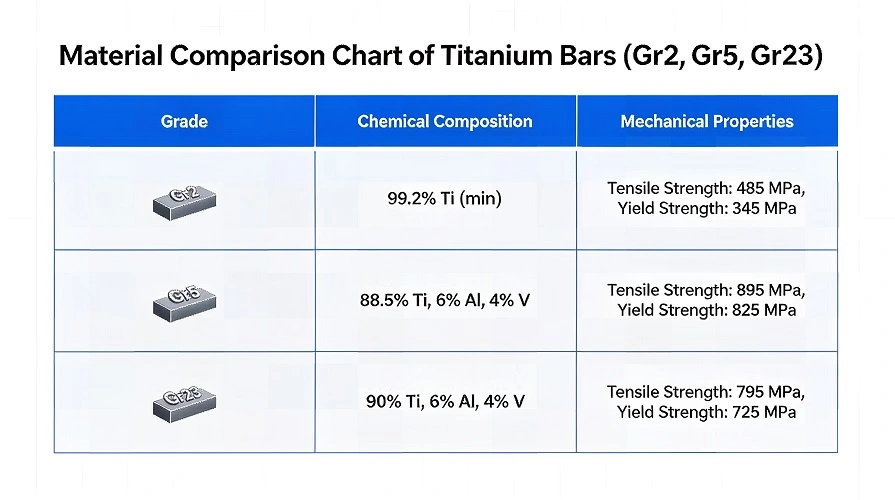
Different titanium types are employed for tech occupations. Commercially pure grade 2 titanium with less than 0.25% oxygen doesn't rust and is simple to form. This makes it ideal for wet or chemically demanding environments. It can withstand 345 MPa, making it suitable for lightweight protective bags. Alpha-beta metal Grade 5 (Ti-6Al-4V), 6% aluminium and 4% vanadium, has a tensile strength of over 895 MPa and operates better at high temperatures. This makes it suitable for military communication equipment and space systems' structural pieces. It is superior at biocompatibility and is being used increasingly in medical devices that touch bodily fluids and must be clean and durable. This is done via extra-low interstitial Grade 23 (Ti-6Al-4V ELI).
Mechanical and Thermal Characteristics
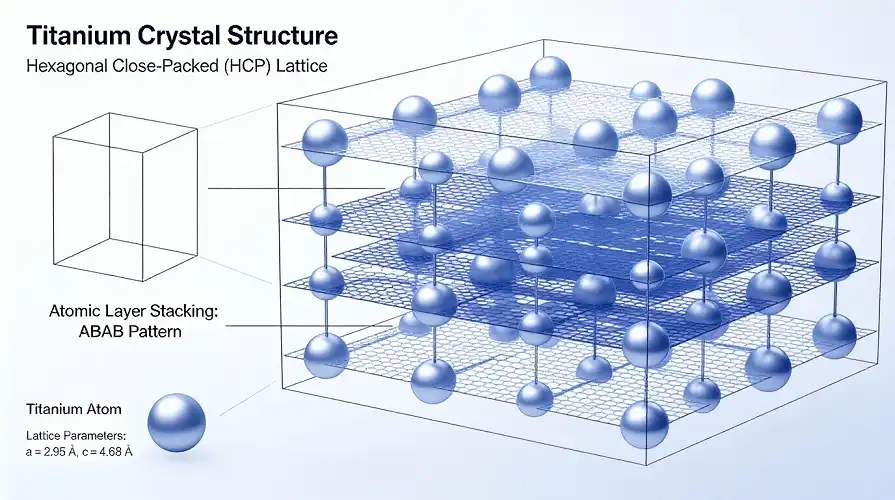
Due to its characteristics, titanium round bars are valuable in electronics. The material expands at 8.6 × 10⁻⁶/°C, similar to several glasses and ceramics. So heat stress doesn't harm mixed builds as much. With a thermal conductivity of 21.9 W/(m·K), titanium falls between aluminium and stainless steel. This makes it an effective heat sink for removing small quantities of heat and preventing corrosion. With 114 GPa elastic modulus, the material is rigid enough for precise bracing and frame fitting. It doesn't bend much while the machine moves. These properties derive from titanium's hexagonal close-packed crystal structure. It also resists wear and tear from repetitive stresses in tiny devices.
Comparison with Alternative Metals
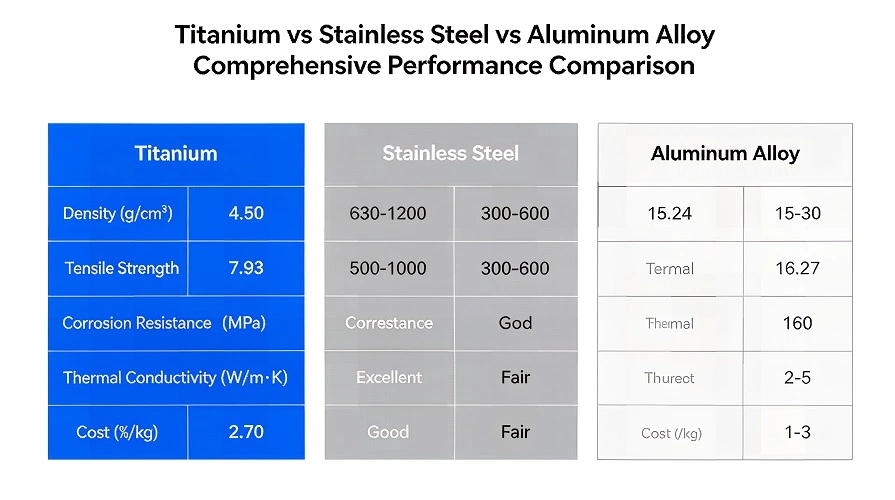
Titanium is inferior to stainless steel and aluminium. Because it is magnetic, stainless steel stops electricity better and costs less to create. It is heavy and rusts faster in acidic or marine settings. A cheaper metal that moves energy and heat is aluminium. It's weak and easily destroyed by galvanic corrosion, thus it can't be utilised with other metals. Titanium fills these gaps in high-end consumer items, military-grade gear, and outdoor industrial equipment, where its strength and light weight make it profitable.
Applications of Titanium Round Bars in Electronics
Technology companies have employed Titanium round Bars when other materials failed. Instead of carrying energy, titanium is employed for its nonmagnetic, biocompatible, and environmentally stable qualities.
Structural Components and Enclosures
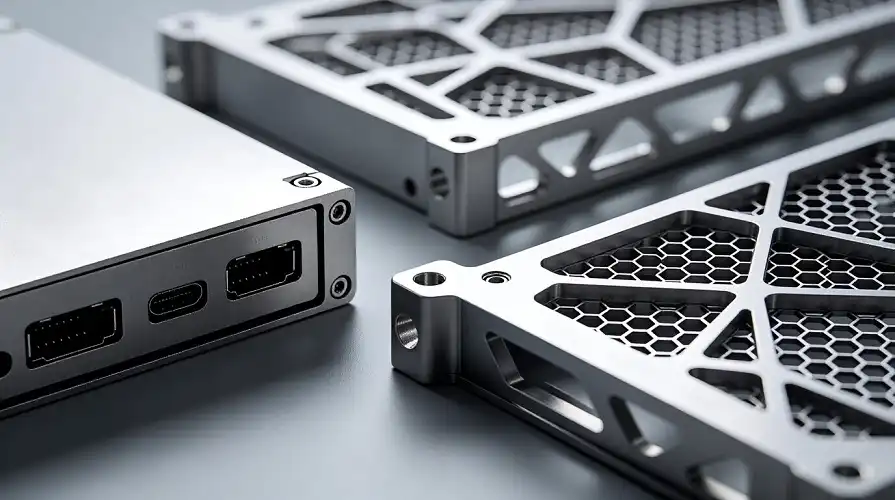
Titanium round Bars are used to make strong electronic housings and frames. Because Grade 5 titanium boxes don't corrode in salt water, offshore drilling control systems employ them. The material's strength for its weight allows narrower walls without reducing impact resistance. This can be done with smaller field testing tools. Aerospace electronics employ titanium fixed plates because they don't readily wear out in extreme temperatures or motion. This ensures people labour in unsafe conditions for years.
Heat Dissipation Solutions
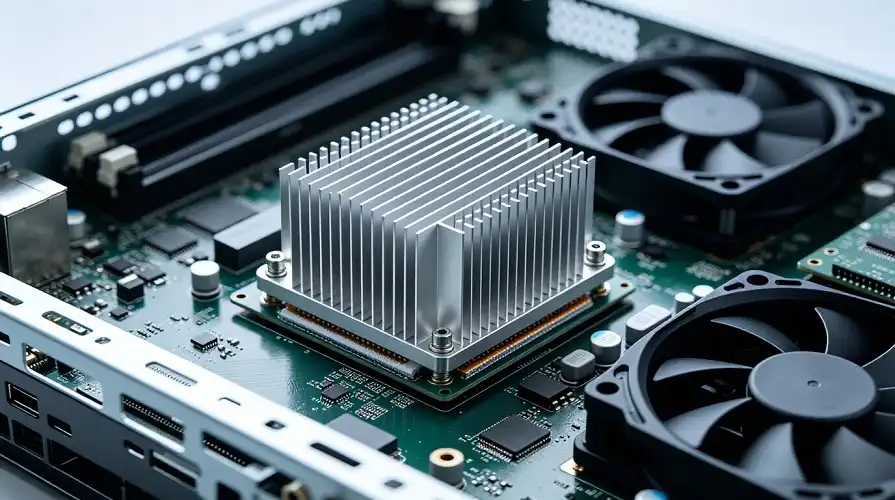
In high-tech power systems, when metal heat sinks fail, titanium ones are employed increasingly. Industrial control panels that are constantly moist benefit from titanium's resistance to chemicals and mist. Titanium cooling fins keep their surface even when heated, making them valuable for coastal military radar systems. Aluminium doesn't transfer heat as effectively as titanium, but titanium lasts longer, saving you money and downtime on rusty heat sinks. Anodised or processed surfaces emit more. Heat spreads faster in small groups.
Connector and Fastener Applications
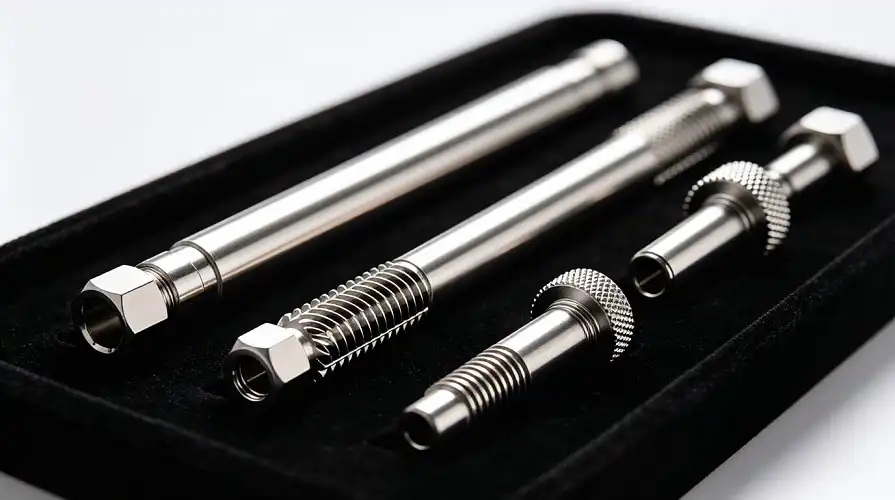
Implanted medical devices employ Grade 23 titanium round bars as precise linkages. Biophilic substances don't react negatively with tissues, and non-rusting material keeps signals the same in human fluids. Aviation electronics use titanium bolts to connect circuit boards and parts. Cloth doesn't expand much when hot or cold; therefore, tight specifications may be maintained throughout several temperatures. Titanium isn't magnetic, thus it doesn't destroy magnetic sensors and resonance gear. It is essential to use MRI-compatible scientific instruments and devices.
Challenges in Electronic Applications
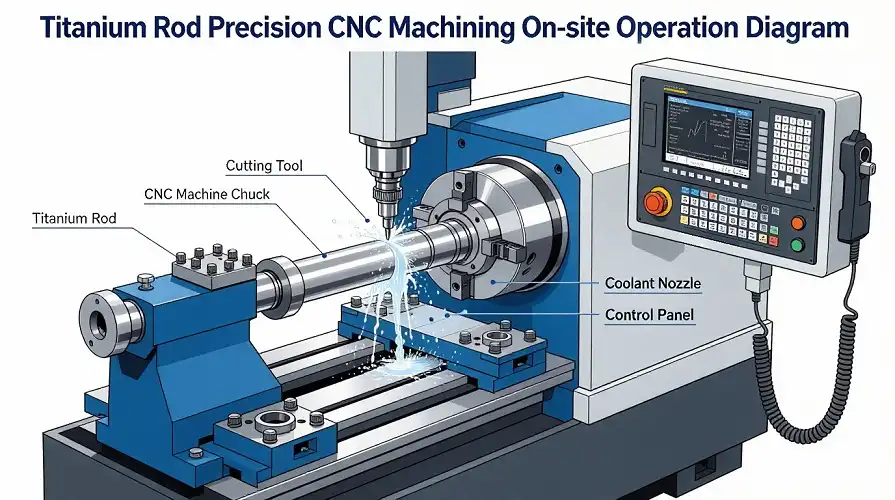
Titanium is valuable yet expensive to create because of its difficulty. Because the material doesn't distribute heat properly, cutting generates heat. You require carbide or polycrystalline diamond tools and plenty of cooling to remove this. Threading titanium may cause gall and halt, so clean and oil the surface carefully. These are more expensive and take longer to create than metal or steel. Titanium is only worth it if its unique qualities provide genuine performance or long-term advantages that exceed its cost.
How to Select the Right Titanium Round Bar for Electronic Applications
It is important for electronics businesses that the Titanium round Bars they buy meet certain performance standards. The companies also need to be sure that the providers can meet those standards.
Grade Selection Criteria
Mechanical loads and weather will determine whether you use commercially pure grades (Gr1, Gr2, Gr4) or metal grades (Gr5, Gr23). Grade 2 titanium is ideal for creating lightweight tool boxes in damp coastal environments because of its strength (tensile ≥345 MPa) and corrosion resistance. It also costs less than metals. Grade 5 (Ti-6Al-4V) has better creep and wear resistance. It holds over 895 MPa. Aeroplane electronics utilise it to withstand vibrations and temperature variations from -50°C to 150°C. Grade 23 (Ti-6Al-4V ELI) should be used for medical equipment that touches living cells. Because it satisfies ASTM F136 and ISO 5832-3 biocompatibility criteria.
Size and Form Specifications
Titanium round bars may be 6 mm thick, 450 mm thick, and 1000 mm long. Ask for lengths up to 12000 mm. Electronic linkages, brackets, and connections need 10mm to 50mm sizes. Choosing annealed material ensures easier machining. Because heat treatment reduces material hardness and internal forces. Polished (bright), turned (peeled), centerless ground, sanded, or pickled surface treatments should complement your following stages and desired appearance. Centerless grinding enables precise circles (±0.05mm), ensuring a precise fit. Pickled surfaces are clean and suitable for coating or bonding.
Machining Best Practices
It's important to pay attention to the cutting settings and tools you use when you make Titanium round Bars. Don't cut faster than 20 to 30 m/min. This will keep the work from getting too hard and the tools from wearing out. Use sharp carbide plugs with positive rake angles to cut down on heat and cutting forces. Send lots of cool air to the cutting edge to keep it from getting hot. When drilling titanium, slow down the tap and use cutting fluids that have sulfur in them to avoid galling. When measuring titanium, make sure there is enough room between holes and slots. If they are too close together, the springback can throw off the number.
Supplier Evaluation Framework
When they need to, suppliers you can trust will show that they follow aviation and medical standards like AS9100 and ISO 13485. Make sure the sellers give you mill test records that show the chemical makeup, mechanical qualities, and history of heat treatment for each batch. This will allow you to fully track the material. Check out the customization choices. For example, we offer cutting, grinding, and surface cleaning services that can be done in-house. This can make your supply chain easier. When you make gadgets for projects, it's important that you can give them on time. To get what you need quickly, check out how often companies deliver on time and how much they stock.
Comparison and Decision-Making for Material Selection in Electronics
Teams have to choose materials for technology that are good for performance, don't cost too much, and allow them to make the product. To make choices based on value, you need to know how titanium compares to aluminum and stainless steel in a number of ways.
Performance Trade-Offs
Titanium doesn't rust as easily as stainless steel or aluminum does in places with a lot of acid and salt. This means that devices used outside and on ships will last longer. Because it is strong for its weight, makers can make shapes that are lighter, easier to move, and cheaper to ship. But titanium only conducts electricity about 3% as well as aluminum, which means it can't be used in parts that carry electricity, like lines and bus bars. Stainless steel is a better material for protecting against electromagnetic fields because it is magnetic. This is useful in places where RF is important. Titanium's heat conductivity is only 21.9 W/(m·K), while aluminum's is about 205 W/(m·K). If you don't care more about rust than thermal performance, this means that aluminum is the best material for high-heat-flux cooling.
Cost Implications
Titanium round Bars range in price from $15 to $35 per kilogram, depending on the grade and the quantity bought. Silver costs around $2 to $5 per kilogram, and stainless steel costs around $3 to $8 per kilogram. Three to ten times as much for raw materials could make the part twice as expensive. Worn-out tools and slower cutting speeds could also make the cost of making go up. To make a business case, you need to know how much it will cost to own the thing in total. For example, stainless steel rusts and needs to be changed every 5 years. Titanium, on the other hand, lasts 20 years or more, so the higher cost at first is worth it because it needs less maintenance and downtime. Titanium's ability to make things lighter can also lower the costs of movable electronics over time by letting them use fewer batteries and work over a larger area.
Decision Guidelines
Titanium round Bars are worth the extra cost if they don't rust, are biocompatible, or help you lose weight, and you don't need them to carry electricity or heat very well. When you need to keep structural parts cheap and keep them in a safe place where magnetic safety is good for design, steel should be used. If you don't mind rust and want to save heat, metal is a good material for heat sinks and conductors. This choice grid helps people in charge of buying things find materials that engineers need and that don't break the bank.
Procurement and Supply Chain Insights for Titanium Round Bars
You need to work with sources who have technical know-how, quality methods, and a flexible supply chain if you want to get titanium quickly. Some of the biggest makers in the world are Timet and VSMPO-AVISMA Corporation (VSMTI), which have been around for a long time and provide certified materials to the military and aircraft industries. PMI and United Titanium both have a lot of different goods and services that make them more valuable, such as custom machining and precise cutting for electronics customers.
When they need to, suppliers you can trust will show that they follow aviation and medical standards like AS9100 and ISO 13485. Each package has to have proof of what chemicals are in it and what its mechanical qualities are. This lets you keep track of it as it goes through production and helps with checks by the government.
The speed at which you can buy things is greatly improved by customization services. Extra work doesn't need to be done when a seller cuts to length in-house. This shortens wait times and lowers the risk of damage. With precision grinding and turning services, things are made closer to their end sizes. This means that you don't have to do as much work on the machine. Kitting is a service that some sellers offer that combines different types and parts into one package. This makes it easy to keep track of inventory and cuts the cost of running the business.
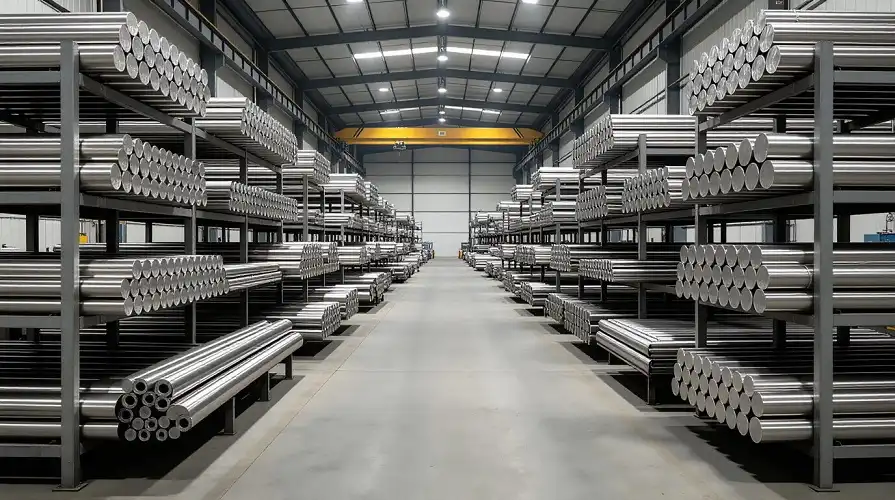
In project-driven electronics manufacturing, it's important to have a stable inventory. Find out how many of each type and size you need each seller has in stock. Having a lot of stock on hand lets you meet urgent needs quickly. Flexible minimum order amounts make it possible to do test runs and sample production without having to buy a lot of inventory. Set up global distribution networks with regional stores, cut down on shipping times and costs. This helps a lot when you buy things from other countries.
In the Baoji area of China, Baoji Jucheng Titanium Industry has been a leader in providing titanium to many different businesses for 20 years. Over 3,000 tons of titanium are kept in stock all year, and the company can make more than 500 sets of equipment every year. This helps them meet the fast-turnaround needs of many electronics manufacturers. They have grades from Gr1 to Gr23, widths from Φ6mm to Φ450mm, and lengths that can be made to order up to 12000mm. The standards set by ASTM B348 and AMS are met by these grades. Four idea patents and 41 utility model patents have been given to Jucheng Titanium. To make bars that are ready for exact cutting, they use high-tech methods such as vacuum melting and rotary forging, as well as different surface treatments such as polishing, turning, centerless grinding, sandblasting, and pickling.
Conclusion
Titanium round Bars occupy a valuable niche in the electronics business because they can be used to solve problems where biocompatibility, rust resistance, and getting the most strength for the weight are more important than how well the material conducts electricity and how much it costs. What kind of grade do you need? To pick the correct grade, whether it's Grade 2 for general shelters or Grade 5 for airplane structures, you need to know what the mechanical and environmental needs are. For successful buying, you need to work with qualified suppliers who offer traceable materials, customization services, and a steady stock level to support your production plans while also taking into account the unique problems that titanium presents when it comes to machining.
FAQ
1. Can titanium bars be used for electronic device enclosures?
As long as they don't rust or break easily, titanium bars can be used to make strong cases for electronics. Tough field equipment, military communication devices, and marine navigation systems often have housings made of titanium because they last longer in harsh situations that would wear down aluminum or stainless steel ones over time.
2. What advantages does titanium offer over stainless steel in electronics?
Titanium is better at not rusting when it is exposed to salt and acid. It's also about 40% lighter than stainless steel and doesn't let magnetic fields pass through it, so it doesn't hurt devices that are sensitive to them. Because of these advantages, titanium is worth the extra cost when strength, flexibility, or magnetic compatibility are very important.
3. How should titanium round bars be machined for electronic components?
To work with titanium, you need very sharp carbide or PCD tools, slow cutting speeds (20–30 m/min), a lot of water flow, and close attention to keep the work from getting too hard. To avoid galling and tool wear as much as possible when cutting and drilling, certain techniques are used. This makes sure that the sizes of precise electrical parts are correct without changing the strength or finish of the material.
Partner with Jucheng Titanium for Superior Titanium Round Bar Supply
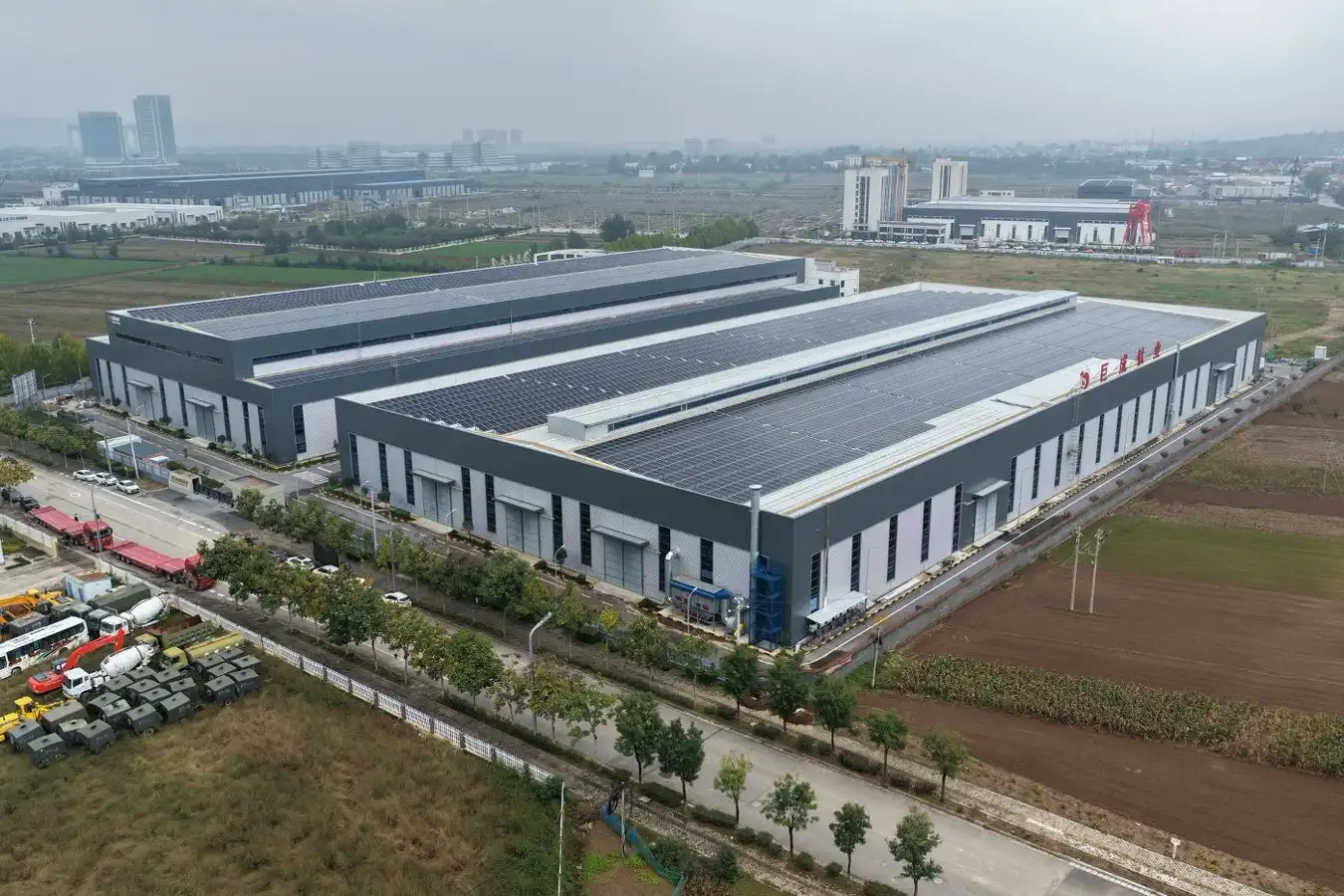
Electronics businesses that need reliable providers of Titanium round Bars can benefit from Jucheng Titanium's many years of experience and big stock. Our building is 120,000 square meters and holds 3,000 tons of stock in grades Gr1 through Gr23. This lets us ship samples and full production orders quickly. We follow the rules set by ASTM B348, ASME SB348, and AMS when we make titanium bars. You can choose from sizes of 6 mm to 450 mm, and lengths of up to 12000 mm. We can use vacuum melting, rotary casting, and exact surface techniques like sanding and centerless grinding to work on parts. You can start making things out of the parts we send you. We are a well-known National High-Tech Enterprise and have 45 patents on the ways we make things. We can now give your electronics projects the professional know-how and quality promise they need. You can email our team at s4@juchengti.com to tell us about your needs, get material certifications, and look into custom solutions from a trustworthy titanium round bar maker that wants to help you make a good buy.
References
1. Donachie, M.J. (2000). Titanium: A Technical Guide. ASM International, Materials Park, Ohio.
2. Boyer, R., Welsch, G., & Collings, E.W. (1994). Materials Properties Handbook: Titanium Alloys. ASM International.
3. Peters, M., Kumpfert, J., Ward, C.H., & Leyens, C. (2003). "Titanium Alloys for Aerospace Applications." Advanced Engineering Materials, 5(6), 419-427.
4. Veiga, C., Davim, J.P., & Loureiro, A.J.R. (2012). "Properties and Applications of Titanium Alloys: A Brief Review." Reviews on Advanced Materials Science, 32(2), 133-148.
5. ASTM International (2020). ASTM B348-13: Standard Specification for Titanium and Titanium Alloy Bars and Billets. West Conshohocken, Pennsylvania.
6. Lutjering, G. & Williams, J.C. (2007). Titanium (2nd Edition). Springer-Verlag, Berlin Heidelberg.