
How durable is the titanium rod?
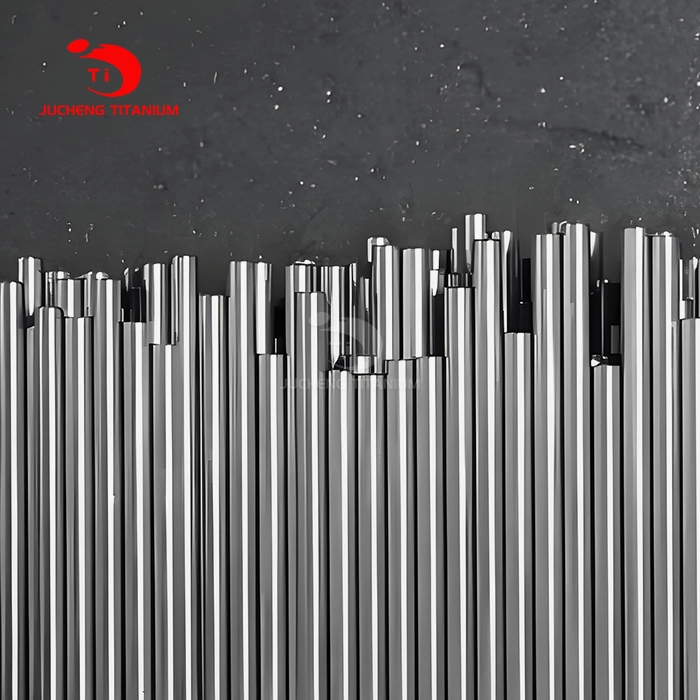
Strength, corrosion resistance, and endurance make titanium rods one of the most enduring engineering materials. Despite its 40% lower density than steel, grade 5 titanium bar (Ti-6Al-4V) is the industry's workhorse, delivering tensile strength up to 950 MPa. This alloy's unique microstructure combines alpha and beta phases to resist fatigue under cyclic loading, withstand cryogenic to 400°C temperatures, and form a protective oxide layer that prevents degradation in marine, chemical, and biological environments. The alloy of 6% aluminium and 4% vanadium improves mechanical performance beyond commercially pure grades, assuring decades-long service life in aerospace, medical implant, and industrial applications.
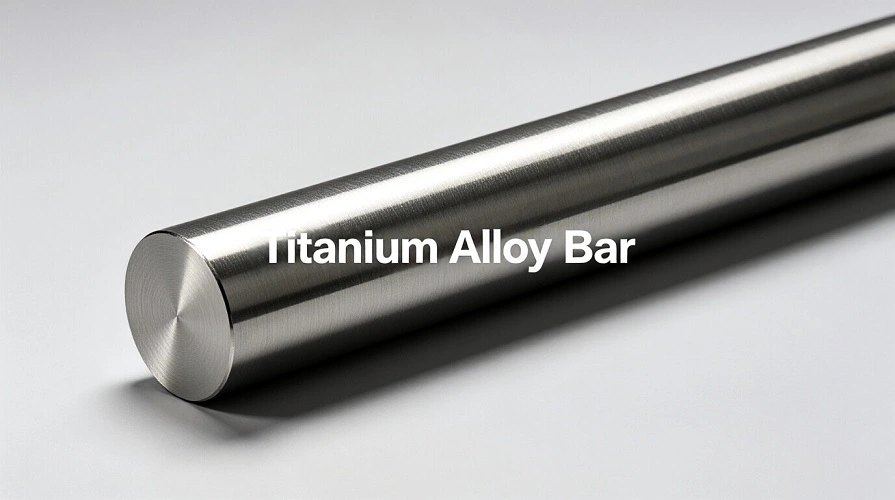
Understanding Grade 5 Titanium Bar: Composition and Mechanical Properties
Because of how it was carefully put together, the Ti-6Al-4V alloy is different from available pure titanium types. Aluminum stabilizes the alpha phase, making the material stronger while keeping its flexibility. Vanadium, on the other hand, stabilizes the beta phase, which makes the material harder and better at handling high temperatures. This mechanical design solves one of the most important problems in engineering: how to make something as strong as steel without making it heavier or more likely to rust.
Chemical Composition and Standards Compliance
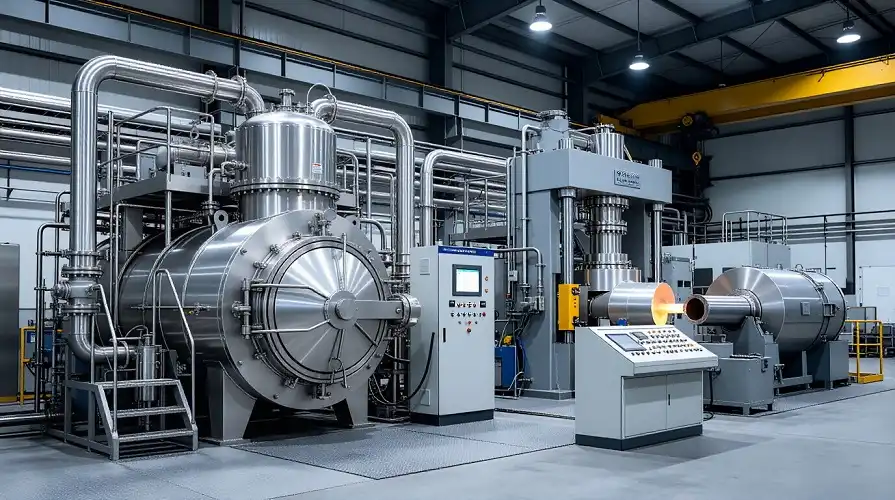
We make titanium rods that meet the standards set by ASTM B348, ASME SB348, AMS 4928, and ISO 5832-3 at Jucheng Titanium. Our grade 5 material keeps the amount of aluminum between 5.5 and 6.75%, the amount of vanadium between 3.5 and 4.5%, the amount of iron to 0.40%, and the amount of oxygen to 0.20%. Tough controls on the makeup make sure that all production batches have the same mechanical qualities. Our vacuum melting method gets rid of flaws that make the product less durable. Forging and hot rolling then smooth out the grain structure. When we send our products in the annealed state, they are at their most flexible while still being strong. This makes them perfect for both cutting and shaping.
Mechanical Performance Metrics
Performance qualities that can be measured show how long-lasting titanium bars are. The tensile strength of grade 5 titanium ranges from 895 MPa to 1000 MPa, and the yield strength is around 828 MPa. This is about twice as strong as 316 stainless steel, but only 60% as heavy. Most of the time, elongation is greater than 10%, which gives the material enough flexibility to handle shock loads without breaking. Hardness values between 31 and 39 HRC show resistance to wear on the surface, and fatigue strength values close to 510 MPa at 10^7 cycles show that the material can handle being stressed over and over again. Unlike aluminum alloys, which become much softer above 150°C, or steels, which rust in chloride conditions, these qualities don't change when the temperature does.
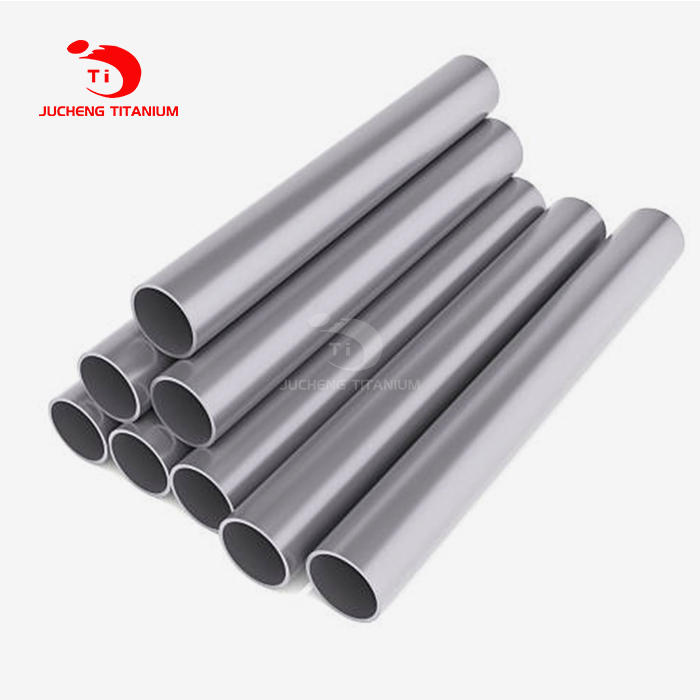
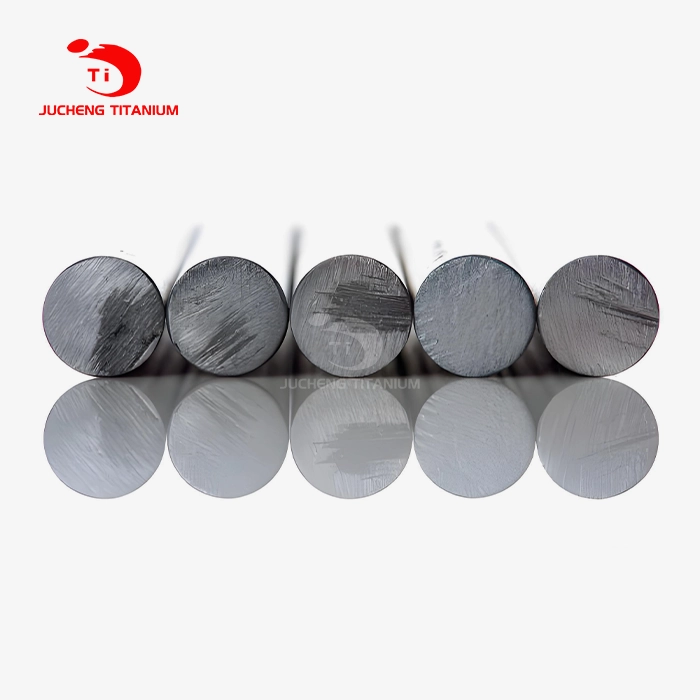
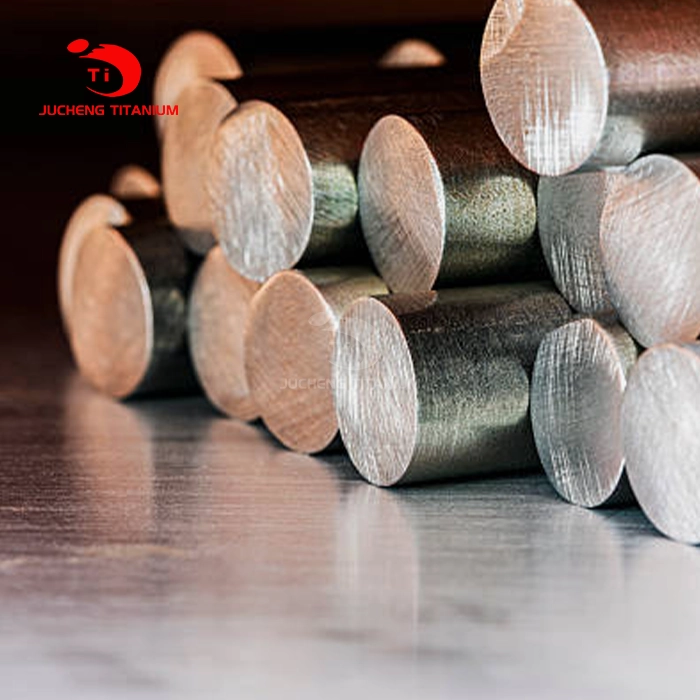
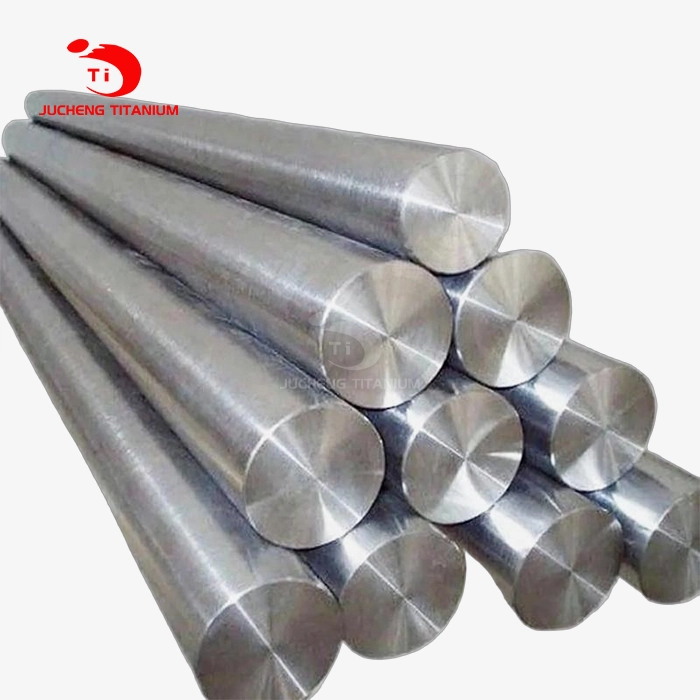
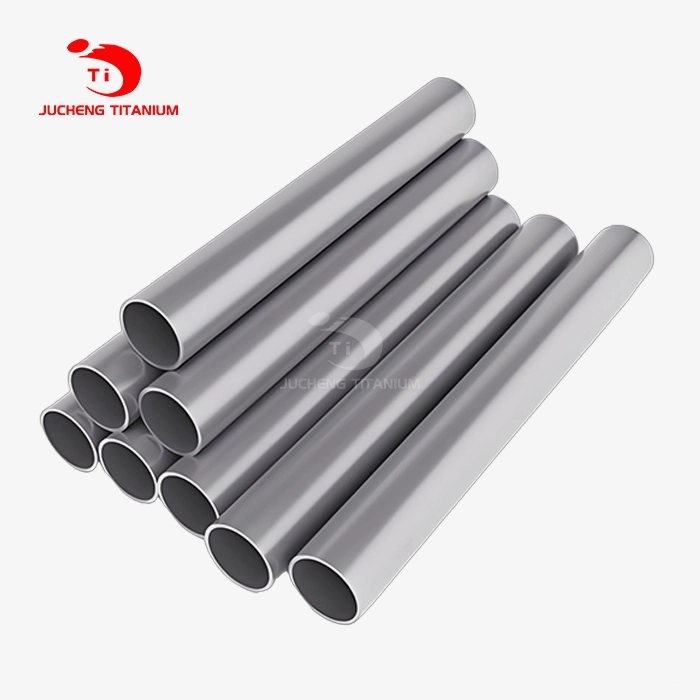
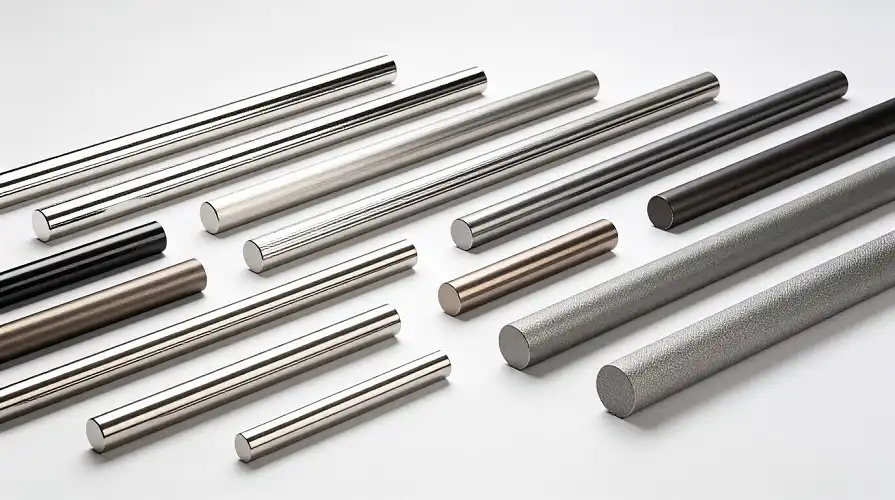
We can make tubes with sizes from Φ6mm to Φ450mm, and we can offer regular lengths up to 6000mm or custom lengths up to 12000mm. Customers can choose the exact surface integrity they need for their application by choosing from styles such as polished, turned, centerless grinding, sandblasting, and pickled. This manufacturing flexibility, along with strict testing methods, ensures that every rod meets the high standards of the chemical processing, medical device, and aircraft industries.
Durability Factors: Why Grade 5 Titanium Bars Outperform Alternatives
Purchasing managers look at more than just strength numbers when comparing materials for important jobs. Durability includes many aspects of performance that go beyond just strength. Grade 5 titanium bars are the best because they are made with advanced techniques and have special qualities that other materials can't match.
Comparative Material Performance
Even though stainless steel has been used for many years, its density of about 8.0 g/cm³ makes it heavy for situations where mass is important. At 4.43 g/cm³, a titanium rod has the same tensile capacity and cuts the system's weight by almost 45%. This strength-to-weight advantage is very important for aircraft parts where every kilogram affects how much fuel they use, or for medical tools, where surgeon fatigue during long treatments is a problem. Aluminum alloys are light, but they aren't very strong. Even in heat-treated 7075 grade, their tensile strength is only 400–500 MPa, which is half that of Ti-6Al-4V.
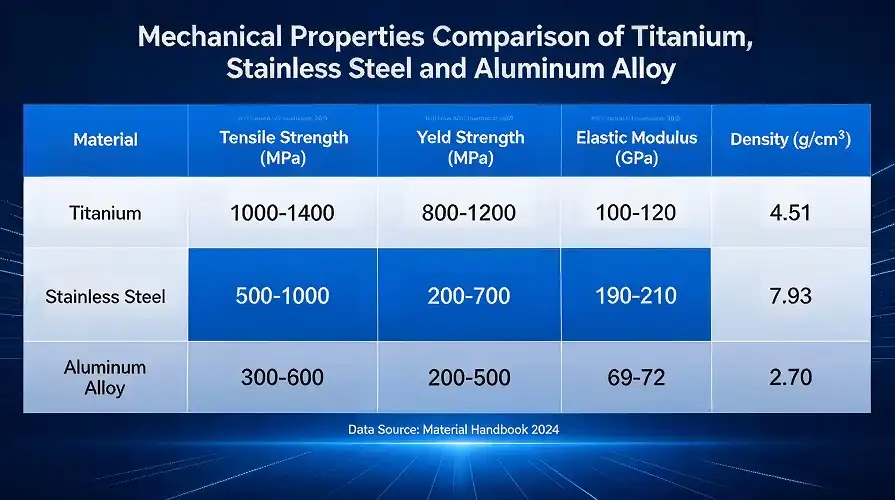
When it comes to longevity, corrosion resistance is another area where titanium shines. When the material is exposed to air or water, it forms a strong titanium dioxide layer on the surface. This makes a barrier that can heal itself if it gets scratched. This film doesn't change when the pH level changes from 3 to 12. It protects against sulfuric acid, hydrochloric acid, seawater, and industrial atmospheres that quickly break down carbon steels and even attack stainless metals by pitting and crevice corrosion. Titanium rods usually last 20 to 30 years in chemical handling equipment, while stainless steel rods need to be replaced every 5 to 7 years.
Manufacturing Process Impact on Durability
The process of making a rod from a raw titanium sponge has a big effect on how well it works in the long run. Our vacuum melting gets rid of the hydrogen, nitrogen, and oxygen that can make areas weak and likely to break early. Forging under controlled conditions at temperatures between 900°C and 950°C smooths out the grain structure, getting rid of the big grains that can cause cracks when the load is changed over time. Hot rolling or rotary forging improves the distribution of the alpha-beta phase even more. This makes the mechanical properties the same across the cross-section, instead of being different from the top to the core as is usual in cast materials.
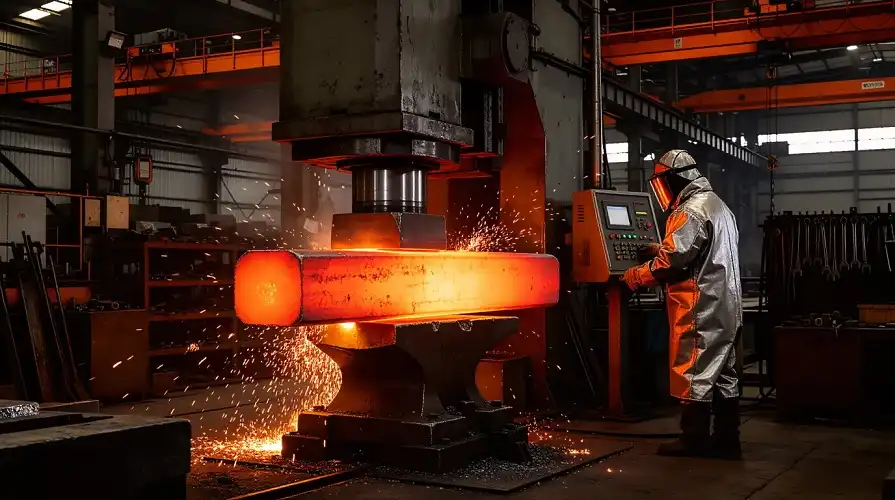
The final texture is controlled by rounds of heat treatment after forming. Around 700–800°C is a good annealing temperature because they remove leftover stresses from mechanical working while keeping the good effects of previous bending. This thermal processing makes a material that can be machined easily without becoming too hard, but it still has the wear resistance that is needed for parts that are vibrating or changing pressure. When we do centerless grinding and turning, we can get surface finishing as smooth as Ra 0.8μm. This gets rid of any flaws on the surface that could start to wear cracks. These methods of production directly lead to more reliable parts and longer repair intervals, which lower the total cost of ownership.
Real-World Applications Highlighting the Durability of Grade 5 Titanium Bars
Understanding longevity in a general way is not the same as seeing results over decades of hard use. The aerospace business has a lot of field data that shows how long titanium rods last in situations that would destroy other materials.
Aerospace Component Longevity
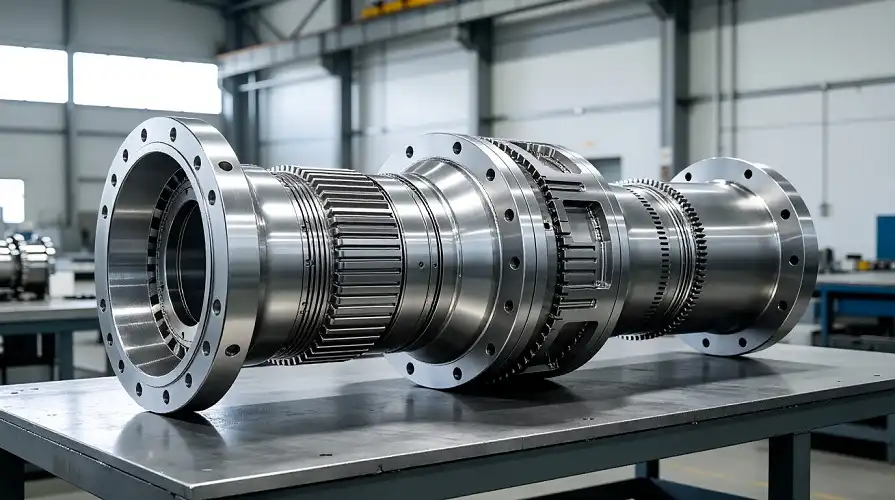
Ti-6Al-4V bars are used to make parts of airplane landing gear that can handle being hit over and over again during thousands of landing cycles, temperature changes from -55°C in the air to +70°C on the ground, and chemicals used to melt ice and jet fuel. Analysis of worn-out parts using fatigue analysis shows that the material keeps its structural integrity close to its stated endurance limit. If inspection methods are followed correctly, service life can be extended beyond 30 years. In the same way, engine pylon joints and compressor blades don't break down much when exposed to high-frequency shaking and thermal cycles, which would normally crack aluminum or corrode steel. Defence companies choose our grade 5 bars for these important uses because failing the material is not an option, and the certification trail we offer through ASTM B348 and AMS 4928 compliance meets the needs for tracking.
Medical Implant Performance Data
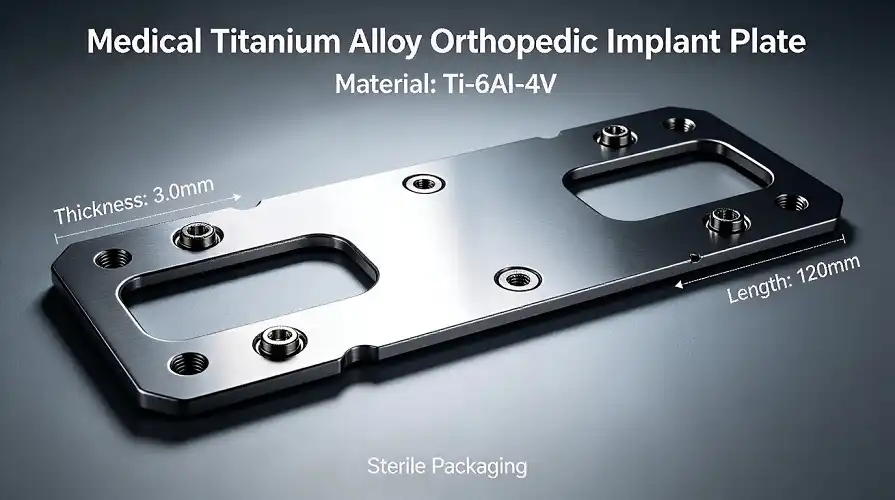
Orthopedic doctors use medical-grade Ti-6Al-4V ELI (Extra Low Interstitial) rods that meet ASTM F136 to put in titanium femoral stems, spine fusion cages, and dental implants. Osteointegration means that the bone directly bonds to the titanium surface. Studies that followed patients for 15 to 20 years found no signs of implant loosening, metallosis, or immune response. The modulus of elasticity of the material is about 110 GPa, which is closer to the modulus of elasticity of cortical bone, which is about 20 GPa. This means that it has fewer of the stress-shielding effects that cause bone to break down. Corrosion resistance stops ions from getting into body fluids, which stops the inflammatory reactions that can happen with some stainless steel implants. Because titanium is biocompatible and mechanically durable, repair surgery rates for titanium implants stay below 5% after 10 years, while rates for some other materials range from 12 to 15%.
Industrial Equipment Service Life
Titanium heat exchanger tubes and reactor tanks can withstand hot sulphuric acid, hydrochloric acid, and chlorine compounds for over 25 years in chemical processing facilities. We supplied titanium equipment to companies whose stainless steel equipment had to be changed every three to five years due to stress corrosion cracks and pits. Titanium costs three to four times more per kilogram than stainless steel, but it pays for itself rapidly when it only has to be changed every fifth of the time, and there is no unplanned downtime. Titanium is also ideal for maritime applications; offshore platforms and desalination facilities exhibit little corrosion despite decades of saltwater exposure. Traditional materials need coatings, cathodic protection, and annual replenishment.
Procuring Grade 5 Titanium Bars: What B2B Buyers Need to Know
When buying a grade 5 titanium bar, there are more things to think about than just the unit price. Buyers who want to keep their businesses safe from supply chain problems, poor quality, and project delays need providers who can show they can make the grade 5 titanium bar to specification, have the right technical knowledge, and deliver it on time.
Supplier Certification and Quality Assurance
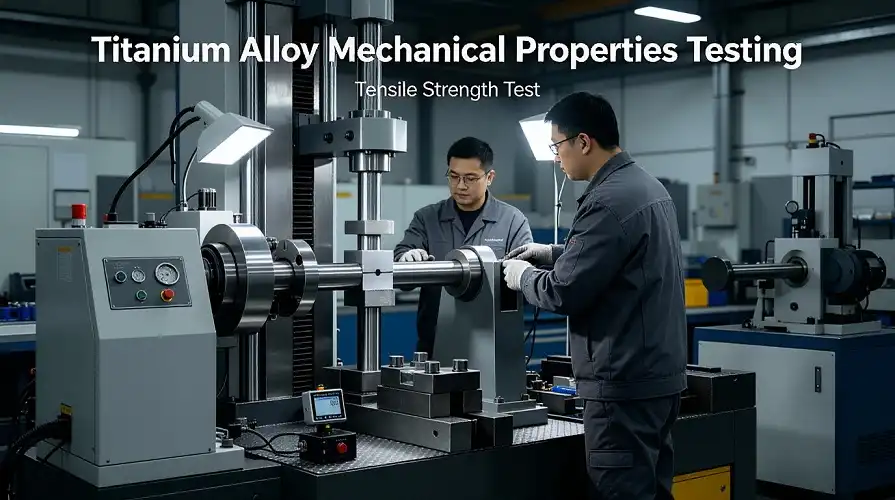
In businesses that are controlled, material certificates are important for both legal and technical reasons. When buying titanium rods for use in aircraft, buyers should make sure that the suppliers have AS9100 or a similar quality control certification for aerospace. Manufacturers of medical devices need providers to show that they follow ISO 13485 and give test results for materials that can be linked to specific heat lots. At Jucheng Titanium, we keep detailed records for every production batch. These records include chemical makeup analysis using optical emission spectrometry, mechanical testing according to ASTM E8 tensile standards, and records of ultrasound inspections that prove the material is sound inside. Since we've been in the titanium business for more than 20 years, we've made relationships with certification groups and set up quality systems that meet the needs of auditors from large aerospace and medical device companies.
Buyers should ask for mill test certificates (MTCs) that show the product meets certain standards, such as ASTM B348 for commercial uses or AMS 4928 for aircraft use. These papers show the results of chemistry tests, data from mechanical property tests, records of heat treatment, and a way to find the original titanium sponge source. Reliable providers keep this paperwork for years, so if problems happen in the field, they can look into them later. We keep all of our output records for ten years so that we can meet our customers' lifecycle management needs.
Pricing Dynamics and Volume Considerations
Titanium prices change based on the supply of sponges around the world, the cost of energy that affects vacuum melting processes, and the demand from the aircraft industry. Because it contains more alloys and needs to be processed in a more complicated way, Grade 5 material usually costs 15 to 25 percent more than commercially pure grades. When buyers compare quotes, they should look at the total cost, which includes shipping. Titanium is lighter than steel, so freight costs are lower. Suppliers can make the best use of production schedules and offer special prices when they get volume commitments. With a 3,000-ton store, we can fill small orders right away and keep enough on hand for big projects that may require supplies for years to come.
Customization is useful when normal sizes don't match the shape of the end part. We can work with tight diameter standards, longer lengths up to 12000mm, and specific surface finishes that keep customers from having to do extra work at their own sites. Our metallurgical team provides technical support to help optimize material specifications. They may be able to find lower-cost grades to use where Grade 5 performance exceeds actual requirements, or they can suggest heat treatments that improve properties that are important for the application.
Lead Times and Logistics Planning
Standard-sized rods from our Baoji plant usually ship within two to three weeks for orders under five tons. Custom-sized rods, on the other hand, need six to eight weeks to allow for special handling. Customers in the aerospace industry who want to start production should contact providers 12 to 16 weeks in advance so that they have time to get the materials, process them, test them, and prepare the licensing paperwork. Our position in Baoji, China's "Titanium Valley," puts us close to companies that make titanium sponge and have specialized processing equipment. This cuts down on the length of the supply chain compared to wholesalers who buy materials to sell again.
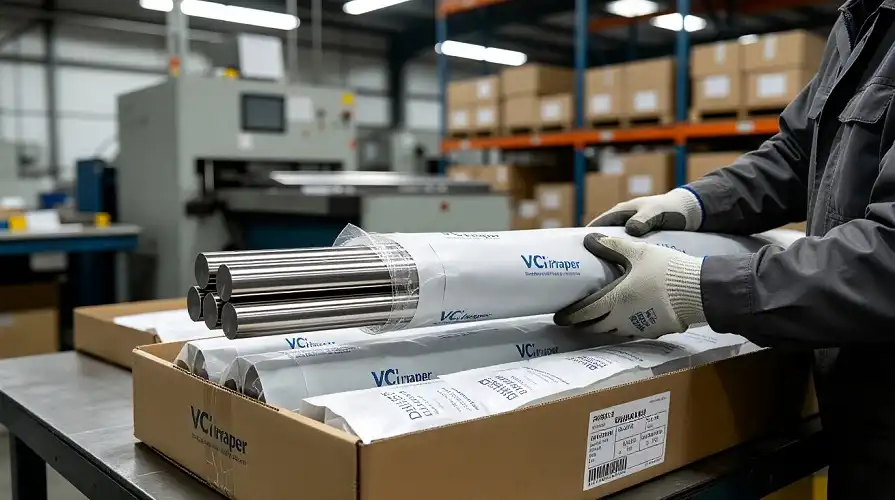
International shipping to markets in North America and Europe usually takes 4 to 6 weeks by ocean freight. For urgent needs, plane freight is available at an extra cost. We work with freight forwarders who have experience shipping titanium, so we can make sure you have the right paperwork to get through customs and follow all the rules for importing goods. When goods are shipped internationally, they are protected during travel. For example, wooden boxes or steel frames keep the goods from getting damaged in ways that could affect their surface integrity or size tolerances.
Conclusion
Titanium rods last a long time because the basic qualities of the material are improved by careful making. The grade 5 titanium bar has great strength-to-weight ratios, better corrosion protection than stainless steel, and better fatigue performance, which means it can be used for decades in aircraft, medical, and industrial settings. Partnering with manufacturers that offer certified quality, technical knowledge, and dependable supply lines gives procurement pros a competitive edge. Investing in titanium pays off in the long run because it requires less upkeep, lasts longer between replacements, and doesn't fail due to rust. Jucheng Titanium has been processing titanium for 20 years and has a large collection and the ability to make unique parts. This means that we can help with projects ranging from making prototypes to mass production. Knowing about these factors that affect longevity helps you choose materials that meet high-performance standards while also minimizing costs over their lifetime.
FAQ
1. How does grade 5 titanium compare to stainless steel for durability?
In places where chlorides, acids, or seawater cause pitting and stress corrosion cracks in stainless steel, Grade 5 titanium lasts a lot longer than stainless steel. Titanium's inactive oxide layer stays stable over a wider pH range and repairs itself when it gets broken, while 316 stainless steel is good at resisting corrosion in general. Titanium has a strength-to-weight ratio that is about two times better than steel. This means that builders can get the same structure performance from half the weight. For non-critical uses, stainless steel is still cheaper, but titanium's longer service life (often 3–5 times longer) lowers lifetime costs in harsh settings.
2. What delivery timelines should buyers expect when ordering titanium rods?
Standard diameter rods from stock that are less than 5 tons in weight usually ship within two to three weeks. Custom specs that need special processes add 6 to 8 weeks to the lead time so that vacuum melting, forging, heat treatment steps, and final finishing can all be done. For aerospace uses that need a lot of testing and paperwork preparation, it may take 12 to 16 weeks to finish an order. Our 3,000-ton inventory lets us respond quickly to popular sizes, and our production capacity lets us meet the needs of big projects on a schedule that you can count on.
3. Can titanium rod properties be customized for specific applications?
You can change the qualities of a material by choosing the right metal, following the right heat treatment steps, and finishing the surface. Grade 5 is a good mix of strength and flexibility, and Grade 23 (ELI version) is better for medical implants because it is less likely to break. Solution treatment and aging processes change the amount of strength, and cold working makes some areas harder. Our technical team works with customers to make sure that specs are optimized so that material qualities match application needs without adding unnecessary extra costs that are unnecessary.
Seeking a Reliable Grade 5 Titanium Bar Supplier? Partner with Jucheng Titanium
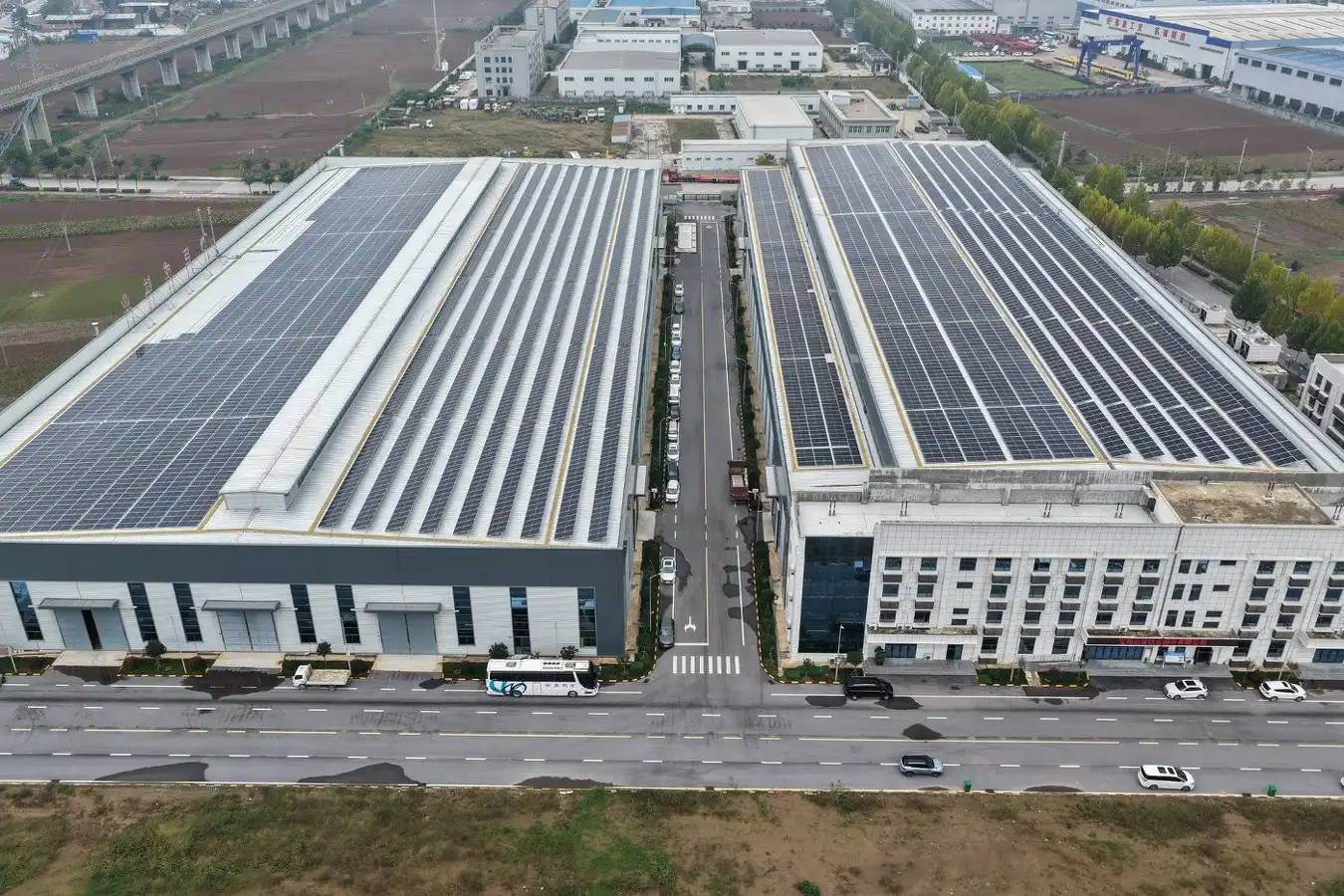
Jucheng Titanium can help you with your important projects because they have been making titanium products for over 20 years. Our Baoji plant keeps 3,000 tons of approved inventory on hand, which lets us complete orders quickly. We can also do custom processing for sizes ranging from Φ6mm to Φ450mm in diameter and up to 12000mm in length. We have 4 idea patents and 41 utility model patents that cover different parts of the production process. This makes sure that the quality always meets the standards set by ASTM B348, AMS 4928, and ISO 5832-3. Companies that make aerospace parts, medical devices, and chemicals trust our expert help and material certifications. Email our team at s4@juchengti.com to talk about your grade 5 titanium bar needs and find out how our production know-how, quality systems, and on-time delivery can help you meet your buying goals.
References
1. Donachie, M.J. (2000). Titanium: A Technical Guide, 2nd Edition. ASM International, Materials Park, Ohio.
2. Lütjering, G., & Williams, J.C. (2007). Titanium, 2nd Edition: Engineering Materials and Processes. Springer-Verlag, Berlin.
3. Boyer, R., Welsch, G., & Collings, E.W. (1994). Materials Properties Handbook: Titanium Alloys. ASM International, Materials Park, Ohio.
4. Schutz, R.W., & Watkins, H.B. (1998). "Recent developments in titanium alloy application in the energy industry." Materials Science and Engineering A, 243(1-2), 305-315.
5. Long, M., & Rack, H.J. (1998). "Titanium alloys in total joint replacement—a materials science perspective." Biomaterials, 19(18), 1621-1639.
6. Cotton, J.D., Briggs, R.D., Boyer, R.R., Tamirisakandala, S., Russo, P., Shchetnikov, N., & Fanning, J.C. (2015). "State of the art in beta titanium alloys for airframe applications." Journal of Metals, 67(6), 1281-1303.