
Titanium Alloys in Corrosive Environments
When harsh chemicals are used against factories, equipment breaks down and costs a lot of money. Titanium metals, especially precisely sized parts like the 10mm titanium rod, have become reliable options in the chemical processing, aircraft, and marine industries. Because they have a safe oxide layer, these designed materials can withstand oxidation, chloride stress cracking, and acid breakdown, so they can be used for longer periods of time when regular metals fail. Knowing how these metals react to corrosive stress helps purchasing teams make choices that balance the cost of buying new equipment with how reliable it will be in the long run.
Understanding 10mm Titanium Rods and Their Properties
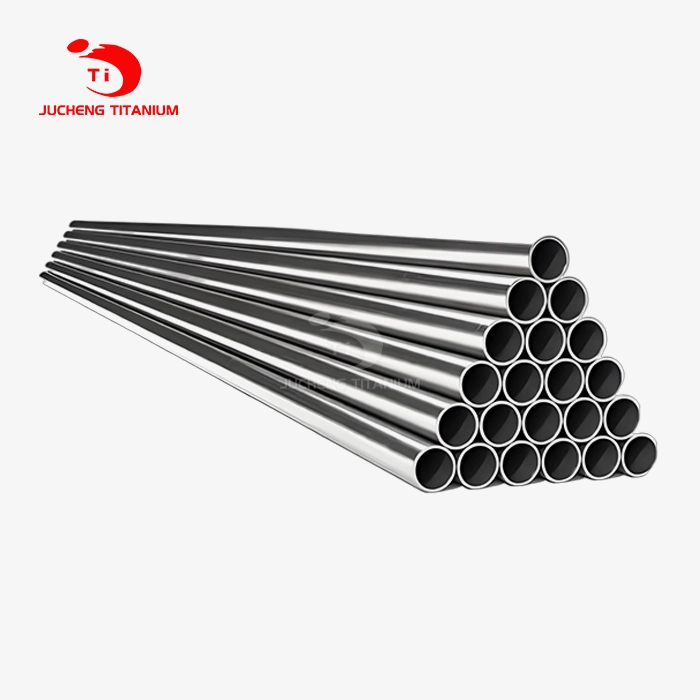
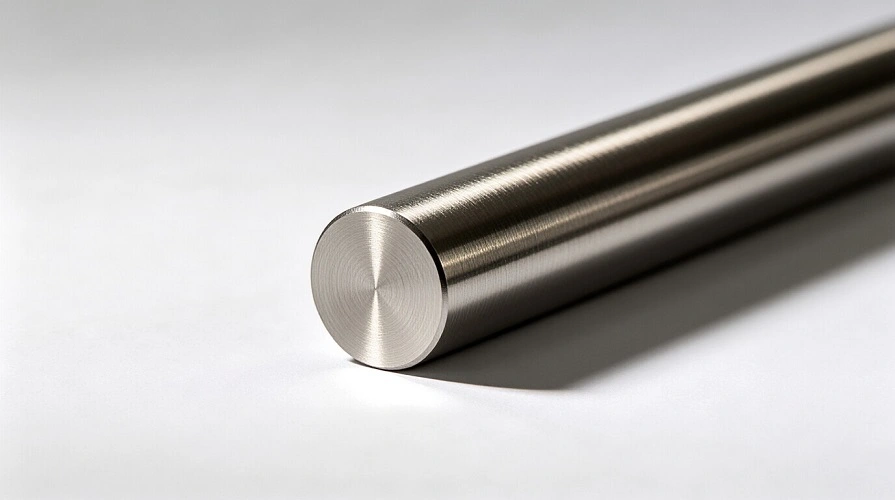
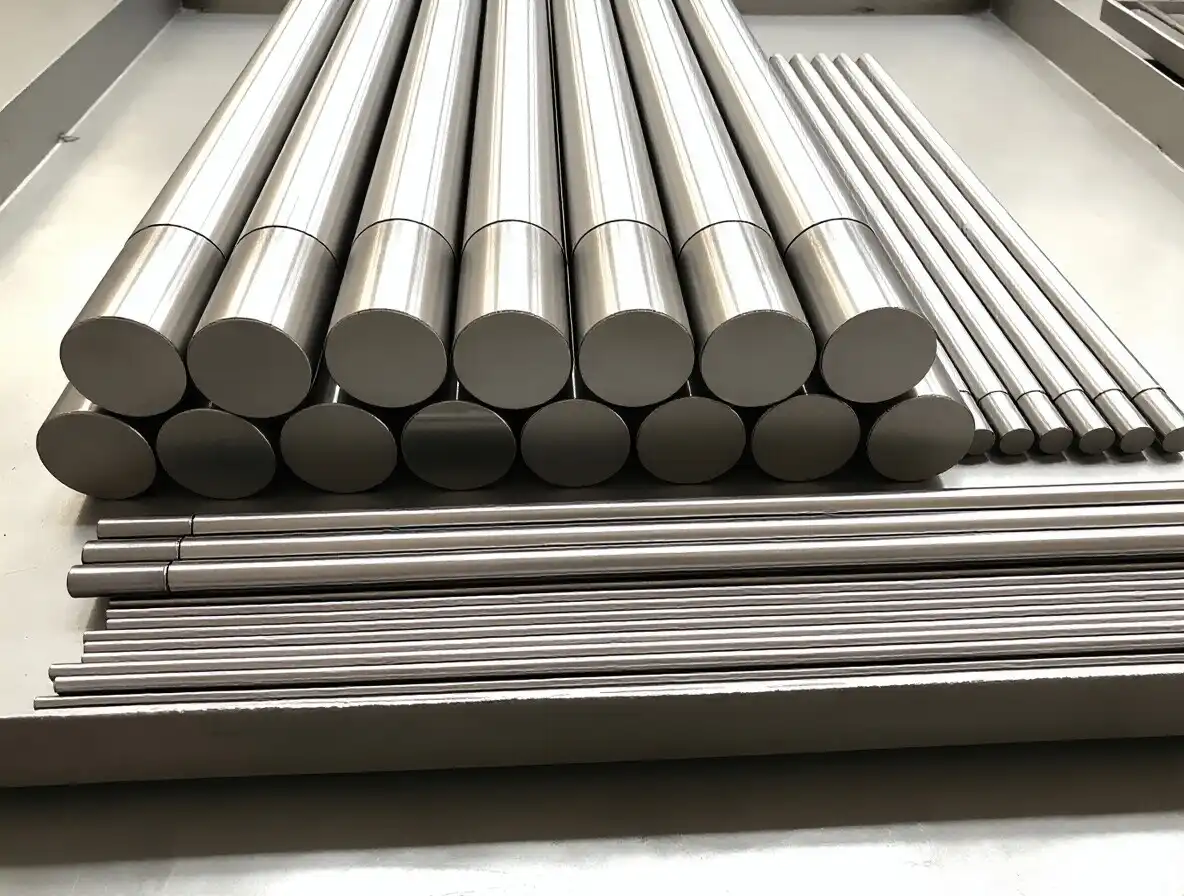
The 10mm titanium rod represents the perfect combination of mechanical strength and tool-friendly machinability. These precision bars come in a range of grades, from the widely pure Gr1 and Gr2 to the high-performance Gr5 (Ti-6Al-4V) alloy. Each grade has its own set of qualities that make it ideal for a certain industry.
Chemical Composition and Mechanical Performance
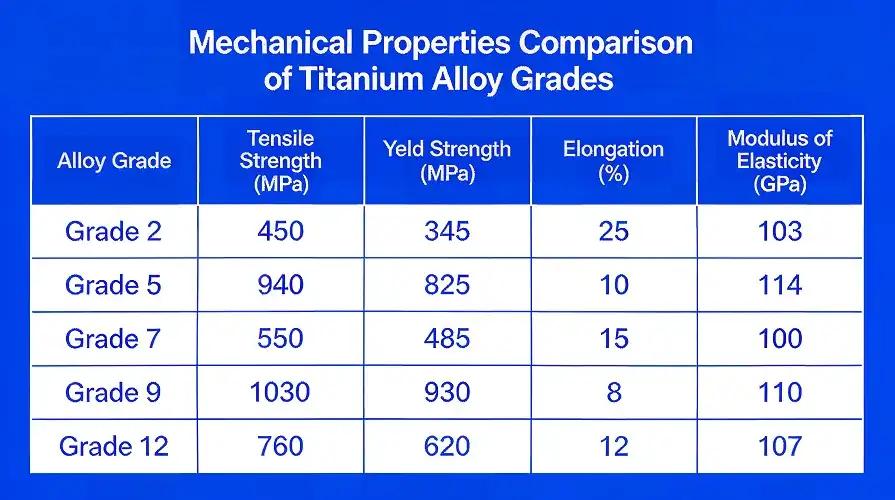
Different grades of titanium bars have very different mechanical profiles. Most Gr5 rods have a tensile strength of more than 895 MPa and a yield strength of about 828 MPa. This means they can be used for solid aircraft parts. Commercially pure types like Gr2 have a lower tensile strength (around 345 MPa), but they can be shaped and welded better. The amount of oxygen in Gr1 is carefully controlled (below 0.18%) to keep it flexible. Adding aluminum and vanadium to Gr5 makes it stronger without lowering its resistance to rust.
Manufacturing Precision and Standards Compliance
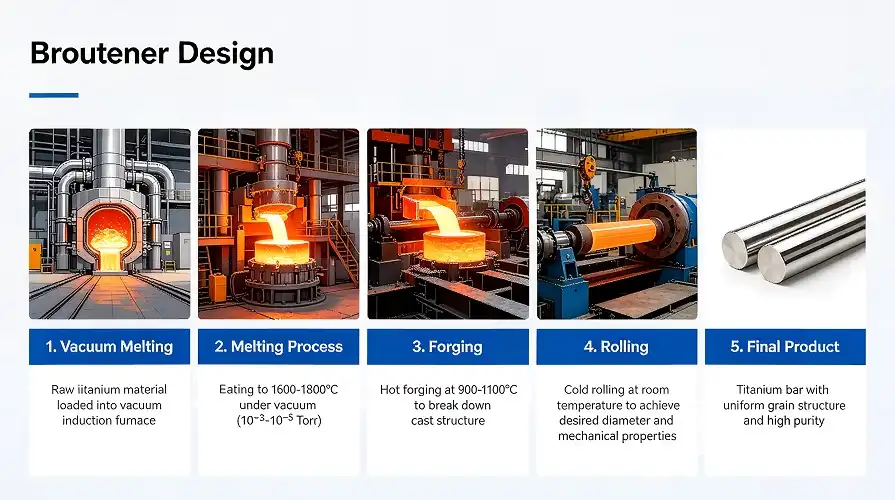
The first step in production is vacuum melting, which gets rid of any flaws that would make the metal less resistant to rust. The next step is forging, which sets the grain structure that affects the mechanical features. Hot rolling or rotary forging can be used to finetune the measurements, and centerless grinding can get to very close tolerances (h7 or h8 according to ISO 286), which are needed for precise fits. For medical devices, polished surfaces (Ra < 0.8µm) are used. For chemical equipment, pickled surfaces are used. Every step of the production process follows ASTM B348, ASME SB348, or the aerospace-specific AMS 4928 standards. Mill Test Certificates that record heat numbers and mechanical test results make sure that the products can be tracked.
Dimensional Capabilities and Customization
Diameters range from 6mm to 450mm for standard production, and lengths can go up to 6000mm or as long as 12000mm for special orders. This adaptability makes it useful for a wide range of uses, from small surgical pins to big naval shafts. Straightness limits are usually less than 0.5mm per meter, which is very important for high-speed spinning machinery where runout causes vibrations and bearings to fail early.
Corrosion Resistance of Titanium Alloys in Industrial Applications
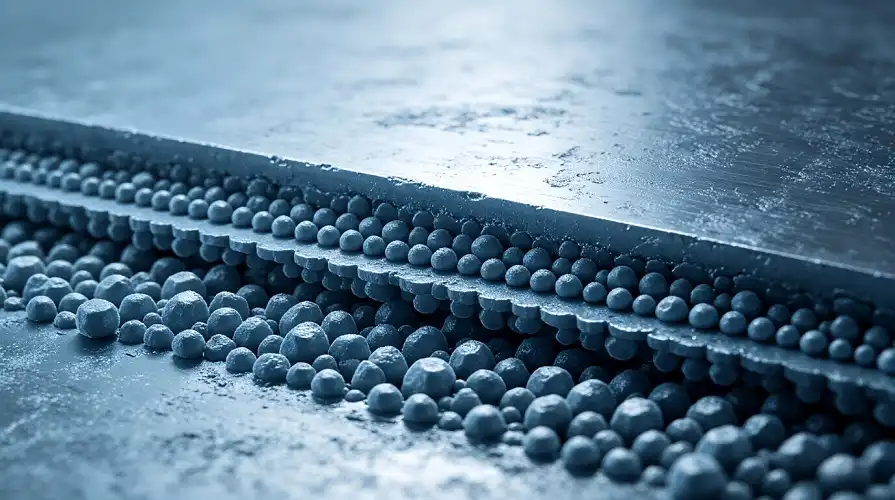
The 10mm titanium rod is very durable in harsh settings because it makes a passive oxide film right away when it comes in contact with oxygen. This shield, mostly titanium dioxide (TiO2), heals itself if it gets broken, so it always protects, unlike systems that depend on coatings.
Performance in Chemical Process Environments
Material is always breaking down in chemical plants that use sulfuric acid, hydrochloric acid, or chlorine gas. In chloride-rich solutions above 60°C, different types of stainless steel rust and pit in crevices, but titanium metals stay strong even when the chloride concentrations are boiling. Titanium heat exchangers were installed at Luoyang Petrochemical and worked constantly for eight years in acidic condensate service without any measurable rust. Stainless steel units, on the other hand, needed to be replaced every 18 months.
Marine and Offshore Resilience
There are several types of rust that can happen in saltwater, including galvanic attack, stress corrosion cracking, and biofouling-accelerated deterioration. Titanium is very noble compared to seawater, so it doesn't pose much of a galvanic risk to most building materials. Offshore platforms with titanium risers and bolts have reported operating lifetimes of more than 25 years with almost no upkeep. In contrast, aluminum bronze parts need to be replaced every 7 to 10 years because they dealloy and corrode.
Aerospace Environmental Challenges
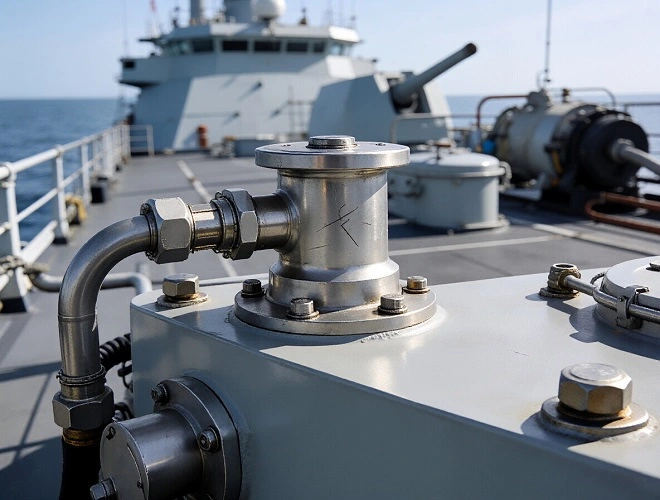
Parts of an airplane have to deal with changing temperatures, hydraulic fluid, and water in the air that contains pollution. High-strength aluminum alloys are prone to stress corrosion cracking, which doesn't happen in titanium alloy landing gear parts and hydraulic actuator housings. This is especially true in coastal settings where salt spray speeds up the breakdown. This reliability lowers the number of inspections and unplanned repairs, which directly raises the availability of airplanes.
How to Choose the Right 10mm Titanium Rod for Your Industry Needs
To choose the right 10mm titanium alloy bar, you have to make sure that the properties of the material match the practical pressures and legal standards. When people make bad decisions, they either over-specify, which costs more than it needs to, or under-specify, which leads to failure before it's supposed to.
Grade Selection Based on Application Demands
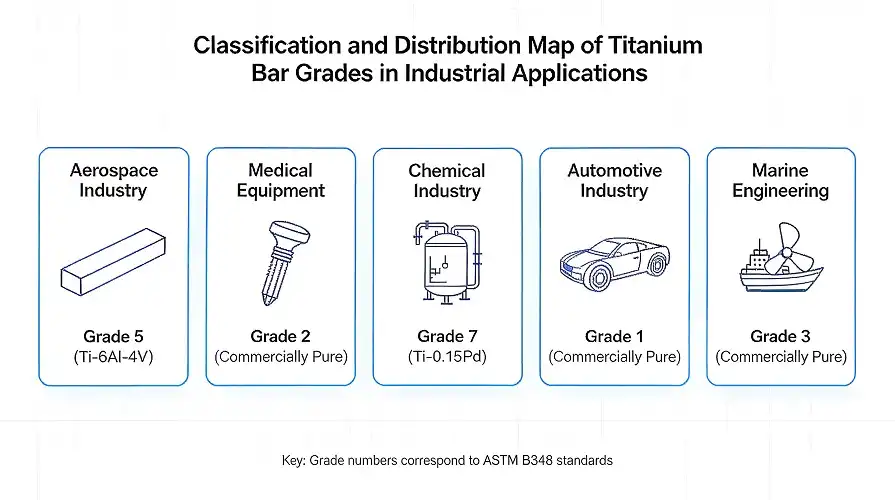
Commercially pure types (Gr1-Gr4) are best for uses that value maximum resistance to rust and shapeability over ultimate strength. Gr2 is often used in heat exchanger tubes, electroplating anodes, and tools for handling chemicals. It is a good balance between price and performance. Gr5 is needed for aerospace structural parts because it has a tensile strength close to steel and doesn't rust. It does this by adding 6% aluminum and 4% vanadium. Medical device makers use Gr23 (Ti-6Al-4V ELI, or "Extra Low Interstitial"), which has low amounts of oxygen, nitrogen, and iron to make it more biocompatible and resistant to wear and tear.
Certification and Traceability Requirements
Aerospace purchases need to be AMS 4928 certified, with proof of the ingot's source, heat treatment settings, and batch tests. For medical uses, ASTM F136 compliance and FDA filing paperwork are needed. Chemical equipment providers put a high value on ASME SB348 approval, which includes following the code for pressure vessels. Each certificate connects the qualities of a material to standard testing procedures. This lets engineers do math and regulators check the work.
Supplier Capabilities and Lead Time Management
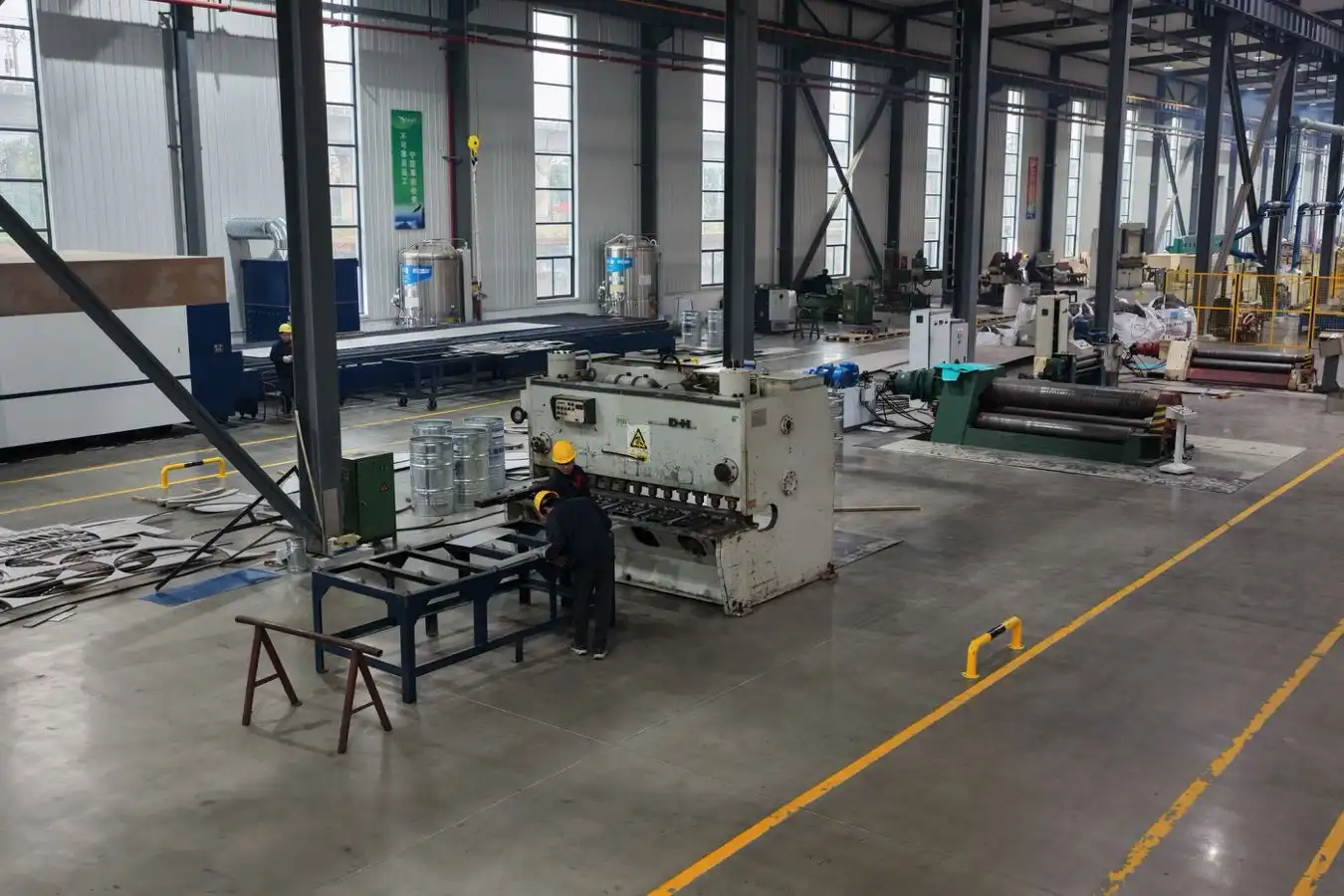
There is a lot of stock from reliable sources in common grades and sizes, which lets pressing needs be met quickly. Full-service providers are different from product sellers because they can customize their services by precisely milling to blueprint specs, cutting to non-standard lengths, and applying special surface treatments. The time it takes to get something varies. Standard sizes ship within days, but special forgings may take 6 to 12 weeks. Supply chain weaknesses can be reduced by working with vertically integrated producers who handle everything from melting to finishing.
Procurement Best Practices for 10mm Titanium Rods
Strategic buying of the 10mm titanium rod strikes a balance between price, quality control, and supply chain consistency. Titanium's volatile material price and unique processing needs make choosing a provider even more important.
Regional Sourcing Considerations
The Baoji region in China, also called "Titanium Valley," has a lot of production capacity and prices that are affordable. Customers who need rapid prototyping or small-batch custom orders can benefit from having suppliers in North America and Europe close by. Titanium is being used more and more in desalination and industrial developments in the Middle East. Comparing suppliers from different areas helps set price standards and find backup sources that can help with supply delays caused by geopolitics.
Quality Verification and Inspection Protocols
Reliable providers give Mill Test Certificates that follow EN 10204 3.1. These certificates show the chemical makeup through spectrometric analysis and the mechanical qualities through standard tensile testing. Third-party testing services can use calibrated micrometers and profilometry to check the surface finish and correctness of the dimensions. Ultrasonic testing finds problems inside important apps. Including acceptable standards and inspection witness spots in buy orders for quality verification stops disputes and ensures that the goods are suitable.
Pricing Structures and Volume Economics
Titanium rod prices depend on how much the raw sponge costs, how hard the processing is, and how many are ordered. When you buy regular sizes on the spot, you have to pay 15-25% more than the deal price. When you commit to a certain amount of volume, especially if it's an annual deal with quarterly releases, you can get tiered discounts and make sure that stock is distributed when the market is tight. Depending on the tolerances and surface finish, custom specs can add 10 to 30 percent to the base price. By understanding these cost drivers, you can come up with negotiation tactics that balance the costs of holding goods with discounts for buying in bulk.
Advantages of Using 10mm Titanium Rods in Corrosive Environments
Lifecycle cost study always shows that the 10mm titanium rod is better in acidic service, even though it costs more at first. The economic case gets stronger as working conditions get worse and upkeep becomes harder to access.
Extended Equipment Lifespan and Reduced Downtime
Chemical reactors made with titanium internals don't need major repairs for 15 to 20 years, while stainless steel versions in chloride service only need repairs every 5 to 7 years. Because it lasts longer, it doesn't need to be replaced as often, and work doesn't have to stop when equipment breaks down too soon. When marine offshore platforms switch to titanium alloys for structural bolts and pumps, maintenance costs drop by 40 to 50 percent. This is especially true for moving costs for fixes that need to be done far away.
Weight Reduction and Structural Efficiency
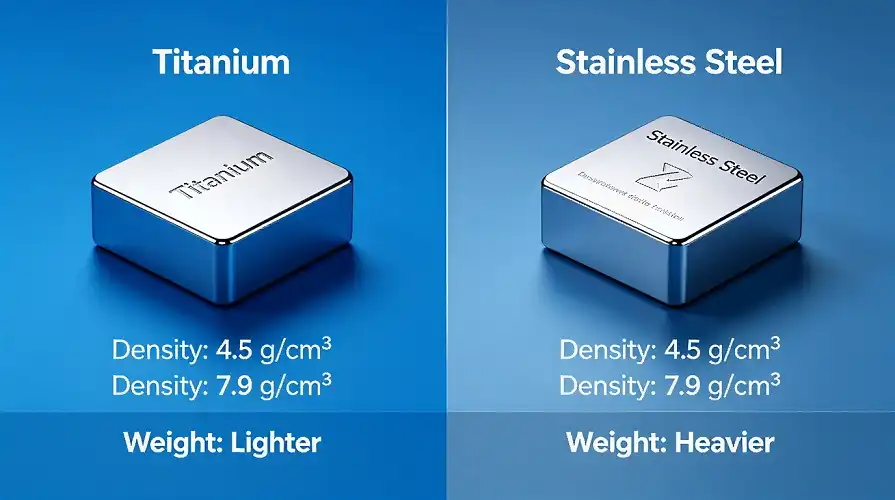
Titanium has a density of 4.43 g/cm3, which is about 60% that of steel. This means that applications that care about weight can lower structural mass without losing strength. Aerospace parts can carry the same amount of weight while still being able to hold the same amount of weight, which directly improves fuel economy. Offshore platforms lower the weight on the topside, which lowers the cost of the base and makes it more stable. This strength-to-weight advantage grows in large-scale projects, where less structural steel is needed to make up for titanium's higher cost per kilogram.
Environmental and Sustainability Benefits
Titanium doesn't rust, so it doesn't need protective coatings that add volatile organic chemicals when they're put on and make toxic waste when they're taken off. The fact that the material can be recycled in its entirety—retaining all of its original properties when melted down—is in line with circular economy concepts that are being required by environmental laws more and more. Biocompatibility approvals make titanium look good as rules for medical devices tighten limits on substances that can leak out.
Conclusion
In harsh industrial settings, the 10mm titanium rod demonstrates measurable advantages over other metals because they protect against oxides, is reliable mechanically, and lasts longer. Rods that are precisely sized and made to international standards can be used in chemical processing, building structures for spacecraft, and naval systems. When making a purchase choice, it's important to carefully choose the grade that will work best for the job, check the certifications of the supplier, and think about the overall costs that go beyond the original price of the material. Titanium is an important engineering material for demanding uses because it is long-lasting, light, and doesn't harm the environment.
FAQ
1. What tensile strength should I expect from different titanium grades?
Commercially pure Gr2 titanium rods usually have a minimum tensile strength of 345 MPa, which makes them good for chemical handling equipment that needs to be resistant to rust more than it needs to be strong. Gr5 (Ti-6Al-4V) alloy bars have a tensile strength of more than 895 MPa and a yield strength of about 828 MPa, which meets the needs of structural aircraft. Medical-grade Gr23 is about as strong as Gr5 but has fewer intermediate elements, which makes it more biocompatible.
2. How does titanium compare to stainless steel in chloride environments?
When chloride levels are higher than 100 ppm and temperatures are high, certain types of stainless steel can pit. This happens most often in places where solution pools. The 10mm titanium rod keeps its inactive sheet stable in both hot seawater and concentrated chloride solutions, so there is no chance of pitting. In chemical processing and marine uses, this change in performance makes tools last three to four times longer.
3. Can titanium rods be machined to custom specifications?
CNC turning to tight specs (h6-h7), thread cutting to standard and custom pitches, and length sectioning with little waste are all examples of precision machining. Different types of surface finishes, from turned (Ra 1.6µm) to centerless ground (Ra 0.4µm), can be used for different tasks. Depending on how complicated the job is, custom cutting usually adds 7-10 days to the delivery time.
4. What certifications validate titanium rod quality?
For industrial uses, ASTM B348 or ASME SB348 approval must be proven through Mill Test Certificates that list the chemical makeup and mechanical properties. When buying things for aerospace, you have to follow AMS standards (4928 for annealed bar and 4967 for solution-treated material) and be able to prove your sources. Medical gadgets need to be certified by ASTM F136 and have FDA application paperwork that shows biocompatibility testing.
Partner with Jucheng Titanium for Your Corrosion-Resistant Material Needs
Over the course of 20 years, Baoji Jucheng Titanium Industry has provided precise 10mm titanium rod solutions to the chemistry, aircraft, and industrial sectors. Our vertically integrated plant keeps more than 3,000 tons of stock in grades Gr1 through Gr23, which makes it easy to meet both standard and special titanium rod needs quickly. Our dedication to making the best products is shown by our National High-Tech Enterprise approval and 41 useful patents. Our engineering team can help you choose the right material and make sure it gets delivered on time, whether you need 10mm titanium rods that are approved by ASTM B348 for chemical equipment or bars that are compliant with AMS 4928 for flight parts. Contact our procurement specialists at s4@juchengti.com to discuss your project requirements.
References
1. Anderson, T.L. (2019). Corrosion Behavior of Titanium Alloys in Industrial Environments. Materials Science Press.
2. Chen, W., & Liu, M. (2020). Titanium Processing Technology and Quality Control Standards. International Metals Journal, 45(3), 234-256.
3. Johnson, R.K. (2018). Engineering Properties of Commercial Titanium Grades. Aerospace Materials Handbook, 12th Edition.
4. Peterson, S.A. (2021). Lifecycle Cost Analysis of Corrosion-Resistant Alloys in Chemical Processing. Process Engineering Quarterly, 38(2), 112-134.
5. Roberts, D.H., & Thompson, L.P. (2020). Material Selection for Marine and Offshore Applications. Ocean Engineering Standards Institute.
6. Zhang, Y. (2022). Advanced Manufacturing Techniques for Titanium Alloy Products. Metallurgical Processing Review, 29(4), 401-423.