
What are the physical properties of the titanium rod?
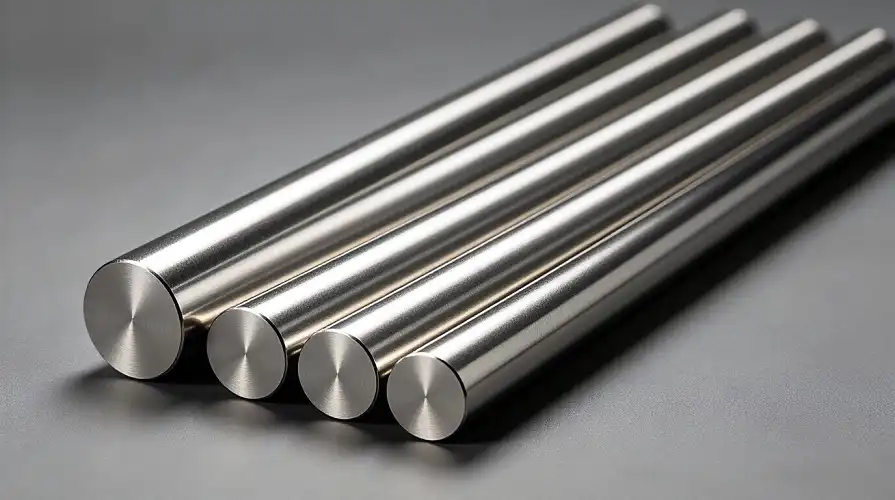
Businesses may employ titanium bars due to their construction. For example, Ti-6Al-4V metals weigh 4.43 grams per cubic centimetre and can be stretched to 895–1000 MPa and 828 MPa. Most titanium metal is grade 5 titanium bar (Ti-6Al-4V). For its low weight, it's sturdy and doesn't corrode at extreme temperatures. These factors make titanium bars important in harsh situations.
Introduction
The military, aeroplane, chemical processing, and medical device industries employ titanium rods for structural elements. We know that buying staff are under increasing pressure to locate tough, licensed items. Titanium bars, notably Ti-6Al-4V, outperform metal-only bars.
The titanium substance determines task duration, tool safety, and durability. Grade 5 titanium accounts for almost half of global titanium consumption. It drives the titanium industry. Strong and simple to work with, this metal is excellent. It allows engineers to design functional, lightweight products. If they know these physical qualities, people can make better tech choices that meet their goals and finances.
Understanding Grade 5 Titanium Bar: Composition and Key Physical Properties
Chemical Composition and Alloying Strategy
Grade 5 titanium bar has 6% aluminium and 4% vanadium. This is done to stabilise alpha and beta in the titanium core. Aluminium is stronger and lighter because it stabilises the alpha phase. Vanadium stabilises the beta phase, making shaping and heat treating simpler. Chemicals are strictly regulated. Iron, oxygen, and hydrogen must be less than 0.40%, 0.20%, and 0.015%, respectively. Controlled contaminants ensure that every manufacturing batch feels the same mechanically.
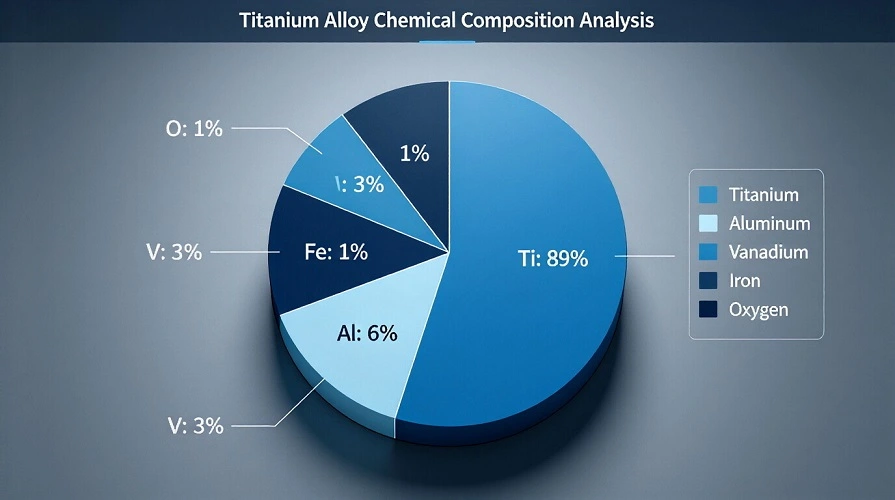
Instead of working alone, they collaborate. Vanadium allows hot stage changes, while aluminium strengthens solid solutions. Mixing these two items makes a substance 30% stronger than pure titanium sold in stores. Titanium's lightness makes it beneficial in many situations.
Core Mechanical Properties
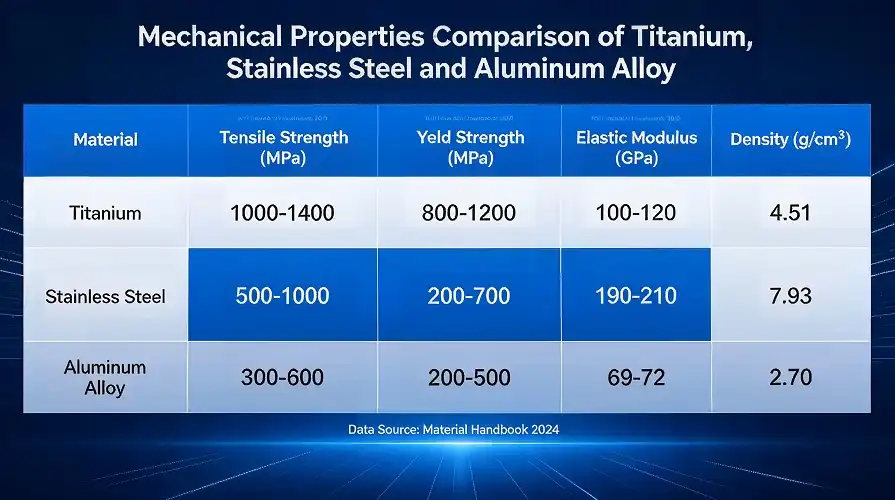
The way grade 5 titanium bars are manufactured explains why engineers utilise them for vital applications. Tensile strength is usually 895–1000 MPa. It may drop to 828 MPa depending on how the metal was heated. Stretch values of 10% or higher make them flexible enough for jobs yet robust enough to withstand loading.
The density of this material is 4.43 g/cm³, equal to 60% of steel metals of comparable strength. Space structures, spinning equipment, and portable medical gadgets will weigh less immediately due to this density increase. It is between aluminium and steel in elasticity at 113 GPa. It's difficult enough for structural usage without being brittle like higher-modulus ceramics
Thermal and Electrical Characteristics
When heated, Ti-6Al-4V expands by 8.6 × 10⁻⁶/°C, much less than aluminium and most steels. This size uniformity is crucial in precise usage when temperature variations occur. While not as efficient as copper or aluminium (6.7 W/m·K), it is suitable for activities that do not need rapid heat transfer.
Copper conducts electricity better than titanium. The resistance of grade 5 titanium bars is about 1.7 × 10⁻⁸ Ω·m. This characteristic helps with electrical separation and galvanic rust prevention. The material's electrical characteristics remain constant regardless of temperature.
Corrosion Resistance Mechanisms
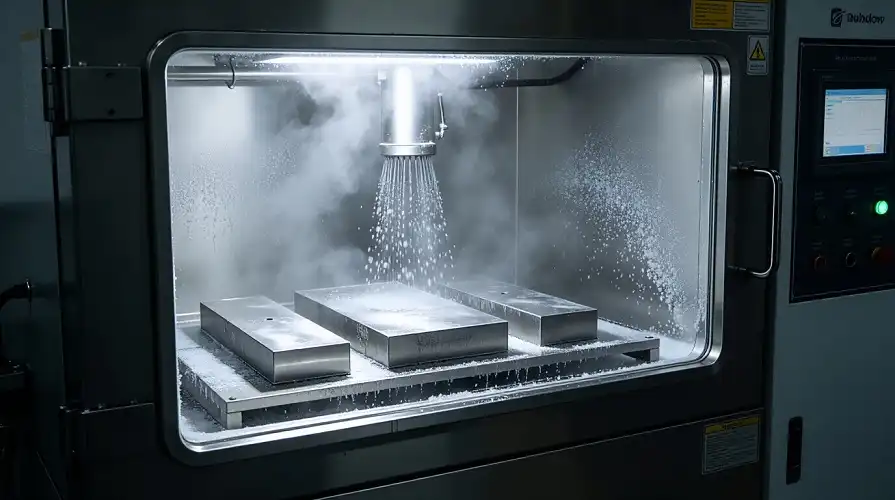
Titanium develops a strong oxide layer when exposed to oxygen. A few nanometres thick protects this layer. This non-rusting passive film may repair itself immediately if damaged. Grade 5 titanium is superior to stainless steel for chemicals since it doesn't react with seawater, salt solutions, or most organic acids.
It resists rust at high temperatures and rapid flow rates, which are detrimental for rusty, wear-prone materials. Chemical processing equipment costs more to repair and replace than the original materials; this characteristic is important. Since the oxide layer remains solid at pH 3–12, it may be used for more.
Performance Comparison: Grade 5 Titanium Bar vs Other Materials
Grade 5 vs Commercially Pure Titanium Grades
Grades 1 through 4 of economically pure titanium don't rust very well but aren't very strong. Grade 2 titanium is the most popular type. Its tensile strength is only about 345 MPa, which is less than half of Grade 5's strength. Grade 5 parts can have smaller cross-sections because of this difference in strength. This saves weight and space, which makes up for the higher cost of the products.
Grade 4 titanium is the strongest pure titanium you can buy, with a tensile strength of about 550 MPa. However, it is still not as strong as Ti-6Al-4V. Grade 5 is clearly the best choice for tasks that need to be strong enough to hold weight and not rust. While the alloyed form still doesn't rust, it has mechanical properties that allow it to be used in ways that used to require heavy materials.
Grade 5 vs Stainless Steel Alloys
You can tell that Ti-6Al-4V works better than 316 stainless steel because it is stronger. Most of the time, 316 stainless steel doesn't rust, but at 8.0 g/cm³, it's almost twice as dense as titanium. Getting the same power with half the weight is great for people who care about weight.
Stress corrosion caused by chloride makes cracks and pits in stainless steel in marine settings, where Grade 5 titanium works well. Titanium is a metal that lasts longer when used to make offshore platforms, irrigation equipment, or military bolts. When you look at things like repair, maintenance, and how well the machine works over its whole life, the higher material cost makes sense.
Grade 5 vs Aluminum Alloys
These metals, like 7075, are made of high-strength aluminum and are as strong as titanium but cost less. Aluminum can fight rust, but only if certain processes are done on the surface. These processes can wear off over time. Also, aluminum loses its strength quickly above 150°C, which means it can't be used in places where the temperature is high.
It is possible to use grade 5 titanium in engine parts and exhaust systems where aluminum would break because it doesn't change in any way when heated above 400°C. It doesn't wear down as quickly as aluminum metals do, which is important for parts that get loaded and removed a lot. Titanium is often picked because it costs more but lasts longer.
Grade 5 vs Other Titanium Alloys
Grade 23 titanium (Ti-6Al-4V ELI) doesn't have as much intermediate material as other grades. This makes it harder to break and easier to shape for use in medical implants. In the business world, normal Grade 5 is better for tasks that don't need the highest level of toughness because it is cheaper and has a little less power.
It is less strong than Grade 9 titanium (Ti-3Al-2.5V), but it is cheaper and easier to shape in cold water for that reason. To save money on materials, Grade 9 could be used in places that don't need the full strength of Grade 5. When buying, workers understand these small differences, and they can choose materials that meet real performance goals instead of making too many demands.
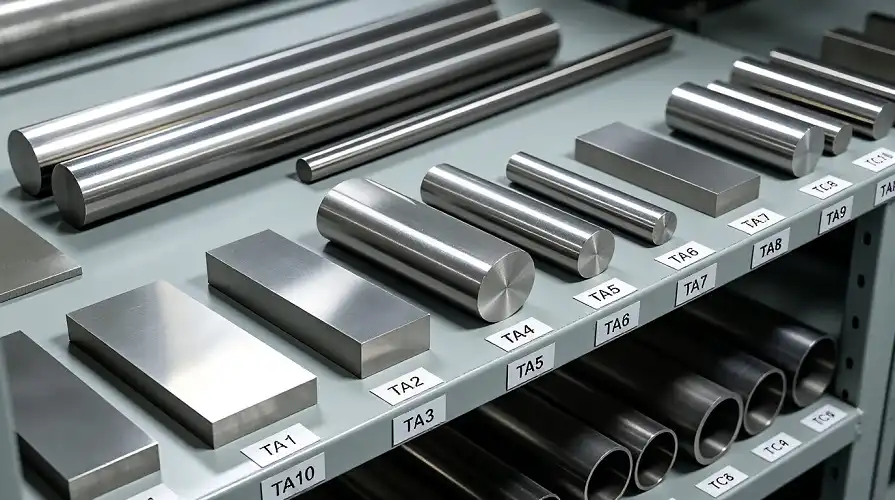
Applications and Benefits of Grade 5 Titanium Rods in B2B Industries
Businesses to businesses (B2B) use grade 5 titanium bars, which are useful in many ways.
Aerospace and Defense Applications
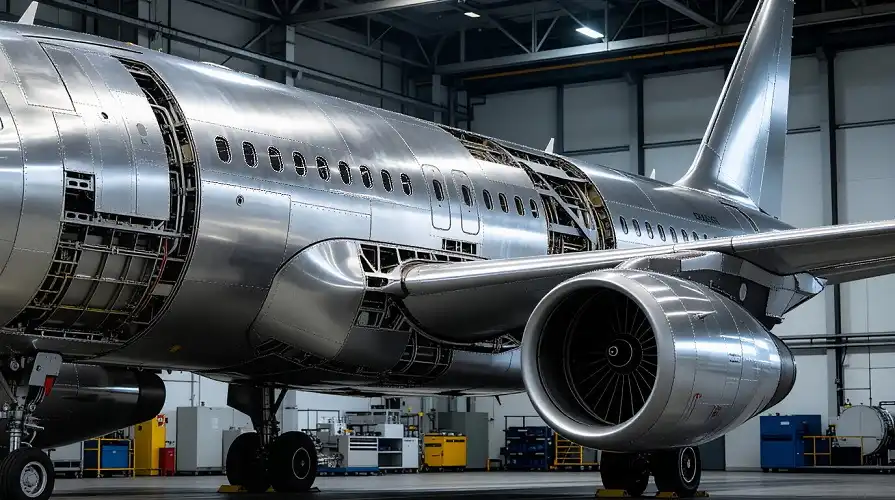
Ti-6Al-4V is used to make parts of airplane structures, such as landing gear, wing extensions, and engine parts. It is possible for the material to handle high-cycle pressures while keeping the plane's weight as low as possible. This directly makes the car use less gas and hold more goods. Grade 5 is used by defense companies for armor plates, rocket shells, and parts of ships that need to be strong and resistant to rust.
It is very hot and very stressful in jet engines, which would break down aluminum alloys used in their turbine blades and compressor discs. Parts made of grade 5 titanium last longer because they don't wear down easily. This cuts down on service times and makes airplanes more accessible. For these purposes, the products must be fully traceable and meet the requirements of AMS 4928 or AMS 6931. To keep the products the same from one batch to the next, this is done.
Chemical Processing and Petrochemical Industries
Titanium is good for chemical plants because it doesn't rust and can be used for heat exchangers, reactor tanks, and pipe systems. In places where chlor-alkalis are made, hydrochloric acid is used, and bromide is handled; stainless steel breaks easily. Tools that are made with grade 5 titanium parts don't get dirty and last more than 20 years.
It can deal with rough stuff like hot chlorides, wet chlorine gas, and acidic condensates. It is not as easy for titanium to crack as steel, so refineries that process sour crude oil use it for their cooling systems and condenser tubes. When Grade 5 titanium is used in toxic work, equipment makers can cut down on warranty claims and make themselves look better.
Medical Device Manufacturing
To make sure they work well with the body and with bone, medical implants like hip stems, spine fusion plates, and oral implants are made of Grade 5 or Grade 23 titanium. The substance turns into bone cells and will never break down in human fluids. Stress protection is not as good for metals with a modulus of flexibility closer to bone as for cobalt-chrome metals.
The strong metal titanium is used to make surgical tools like pliers and drill guides. It also doesn't break down when it gets dirty. It doesn't break down after being autoclaved many times, and it's still light enough that doctors don't get tired during long processes. They have to meet ASTM F136 or ISO 5832-3 standards to make medical-grade goods. These standards make sure that the products are pure enough to be inserted forever.
Marine and Offshore Engineering
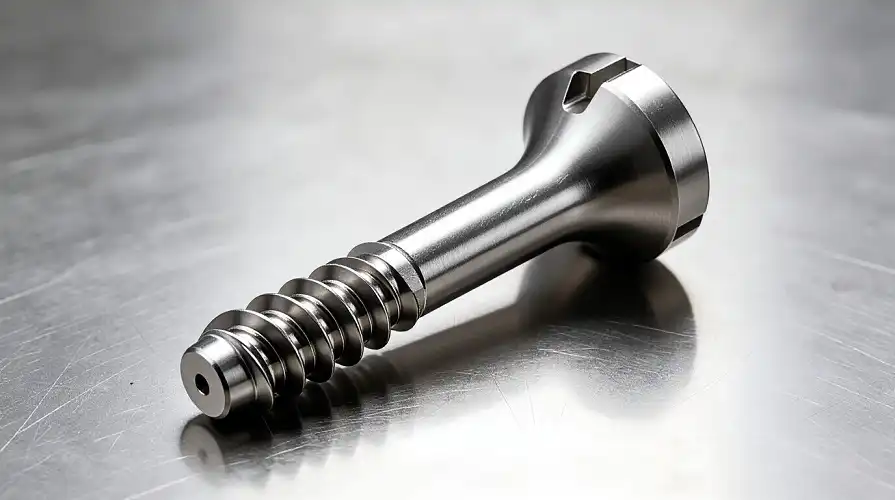
Titanium is used in underwater and on land ships for its ability to fight saltwater. It is used in engine shafts, fasteners, and hull parts. Not as much damage from biofouling and cavitation as from brass or stainless steel. Desalination plants use Grade 5 titanium tubes in their evaporators and heat exchanges because it can last for decades in high-salinity conditions.
On oil sites in the ocean, where high pressures and saltwater rust meet, titanium risers and wellhead tools are used. Because of its strength-to-weight ratio, the topside structures can be smaller while still having safety gaps. ROVs and sensors that work underwater work better with titanium housings because they don't rust in the deep sea.
Key Procurement Considerations for Grade 5 Titanium Bars
Product Specifications and Standards Compliance
To get a Grade 5 titanium bar, it must meet ASTM B348, ASME SB348, and any other standards that are needed for the job, like AMS 4928 for airplanes or ASTM F136 for medical devices. There should be a record of the material's science, its tensile strength, and the conditions under which it was heated. When using a material in an airplane and needing to know its whole past, it's very important to be able to find its original melt batch.
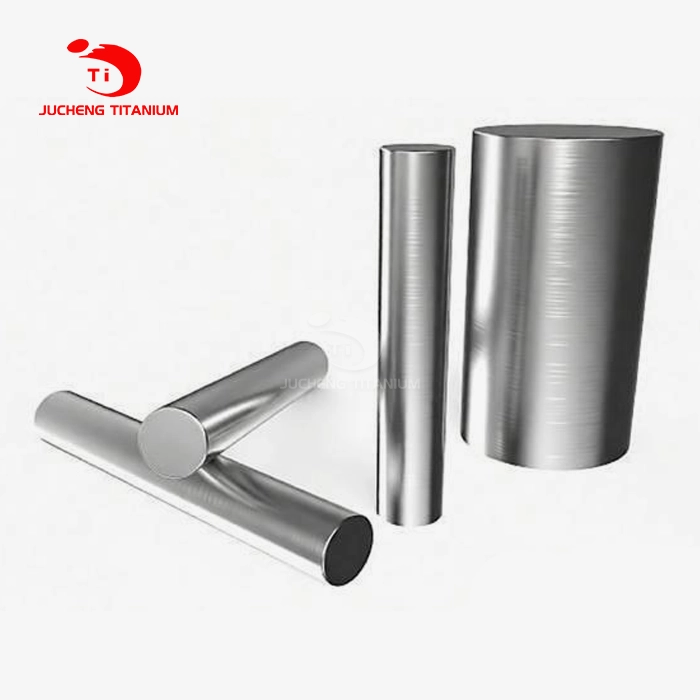
The diameters run from 6 mm to 450 mm, and the standard lengths go up to 6000 mm. Longer lengths can be made up to 12000 mm if needed. Most of the time, bars are round, but with a little extra work, they can also be made square or triangular. Each surface style, like polished, turned, centerless ground, sanded, and pickled, is best for a certain purpose.
Manufacturing Process and Quality Control
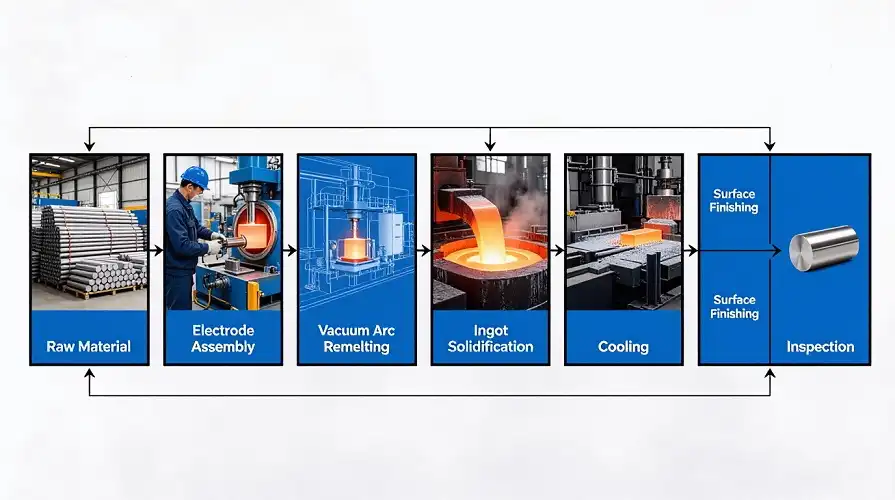
Vacuum arc remelting is the first step in the production process. It controls the chemical and makes sure the result is uniform. It takes less segregation and inclusion material to remelt something more than once. The nanoscale gets stronger, and the grain flow is guided, which makes the mechanical properties better. A hot roll or spinning forge is used to shape the bar to almost its finished size.
Centerless grinding or turning meets the final requirements for size and surface finish. Straightening methods make sure that the shape is right before the annealing heat treatment, which makes the grain better. The surface processes get rid of layers of dirt and make the material ready for its intended use. To keep quality high, process control is needed because each step in the process changes the end result.
Supplier Selection Criteria
When looking at possible providers, you should check how much they can produce, if they have quality certifications, and if they can offer expert help. Companies with ISO 9001 and AS9100 certifications show that they take quality management seriously and follow a set of rules. There is less danger when you buy things from sources you have worked with for a long time, especially for projects that will take more than a year to finish.
Good companies are different from sellers of common goods because they offer expert support. Metal experts can help you pick the best products and set up the best production conditions. Value-added services from suppliers, such as precise cutting, custom packing, and just-in-time shipping, help production plans work better and lower the cost of having stock on hand.
Market Pricing and Delivery Considerations
Ti prices change because of how much raw materials cost, how much can be made, and how much people want it. Grade 5 costs more than grades that are mostly pure because metals are added, and the process is more difficult. People who buy in bulk can often get better deals on prices, but they should weigh the savings they get against the risk of items going out of style and the cost of having extras on hand.
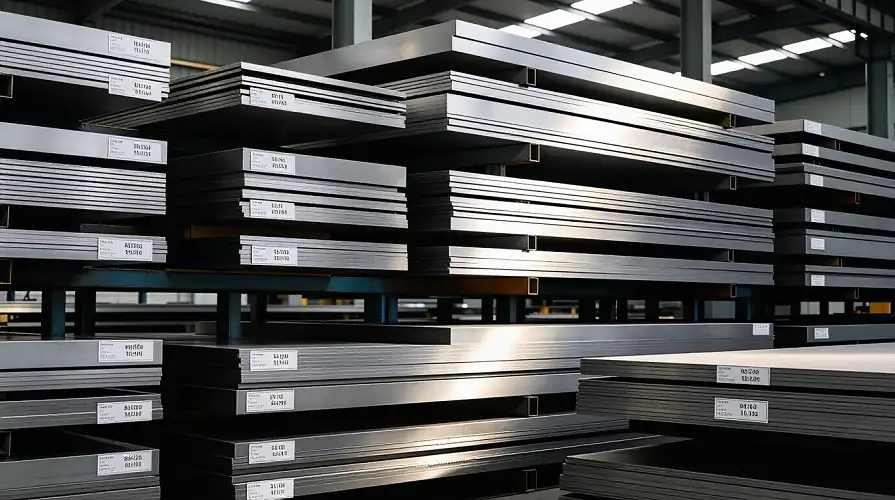
Lead times range from right away for regular sizes that are in stock to 8 to 16 weeks for custom sizes that need to be made just for you. All year, we keep about 3,000 tons of titanium on hand so that we can quickly meet urgent needs. With this much stock, users won't have to worry about supply problems, and it also helps with lean manufacturing.
Conclusion
When you need something strong, light, and resistant to rust, grade 5 titanium bars are the best choice. This is especially true for Ti-6Al-4V metal bars. When purchasing materials, knowing their mechanical, thermal, and chemical properties helps them pick materials that meet scientific goals and have the lowest living costs. Grade 5 titanium bars are still the most common type used in medicine, the medical field, chemical processes, and ships. This is because the material easily fixes basic technical problems that other materials can't. For projects to go well that use these advanced materials, it is important to carefully choose a source, make sure they follow the rules, and work together properly.
FAQ
1. What makes Grade 5 titanium bars stronger than other titanium grades?
The aluminum and vanadium that are added to the Ti-6Al-4V mix are meant to make the material stronger through solid solution methods and to make it work with heat treatment. When the alpha and beta phases are balanced, Grade 5 titanium bars are tougher than pure titanium, but they are still flexible enough to shape and make things.
2. How does heat treatment affect Grade 5 titanium bar properties?
After being cast and rolled, the stress that built up during the casting and rolling process is released by the annealing heat process. Solution treatment and age can make the material even stronger by adding small bits to the nanoparticles. Care must be taken to control the heat treatment factors so that all production runs have the same material properties.
3. Can Grade 5 titanium rods be welded reliably?
They can be joined with gas tungsten arc welding (GTAW) or electron beam welding, but only if they are properly protected to keep them clean. Most weld joints are 90 to 95% as strong as the base metal when they are done right. To keep the structure strong, aircraft users need trained welders and certifications to do their jobs.
4. What industries benefit most from Grade 5 titanium bar properties?
Aerospace companies use Ti-6Al-4V to make parts for engines and structures. The people who make chemicals tell us what to use where metals will rust. When making implants, biocompatibility is a big deal for the people who make medical devices. Marine engineers use the resistance of water to do their work. Different fields value the different qualities that Grade 5 has to offer.
Partner With Jucheng Titanium for Your Grade 5 Titanium Bar Requirements
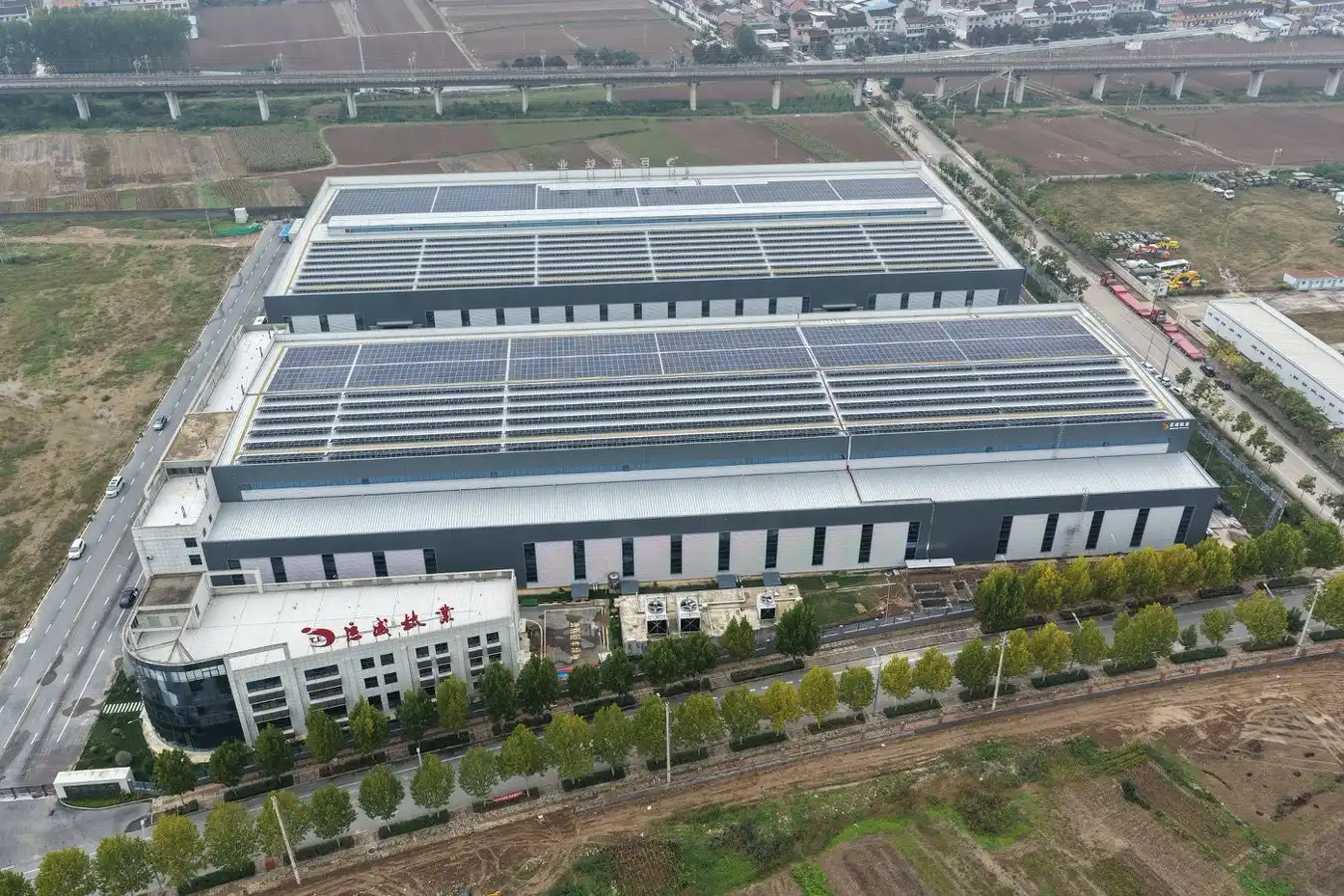
Baoji Jucheng Titanium Industry has been making grade 5 titanium bar for more than 20 years and has worked with people all over the United States who are in the military, build chemical equipment, or make medical devices. Because we keep 3,000 tons of bars in stock, we can ship standard-sized bars right away. For more specific needs, we can also make bars that are cut exactly to your specifications. Material quality checks like ASTM B348, AMS 4928, and ISO compliance make sure that the right materials are always used for the right jobs. Talk to our expert team about your project needs by emailing s4@juchengti.com. You'll get detailed quotes with fair prices for both small samples and large production runs.
References
1. Boyer, R., Welsch, G., & Collings, E.W. (1994). Materials Properties Handbook: Titanium Alloys. ASM International, Materials Park, Ohio.
2. Lütjering, G., & Williams, J.C. (2007). Titanium (2nd Edition). Springer-Verlag, Berlin Heidelberg.
3. Donachie, M.J. (2000). Titanium: A Technical Guide (2nd Edition). ASM International, Materials Park, Ohio.
4. ASTM International. (2020). ASTM B348-20: Standard Specification for Titanium and Titanium Alloy Bars and Billets. West Conshohocken, Pennsylvania.
5. Peters, M., Kumpfert, J., Ward, C.H., & Leyens, C. (2003). Titanium Alloys for Aerospace Applications. Advanced Engineering Materials, Volume 5, Issue 6.
6. Schutz, R.W., & Watkins, H.B. (1998). Recent Developments in Titanium Alloy Application in the Energy Industry. Materials Science and Engineering A, Volume 243, Issues 1-2.