
Why is the titanium metal plate Highly Corrosion Resistant?
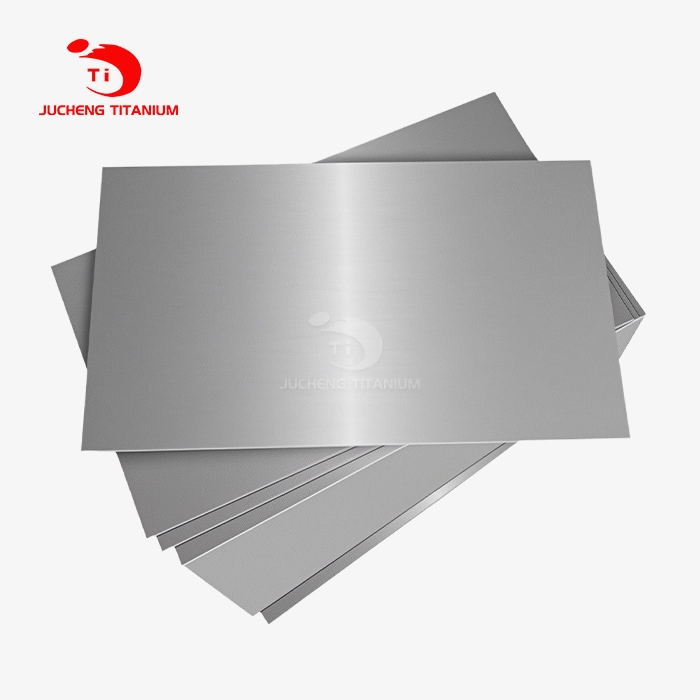
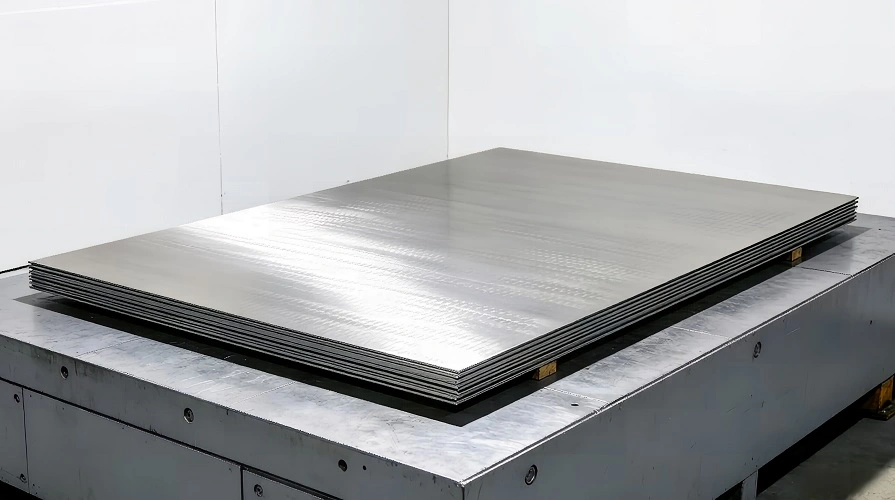
Titanium metal plate is a high-performance material that stands out for businesses that need both extreme strength and the best rust protection. When purchasing managers look at materials for important jobs, rust resistance is one of the most important things that affects how long equipment lasts, how much it costs to maintain, and how safe it is to use. When people switched to titanium-based solutions, failure loops stopped happening over and over again, and downtime dropped by a huge amount. This guide breaks down the science behind titanium's ability to resist rust, looks at its many useful uses in industry, and gives buyers and engineers the information they need to confidently choose materials that will give the best performance and cost over their entire life. Titanium dioxide's protective oxide layer forms almost instantly when titanium comes into contact with oxygen. This makes a barrier that can fix itself, which sets this metal apart from others. This special quality is used in many fields, from chemical processing to aircraft, to keep things strong in places where stainless steel and aluminum would break too soon. When buying, teams know why titanium doesn't rust; they can choose the right grade, thickness, and surface treatment for each application. This keeps costs down and makes sure that international standards are met.
Understanding Corrosion Resistance in Metals
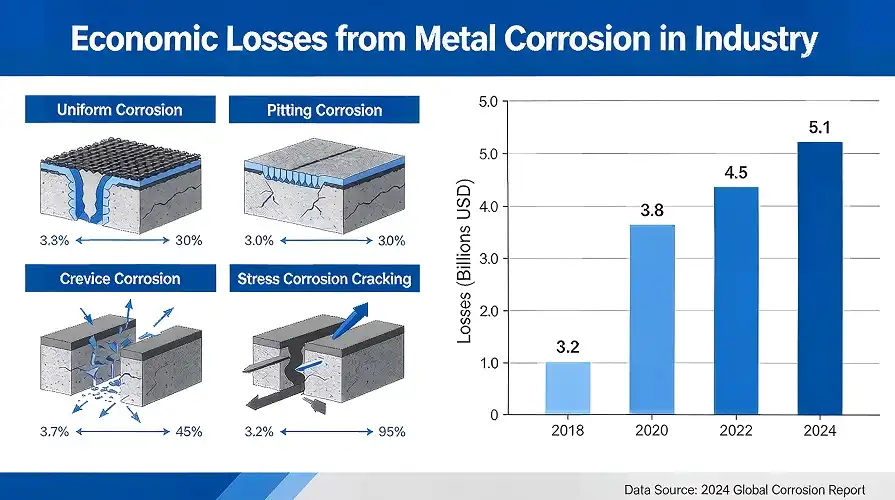
Corrosion resistance is a measure of how well a metal resists chemical breakdown when it comes in contact with water, toxic chemicals, high temperatures, or electrical processes. This trait directly affects whether parts will keep their structural integrity or break down too quickly, which can be dangerous and lower output. Industrial corrosion, on the other hand, has real-world effects on the economy, such as replacement costs, unexpected shutdowns, and possible safety issues.
Why Corrosion Matters for Industrial Buyers
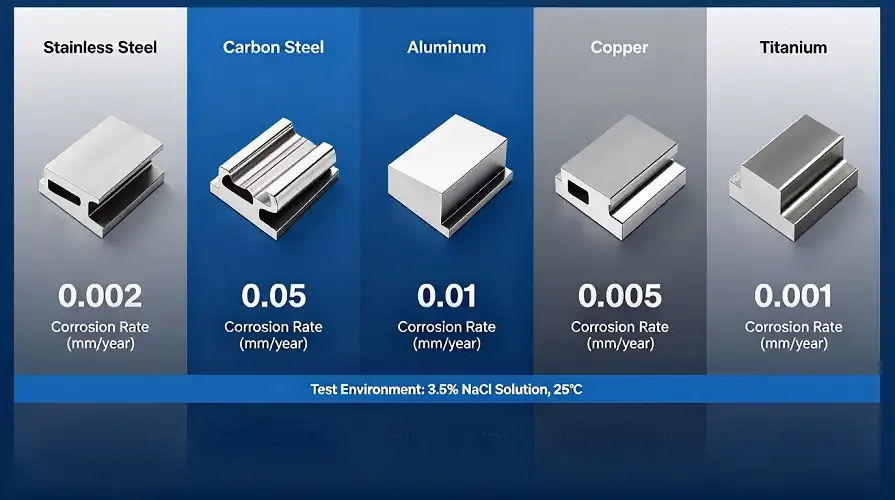
When iron mixes with air and water, it forms flaky iron oxide that weakens the structure over time. This is what causes carbon steel to rust. Aluminum experiences pitting erosion in chloride settings, which makes holes in the material that collect stress and cause it to fail without warning. Even though stainless steel has a layer of chromium oxide on top of it, it can still crack from stress corrosion and crevice corrosion in some situations. These types of failure cause upkeep costs and equipment replacement cycles that throw off production plans.
Economic Impact on Operations
Failures caused by corrosion cost businesses billions of dollars every year in new parts, lost production, and emergency fixes. When tiny leaks happen in heat exchangers or reactor tanks that need to be replaced too soon, the direct material costs are only a small part of the overall effect. Supply chains are affected by unplanned downtime, which can lead to broken promises and bad relationships with customers. When buying something, choosing beginning cost savings over corrosion protection often leads to much higher costs over the long term.
Material Selection Criteria
To evaluate rust protection, you need to know what environmental problems each application brings. The amount of chemicals, the working temperature, the presence of chlorides, the pH level, and the stress conditions all affect how well a material works. Standards groups set the rules for tests that measure the rate of rusting in controlled settings so that comparisons can be made fairly. Standardized tests like these help buying teams match the qualities of materials to what they need to do their jobs.
The Science Behind the Titanium Metal Plate's Corrosion Resistance
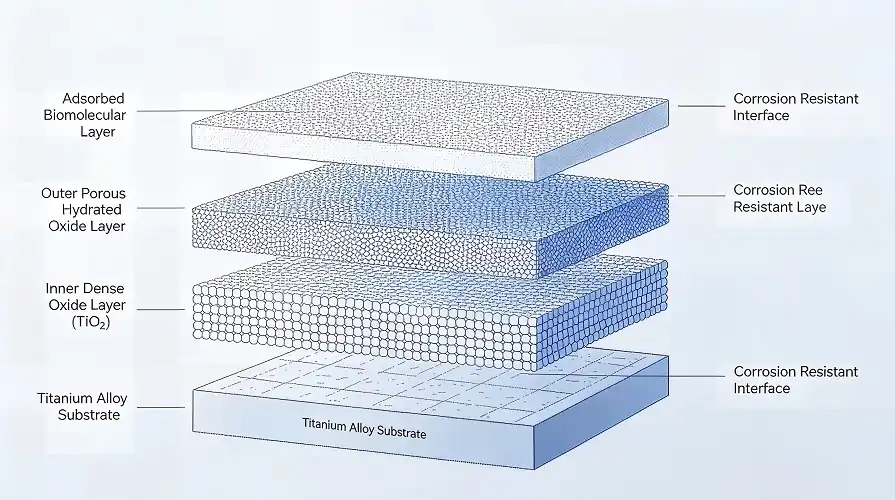
The very high resistance to rust of the titanium metal plate comes from a very steady passive film that forms naturally on the metal's surface. This titanium dioxide layer, which is only a few nanometers thick, stops any further oxidation from happening. Protective coats can chip or wear off, but titanium's oxide layer can fix itself right away if it gets broken, as long as oxygen is around. Because it can heal itself, titanium stays strong even after being scratched or worn down during service.
The Titanium Dioxide Passive Layer
Titanium dioxide has very high chemical stability across a wide pH range, from very acidic to very basic. This oxide, which looks like ceramic, sticks to the titanium base very firmly thanks to strong chemical bonds. It doesn't dissolve in most settings. The film stays solid at temperatures above 540°C, which protects the base metal when it is being oxidized at high temperatures. When the oxide layer is broken by mechanical damage, it reforms within milliseconds, protecting the material again before a major attack can happen.
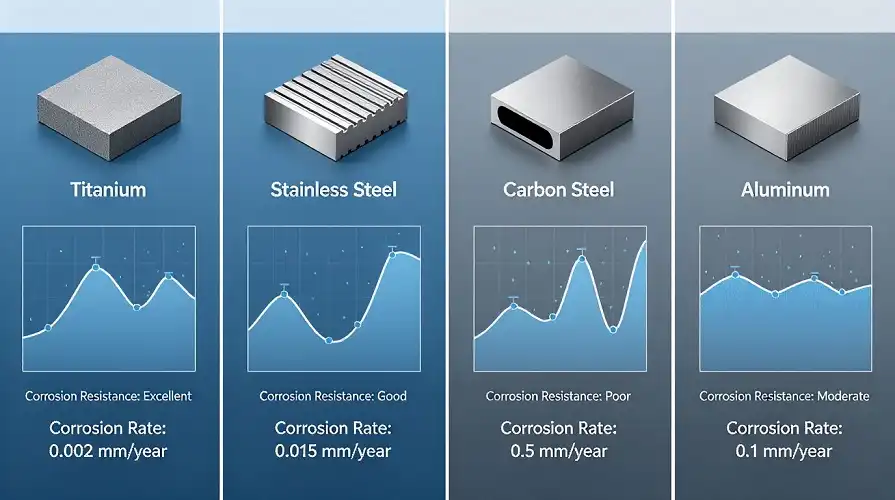
Comparative research shows that titanium is better than other materials. The chromium oxide layer on stainless steel protects well in many situations, but it breaks down in reducing acids or when chlorides get into surface flaws. The oxide layer on aluminum protects well in neutral conditions but breaks down quickly in strong acids or bases. Carbon steel doesn't have an inactive layer that protects it. Instead, it relies on coats or galvanic protection, which need to be maintained on a regular basis.
Grade Variations and Performance
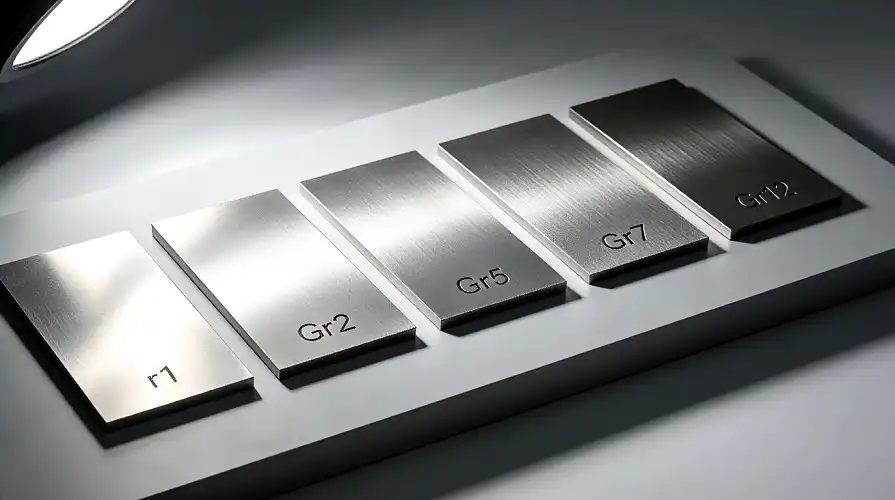
Different types of titanium have different rusting properties that are best for certain uses. Grade 2 commercially pure titanium has great resistance to corrosion and can be used in chemical processing and coastal settings. Grade 5 titanium alloy, which has aluminum and vanadium in it, gives aircraft structure parts better mechanical qualities while still being resistant to corrosion. Palladium is added to Grade 7 to make it more resistant to reducing acids. This makes it perfect for chemical plant equipment that deals with hydrochloric acid or other harsh chemicals.
These differences in grade are very important when selecting materials to buy. Interstitial-stabilized grades offer better resistance to crevice corrosion in situations involving hot water or chloride-rich solutions. By knowing these details, buyers can be sure that the materials they choose will not only meet the bare minimum but will also perform at their best for the entire planned service life. This keeps them from having to change materials too soon or having unexpected failures.
Real-World Applications Leveraging Titanium's Corrosion Resistance
Chemical Processing Excellence
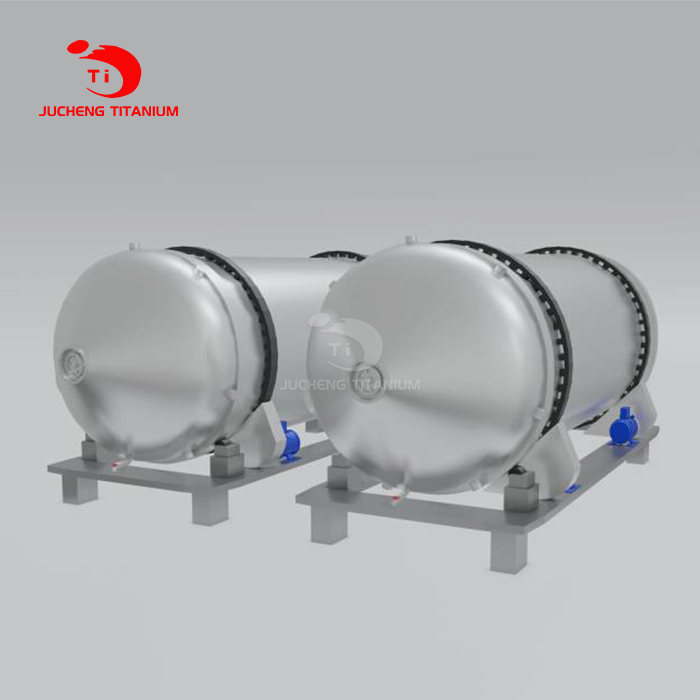
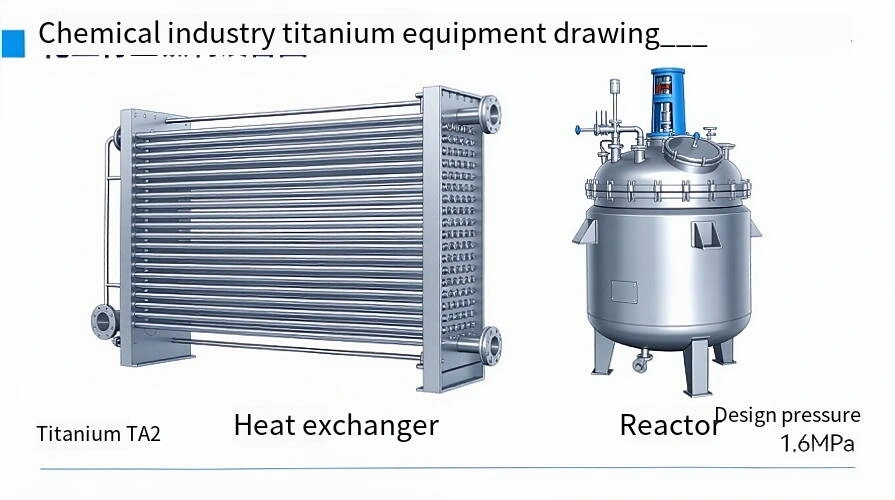
Titanium metal plate is used in chemical plants for reactor tanks, heat exchanger parts, and pipe systems that deal with toxic materials. Our titanium equipment has a 90% market share in the coking sector at Baoji Jucheng Titanium Industry Co., Ltd. This shows that the material is reliable in harsh chemical conditions. These systems can handle strong acids, caustic solutions, and high temperatures that would break down most materials very quickly.
Marine and Offshore Reliability
Titanium-based composite tube installations at places like Luoyang Petrochemical show that the material can handle the toughest process streams. The biggest titanium spiral plate heat exchanger in China, which works for WUGANG Group, shows how properly designed titanium equipment can last for decades without breaking down because of rust, which happens a lot with other materials. This track record of success directly leads to lower upkeep costs and more plant availability.
Aerospace Structural Applications
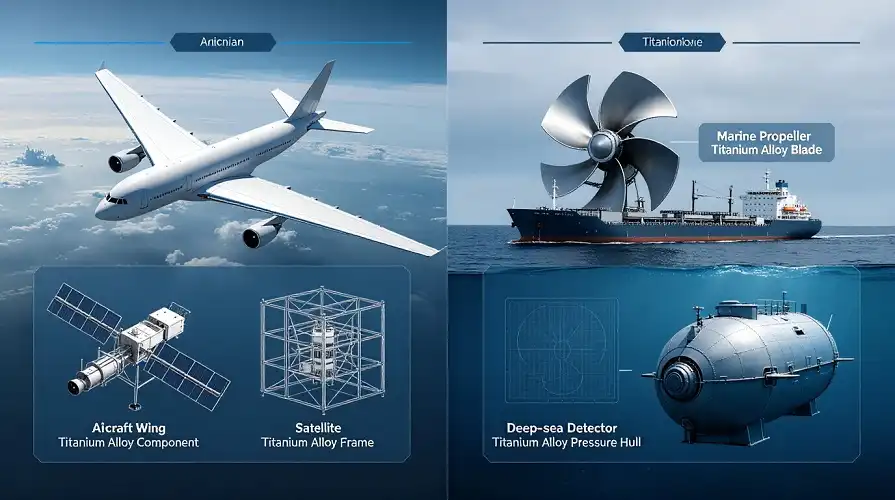
Seawater is one of the most corrosive conditions used in industry because it contains chlorides, air, living things, and sometimes very high temperatures. Titanium metal plate is great for parts of desalination equipment, offshore oil platforms, and marine vessels where saltwater would quickly corrode stainless steel or cause galvanic rust when mixed with metals that are not the same. The material doesn't get pitting, crevice corrosion, or stress corrosion cracking, which are problems that common naval metals have.
Medical Device Manufacturing
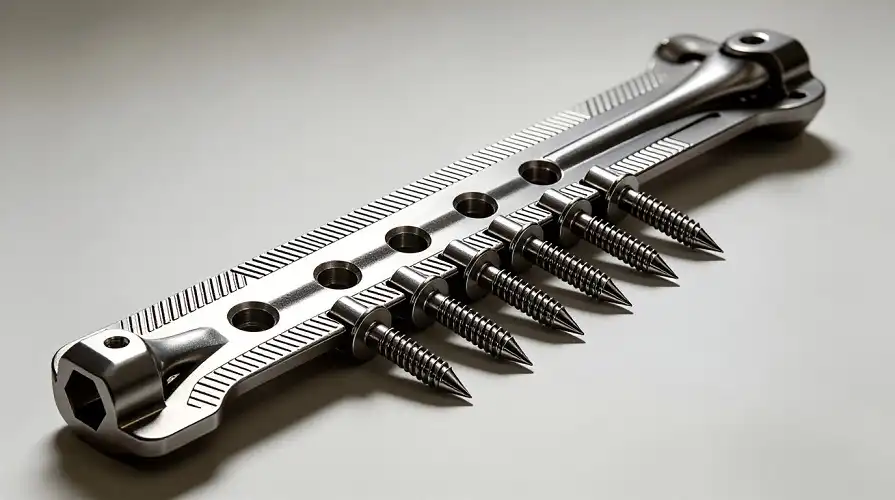
Surgical implants, tool making, and biomedical device making all use medical-grade titanium metal plates as raw materials. The biocompatibility of the material comes from its stable oxide layer, which stops metal ions from getting into body cells. The same protective film doesn't rust when exposed to chemicals used for cleaning, body fluids, or sterilization. This makes sure that medical devices stay intact for as long as they're useful, without breaking down in a way that could put patients at risk.
Practical Insights for Procurement Managers and Engineers
Evaluating Technical Documentation
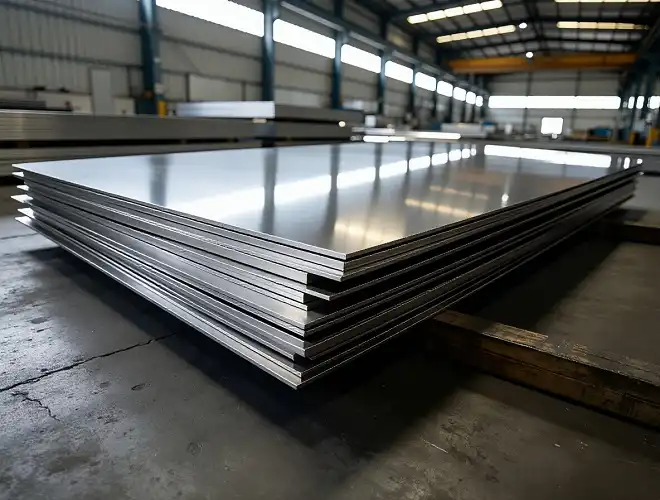
For every order of titanium metal plate, procurement teams should ask for full mill test records that list the chemical makeup, mechanical properties, and corrosion test results. Material that is certified by ASTM B265 meets industrial purity standards, and material that is certified by AMS 4911 meets aerospace-grade standards. The ASME SB265 designation means that the pressure tank is of a quality that is acceptable for use in chemical handling equipment. Testing by a third party gives you more trust in the quality and performance of the material.
Grade and Dimension Selection
When choosing the right titanium types, you have to think about how resistant they are to rust, how strong they are, and how much they cost. Grade 1 is the most flexible and can be used for difficult shaping tasks. Grade 2 is a little stronger and welds well for structures that have already been made. Grade 5 metal has the strength-to-weight performance of aircraft materials when corrosion conditions allow it to be used. Specialized grades with palladium or ruthenium are made for chemical conditions that need better protection.
Processing and Surface Treatment Considerations
The manufacturing method has a big effect on the corrosion resistance of the end product. Titanium metal plate that have been annealed has the best flexibility and a uniform microstructure, which makes them easier to shape and join and guarantees reliable corrosion performance. Surface techniques like acid pickling, polishing, or grinding get rid of dirt and rough spots on the surface that could weaken the protective oxide layer. Depending on the needs of the application, these finishing steps get the material ready for manufacturing or straight installation.
Supply Chain Management
Understanding how prices change over time helps buying teams make good budgets and negotiate well. Titanium prices change on the market based on the cost of raw materials, the amount that can be made, and changes in demand in the chemistry, medical, and aircraft industries. Established sources with large stockpiles, like Baoji Jucheng Titanium Industry Co., Ltd.'s 3,000-ton stockpile, can often offer faster shipping and more stable prices than made-to-order materials, which need months of wait time.
Why Choose Reputable Titanium Metal Plate Suppliers?
Quality Assurance and Certification
Titanium providers that have been around for a while have complete quality control systems that make sure the material properties stay the same and the certification paperwork is accurate. The fact that Baoji Jucheng Titanium Industry Co., Ltd. is a National High-Tech Enterprise and a national-level specialized "little giant" business shows how committed the company is to this goal. These differences come from years of investing in quality systems, professional skills, and production process rules that make sure materials work reliably.
Manufacturing Capabilities and Experience
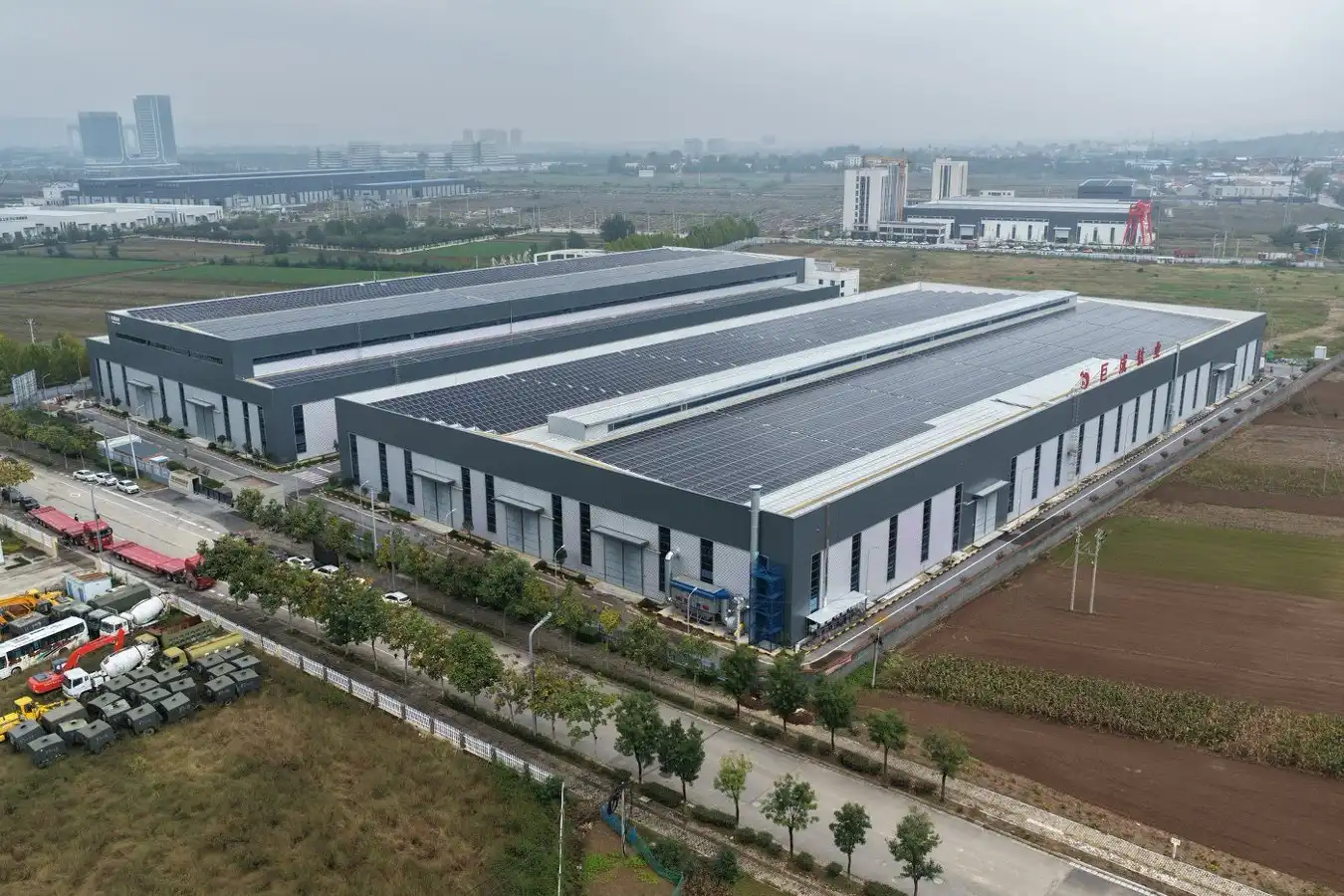
Focusing on titanium manufacturing for more than twenty years has given us a lot of useful knowledge in how to handle materials, keep an eye on quality, and meet the needs of specific applications. Suppliers with this much experience know how small changes in processing factors can affect the end properties of a material. This lets them regularly deliver goods that meet strict requirements. Production centers that cover 120,000 square meters and can do everything from rolling to finishing the surface completely give manufacturers full control over the quality of their products.
Technical Collaboration and Support
Leading titanium suppliers work together with universities and research institutes to do study. This helps to advance material science knowledge and find useful answers to problems that customers are having. Baoji Jucheng works with groups like Tsinghua University and the Northwest Institute for Nonferrous Metal Research to build a base for meeting difficult application needs and building next-generation titanium products. Customers gain from this focus on research because it gives them access to cutting-edge scientific knowledge and new material solutions.
Supply Reliability and Inventory Management
Having a lot of goods on hand lets you meet urgent needs quickly and protects you against problems in the supply chain. Keeping 3,000 tons of titanium in stock costs a lot of money, but it shows that the seller cares about customer service and supply stability. This level of inventory supports both spot purchases right away and planned orders for ongoing production needs. This lowers the cost of keeping inventory on hand for customers while still making sure materials are available.
Conclusion
Titanium metal plate has the best corrosion protection because they have a steady, self-healing oxide layer that keeps chemicals from attacking it in a wide range of industrial settings. Compared to standard metal options, this basic feature of the material means that the equipment will last longer, need less upkeep, and work more reliably. When purchasing, professionals understand the science behind titanium's resistance to rust, and they can choose the right types and sizes to get the best performance while keeping costs low over its lifetime.
Frequently Asked Questions
1. How does titanium perform in saltwater environments?
Titanium is very resistant to rust from seawater. It doesn't get pitting, crevice corrosion, or stress corrosion cracks, which happen to stainless steel in marine settings. Titanium metal plate is perfect for parts of desalination equipment, offshore platforms, and marine vessels that need to last for decades without needing coats or cathodic protection systems because the stable titanium dioxide passive layer doesn't react with chloride even when the brine is hot.
2. What are the corrosion resistance differences between Grade 2 and Grade 5 titanium?
Grade 2 commercially pure titanium is better at resisting rust in a lot of different chemical conditions, especially reducing acids and other highly corrosive substances. While Grade 5 titanium alloy is much stronger for solid aircraft parts, it also has great corrosion protection that makes it useful in most situations. Grade 2 is still the best choice for tools used in chemical processing, while Grade 5 works great in situations where mechanical performance and corrosion defense are important.
3. What maintenance practices preserve titanium's oxide layer?
Titanium's passive oxide layer heals itself when it gets broken in oxygen-containing settings, so it doesn't need any special care to keep its corrosion resistance. Localized rust can be avoided by keeping surfaces free of contaminants, but titanium can handle surface conditions that would break down other materials. Galvanic corrosion can't happen if there isn't any iron contamination during manufacturing or service. This means that the material's natural resistance to corrosion stays strong throughout its service life, without the need for protective treatments or regular checks that are needed for other materials.
Partner with Jucheng Titanium for Your Corrosion-Resistant Material Needs
Baoji Jucheng Titanium Industry Co., Ltd. has been making high-performance titanium metal plates that meet ASTM B265, ASTM F67, AMS 4911, and ASME SB265 standards for more than 20 years. Our hot-rolled and annealed plates come in Grades 1, 2, 4, 5, 7, 9, and 12, and their widths range from 4 mm to 80 mm. We can also make plates in any size to fit your exact needs. Polishing, machining, and acid pickling are some of the surface techniques that get material ready for the manufacturing processes.
As a reliable provider of titanium metal plates to companies across North America that make aerospace, chemical processing, medical devices, and industrial equipment, we keep a large inventory that lets us deliver quickly to meet your production plans. Our expert team helps you with application engineering by helping you choose the best grades and sizes for your rust problems. Email our experts at s4@juchengti.com to talk about your project needs, get certified material specs, or get reasonable prices for delivery right away or on a set schedule.
References
1. Schutz, R.W. and Watkins, H.B., "Recent Developments in Titanium Alloy Application in the Chemical Process Industry," Materials Performance and Characterization, Vol. 7, No. 2, 2018.
2. Boyer, R., Welsch, G., and Collings, E.W., "Materials Properties Handbook: Titanium Alloys," ASM International, Materials Park, Ohio, 2007.
3. Cotton, J.D., "Titanium in the Chemical Industry: Current Applications and Future Opportunities," Journal of Materials Engineering and Performance, Vol. 24, No. 1, 2015.
4. Donachie, M.J., "Titanium: A Technical Guide, Second Edition," ASM International, Materials Park, Ohio, 2000.
5. Sedriks, A.J., "Corrosion of Stainless Steels and Titanium Alloys in Marine Environments," Corrosion Science, Vol. 48, No. 4, 2006.
6. Froes, F.H. and Qian, M., "Titanium in Medical and Dental Applications," Woodhead Publishing Series in Biomaterials, Cambridge, United Kingdom, 2018.