
Corrosion Resistance of Titanium Metal Plate and Its Alloys
It's not just the price of a new part that's high when machinery breaks down due to rust, flaking, or chemical damage. It's also the cost of unplanned downtime, less safety, and less work getting done. Titanium metal plate is the answer because it doesn't rust and has an oxide layer that can fix itself if it gets scratched. Normal materials wear out over time, but titanium plates stay strong in salt environments, acidic environments, and industrial processes that use high temperatures. Because of this, they are needed for medical gadgets, chemical furnaces, and airplane parts.
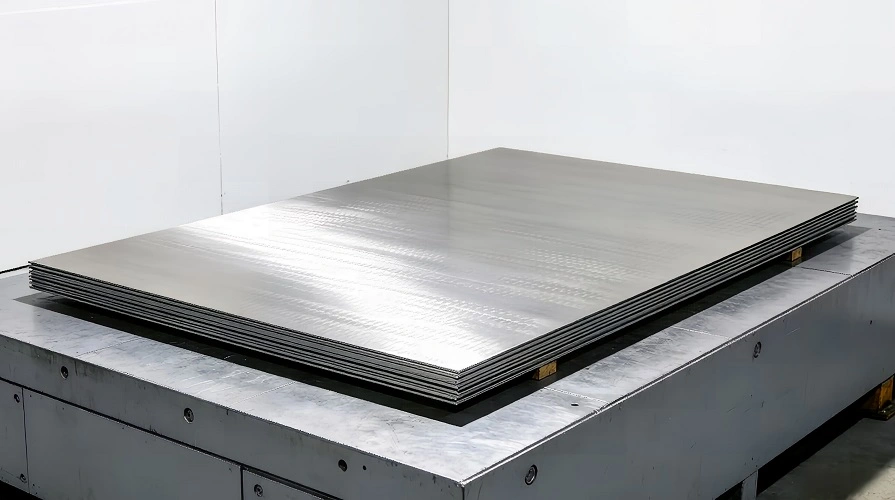
Understanding Corrosion Resistance in Titanium Metal Plates
Finding out how resistant titanium metal plates are to corrosion is essential for high-performance engineering. Corrosion resistance is how well a material can keep chemicals from breaking it down in hard conditions. Corrosion usually comes in three forms: pitting (holes), crevice corrosion (attack in small spaces), and stress corrosion cracking (failure when stretched). Titanium is one of a kind because it naturally has a TiO₂ oxide film. This is a very thin, clear layer that forms as soon as air or water touches it.
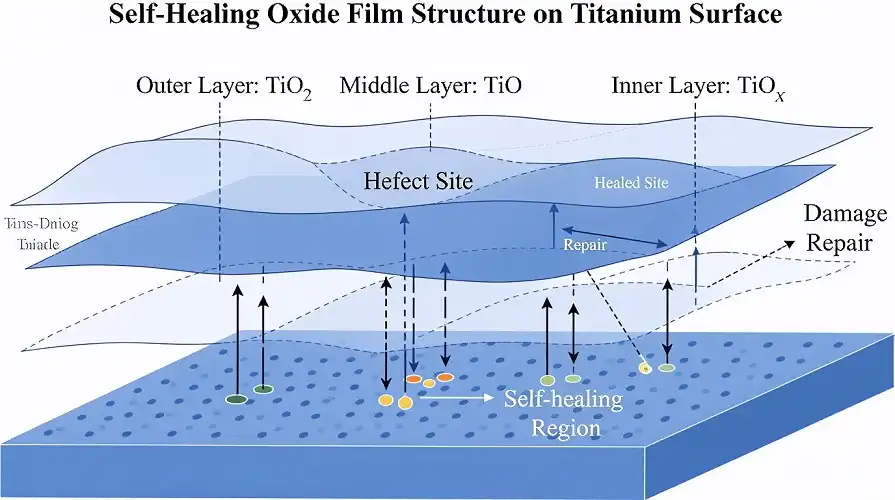
The Self-Healing Oxide Layer
This passive film keeps growing back even after it's been broken. There are different kinds of protection on steel, and once they are broken, they break down very quickly. Titanium's oxide layer stays stable at temperatures up to 600°C and pH levels between 3 and 12. What's more, the film is only 10–100 nanometers thick, but it fully blocks seawater, chlorine gas, and organic acids, all of which eat away at stainless steel in months.
Alloying Elements and Enhanced Protection
Titanium by itself is very strong, but adding other elements to it makes it more useful in more cases. When you add aluminum (in Grade 5 Ti-6Al-4V), it makes it stronger against rusting at high temperatures. This is very important for parts that go into airplane engines. Some metals are more resistant to acids when they contain vanadium. Alloys that contain molybdenum, such as Grade 12, can handle mild acids and hot brines. When mixed with Grade 7 palladium, it can handle hydrochloric acid circumstances that would destroy other materials terribly. When these changes are made, the right materials can be used for the job. This lowers the cost of overengineering and makes the product more reliable.
Titanium Metal Plate Grades and Their Corrosion Resistance Performance
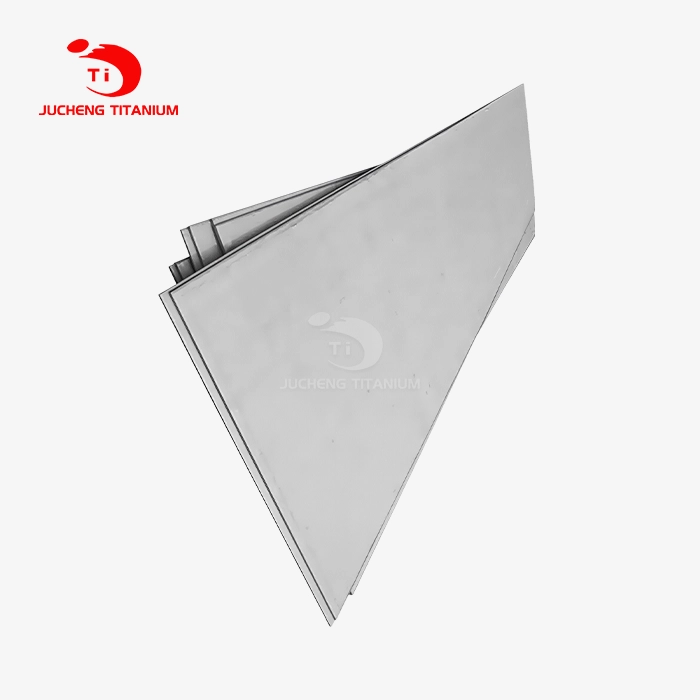
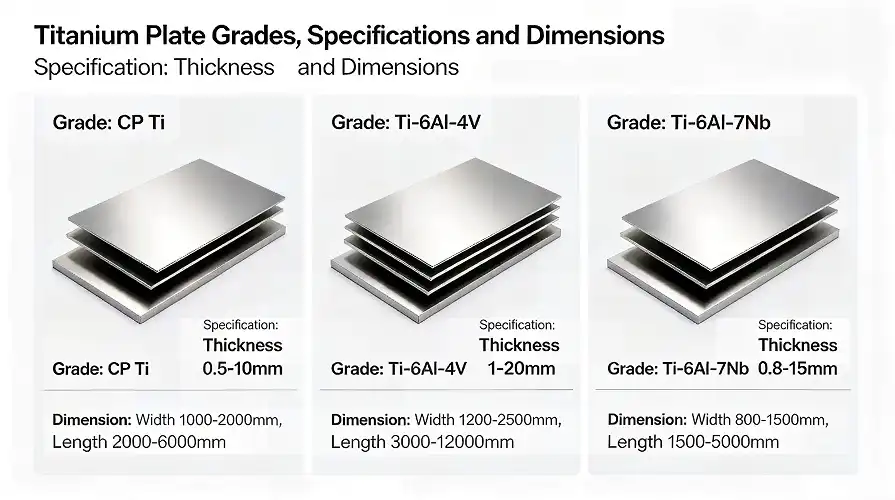
Choosing the right grade is important because it needs to protect against rust and do its job. Titanium metal plates that meet ASTM B265, ASTM F67, AMS 4911, and ASME SB265 standards are made by hot-rolling and annealing them. Plates can be up to 2500 mm wide and as thin as 4 mm or as thick as 80 mm.
Commercially Pure Grades
Grade 1 is made up of 99.5% titanium and no more than 0.18% oxygen. It can handle the least amount of rusting, but the weakest in terms of tensile strength (240 MPa). In evaporation plants and chemical plants that use weak acids, this type works great in heat exchanges and tanks. It can be deeply drawn and made in complicated ways without cracking because it can be shaped.
Grade 2, which is most often used, is the best at protecting against rust and has a moderate strength (345 MPa tensile). It's more important for chlor-alkali electrolysis cells, oil platforms at sea, and medicinal units to be clean and reliable than strong, so we've given them Grade 2 plates.
Grade 4 is stronger than Grade 2 (550 MPa), but it doesn't protect against rust any better. As long as they meet the standards for aerospace materials, they can be used for pressure tanks and structural parts of airplanes.
Alloyed Titanium Grades
Grade 5 (Ti-6Al-4V) is the most common airplane metal type. It has a tensile strength of 895 MPa and is very resistant to acids that oxidize metals. Because it is strong for its weight, it is ideal for chemical equipment, landing gear parts, and airplane structures that need to last and not rust. The mechanical properties get even better with heat treatment, which doesn't hurt the structure of the oxide film.
Grade 7 contains between 0.1 and 0.25% palladium. This makes it more resistant to rust in reducing acid environments, such as those with mixed hydrochloric and sulfuric acid. This kind is chosen by chemical plants that work with acid streams because it doesn't break as easily as stainless steel.
Grade 9 (Ti-3Al-2.5V) is a good middle ground between price and power. It is stronger than widely pure grades and makes it easier to shape when it's cold than Grade 5. There are traits in this group that help people who make bicycle frames and people who use industrial tubes.
Grade 12 (Ti-0.3Mo-0.8Ni) is better at stopping crevice rust in hot chloride solutions. Because of this, it can be used for hydrometallurgical processes and to make electricity from geothermal energy. Based on what we've seen, Grade 12 plates can last up to fifteen years, while stainless steel would only last two years.
If buying teams know these differences, they won't order too many expensive metals when the purity on the market is enough or not enough, or when harsh conditions need more protection.
Corrosion Resistance Advantage Over Other Metal Plates
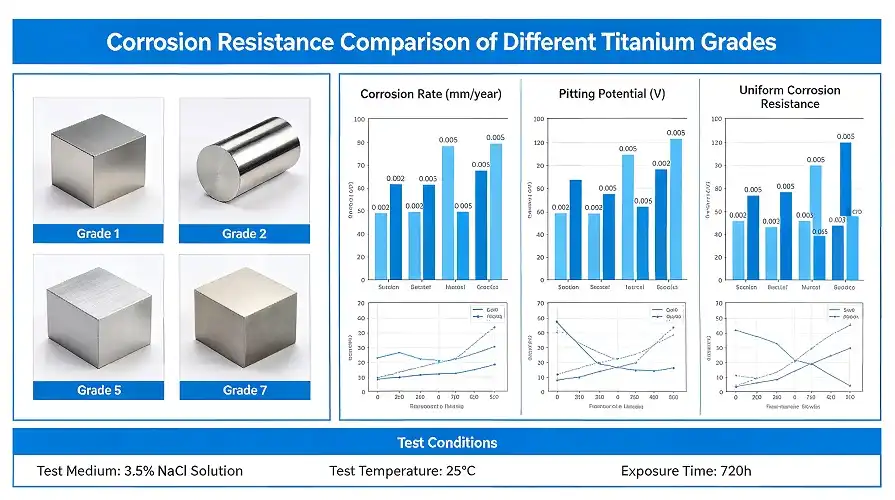
There are many more costs than just the price of the thing itself that are affected by the choice of material. It's important for business that you know the difference between a titanium metal plate and other materials when you compare how well they fight rust.
Titanium Versus Stainless Steel
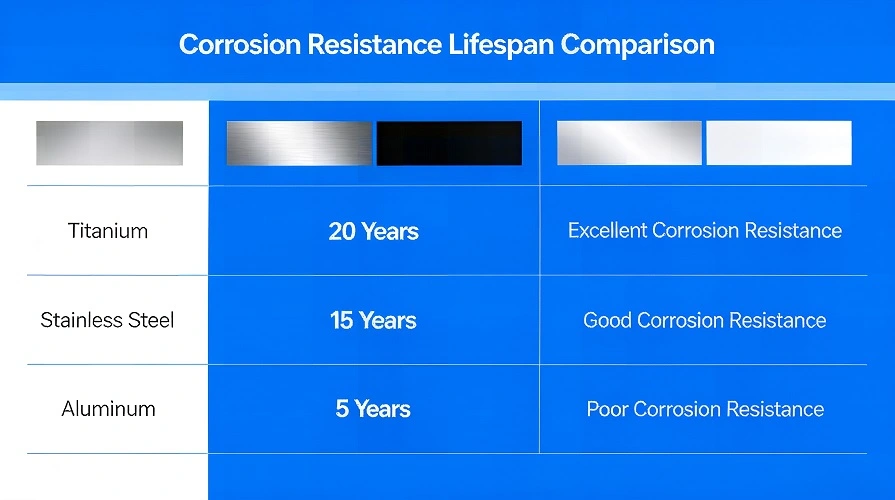
The film that protects stainless steel breaks down when chloride levels rise above 1000 ppm. This happens a lot in saltwater, salty water, and many industrial processes. Seawater at 60°C starts to erode in pits, which eventually causes the wall to break through. No matter how hot or strong the chloride is, it can't hurt titanium, so it never needs to be replaced. Every 18 months, the 316L stainless steel heat exchanger plates at the chemical company where we work are changed. Once they moved to Grade 2 titanium plates, the service life went up to more than 12 years, and checks showed that there was no rust.
Weight and Lifecycle Economics
Aluminum is not as thick as titanium, but it corrodes quickly in acidic or basic environments, so it can only be used in pH-neutral ones. Aluminum's oxide coat breaks down in both acids and bases, but titanium's oxide coat stays strong in a lot of different chemicals. Titanium is three to five times more expensive at first, but in acidic environments, it saves 40 to 60 percent over its lifetime by reducing the number of replacements and fix times. Owners of offshore platforms say that covered steel pipes only last 5 to 7 years, while titanium pipes last 30 years. This means that service teams are not as likely to be in dangerous situations.
Pure Titanium Versus Titanium Alloys
Types 1, 2, and 4 of pure titanium don't rust because they don't have many alloying elements that could connect with each other and make galvanic couples. In return for a lot of power and the ability to work in a lot of different places, titanium metals lose a little of their rust resistance. It's better for Grade 5 to deal with rust at high temperatures than Pure Grades, and Grade 12 is better sometimes when it comes to cracked rusting. Case studies from pulp and paper mills show that Grade 2 lasts for decades in bleach environments, but Grade 12 is needed in hot, acidic digester settings where the temperature and chloride concentration don't work well together.
Real-World Applications Benefiting from Titanium's Corrosion Resistance
Theoretically good things don't mean anything if they don't work in the real world. We've been making titanium metal plate tools for twenty years, which shows how resistance to rust makes work more efficient in many different types of businesses.
Aerospace and Defense Applications
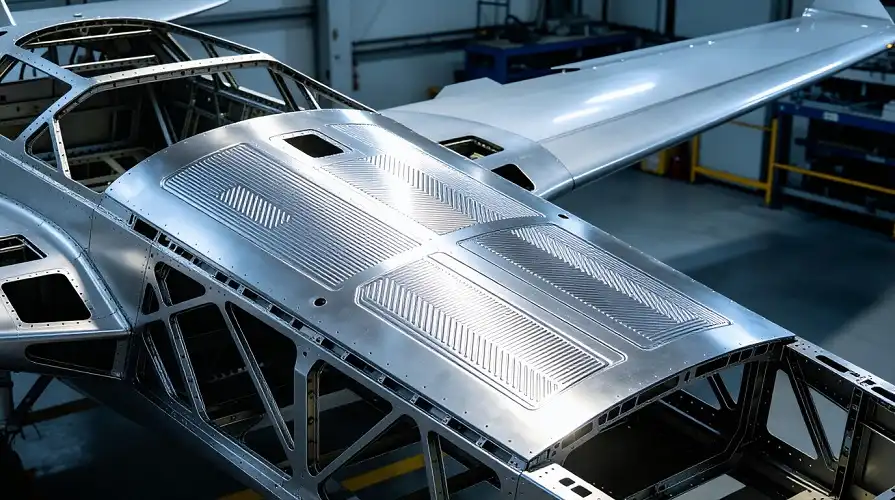
When an airplane is on a ship, the temperature increases from -55°C to 200°C, and its parts are exposed to salt fog and chemicals used to melt ice in the winter. It is possible for rust to cause cracks in bulkhead frames, landing gear parts, and bolt stock, so we offer titanium plates to protect them. Military specs say that materials must be certified and be able to be tracked. As part of our manufacturing process, we keep track of each heat lot and mechanically test the goods to make sure they meet ASTM standards. For airplane uses, this makes sure that we meet the needs of AMS 4911. Defense businesses choose our titanium plates because they are always of high quality and have been approved, which speeds up the process of making sure that important parts are safe to use.
Medical Device Manufacturing
Because they have to work well inside the body for decades, medical implants need to be safe and hard to damage. Our medical-grade titanium (ASTM F67) is used to make tooth implants, hip stems, and plates that fuse the spine. It stops metal ions from leaving the layer, which could start defense responses. Even after millions of loading cycles, the structure is still strong because it doesn't rust. Titanium is preferred by orthopedic instrument makers because it can withstand multiple steam cleaning cycles, which weakens stainless steel surgery instruments over time.
Chemical and Petrochemical Equipment
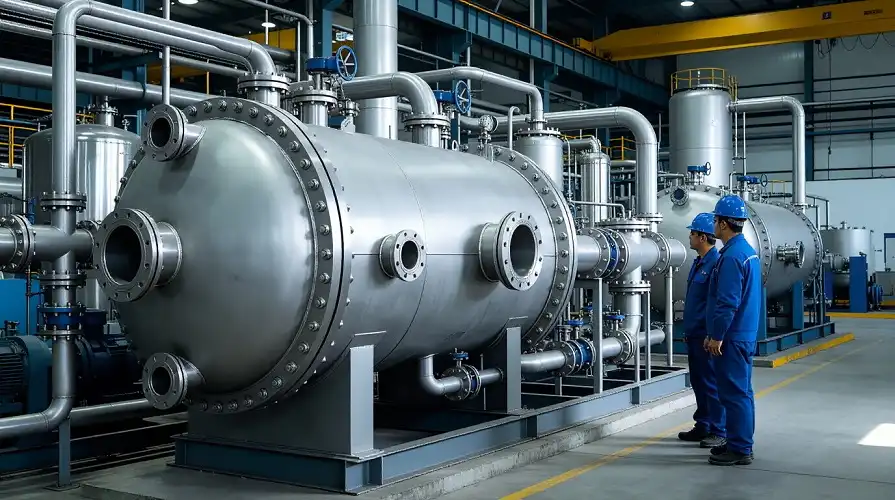
We make more than 500 sets of titanium tools for the chemistry business every year. Titanium is strong, so it keeps machines from breaking down and keeps goods clean in heat exchangers that deal with acidic cooling water, reactors that process chlorinated organics, and evaporators in desalination plants. We made the biggest titanium spiral plate heat exchanger in China for WUGANG Group. Other materials would have broken after a few months due to the salt and the high temperatures. Over 70% of the market is made up of our titanium anode plates. These are used in hydrometallurgical processes where other electrode materials are quickly destroyed by electrochemical corrosion. Chemical plant managers say that stainless steel equipment needs to be changed more often than titanium equipment because it is not as stable. Titanium equipment can be used 95% of the time or more.
Industrial Systems and Power Generation
Biofouling, brackish water, and chemical treatment agents are always causing rust in power plants, desalination plants, and industrial cooling systems. Tiny holes and rusty spots don't form in titanium condenser tubes and tube sheets as they do in copper-nickel and stainless steel sets. For business use in North America, our all-titanium air coolers are known for keeping their temperature effectively without getting choked or rusty. Carbon steel is broken down in months by ammonia, hydrogen sulfide, and high-temperature fumes, but our titanium equipment, which has a 90% market share in that area, can stand up to them.
How Titanium Metal Plates are Manufactured to Maximize Corrosion Resistance
How well rust protection works is directly related to how well the product was made. How titanium metal plates are made to block corrosion involves controlled processes and vacuum arc remelting at our plant in Baoji, China's Titanium Valley, to keep the oxide layer whole and make sure the material is pure.
Controlled Rolling and Annealing
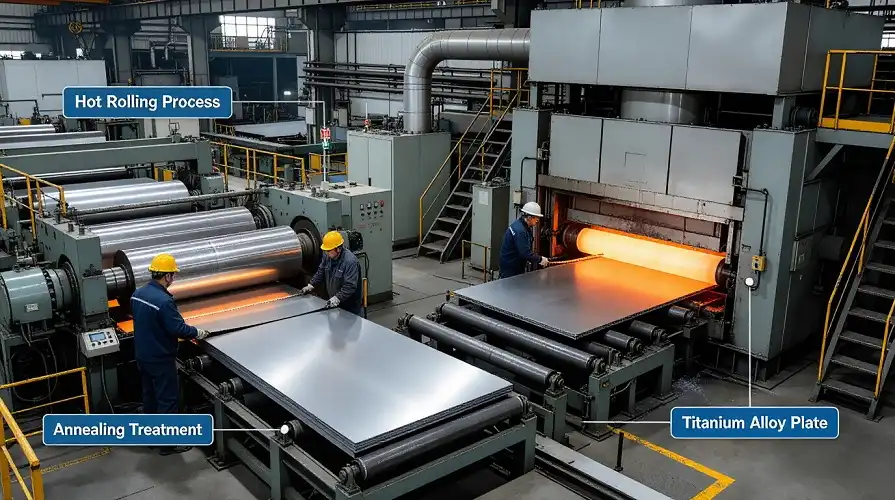
The first thing we do is vacuum arc remelt bars, which get rid of any flaws in the metal that make it more likely to rust. When plates are hot rolled at temperatures between 870°C and 950°C, they are between 4 mm and 80 mm thick and have a smooth surface. When you anneal something, you even out the structure of the grains and reduce the forces inside that could cause rust. The dynamic properties of the plate are the same all the way across its length (up to 10,000 mm) and width (up to 2500 mm). This is made possible by our process controls. That gets rid of any weak spots where rust could get in faster.
Surface Finishing and Passivation
Scratches, concealed impurities, and fractured oxide layers weaken the surface, making it less corrosion-resistant. After heating and rolling, plates are levelled to release pressure. To remove surface scale and restore the protective oxide covering, they are pickled in nitric-hydrofluoric acid. The surface may be polished, sliced, or acid-pickled depending on the user and product. Clean gasketed parts are less likely to break rust, and pickled surfaces stay together when welding or painting. Our quality control lab checks goods before shipping using ASTM E112 grain size analysis and ASTM B370 tension testing.
Custom Fabrication Capabilities
Before cutting, shaping, or finishing standard plate sizes, specific equipment is typically needed. We have 3,000 tonnes of Grades 1, 2, 4, 5, 7, 9, and 12 titanium to suit immediate demands. Custom production uses 0.5 mm precision, CNC machines to manufacture complex shapes, and unique surface treatments to reduce rust in chemical conditions. In the planning phase, our experts assist clients in determining the optimal grade and manufacturing process for pricing and performance. This consultative style has helped us create long-term partnerships with medical device producers, chemical plant contractors, and military primes who rely on our expertise for more than simply supply.
Conclusion
There is an oxide layer on the titanium metal plate that can grow back, which makes it very immune to rust. Because of this, it works well in places where other materials would fail quickly. If you choose the right grade for the environment and follow strict production rules and surface treatments, you can be sure that the wood will last for decades without needing any fixes. It costs more at first, but less downtime, longer equipment life, and fewer repairs more than make up for it. As environmental laws get tighter and business processes need to be more reliable, titanium's ability to resist corrosion is not only useful but also important for companies to stay in business.
Frequently Asked Questions
1. What makes titanium more corrosion-resistant than stainless steel?
What makes the titanium metal plate an even better rust-proof metal than stainless steel is that it forms a strong layer of titanium dioxide that is able to fix itself if it breaks. It also stays whole in salt conditions, acids, and high temperatures. More than 1000 parts per million of chloride are present, and the chromium oxide layer on stainless steel breaks down. This makes pitting and crevice rust happen. Water from the sea, streams used in chemical processing, and industrial settings often go above this level, which makes stainless steel weaker but not titanium.
2. How do I select the right titanium grade for my application?
The grade you pick depends on where you are and how strong you need to be. In chemical processes and at sea, grades 1 and 2 are the least likely to rust. Grade 5 protects aircraft and building parts from rust very well while also making them stronger. Grade 12 is great for hot chloride solutions, and Grade 7 is great for taking acids down. Our team of experts can look at how you work and tell you which grade will give you the best results for the least amount of money.
3. Can titanium plates be welded without losing corrosion resistance?
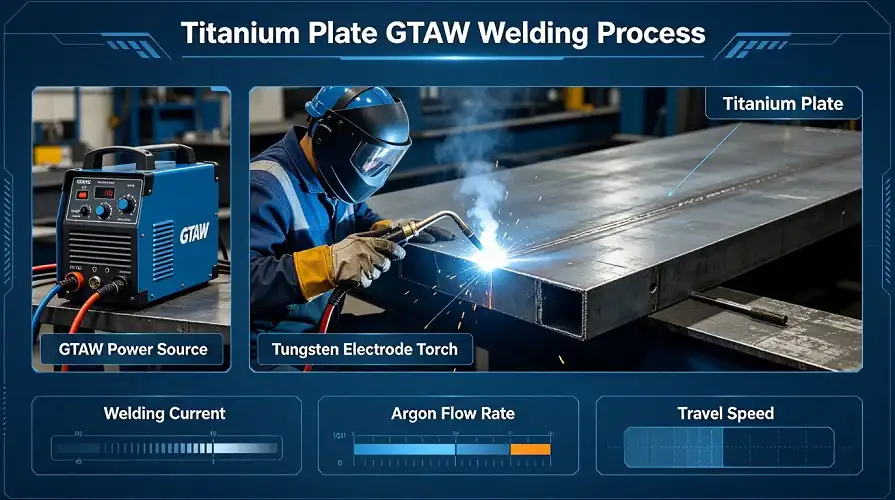
Titanium doesn't rust as long as the correct ways are used to join it. It is important to clean with argon so that oxygen and nitrogen don't get into the weld and weaken the oxide layer. After the weld, heat treatment, and passivation the full protection against rust. We have trained welders and clear directions on how to weld. They make sure that parts meet the requirements of airplane and pressure tank codes without changing the material's strength.
Partner with a Proven Titanium Metal Plate Manufacturer
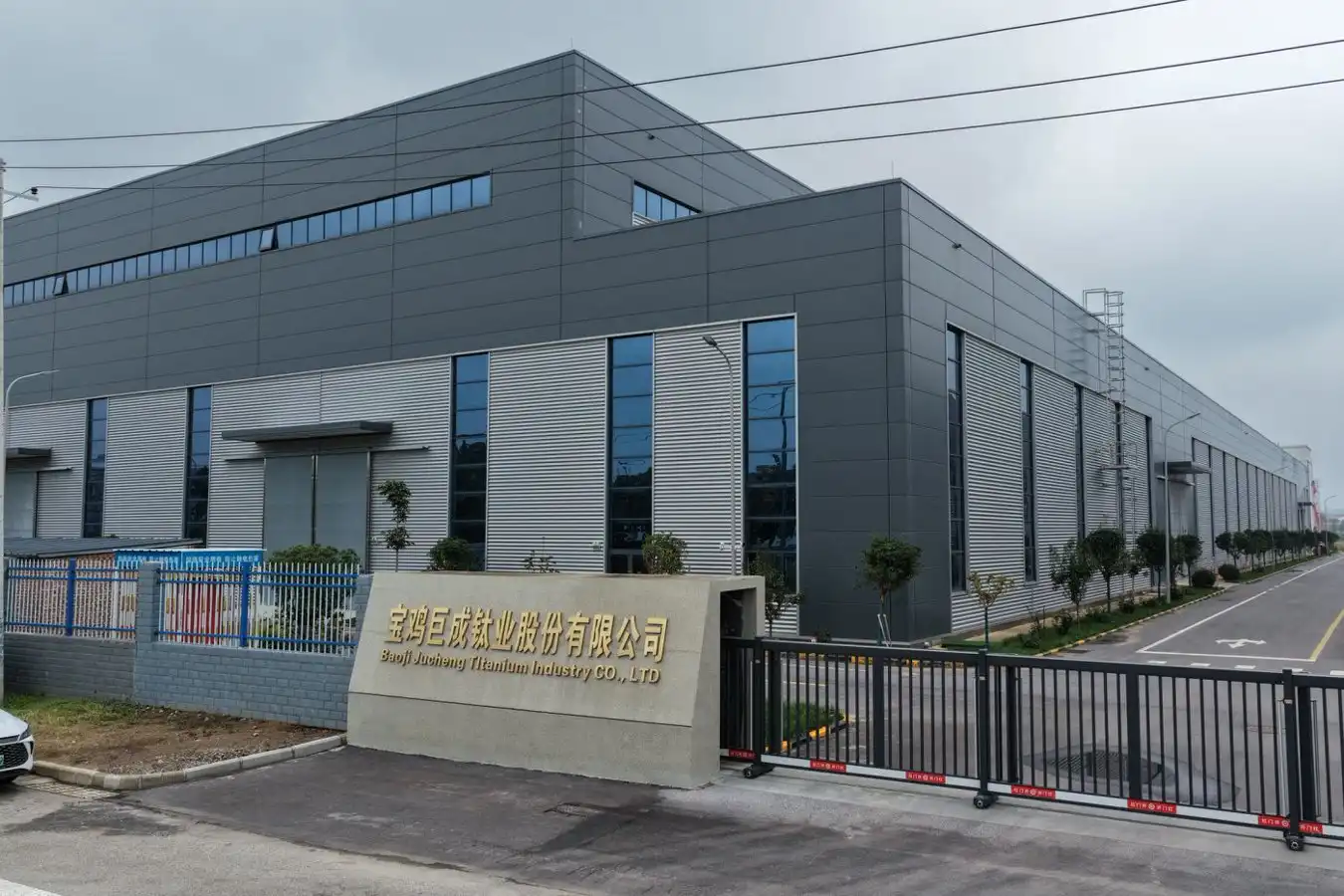
Baoji Jucheng Titanium Industry Co., Ltd. has been working with titanium metal plates for 20 years and has very good production skills that let them make stuff that won't rust and will keep your valuable equipment safe. There are 4 creation patents and 41 usage model patents that belong to our National High-Tech Enterprise. We keep 3,000 tons of approved goods in all major grades so that we can get things to projects quickly. Our customers trust us because we always give them good products and helpful expert support. That's why we have a 70% market share in hydrometallurgical uses and a 90% market share in coking tools. Our team has tried-and-true ways to stop corrosion issues, whether you need aerospace-approved plates with full tracking, parts that are made just for you, or engineering help for tough situations. Please email us at s4@juchengti.com so that we can put you in touch with titanium experts who know how to work with acidic materials. Discover why some of the biggest businesses that deal with chemicals, make parts for spacecraft, and do other work in the industry choose Jucheng Titanium as their long-term source for titanium metal plates.
References
1. Boyer, R., Welsch, G., & Collings, E.W. (1994). Materials Properties Handbook: Titanium Alloys. ASM International, Materials Park, Ohio.
2. Schutz, R.W. & Thomas, D.E. (1987). "Corrosion of Titanium and Titanium Alloys." Metals Handbook, Volume 13: Corrosion, ASM International, pp. 669-706.
3. Donachie, M.J. (2000). Titanium: A Technical Guide, 2nd Edition. ASM International, Materials Park, Ohio.
4. Cotton, J.D. (2006). "Titanium Alloys for Marine Applications." Advanced Materials & Processes, Volume 164, Issue 3, pp. 25-28.
5. Sedriks, A.J. (1996). Corrosion of Stainless Steels, 2nd Edition. John Wiley & Sons, New York, Chapter 8: Comparative Corrosion Resistance.
6. ASTM International (2021). ASTM B265-20: Standard Specification for Titanium and Titanium Alloy Strip, Sheet, and Plate. West Conshohocken, Pennsylvania.