
What are the chemical properties of the titanium rod?
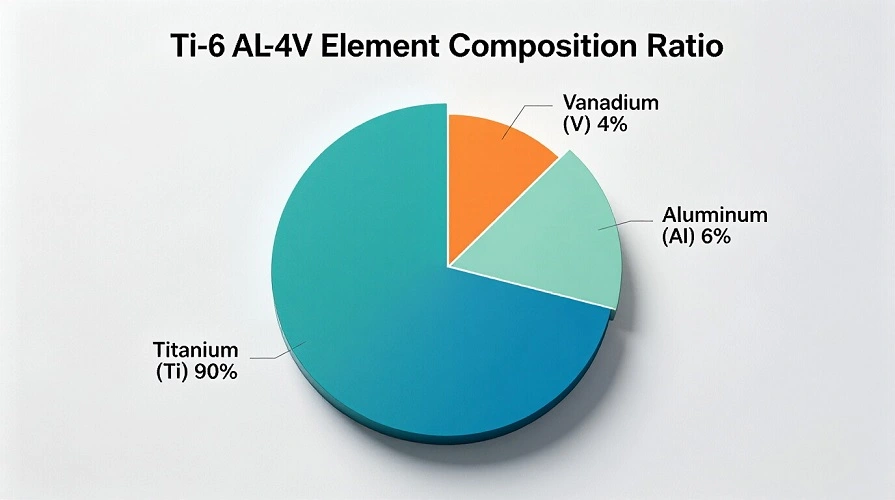
Grade 5 titanium bar (Ti-6Al-4V) has unique chemical properties that make it stand out in the industry. This metal contains 6% aluminium, 4% vanadium, and regulated trace elements such as iron (0.40%), oxygen (0.20%), and hydrogen (0.015%). The material resists corrosion in saltwater, chlorine solutions, and industrial acids due to its chemical characteristics. Engineers benefit from its low density of 4.43 g/cm³, combining chemical stability and mechanical performance to address challenges in sectors such as aerospace, chemical processing, and medical device manufacture. When purchasing personnel understand titanium rod chemistry, they may make choices that affect project outcomes, costs, and long-term reliability. After 20 years at Baoji Jucheng Titanium Industry, we've found that knowing fundamental chemical concepts alters how firms choose materials.
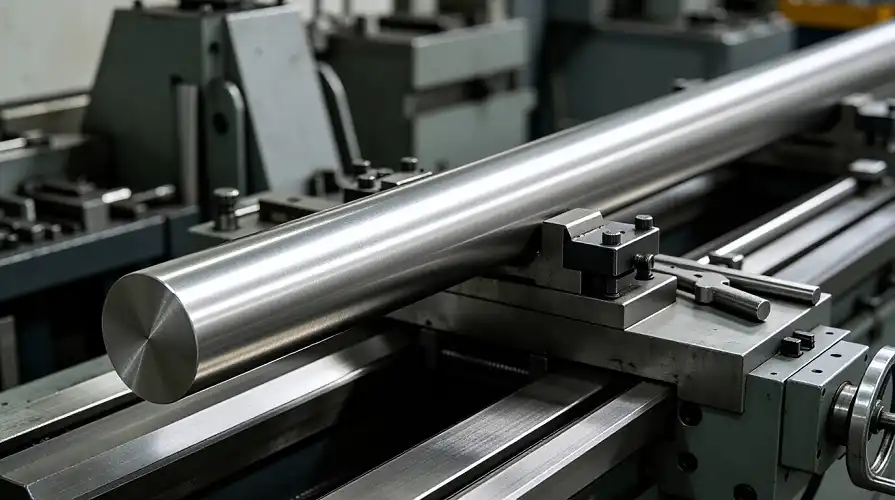
Understanding the Chemical Composition of Grade 5 Titanium Rods
The chemical equilibrium of the grade 5 titanium bar is remarkable. This alpha-beta alloy contains pure titanium, aluminium (an alpha stabiliser), and vanadium. Their microstructure is robust and simple to deal with.
Precise Elemental Balance in Ti-6Al-4V
The combination fulfils rigorous ISO 5832-3, ASTM B348, and AMS 4928 criteria. The solid solution is stronger and more resistant to high-temperature rust due to the 5.5%–6.75% aluminium concentration. Keeping vanadium between 3.5% and 4.5% stabilises the beta phase and makes the material more flexible throughout production. This precise balance allows chemical interaction, something neither element could perform alone.
Trace factors matter too. Iron and oxygen are maintained below 0.40% and 0.20%, respectively, to prevent cracking. Oxygen strengthens interstitial spaces without impairing flexibility when controlled appropriately. Avoid hydrogen embrittlement by keeping the quantity below 0.015 ppm. This is crucial for welding and high-temperature service.
How Chemical Composition Differs Across Titanium Grades
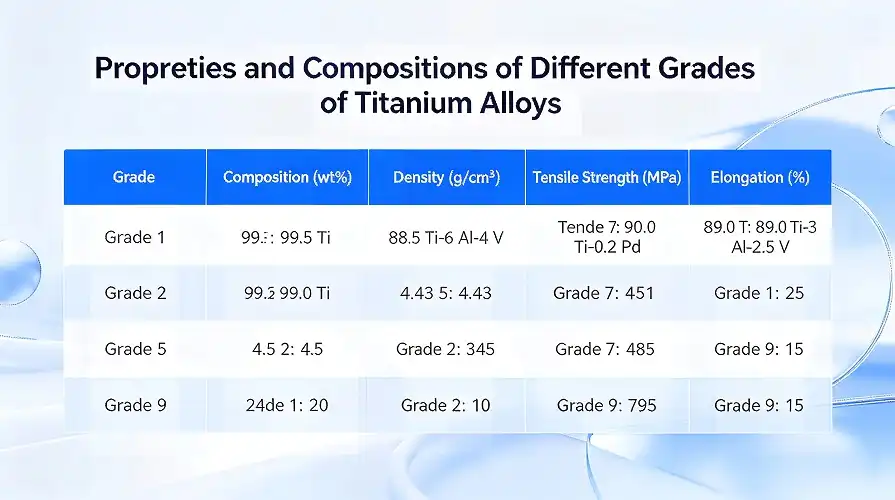
Grade 5 and commercially pure grades differ greatly. Grade 2 titanium is 99.2% pure with minor alloying. It resists corrosion and has 345 MPa tensile strength. Grade 5 has roughly three times the tensile strength of Grade 4 due to its alloying.
Grade 23 (Ti-6Al-4V ELI) contains the same aluminium and vanadium as Grade 5, but it restricts interstitial elements even further, with iron and oxygen below 0.25% and 0.13%. "Extra Low Interstitial" chemistry prevents cracks, which is crucial for medical implants. The addition of 0.1 to 0.25% palladium to pure titanium makes Grade 7 more resistant to reducing acids but weaker than Grade 5.
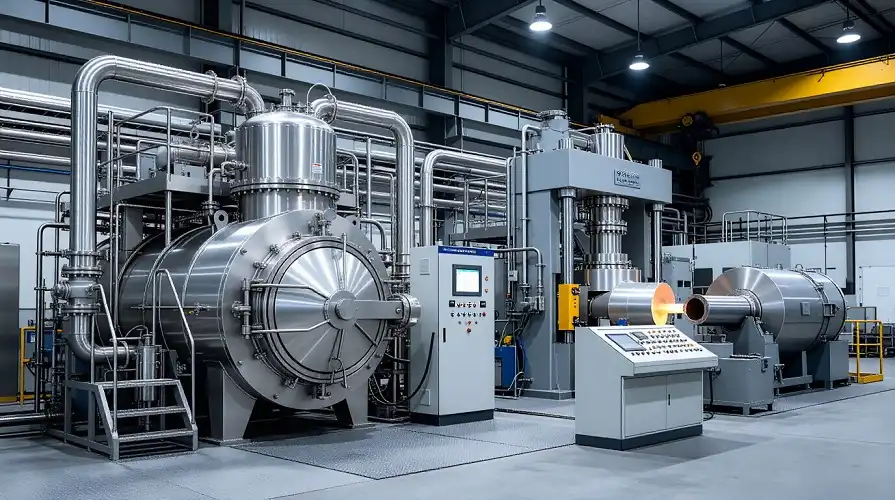
Jucheng Titanium makes Gr1–Gr23 rods. From æ6mm to æ450mm, sizes and lengths are available up to 6000mm (customisable to 12000mm). The chemical and aviation industries need each bar to have the same quantity of chemicals, which we achieve by vacuum melting and forging.
The Role of Alloying Elements in Performance
Aluminium has several uses beyond strength. The process reduces pure titanium mass from 4.51 to 4.43 g/cm³ and strengthens the natural titanium oxide coating with an aluminium oxide layer. This dual-oxide barrier renders Grade 5 resistant to continual service oxidation up to 315°C.
Vanadium's beta-stabilising action maintains a mixed alpha-beta structure at ambient temperature, which aids heat treatment. Annealing at 700–800°C decreases residual stresses and smooths the microstructure. Solution treatment above the beta transus (995°C) and ageing increase mechanical properties further. Because vanadium concentration closely affects heat treatment reaction, engineers may adjust performance for diverse purposes.
The formula also impacts machining ease. Grade 5's chemical constitution makes it work-harden when cut, requiring particular equipment and processes. By knowing how these chemicals react, producers can determine the ideal feeds, speeds, and tool shapes to save production costs and maintain measurement accuracy.
Key Chemical Properties Influencing Grade 5 Titanium Rod Performance
The chemical composition of Grade 5 titanium (Ti-6Al-4V) determines its performance in demanding applications. These inherent qualities solve reliability and operating cost issues in the industry.
Exceptional Corrosion Resistance Mechanisms
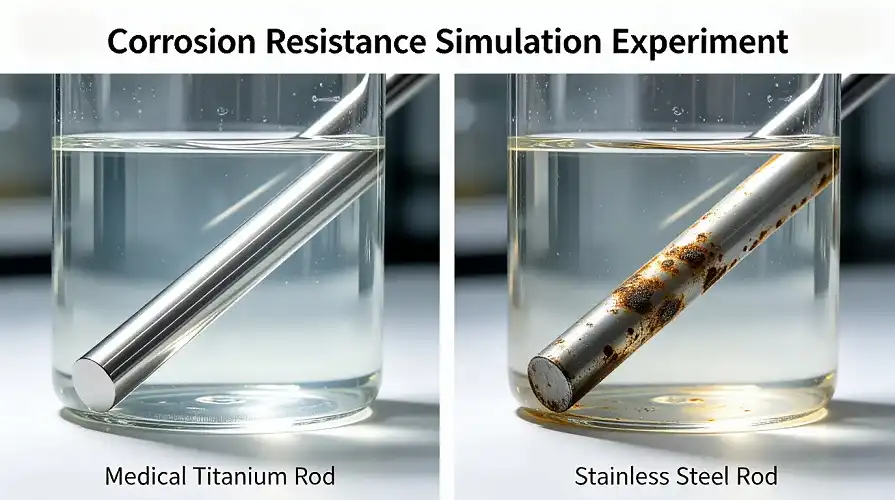
Grade 5 titanium develops a self-healing TiO₂ passivation layer when exposed to air or water. This nanoscale coating (1-10 nm thick) quickly repairs mechanical damage, safeguarding scratched or worn surfaces.
Although chloride-induced stress corrosion cracking is a prevalent failure mechanism for marine and chemical stainless steels, it resists it well. Laboratory tests revealed no pitting after 5000 hours in 10% NaCl at 60°C, which would badly pit 316 stainless steel in months.
The alloy resists oxidising acids, including nitric and chromic acid, at 70% concentrations and near-boiling temperatures, making it perfect for chemical processing equipment where material failure might cause expensive shutdowns.
Compatibility must be checked for reduced environments. Strong alkalis and hydrofluoric acid may tear down the passive layer, thus palladium-stabilised grades like
Grade 7 may be better. Chemical compatibility tables for process media are essential.
Heat Treatment Response and Chemical Stability
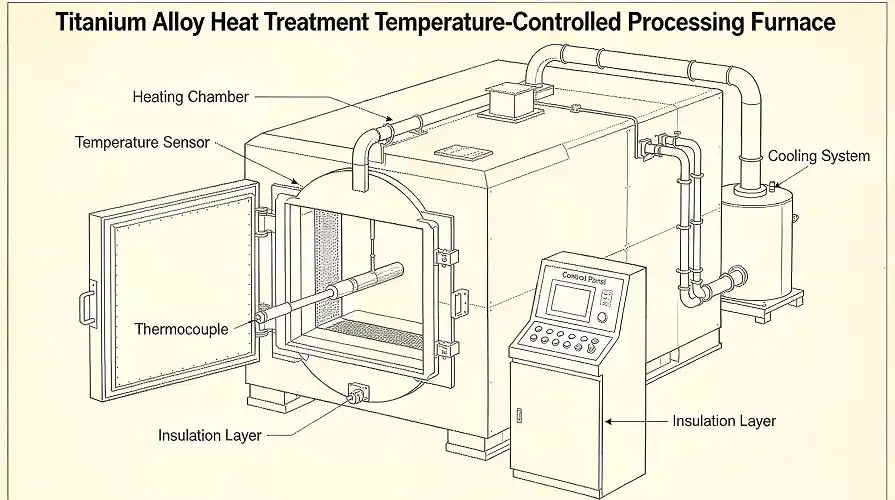
Al-V chemistry allows heat treatments that commercial titanium cannot. Standard annealing (700–800°C, air or furnace cooled) creates a consistent alpha-beta microstructure that balances strength and ductility and relieves internal stresses.
Advanced processing includes solution treatment above the beta transus temperature and fast cooling to generate a martensitic structure. Ageing at 480-650°C causes regulated precipitation of fine alpha (Ti₃Al) particles in the beta matrix. Due of vanadium's beta-stabilizing action and aluminum's ordered phase formation, precipitation hardening boosts yield strength by 10–15% while preserving ductility.
Uncontrolled ageing may generate “alpha case”—a hard, brittle, oxygen-enriched surface layer that decreases fatigue life. Air-controlled furnaces with precise time-temperature cycles avoid this, maintaining cross-sectional chemical uniformity.
Validated heat cycles during casting and annealing, verified by metallography and mechanical testing, provide comparable chemical and mechanical qualities across batches, decreasing engineer variability.
Chemical Contributions to Mechanical Strength
Multiple synergistic strengthening processes provide the alloy with its minimum 895 MPa tensile strength:
- To strengthen solid solutions, aluminium and vanadium atoms disrupt the titanium lattice, preventing dislocation motion.
- Interstitial strengthening: Oxygen atoms (0.13-0.23%) enhance strength by ~70 MPa every 0.1% increase, but must be balanced to prevent brittleness.
- Heat treatment results in fine, coherent Ti-Al precipitates that inhibit dislocation glide with low ductility loss, resulting in good strength and ≥10% elongation.
The chemistry affects fracture toughness (KIc: 44-66 MPa√m). This number was sufficient for many structural uses, but Grade 23 (with lower interstitials) sacrifices strength for damage tolerance in important aerospace applications.
Engineering Implications: These chemistry-property connections help engineers forecast performance and choose safety considerations. Grade 5 titanium bar pressure vessels may function at greater design pressures than pure titanium counterparts, reducing wall thickness, weight, and system cost for large-scale installations.
Practical Applications Driven by Chemical Properties
The distinct chemical composition of Grade 5 titanium (Ti-6Al-4V) unlocks its use in critical applications where alternative materials fail or are cost-prohibitive. Its inherent properties are leveraged globally to solve mission-specific engineering challenges.
Aerospace and Defense
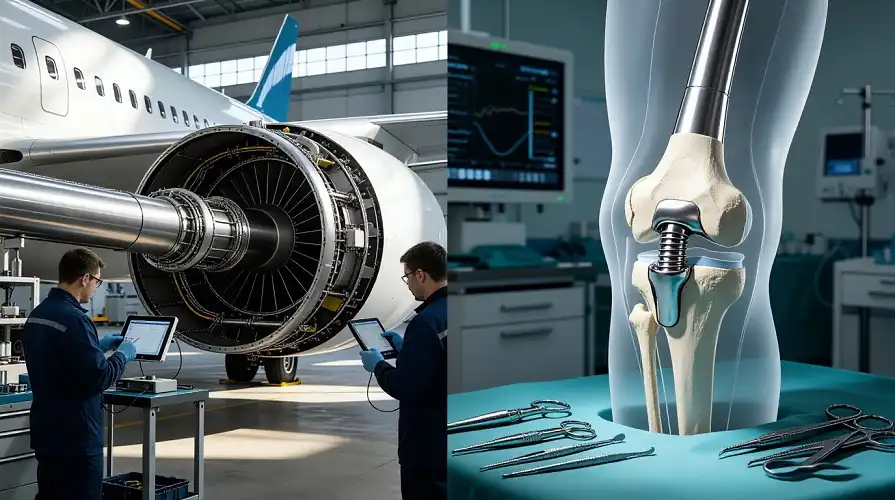
In aerospace, Grade 5’s chemical stability and exceptional strength-to-weight ratio make it indispensable for bolts, engine components, and airframe structures. Jet engines routinely exceed 300°C; the aluminium-stabilised oxide layer remains protective at these temperatures, and the alloy retains approximately 80% of its room-temperature strength. Its inherent resistance to aviation fuels, hydraulic fluids, and de-icing agents eliminates galvanic corrosion concerns when contacting other metals, simplifying assembly and extending service intervals over an aircraft’s decades-long lifespan.
Naval applications similarly exploit this corrosion resistance. Submarine hulls, propeller shafts, and ballast tank fittings are fabricated from Grade 5 to withstand relentless seawater chloride attack, hydrostatic pressure, and fatigue—without the weight penalty of corrosion-resistant steel alloys.
Chemical Processing and Industrial Equipment
The alloy is a mainstay in chemical processing for reactors, heat exchangers, and piping systems. Its combination of high thermal conductivity (~6.7 W/m·K) and unparalleled corrosion resistance is ideal for heat transfer. While less conductive than copper or aluminium, its performance is sufficient and far superior in longevity; titanium exchangers routinely last 20–30 years compared to 5–8 years for alternatives like copper-nickel in cooling water service. This results in a clear total cost of ownership advantage despite a higher initial price.
Its chemically inert, smooth surface is crucial for processes involving oxidising acids, bleaches, and high-purity requirements. Unlike stainless steels, which can leach iron, chromium, and nickel, Grade 5 titanium prevents product contamination—a non-negotiable factor in pharmaceutical and semiconductor manufacturing. Its proven reliability is demonstrated in large-scale installations, such as hybrid tube bundles in petrochemical plants and massive spiral-plate heat exchangers.
Medical and Biomedical Devices
For medical applications, ASTM F136/ISO 5832-3 compliant Grade 5 leverages its biocompatibility. The stable, passive oxide layer is non-toxic and promotes osseointegration, enabling direct bone bonding for dental implants, bone plates, and hip stems. While the extra-low interstitial Grade 23 is preferred for high-stress implants, Grade 5 remains standard for surgical tools, external fixators, and temporary devices. Its chemistry supports repeated steam sterilisation and is non-magnetic, ensuring MRI compatibility—a critical modern requirement.
Production under strictly controlled conditions ensures compliance with FDA and international regulatory standards, with each batch undergoing rigorous chemical and mechanical verification.
Machining and Fabrication Considerations
The very chemistry that provides strength also influences machinability. Titanium’s low thermal conductivity causes heat concentration at cutting edges, accelerating tool wear. Furthermore, its high-temperature chemical reactivity can lead to built-up edge formation, degrading surface finish.
Effective machining requires carbide or polycrystalline diamond tools, abundant coolant, and carefully optimised cutting parameters. Processes like centerless grinding, precision turning, and straightening are refined to balance productivity with tight tolerance control.
Post-fabrication finishing is chemically driven. Acid pickling with hydrofluoric and nitric acid solutions removes the brittle, oxygen-rich "alpha case" and scale from thermal processing, restoring a fully corrosion-resistant surface. These finishing steps are integral to delivering components that meet immediate service requirements.
Procurement Insights for Grade 5 Titanium Rods
To successfully buy grade 5 titanium bar, you need to know how the market works, how to check the quality, and how to handle the supply chain in a way that is different from buying regular metals. Twenty years of working with people around the world has taught us the key differences between projects that succeed and ones that fail and cost a lot of money.
Supplier Selection and Quality Verification
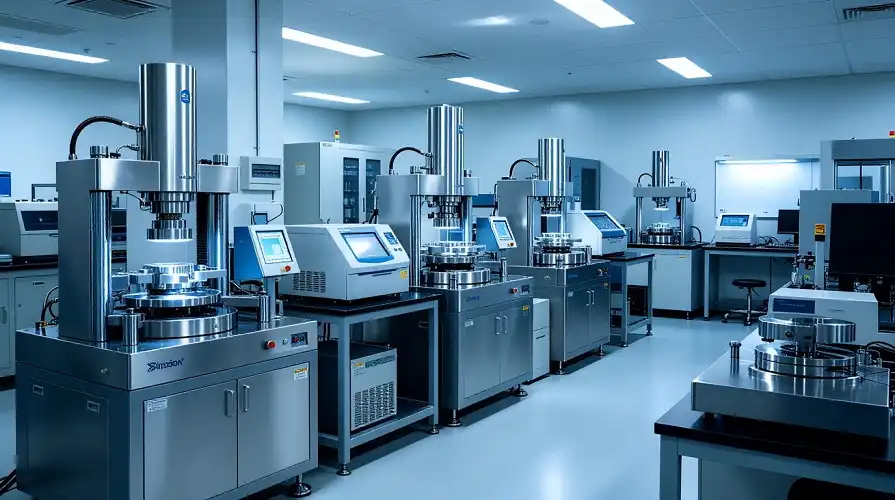
Verification of chemistry is the basis of quality assurance. Reliable providers give approved mill test results that show the chemical makeup by using spectroscopic analysis. Optical emission spectroscopy (OES) is usually used for metals and inert gas fusion for oxygen, nitrogen, and hydrogen. The production heat number that can be linked to specific rods should be written on these papers.
At Jucheng Titanium, every output lot goes through chemistry testing before it is released. The results are written down and kept so that customers can access them. We keep our ISO certification and meet the quality standards set by AS9100 for aerospace, which shows that we can serve the most difficult businesses.
In addition to chemistry, tensile testing of mechanical properties proves that makeup matches predicted performance. At room temperature, the tensile strength, yield strength, stretch, and decrease of area should all meet or beat the minimum requirements, and proof should be given. Our 41 utility model patents and 4 idea patents cover methods that make sure the mechanical qualities stay the same for all diameters between 6mm and 450mm.
When evaluating a seller, look out for red flags like not wanting to provide chemistry paperwork, not being able to connect lot numbers to mill reports, or prices that are much lower than the market rate. These are often signs of poor-quality materials or fake certification. In the aircraft business, fake titanium certifications have caused catastrophic failures. Thorough screening keeps these kinds of risks at bay.
Stock Availability and Customisation Capabilities
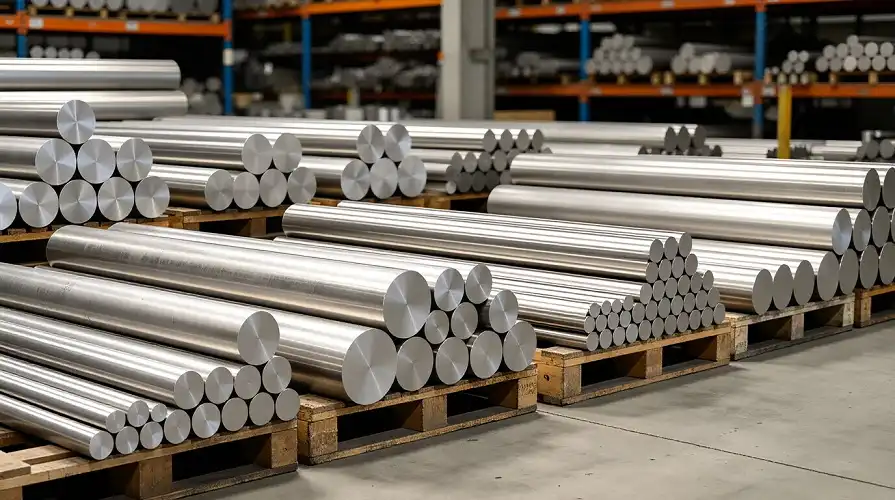
Grade 5 titanium is usually kept in stock in standard 6-meter lengths and popular diameters (10mm, 12mm, 16mm, 20mm, 25mm, and 30mm) to keep stocking costs low and customer demand high. For custom diameters and lengths, mill orders are needed, and the minimum quantities for each size are usually between 500 and 1000 kg, though smaller amounts may be offered at a higher cost.
Jucheng Titanium keeps about 3000 tons of titanium in stock all year, including Grade 5 pieces in common sizes that can be sent right away. This level of stock means that pressing project needs can be met quickly, without having to wait the 8–16 weeks that are usual for mill orders. For aircraft projects that need special heat treatments or sizes that aren't common, we can customise up to 450 mm diameters and 12-meter lengths, which are good for landing gear parts and big structure forgings.
Choices of surface finish affect both how something looks and how well it works. As usual, we offer a turned (peeled) surface for general machining stock, a centerless ground surface for precision applications that need tight diameter margins (±0.05mm), and a polished (bright) surface for medical devices and consumer goods. Pickled and sanded surfaces can be used for certain types of coatings or welds.
Certification and Standards Compliance
The chemistry and properties of Grade 5 titanium are governed by international norms. When buying around the world, it's important to keep area differences in mind. In North America, ASTM B348 is still the most common standard. In pressure tank uses, ASME SB348 meets the same technical requirements. ASTM F136 specifies surgical implant material with extra-low interstitials, and AMS 4928 covers bars and billets for aircraft uses with better quality rules.
European buyers look at ISO 5832-3 for medical implants and EN standards for commercial uses. These standards are mostly the same as ASTM requirements, but they may use metric measurements and different test rates. The Chinese national standard GB/T 2965 controls production in China and is being used more and more in foreign agreements as Chinese companies become more accepted in the market.
It is important for procurement specs to make it clear which standards apply and if there are any special needs, like ultrasonic inspection, chemical composition within tighter than standard ranges, or improvements to mechanical properties. At Jucheng Titanium, our expert team helps customers come up with specs that make sure the material will work without putting too many restrictions on it, which would raise costs or limit suppliers' choices.
Conclusion
Due to their chemical makeup, titanium rods, especially grade 5 titanium bar alloys, offer rust resistance, strength, and weight efficiency that can't be found in any other material. Engineers and buying workers can choose materials that work best for them and don't cost too much if they know the exact science behind them, from aluminium and vanadium alloying to controlled interstitial elements.
Grade 5 is very resistant to chloride rust, stable at high temperatures, and biocompatible. This is because it has a balanced molecular makeup and forms a protective oxide. Because of these qualities, it can be used in areas like aircraft, chemical processing, medical devices, and industrial equipment where failure of a material would have bad results.
When choosing titanium rods, you need to carefully look at the supplier's skills, the rods' chemistry, and how well they meet the specifications. Material buying can be turned from a transactional necessity into a strategic advantage that improves project results and long-term dependability by working with experienced makers who can show quality systems, technical knowledge, and prompt service.
FAQ
1. What makes Grade 5 titanium chemically different from pure titanium?
In terms of chemistry, how is grade 5 titanium bar different from pure titanium? Grade 5 is made up of about 6% aluminum, 4% vanadium, and titanium. It has an alpha-beta substructure that makes it nearly three times stronger than widely pure grades. These alloying elements improve the response to heat treatment and keep the protected oxide film stable at high temperatures. This means that pure titanium can be used in more situations.
2. How does chemical composition affect titanium rod corrosion resistance?
The aluminium in Grade 5 makes the natural titanium dioxide passive surface stronger, which protects against oxidising liquids and high-temperature oxidation. This two-oxide system protects stainless steels from chloride-induced pitting and stress corrosion cracking. However, reducing acids may need palladium-enhanced grades like Grade 7 to fully protect against them.
3. Can heat treatment alter Grade 5 titanium's chemical properties?
Heat treatment changes the substructure and mechanical qualities of a substance without changing its chemical makeup as a whole. Solution treatment and ageing move alloying elements around between phases, which makes the material stronger through precipitation. Too high temperatures or times, on the other hand, can create oxygen-rich alpha cases on surfaces that need to be removed to get back to their best fatigue performance.
Ready to Source Premium Grade 5 Titanium Bar?
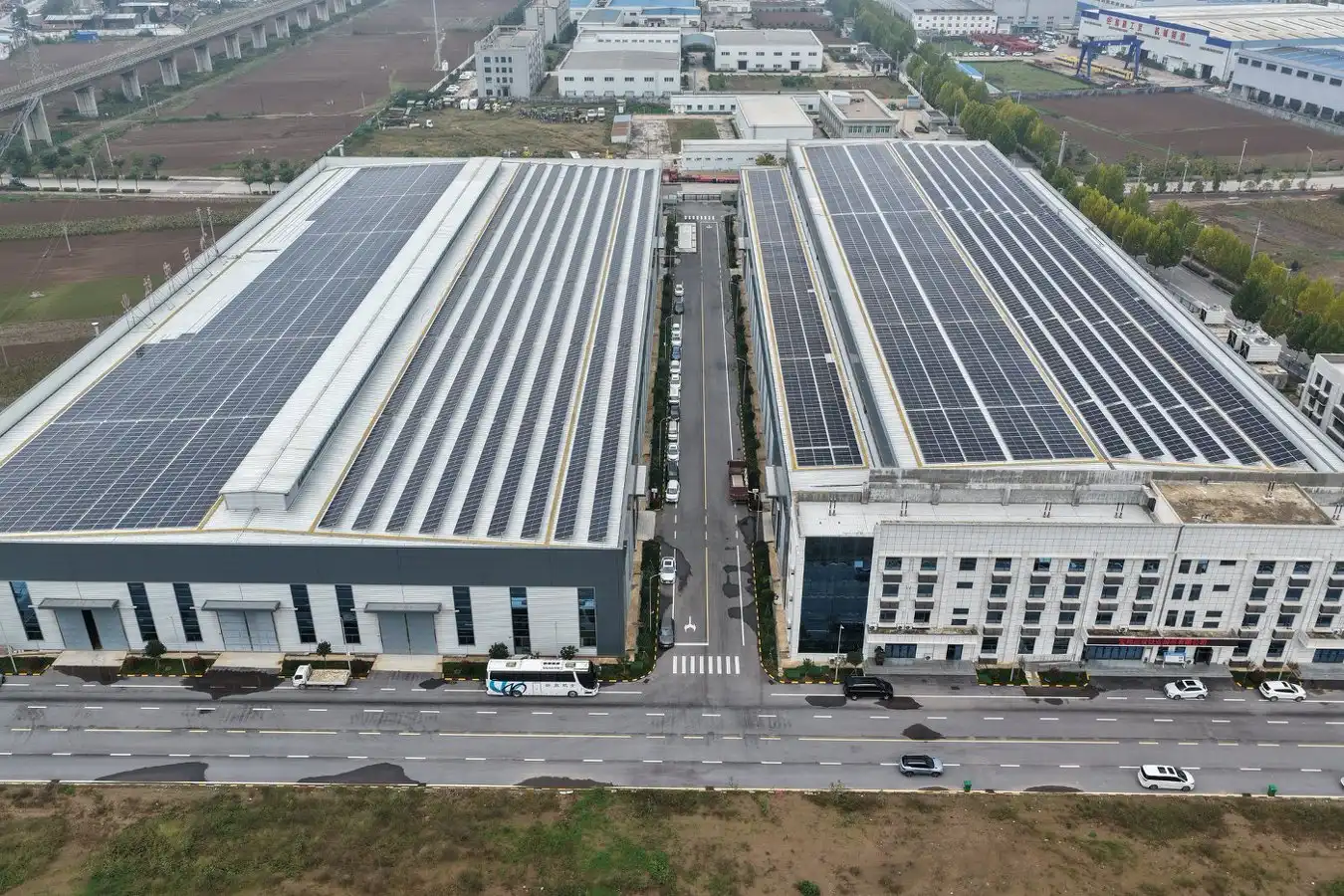
Jucheng Titanium is ready to help you with your grade 5 titanium bar needs. They have been making specialised products in China's Titanium Valley for over 20 years. We have a huge selection of Grade 5 titanium rods in diameters ranging from 6mm to 450mm. These rods are approved to meet ASTM B348, AMS 4928, and ISO 5832-3 standards and come with full chemistry documentation and tracking.
Our engineering team can help you choose the best material, whether you need standard stock sizes that can be sent right away or custom specs for uses in aircraft, chemicals, or medicine. We get rid of supply chain issues that put project plans at risk by keeping 3000 tons of stock on hand, processing materials in-house, and using tried-and-true foreign logistics. Email our experienced team of grade 5 titanium bar suppliers at s4@juchengti.com to talk about your unique needs, get certified mill test results, or get cheap quotes.
References
1. Donachie, M.J. (2000). Titanium: A Technical Guide, 2nd Edition. ASM International, Materials Park, Ohio.
2. Lütjering, G. and Williams, J.C. (2007). Titanium: Engineering Materials and Processes, 2nd Edition. Springer-Verlag, Berlin Heidelberg.
3. Schutz, R.W. and Watkins, H.B. (1998). "Recent Developments in Titanium Alloy Application in the Energy Industry." Materials Science and Engineering A, Vol. 243, pp. 305-315.
4. Boyer, R., Welsch, G., and Collings, E.W. (1994). Materials Properties Handbook: Titanium Alloys. ASM International, Materials Park, Ohio.
5. ASTM International (2023). ASTM B348-23: Standard Specification for Titanium and Titanium Alloy Bars and Billets. ASTM International, West Conshohocken, Pennsylvania.
6. Peters, M., Kumpfert, J., Ward, C.H., and Leyens, C. (2003). "Titanium Alloys for Aerospace Applications." Advanced Engineering Materials, Vol. 5, No. 6, pp. 419-427.