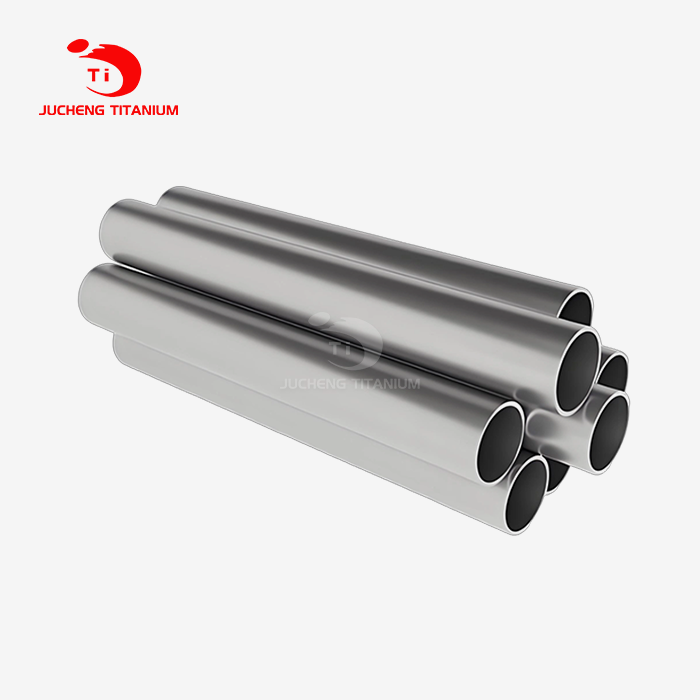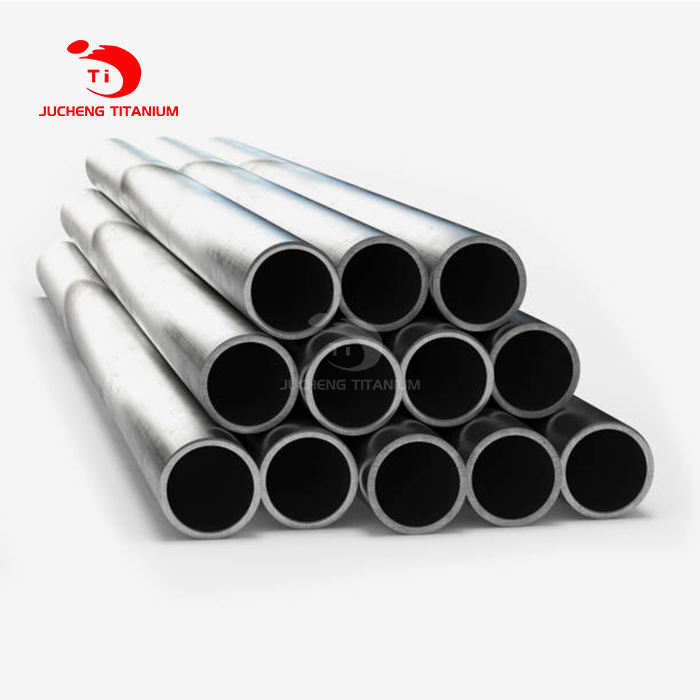

Gr12 Titanium Tube for Demanding Industrial Operations
When looking for materials for heat exchangers, chemical reactors, or pressure vessels that need to be able to handle high-temperature brines and corrosive environments, Gr12 Titanium Tube is one of the few options that is both durable and affordable. This special alloy tubing, with the number UNS R53400 on it, has 0.3% molybdenum and 0.8% nickel in it. It is placed between cheaper pure titanium grades and more expensive palladium-alloyed grades. Standard materials have failed on many projects when they were put under thermal stress or crevice rust. This intermediate-grade titanium is the best choice for tough industrial tasks that need to be able to withstand temperatures up to 260°C.
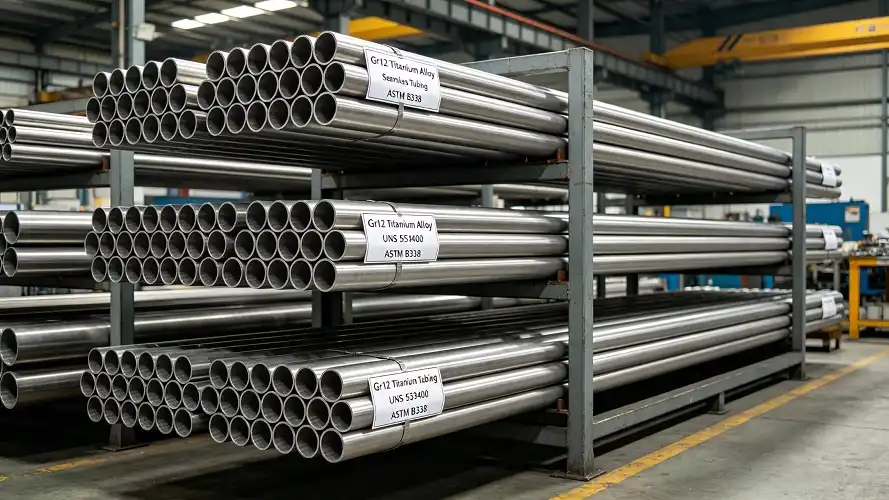
Understanding Gr12 Titanium Tube: Properties and Manufacturing
Chemical Composition and Structural Classification
This near-alpha Gr12 Titanium Tube is unique because of the exact chemicals that make it up. When makers add small amounts of Molybdenum (0.2–0.4%) and Nickel (0.6–0.9%) to titanium, they make a material that doesn't corrode in the same ways that pure titanium does in hot chloride solutions. This alloying strategy solves a major problem in the industry: standard commercially pure titanium can be attacked in certain areas when temperatures rise above 80°C in environments with changing pH levels.
The microstructure of the material has a regular near-alpha grain pattern that keeps the material's mechanical stability even when it is heated and cooled over and over again. In contrast to beta-rich alloys, which can show phase instability, this composition guarantees consistent performance over its entire service life. ICP-OES spectroscopy is used for chemical analysis to make sure that every production batch meets the strict compositional tolerances needed for ASTM B338 and ASME SB338 approval.

Advanced Manufacturing Processes
At every step of the way, making smooth titanium tubing requires precise metalworking control. To start the process, very pure titanium ingots are heated and pushed together using carefully controlled temperatures. Piercing operations make the first hollow shape, and then several cold rolling passes improve the wall thickness and accuracy of the dimensions.
An important part of improving mechanical qualities is the annealing heat process. Controlled heating cycles remove any remaining stresses and help the grain structure form as desired. Vacuum annealing is part of our manufacturing process to keep the surface clean and free of contaminants that could weaken corrosion resistance. After the heat treatment, acid pickling gets rid of any remaining scale, showing the shiny metal surface that is typical of high-quality tube.
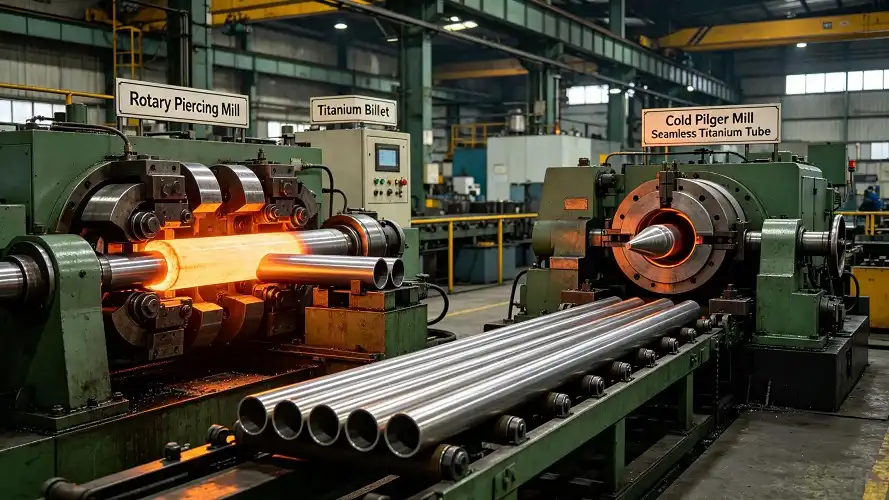
The straightening steps make sure that the dimensions are correct, and the finishing touches, like cleaning and precise cutting, get the tubes ready to be installed right away. The outside diameters that are available range from OD3 to OD219 mm, and the wall thicknesses range from 0.5 mm to 20 mm. Custom specifications can be made for specific uses, though.
Quality Control Protocols
Before materials leave the production plant, they are put through strict testing methods that make sure they meet all performance requirements. Non-destructive testing methods find problems that can't be seen with the naked eye. Longitudinal flaws can be found with eddy current testing, and internal inclusions or microcracks that could cause failure in service can be found with ultrasound analysis.
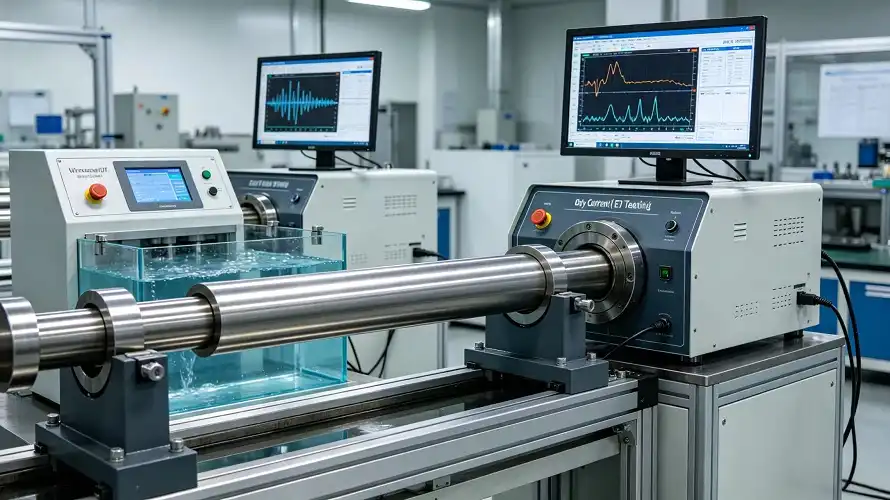
At room temperature, mechanical test systems check the tensile strength, yield characteristics, and elongation qualities. Flaring and bending tests show that tubing can handle tube-sheet growth while a heat exchanger is being made without breaking. Under normal operating pressures, pneumatic or hydrostatic pressure testing proves that the seal is leak-tight. These thorough quality control steps make sure that material certifications accurately show the physical properties of the products that are delivered.
Technical Applications of Gr12 Titanium Tube in Industry
Chemical Processing and Petrochemical Operations
Manufacturers of chemical equipment always use this type of Gr12 Titanium Tube for condensers, heat exchangers, and reaction tanks that deal with aggressive media. The addition of molybdenum and nickel greatly increases the service life in places where commercially pure titanium would break down quickly. The higher crevice corrosion threshold is helpful in hot brine uses, like desalination plants and chlor-alkali production.
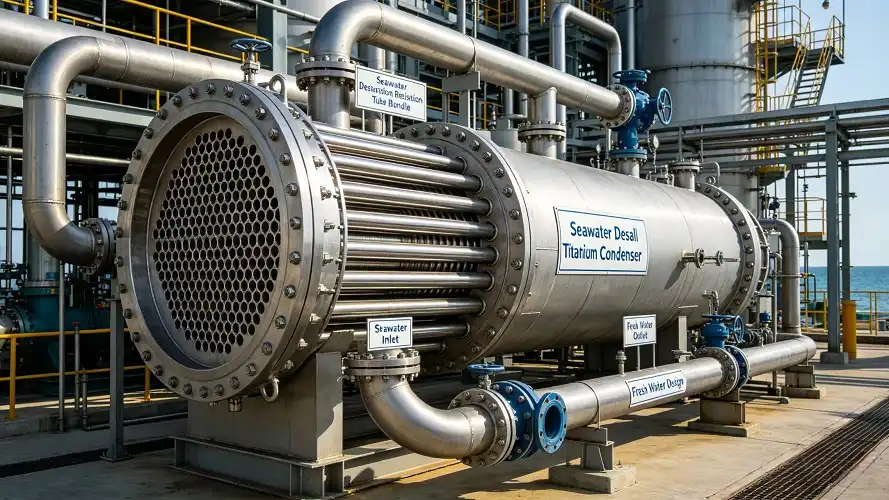
Process equipment that works with reducing acids or conditions that contain halides becomes much more reliable. The material keeps its passive oxide layer even when changes in temperature make concentration cells that would damage weaker materials. This feature directly leads to lower upkeep costs and longer periods between equipment replacements, giving plant workers a measurable return on their investment.
Fabrication's flexibility lets it be used in complicated pipe systems. For this grade, welding follows standard methods for titanium, making joints that are about the same in terms of their mechanical qualities as the base metal. When you bend something, you can get very small radii without affecting the structure of the wall. This lets you make heat exchangers that are small but still move heat efficiently, even in tight installation areas.
Aerospace and Defense Applications
Titanium metals are strong for their weight, which is something that makers of aerospace parts value. Seamless tubing is used in hydraulic systems, fuel lines, and environmental control equipment. It has to be able to handle vibrations, changes in temperature, and sometimes being exposed to aggressive fluids. This grade's mechanical properties, such as its ability to resist fatigue under cyclic loading, make it ideal for long-term uses where field replacement would be too expensive.
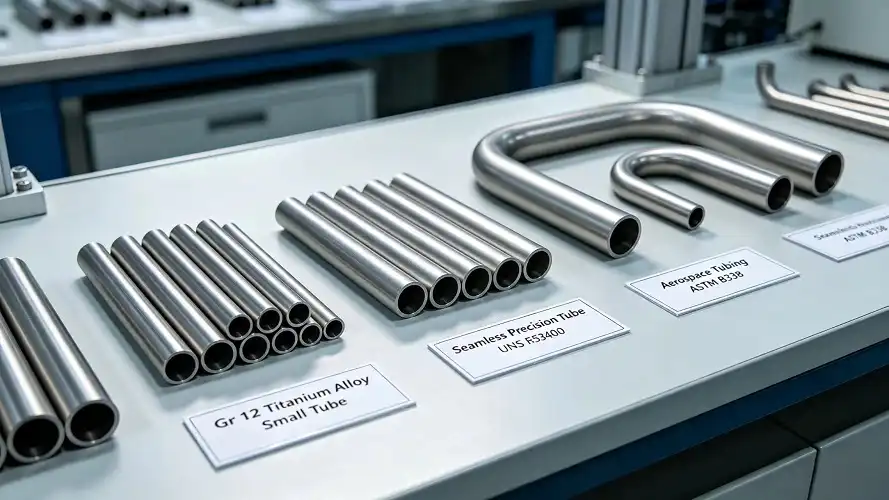
For aircraft procurement to meet traceability standards, all materials must be certified in detail. For each length of tube, there must be a test report that lists the chemical makeup, mechanical properties, and results of a non-destructive examination. Following the rules set out in AMS 4942 ensures that the properties of the materials meet the high standards needed for flight-critical systems.
Medical and Biomedical Equipment
For the best biocompatibility, medical implant makers usually choose commercially pure grades. However, this alloy's better qualities can be useful in some medical equipment uses. Materials that can stand up to multiple autoclave processes and cleaning chemicals are needed for making surgical instruments, sterilisation equipment, and pharmaceutical processing systems. Because it doesn't rust and is strong, this grade is good for demanding medical-related uses where patients don't come into direct contact with the material.
Precision cutting lets you make close-tolerance parts that are needed for putting together medical devices. Surface contamination that could break sterility rules can't happen in clean manufacturing environments. Material certifications show that the production processes used in regulated industries are controlled.
Comparing Gr12 Titanium Tube with Other Materials
Performance Against Commercially Pure Titanium
Grade 2 economically pure titanium is the standard for many corrosion-resistant uses. At normal temperatures, it has great resistance to oxidising acids and most salt solutions. But its performance range gets much smaller when temperatures rise or when shapes that form cracks make localised aggressive chemistry. The improved Gr12 Titanium Tube alloy fills in this performance gap without the higher cost that comes with grades that contain palladium.
When used in pressure vessels, differences in mechanical strength become clear. Adding molybdenum and nickel raises the yield strength by about 20% compared to pure material sold in stores. This lets thinner walls hold the same amount of pressure. This weight loss is helpful for mobile tools or buildings where mass limits affect how they are designed.
Comparison with High-Strength Titanium Alloys
Grade 5 (Ti-6Al-4V) is mostly used in places that need the highest strength-to-weight ratios, like aerospace structural parts. This alpha-beta combination does not have as much corrosion protection as near-alpha or widely pure alloys, though. When engineers choose materials, they have to weigh the results in terms of mechanics against how well they work with the surroundings.
The middle alloy is often the best choice for tools used in chemical processes. It's strong enough to keep air inside while also being very resistant to corrosion in halide conditions. The lack of aluminium makes it easier to handle material compatibility in complicated piping systems because there are fewer worries about galvanic coupling in assemblies made of more than one metal.
Cost-Performance Analysis
When buying materials, people have to weigh the need for efficiency against the limitations of their income. Palladium-alloyed Grade 7 titanium has great resistance to crevice rust, which means it can be used at higher temperatures and with harsher chemicals. But the palladium content makes the cost of the raw materials three to five times higher than with the molybdenum-nickel option.
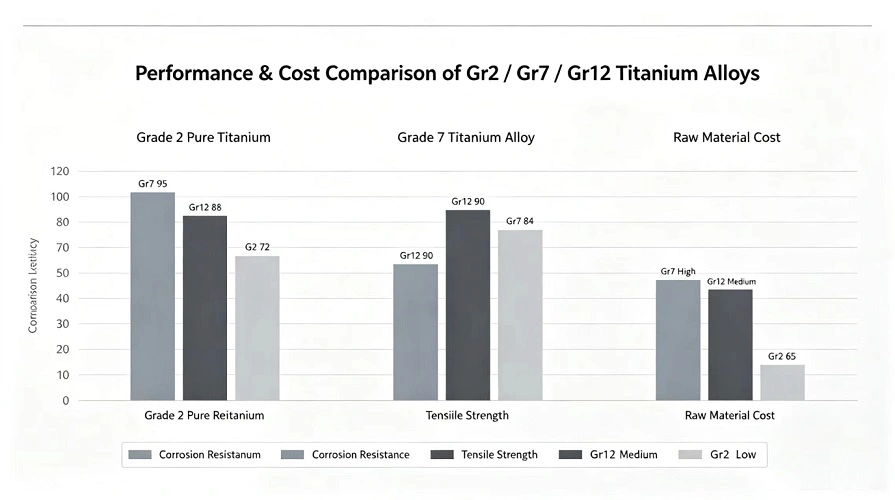
When looking at lifecycle costs, the middle grade is often the best choice for apps that work within its performance range. The small price increase compared to commercially pure titanium—usually 30 to 50 percent—is not noticeable when spread out over the service life of the equipment. Avoiding premature tube failure and unplanned maintenance shutdowns saves so much money on operations that they more than cover the cost of the materials themselves.
Procurement Considerations for Gr12 Titanium Tube
Supplier Qualification and Certification
To find a good Gr12 Titanium Tube provider, you need to look closely at their manufacturing skills and quality control methods. Certification to ASTM B338 or ASTM B861 standards gives you basic peace of mind, but a more in-depth look shows that the business is running at a high level. From receiving the raw materials to the final inspection, our facility maintains full traceability. For each production lot, unique identifiers are assigned that connect physical products to test documentation.
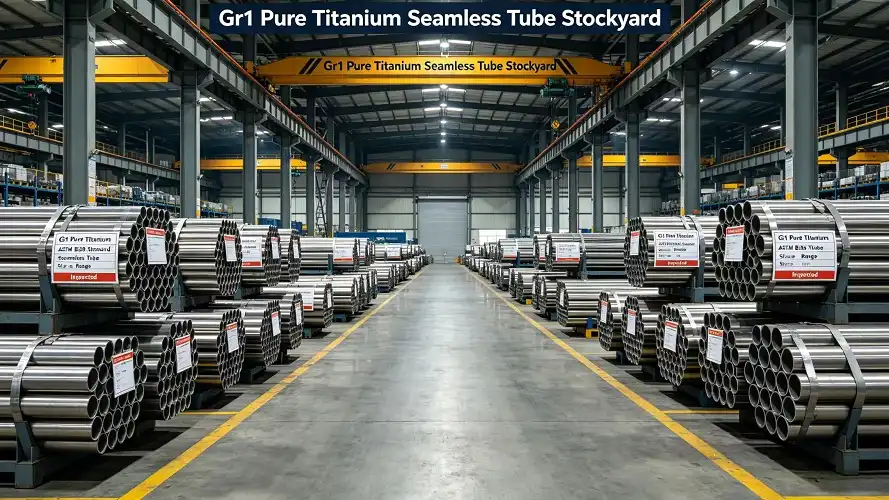
The supply of inventory has a huge effect on project timelines. Keeping about 3,000 tonnes of titanium in stock lets us respond quickly to customer needs. When building plans or machine breakdowns require quick delivery, having materials ready to be processed right away gets rid of the lead time problems that made-to-order suppliers often have.
The ability to provide technical help is what sets real production partners apart from commodity providers. Our engineering team works with customers to come up with specifications and make suggestions on the best alloys, tolerances for size, and surface finish needs. This consultative method stops design mistakes that lead to expensive changes or poor performance.
Order Minimums and Lead Time Management
The minimum order quantity is affected by the cost of production, especially for non-standard sizes or surface treatments. When you buy more than 100 kilograms of seamless tubes made by extrusion and cold rolling, it usually starts to be cheaper. Smaller amounts may have setup fees that cover the costs of preparing the tools and making sure the quality is good.
Standard sizes from stock can be shipped within days of proof of the order. Custom specs that need special production runs usually take six to ten weeks from the time the order is placed until the product is delivered, though this depends on how busy the factory is at the moment. Getting providers involved early on in the planning stages of a project helps keep everyone on track, which stops delays on the key path.
Pricing Benchmarks and Value Assessment
Titanium prices change a lot because of changes in the markets for raw materials, the demand cycle in aircraft, and the way the global supply chain works. Instead of just looking at the unit price, smart procurement workers look at the total cost of acquisition, which includes freight, import taxes, payment terms, and the chance that the product will have quality problems that need to be replaced.
Long-term supply agreements keep prices stable and make sure that supplies are distributed evenly during times when supplies are low. With volume commitments, you may be able to access better pricing levels that make the project more cost-effective. But these plans need accurate demand forecasts to keep costs down and avoid having too much inventory.
Making the Decision: How to Choose the Right Gr12 Titanium Tube Supplier
Defining Application-Specific Requirements
To successfully buy materials, you must first be clear about the conditions of use and the level of performance you expect. The best Gr12 Titanium Tube choice and size limits are affected by the temperature range, pressure ratings, fluid makeup, and expected service life. With detailed application information, suppliers can suggest the right grades and find any possible standard problems before production starts.
Surface finish and physical accuracy choices are affected by how the product will be installed. For tube-to-tubesheet welding, the edges need to be prepared in a certain way. Controlled hardness ranges that make tooling easier without too much deformation are needed for mechanical expansion joints. Talking about these details when making the quote keeps problems from happening during installation.
Evaluating Manufacturing Credentials
Audits of production facilities show skills that can't be shown by paperwork alone. Commitment to quality is shown by modern production tools, calibrated checking tools, and trained staff. With more than twenty years of experience in the titanium business, we know how to avoid common production mistakes during the process.
Patent files show how creative and technically knowledgeable someone is. We keep investing in process improvement and product development as shown by the fact that we have four invention patents and 41 utility model patents. These new ideas directly help customers by making materials better, making sure measurements are always the same, and finding cheaper ways to make things.
After-Sales Support and Partnership Value
Service life for equipment can last for decades, which means that it needs to be supported for a long time after it was bought. When suppliers offer technical advice, help with failure analysis, and access to replacement parts, they add a lot of value beyond the initial transaction. Our after-sales service team stays in touch with customers throughout the life of their tools and answers their questions with expert knowledge.
Custom manufacturing services make it easier to get things for big jobs. Integrated suppliers can deliver finished heat exchangers, reactor vessels, or piping assemblies, so you don't have to find raw tubing and hire a separate fabrication company. This "turnkey" method makes it easier to coordinate with vendors while putting more responsibility on the final product's success on one person.
Conclusion
When choosing the right Gr12 Titanium Tube for harsh industrial settings, you have to think about how well it resists rust, how strong it is, and how much it costs. This intermediate-grade material has molybdenum and nickel added to it to improve its performance. It does this without using palladium, which would raise the price, which is an issue with commercially pure titanium. In this specialised market, trusted providers stand out by their manufacturing know-how, thorough quality control, and quick response times for customer service. Chemical processing, petrochemical refining, and aircraft manufacturing all need materials that can work reliably in harsh situations. Titanium alloy tubing that falls between basic and premium types is the best value for procurement workers who know what they're looking for.
FAQ
1. Why should you buy this mixture instead of pure titanium?
The molybdenum-nickel alloying makes the Gr12 Titanium Tube much more resistant to crevice corrosion in hot chloride environments and reducing acids above 70°C. Under these conditions, standard commercially pure titanium can be attacked locally, which can cause equipment to break down early. The improved metal keeps its passive oxide layer even at temperatures as high as 260°C, which makes it last longer in harsh thermal processing situations. The alloying also raises the mechanical strength by about 20%, which lets the walls be smaller for pressure control.
2. In general, how long does it take to get unique tube orders?
Standard sizes that are already in stock can be shipped three to five business days after the order is confirmed. Custom specs that need specialised production runs, like outer diameters, wall thicknesses, or special surface treatments, usually take six to ten weeks from the time the buy order is accepted until the final delivery. Lead times depend on how much is bought and when it is scheduled to be made. Getting involved early in the planning stages of a project lets people work together on schedules, which stops important timeline impacts.
3. What is the difference between chemical protection and stainless steel?
Titanium metals are usually better at resisting rust caused by chloride than austenitic stainless steels, especially when used in high-temperature situations. In hot brine conditions, stress corrosion cracks or pitting can happen to stainless steel, but titanium's passive surface layer stays the same. However, titanium is not very resistant to strong reducing acids like sulphuric or hydrochloric acid. Stainless metals, on the other hand, may work well in these situations. To find the best metal for each job, material selection must take into account the process chemistry, temperature range, and concentration.
Partner with Jucheng Titanium for Superior Gr12 Titanium Tube Solutions
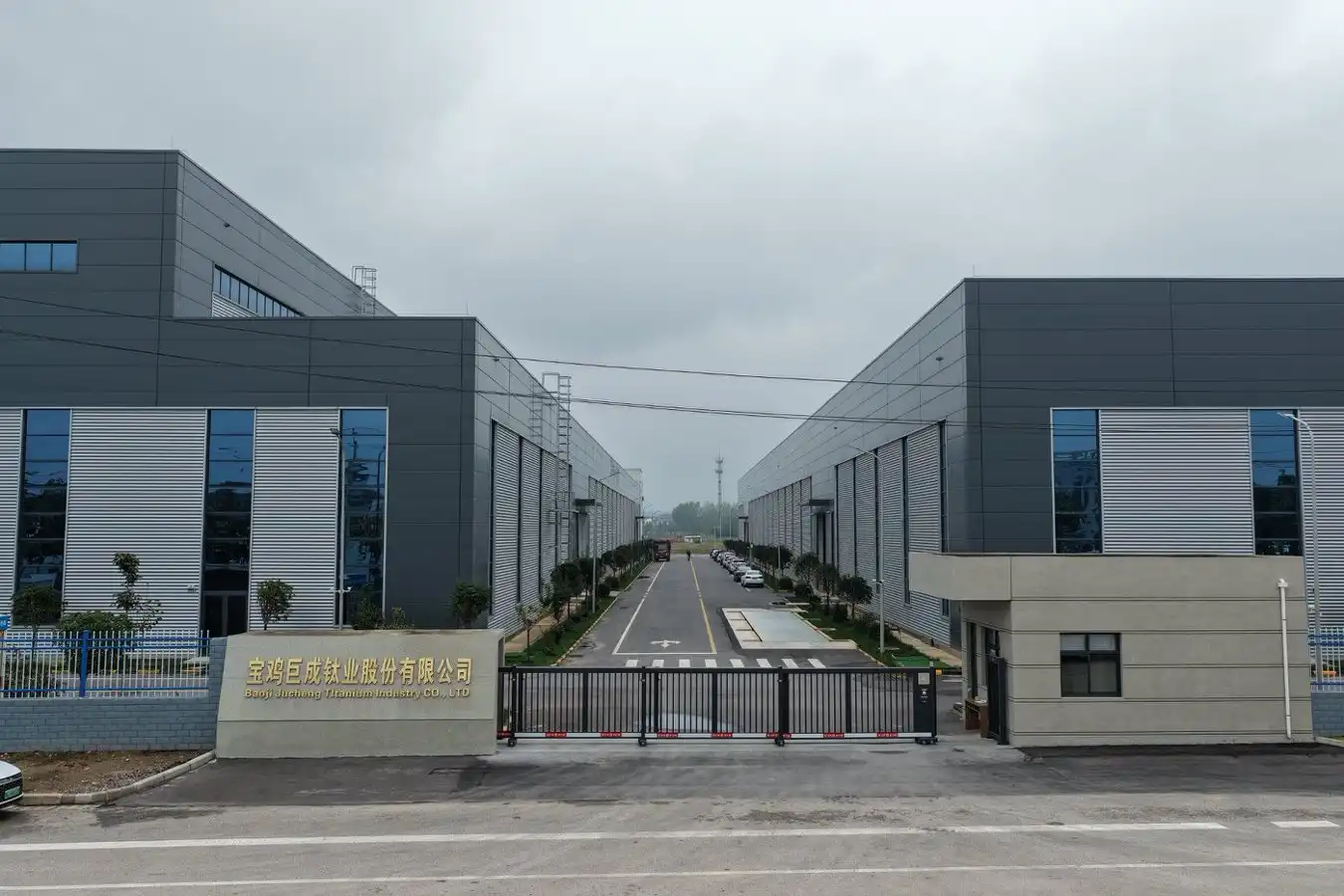
With 20 years of experience making titanium products, Baoji Jucheng Titanium Industry Co., Ltd. can turn difficult material problems into useful solutions. As a new, specialised, national-level "little giant" company with over 3,000 tonnes of inventory ready to ship right away, we get rid of the supply chain risks that cause project plans to get thrown off. Our ASTM B338 and ASME SB338 certified seamless Gr12 Titanium Tube is used by chemical processors, aircraft manufacturers, and builders of industrial equipment all over North America who need quality that can be checked and quick expert support.
Our engineering team can help you with everything from creating specifications to installing the product. Whether you need standard seamless tubing with an annealed, pickled, or bright finish, or you need unique measurements with special surface treatments, they can help. Get in touch with our knowledgeable Gr12 Titanium Tube supplier team at s4@juchengti.com to talk about your unique needs and get a full quote. Find out how our ISO-certified manufacturing, full material traceability, and proven research and development can give your most important processes the performance guarantee they need.
References
1. Boyer, R., Welsch, G., and Collings, E.W. (1994). Materials Properties Handbook: Titanium Alloys. ASM International, Materials Park, Ohio.
2. Schutz, R.W. and Thomas, D.E. (1987). "Corrosion of Titanium and Titanium Alloys." ASM Handbook Volume 13: Corrosion, ASM International.
3. ASTM International (2021). ASTM B338-21: Standard Specification for Seamless and Welded Titanium and Titanium Alloy Tubes for Condensers and Heat Exchangers. West Conshohocken, Pennsylvania.
4. Donachie, M.J. (2000). Titanium: A Technical Guide, 2nd Edition. ASM International, Materials Park, Ohio.
5. Cotton, J.D., Briggs, R.D., Boyer, R.R., Tamirisakandala, S., Russo, P., Shchetnikov, N., and Fanning, J.C. (2015). "State of the Art in Beta Titanium Alloys for Airframe Applications." JOM: The Journal of The Minerals, Metals & Materials Society, Volume 67, Issue 6.
6. Sedriks, A.J. (1996). Corrosion of Stainless Steels, 2nd Edition. John Wiley & Sons, New York (comparative analysis reference for titanium versus stainless steel performance).