
Why Use Acid Pickled Titanium Tube in Chemical Systems?
When chemical handling equipment is constantly corroded, the stability of the surface is very important. Acid Pickled Titanium Tube gives the surface a clean, oxide-free chemical surface that is needed to keep working well in harsh chemical settings. This special surface treatment gets rid of contamination and brittle oxide layers that shorten the life of tubes. This keeps your chemical systems safe and working well for longer periods of time. These tubes have better corrosion resistance because they are exposed to hydrofluoric and nitric acid solutions in a controlled way. This directly solves the problems that come up in harsh production conditions.
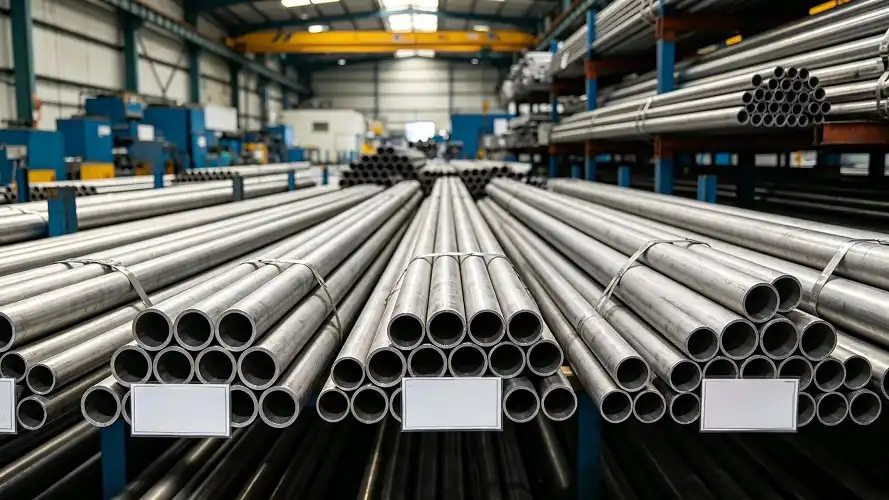
Introduction
When working with chemicals, choosing the right materials is very important because broken equipment can cause big problems with operations and safety. We know that purchasing managers and engineers are under more and more pressure to find tubing materials that can survive harsh circumstances while staying within their budgets. Acid Pickled Titanium Tubes have become an important choice for chemical labs, heat exchanges, and petrochemical pipe systems that can't use regular materials. This technology for treating the surface gets rid of tiny flaws and impurities that cause crevice rust and stress cracking when the surface is loaded. This material is being used more and more by chemical plant contractors because it improves performance in areas that use hot chlorides, acetic anhydrides, and strong acids. The parts that follow talk about technical specs, working benefits, and buying factors that can help business-to-business buyers make smart choices for their chemical system projects.
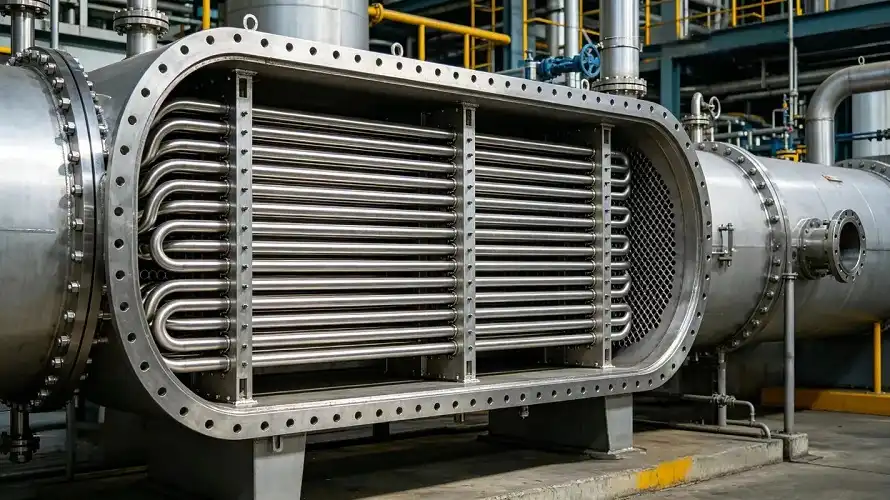
Understanding Acid-Pickled Titanium Tubes
What Defines Acid-Pickled Titanium Tube
Bright annealed tubes are made in vacuum settings, but Acid Pickled Titanium Tubes are immersed in a carefully balanced acid solution. This process gets rid of the alpha-case layer, which is a surface zone rich in oxygen that forms during high-temperature annealing and makes the metal less flexible and more likely to rust. Ra values show that the matte silver-gray finish has a smooth surface with a range of roughness values from 1.6μm to 3.2μm. The planned roughness helps the protected titanium dioxide film form steadily, which protects the base metal from chemical attack. The process of making something starts with extruding and cutting to make a smooth tube. This is followed by cold rolling to get the exact dimensions. After annealing restores the mechanical properties of the metal, the pickling bath removes surface oxides. The high nitric-to-hydrofluoric acid ratio stops hydrogen absorption, which would weaken the metal.
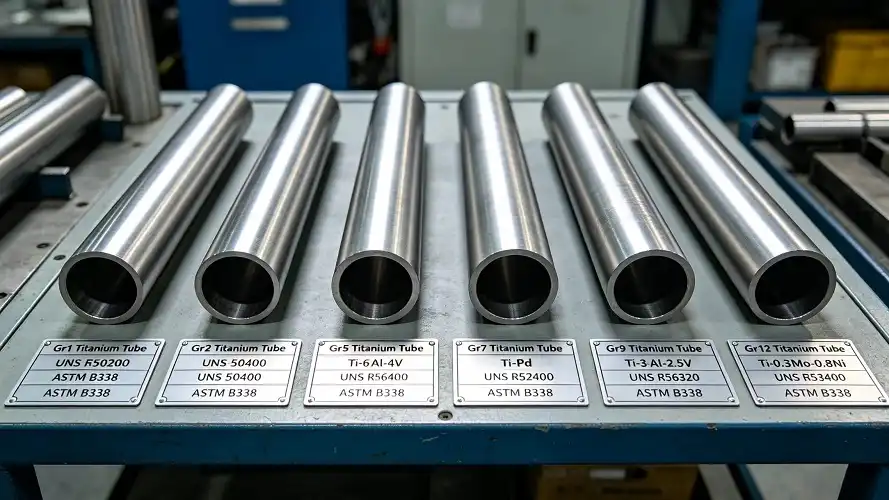
Material Grades and Manufacturing Standards
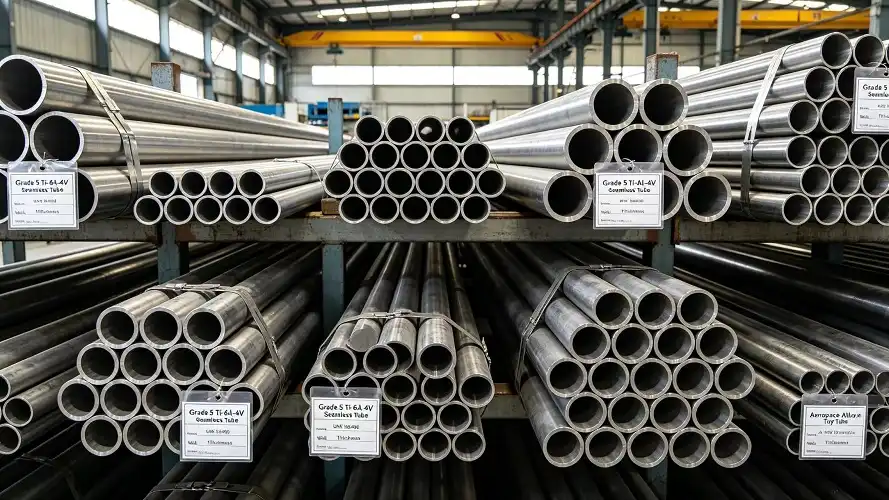
Baoji Jucheng Titanium Industry makes acid-pickled titanium tubes from different grades of titanium that are made to work in different chemical environments. Commercial pure types Gr1, Gr2, and Gr3 are very resistant to corrosion in normal working settings. Gr7, which includes palladium, works better in reducing acids. When structural loads are combined with corrosive exposure, alloy types Gr5 and Gr9 offer better mechanical strength. Gr12, on the other hand, offers the best protection in oxidising chloride conditions. International standards like ASTM B337, ASTM B338, ASTM B861, AMS 4942, and ASME SB338 are followed in all production. This makes sure that all products can be tracked and meet certification requirements, which is very important for businesses that are controlled. When you use seamless tube construction, there are no weld joints, which are weak spots that could break in chemical service. Outside diameters range from OD3 to OD219 mm, and wall thicknesses range from 0.5 to 20 mm. Custom specifications can be made to fit the needs of a specific project.
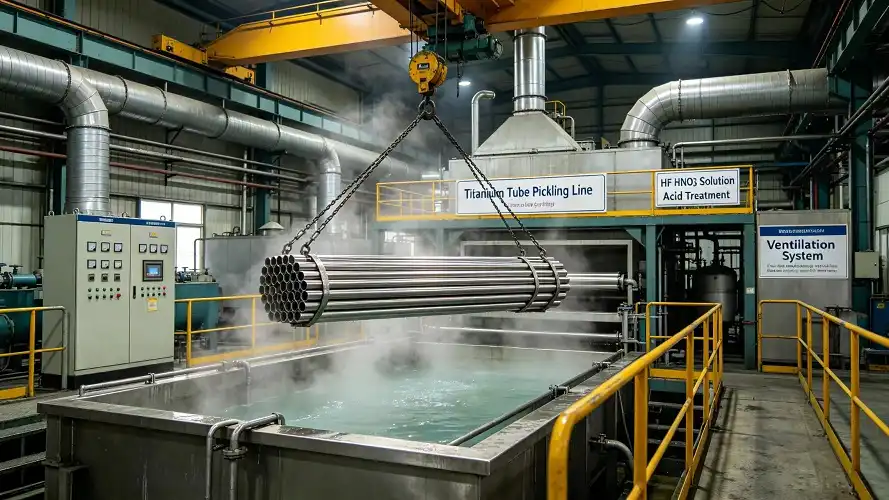
How Pickling Enhances Surface Chemistry
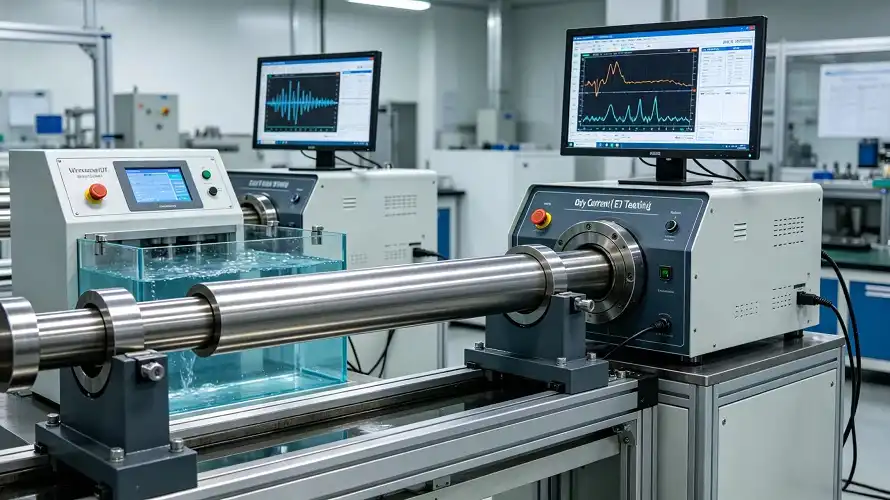
The acid-pickled titanium tube cleaning process changes the surface in basic ways that make the tubes last longer. The process gets rid of the iron that was added during production and the brittle oxide scales, leaving behind a chemically pure titanium surface that doesn't allow localised rusting to happen. Since ultrasonic and eddy current inspection methods need materials to have uniform properties in order to find defects reliably, this clean surface makes it possible for accurate non-destructive testing results. The controlled removal of material—usually between 0.02 mm and 0.05 mm—is built into the initial wall thickness standards to make sure the end sizes meet the needs of the project. When tubes need extra treatments, optimising the surface roughness balances the flow dynamics and coating bonding. When you boil surfaces instead of manually polishing them, the passive titanium dioxide layer forms more evenly, protecting the whole length of the tube.
Performance Advantages in Chemical Systems
Superior Corrosion Resistance Across Chemical Environments
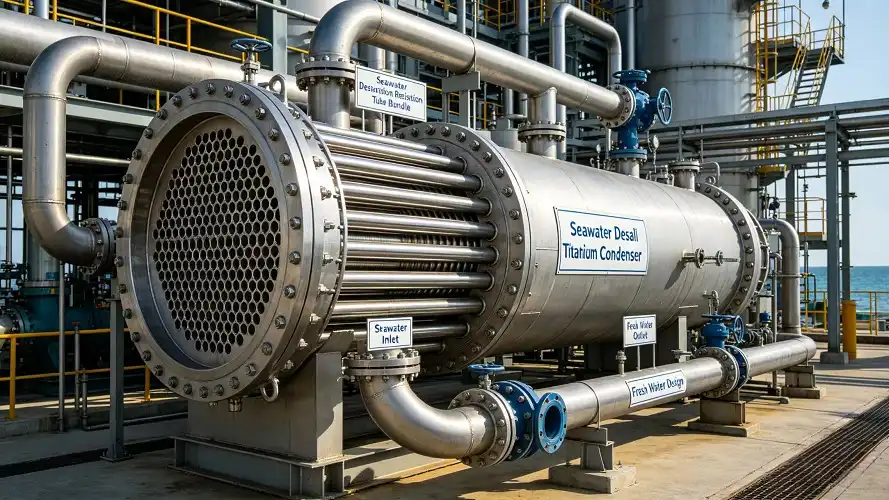
Chemical processing equipment works in situations where the choice of material has a direct effect on the equipment's ability to keep running. In places with chlorides, sulphuric acid, nitric acid, and organic acids, Acid Pickled Titanium Tubes show great resistance to pitting, crevice corrosion, and stress corrosion cracking. The oxide-free surface stops the formation of localised electrochemical cells that cause contaminated materials to rust. In the pharmaceutical industry, these tubes keep their shape when handling wet chlorine gas or hot acetic anhydride, while stainless steel tubes quickly lose their strength. Data from industrial sites shows that seawater desalination condensers can work at temperatures above 90°C for more than twenty years with very little upkeep. This dependability means lower repair costs and less downtime for production, which has a big effect on the total cost of ownership figures.
Thermal Stability and Mechanical Performance
In addition to being resistant to chemicals, Acid Pickled Titanium Tubes keep their mechanical properties over a wide range of temperatures that are common in process industries. The pickling process doesn't change the base material's strength-to-weight ratio, which lets designers make equipment that is lighter and doesn't need as much structural support. The low thermal expansion coefficient keeps stress at tube-to-tubesheet joints during thermal cycling to a minimum, and the thermal conductivity properties make heat transfer in shell-and-tube exchanges work well. When the rigid alpha-case layer is taken away, the material becomes more flexible again. This means that tubes can handle changes in pressure and vibrations without cracks spreading. When properly pickled tubes are put through flattening and flare tests according to ASTM B338 standards, they show better formability than non-treated options. This shows that the surface treatment improves mechanical integrity instead of lowering it.
Maintenance Benefits and Operational Efficiency
Acid cleaning makes surfaces clean, which makes upkeep easier and increases the time between inspections. The uniform matte finish makes it possible to see changes on the surface that show problems are starting to form before they break. Tubes don't get biofouling or scale buildup like other materials do when used in cooling water uses, so they keep transferring heat efficiently for a long time. When it's time to clean, the passive oxide layer quickly forms back together after mechanical or chemical cleaning. This restores rust protection without the need for any special treatments. Inspection teams like that pickled surfaces give regular ultrasonic test results, which let them get accurate readings of the leftover wall thickness during planned maintenance periods. These features lower the amount of maintenance work that needs to be done and let plants set the best inspection times based on actual operating conditions instead of guesses based on poor materials.
Comparing Acid Pickled Titanium Tubes to Alternatives
Surface Treatment Options for Titanium Tubing
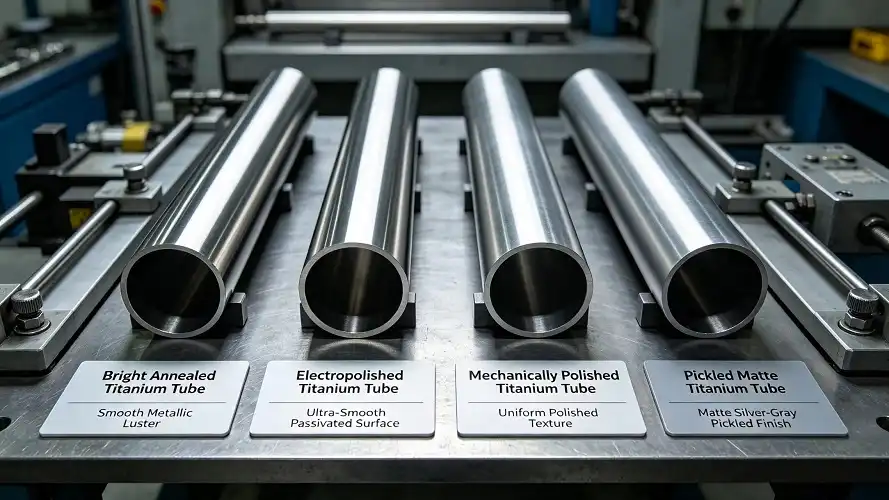
The properties of the base metal and the state of the surface must both be taken into account in the material specs. Through vacuum processing, bright-annealed titanium tubes get a nice mirror finish, but they still have a higher surface iron content that can make them less resistant to rust in serious situations. Electropolished tubes are very smooth, which is good for sanitary applications, but they are very expensive and may be out of reach for large installations. Polished tubes have a surface finish that is in the middle, but mechanical processes can add linear stress patterns that make them less resistant to fatigue. Raw or as-rolled tubes have the full alpha-case layer, which makes them less flexible and makes it hard to predict how they will react to corrosion. Acid Pickled Titanium Tubes are a good compromise between performance, cost, and ease of manufacture for chemical processing tasks where dependability is more important than looks. The rough surface texture actually works better for mechanical anchor shapes when tubes need to be painted or coated to protect them even more from certain chemicals.
Material Alternatives in Chemical Equipment
Because they are easy to work with and don't cost as much at first, stainless steel alloys like 316L and duplex grades are often used for chemical processing equipment. But titanium's better strength-to-weight ratio and resistance to chloride stress corrosion cracking often make the material upgrade worth it when lifetime costs are taken into account. Nickel metals, like Hastelloy, are very good at resisting rust, but they cost a lot more to make than titanium and don't work as well in many situations. Polymer-lined steel tubes protect against rust and don't cost much at first, but they can't be used in all temperatures, and there are worries about permeation. When engineers compare options, they need to think about more than just the cost of the materials. They need to think about how easy the alternatives are to make, how well they work with current tools, how much they will cost, and how long they will need to be maintained.
Procurement Insights for Global B2B Buyers
Selecting Qualified Titanium Tube Manufacturers
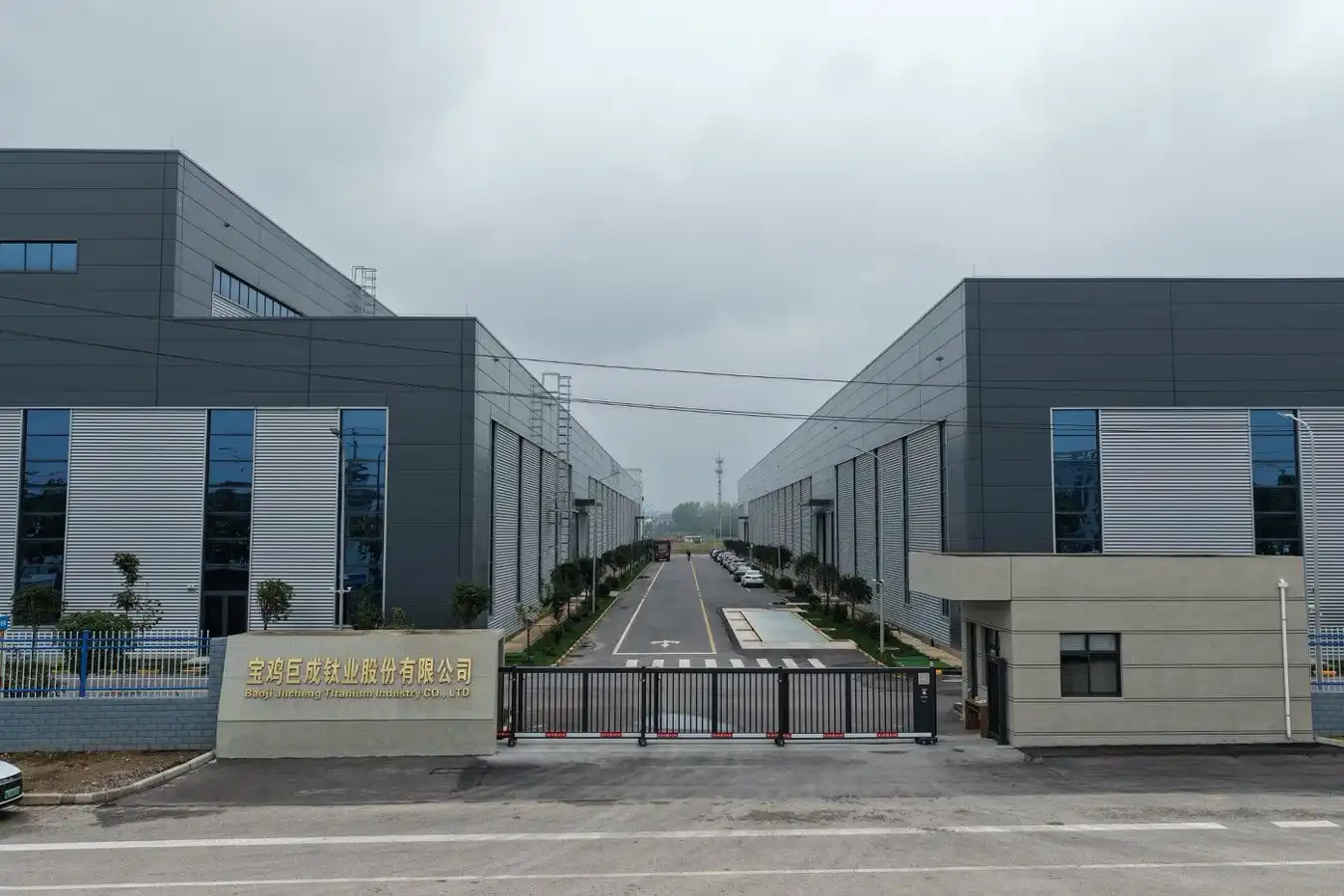
Doing your research before choosing a provider shields the results of the project and makes sure that the materials meet the requirements. Manufacturers who are qualified keep certifications that show their quality management systems meet ISO 9001 and other standards specific to their industry. Verification of production capability should confirm access to vacuum melting facilities that make high-purity titanium material that doesn't have any intermediate contamination. Material tracking systems that connect finished tubes to specific melt batches make it possible to find the root cause of performance problems that come up out of the blue. The factory should have testing facilities for measuring dimensions, checking mechanical properties, and looking at things without damaging them so that quality can be checked quickly. The fact that Baoji Jucheng Titanium Industry has been processing titanium for more than twenty years and has been named a "little giant" and a national high-tech enterprise shows that it has the skills and facilities to make reliable large-scale production possible.
Cost Structure and Value Considerations
Being clear about prices helps procurement teams make accurate project budgets and compare quotes from suppliers. The price of raw materials changes depending on the market for titanium sponge and the grade that is chosen. Grades with alloys added to improve performance usually cost more than commercial pure grades. The cost of processing acid-pickled titanium tube seamless variants is high because of the many steps needed to make them, such as extrusion, cold rolling, annealing, and pickling. Specifications for wall thickness and diameter affect material output and production effectiveness, which in turn affects the price per unit. When you buy in bulk, you can take advantage of economies of scale that lower the cost per tube and make sure that you have enough supplies for a project that is built in stages. Jucheng Titanium keeps a 3,000-ton inventory on hand to support quick delivery schedules that keep projects from being delayed, which costs a lot of money. Custom manufacturing services like cutting, end preparation, and hydrostatic testing increase value by lowering the amount of work that needs to be done in the field and ensuring quality control in the plant.
Customization and Technical Collaboration
Chemical processing projects that are very complicated often need engineered solutions that aren't available in a catalogue. Manufacturers who do their own research and development can change the specs of tubes to fit different working situations or the needs of integrating different pieces of equipment. Adjustments to the wall width get the best pressure values while keeping material costs as low as possible. Customising the length cuts down on field joins and the quality risks that come with it. For important applications, extra assurance is provided by testing protocols that go beyond the standard requirements. Through its relationships with the Northwest Institute for Nonferrous Metal Research and top colleges, Jucheng Titanium is able to create new materials that solve new problems in the industry. With 4 invention patents and 41 utility model patents, the company shows that it can come up with new ideas that help customers who want to gain a competitive edge through improved materials.
Technical Support and Installation Best Practices
Handling and Storage Requirements
Keeping pickled surfaces clean during storage and transport helps keep important material properties for service performance. To keep clean surfaces from getting dirt, oils, or metal bits, tubes should stay in their protected packing until they are installed. Conditions in storage areas must stay dry at all times, because water and surface dirt can cause localised rusting on even titanium. When tubes need to be stored temporarily on work sites, they should be raised above the ground and covered to keep mud and other debris from building up. Non-metallic slings or padded touch points should be used on handling tools to keep the surface from getting scratched, which can lead to stress concentration sites. When people touch the sides of tubes, they need to wear clean gloves because skin oils and salts break down the passive oxide layer. When compared to handling carbon steel, these precautions seem like too much, but they are necessary to get the corrosion resistance that makes Acid Pickled Titanium Tube a good choice.
Welding and Fabrication Considerations
To join Acid Pickled Titanium Tubes together, you need to use methods that protect the base metal and the surface properties. Using tungsten inert gas welding with argon protection keeps the air clean during high-temperature fusion processes. Back-up purge keeps the inside of the tube with a neutral atmosphere, which stops oxygen from entering and making weld zones that are easily broken. If the joint surface turns darker than light straw, it means that there is contamination that needs to be cleaned off and re-welded. Post-weld pickling returns the surface state in areas that were damaged by the heat, making sure that all welded parts have the same level of corrosion protection. For tube-to-tubesheet expansion or welding, you need special tools and qualified methods that have been proven to work through performance testing. Fabrication shops should keep titanium work areas separate from carbon steel or stainless steel areas so that titanium doesn't get contaminated with those materials. The technical team at Jucheng Titanium helps contractors with fabrication, which helps them avoid common mistakes when putting together and installing equipment.
Quality Verification and Testing Protocols
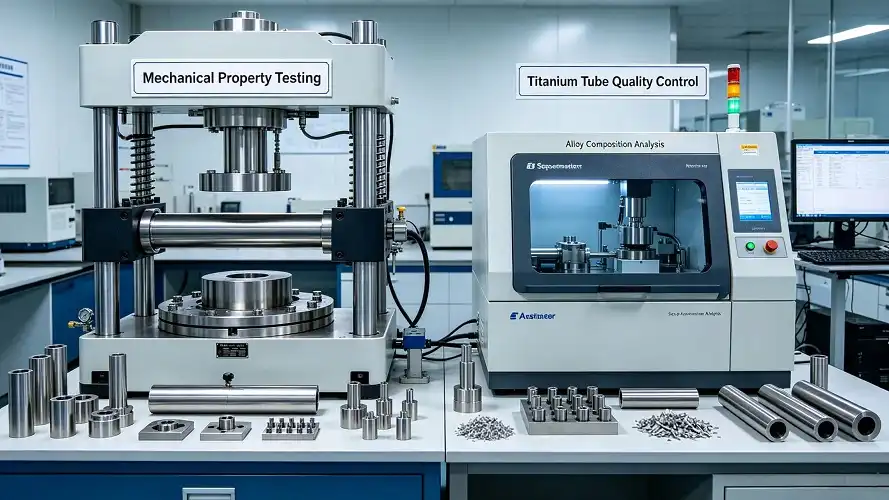
Before installing tubes in vital services, thorough testing is done to make sure they meet the requirements. Dimensional inspection uses calibrated measuring tools that can be traced back to national standards to check the tolerances for outer diameter, wall thickness, and length. Flattening tests check flexibility by seeing how well the tube can handle being bent without breaking. This shows that the pickling process did not cause hydrogen embrittlement. Flaring tests check how easy it is to shape and find surface flaws that would spread during tube growth. Ultrasonic testing finds internal flaws like gaps, holes, or laminations that make the pressure stability less reliable. With eddy current tests, surface and near-surface flaws can be found with enough precision for thin-walled tubing. Spectroscopic methods that measure elemental composition, such as nitrogen, carbon, and hydrogen interstitials, are used in chemical analysis to confirm that grade specifications are met. Documenting these results in mill test reports ensures quality and creates permanent project records that help with machine operation and future maintenance choices.
Conclusion
Acid Pickled Titanium Tubes are the best materials for difficult chemical processing tasks because they are resistant to rust, reliable mechanically, and have a long life that doesn't cost much. The project will be successful if the materials are chosen based on a thorough understanding of the benefits of pickling, the suppliers are properly qualified, and the installation requirements are met. Baoji Jucheng Titanium Industry has been in business for twenty years and has a large inventory, advanced manufacturing skills, and a technical support infrastructure that makes it a valuable partner for chemical equipment manufacturers and engineering firms around the world that need reliable titanium tube solutions.
FAQ
1. What makes Acid Pickled Titanium Tube surfaces different from Bright Annealed surfaces?
Vacuum processing during heat treatment keeps bright annealed surfaces looking shiny and reflective, while Acid Pickled Titanium Tube variants have a matte grey finish. Pickling gets rid of all surface dirt and the brittle alpha-case layer. This process is better when corrosion protection is more important than appearance in chemical service settings.
2. Does the cleaning process make the walls of the tubes thinner?
Pickling usually takes away between 0.02mm and 0.05mm of material. Manufacturers make up for this loss by designing initial wall thickness tolerances that make sure the end measurements meet ASTM standards after surface treatment. This keeps the needed mechanical qualities and pressure ratings.
3. How is hydrogen embrittlement kept from happening when acid pickling?
Hydrogen can't get into the titanium crystal structure because the ratio of nitric acid to hydrofluoric acid has to be closely watched. By keeping the nitric acid content high (usually above the 10:1 ratio), oxidising conditions are created that stop the hydrogen evolution process that causes the material to weaken.
Partner with Jucheng Titanium for Premium Acid Pickled Titanium Tube Solutions
Baoji Jucheng Titanium Industry can help you with your chemical handling projects by making high-performance titanium tubing that meets strict international standards. Our flexible production capacity and 3,000-ton inventory allow us to quickly deliver both standard and custom orders. As a reliable Acid Pickled Titanium Tube provider, we use our 45 patents, twenty years of experience processing titanium, and relationships with top research institutions to make sure that the materials we provide work better than expected. Email our engineering team at s4@juchengti.com to talk about your project needs and get a full quote that is made to fit your requirements and delivery timeline.
References
1. Boyer, R., Welsch, G., & Collings, E.W. (1994). Materials Properties Handbook: Titanium Alloys. ASM International, Materials Park, Ohio.
2. Schutz, R.W. & Thomas, D.E. (1987). Corrosion of Titanium and Titanium Alloys. Metals Handbook, Volume 13, Corrosion, ASM International.
3. ASTM International. (2021). ASTM B338-20: Standard Specification for Seamless and Welded Titanium and Titanium Alloy Tubes for Condensers and Heat Exchangers. West Conshohocken, Pennsylvania.
4. Donachie, M.J. (2000). Titanium: A Technical Guide, 2nd Edition. ASM International, Materials Park, Ohio.
5. Peters, M., Kumpfert, J., Ward, C.H., & Leyens, C. (2003). Titanium Alloys for Aerospace Applications. Advanced Engineering Materials, Volume 5, Issue 6.
6. Revie, R.W. & Uhlig, H.H. (2008). Corrosion and Corrosion Control: An Introduction to Corrosion Science and Engineering, 4th Edition. John Wiley & Sons, Hoboken, New Jersey.