



Gr2 titanium plate for chemical tanks and heat exchangers
If a facility needs to hold or heat harsh substances year after year, the choice of metal determines the lifetime of the equipment. One of the most trustworthy solutions is a gr2 titanium plate. It has good corrosion resistance, simple manufacture, and a light, durable construction. At Jucheng Titanium, this grade is sold to chemical and energy companies that require tanks and heat exchangers that continue to perform under severe circumstances. This tutorial explains where the plate works best and how to specify it with certainty.
Why Gr2 Titanium Plate Suits Chemical Service
The Strength of Commercially Pure Titanium
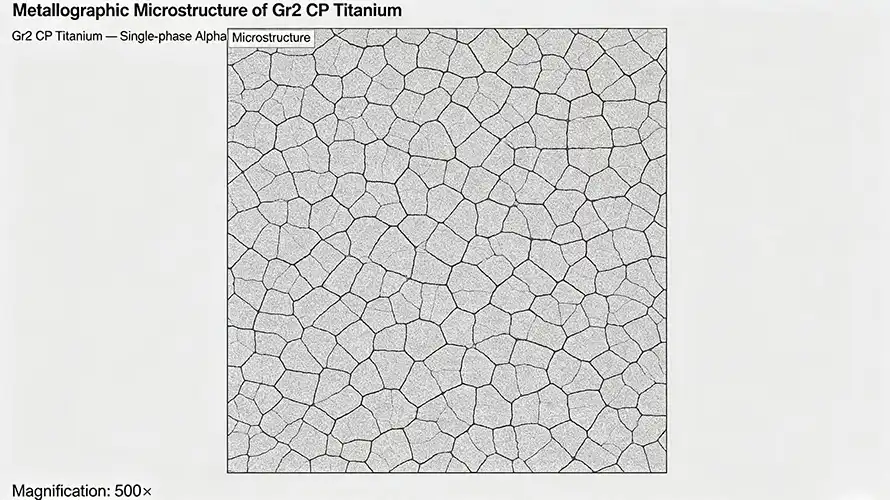
Gr2 is commercially pure titanium and, as such, has a clean and homogeneous structure with no alloying elements that might generate weak areas in hostile media. The high purity makes the Gr2 titanium plate very ductile, so it can be rolled, pressed, and formed into huge vessel shells and fine-pressed exchanger plates. It provides a good, reliable mix of moderate strength and ample formability, just what fabricators of chemical equipment want. If you want dependable outcomes from the sketch to the final item, this grade is a good start.

A Self-Healing Oxide Film
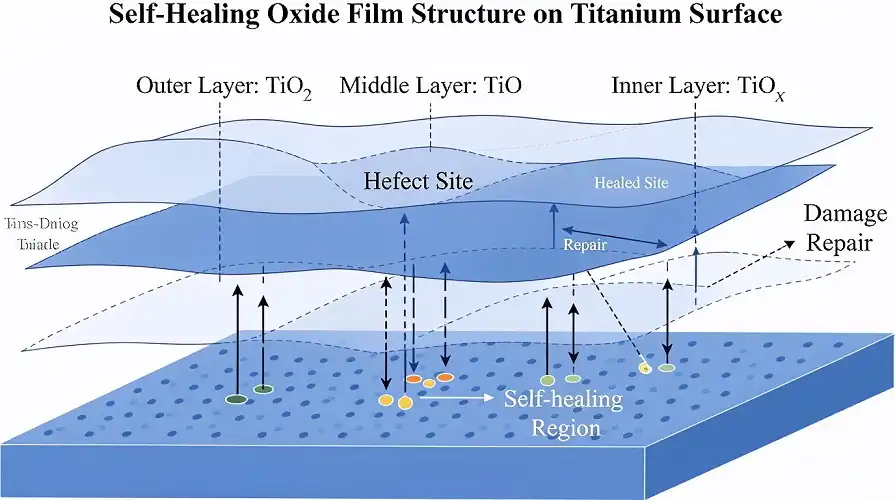
The key to titanium’s longevity is a thin, strongly bound oxide coating that develops on the surface within milliseconds of contact to air or moisture. If the surface is scratched, the layer self-rebuilds and continues to protect without coatings or regular repairs. This implies years of consistent performance for a Gr. 2 titanium plate in service, even in humid facilities where other metals might wear out. This means cheaper maintenance planning and more reliable output schedules for owners to enjoy.
Resistance to Chlorides, Acids and Oxidizing Media
Chemical plants handle chlorides, nitric acid, hypochlorite solutions, and numerous organic chemicals. Gr2 is quite compatible with these media and hence is commonly used in electrolysis, bleaching, chlor-alkali and hydrometallurgy equipment. Particularly resistant to attack by chlorides. This is a useful attribute in coastal settings and seawater cooling loops. When you tell us the medium, temperature, and concentration, Jucheng Titanium can assist you in making sure a Gr. 2 titanium plate is the proper choice before you place your order.
Key Properties at a Glance
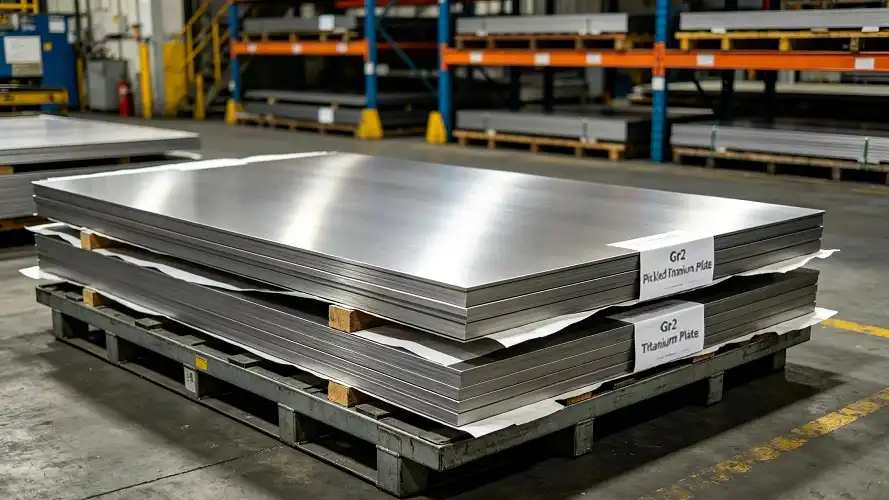
The table below lists typical minimum values for annealed Gr. 2 plate under common standards such as ASTM B265. Together, they show why the grade balances strength and workability so well.
| Property | Typical Value |
|---|---|
| Tensile strength (min.) | 345 MPa |
| Yield strength (min.) | 275 MPa |
| Elongation (min.) | 20% |
| Density | 4.51 g/cm³ |
| Thermal conductivity | About 16 W/m·K |
Using Gr2 Titanium Plate in Chemical Tanks
Storage and Reaction Vessels
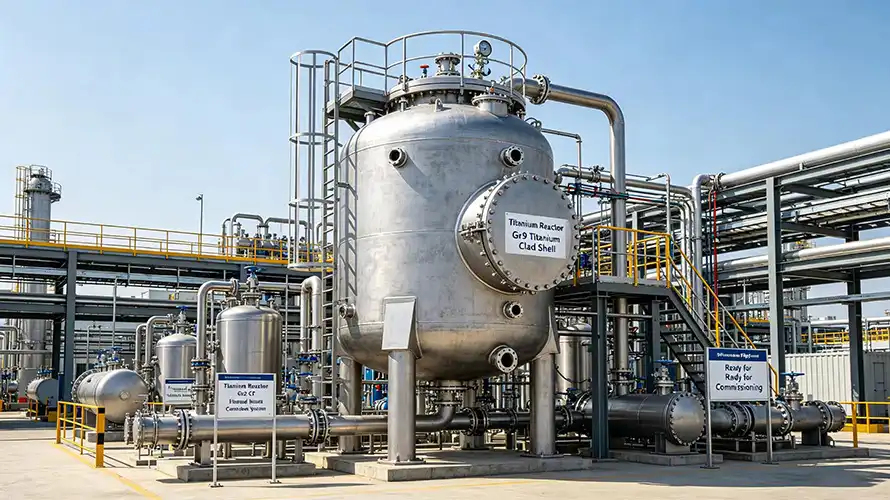
Tanks must be free of leaks and contamination for lengthy periods of time containing process liquids. A titanium plate of grade 2 ensures a high purity of the product since it does not release metal ions in most solutions, and the flat surface is simple to clean between batches. This stability is an advantage in reaction vessels, mixing tanks and receiving tanks. Baoji Jucheng Titanium Industry Co., Ltd. develops titanium reactors and condensers every year, so we know how the quality of the plate impacts the performance of the final vessels.
Wall Thickness and Clad Solutions
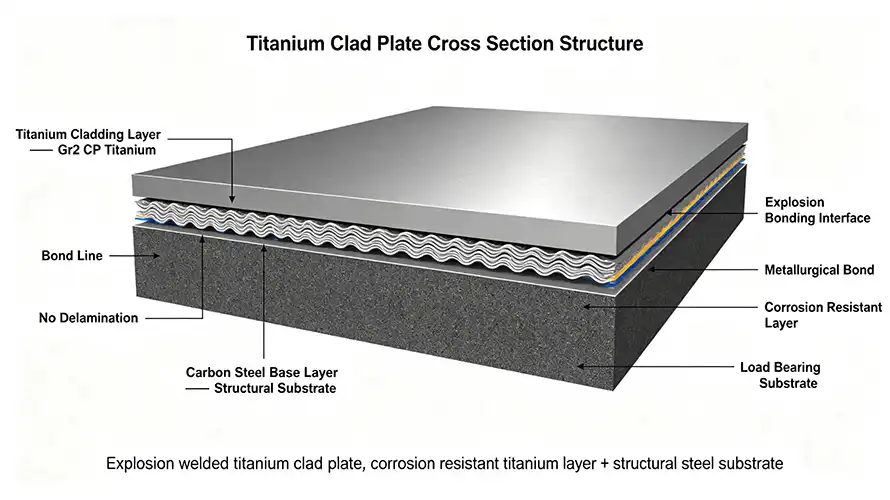
For smaller vessels, the designer may pick a solid titanium wall, or for extremely big tanks, a titanium-clad construction where a thin GR2 coating shields a stronger supporting metal. Both approaches have the same surface protection, and the decision relies on pressure, size, and budget. Titanium is light; therefore, a thinner wall may frequently provide the same performance as a heavier steel construction, minimizing foundation loads and shipping effort. Send us your designs, and we'll help you balance thickness, weight, and cost.
Fabrication and Welding of Tank Shells
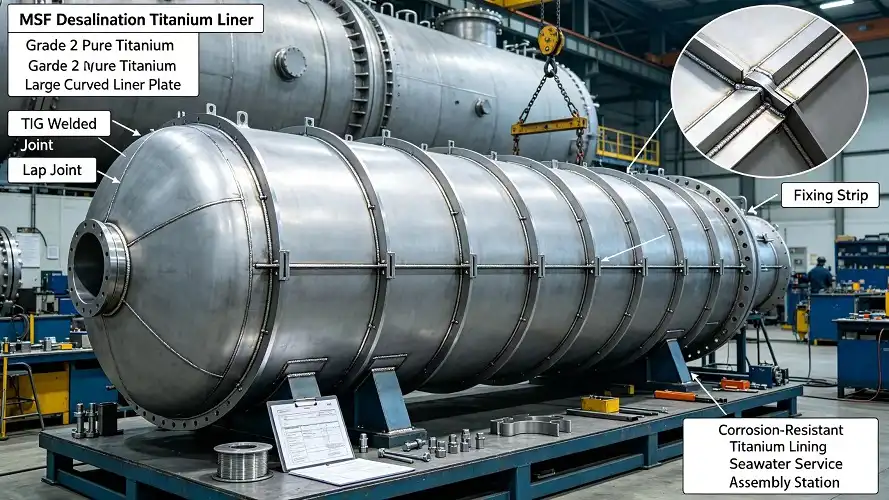
Gr2 is one of the simplest titanium grades to work with. Gr2 titanium plate may be cut, rolled, and welded using TIG and other inert gas processes. If the weld region is insulated correctly, ductile, clean joints will result. Trained personnel handle huge shells and nozzle attachments with ease. Jucheng Titanium can tailor manufacturing and processing according to client needs and designs. So your plates may be cut to size and ready for assembly.
Long Service Life and Simple Upkeep
Titanium tanks, once installed, need very little upkeep. There is no need for frequent recoating, and the equipment may be regularly inspected to determine if it is in outstanding shape. This minimizes downtime and replacement costs over a lengthy operational life, frequently offsetting the original material expense. For plant managers who are planning on lifetime value, a Gr2 titanium plate is one of the lowest costs of ownership among corrosion-resistant metals.
Gr2 Titanium Plate in Heat Exchangers
Plate and Spiral Plate Designs
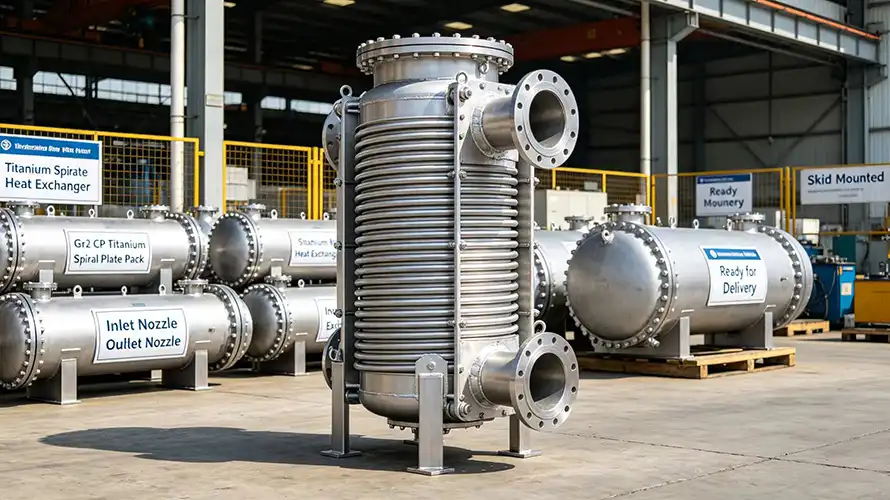
Heat exchangers require thin, formable plates resistant to the fluids on each side. Gr2 does a very good job of that. Plate exchangers have corrugated channels made from pressed plates. Spiral plate units have compact and efficient flow routes made from rolling strips. Jucheng Titanium supplied the biggest titanium spiral plate heat exchanger in China to WUGANG Group, and we have our titanium-based composite tubes in operation at Luoyang Petrochemical. This sort of established machinery is at the core of a GR2 titanium plate.
Efficient Heat Transfer with Thin Sections
Because titanium resists corrosion so well, designers may utilize thin plate and not include any additional corrosion allowance. “Titanium has only moderate thermal conductivity, but thin sections shorten the heat path and help the exchanger move energy efficiently. Clean surfaces also resist severe fouling, keeping performance up between cleanings. The ultimate product is a tiny device that is reliable in duty over time. Our experts would be happy to discuss thickness options for your particular thermal load.
Seawater, Brine and Cooling Water Duty
Titanium exchangers are used in coastal power plants, desalination units, ships, and offshore platforms for cooling of process streams with saltwater or brine. Gr2 titanium plate will survive these chloride-laden fluids when many other metals would fail, and it will retain its smooth surface for years to come. This dependability protects the facility against sudden shutdowns and leakage. Jucheng Titanium also makes all-titanium air coolers, which have been recognized in the North American market, which proves the excellent performance of our goods in the globe.
Matching Equipment Types to Benefits
The following table shows how Gr2 plate supports several common equipment types, helping you quickly see where it adds the most value.
| Equipment | Main Benefit of Gr2 Plate |
|---|---|
| Plate heat exchanger | Thin, formable plate with strong corrosion resistance |
| Spiral plate exchanger | Compact design with stable long-term duty |
| Chemical storage tank | Pure surface and low upkeep |
| Reactor and condenser | Reliable performance in hot acidic media |
| Seawater cooler | Excellent chloride resistance |
Selecting and Sourcing the Right Plate
Specifying Grade, Size and Standard
A detailed specification saves time for everybody. Specify grade, thickness, breadth, length, surface finish, governing standard (e.g. ASTM B265), and operating medium and temperature. With these data, you can match a gr2 titanium plate to your design and get an exact estimate. If you are unsure about any detail, email our team at s4@juchengti.com, and we will guide you through the options.
Quality Documentation and Inspection
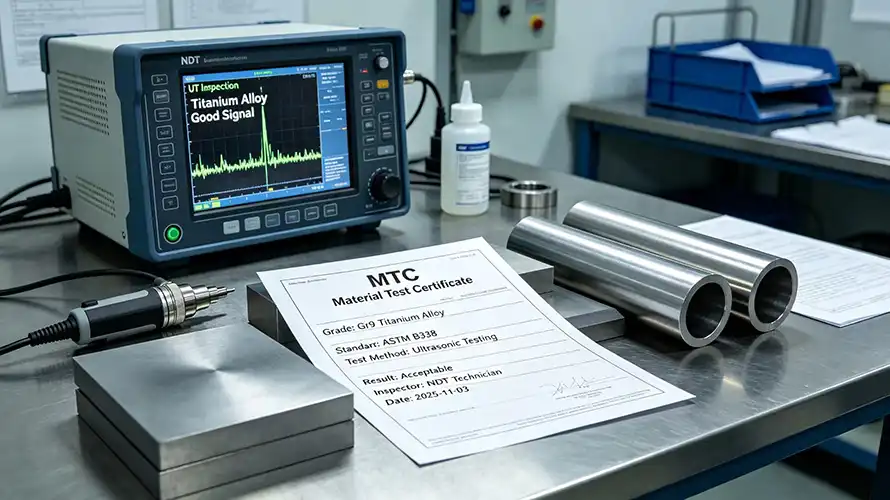
Dependable equipment is built using approved materials. Each plate should be supplied with a mill test certificate verifying chemical and mechanical properties. Dimensions and surface quality should be confirmed on arrival. We have a competent technical R&D team and quality inspection team to regulate every step. We check the input from customers to maintain development. This rigorous strategy allows fabricators and plant owners to proceed from procurement to production without delay.
Stock, Delivery and Custom Processing
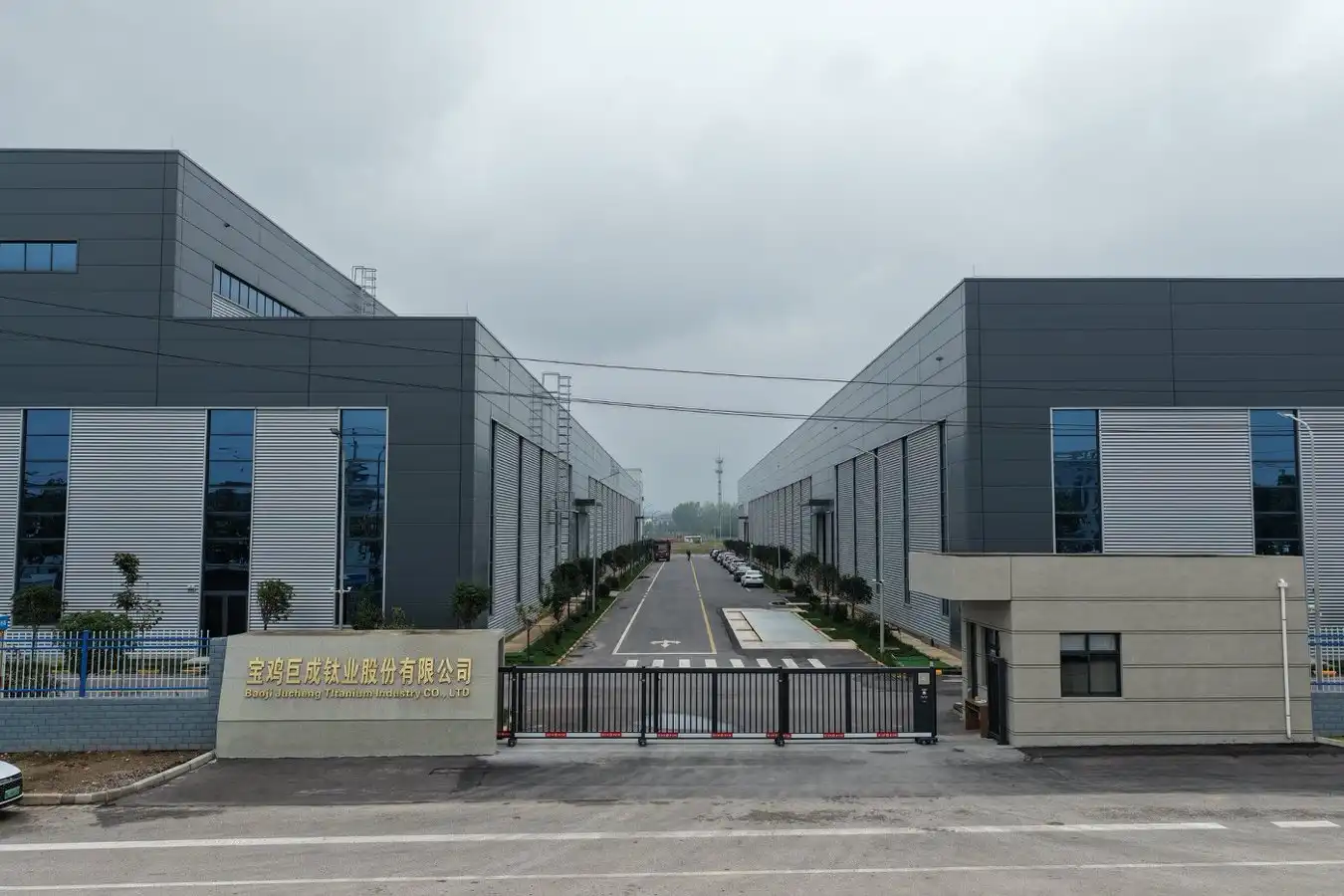
Jucheng Titanium was founded in 2004, covers an area of 120,000 square meters, and has a supply of 3,000 tons of titanium all year round, so you may have urgent orders sent swiftly. According to your plans, we can cut and process plates and make more than 500 sets of titanium equipment yearly, such as heat exchangers, reactors, air coolers, and so on. One provider for the whole project – from a single sheet to a complete equipment bundle.
A Partner Backed by Experience
We have more than 20 years of experience in the titanium business, 4 innovation patents, 41 utility model patents, and collaboration with Northwest Institute for Nonferrous Metal Research and Tsinghua University, which provide both practical and scientific strength to every order. We have a full after-sales staff for every shipment to ensure that you may purchase with confidence and use with comfort. Contact us early in your design stage, and we will help you get the most out of your gr2 titanium plate.
Conclusion
A sensible option for chemical tanks and heat exchangers is a gr2 titanium plate because of its corrosion resistance, quick construction, and extended service life. With stock, customisation, and professional assistance, Jucheng Titanium allows you to transform tough process conditions into reliable, low-maintenance equipment.
FAQ
1. Why is a gr2 titanium plate popular for chemical tanks?
It resists many acids and chlorides, keeps product pure, and needs little upkeep.
2. Can GR2 plate be used for heat exchangers?
Yes. It forms easily into plate and spiral plate exchangers and resists seawater well.
3. Is Gr2 titanium easy to weld?
Yes. TIG welding with proper shielding gives clean, ductile joints.
4. Does Jucheng Titanium offer custom cutting?
Yes. We process plate according to your drawings and requirements.
5. Is stock available for urgent orders?
We hold about 3,000 tons of titanium in stock throughout the year.
Request Your Gr2 Titanium Plate Quote Today
Planning a chemical tank or heat exchanger project? Send your drawings, quantities, and operating conditions to s4@juchengti.com, and gr2 titanium plate will respond with expert advice and a competitive quotation. Contact us today and build your next unit with a partner you can trust.
References
1. Schutz, R.W., & Thomas, D.E. Corrosion of Titanium and Titanium Alloys. In ASM Handbook, Volume 13: Corrosion. ASM International, 1987.
2. Donachie, M.J. Titanium: A Technical Guide (2nd ed.). ASM International, 2000.
3. ASTM International. ASTM B265: Standard Specification for Titanium and Titanium Alloy Strip, Sheet, and Plate.
4. Lütjering, G., & Williams, J.C. Titanium (2nd ed.). Springer, 2007.
5. Shah, R.K., & Sekulić, D.P. Fundamentals of Heat Exchanger Design. John Wiley & Sons, 2003.
6. Revie, R.W., & Uhlig, H.H. Corrosion and Corrosion Control (4th ed.). John Wiley & Sons, 2008.