



High-Strength Grade 2 Titanium Round Rod for Machining
When it comes to the current environment of precision manufacturing, selecting the appropriate raw material is directly responsible for determining your operating throughput, the lifetime of your cutting tools, and the long-term structural reliability of your final components. When engineering applications call for an ideal balance between strong mechanical strength, great formability, and extraordinary resistance to corrosive conditions, the high-strength grade 2 titanium round rod is the definitive worldwide standard. This rod is used in a variety of applications. For the purposes of precision CNC milling, multi-axis Swiss lathe turning, and deep-hole drilling of titanium bars, raw stock must possess a grain structure that is consistent, and metallurgical purity must be strictly maintained. Our company, Jucheng Titanium, is in the business of engineering, inspecting, and supplying quality titanium round bars that are particularly designed to meet the severe requirements of CNC machinists and industrial equipment fabricators. Through the course of reading this extensive technical reference, you will get an understanding of the structural characteristics, machining parameters, and industrial deployment techniques of Grade 2 titanium. Additionally, you will learn how collaborating with a well-established supplier may effectively improve your production efficiency.
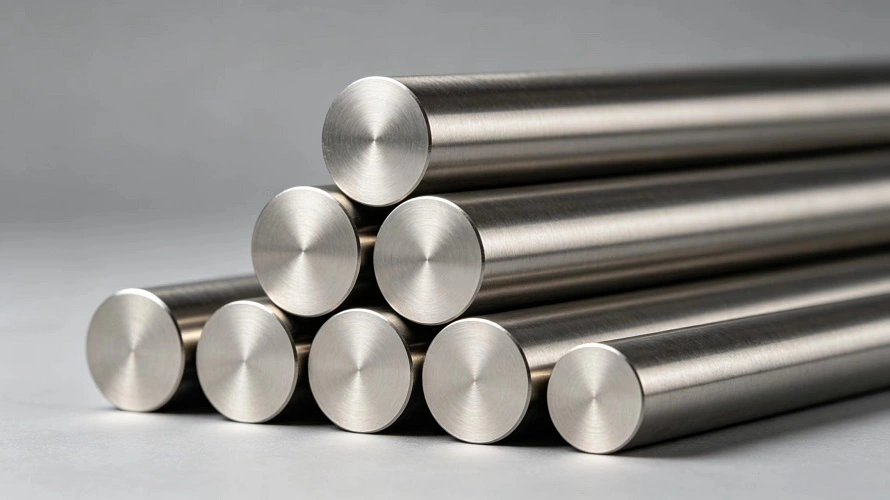

Material Characteristics of Grade 2 Titanium Round Rod in Modern Manufacturing
In order to achieve high-precision machined components, the first step is to get a full understanding of the elemental composition and physical attributes of your raw stock. The term "commercially pure" (CP) titanium refers to titanium round rods that have been confirmed as being of grade 2. In addition to providing the ideal combination of structural integrity and workability, these rods do not need the complex alloying additives that are present in alpha-beta variants of the material.
Chemical Composition and Pure Titanium Integrity
The metallurgical perfection of Grade 2 titanium may be traced back to the elemental chemistry of commercially pure Grade 2 titanium, which is subject to stringent regulations. These regulations are described by international standards such as ASTM B348 and ASME SB348, two examples of such standards. When compared to alloyed grades, grade 2 titanium has a minimum titanium concentration of about 99.2% and interstitial elements that are carefully balanced. This is in contrast to grades that have been alloyed. Electrons, oxygen, carbon, nitrogen, and hydrogen are all included in this group of elements. In order to achieve tensile and yield characteristics that are superior to those of super-ductile Grade 1 titanium, the oxygen and iron contents are carefully controlled. On the other hand, this is achieved without the production of brittleness, which is a potential obstacle for high-speed machining procedures. Each and every Grade 2 titanium round rod has reliable density, homogeneous thermal conductivity, and isotropic behaviour during heavy cutting. This is because of the uncompromising purity of the material, which allows it to deliver predictable responses throughout the CNC operations.
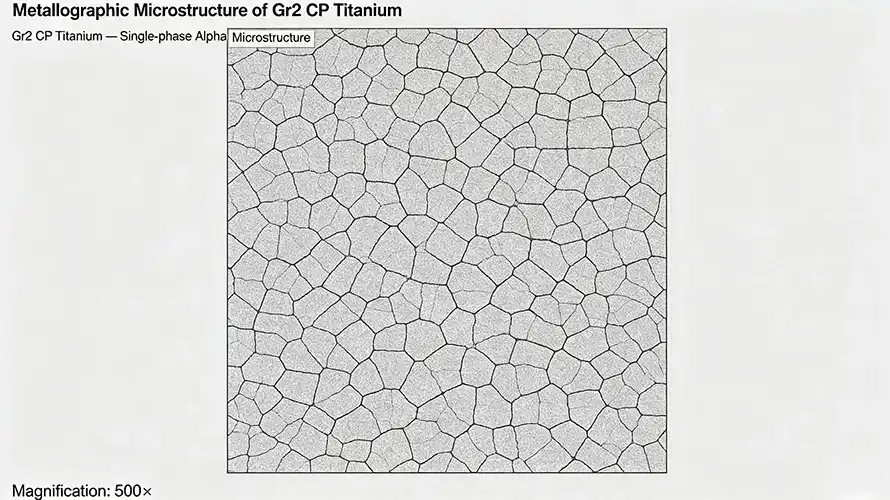
In the field of engineering, it is common practice to specify Grade 2 titanium since it provides mechanical performance that is comparable to that of regular austenitic stainless steels while at the same time reducing the overall weight of the component by around 45 percent. Because they have an ultimate tensile strength that is more than 345 MPa and a typical yield strength that ranges anywhere from 275 MPa to 450 MPa, these bars are able to readily endure continuous dynamic pressures as well as static mechanical loads. This ensures that they are able to withstand both types of stresses. Furthermore, the material has sufficient ductility to permit post-machining cold forming, thread rolling, and staking operations without the occurrence of micro-cracking inside the material. Due to the fact that the material has an elongation capability of at least twenty percent, this occurs. This one-of-a-kind combination of mild hardness and consistent elongation is a key asset across a wide variety of processing sectors. This is due to the fact that it prevents catastrophic brittle failures in safety-critical assemblies.
Superior Corrosion Resistance Across Aggressive Environments
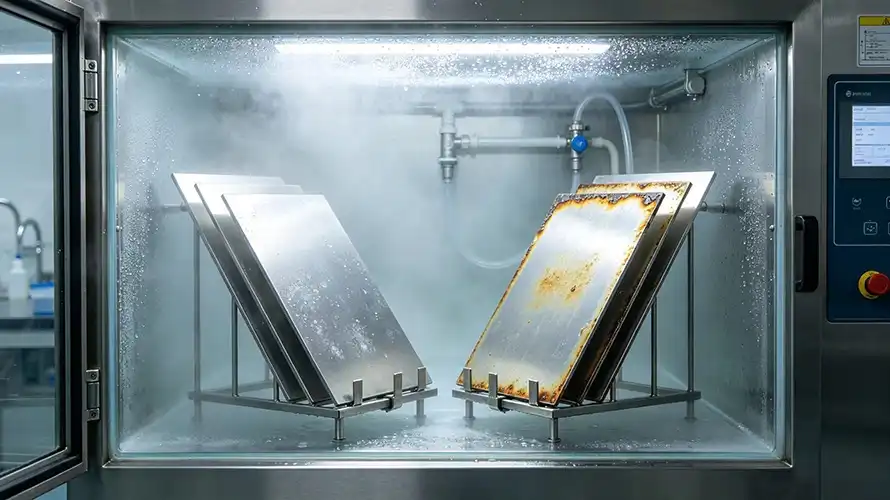
There is an instantaneous formation of a permanent, chemically passive titanium dioxide (TiO2TiO2) surface coating on Grade 2 titanium when it is exposed to oxygen that is present. One of the distinguishing features that sets Grade 2 titanium apart from other grades of titanium is this particular quality. It is able to self-heal rapidly when it is scratched or machined, which provides it with virtually perfect immunity to saltwater, wet chlorine gas, chlorite solutions, nitric acid, and complicated organic compounds. This natural barrier is able to self-heal. Grade 2 titanium components are able to maintain their structural profile even after being subjected to continuous exposure for decades. This is in contrast to standard steel alloys, which deteriorate in environmental conditions such as pitting, crevice corrosion, or galvanic breakdown in marine and chemical streams. Grade 2 titanium components are able to maintain their structural profile under these conditions. As a consequence of this, manufacturers of equipment are able to experience reduced maintenance cycles and reduced expenditures related to protective coating when they place orders for round stock that is designed for durability.
| Property Parameter | Standard Metric Value | Testing Standard |
|---|---|---|
| Titanium (Ti) Base Content | ≥99.2%≥99.2% | ASTM E2371 / Spectrometry |
| Maximum Iron (Fe) Content | 0.30%0.30% | ASTM E2371 |
| Maximum Oxygen (O) Content | 0.25%0.25% | ASTM E1409 |
| Density | 4.51 g/cm34.51 g/cm3 | ASTM B311 |
| Tensile Strength (Rm) | ≥345 MPa≥345 MPa | ASTM E8 / ASTM B348 |
| Yield Strength (Rp0.2Rp0.2) | 275−450 MPa275−450 MPa | ASTM E8 / ASTM B348 |
| Elongation at Break (AA) | ≥20%≥20% | ASTM E8 |
| Modulus of Elasticity | 105 GPa105 GPa | Dynamic Resonance |
Machinability and Processing Techniques for Precision Components
Despite the fact that Grade 2 titanium has a lower hardness than aerospace-grade Ti-6Al-4V (Grade 5), it is still necessary to have a grasp of its thermal and metallurgical behaviour in order to perform effective machining. To achieve superior product finishes and short cycle times, contemporary machine shops manage tool paths, feed rates, and lubrication. This allows them to fulfil these goals.
Tooling Selection and Cutting Speed Optimization
As a result of titanium's comparatively poor thermal conductivity in comparison to carbon steels, the heat that is created along the cutting edge does not diffuse into the chips; rather, it accumulates close to the tip of the tool. It is necessary to use premium micro-grain cemented carbide tooling in order to machine a grade 2 titanium round rod. The tooling should preferably have physical vapour deposition (PVD) titanium aluminium nitride (TiAlN) or uncoated polished carbide inserts in order to avoid chemical affinity and material adhesion. It is recommended that machinists use cutting edges that are sharp and have positive rake geometry in order to shear the metal in a clean manner rather than rubbing or compressing it. Cutting speeds should normally be maintained between 40 and 70 surface meters per minute (m/min), along with positive, continuous feed rates that prevent the insert from residing within the work-hardened shear zone. This is the recommended range for cutting speeds.
Thermal Management and Coolant Applications
In the process of turning or milling titanium bars, the most important aspect in avoiding fast flank wear, edge chipping, and dimensional drift is the control of localised heat accumulation. It is essential that machine settings give priority to the use of high-pressure, flood-delivered coolant that is directed directly into the tool-chip interface in order to promptly drain heat and wash away chips. High-lubricity, water-soluble emulsions or synthetic fluids that include extreme-pressure (EP) chlorinated or sulphurized additives guarantee that the tool will last for a longer period of time and prevent chips from fusing to the cutter body via increased durability.
Surface Finishing and Dimensional Tolerance Control
It is necessary to have high machine tool stiffness, balanced chucking, and little tool overhang in order to achieve mirror-like surface finishes and sub-micron dimensional repeatability. Centerless ground and peeled round bars provide continuous concentricity and roundness before the stock enters your spindle. This considerably reduces the amount of centrifugal vibrations that occur during high-RPM turning when the stock is being turned. When carrying out final finishing passes on a grade 2 titanium round rod, it is possible to remove chatter marks by using a modest depth of cut in conjunction with a lowered feed rate. This particular approach results in surface roughness numbers that are much lower than Ra 0.8 μmμm. The production of flawless micro-finishes that are suited for dynamic sealing surfaces may also be accomplished via the use of methods such as thread-whirling and pre
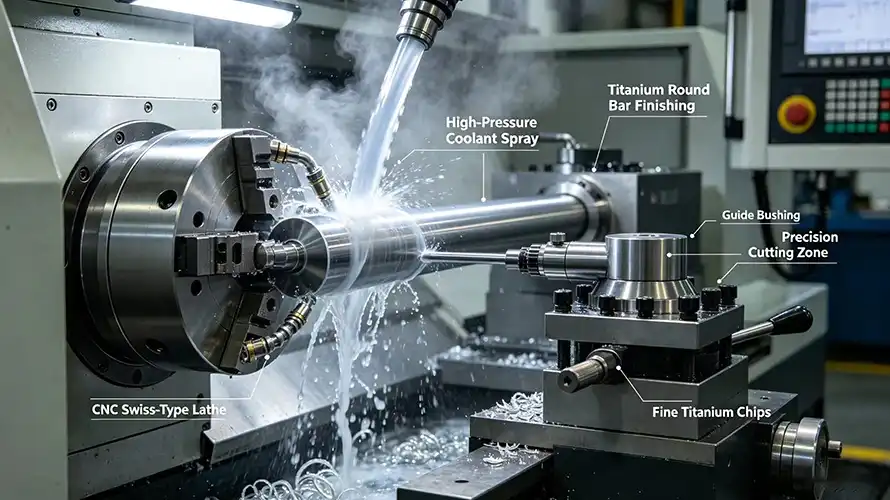
cision burnishing.
For CNC machining projects requiring consistent material quality and precise dimensional control, choosing the right titanium supplier is equally important. Jucheng Titanium provides Grade 2 titanium round rods with customized dimensions and processing options. Contact our technical team at s4@juchengti.com to discuss your specifications and request a tailored quotation.
Key Industrial Applications Demanding High-Strength Grade 2 Titanium
As a result of its consistent tensile integrity and great resistance to chemical and marine deterioration, Grade 2 titanium bar stock is used in the production of essential mechanical components across a wide range of commercial sectors.
Marine Engineering and Desalination Systems
Marine gear is subjected to constant exposure to oxygenated saltwater, localised currents, and corrosion that is impacted by microbial processes in many situations, including coastal, offshore, and naval settings. As a result of the absence of stress corrosion cracking, machined shafts, subsea valve stems, sonar housing frames, and deep-sea mooring pins made from grade 2 titanium round rod function better than marine bronzes and super duplex stainless steels. In a similar manner, titanium high-pressure pump shafts and flow restrictors are used in multi-stage flash and reverse osmosis desalination facilities. These components operate continually without subjecting themselves to erosion-corrosion deterioration. This helps to reduce unscheduled system shutdowns and safeguard water purification operations.
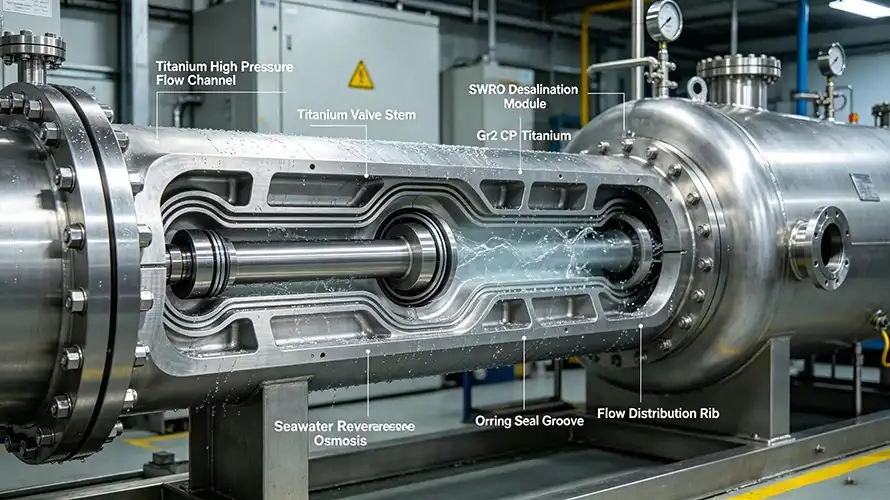
Chemical Processing and Industrial Heat Exchangers
Titanium serves as the primary line of defence for the chemical processing, chlor-alkali, and hydrometallurgical industries throughout the world when it comes to combating aggressive process chemistry. Titanium rods that have been turned are often used in the fabrication of agitator shafts, thermowells, condenser tube sheets, reactor internal fasteners, and pump impellers that are designed to function inside hot solutions of nitric acid, chlorine dioxide, and organic chloride. Protecting industrial gear against high-temperature corrosive assaults is made possible by the strong passivation of Grade 2 titanium. This allows facilities to run at greater thermal efficiency without the danger of product contamination or catastrophic shell breaches.
Medical Hardware and Aerospace Fasteners
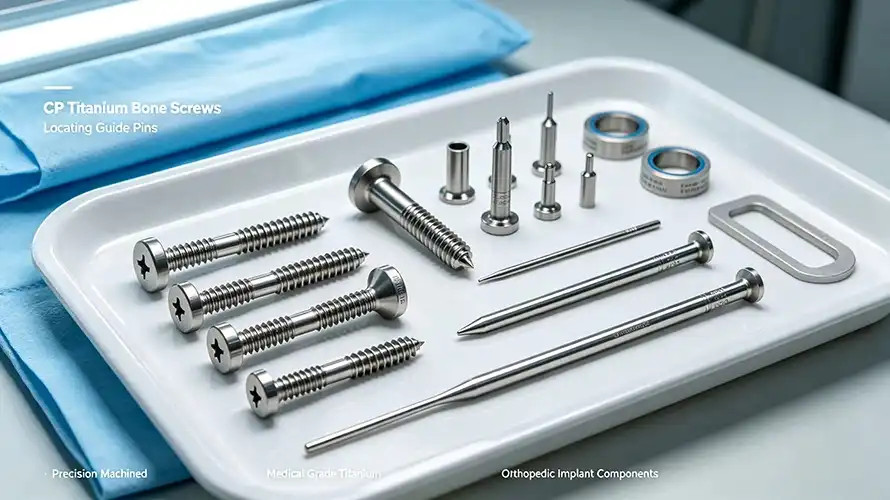
Titanium, in its purest form, is ideal for use as a foundational material for medical equipment, orthopaedic alignment pins, and external fixation pins because to its inherent non-toxicity, physiological neutrality, and compatibility with human tissue. Sterilisation of grade 2 titanium bars is simple and may be accomplished via the use of autoclaving and chemical washes without causing oxidation or degradation. Grade 2 titanium round stock is machined into structural brackets, fluid line connections and aircraft ducting fasteners in the aviation and defence industries. These are all areas where significant weight reductions are essential, but where the extreme tensile profile of costlier alloyed grades is not technically required.
| Industrial Sector | Typical Machined Component | Critical Material Justification |
|---|---|---|
| Marine & Offshore | Subsea Valve Stems & Pump Shafts | Total resistance to seawater crevice corrosion and pitting |
| Hydrometallurgy & Chlor-Alkali | Reactor Impellers & Agitator Shafts | Outstanding resistance to hot chlorine, acids, and metal salts |
| Desalination Infrastructure | High-Pressure Manifold Pins & Plugs | Complete immunity to localized erosion and biofouling |
| Petrochemical Refining | Heat Exchanger Tubesheet Tie Rods | High strength-to-weight ratio and resistance to sour gases |
| Medical Technology | Surgical Instrument Handles & Guide Pins | Exceptional biological compatibility and non-magnetic nature |
Quality Assurance and Manufacturing Capabilities at Jucheng Titanium
You may ensure that your raw bar stock fulfils worldwide aerospace, military, and commercial mechanical requirements by acquiring raw materials from a well-established and vertically integrated supplier. This will ensure that there is no variance between manufacturing batches.
Advanced Metallurgical Testing and Certification
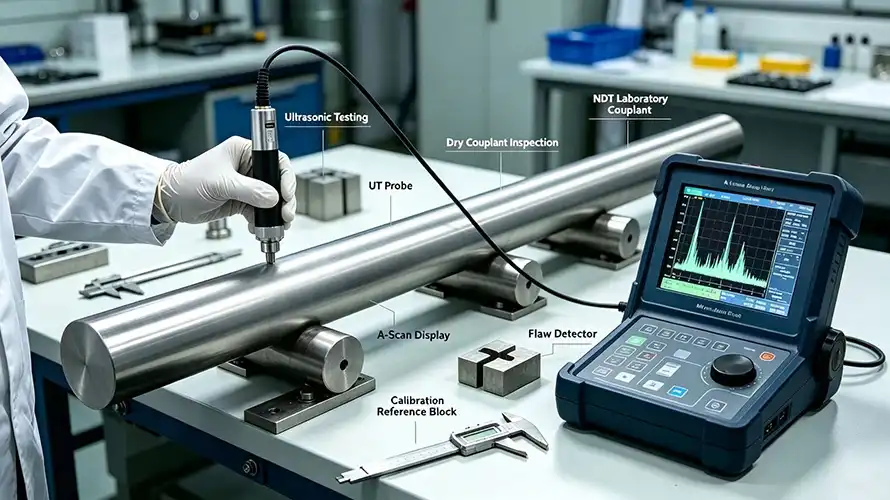
This rigorous, multi-stage quality verification process is performed on each and every grade 2 titanium round rod that is made and supplied by Jucheng Titanium. This is done to verify that the internal and external structural integrity of the rod is perfect. In order to identify sub-surface porosity, voids, or inclusions, material quality processes include surface eddy current inspections in addition to non-destructive ultrasonic testing (UT) that is conducted in accordance with AMS 2631. Furthermore, accredited laboratory technicians perform spectrographic chemical analysis and mechanical tensile testing on each melt lot. They also provide complete and transparent Mill Test Certificates (MTC) that conform to EN 10204 3.1. These certificates guarantee full traceability from the melting of sponge titanium to the final product that is shipped.
Extensive Inventory and Rapid Global Delivery
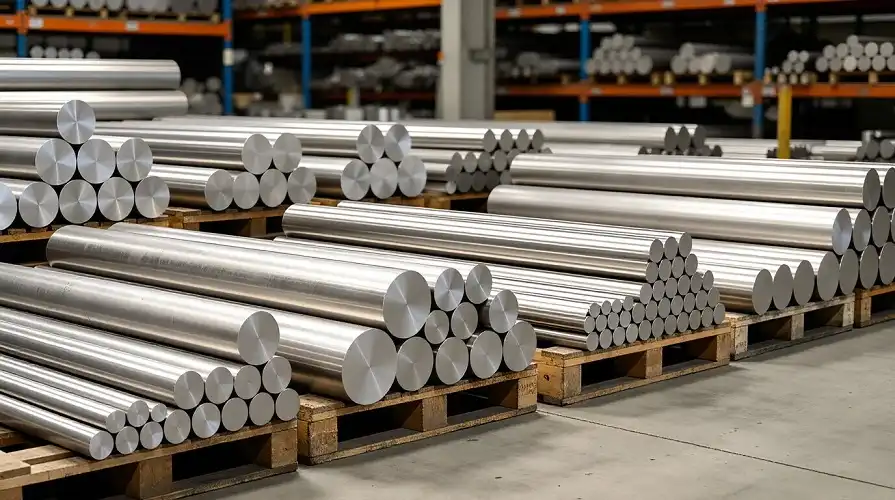
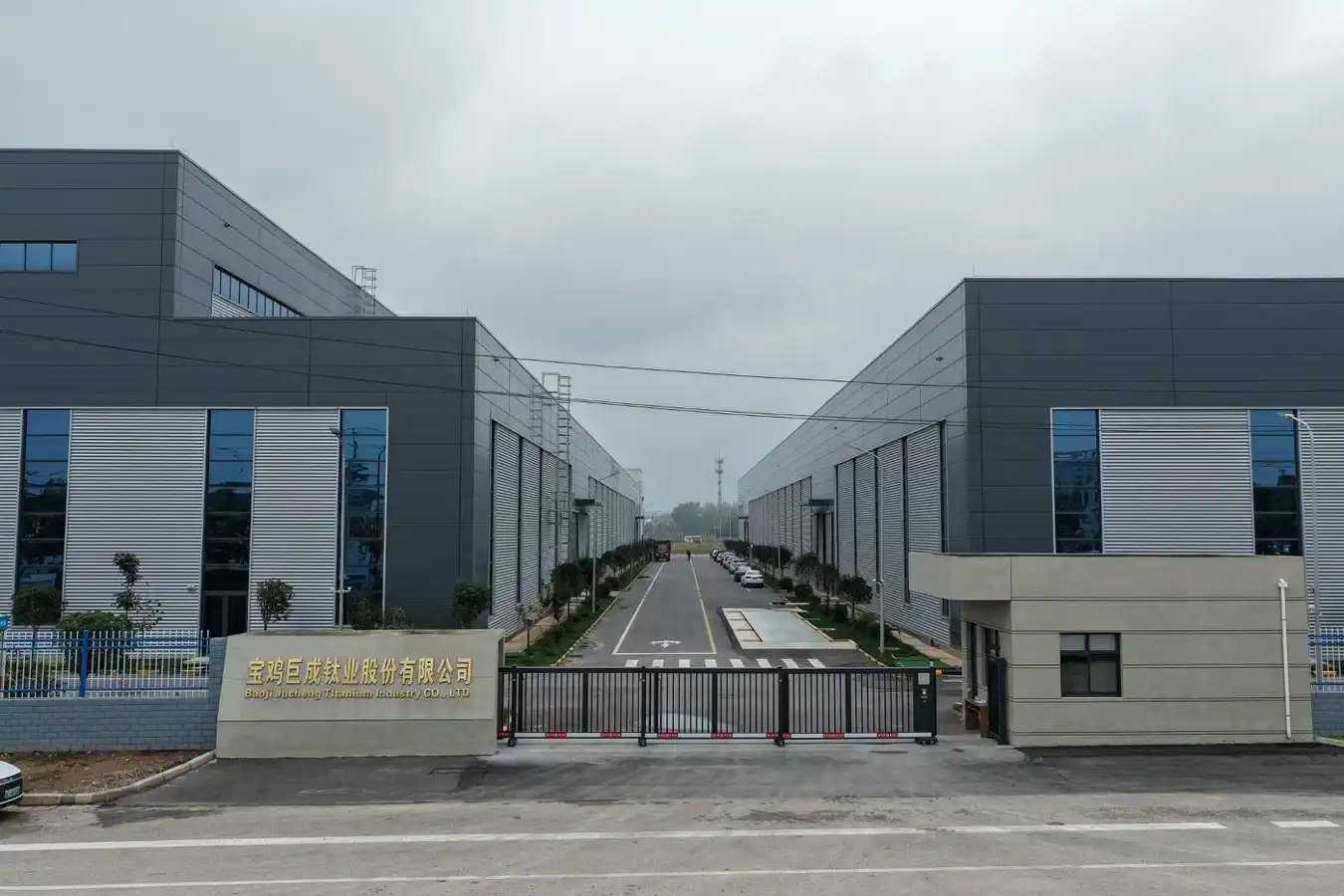
Established in 2004, Baoji Jucheng Titanium Industry Co., Ltd. is a company that has been at the forefront of production and processing for more than twenty years. The company is situated in Baoji, which is located in China's Titanium Valley. Operating a large facility covering 120,000 square meters with a registered capital of 50 million RMB, our firm keeps a continuous inventory of roughly 3,000 tonnes of quality titanium goods ready for export. Our logistics crew is able to quickly fulfill small prototype requests as well as large-scale industrial container shipments because to this broad stock. This helps to minimise bottlenecks in the supply chain and ensures that your CNC machining centers are able to continue continuous production without incurring expensive downtime.
Custom Fabrication and Technical Collaboration
We are a National High-Tech Enterprise and a national-level specialised "little giant" enterprise. Jucheng Titanium is the owner of four innovation patents and forty-one utility model patents, which is evidence of our dedication to the growth of technology. We maintain active research and development cooperation with leading domestic scientific organisations, including the Northwest Institute for Nonferrous Metal Research, Tsinghua University, and Northwest University. These institutions are all responsible for conducting research and development. Precision centerless grinding, custom length sawing, chamfering, and peeling are some of the custom processing services that our workshops provide. These services are designed exactly to the designs of our customers. Additionally, our workshops supply machinists with pre-conditioned raw materials, which reduces the amount of time spent on preparation and minimises the amount of tool trash.
Conclusion
The high-strength grade 2 titanium round rod represents an unmatched combination of chemical resilience, dependable yield strength, and machining versatility for precision industries. Backed by 20 years of metallurgical excellence, Jucheng Titanium delivers fully certified, ready-to-machine round bars that streamline production and guarantee enduring component performance. Contact our engineering team today to supply your precision manufacturing needs.
Frequently Asked Questions
1. What makes Grade 2 titanium round rod suitable for machining?
Grade 2 titanium combines moderate yield strength (275–450 MPa) with high ductility (≥20%≥20%), enabling smooth chip formation and lower cutting tool pressures compared to harder titanium alloys like Grade 5.
2. Which industry specifications govern Grade 2 titanium bars?
Grade 2 titanium round bars are predominantly produced and certified in compliance with ASTM B348, ASME SB348, ASTM F67 (for medical applications), and AMS 4928 standards.
3. What coolant strategy works best when turning Grade 2 titanium rods?
High-pressure, high-flow water-soluble coolants with extreme-pressure additives are recommended to direct liquid directly into the cutting zone, dissipating heat and preventing chip re-welding.
4. How does Grade 2 titanium compare to Grade 5 titanium for CNC turning?
Grade 2 is commercially pure titanium, offering lower tensile strength but significantly easier machinability, better cold formability, and superior resistance to reducing chemical environments compared to alloyed Grade 5 (Ti-6Al-4V).
Elevate Your Machining Output with Jucheng Titanium
Are you prepared to elevate your machining quality with certified grade 2 titanium round rod inventory directly from China's Titanium Valley? Backed by two decades of manufacturing leadership, 3,000 tons of continuous inventory, and comprehensive custom processing capabilities, Baoji Jucheng Titanium Industry Co., Ltd. is ready to fulfill your most demanding project parameters. Send your component drawings and request an immediate factory quote by contacting our sales and technical specialists today at s4@juchengti.com!
References
1. ASTM International. Standard Specification for Titanium and Titanium Alloy Bars and Billets (ASTM B348/B348M). West Conshohocken, PA: ASTM International, 2021.
2. Donachie, Matthew J. Titanium: A Technical Guide. 2nd ed. Materials Park, OH: ASM International, 2000.
3. Leyens, Christoph, and Manfred Peters, eds. Titanium and Titanium Alloys: Fundamentals and Applications. Weinheim: Wiley-VCH, 2003.
4. Boyer, Rodney, Gerhard Welsch, and E. W. Collings. Materials Properties Handbook: Titanium Alloys. Materials Park, OH: ASM International, 1994.
5. Trent, Edward M., and Paul K. Wright. Metal Cutting. 4th ed. Boston: Butterworth-Heinemann, 2000.
6. Schutz, Ronald W., and David E. Thomas. "Corrosion of Titanium and Titanium Alloys." ASM Handbook, Volume 13B: Corrosion: Materials. Materials Park, OH: ASM International, 2005.