



How Reliable Is Gr12 Titanium Tube in Harsh Media?
When equipment is used in harsh chemical environments, extreme temperatures, or corrosive marine conditions, the choice of material is very important. Gr12 Titanium Tube stands out because it is a tried-and-true answer that was made to deal with the problems that make other materials fail too soon. This titanium alloy tube, with the number UNS R53400 on it, is made up of 0.3% molybdenum and 0.8% nickel. It is a material that falls between cheap pure titanium and expensive palladium-alloyed grades. This substance is used in many fields, from chemical processing to marine engineering, because it is very good at resisting crevice corrosion in hot brines and reducing acids up to 260°C, where other types like Gr2 would start to pit and break down.

Understanding Gr12 Titanium Tube: Composition and Properties
Chemical Composition and Alloying Strategy
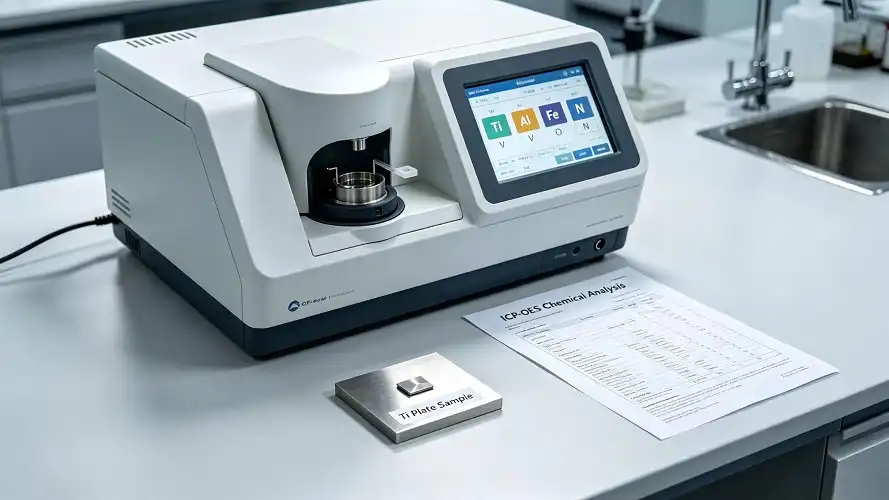
Titanium tubes that are used in harsh conditions need more than just the basic qualities of metals. Adding molybdenum and nickel to Grade 12 in a planned way makes a near-alpha alloy structure that completely changes how the material reacts to chemical attack. Commercially pure grades like Gr2 are good at resisting corrosion in many situations, but they can fail when temperatures rise above 80°C in conditions that are high in chloride or mildly reducing. The molybdenum content makes the material more passive, and the nickel content makes it more resistant to crevice corrosion, which is a common way for industrial heat transfer systems to fail.

At Baoji Jucheng Titanium Industry, we make sure that our products meet strict ASTM B338 and ASTM B861 standards by using ICP-OES research to check the chemicals. Each output batch goes through a lot of tests to make sure the metal content is exactly what's needed. This gives our clients the long-lasting performance they expect from a Gr12 Titanium Tube.
Manufacturing Methods and Mechanical Performance
From raw titanium to finished seamless tubes, there are many precise steps that must be taken. The tube shape is first made by extrusion, and then the dimensions are fine-tuned by cutting. The work-hardening process of cold rolling makes the material very precise in terms of its wall thickness and outer diameter. We make tubes with wall thicknesses ranging from 0.5 mm to 20 mm and OD3 mm to OD219 mm, but we can also make tubes to specific project requirements.
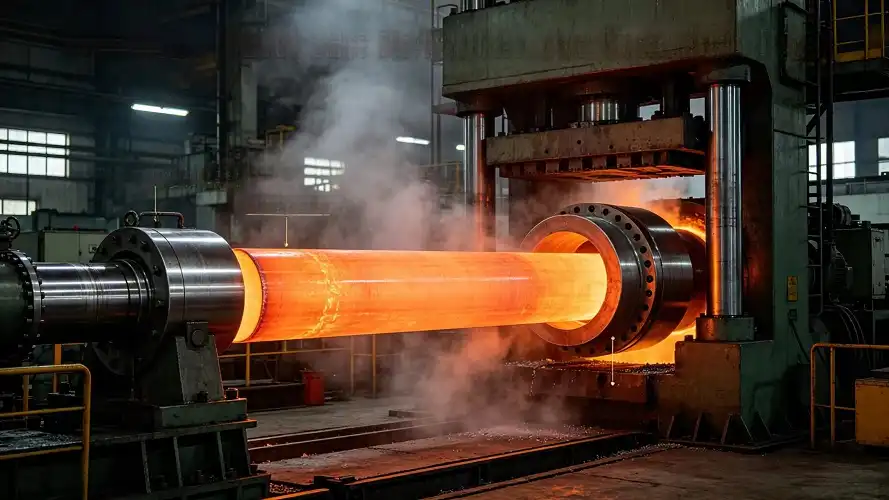
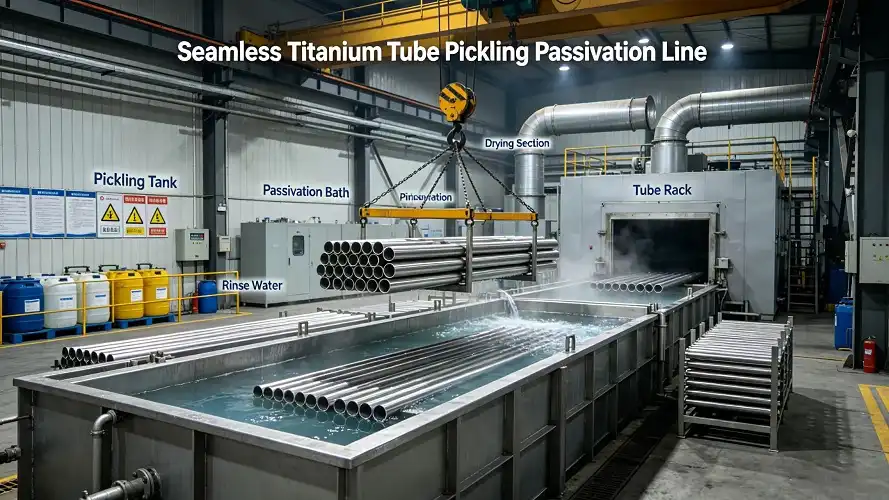
The annealing heat process lowers the stress inside the material and improves the microstructure, so it doesn't rust. This step makes sure that the grain structure is uniform and that there are no brittle alpha-case formations that could hurt performance. Pickling gets rid of surface dirt and oxide scales, and flattening makes sure that tubes are the right shape. The finished product has a tensile strength of around 483-620 MPa and is very flexible, which makes it easy to install in the field by flaring and bending.
Temperature Capabilities and Environmental Resistance
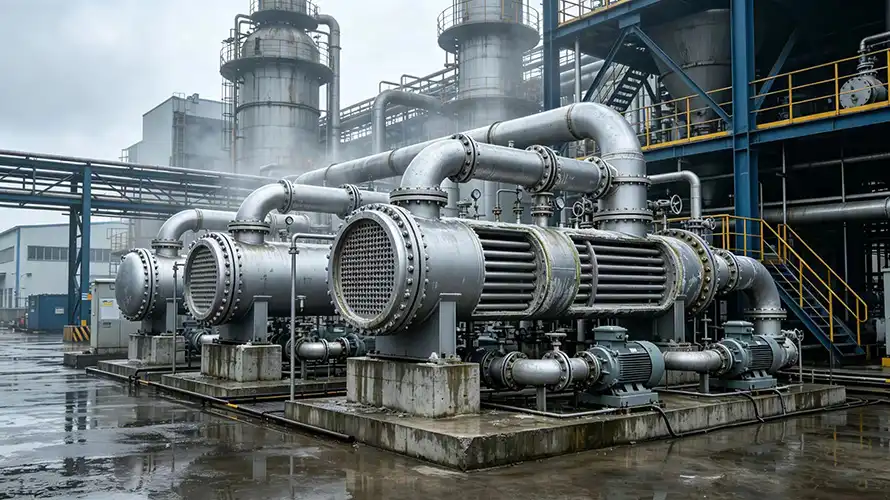
The operating temperature range tells you when things work and when they don't. Grade 12 titanium tubing stays structurally sound and doesn't rust up to 260°C, which is much higher than what lower-grade options can handle. This temperature stability is very important for shell-and-tube heat exchangers that work with hot brines in desalination plants or reactor waste in chemical manufacturing.
The material is resistant to a wide range of harsh media, such as chlorate solutions, wet chlorine, reducing acids at high temperatures, and seawater with a high salt content. This flexibility comes from the alloy's ability to keep its protective passive oxide film even when conditions change from mildly oxidising to mildly reducing, which would damage less durable materials.
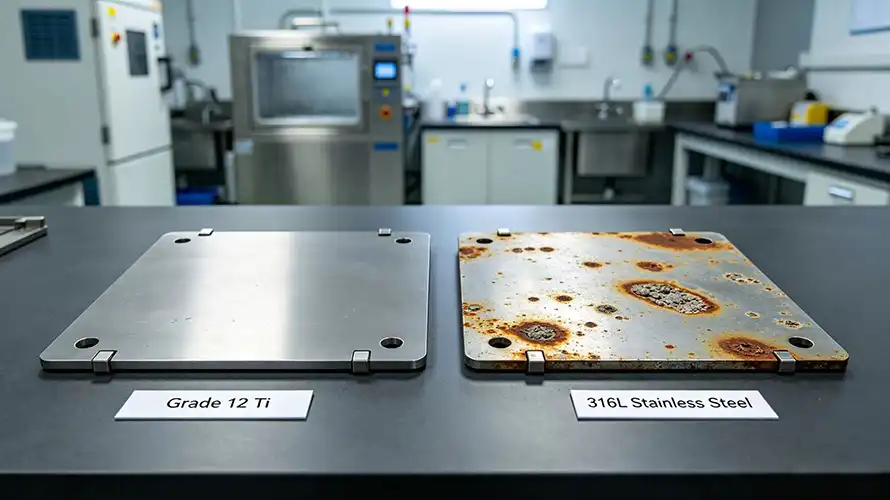
Evaluating Reliability: Performance of Gr12 Titanium Tubes in Harsh Environments
Chemical Processing Industry Applications
In chemistry factories, the cost of running the business is directly affected by how long the equipment lasts. Gr12 titanium tubes are now the most popular choice for equipment that makes chlorate, systems that handle wet chlorine, and reaction vessels where the media chemistry changes during the process cycle. At Jucheng Titanium, our tubes are used in places where temperature changes, pH changes, and chloride pollution happen all at the same time. These are all things that would kill stainless steel in just a few months.
When you figure out the total cost of ownership, one big benefit stands out. Even though the initial cost of the materials is higher than that of austenitic stainless steels, the savings are huge because of the lack of early failures, emergency shutdowns, and frequent replacement cycles. Contractors who work on chemical plants know that equipment made with the right types of titanium works steadily for decades instead of years, which lowers costs over its lifetime and raises safety standards.
Marine and Offshore Engineering Solutions
When used in industry, seawater is one of the most complicated places where things can rust. Temperature changes, biological fouling, microbiologically affected rust, and situations where flow stops or slows down all create ways for materials to fail that make them less effective. Grade 12 seamless tubes work really well in these situations, especially in exhaust gas scrubber systems, seawater cooling circuits, and the pipes on remote platforms that are hard to get to for repair.
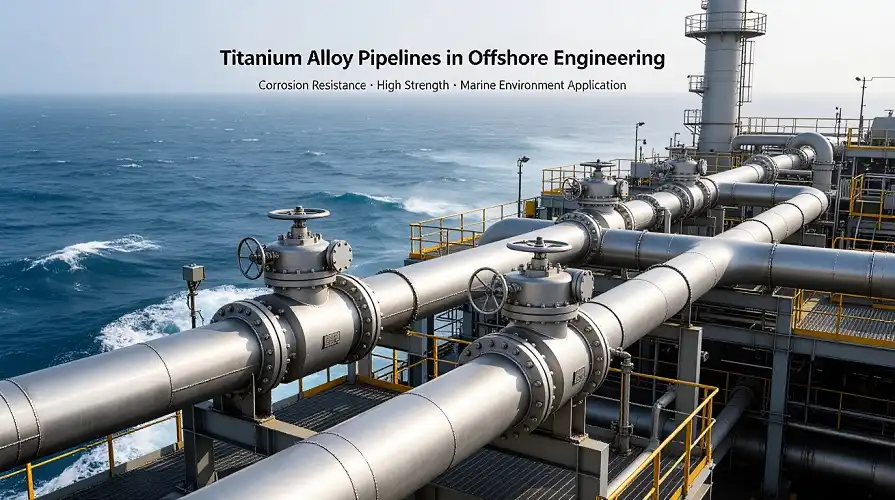
When used in naval settings, titanium's lighter weight is especially useful. When compared to copper-nickel or stainless steel alternatives, equipment designers can cut down on weight by a lot. This lowers the structural load on platforms and vessels. This trait, along with resistance to corrosion, makes systems that don't need much upkeep over long periods of time. This is very important when equipment is used in remote offshore areas.
Heat Exchanger and Thermal Processing Equipment
Keeping the tube surfaces clean and free of corrosion products and scale buildup is important for heat transfer efficiency. Titanium tubes don't get clogged up as easily as some other materials, so they keep their heat performance over time. Titanium tubing has been used in heat exchangers in refineries, petrochemical plants, and other industrial buildings where process fluids make materials less durable.

Our experience making more than 500 sets of titanium equipment every year, such as heat exchangers and condensers, gives us useful information about how things work in the real world. The material's dependability is shown by equipment that works in brine heating service, where temperatures stay above 150°C and salt levels stay high. Because it is resistant to rust and stable at high temperatures, it doesn't get pitted or attacked in cracks like other materials do in these tough situations.
Comparison with Alternative Materials: Making an Informed Choice
Titanium Grade Comparisons
When choosing the right titanium type, you have to weigh the performance needs against the cost. Commercially pure Grade 2 is less expensive and has great general rust resistance, so it can be used in light chemical conditions and seawater at room temperature. But its flaws become clear when the temperature rises or when there are crevice conditions.
It costs a lot more than other grades because Grade 7, which has palladium in it, has better protection. In a lot of situations, Gr12 Titanium Tube is the best middle ground because it performs better than CP grades without the high cost of palladium alloys. Grade 5, which is an alloy of titanium, aluminium, and vanadium, is stronger than Grade 12 but not as resistant to corrosion. This means it is better for solid aircraft uses than chemical process equipment.
Stainless Steel and Nickel Alloy Alternatives
When comparing titanium to stainless steel or Inconel, there are more than just the costs of the materials that need to be thought about. Austenitic stainless steels, such as 316L, work well in many corrosive conditions, especially when the temperature stays mild and the salt level stays low. What happens, though, is that they can crack and pit due to stress corrosion when conditions are too high.
Nickel-based metals, like Inconel 625, are very strong at high temperatures and don't rust, especially when they are used in acidic environments. Their cost and mass, on the other hand, are much higher than those of titanium. Where Grade 12 titanium can be used in conditions of normal temperature and pressure, its lighter weight and better or equal corrosion resistance often make it the more cost-effective option when looking at the whole system.
The decision framework should include things like the cost of the materials, the cost of making them, the cost of labour for installation, the expected service life, the need for maintenance, and how often the parts need to be replaced. This thorough study usually suggests that titanium is better for long-term, high-reliability uses where machine failures have big effects.
Procurement Considerations for Gr12 Titanium Tube
Supplier Selection and Quality Verification
When looking for industrial tubing, you need to be sure of both the authenticity of the material and the quality of the manufacturing. Suppliers with a good reputation provide a lot of paperwork, like material test results, chemical analysis papers, and proof of mechanical properties. Our quality control grid at Baoji Jucheng Titanium Industry covers every step of the production process, from getting the raw materials to doing the final check.

We keep our ASTM B338, ASTM B861, and ASME SB338 certifications up to date, which makes sure we follow the international rules for building pressure vessels and heat exchangers. As part of our testing procedures, we look for linear flaws, inclusions, or cracks in the tubes using 100% eddy current or ultrasound examination. Before shipping, leak-free building is checked with hydrostatic or pneumatic pressure tests to ensure the reliability of each Gr12 Titanium Tube.
Inventory, Customization, and Lead Time Management
Access to materials when they are needed keeps projects from being late, which costs a lot of money. About 3,000 tonnes of titanium in different grades, sizes, and product types are kept in stock by Jucheng Titanium. This stock position lets us respond quickly to urgent needs while also supporting planned purchases for projects that are already planned.
Customisation is useful for situations where specific measurements or requirements need to be met. Our factories can make products with special outer sizes, wall thicknesses, and lengths that aren't available in our catalogues. Different surface treatments, like sanding, grinding, and specialised pickling, are used for different purposes. This is especially true when the finish on the inside of the tube affects how it flows or how it needs to be cleaned.
Lead times depend on the complexity of the order, the amount, and the current production plans. Standard sizes from stock ship quickly, but custom manufacturing takes longer because of the time needed to make the tools, make the product, and check the quality. Getting in touch with suppliers early on in the planning stages of a project gives you enough time to make purchases and keeps you from having to rush, which could hurt quality or cause costs to go up due to extra fees.
Pricing Structures and Order Minimums
Material prices are based on many things, such as the cost of raw materials, the difficulty of the manufacturing process, the number of orders, and the state of the market. Because it has more alloys and stricter specifications, Grade 12 costs more than commercially pure grades. Knowing what causes prices to change helps buyers deal well and set up orders in a way that gets the best value.
When you commit to a certain amount of goods, you can often get better prices, especially for long-term contracts or needs that come up often. When buyers are in charge of more than one project, they can combine their purchases to get better prices while still keeping materials available for each application. Minimum order numbers depend on the seller and the configuration of the product. For custom items, the minimums are usually higher to cover the costs of tooling and setup.
Suppliers can come up with solutions that meet both customer wants and production efficiency if they are clear about budget limits, number projections, and flexible scheduling. Building relationships with dependable suppliers like Jucheng Titanium opens the door to value engineering, other options, and faster service when time is of the essence.
Ensuring Optimal Use and Longevity of Gr12 Titanium Tubes in Harsh Media
Installation Best Practices and Common Mistakes
When you install something correctly, you protect the integrity of the material and make sure that the design performance translates to reliability in the field. Because titanium is so special, it needs to be handled in a certain way. When carbon steel particles get on something during cutting or manufacturing, they can form galvanic pairs that start corrosion. Cross-contamination from other metals can't happen because of separate tools and work areas.
When welding titanium, inert gas shielding is needed to keep the weld zones from becoming weakened by air pollution. Argon purging shields both the weld face and the root, so the joined parts stay resistant to rust. Joints that meet code requirements and work efficiently in service are made with qualified welding processes and certified welders. In heat exchangers, the joints between tubes and sheets must be carefully expanded so that work-hardening doesn't happen, which could cause tubes to crack during thermal cycling.

Protecting the surface during building stops damage that could lead to rust starting points. Before tools can be used, scratches, gouges, and other damage must be fixed, and the surface must be passivated. Long-term dependability starts with installing a Gr12 Titanium Tube according to the manufacturer's instructions and best practices in the industry.
Maintenance Strategies and Performance Monitoring
Regular inspection and maintenance programs are good for all materials, even those that don't rust very easily. Visual inspection on a regular basis finds early signs of fouling, mechanical damage, or unexpected corrosion that could mean changes in the operating conditions or mistakes in the material specifications. Eddy current inspection is one type of non-destructive testing that can find wall thinning or cracks before they break.
Predictive maintenance methods connect working parameters to the state of equipment, so they can be fixed before they hurt performance or safety. Keeping an eye on the temperatures, pressures, and chemistry of the fluids in the process helps find deviations from the intended conditions that could speed up degradation. This proactive approach cuts down on unplanned downtime and makes tools last as long as possible.
When cleaning, you should not use harsh chemicals or mechanical methods that could damage protective oxide films. Titanium's passive layer heals quickly when broken in oxidising environments, but keeping the surface intact through proper care practices stops wear that isn't necessary and keeps the material working at its best.
Future Developments and Performance Enhancement
Titanium tube technology keeps getting better thanks to ongoing study. Surface modification methods, such as plasma processes and special coatings, make qualities that are already very good even better. Improvements to the manufacturing process make the dimensions more consistent, lower the cost of production, and allow for new product combinations.
Additive manufacturing and advanced forming techniques are making it easier to design things with more complex shapes that make flow patterns and heat transfer more efficient. These new ideas should make next-generation equipment work better while keeping the basic dependability that makes titanium the best material for harsh media service.
Continuous improvement is driven by suppliers of materials, makers of tools, and end users working together. Our relationships with top universities and research centers, such as the Northwest Institute for Nonferrous Metal Research, help us create new alloys and uses for old ones. Our dedication to new ideas makes sure that our clients can get cutting-edge answers to problems that are happening in industries that are always changing.
Conclusion
Gr12 Titanium Tube has been shown to be reliable in harsh media situations where high temperatures, corrosion, and difficult chemicals call for the best material performance. The best choice for chemical processing, naval engineering, and heat transfer equipment is this alloy because it is strong, doesn't rust in cracks, and stays stable at temperatures up to 260°C. Although some other materials may be cheaper at first, Grade 12 titanium's long-term value, which can be measured by its longer service life, lower upkeep needs, and lack of early failures, makes it a strong economic case. To have a successful application, you need to carefully choose your provider, follow the right installation procedures, and keep up with routine upkeep that protects the integrity of the materials throughout their service life.
FAQ
1. How does Grade 12 titanium compare with stainless steel in corrosive environments?
Austenitic stainless steels don't work as well as Gr12 Titanium Tube in chloride-filled environments, especially when the temperature goes above 80°C. In hot brines, 316L stainless steel can still split and crack from stress corrosion, but Grade 12 stays strong because its passive film stability is better. The molybdenum and nickel additions specifically deal with the types of corrosion that happen in crevices, which are bad for stainless steel in heat exchangers and chemical processing settings where things aren't moving.
2. What kinds of customization options are there for specific dimensions?
Our seamless titanium tubes come in a wide range of sizes, from OD3 mm to OD219 mm, and have walls that are 0.5 mm to 20 mm thick. Custom sizes outside of these ranges can be made to fit the needs of a particular job. Different surface processes, like acid-pickled, machined, or polished ends, meet the needs of different applications. Our engineering team works with clients to come up with solutions that work best in their specific situations.
3. Which certifications ensure quality and compliance?
Production standards are set by a wide range of material approvals, such as ASTM B338 for heat exchanger tubes and ASTM B861 for seamless pipe uses. Each shipment comes with test records for the materials that show their chemical make-up (using ICP-OES analysis), their mechanical qualities (from tensile testing), and the results of non-destructive examinations. Pressure tank code standards are supported by ASME SB338 compliance. These certificates are proof that you meet the requirements of regulations and quality control systems.
Partner with Jucheng Titanium for Reliable Gr12 Titanium Tube Supply
As a manufacturer of Gr12 Titanium Tubes for demanding industrial uses around the world, Baoji Jucheng Titanium Industry has more than 20 years of experience in this field. Our wide range of services includes processing materials, making custom items, and providing engineering support. We are protected by 4 invention patents and 41 utility model patents that cover all of our products. As a creative and specialised national business, we have strict quality control measures in place. These include full chemical analysis, non-destructive testing, and checking the mechanical properties of products in line with ASTM B338, ASTM B861, and ASME SB338 standards. Because we keep 3,000 tonnes of material on hand and can make anything to order, we can deliver quickly, even if your needs are for normal sizes or unique shapes. Get in touch with our technical team at s4@juchengti.com to talk about your unique needs and find out how our knowledge of titanium tubing options can help your tools work better and last longer.

References
1. Davis, J.R. (2006). Corrosion of Titanium and Titanium Alloys. ASM International Handbook Committee.
2. Schutz, R.W. & Thomas, D.E. (2005). "Corrosion of Titanium and Titanium Alloys." Corrosion: Materials, ASM International, Vol. 13B, pp. 252-299.
3. American Society for Testing and Materials. (2021). ASTM B338-21: Standard Specification for Seamless and Welded Titanium and Titanium Alloy Tubes for Condensers and Heat Exchangers. ASTM International.
4. Donachie, M.J. (2000). Titanium: A Technical Guide, 2nd Edition. ASM International.
5. American Society of Mechanical Engineers. (2019). ASME SB-338: Specification for Seamless and Welded Titanium and Titanium Alloy Tubes for Condensers and Heat Exchangers. ASME Boiler and Pressure Vessel Code.
6. Cotton, J.B. (1970). "The Role of Palladium in Enhancing the Corrosion Resistance of Titanium." Platinum Metals Review, Vol. 14, No. 4, pp. 143-148.