



6Al-4V titanium sheet 895 MPa: AMS 4911 spec fully explained
If you work in aerospace procurement, defense manufacturing, or industrial equipment sourcing, you have almost certainly encountered the term "AMS 4911." This specification governs one of the most widely used titanium alloys in engineering — the 6Al-4V titanium sheet. At its core, this Grade 5 alloy combines 6% aluminum and 4% vanadium to deliver a minimum tensile strength of 895 MPa (130 ksi), making it the go-to choice for applications where weight savings and mechanical reliability are non-negotiable. This guide breaks down everything procurement professionals need to know.
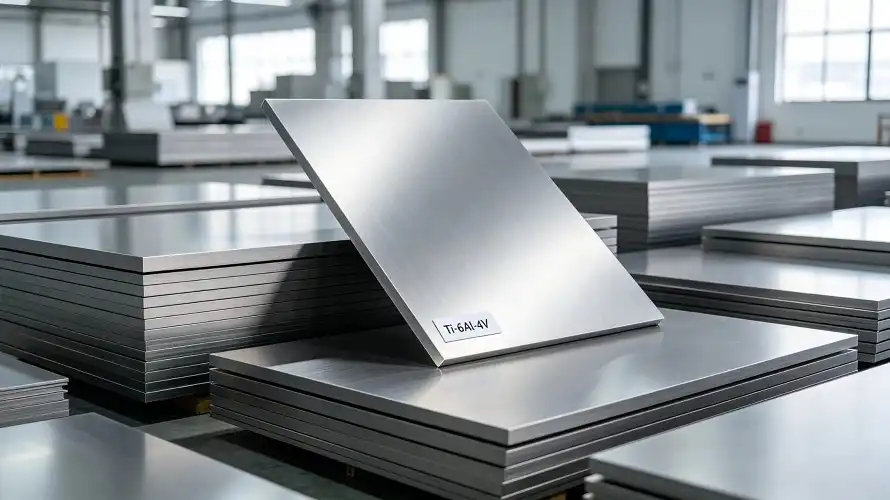

Understanding 6Al-4V Titanium Sheet and AMS 4911 Specification
What Is 6Al-4V Titanium Alloy?
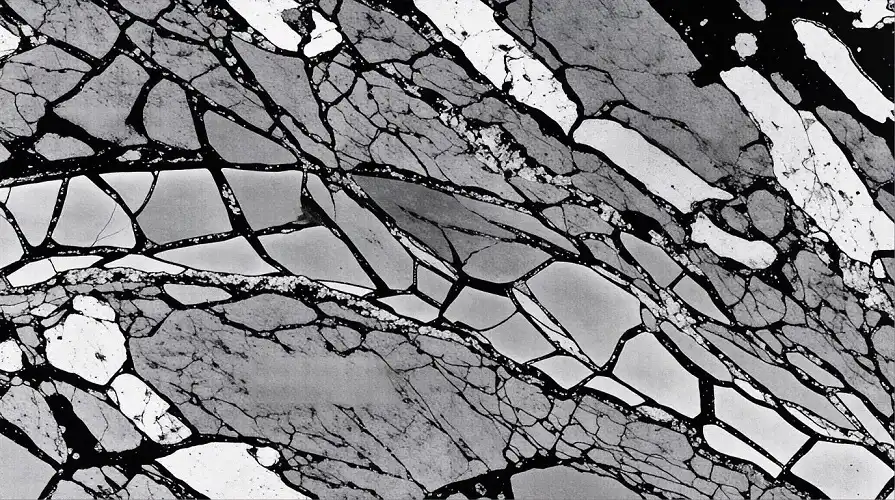
Grade 5 titanium, whose full name is Ti-6Al-4V, is the most common type of titanium metal used around the world, making up about half of all titanium used. Its alpha-beta microstructure, which is a flat, even matrix without any continuous grain-boundary alpha networks, gives it a unique mix of high strength, middling flexibility (about 10% elongation), and great resistance to corrosion. It is 42% lighter than steel but has the same tensile strength as many high-strength construction steels.
What Does AMS 4911 Specify?
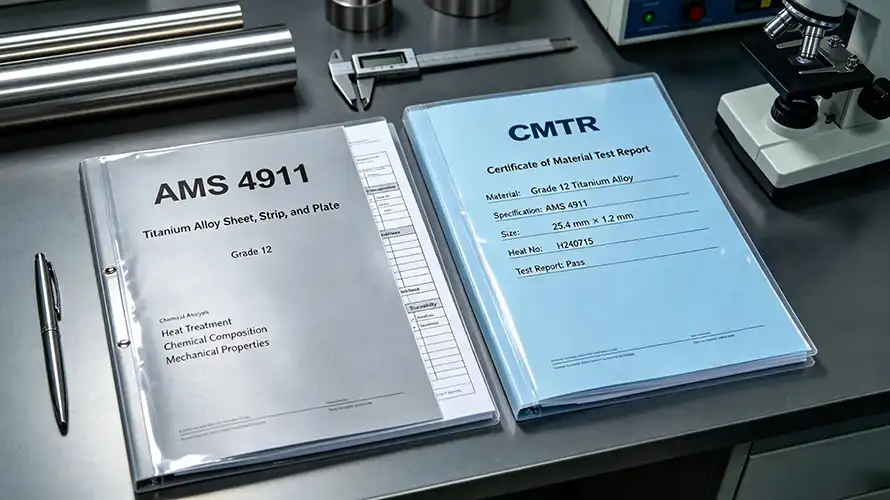
The SAE Aerospace Material Specification (AMS 4911) says what titanium alloy sheet, strip, and plate made of Ti-6Al-4V can and cannot do. It has very specific rules about the chemical make-up, how to test for mechanical defects, how to heat treat the material, how good the surface must be, and how the material can be tracked. Sheets that are provided under AMS 4911 must be annealed and come with a certified material test report (CMTR) that says an approved facility checked all of their mechanical properties.
How AMS 4911 Differs from ASTM B265
ASTM B265 includes a wider range of titanium grades that can be used in chemical and industrial settings. AMS 4911 is more detailed and strict. It was written for aircraft flying gear and has stricter rules for microstructure, surface finish, and documentation. AMS 4911 is not just a recommended standard; it is the required standard when your application involves flight-critical structures or military-grade parts.
Performance Characteristics of 6Al-4V Titanium Sheet (895 MPa Grade)
Mechanical Properties at a Glance
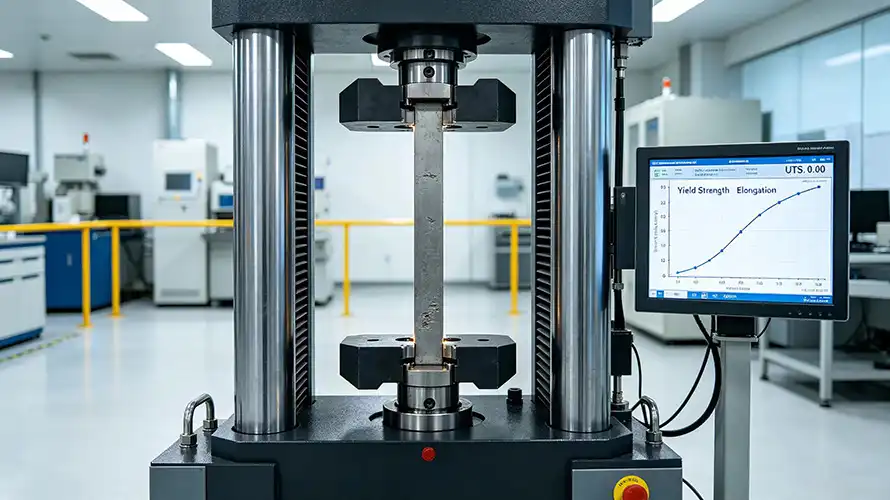
The ultimate tensile strength (UTS) of AMS 4911 Grade 5 titanium sheet is at least 895 MPa (130 ksi), and the yield strength is at least 828 MPa (120 ksi). It has a density of 4.43 g/cm³ and an elastic modulus of 113.8 GPa, which is very close to cortical bone and explains why it is used so often in the design of orthopedic implants. The low coefficient of thermal expansion (8.6 µm/m·°C) also helps keep the shape stable over a range of temperatures.
Corrosion Resistance vs. Steel and Aluminum
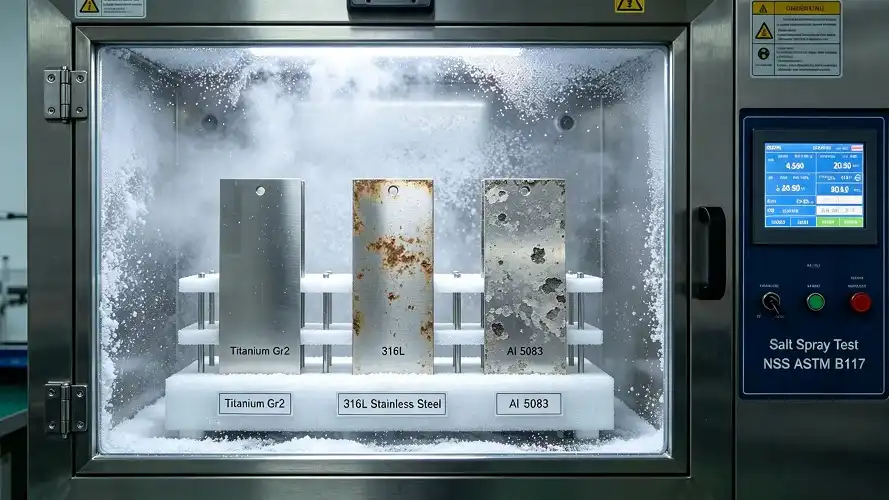
In places with a lot of chloride, like the ocean, streams used in chemical processing, or air that is full of salt, Grade 5 titanium sheet works much better than both 316L stainless steel and 6061 aluminum. Its passive oxide film heals itself when it comes into contact with oxygen, so it keeps protecting even if the surface gets scratched. When offshore engineering teams moved from duplex stainless steel to titanium pressure housings, they saw three to five times longer service lives in harsh saltwater environments.
Heat Treatment and Microstructure Under AMS 4911
AMS 4911 6Al-4V titanium sheet is sent out in a softened state so that it can still be shaped. The metal can be heated, though, and its tensile strength can be raised above 1,100 MPa through solution treatment and aging (STA). This is useful for situations where even better performance is needed. The specification says that the microstructure can't show any signs of a continuous alpha phase at the edges of prior beta grains. This is a very important quality control point that has a direct effect on the fatigue life and fracture toughness.
Comparison and Decision-Making: Choosing the Right Titanium Form
Sheet vs. Plate: Key Differences
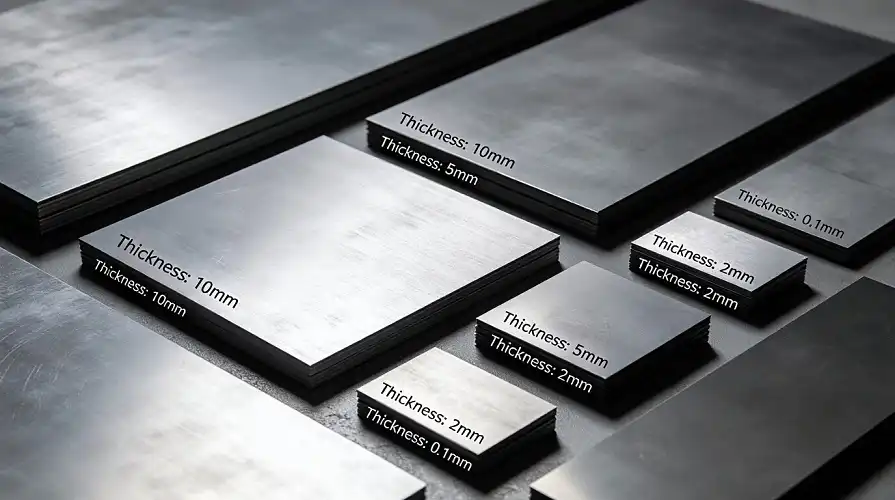
When talking about titanium, "sheet" usually means thicknesses less than 4.76 mm, and "plate" usually means thicknesses greater than 4.76 mm. Hot-rolled titanium sheet and plate can be bought at Jucheng Titanium in thicknesses ranging from 4 mm to 80 mm, widths ranging from 950 mm to 2,500 mm, and lengths ranging from 950 mm to 10,000 mm. Custom sizes can also be ordered. Plates have higher load-bearing cross-sections for structural frames and pressure tanks, while sheets are easy to shape and weld.
Alloy Comparisons for Procurement Teams
The right alloy to use depends on the needs of the application. These are the similarities that procurement engineers see most often:
- Ti-6Al-4V vs. Ti-5Al-2.5V: The 5-2.5 alloy offers better weldability and is preferred for hydraulic tubing, but its tensile strength (approximately 690 MPa) falls short of the 895 MPa threshold required for primary aerospace structures.
- Ti-6Al-4V vs. Ti-3Al-2.5V (Grade 9): Grade 9 suits thin-wall tubing and bicycle frames but is not a substitute for flight-critical flat-sheet applications requiring AMS 4911 documentation.
- Ti-6Al-4V vs. Inconel 625: Inconel handles temperatures above 600°C, but at nearly three times the density of titanium, it adds unacceptable weight in airframe applications.
When it comes time to buy, these differences matter. Choosing the wrong alloy can lead to re-qualification costs that are much higher than any savings on the cost of the raw material.
Selecting Thickness and Surface Finish
Thicknesses of 4 mm to 20 mm are common for aerospace skin panels and structural brackets. Most heat exchanger plates and covers for chemical reactors are between 6 mm and 25 mm thick. You can choose from polished, machined, or acid-pickled finishes for the surface. The finish you choose affects both how easy it is to make things later on and the limits for size. Acid-pickled surfaces get rid of the alpha case layer, which is very important because the alpha case acts as a crack-starting site that greatly shortens fatigue life if it is left in place.
Procurement Guide: How to Buy 6Al-4V Titanium Sheet per AMS 4911 Spec
Verifying Supplier Certification
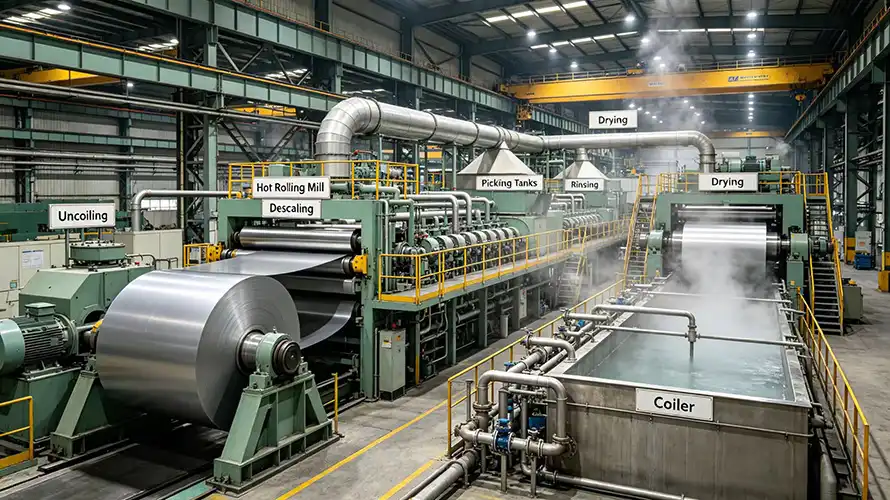
Any AMS 4911 6Al-4V titanium sheet provider you can trust should give you a full CMTR that includes the material's heat number, chemical analysis, mechanical test results, and an account of how it was processed. In military and defense buying, it is standard to ask for audit records and inspection reports from a third party. All of Jucheng Titanium's products are rolled, heated, leveled, pickled, and given a smooth finish all under controlled conditions, so that they can be tracked all the way through.
Cost Drivers and Lead Times
Price is mostly affected by three things: thickness (a bigger plate needs more rolling passes and energy), surface finish standard (polished or machined finishes take longer to process), and order volume (when you buy more than a certain number of tons, you get better pricing). For business-to-business buyers, Jucheng Titanium keeps about 3,000 tons of titanium in stock all year. This cuts wait times by a lot compared to suppliers who only make titanium when someone orders it.
Value-Added Services for B2B Buyers
The right 6al-4v titanium sheet manufacturer should offer more than just certified sheet material. They should also offer custom cutting to net form, heat treatment paperwork, and co-engineering support. Jucheng Titanium offers OEM and ODM processing services, takes customer drawings for custom sizes, and provides technical support after the sale. This is helpful when a buying team needs to check out a new provider without stopping a program that is already running.
Why Choose AMS 4911 Spec 6Al-4V Titanium Sheet? — Benefits and Applications
Strength-to-Weight Advantage in Real Applications
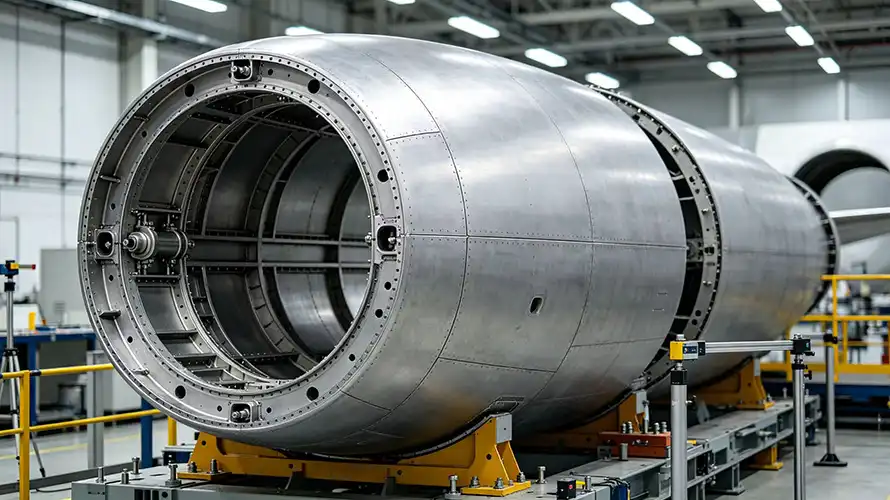
In the field of flight structural design, every kilogram saved adds up to a certain amount of fuel saved over the life of an airplane. Grade 5 titanium sheet is used for engine nacelles, airframe bulkheads, and wing skins because it is as strong as steel but weighs less than half as much. NASA and major commercial airframe makers have released data showing that titanium structural parts make airframes 15–20% lighter than steel designs of the same kind.
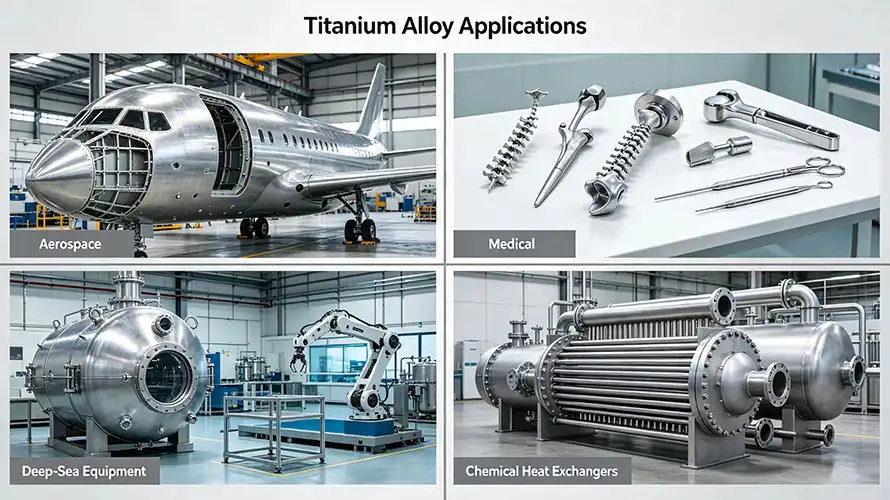
Applications Across Industries
The AMS 4911 standard isn't just for aircraft. These are the main businesses that need this material:
- Aerospace and Defense: Bulkheads, structural brackets, and nacelle panels where cyclic fatigue loading is constant and weight is a primary design constraint.
- Medical and Biomedical: Trauma fixation plates and reconstructive implants benefit from the alloy's elastic modulus (113.8 GPa), which reduces stress shielding compared to cobalt-chrome alternatives.
- Marine and Offshore Engineering: Pressure hulls and sensor housings for deep-sea equipment rely on the alloy's near-immunity to chloride-induced stress corrosion cracking.
- Chemical Processing: Reactor linings and heat exchanger components in aggressive acid or chloride environments where stainless steel would corrode within months.
The people who buy from Jucheng Titanium fall into all of these categories, from aerospace contractors to chemical plant engineers.
Emerging Trends in Titanium Sheet Demand
As more people switch to electric cars and hydrogen energy infrastructure, there is a greater need for lightweight sheet materials that don't rust. Titanium is being looked at for use in fuel cells and electric vehicles as structural parts. Jucheng Titanium works with groups like the Northwest Institute for Nonferrous Metal Research on research and development, which helps the company help customers make the best next-generation uses.
Conclusion
The 6Al-4V titanium sheet made according to AMS 4911 is more than just a high-performance material; it is also a product that is controlled by specifications, can be tracked by audits, and is truly accountable at every stage of production. It is just as important for procurement workers in aerospace, military, chemical processing, and medical device production to know what AMS 4911 needs as it is to know how the alloy works. Finding the right grade, width, and surface state for your application saves you time, money, and trouble with the supply chain. That process is a lot more likely to go smoothly if you work with a qualified, experienced provider.
FAQ
1. What is the difference between AMS 4911 and ASTM B265 for Grade 5 titanium?
Because it was written for aircraft uses only, AMS 4911 has stricter rules for microstructure, documentation, and mechanical tests. ASTM B265 is a more general industry standard that covers more than one grade of titanium. AMS 4911 is the specification you need if your application is flight-critical or related to defense.
2. What does 895 MPa tensile strength mean for my application?
It means that the material can take at least 895 MPa of force before it breaks. This level of failure makes sure that structural aircraft parts that are loaded in cycles or impacts don't break under normal service circumstances. It's the very least that can be found; proven numbers usually go above this number.
3. Can 6Al-4V titanium sheet be welded?
Yes, but welding needs a shield of inert gas around the weld pool and the area that will be heated. Oxygen and nitrogen in the atmosphere weaken things right away. Shielding with argon or helium is required.
4. What is alpha case, and should I be concerned about it?
Alpha case is a hard, oxygen-rich layer that forms when something is heated up very hot. Reliable suppliers get rid of it before delivery by acid pickling or milling. If it stays, it makes the life of the part a lot shorter.
Request a Quote from Jucheng Titanium — Certified 6Al-4V Titanium Sheet Supplier
For more than 20 years, Jucheng Titanium has sold certified titanium products to customers in North America and other countries. These customers are in the chemical, aircraft, and industrial fields. We are ready to help with your next buying cycle because we have 3,000 tons of inventory on hand, process in a way that is compliant with AMS 4911, and have full CMTR paperwork. You can get a price for AMS 4911 6Al-4V titanium sheet by emailing our technical team at s4@juchengti.com. We can make the sheet any size you need and process it for OEMs.
References
1. SAE International. AMS 4911 — Titanium Alloy, Sheet, Strip, and Plate, 6Al-4V, Annealed. SAE International, 2015.
2. Donachie, M. J. Titanium: A Technical Guide. 2nd ed. ASM International, 2000.
3. Lutjering, G., and Williams, J. C. Titanium. 2nd ed. Springer, 2007.
4. ASTM International. ASTM B265 — Standard Specification for Titanium and Titanium Alloy Strip, Sheet, and Plate. ASTM International, 2020.
5. Boyer, R., Welsch, G., and Collings, E. W. Materials Properties Handbook: Titanium Alloys. ASM International, 1994.
6. Peters, M., and Leyens, C. Titanium and Titanium Alloys: Fundamentals and Applications. Wiley-VCH, 2003.