



Pickled Titanium Tube with Enhanced Corrosion Resistance
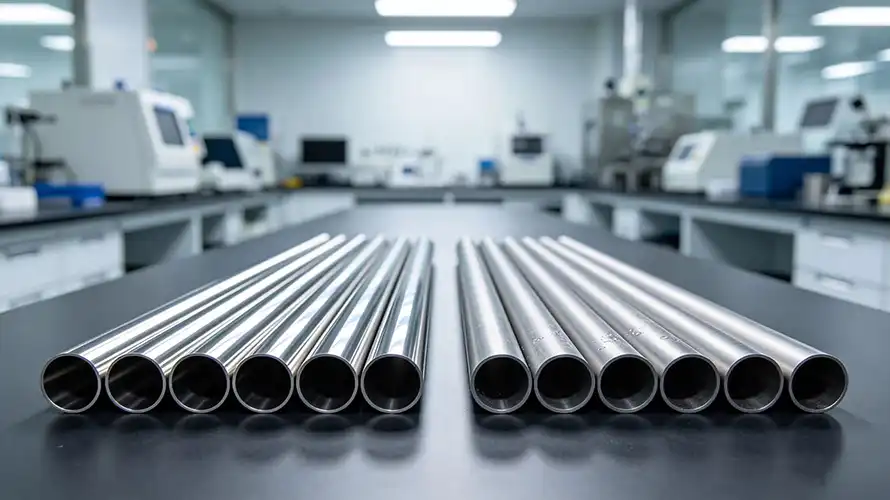
When equipment failure means downtime measured in thousands of dollars per hour, material selection becomes a strategic decision. A Pickled Titanium Tube represents a seamless or welded titanium product treated through acid pickling—a controlled chemical process using nitric and hydrofluoric acid solutions that strips away oxide scale, brittle alpha case layers, and surface contaminants. This treatment transforms raw titanium into a chemically clean, matte-gray surface optimized for extreme corrosion environments while maintaining dimensional precision and weldability critical for industrial applications.
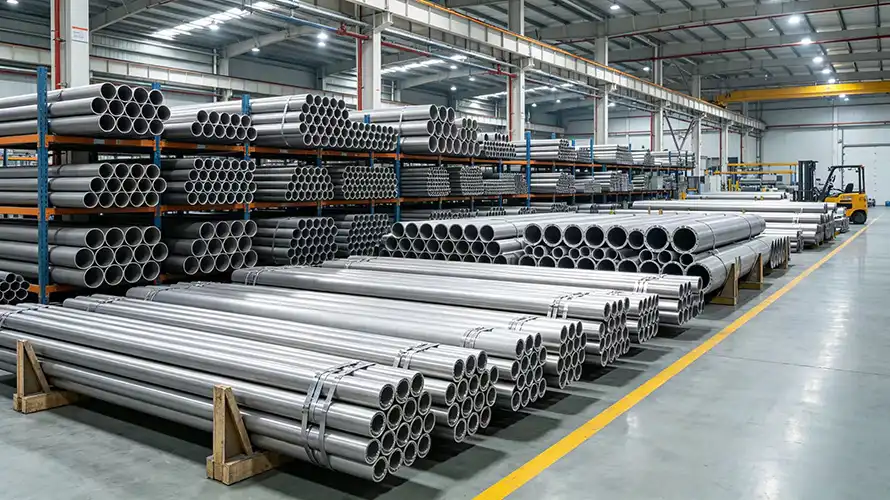

Understanding Pickled Titanium Tubes and Their Corrosion Resistance
When titanium tubes are being made, basic mechanical problems come up. The cleaning process solves these problems. We usually process titanium by extruding, piercing, cold rolling, and annealing. On its surface, titanium naturally forms a thick oxide layer and an oxygen-rich alpha case. Titanium's legendary resistance to corrosion comes from its ability to form a passive film that protects it. However, this first oxide layer isn't always smooth and can contain flaws.

How Pickling Transforms Surface Chemistry
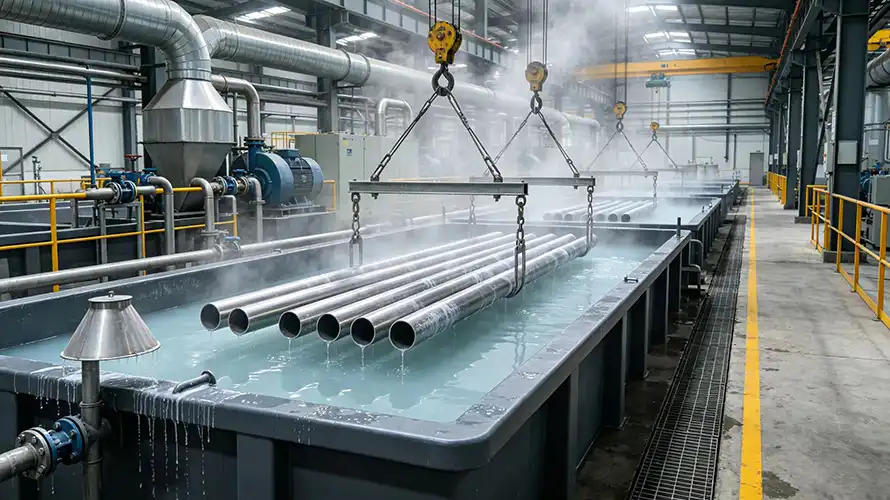
Our acid cleaning process takes off about 0.02 to 0.05 millimeters of material, revealing new base metal and getting rid of the damaged top layer. This chemically active surface makes a new, even passive oxide film right away when it comes in contact with air or water. This film grows back on its own even after being scratched. The controlled removal process needs to be carefully planned into our first wall thickness calculations to make sure that the finished tubes meet the tolerances set by ASTM B338 and ASTM B861, even though some material will have been lost.
What's in the pickle bath is very important. We maintain the nitric acid to hydrofluoric acid ratio above 10:1. This is done for two reasons: the nitric acid acts as an oxidizing agent to stop hydrogen from entering the titanium lattice, and the hydrofluoric acid breaks down oxides and other pollutants. This careful balance stops hydrogen embrittlement, which is a major quality issue that can damage mechanical features and cause field breakdowns that were not expected.
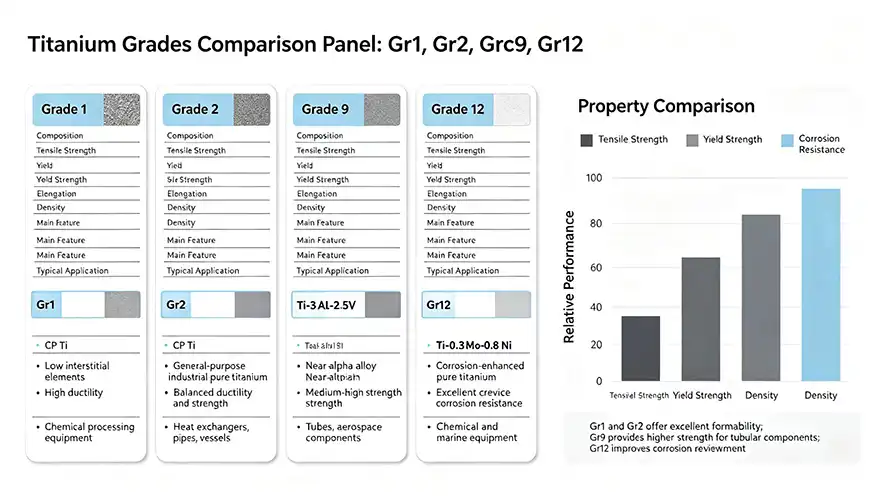
Material Grade Selection for Optimal Performance
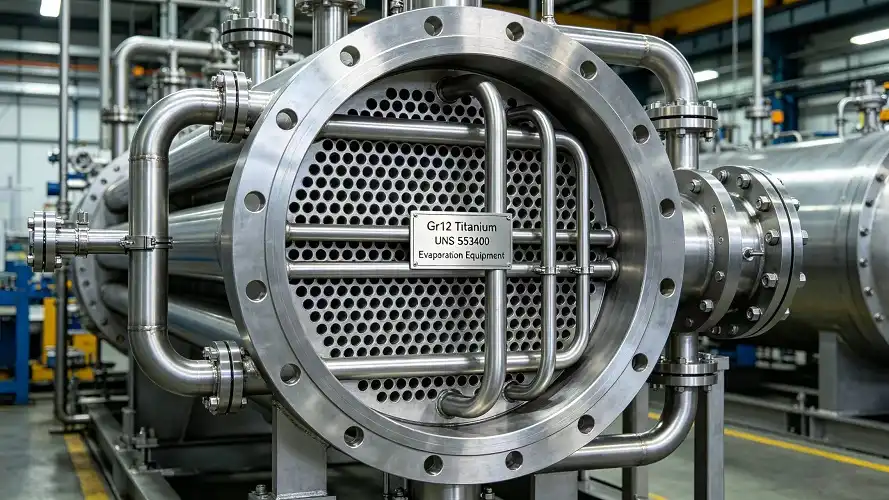
Choosing the right material grade has a direct effect on how well it resists rust in a variety of working conditions. Our most common industry standard for titanium is Grade 2. It has good resistance to corrosion and is moderately strong, which makes it perfect for heat exchangers and equipment used in chemical processes. Grade 9 (Ti-3Al-2.5V), an alpha-beta metal, is stronger and more resistant to corrosion. It is especially useful in aircraft hydraulic systems that need to save weight and work well with changing pressures. Grade 12 has molybdenum and nickel added to it, which makes it more resistant to reducing acids and crack rust in industrial settings.
The canning process changes how each grade reacts. Commercial purity grades like Grade 1 and Grade 2 pickle evenly, but alloyed grades need to have their acid amounts and immersion times changed so that they get a constant surface finish without the alloying elements being etched away first.
Comparing Pickled Titanium Tubes with Alternative Materials
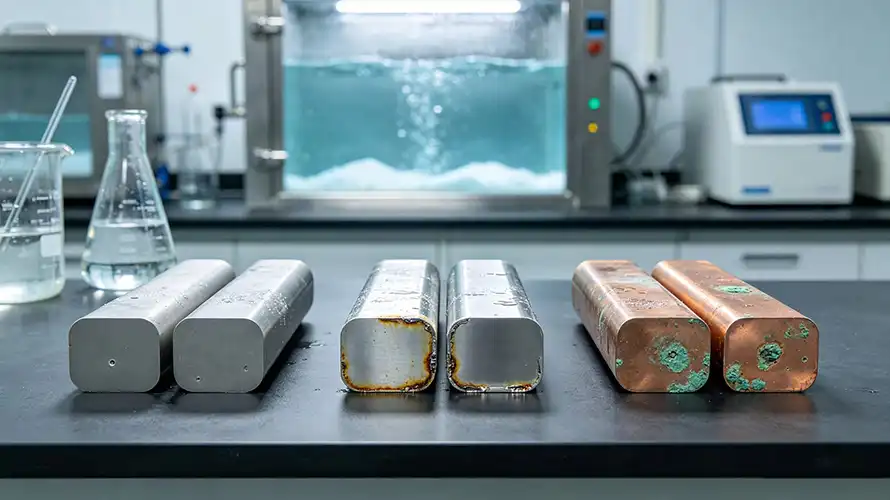
When buying something, people often compare Pickled Titanium Tubes to stainless steel, copper-nickel alloys, and other materials that don't rust. Knowing these similarities helps you make the case for the initial investment based on the costs over its entire life.
Performance Advantages Over Conventional Materials
Even though stainless steel tubing is cheaper at first, it cracks and pits because of chloride-induced stress corrosion in seawater and chemical processing environments. Our Pickled Titanium Tubes stay strong in salt levels that would break down 316L stainless steel in months. The strength-to-weight ratio of titanium is about 40 percent higher than that of stainless steel. This means that smaller walls can be used, which makes heat movement more efficient in heat exchangers.
Copper-nickel alloys used to be the most common type of material used in seawater cooling systems. However, biofouling, erosion-corrosion at high speeds, and sulfide attack in polluted waters make them hard to maintain. Titanium naturally keeps sea organisms from sticking to it, and it doesn't erode easily, so it can handle higher flow rates—up to 5 meters per second compared to 2.5 meters per second for copper-nickel—without breaking down.
Cost Analysis and Lifecycle Economics
The cost of materials is only one part of the total cost of ownership. When we work with chemical plant contractors and equipment makers, we stress the importance of a full cost model that takes into account things like installation labor, how often maintenance needs to be done, unexpected downtime, and when to replace things. Pickled titanium heat exchanger tube bundles may cost three to four times more than stainless steel at first, but they last 25 years instead of 5 to 8 years for stainless steel in harsh settings, which is a clear economic benefit. Maintenance costs drop by a huge amount—our clients in desalination plants say that tubes don't need to be cleaned as often as they did with copper-nickel systems.
Costs are also affected by the choice between bright annealed and acid pickled surfaces. Through vacuum heat treatment, bright annealing creates a nice mirror shine, but it costs more and doesn't make the rust resistance better. The pickled finish is the best choice for industrial uses where function is more important than looks.
Applications and Use Cases for Pickled Titanium Tubes
Real-world success backs up choices about what materials to use. Our tubes are used in tough situations where failure can have effects beyond the cost of replacement, including safety risks and following the rules.
Chemical Processing and Petrochemical Industries
The making of chlor-alkali is one of the hardest places for metals to work. Wet chlorine gas, concentrated sodium hydroxide, and contaminated brines are all very bad for metals. For heat recovery systems and reactors in these places, we provide Pickled Titanium Tubes with ODs from 10 to 76 millimeters. The chemically clean surface makes sure that the heat works as efficiently as possible while also being resistant to the corrosive mix that is typical of this industry. The wall thickness must be between 1.5 and 5 millimeters to keep the structure strong and the heat transfer performance high.
High-temperature streams of hydrocarbons, sulfur compounds, and acidic condensates are used in petrochemistry. Our Grade 9 pickling tubes can handle these conditions in overhead condensers and reboiler systems. They work consistently at temperatures close to 300 degrees Celsius, which is when keeping the material's strength becomes very important.
Desalination and Power Generation
Power plants and desalination plants along the coast use condenser tube bundles to process huge amounts of seawater. Galvanic rust, pitting, and biofouling are problems that traditional materials have, which make them less thermally efficient and require them to be cleaned or replaced often. We've sent thousands of meters of pickled titanium tubing to flash distillation plants, which are harsh places because of the high temperature, high salt content, and fast flow. The matte pickled surface is rough enough to encourage turbulent flow patterns that improve heat transfer without making places for biofouling to build up quickly.
Our Grade 2 seamless tubes in ASTM B338 standard, OD25.4 millimeters with 0.89-millimeter wall thickness are used in a well-known installation at a desalination plant in the Middle East. After seven years of nonstop use, a check showed that there was no measurable rust, pitting, or degradation. This is a level of performance that would not be possible with other materials in this service.
Aerospace Hydraulic Systems
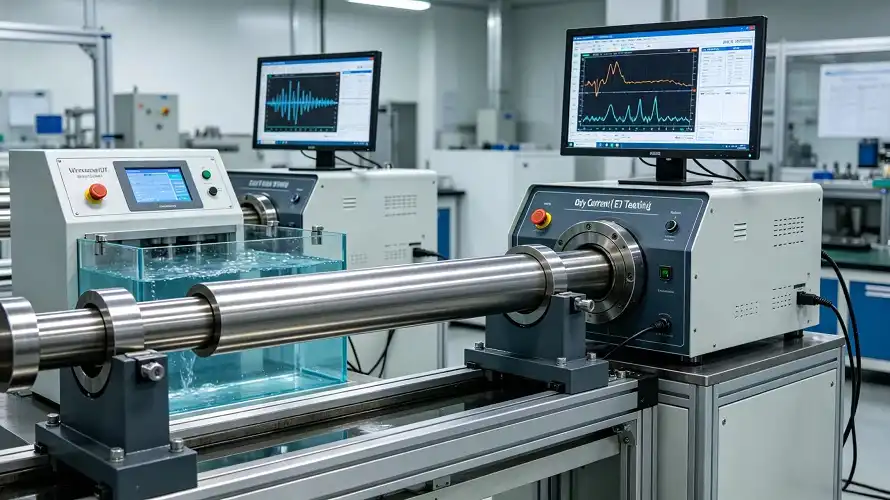
Hydraulic lines in aeroplanes need materials that are strong, don't weigh much, and won't break when pressure is applied and taken off again and again. For these important uses, Grade 9 pickled tubes meet the requirements of AMS 4942. It is necessary to remove the alpha case by pickling because the thin, brittle layer on top would cause fatigue cracks over the millions of pressure cycles that an aeroplane goes through during its lifetime. Before they are shipped, all of our tubes with sizes between OD6 and OD19 millimeters are tested with eddy current and ultrasonic waves to find any surface or deeper flaws.
When you buy things for aerospace, you need to be able to fully track and certify the materials. We maintain records for each lot that link the heat numbers of the raw materials through all of the steps of production. This gives the chain of custody proof that aircraft quality systems need.
Purchasing Guide: Buying Acid-Pickled Titanium Tubing for Your Business
To get specialized materials, you need to know how to go about the procurement process and understand the technical requirements, supplier skills, and business terms that affect the success of the project.
Technical Specification Development
Not understanding something clearly can cost a lot of money. Specifications should include more than just the basic sizes (length, width, and thickness of the wall), such as the material grade (Gr1, Gr2, Gr9, Gr12), the standards that apply (ASTM B337, ASTM B338, ASTM B861, ASME SB338), the surface state (pickled vs. bright annealed), and the inspection requirements. Eddy current testing, according to ASTM E426, is usually needed for heat exchangers, while ultrasonic testing, according to ASTM E213, may be needed for pressure tank tubes.
The ability to customize sets competent sellers apart from exceptional partners. Most uses are covered by standard tube sizes, but some equipment designs may need measurements that aren't standard. With our extrusion and cold rolling skills, we can make custom outer diameters from 3 to 219 millimeters and wall thicknesses from 0.5 to 20 millimeters. This lets us get a perfect fit without having to buy expensive adaptors or redesign the whole thing.
Supplier Evaluation Criteria
Choosing a supplier has a big effect on how the job turns out. We suggest judging possible partners on a number of factors, including their ability to manufacture, their quality system certification, the level of technical help they offer, the availability of their inventory, and their experience with foreign operations. A source with a large inventory—we keep about 3,000 tons of titanium in different forms in stock—can respond quickly to pressing needs, while smaller businesses may have to wait a long time for orders.
Quality system certifications give you information about the manufacturing field. ISO 9001 is a standard for quality management, while AS9100 certification is for quality methods used in aircraft. Patent portfolios and research relationships, like the one we have with the Northwest Institute for Nonferrous Metal Research and university research programs, show that we can come up with new ideas and have a lot of scientific knowledge that goes beyond making commodities.
Support after the sale is what sets strategic partners apart from transactional providers. Technical advice when choosing materials, help with creating welding procedures, and quick resolution of problems in the field all add value that goes beyond the actual result. We keep a dedicated technical team on hand to help with installation questions, improving performance, and fixing problems.
Pricing Dynamics and Commercial Terms
Titanium material prices change based on world supply and demand, especially when it comes to the production processes of aerospace products and the abundance of titanium sponge. Setting up outline deals with volume promises can help keep prices stable and make sure that supplies get priority when the market is tight. People who buy in bulk usually get better prices, and savings that are worth noticing start around 500 kilograms for tubes.
Logistics prices and wait times need to be thought about, especially when buying things from other countries. We are in Baoji, China's titanium valley, which gives us access to the whole titanium supply chain. However, ocean freight, customs clearance, and interior transfer take time and cost money. For bigger orders, it's cheaper to use container load optimization and combine shipments.
The terms of payment represent the fact that making titanium requires a lot of cash. For custom orders or first-time buyers, many sellers ask for deposits. The rest of the payment is due when the goods are shipped or delivered. If you already have a relationship with someone, you may be able to get longer terms that work better with your project's cash flow.
Why Partner with Jucheng Titanium for Your Tubing Requirements
With 20 years of experience making titanium products, we know that good materials aren't enough to make a project successful. They also need partnership, technical know-how, and operational dependability at every stage of the planning and execution process.
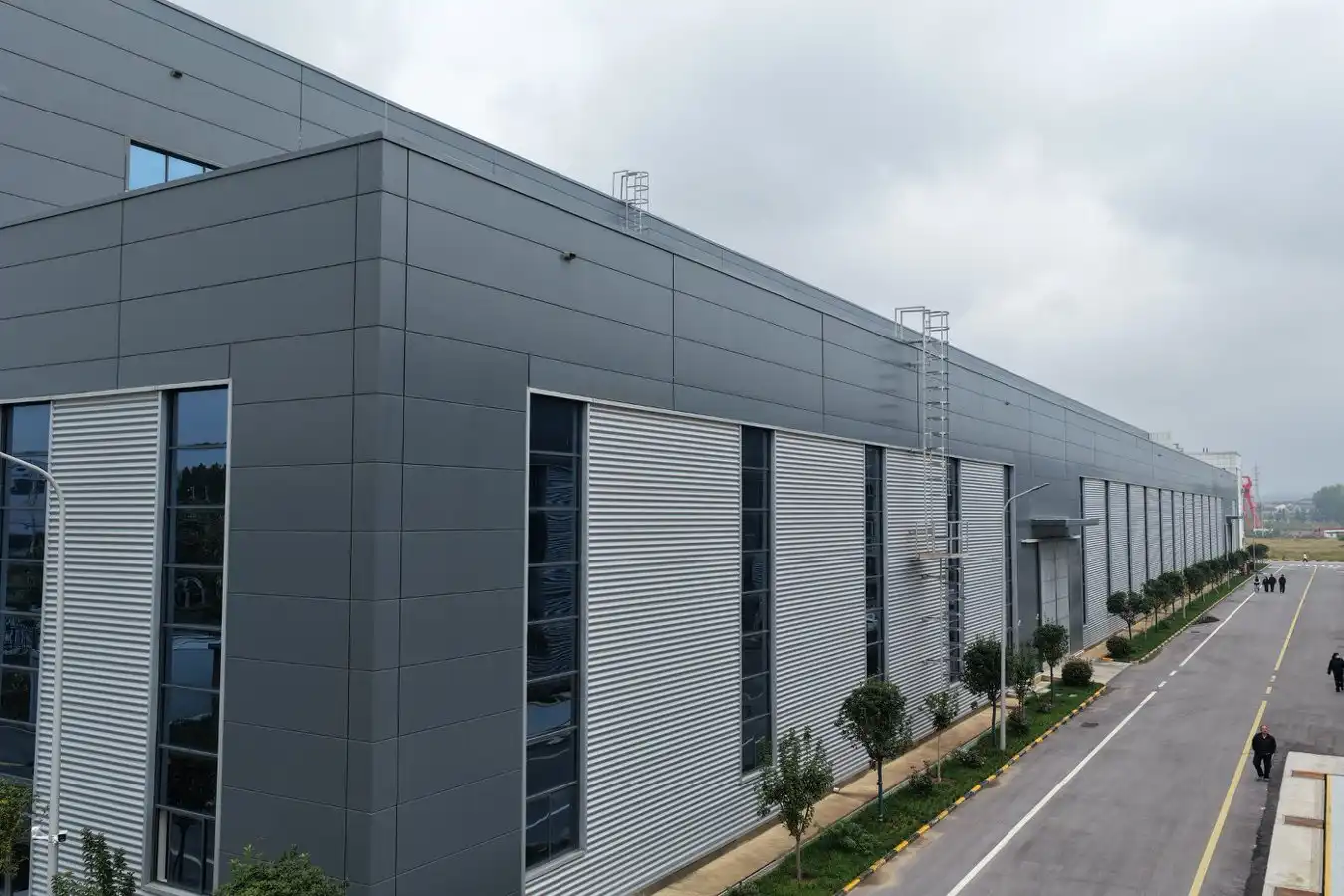
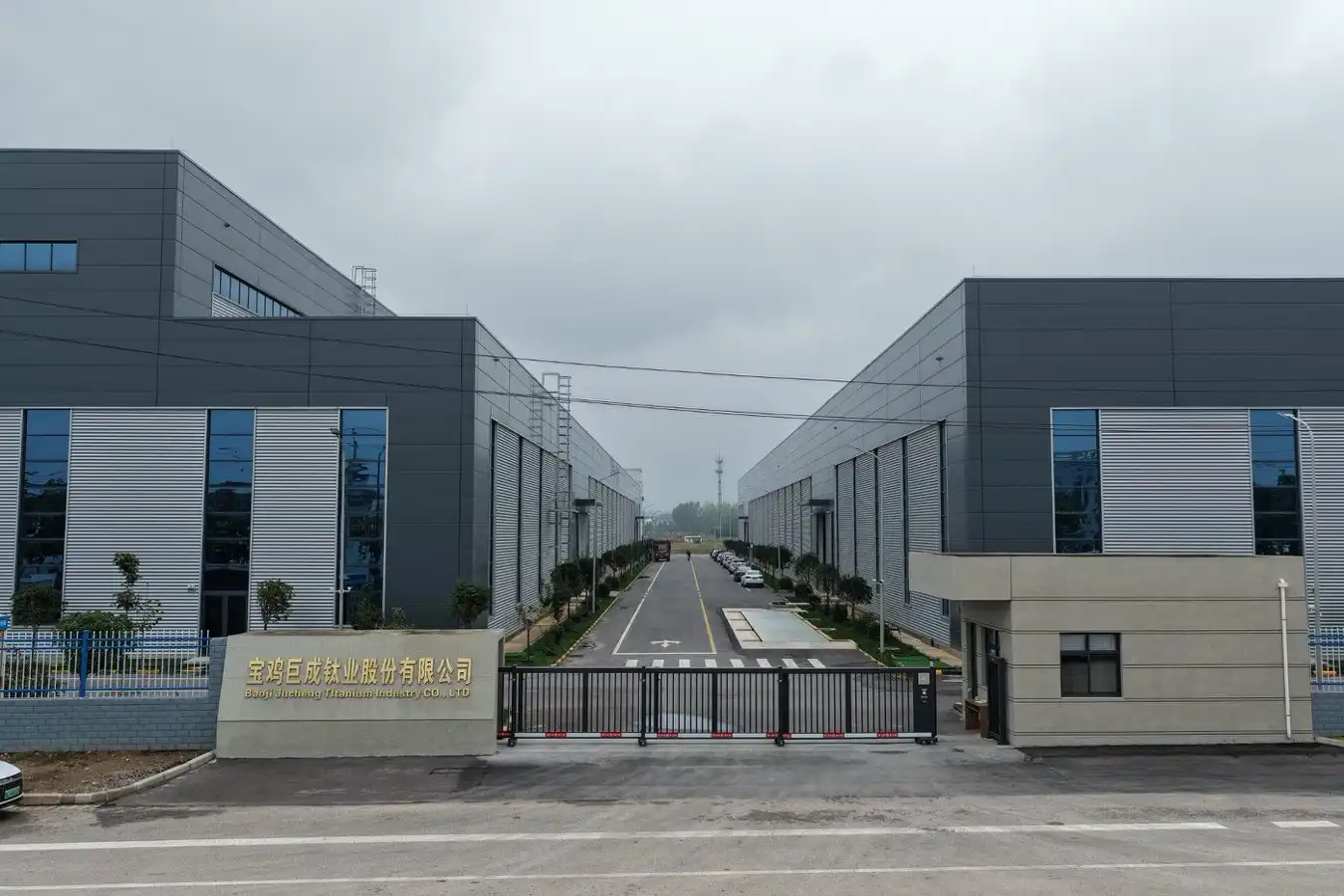
Jucheng Titanium is based in Baoji, which is the center of China's titanium industry. It has 120,000 square meters of manufacturing space where raw titanium is turned into precision-engineered parts. Our growth from a local maker to a nationally known, specialized, and innovative "little giant" company traded on the National Equities Exchange shows how well we've been able to follow through and keep our customers in mind. Three years in a row of annual sales growth of more than 30 percent show that the market trusts our skills.
Manufacturing Excellence and Innovation
We can do all the steps needed to make a Pickled Titanium Tube, including extrusion, cutting, cold rolling, annealing, pickling, and bending. This vertical integration makes it hard to control the process and make sure the standard is consistent when working with many partners. We have four invention patents and 41 utility model patents. The products we own are being used in production right now, not just sitting in filing boxes gathering dust.
Quality control is more than just checking the sizes of things. As part of our testing procedures, we check for hydrogen level according to ASTM E1447. This is very important for pickled products to keep them from becoming brittle. We use eddy current and ultrasound methods to do a 100 percent non-destructive examination that finds both surface and internal flaws that could affect how well the service works. Pickling should keep the ductility by getting rid of the brittle alpha case, as shown by mechanical tests like flattening and flaring.
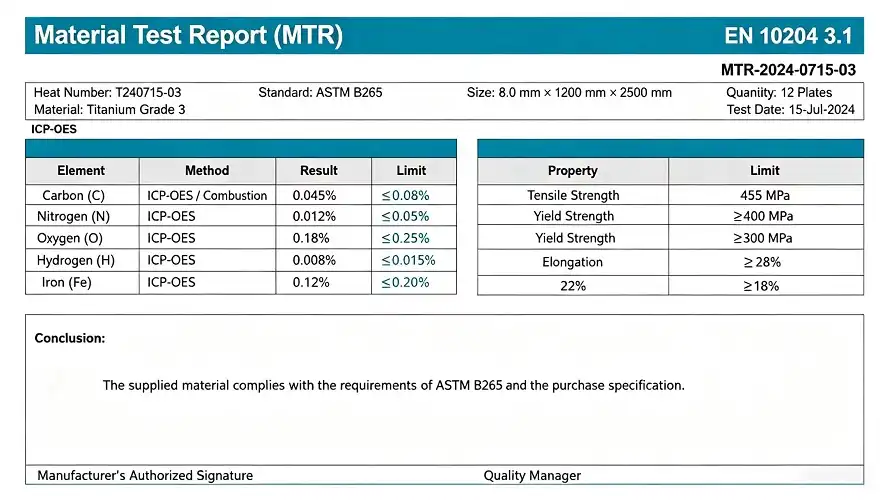
Every shipment comes with a material certification that lists the chemicals used, the mechanical qualities, the settings for heat treatment, and the testing results. This paperwork trail helps you meet your quality assurance needs and gives you the traceability that regulated businesses need.
Application-Specific Solutions
When used in specific ways, generic goods rarely give the best results. Our research team works with clients to learn about the conditions of use, performance needs, and integration limitations that affect the choice of materials and the creation of specifications. We have given tubes for shell-and-tube heat exchangers that deal with corrosive media, condenser bundles for power production, and hydraulic lines for aerospace systems. We know the types of failures you are trying to avoid because we have worked on similar projects before.
Custom fabrication can be done on more than just tubes; it can also be done on whole pieces of equipment. Every year, we make more than 500 sets of titanium equipment, such as air coolers, heat exchanges, and reactors. Our knowledge of systems-level operations helps us design our components in a way that makes sure tubes fit perfectly into larger assemblies, allowing for proper thermal expansion, vibration isolation, and maintenance access.
Responsive Service and Global Reach
Material availability should not constrain project schedules. Our large stockpile of about 3,000 tons of titanium in different forms allows us to quickly meet standard requirements. Often, we can ship within days instead of weeks. For special orders, our production planning team gives you accurate wait times and stays in touch during production to let you know about any changes that might affect your schedule before they become a problem.
Expertise in international logistics makes sure that supplies get to your building on time and in good condition. We handle export paperwork, set up container shipping or air freight for pressing needs, and work with customs dealers to keep clearance times as short as possible. Customers in North America, Europe, and Southeast Asia buy our products. We have established shipping routes and logistics partnerships that make buying from other countries easier.
After-sales support doesn't end when the product is delivered. Quick expert help is given for installation questions, improving the welding process, and fixing problems with field performance. Because they care about their customers' success, they have long-term relationships with defense contractors and industry leaders like Jiangxi Copper Group that need materials that meet strict standards without any compromise.
Conclusion
For applications that need to resist corrosion, choosing the right material requires a thorough look at performance needs, lifecycle costs, and supplier capabilities. Pickled Titanium Tube delivers unique resistance to rust, mechanical strength, and service life in places where other materials fail early. When you know about the pickling process, how to choose the right grade, and the specific needs of your application, you can make smart purchasing decisions that balance the initial investment with the total costs of ownership. Partnering with experienced makers who keep up quality systems, technical know-how, and quick service turns buying materials from something that needs to be done into a strategic advantage that improves project results and operating dependability.
FAQ
1. What distinguishes pickled surface finish from bright annealed titanium tubes?
Bright annealed tubing comes out of vacuum heat treatment with a shiny, mirror-like look that looks good but costs more to process. By chemically removing oxides and alpha case, acid pickling makes a surface that is matte and uniformly grey. Pickled finish is the best choice for industrial uses that value rust resistance and weld quality over appearance. When needed, the slightly rougher pickled surface also works great for mechanically bonding paints, coatings, or glue.
2. Does the pickling process reduce tube wall thickness significantly?
During oxide and alpha case removal, pickling takes off about 0.02 to 0.05 millimeters of surface material. Manufacturers with a lot of experience take this material loss into account by making sure that the original tube measurements allow for the right wall thickness tolerance. This makes sure that the final products meet ASTM standards after pickling. Dimensional checking makes sure that compliance is met before shipping, so you get tubes that are the right thickness for your needs.
3. Can pickled titanium tubes serve oxygen service applications?
Pickled Titanium Tubes have a chemically clean surface that is needed for oxygen service, but pickling is not enough to fully prepare them. Because pickling is mostly about removing metallic oxides, oxygen service needs extra specialized cleaning steps that get rid of all organic residues. If you need high-purity oxygen for an application, make sure you indicate how the oxygen needs to be cleaned when you buy it so that the right steps are taken beyond normal pickling.
Contact Jucheng Titanium: Your Trusted Pickled Titanium Tube Supplier
Picking the right material source is just as important to the success of a project as picking the right material type. At Jucheng Titanium, we have 20 years of experience making things, a large inventory, the ability to make things to order, and professional help that lasts the whole lifecycle of your project. Our Pickled Titanium Tubes are made to strict standards set by ASTM B338, ASTM B861, and AMS. They also have the corrosion protection and dependability that your users need. Our team is ready to help you with your needs, whether you need standard sizes from our 3,000-ton collection or special sizes for equipment designs that aren't found anywhere else. You can email us at s4@juchengti.com to talk about your unique needs, get technical specs, or get a full quote. Work with a specialized manufacturer that is known across the country for its dedication to quality, innovation, and customer satisfaction.
References
1. American Society for Testing and Materials. "Standard Specification for Seamless and Welded Titanium and Titanium Alloy Tubes for Condensers and Heat Exchangers." ASTM B338-20, West Conshohocken, PA, 2020.
2. Boyer, R., Welsch, G., and Collings, E.W. "Materials Properties Handbook: Titanium Alloys." ASM International, Materials Park, OH, 1994.
3. Schutz, R.W. and Thomas, D.E. "Corrosion of Titanium and Titanium Alloys." In ASM Handbook Volume 13B: Corrosion Materials, ASM International, 2005, pp. 252-299
4. Francis, R. "The Corrosion of Titanium in Chemical Process Equipment." Chemical Engineering Progress, Vol. 115, No. 6, June 2019, pp. 38-44.
5. Donachie, Matthew J. "Titanium: A Technical Guide, 2nd Edition." ASM International, Materials Park, OH, 2000.
6. Lutjering, G. and Williams, J.C. "Titanium, 2nd Edition: Engineering Materials and Processes." Springer-Verlag, Berlin, Germany, 2007.