
How Strong is a CP Titanium Rod?
Strength is still the most important thing to think about when choosing materials for tough commercial uses. A CP titanium rod has a tensile strength between 240 MPa (Grade 1) and 550 MPa (Grade 4). It also has a strength-to-weight ratio that is better than many traditional metals and is very resistant to rust. Because of this, commercially pure titanium rods are trusted in the medical, chemical processing, aircraft, and naval industries. By knowing these things about strength, buying experts can choose the best grade for each operation's needs, ensuring reliable performance and long-term cost savings.
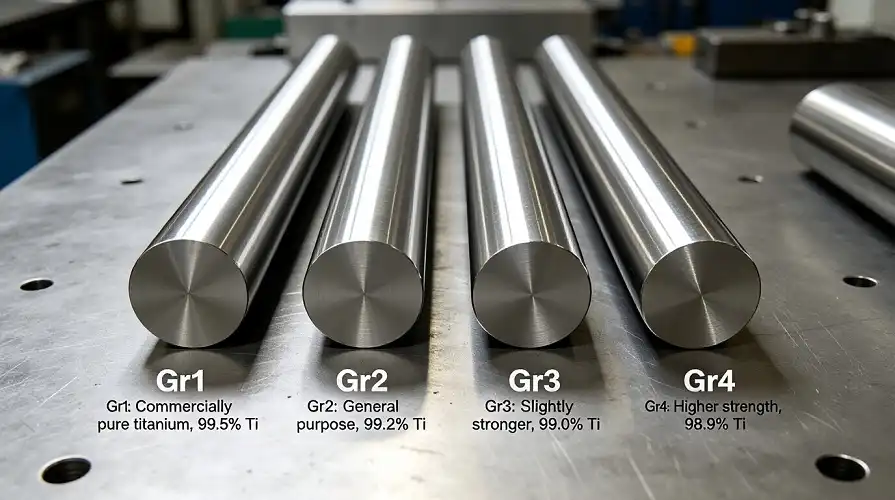
Understanding CP Titanium Rod: Composition and Properties
What Defines Commercially Pure Titanium?
Commercially pure CP titanium rods sold in stores usually only have a small amount of air, iron, and nitrogen mixed in with the titanium. These impurities slightly improve the mechanical qualities without changing how biocompatible or resistant to rust the material is. Grades 1 through 4 show that the oxygen level is rising, which has a direct effect on the tensile and yield strengths. Grade 1 can be shaped the best and has a tensile strength of 240 MPa. Grade 4 has a tensile strength of 550 MPa and is good for structural uses that need a higher load-bearing capacity.
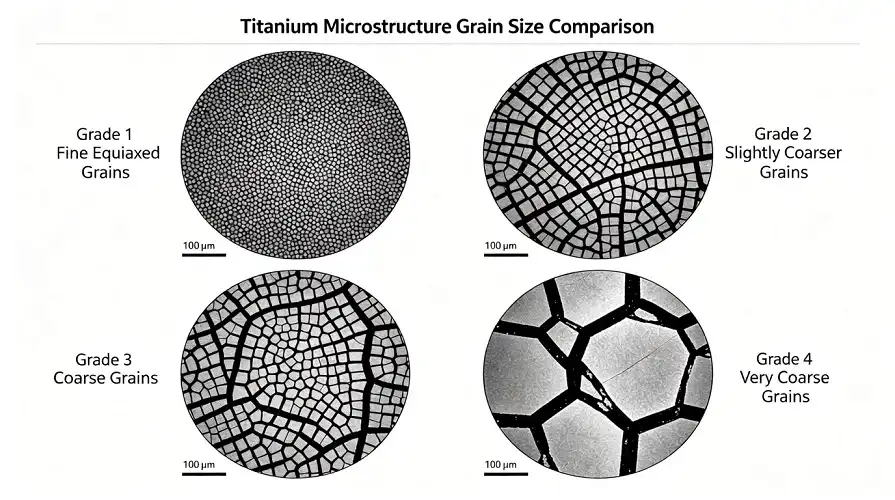
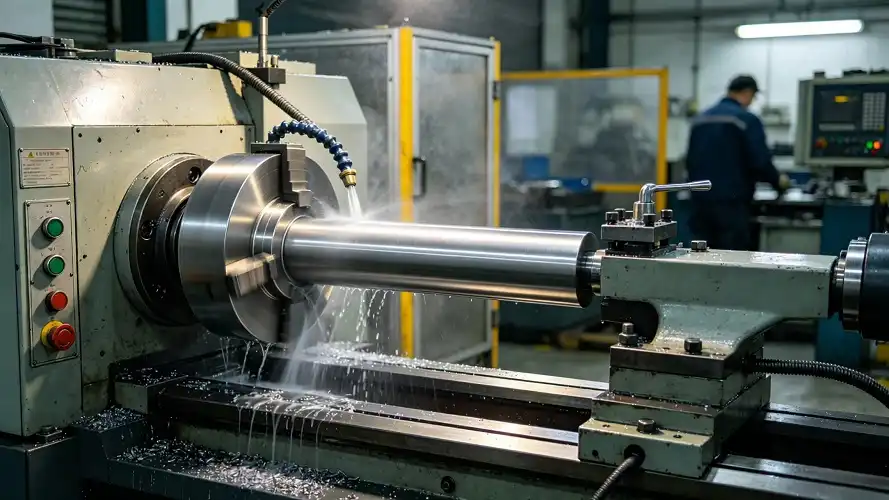
The ways that rods are made affect how well they work in the end. First, vacuum melting gets rid of impurities. Then, shaping smooths out the grain structure. Accurate measurements can be reached by hot rolling or rotating shaping, and annealing reduces internal pressures and makes the metal more flexible. Centerless grinding and turning make surfaces that are smooth and fit very tight standards. This managed processing makes sure that the mechanical traits stay the same from batch to batch.
Mechanical Properties That Matter
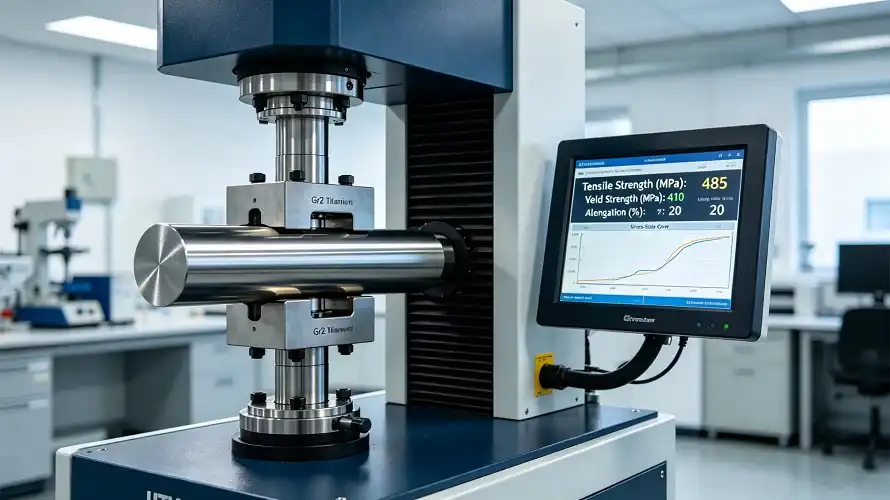
Tensile strength is the highest force that a material can take before it breaks, and yield strength is the point at which it starts to deform permanently. The bending strength of CP titanium rods ranges from 170 MPa (Grade 1) to 485 MPa (Grade 4). Elongation rates between 15% and 30% show that the material is flexible, which lets it be fabricated without breaking. These features meet foreign standards like ASTM B348, ASME SB348, and ISO 5832-3, which is important for businesses that need to follow rules.
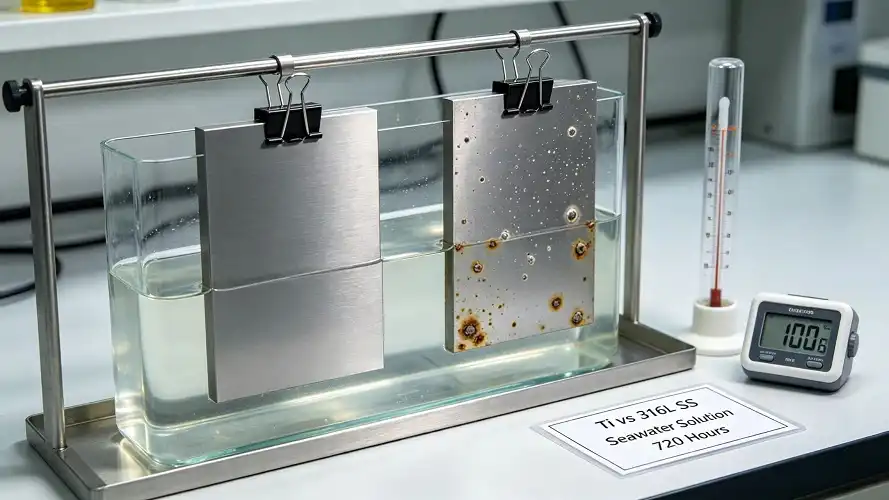
Titanium's inactive oxide layer protects it from corrosion; if it gets broken, it fixes itself. CP grades are better than 316L grades at withstanding saltwater, chlorides, sulfuric acid, and nitric acid. This means that it will last longer in places like chemical reactors, desalination plants, and remote platforms, where wear and tear cause repair costs to rise.
Comparing CP Titanium Rod Strength with Alternative Materials
How Does CP Titanium Stack Up Against Titanium Alloys?
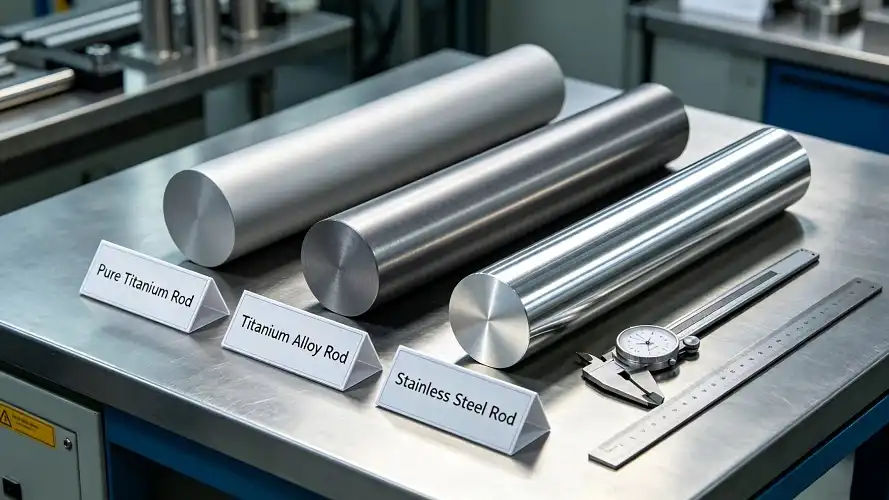
Titanium alloys like Grade 5 (Ti-6Al-4V) have a higher tensile strength—at least 900 MPa—which makes them better for aircraft structure parts that have to withstand a lot of mechanical stress. CP titanium grades, on the other hand, are less expensive and better at resisting rust. Grade 3 CP titanium rods are used in places that need middling strength and resistance to harsh environments, like pressure tanks for chemical handling and propeller shafts in boats.
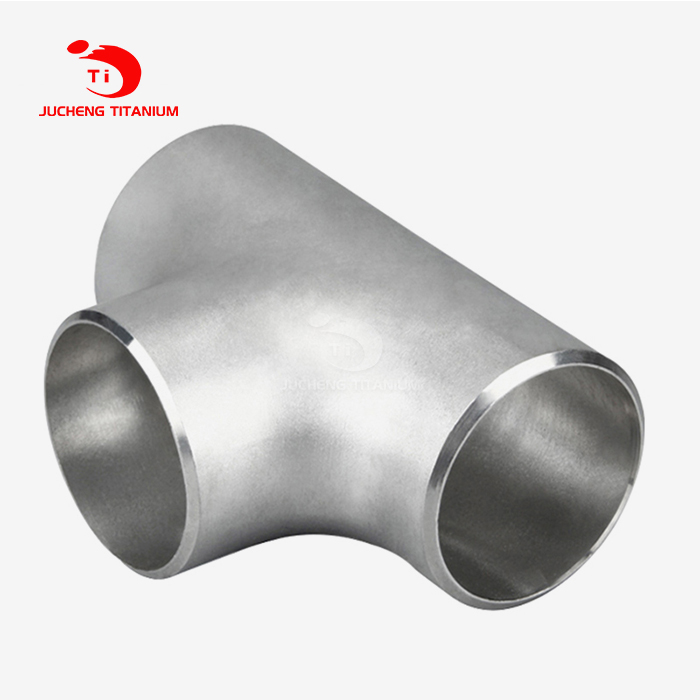
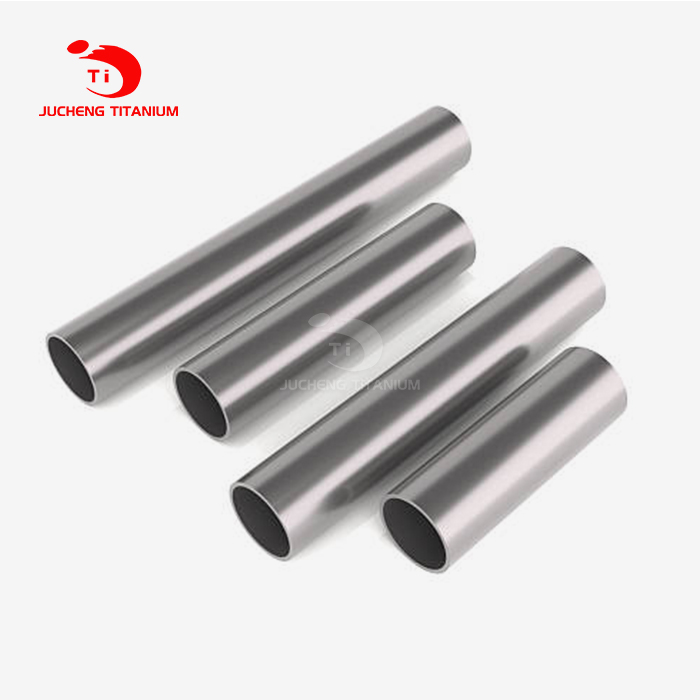
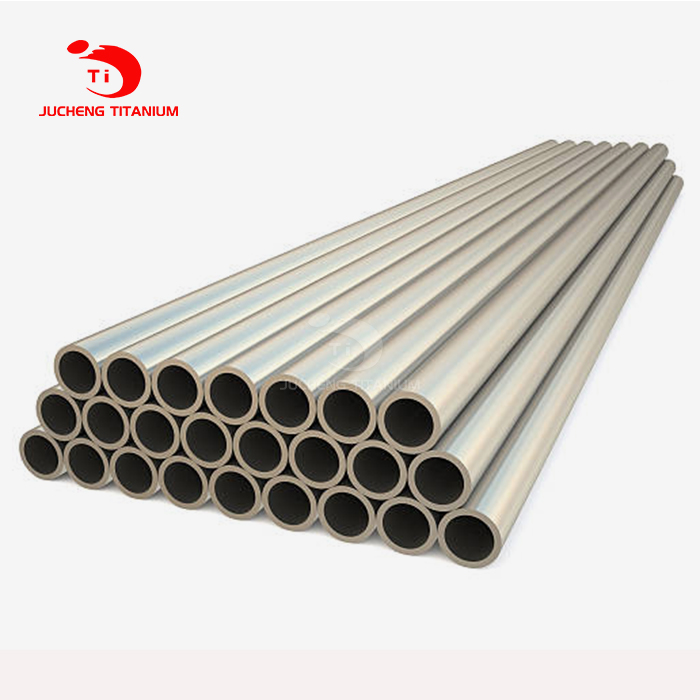
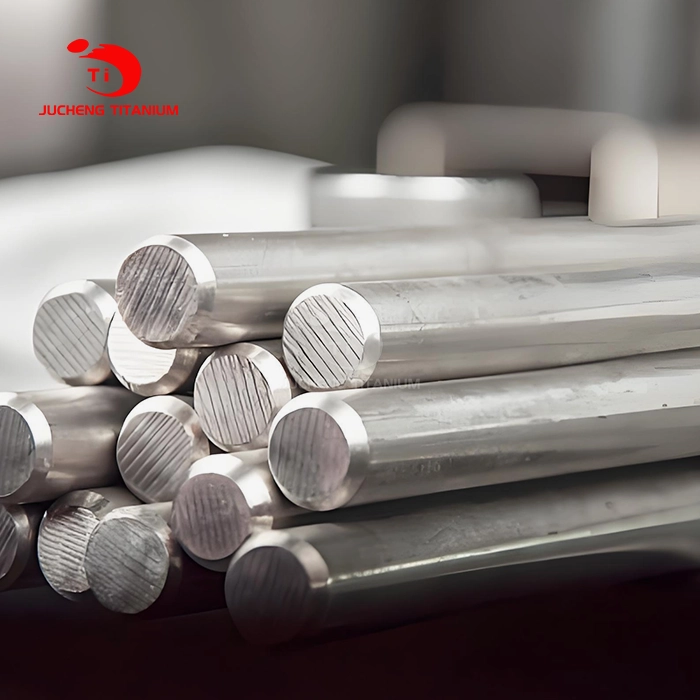
Titanium round bars have regular cross-sections that make them perfect for turning into accurate parts when comparing form factors. Sheets are good for flat panel uses, and pipes are good for devices that move fluids. Rods help turn parts use materials more efficiently, which cuts down on waste during subtractive manufacturing.
Stainless Steel versus CP Titanium
Stainless steel 316L has a tensile strength of 515 MPa and is resistant to rust. However, it fails in chloride stress corrosion cracking situations, which is where CP titanium does well. Titanium is much lighter than steel—only 4.5 g/cm³ compared to 8.0 g/cm³. This is very important for aircraft and offshore uses, where extra weight makes costs go up. Even though steel is cheaper at first, titanium is more cost-effective over its lifetime because it needs less upkeep, lasts longer between replacements, and is easier to move.
Total cost of ownership research shows how cost-effective something is. Chemical equipment makers who usually have to replace rusted steel flanges every two years find that CP titanium parts last longer, even though they cost more at first. This longevity explains higher prices for projects that need to be reliable and have little downtime.
Key Factors Affecting the Strength and Performance of CP Titanium Rods
Grade Selection Impact
Grade 1 is best for cold-forming processes like deep drawing because it is the most flexible and has a tensile strength of 240 MPa. Grade 2, which is the most common industrial grade, is strong and easy to shape at 345 MPa. It is used for heat exchangers and aircraft parts. Grade 3 has a tensile strength of 450 MPa, which makes it ideal for aircraft brackets and naval valve stems that need to hold more weight. Grade 4 can hit 550 MPa, which is close to the performance of titanium alloys while still having the corrosion-resistant benefits of pure titanium for chemical reactor internals.
To choose the right grades, you have to balance the technical needs with the environmental conditions. Oxygen content makes the intermediate stronger but less flexible. This is a trade-off that buying teams have to weigh against the ways the CP titanium rods are made and the stress patterns they are subjected to.
Manufacturing Process Quality
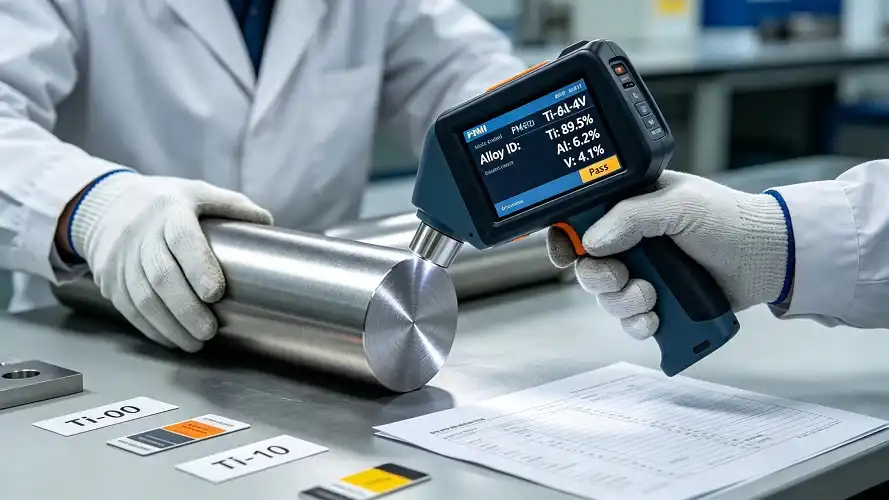
Through work hardening, forging improves the structure of the grains, making them stronger. Temperatures and rates of cooling during annealing determine the end microstructure, which is what balances strength and flexibility. Different surface processes, such as polished, turned, centerless ground, sanded, or pickled, change how long something lasts and how it looks. Reliable providers keep process controls that are checked by mechanical testing and metallurgical analysis. These tests are recorded in material test reports (MTRs) that are sent with every package.
Quality certifications, such as ISO 9001, AS9100 for aircraft, and ISO 13485 for medical products, make sure that the same steps are taken to make every product. Independent testing labs prove the composition and mechanical qualities, which are very important for high-stakes uses. Suppliers who offer full traceability from the melt batch to the final check show that they care about quality.
Environmental and Operational Factors
Titanium's strength changes with temperature. CP grades keep their qualities up to 300°C, but after that, creep starts to become noticeable. Titanium is useful in cryogenic uses because it stays flexible at -196°C, while ferritic steels break down. When the right grade is chosen for the environment's chemistry, stress corrosion cracking protection stays the same across a range of temperatures.
How well fatigue works depends on how well the surface is finished and how well stress is spread out. When CP titanium rods are machined correctly, they can withstand millions of stress cycles in settings with vibrations. They are used to support hydraulic systems in spacecraft and spinning equipment in ships. Knowing these operating factors helps procurement teams choose the right grades and handling needs when they are sourcing.
Procurement Insights: Choosing the Right CP Titanium Rod for Your Needs
Matching Application Requirements
Stress study is the first step in setting limits for mechanical properties. Parts of a chemical plant that are under 200 MPa of stress must be made of at least Grade 3 material with the right safety factors. Grade 4 is stronger, which is good for marine propeller shafts that have to handle repetitive loads. Medical-grade standards (ASTM F67 or F136) are needed for biomedical devices to make sure they are biocompatible and work well mechanically.
Real-life cases make the logic of choosing clearer. Offshore oil platforms that use Grade 2 CP titanium rod units for their saltwater cooling systems get 25 years of service life instead of 7 years for copper-nickel alloys, even though the titanium is 300% more expensive. When aerospace companies choose Grade 3 for hydraulic tube housings, they cut the weight of the airframe by 40% compared to steel versions. This makes the plane use less fuel over its entire life.
Supplier Evaluation Criteria
The ability of a provider is confirmed by certifications. ASTM B348 compliance makes sure that standards for size and makeup are met, and AMS 4928 compliance makes sure that processing meets aircraft standards. Asking for certificates shows that you are technically competent and committed to quality. Customer reviews and case studies show how well the company has done in the past with similar projects, which lowers the risk of buying something.
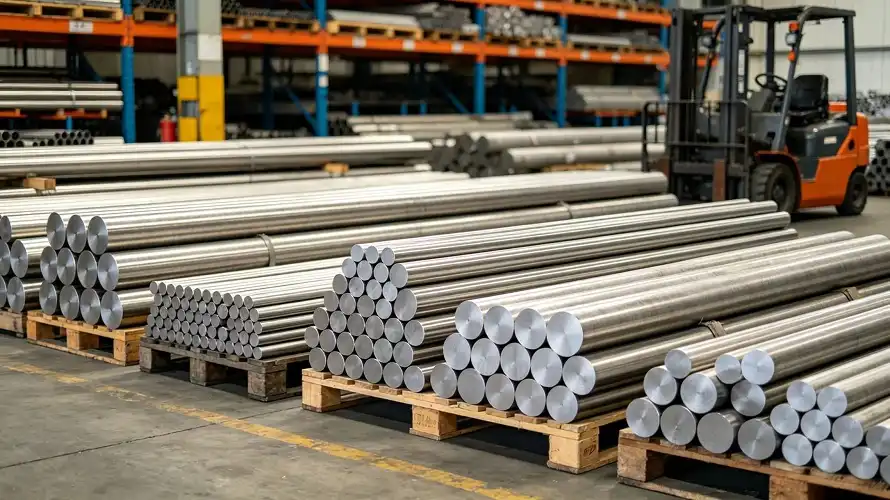
For a project to keep going, the supply line needs to be stable. When suppliers keep more than 3,000 tons of stock on hand, they can quickly meet urgent needs and keep production from being held up. Having experience with international shipping, such as export paperwork, customs rules, and transport planning, makes buying things across borders easier. By looking at these operating skills along with technical qualifications, you can find people you can trust.
Cost and Logistics Considerations
Prices change based on grade, width, and order size. In bulk, grade 2 rods (Φ50 mm) usually cost $25 to $35 per kg, while grade 4 rods cost $35 to $45 per kg. Minimum order amounts help suppliers make the most of their production space while also keeping buyer stocking costs low. To negotiate MOQs, you need to know how big the supplier's batches are and show that you can make more than one buy.
Lead times range from 4 to 8 weeks for normal sizes and from 10 to 16 weeks for special sizes longer than 6,000 mm. Critical path delays can be avoided by planning buying timelines around project plans. Total landing cost is affected by shipping options, such as containerized ocean freight for large orders and air freight for urgent needs. Experienced sellers give thorough quotes that include costs for materials, processing, testing, packing, and shipping, which helps you stick to your budget.
Practical Applications and Benefits of CP Titanium Rod in Industry
Aerospace and Defense Applications
Manufacturers of aircraft parts cut Grade 3 CP titanium rods into hydraulic system fittings, landing gear bushings, and airframe frames. The material can handle changes in temperature and vibrations from -55°C at high altitude to 120°C near engines. Saving weight directly increases payload capacity and fuel economy, which are two very important competitive benefits. Defense companies look for corrosion protection in naval planes that work in salty places where steel rusts quickly.
In aircraft, traceability rules require full paperwork from the melt batch to the final machining. Suppliers like Jucheng Titanium keep records that connect material certifications to specific airplane serial numbers. This lets flight officials track the materials throughout their entire lifecycle. This strict paperwork helps with safety compliance and managing risk.
Chemical Processing and Petrochemical Sectors
Grade 3 titanium bars are used to make flanges, fasteners, and internal supports for reactors and heat exchanges that are under a lot of pressure. These parts can handle hot brine and acidic slurries that normally cause stainless steels to fail locally due to rust. Contractors who work on chemical plants choose CP titanium because it is reliable in chlor-alkali electrolysis cells, where chlorine quickly breaks down other materials.
Manufacturers of petrochemical machinery like being able to make changes to their products. Complex shapes made from bars that are too big for the job get rid of the need for welding, which can be a place where corrosion starts. This makes the equipment last longer. Through performance-based value engineering, suppliers who offer engineering advice during the planning phase help choose the best materials and manufacturing methods, which lowers the overall cost of the project.
Marine and Offshore Engineering
In deep-sea settings, equipment cases made from Grade 2 and Grade 3 bars don't get stressed, corroded, cracked, or clogged with biological matter. Titanium is resistant to cavitation loss, which means that propeller shafts stay more hydrodynamically efficient for longer than bronze options. Valve stems and actuator parts can handle cycle loads in hydraulic systems that use seawater, so they can work for decades without any repairs.
Offshore platform owners figure out their return on investment by figuring out how often they need to do repairs. It costs millions of dollars in missed production to replace rusted steel parts during planned shutdowns. Using titanium bars in important systems stops them from breaking down without warning, which makes the higher cost of the materials worth it by maintaining operations.
Medical Device Manufacturing
Medical-grade CP titanium (ASTM F67) rods are machined into hip stems, spine fusion devices, and bone plates, which need to be biocompatible and osseointegrate. Precision manufacturing errors of less than 0.05 mm guarantee a good fit during surgery. Contamination that affects implant integration can't happen in clean working settings. Suppliers who are ISO 13485 certified show that they have the quality control systems for medical devices that are needed for governmental approval.
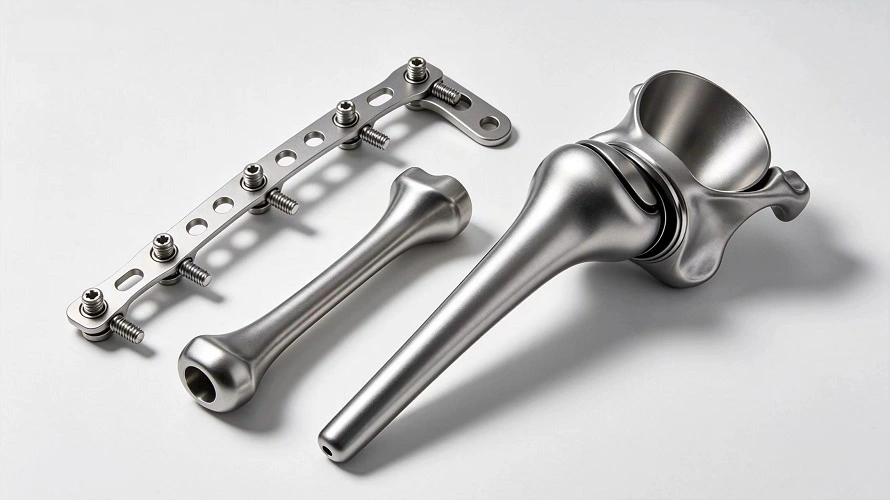
For tweezers, retractors, and drill guides, surgical tool makers use polished titanium rods. The nonmagnetic qualities and resistance to autoclave sterilization make it suitable for use in surgery rooms. Custom small-batch production makes it possible to make prototypes and unique instruments, which helps medical innovation.
Case Study: Industrial Heat Exchanger Success
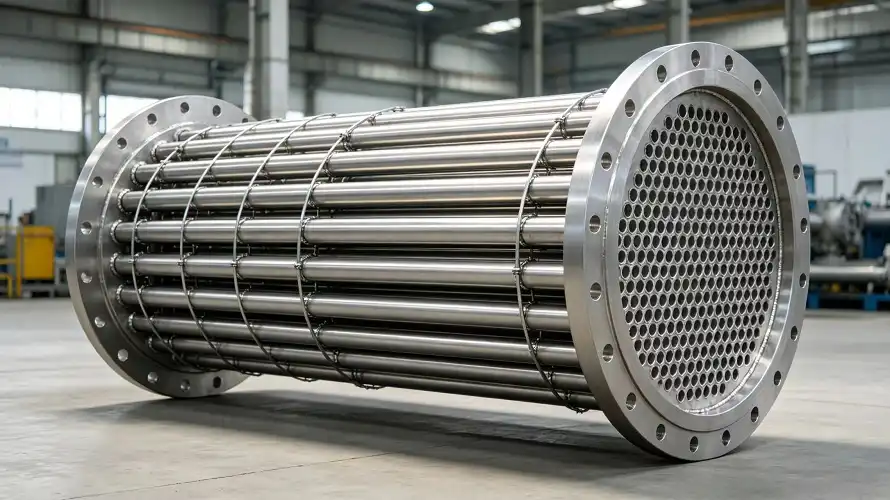
In a seawater-cooled condenser, a petrochemical plant swapped out stainless steel tube bundles for Grade 2 CP titanium tubes machined from bars provided by Jucheng Titanium. Because of pitting rust, the original steel bundles had to be replaced every 18 months, which cost $180,000 each time, not counting the time they had to be down. Titanium bundles cost $420,000 at first, but they didn't need any repairs for over 12 years, saving a net of $1.6 million. Titanium became the standard for corrosive service uses after this successful record.
Conclusion
CP titanium rods have a tensile strength of 240 to 550 MPa and a unique resistance to corrosion, making them ideal for challenging industrial uses. The best results for projects are achieved when procurement professionals choose the right types based on mechanical needs, environmental risk, and source references. Knowing about differences in composition, factors that affect manufacturing quality, and lifetime cost benefits helps you make smart sourcing choices that balance performance and budget. Partnering with experienced sellers who offer full certifications, a large inventory, and technical support makes purchasing easier and lowers supply chain risks, which leads to more reliable operations and a competitive edge.
FAQ
1. What Grade of CP Titanium Rod Offers the Highest Strength?
Grade 4 economically pure titanium has the highest tensile strength of all CP grades, at 550 MPa. Its performance is similar to that of titanium alloys, and it doesn't rust. This grade is good for structural uses that need a higher load-bearing ability without having to pay more for alloyed titanium. At 450 MPa, Grade 3 is a choice in the middle for aircraft and marine parts.
2. How Does CP Titanium Corrosion Resistance Compare to Stainless Steel?
In chloride, acidic, and seawater conditions, CP titanium makes a steady, self-healing passive oxide layer that is better than stainless steel. Titanium doesn't crack or pit under stress like 316L stainless steel does, which is especially useful in chemical processing and naval uses. This longevity makes the service life much longer, which lowers the total cost of ownership even though the materials cost more at first.
3. Can Titanium Rods Be Customized for Specific Applications?
Titanium bars can be bought from manufacturers in sizes ranging from 6 mm to 450 mm. Standard lengths are up to 6,000 mm, and custom lengths of 12,000 mm are also possible. Different surface processes, like polishing, turning, sandblasting, and pickling, can be used to meet different quality needs. Working with suppliers who keep their research and development (R&D) skills open can help make custom compositions and mechanical qualities that are useful for prototype development and other specific uses.
Partner with Jucheng Titanium for Reliable CP Titanium Rod Supply
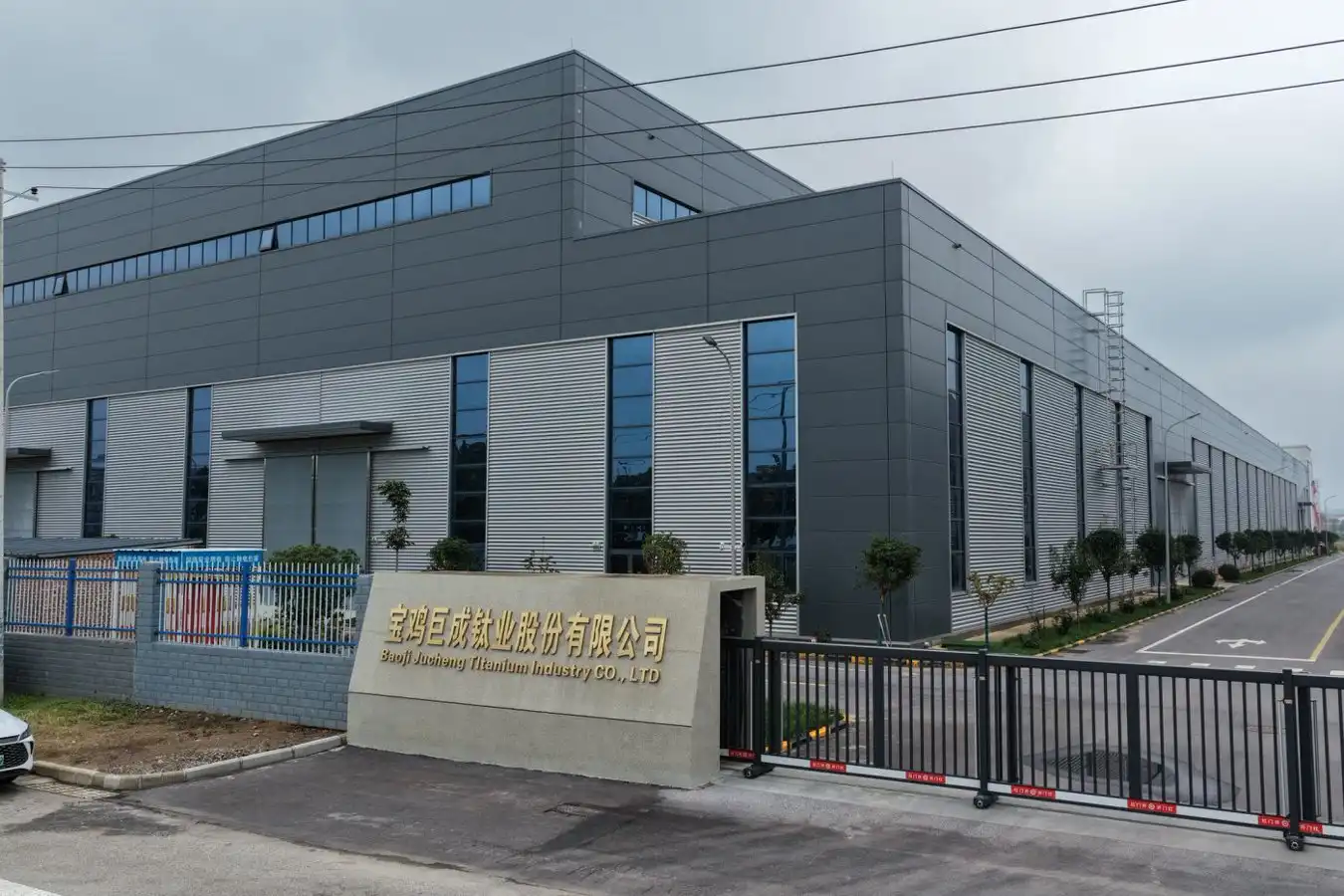
To buy titanium, you need a seller with both technical know-how and practical dependability. Jucheng Titanium is based in China's Titanium Valley and has been in the business for more than 20 years. They keep more than 3,000 tons of all industrial types in stock, which means they can quickly deliver to meet your project deadlines. We can make things that are approved to ASTM B348, ISO 9001, and military AS9100 standards, from vacuum melting to precise finishing. Our engineering team can help you find Grade 2 rods for chemical equipment, Grade 3 rods for marine parts, or custom specs for making prototypes. They can do this by matching the qualities of the materials to the needs of the applications. We work with aerospace manufacturers, petrochemical companies, and medical device makers all over North America to provide uniform quality and full paperwork for tracking. Get in touch with our purchasing experts at s4@juchengti.com to talk about your CP titanium rod needs, get specific quotes, or set up material approvals. As a trusted CP titanium rod supplier, we turn problems with materials into competitive benefits by providing quick service and a track record of success.
References
1. Boyer, R., Welsch, G., & Collings, E.W. (1994). Materials Properties Handbook: Titanium Alloys. ASM International, Materials Park, Ohio.
2. Donachie, Matthew J. (2000). Titanium: A Technical Guide, 2nd Edition. ASM International, Materials Park, Ohio.
3. Schutz, R.W. & Thomas, D.E. (1987). "Corrosion of Titanium and Titanium Alloys," ASM Handbook Volume 13: Corrosion, ASM International.
4. ASTM International (2021). ASTM B348-13: Standard Specification for Titanium and Titanium Alloy Bars and Billets. West Conshohocken, Pennsylvania.
5. Lutjering, G. & Williams, J.C. (2007). Titanium, 2nd Edition: Engineering Materials and Processes. Springer-Verlag, Berlin Heidelberg.
6. Veiga, C., Davim, J.P., & Loureiro, A.J.R. (2012). "Properties and Applications of Titanium Alloys: A Brief Review," Reviews on Advanced Materials Science, Volume 32, pp. 133-148.