
Why the Grade 5 titanium plate dominates the Aerospace and Medical Industries?
Because of its unique Ti-6Al-4V alloy makeup, Grade 5 titanium plate has become the most popular material for aircraft and medical making. It has a high strength-to-weight ratio, excellent corrosion resistance, and proven biocompatibility. This alpha-beta alloy, which makes up more than half of all titanium used in the world, solves important engineering problems where structural integrity cannot be compromised. For example, it is used to make airplane parts that can handle high temperature changes and orthopedic implants that need to work reliably for decades. Because it can be heated and cooled, its mechanical qualities can be changed to suit specific needs. At the same time, it is 45% lighter than steel versions, making it the best choice for situations where weight is crucial and failure is not an option.
Understanding Grade 5 Titanium Plate: Composition and Key Properties
What Makes Ti-6Al-4V Special?
The exact science behind this workhorse metal is shown by its name: 6% aluminum makes it stronger and less dense, while 4% vanadium stabilizes the beta phase to make it tougher and easier to work with. Iron levels (0.25% maximum) and oxygen levels (0.22% maximum) are kept in check to keep flexibility and hardness in balance. This carefully planned mix makes an alpha-beta lattice that reacts very well to heat treatment methods.
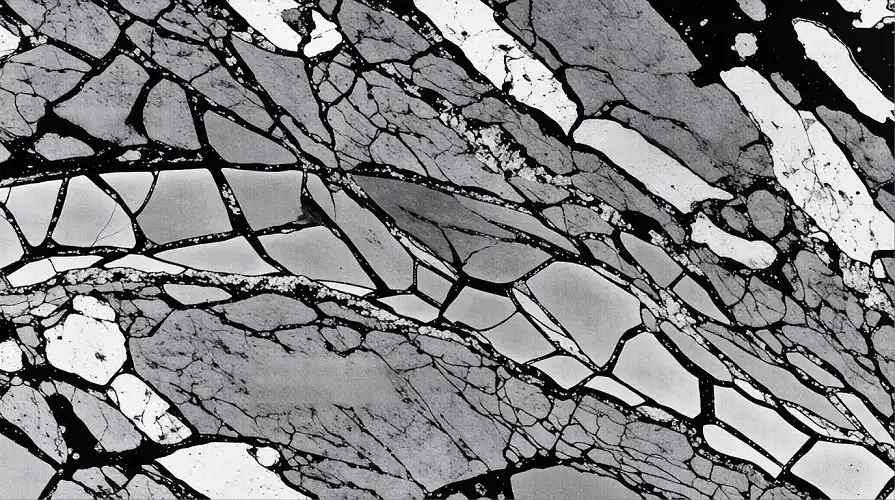
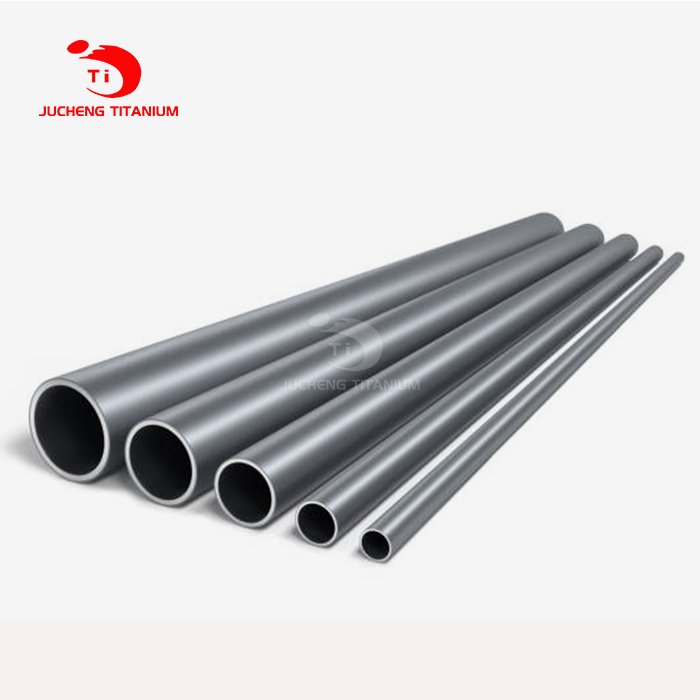
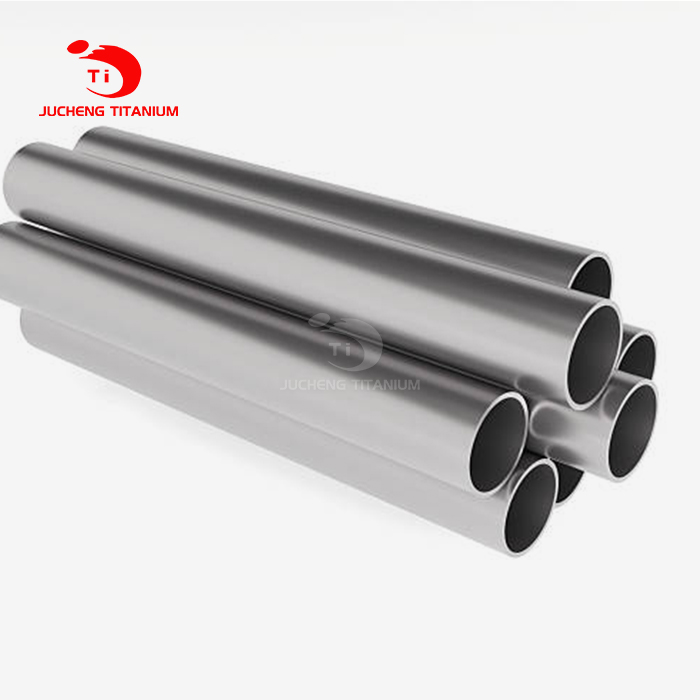
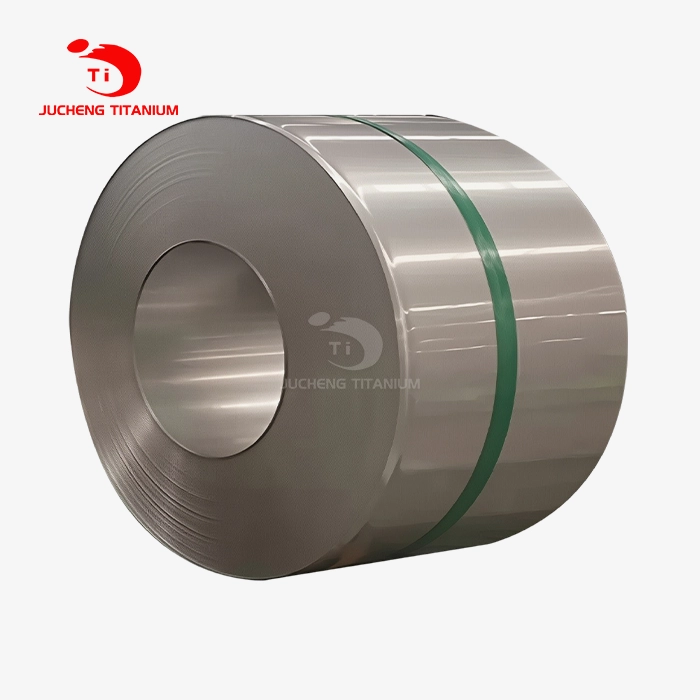
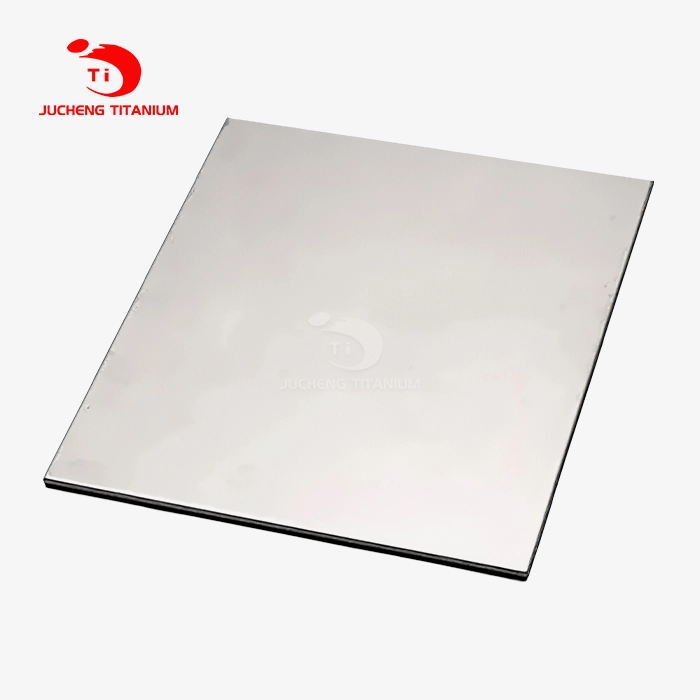
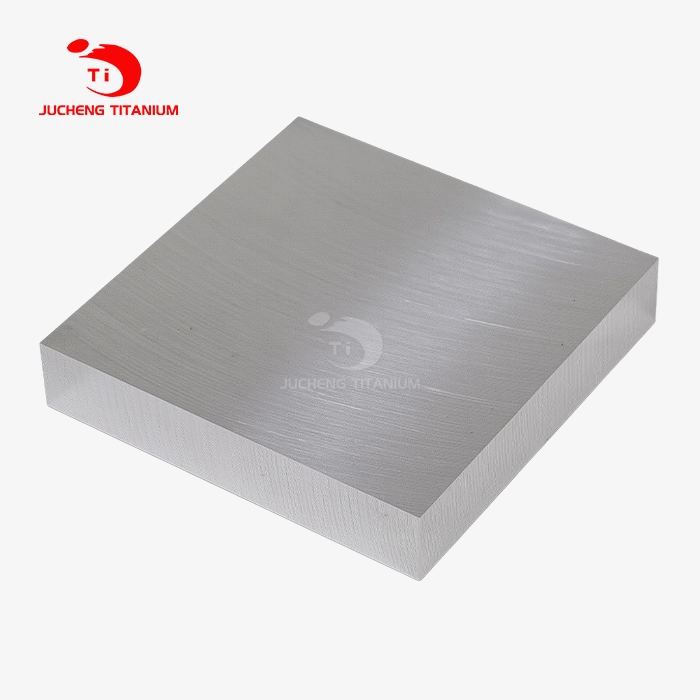
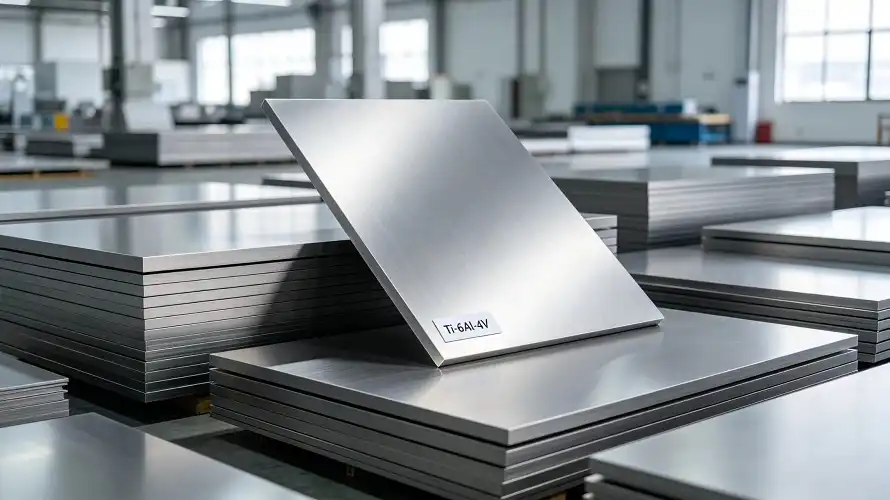
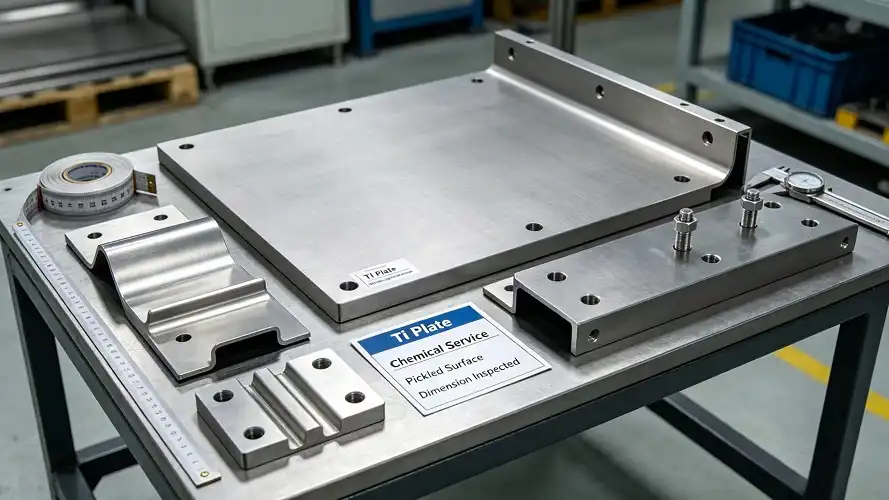
When we make things at Jucheng Titanium, we follow strict guidelines like ASTM B265, ASTM F67, AMS 4911, and ASME SB265 to make sure that the materials always work the same way. Our hot-rolled Grade 5 titanium plates come in widths from 950mm to 2500mm, lengths up to 10,000mm, and thicknesses from 4mm to 80mm. You can easily get custom measurements to fit the needs of your job.
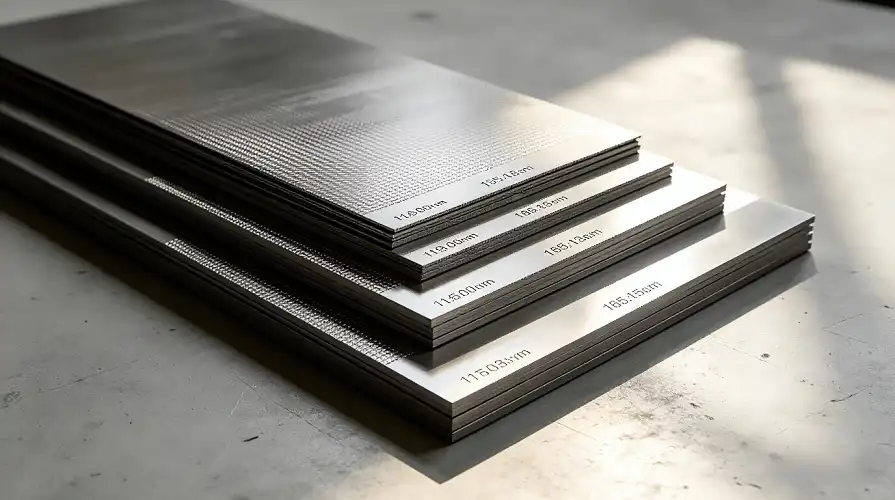
Mechanical Performance That Solves Real Problems
When heated, Ti-6Al-4V has a tensile strength of 895 MPa (130 ksi) and a yield strength of about 828 MPa (120 ksi). This strength stays the same even at high service temperatures of up to 400°C, which is too hot for aluminum alloys to handle and too heavy for stainless steels. The fatigue resistance is especially useful in settings with repeated loading, like spinning aircraft parts and medical devices that are implanted and put through millions of loading cycles.
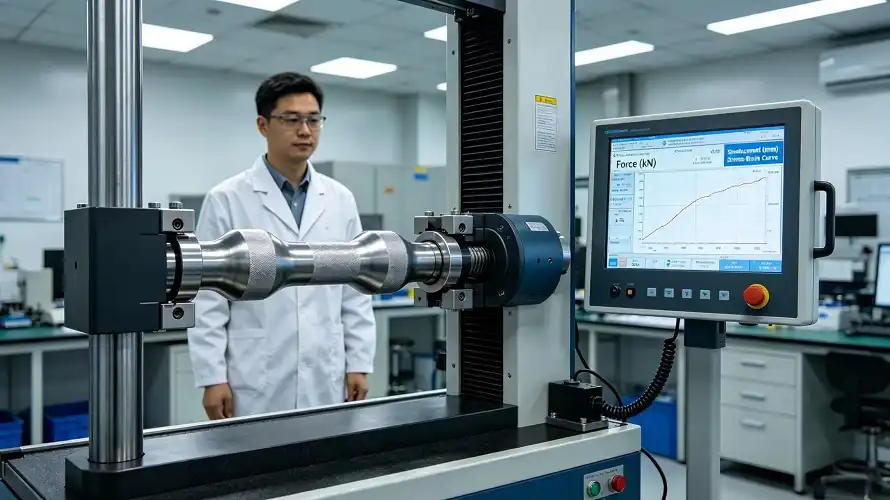
Controlled rolling, exact annealing, thorough leveling, chemical pickling, and professional surface finishing are some of the ways we handle materials to get the best grain structure and residue stress profiles. The end result is a material that machines predictably, welds accurately, and works the same way in every output lot. Different surface processes, like polished, machined, or acid-pickled finishes, are used for different purposes, like making implant surfaces very smooth or getting materials ready for protective coatings.
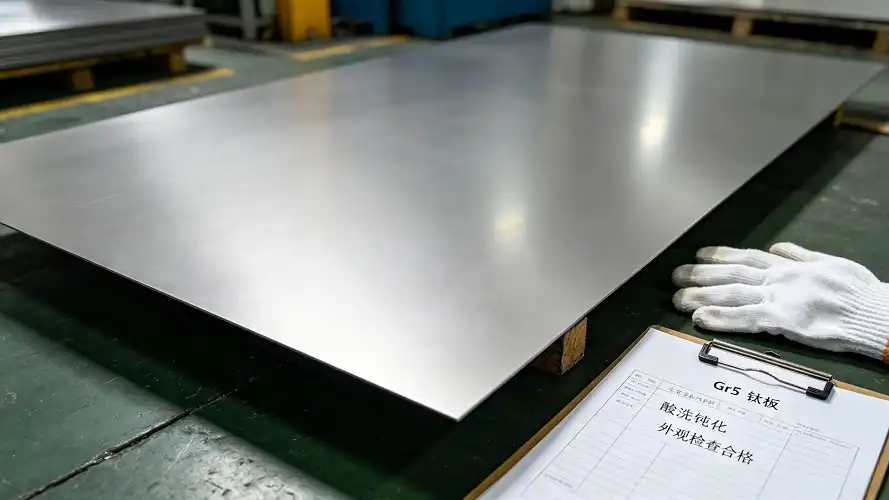
Corrosion Resistance Across Demanding Environments
The inactive oxide layer that forms on titanium surfaces on its own makes them very resistant to chloride-rich surroundings, acidic body fluids, and corrosion from the air. If this protective film gets broken, it can be fixed right away, so it will last for a long time without needing any other protective coats. Unlike aluminum alloys that can be damaged by galvanic attack or stainless steels that can pit when exposed to salt water, Ti-6Al-4V keeps its surface integrity for decades of use.
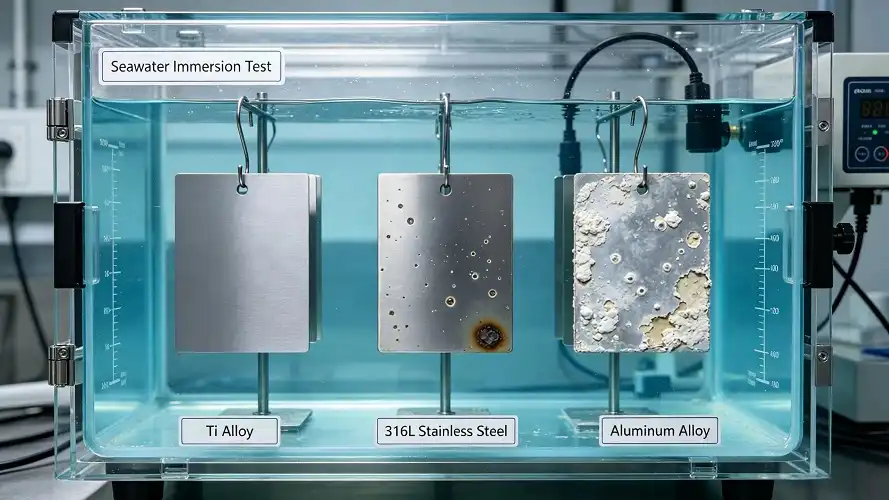
Why Does Grade 5 Titanium Plate Lead in Aerospace Applications?
Strength-to-Weight Ratio Drives Fuel Efficiency
For every kilogram that is taken off of an airplane, millions of flight hours of fuel are saved. Grade 5 titanium plate has specific strengths (strength split by density) that are higher than those of high-strength steels and aluminum alloys. Manufacturers of airplanes use this benefit in parts of the airframe, landing gear systems, and engine mounts where lowering weight without losing strength is still very important.
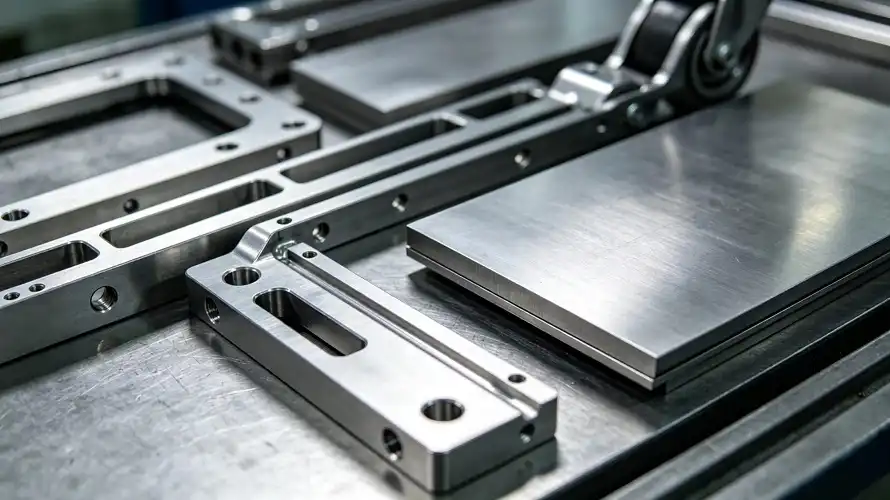
Because of how well it works at high temperatures, the material is essential for use near rocket systems. Compressor blades, turbine cases, and exhaust parts all work consistently in temperatures that would soften aluminum or call for heavier nickel-based superalloys. This thermal stability makes it possible to change parts less often and for a longer time, which are both very important for companies that are trying to make a profit.
Proven Reliability in Critical Components
To get an aerospace license, all of the materials must be able to be tracked, and quality paperwork must be kept. Jucheng Titanium has been in the titanium business for 20 years and has set strict quality control standards that aircraft buying teams trust. Each plate comes with a full mill test report that lists the chemical make-up, mechanical qualities, and heat treatment history for each plate. This paperwork backs up the material certification compliance that aircraft makers need to get FAA and EASA approval.
Ti-6Al-4V's fracture toughness stops catastrophic cracks from spreading in structural parts like wing connection fittings and bulkhead frames. This metal is used to make fasteners that don't come loose from shaking and keep their clamping force through changes in temperature. The material is resistant to hot salt corrosion in marine patrol planes and to sulfidation in settings where fossil fuels are burned. This is good for engine parts.
Comparative Advantages Over Alternative Materials
When aircraft engineers choose materials, they compare Ti-6Al-4V to pure titanium types that are sold in stores, stainless steels, and advanced aluminum alloys. Grade 2 titanium is very resistant to rust, but it's not strong enough for high-stress situations. Stainless steel 316 is strong enough, but it's too heavy to carry. Aluminum 7075 has a good specific strength, but it rusts near the coast and wears out quickly when loaded and unloaded many times.
The best material in this range is Grade 5 titanium plate, which is nearly 100% stronger than Grade 2 titanium, 45% lighter than stainless steel, and more resistant to rust than any aluminum alloy. This one-of-a-kind mix is what makes titanium so useful for building structures in business and military airplanes and spacecraft.
The Dominance of Grade 5 Titanium Plate in Medical Devices
Biocompatibility Backed by Decades of Clinical Evidence
Medical device makers choose Ti-6Al-4V for internal uses because it has been shown in many clinical tests to be safe and non-allergenic in humans. The inactive oxide surface doesn't cause immune responses or long-term inflammation, which lets orthopedic devices osseointegrate with bone tissue and work properly. Clinical follow-up studies have shown that hip replacements, spine fusion cages, and dental implants made from this metal have steady performance for more than 20 years.
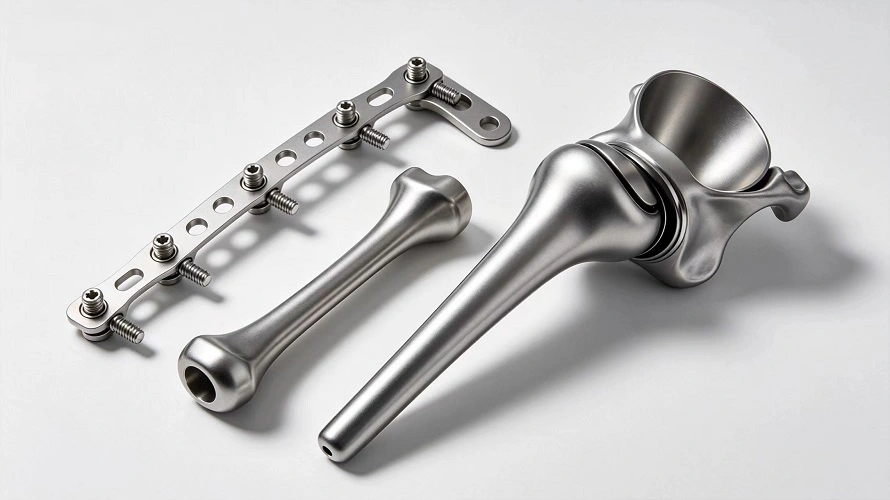
Meeting the strict requirements for purity set by ISO 5832-3 and ASTM F136 makes sure that medical-grade material is pure. When you control the grain size and the amount of intermediate elements (especially iron and oxygen), you get material that is perfectly compatible with living things. Jucheng Titanium only makes medical-grade materials during specialized production runs. This keeps industrial-grade materials from getting into the medical-grade materials.
Mechanical Properties Matched to Physiological Requirements
Ti-6Al-4V has an elastic stiffness of about 114 GPa, which is in the middle of the range for cortical bone (10–30 GPa) and stainless steel 316L (193 GPa). This level of stiffness in the middle stops the stress buffering effects that break down bone around implants that are too stiff. Surgeons like how strong the material is even after millions of walking cycles and no microcracks form that could cause the implant to fail completely.
The metal is very easy to machine, which is used in dental applications to make precise abutments and surgical guides. Tight limits can be made with this material without it becoming too hard to work with or making tools wear out too quickly. Standardized procedures make it easy to do surface treatments like grinding to a mirror finish or shaping to help the bone integrate better. Custom thickness specs let makers make implant wall pieces that fit the anatomy best while causing the least amount of damage.
Regulatory Compliance and Supply Chain Integrity
When buying medical devices, it's important to be able to track everything from the raw materials to the finished parts. At Jucheng Titanium, our quality control methods meet this need by keeping records of each batch, having third-party tests confirm the quality, and keeping full records of the material's history. This level of openness meets the standards for medical device production set by ISO 13485 and FDA 21 CFR Part 820.
Surgical instrument makers like Ti-6Al-4V because it makes tools that can be used again and again and can withstand many autoclaving cycles without breaking down or corroding. After being sterilized hundreds of times, orthopedic power tools, retractors, and attachment plates keep their shape and surface finish. Because the material isn't magnetic, it's perfect for tools used in MRI-guided surgery, where ferromagnetic materials could cause dangerous projectile dangers or image artifacts.
Procurement Insights: Buying Grade 5 Titanium Plates for B2B Clients
Evaluating Supplier Certifications and Capabilities
Industrial purchasing teams should give more weight to sellers who can show a wide range of quality certifications and professional skills. The ISO 9001 quality management certification gives you basic peace of mind, while the AS9100 certification is specific to the quality needs of the aircraft industry. Medical device makers can get more out of their partnerships with material sources who are ISO 13485-certified and know how biological regulations work.
Jucheng Titanium is a national high-tech company and a specialized "little giant" company. These designations show that we are innovative and the best in our field. Our 41 utility model patents and 4 invention patents show that we are continuing to spend in research and development to make improved titanium processing technologies. These new ideas lead to better material qualities, wider size ranges, and custom answers for problems that only happen in certain applications.
Understanding Pricing Dynamics and Inventory Management
Titanium prices change on the market based on the cost of raw materials, the cost of energy, and changes in world demand. Suppliers who keep a lot of goods on hand can protect their customers from short-term price changes and guarantee fast delivery. Jucheng Titanium's 3,000-ton inventory allows for instant shipment for pressing project needs, cutting out the long lead times that come with just-in-time procurement strategies.
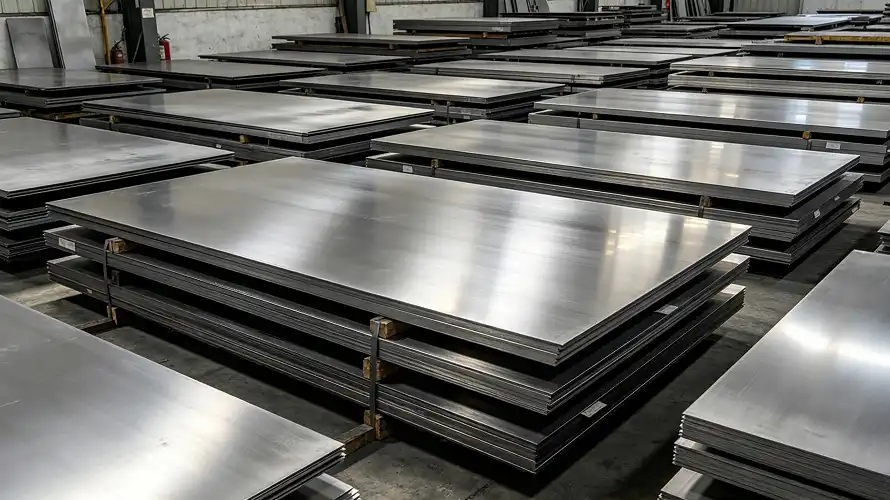
When you buy in bulk, you save money because of economies of scale that affect how you schedule and transport your goods. Our production range goes from 4mm to 80mm, so we can easily meet your custom thickness needs, whether you need 25mm Grade 5 titanium plates for making military brackets or 6mm sheets for stamping medical devices. Specifications for width and length up to 2,500 mm and 10,000 mm, respectively, cut down on waste during production.
Ensuring Long-Term Supply Chain Reliability
Supply problems can be avoided by building strategic relationships with suppliers based on open communication and regular high-quality delivery. We've been in business for 20 years and have partnered with groups like Jiangxi Copper Group and Northwest Institute for Nonferrous Metal Research to show that we care about our customers' long-term success. We can meet the needs of our customers as they grow because we can make more than 500 sets of titanium tools every year.
Technical help is what sets competent sellers apart from those who are just brokers for materials. Our research team works with customers to find the best materials, improve the manufacturing process, and find ways to change the properties of materials for specific uses by controlling the heat. This consultative method helps people who work in buying make choices that are both technically sound and within their budgets.
The Future Outlook: Trends Driving Grade 5 Titanium Plate Demand
Lightweighting Initiatives Across Industries
Aerospace companies are under more and more pressure to use less fuel and put out less carbon dioxide by starting projects to lose weight. Grade 5 titanium plates make it possible to make topology-optimized shapes that weren't possible with heavy materials before. More and more things are being made using Ti-6Al-4V powder in additive manufacturing, but wrought plate is still needed for big structural parts and uses that need approved material qualities.
Titanium is being used more and more in high-performance cars and the cases that hold electric car batteries, where the lighter weight directly extends the driving range. Our production skills allow us to serve this growing market area with materials that are priced reasonably and can be used in lower-volume car applications. Defense companies keep asking for Ti-6Al-4V to be used in light defense systems, structures for unmanned aerial vehicles, and marine uses that need to be resistant to corrosion in saltwater.
Advanced Processing Techniques Improving Cost-Effectiveness
New developments in thermomechanical processing and heat treatment methods keep making materials better while lowering the costs of making them. Beta annealing methods change microstructures to make important aerospace parts more resistant to breaking. For different uses, solution treatment and aging processes can be used to find the best mix between strength and ductility. At Jucheng Titanium, we use controlled heating to get the best residual stress profiles, which makes cutting go more smoothly and keep the shape of the metal stable.
New developments in surface engineering, like physical vapor deposition coatings and plasma electrolytic oxidation treatments, make medical tools and aircraft bearings more resistant to wear. These changes to the surface make the parts last longer without changing the good things about the Ti-6Al-4V substrate's core qualities. Chemical milling and photochemical machining make it possible to work with complicated shapes that used to need a lot of mechanical work.
Expanding Applications Creating New Opportunities
Titanium alloys are being used more and more in the energy sector because offshore wind farms need parts that don't rust and geothermal systems need materials that can handle acidic, high-temperature fluids. More and more, marine power systems need propeller shafts and pump housings that are exposed to saltwater to be made of Ti-6Al-4V. Our Grade 5 titanium plates are used by companies that make tools for chemical processing for reactors and heat exchanges that work in harsh chemical environments.
Procurement professionals should set up flexible supply deals that can adapt to changing technology needs and changes in volume. Our custom fabrication services, which include OEM and ODM options, help customers come up with new uses for our products that go beyond the usual aircraft and medical markets. Through agreements with research institutions, we can support new technologies that need materials with advanced qualities.
Conclusion
Grade 5 titanium plate continues to rule the aerospace and medical fields by offering unmatched levels of mechanical strength, resistance to rust, and biocompatibility that are necessary for mission-critical uses. Because it has been tested and proven to work reliably in harsh service settings and is backed by strict material standards and approval processes, engineers who refuse to skimp on quality choose it over other options. As manufacturing technologies improve and new uses come up, Ti-6Al-4V stays at the top of the list of high-performance materials. It gives procurement workers a solid option that has been used successfully for decades in safety-critical fields.
FAQ
1. What makes a Grade 5 titanium plate superior to other titanium grades?
Grade 5 titanium plate (Ti-6Al-4V) is much stronger than widely pure grades like Grade 2 because it has 6% aluminum and 4% vanadium as alloying elements. This alpha-beta metal has tensile strengths of about 895 MPa, which is almost twice as high as Grade 2. It also has great corrosion protection and can be heat-treated to improve its properties even more. Because the alloy has the right amount of strength, flexibility, and weldability, it can be used in high-stress situations where pure titanium types aren't strong enough.
2. Can Grade 5 titanium plates be customized for specific project dimensions?
Of course. Thicknesses of Grade 5 titanium plates can be made to order in ranges from 4mm to 80mm, widths from 950mm to 2500mm, and lengths up to 10,000mm. In addition to changing the sizes, you can also change the finishing on the surface to be polished, machined, or acid-pickled to fit the needs of your application. You can change the heat treatment conditions to get the mechanical properties you want, and we can provide material certificates that show it meets aircraft (AMS 4911) or medical (ASTM F136) standards if needed.
3. How does Grade 5 titanium improve equipment longevity in aerospace and medical applications?
Because the material is so resistant to fatigue, parts can be loaded and unloaded millions of times without cracking. This is very important for airplane frames and orthopedic implants. Its inactive oxide layer protects against rust and keeps the structure strong for decades without the need for protective coatings. The biocompatibility and osseointegration properties make sure that medical implants work reliably for the rest of a patient's life. On the other hand, the high-temperature stability makes it possible to replace aerospace parts less often, which lowers their lifecycle costs by a large amount compared to other materials that need to be maintained or replaced more often.
Partner with a Trusted Grade 5 Titanium Plate Supplier
Jucheng Titanium has been making specialized titanium products for over 20 years and can help aircraft and medical procurement teams find reliable, approved material sources. Our large stock of Ti-6Al-4V plates made to ASTM B265 and AMS 4911 standards means that we can quickly meet both standard and unique requirements. We are a National High-Tech Enterprise; our products have 45 patents, and we have built supply relationships with major aircraft and medical makers. This means we can give your important projects the quality consistency and technical support they need. Our engineering team is ready to talk to you about your unique needs, give you competitive quotes for large orders, and help you with the buying process by giving you full paperwork on how to track the materials. Get in touch with our experts at s4@juchengti.com right away to find out how our Grade 5 titanium plate options can help you make your next medical device or aerospace component project better.
References
1. Boyer, R., Welsch, G., & Collings, E.W. (1994). Materials Properties Handbook: Titanium Alloys. ASM International.
2. Donachie, M.J. (2000). Titanium: A Technical Guide, 2nd Edition. ASM International.
3. Peters, M., Kumpfert, J., Ward, C.H., & Leyens, C. (2003). Titanium Alloys for Aerospace Applications. Advanced Engineering Materials, 5(6), 419-427.
4. Niinomi, M. (2008). Mechanical Biocompatibilities of Titanium Alloys for Biomedical Applications. Journal of the Mechanical Behavior of Biomedical Materials, 1(1), 30-42.
5. Froes, F.H., Imam, M.A., & Caplan, I.L. (2006). The Aerospace and Military Applications of Titanium and Its Alloys. Proceedings of the International Conference on Titanium.
6. Long, M. & Rack, H.J. (1998). Titanium Alloys in Total Joint Replacement—A Materials Science Perspective. Biomaterials, 19(18), 1621-1639.