
Why Use Gr1 Titanium Tube in Seawater Applications?
Marine rust problems require materials that can stand up to constant contact with saltwater without needing to be replaced often or given a lot of care.
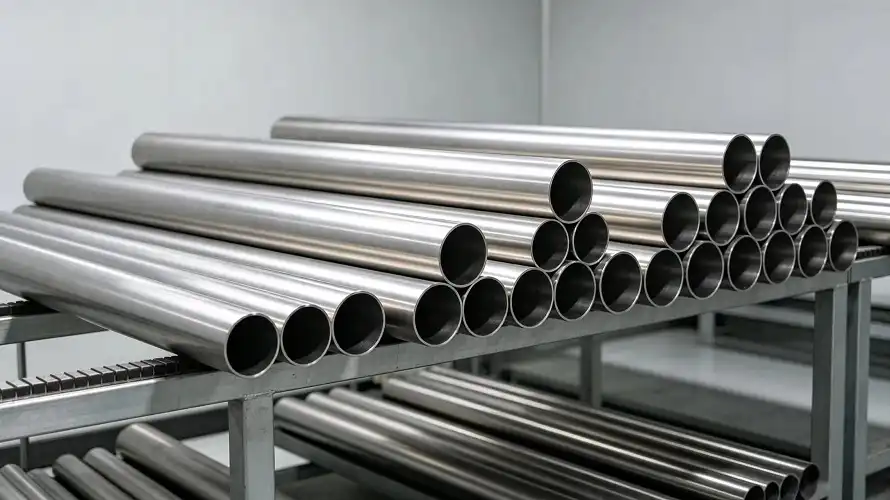
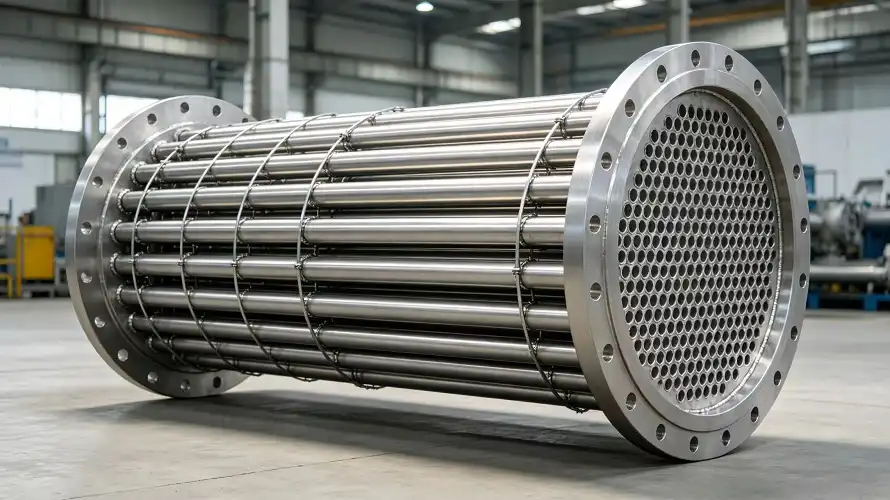
Gr1 titanium tube is completely resistant to corrosion because they are chemically pure and can quickly form a steady, protective oxide layer when they come into contact with seawater. Normal metals break down quickly in salt water, but this commercially pure titanium grade stays strong for decades. This makes it the best choice for offshore platforms, desalination plants, heat exchangers, and shipboard piping systems where dependability and longevity directly affect operational costs.
Understanding Gr1 Titanium Tube: Properties & Composition
To choose the right material for use in saltwater, you must first know what makes Gr1 different from other choices. This grade is commercially pure and is the best in the titanium family in terms of being able to shape and prevent rust.
Chemical Composition and Purity Standards
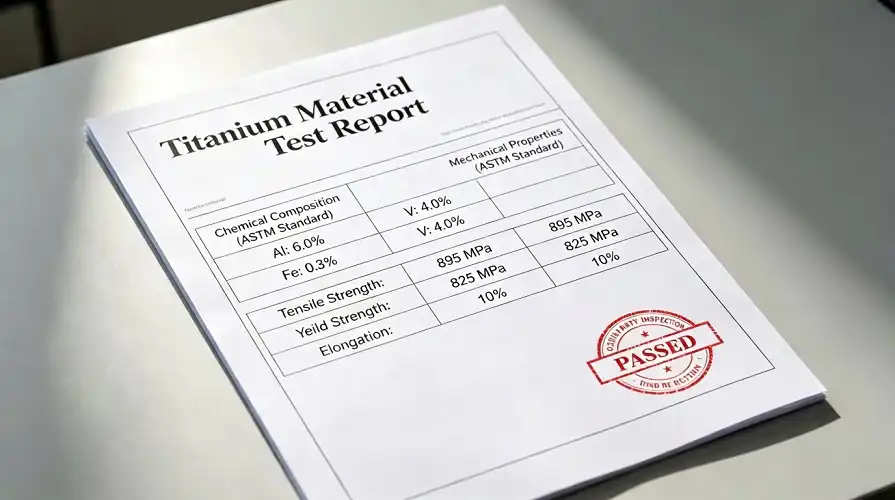
The Gr1 Titanium Tube follows strict rules set by other countries, like ASTM B338, ASTM B337, and ASME SB338. The chemical makeup has very few intermediate elements: nitrogen makes up no more than 0.03 percent, carbon makes up no more than 0.08 percent, hydrogen makes up no more than 0.015 percent, iron makes up no more than 0.2 percent, and oxygen makes up no more than 0.1 percent. These low amounts of impurities set Gr1 apart from higher-strength types, giving it better ductility and formability that is needed for complicated pipe designs. The purity guarantees steady performance even in chloride-rich conditions that quickly break down less pure materials.
Mechanical Properties and Performance Characteristics
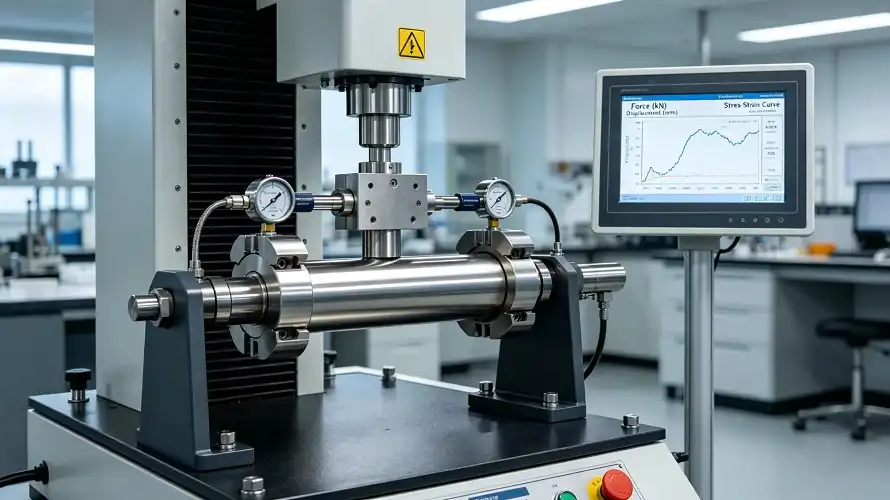
Gr1's mechanical shape strikes a good mix between being flexible and strong enough. Tensile strength is at least 240 MPa (35 ksi), and yield strength is at least 170 MPa (25 ksi). The most amazing thing about this grade is that it can stretch at least 24%, and in smooth shapes it can stretch over 30%. This material is very flexible, so it can be worked cold for a long time and bent in complicated ways without cracking. Gr1, which has a density of 4.51 g/cm³, is about 45% lighter than stainless steel while still having the same or better rust protection. This edge in weight-to-strength directly leads to less structural support needed and lower building costs for marine projects.
Manufacturing Process and Seamless Integrity
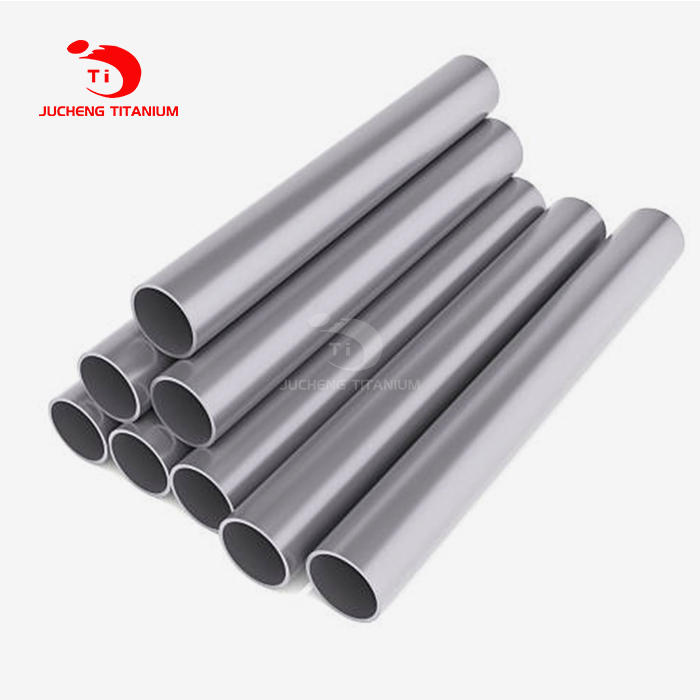
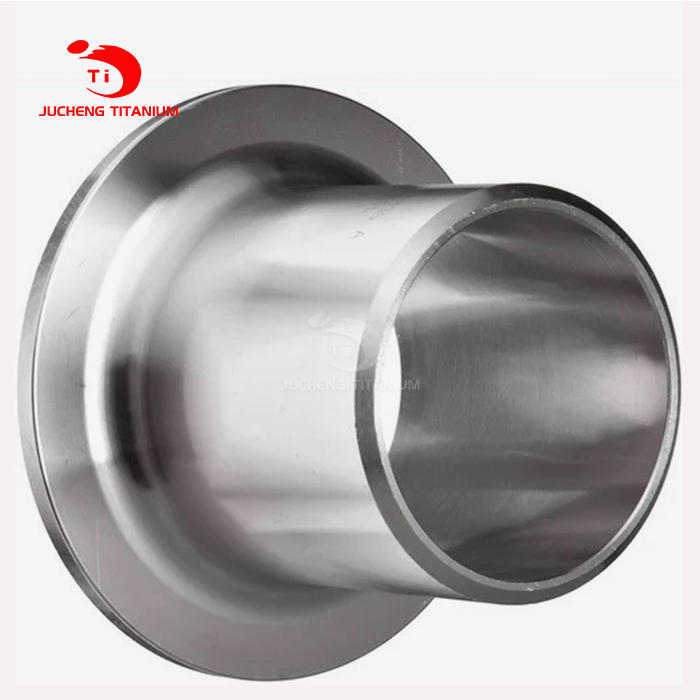
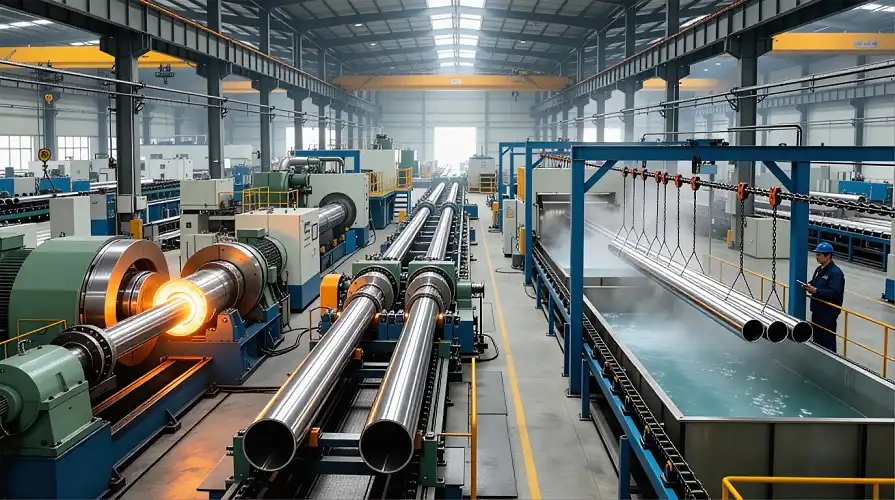
At Jucheng Titanium, we use high-tech finishing methods like cold rolling, annealing, pickling, and precise bending in our manufacturing process. With these methods, seamless tubes with outer diameters from OD3 to OD219 mm and wall thicknesses between 0.5 and 20 mm can be made, but they can still be customized to meet specific needs. The seamless design gets rid of weld gaps and heat-affected areas that could be used to start rusting. Depending on the needs of the product, surface processes like polishing, milling, or acid pickling give the best finishes. Annealed and pickled states make sure that the material is homogeneous and that stress is relieved, which are important for marine service efficiency over the long term.
Comparing Gr1 with Other Titanium Grades
Knowing the differences between grades helps buying teams make smart choices. When compared to Gr2, Gr1 is easier to shape because it has less oxygen in it, but Gr2 is slightly stronger. Gr3 makes things even stronger, but it also makes them less flexible. Gr5 is a titanium alloy that has aluminum and vanadium added to it. It is much stronger than widely pure grades, but it costs a lot more and doesn't fight corrosion as well. Palladium is added to Gr7 and Gr12 to make them more resistant to certain reducing acids, but it is not needed for normal seawater contact. Another metal, Gr9, is used in aircraft for tasks that need to be strong at high temperatures. The scientific comparison always shows that Gr1 is the most cost-effective choice for saltwater pipe systems where formability and resistance to corrosion are more important than strength.
Why Does a Gr1 Titanium Tube Excel in Seawater Applications?
In industrial settings, the sea climate is one of the most hostile places for corrosion to happen. The chloride in saltwater is very harsh on most metals, which causes upkeep problems and early breakdowns. Because a GR1 titanium tube is so special, it can handle all of these problems.
Superior Corrosion Resistance Mechanism
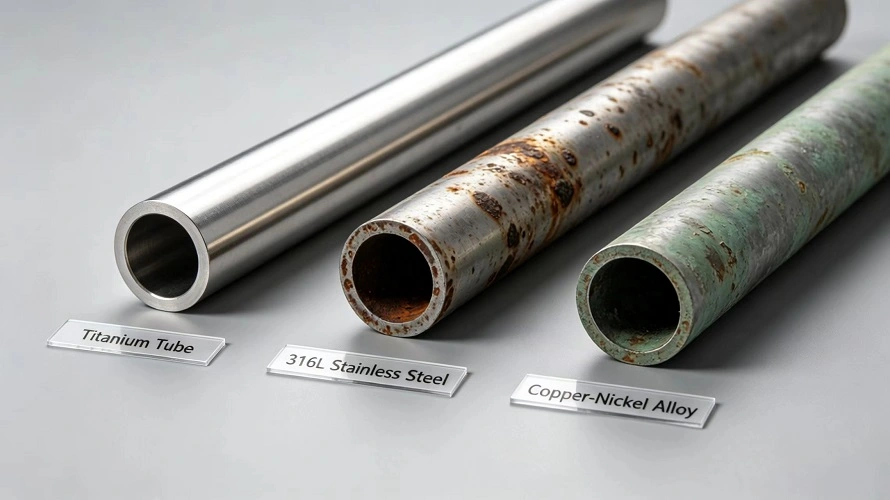
When Gr1 is exposed to air or water, it instantly forms a thick, sticky layer of titanium dioxide. This is what gives it its amazing marine longevity. This passive film is only a few nanometers thick, but it protects against chloride ions getting through very well. The chromium oxide layer in stainless steel can break down in high-chloride environments, but titanium's oxide stays steady over a wide pH range and temperature range. This shield heals itself right away if it gets broken, so it can keep protecting against pitting, crevice corrosion, and stress corrosion cracking, all of which are problems that common materials have in seawater service.
Long-Term Durability in Harsh Oceanic Conditions
Not only are chemicals used to attack marine infrastructure, but waves, currents, temperature cycles, and biofouling also put stress on it. Gr1 titanium tube has a very high resistance to fatigue even when loaded and unloaded many times, which is popular in offshore platforms and ship systems. The material stays strong even when the temperature changes between cold ocean and process heat loads. Field installations in desalination plants that have been running nonstop for more than thirty years show that the wall thickness hasn't changed much. This supports lifetime estimates that go beyond standard planning ranges. Because it lasts so long, it doesn't need as many expensive repair processes as copper-nickel alloys or stainless steel alternatives.
Environmental Compliance and Safety
More and more, materials that come into touch with drinking water or drain into marine environments are being closely looked at by regulatory bodies. Because Gr1 titanium is naturally inert, it makes sure that no dangerous chemicals get into processed seawater or drinking water that has been desalinated. The information backs up environmental certificates for marine protection rules and green building standards. Titanium is stable, which keeps metal ions from getting into chemical processing plants that deal with salt outflow, which could be against environmental permits. This compliance benefit lowers governmental risk and helps companies keep their promises to be more environmentally friendly.
Real-World Performance Evidence
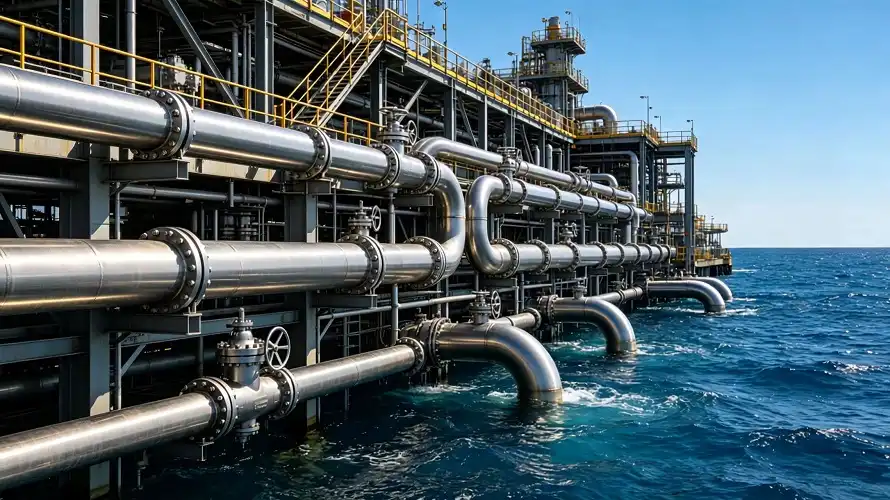
Documented case studies from large purification plants show how useful Gr1 is in real life. In 2005, a big facility in the Middle East replaced its heat exchanger tubes made of stainless steel with ones made of commercially pure titanium. Since then, regular checks have shown that the titanium has not broken down due to corrosion after almost twenty years of use. Offshore oil platforms in the North Sea switched from nickel alloys to corrosion-resistant titanium pipe for their seawater cooling systems. This got rid of the need for regular repair shutdowns that happened every 18 to 24 months with nickel alloys. Naval shipbuilders all used Gr1 for the pipes in the ballast system after tests showed that they would last more than forty years without needing to be replaced. These tried-and-true installations back up engineers' figures and give procurement officials peace of mind when they're looking at material purchases.
Comparing Gr1 Titanium Tubes to Alternative Materials for Seawater Use
Choosing the right materials depends on a full cost-benefit analysis that goes beyond the original buy price. Figuring out how Gr1 Titanium Tube compares to other options helps you understand what its value is.
Gr1 Versus Stainless Steel Grades
Because they are cheaper, types of stainless steel like 316L are used most often in commercial pipes. Marine conditions, on the other hand, take advantage of stainless steel's flaws. When chlorine levels are higher than 500 ppm, they make pitting and crevice corrosion happen faster in stainless metals, especially when the flow is slow or stops. Maintenance rules say that tubes should be replaced every 5 to 8 years in harsh ocean service, but Gr1 setups can last longer than 30 years without being replaced. A study that looked at the lifetime costs of 316L stainless steel and Gr1 titanium over 25 years found that titanium had a 30–40% lower total cost of ownership when repair labor, system downtime, and disposal costs were taken into account. Because of the weight advantage, offshore sites don't need as much structural steel, which saves even more money during the building stages.
Performance Comparison with Copper-Nickel Alloys
Copper-nickel metals (90/10 and 70/30 versions) are commonly used for seawater pipes because they don't rust too easily. These metals work well in clean, moving seawater, but they get damaged by impact attack at high speeds and biofouling, which means they need to be cleaned often. Copper-nickel flows can't go faster than 2.5 meters per second, but titanium can handle speeds over 10 meters per second without worrying about damage. Because these metals leak copper, they can't be used in some situations because they don't meet environmental standards. Maintenance costs add up because of the need for antifouling treatments and regular retubing. Gr1 titanium gets rid of these operating problems and has an endless service life as long as it is installed correctly.
Economic Analysis for Procurement Teams
Based on the cost of the raw materials, Gr1 titanium tubing is about three to five times the price of stainless steel tube of the same size. This upfront fee turns off some buyers until a more in-depth look shows the whole picture. To find the total cost of ownership, you have to add up the costs of installation labor, system design simplicity from getting rid of rust margins, maintenance intervals, replacement cycles, lost productivity during downtime, and disposal costs. Spreadsheet models show that breakeven points usually happen within 5 to 8 years for systems that run all the time, with pure cost advantages happening in the following decades. Titanium cuts material and upkeep costs by 25–35% compared to stainless steel baselines for projects with 20–30 year design lives. This fact of the economy causes buying pros who are in charge of long-term capital investments to change the specifications.
How to Procure High-Quality Gr1 Titanium Tubes for Seawater Applications?
Sourcing choices have a big effect on the success of a project. Finding qualified suppliers and knowing how to buy things makes sure of the quality of the materials and the dependability of the delivery.
Certification Requirements and Quality Standards
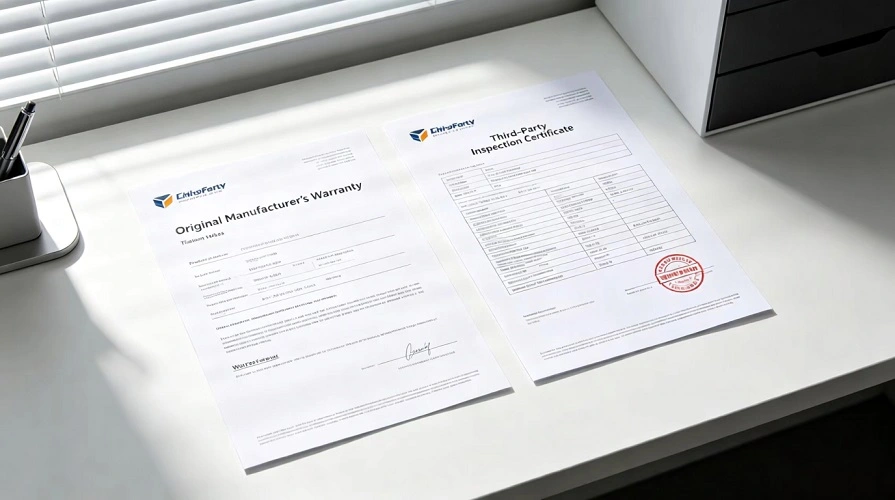
Suppliers who are trustworthy give full certifications of their materials that show they meet ASTM B338, ASTM B337, or ASME SB338 standards. The chemical composition analysis, mechanical property test results, and traceability information that connects individual heat lots to supplied materials should all be included in mill test records. Systematic quality management is shown by ISO 9001 certification, and aerospace-grade process controls for important applications are shown by AS9100 approval. Independent testing by third-party inspection services can confirm the accuracy of materials. This is especially helpful when working with a new provider. These approvals should be clearly listed in the procurement specs as things that must be sent in before the material is accepted.
Selecting Experienced Manufacturers
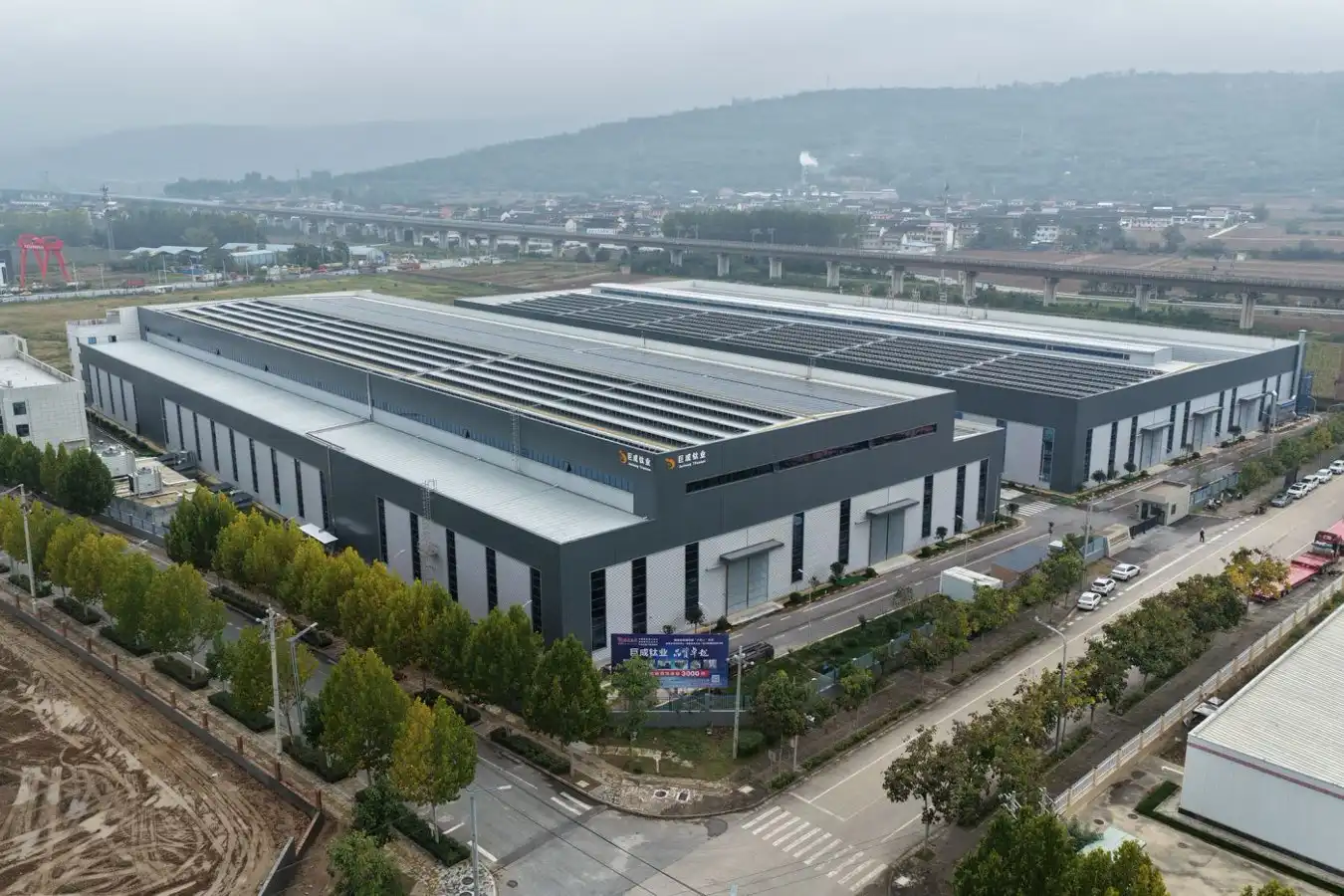
Track records of suppliers show how capable and reliable they are. Companies that have been working titanium for decades know the subtleties of the metal that affect performance. Baoji Jucheng Titanium Industry Co., Ltd. was founded in 2004 and has been making Gr1 titanium tubes for more than twenty years. Our building is 120,000 square meters and has a listed capital of 50 million RMB. It can support a wide range of industrial activities. Being named a National High-Tech Enterprise and a national "little giant" business shows that we are innovative and a star in quality. With 4 idea patents and 41 utility model patents that have been successfully applied across all of our product lines, we offer tried-and-true solutions that are backed by intellectual property and are always getting better. Our yearly inventory of about 3,000 tons lets us deliver quickly to meet tight project deadlines that faraway providers can't meet.
Customization Capabilities and Technical Support
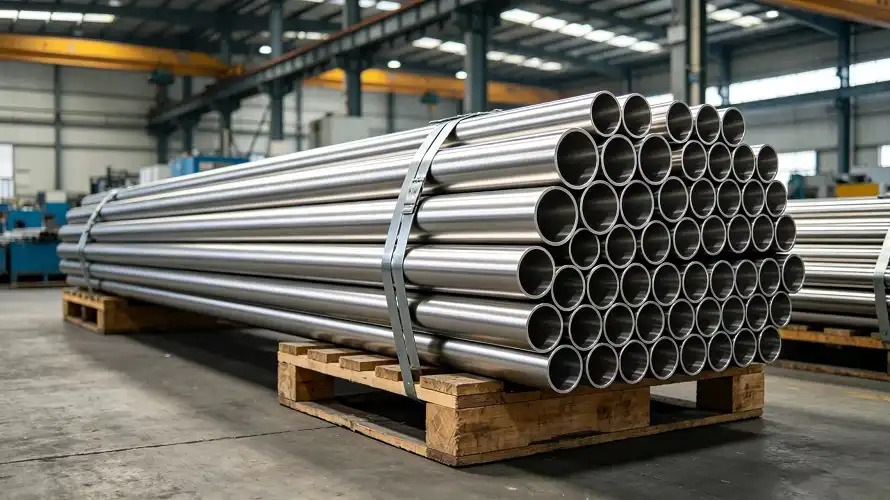
While standard tube sizes are useful for many uses, marine projects often need custom sizes and shapes. Engineers from qualified makers can help you find the best sizes, wall thicknesses, and lengths for your fitting needs. Our technical team works with clients from the planning step through commissioning, helping them choose materials, do stress analyses, and make suggestions on how to weld. Custom sizes can be made outside of the normal OD3–OD219 mm lengths to fit different system setups. The specs for the surface finish can be changed to fit the flow patterns or cleaning needs. This method of professional teamwork lowers the risks of the project and makes sure that the material requirements exactly match the needs of the operation.
Negotiating Terms and Lead Times
Getting materials for big projects needs clear communication about how much to order, when to send it, and how much it will cost. Standard wait times for production are between 4 and 8 weeks, but they depend on the size requirements and the number of orders. Customers who need things quickly may be able to get them from stock as long as the sizes match up with normal production runs. Payment terms depend on the size of the order and the past of the customer. For foreign deals, letters of credit are an option, and for long-term customers, net payment terms are an option. Large-scale projects can get volume savings, which makes buying in bulk a good deal. Logistics planning makes sure that the right ways of packing and shipping are used to protect the sides and dimensions of tubes while they are being sent to project sites.
Best Practices and Maintenance Tips for Gr1 Titanium Tubes in Marine Environments
When handling and maintaining Gr1 titanium tubes the right way, you can get the most out of their natural benefits while avoiding the few mistakes that can hurt their performance.
Installation Guidelines and Welding Procedures
Titanium reacts with gases in the air at high temperatures, so certain welding techniques are needed. Shielding gas coverage must keep oxygen from getting into the weld puddle and heat-tinted zones by using backing gas purges and following shields. Welders who are qualified should have licenses that are specific to titanium welding, as required by AWS D1.1 or a similar standard. When figuring out how far apart tubes should be supported, titanium has a lower elastic modulus than steel. This keeps the tubes from deflecting too much under working pressures. When tube-to-tubesheet joints are designed correctly, they don't have any cracks where seawater could pool. During building, installation teams should use titanium or plastic tools to avoid iron contamination that can lead to galvanic rust starting points.
Routine Inspection and Monitoring Protocols
Titanium's resistance to rust means that it doesn't need as much upkeep, but regular checks make sure that the system stays intact. During planned shutdowns, visual checks are done to look for mechanical damage caused by outside hits or bad support conditions. Ultrasonic measures of thickness at sample places show that there is no unexpected wall loss. However, in properly described installations, major thinning rarely happens. Leak tests show that the joints between the tubes and fittings are still solid. Monitoring the water quality makes sure that the working conditions stay within the design limits for things like temperature, flow rate, and contamination levels. These simple checking routines don't take nearly as much work as the strict maintenance plans that are needed for materials that aren't as durable.
Cleaning Methods and Contamination Prevention
Titanium surfaces are better at resisting most types of fouling than other materials, but over time, some layers can build up. Biofilm growth can be removed mechanically with soft brushes or plastic scrapers that don't damage the protected oxide layer. Titanium is sensitive to hydrofluoric acid, so chemical cleaners should stay away from it. Most other acids and alkaline cleaners are safe to use, though. Periodic cleaning with fresh water keeps salt from building up in seawater systems when they're not being used. It is very important to keep iron from getting into building and maintenance sites. Steel tools, grinding dust, and weld spatter can form galvanic couples that can start localized corrosion. These problems can be avoided by using special titanium tools and being very clean during installation and repair.
Troubleshooting Common Operational Issues
Titanium is very strong, but sometimes problems happen because of mistakes in installation or problems with how it works. Leaks at threaded connections are usually caused by threads that aren't engaged properly or sealants that aren't chosen correctly. Most connection problems can be fixed with PTFE tape or special titanium thread compounds. Vibration-induced fatigue failures can be caused by not enough support space or flow-induced resonance conditions that need changes to the dampers. Unexpected drops in pressure could mean that flow is being slowed down by foreign objects or internal parts that have fallen for reasons other than rust. Color changes from straw yellow to blue show that the metal was exposed to heat during welding or service. These rust colors are unsightly, but they don't usually affect performance unless they show too high of temperatures that could change the metal's mechanical properties. Systematic fixing that follows standard engineering methods quickly finds the causes of problems and the best way to fix them.
Conclusion
Gr1 titanium tube is the best material for use in saltwater applications that need to be resistant to corrosion, last a long time, and be cost-effective over their entire lifecycle. Its high chemical purity and smooth construction make it the most durable material for marine settings. It lasts decades longer than other materials and doesn't need to be maintained over and over again. The initial investment in materials pays off with longer service life, less downtime, and lower total ownership costs, which can be seen by doing a full economic analysis. These benefits can be seen in desalination plants, offshore platforms, marine vessels, and coastal industrial facilities as long as the right provider is chosen, best installation practices are followed, and upkeep needs are kept to a minimum.
FAQ
1. How does Gr1 titanium tubing compare to 316L stainless steel in saltwater environments?
In seawater uses, a GR1 titanium tube works much better than 316L stainless steel. If the conditions are mild, 316L is pretty resistant to corrosion. However, the high salt levels in seawater cause pitting and crevice corrosion, which means tubes need to be replaced every 5 to 8 years. The stable oxide layer on Gr1 titanium can never be attacked by chloride, so it can be used for more than 30 years without breaking down. Titanium always comes out on top in lifecycle cost analyses, even though it costs more at first. This is because overall ownership costs are 30–40% lower when replacement, upkeep, and downtime costs are taken into account.
2. Can Gr1 titanium tubes be customized for specialized marine applications?
Manufacturers like Jucheng Titanium offer a wide range of customization options that go beyond standard sizes. You can ask for specific outer sizes, wall thicknesses, lengths, and surface styles to fit the needs of your system. Through expert advice, our engineering team helps improve designs by making sure that material requirements match up with operational factors. Depending on how complicated the order is, custom orders usually add one to two weeks to normal wait times. However, our large inventory often allows us to make changes to stock materials.
3. What certifications should I verify when sourcing titanium tubes for seawater systems?
Important certifications include proof that the product meets the requirements of ASTM B338 or ASME SB338; full mill test reports that explain the chemical make-up and mechanical qualities; and material tracking records that connect delivered tubes to specific production heats. Supplier quality system approvals like ISO 9001 show that the process is controlled, and AS9100 shows that the manufacturing meets standards for aircraft use. Third-party inspection verification gives you extra peace of mind for important uses or when working with a new provider for the first time.
Partner with Jucheng Titanium for Reliable Gr1 Titanium Tube Supply
With more than 20 years of experience making titanium products, Baoji Jucheng Titanium Industry Co., Ltd. is ready to help you with your seawater application needs. Since we are a certified provider of GR1 titanium tubes, we keep more than 3,000 tons of stock on hand for quick shipping and can fully customize our products to meet your unique needs. Our ASTM B338-compliant seamless tubes meet the high standards of chemical makers, desalination plants, offshore platforms, and marine vessel builders all over the world. We offer tried-and-true solutions backed by quality certifications and quick customer service. Our technical skills are supported by 45 patents and our status as a National High-Tech Enterprise. You can email our expert team at s4@juchengti.com to talk about the details of your project, ask for material certifications, or get full quotes. You can look at our whole product line at jucheng-ti.com and learn why top industry buyers choose Jucheng Titanium for important marine uses.
References
1. ASTM International. (2021). ASTM B338-21: Standard Specification for Seamless and Welded Titanium and Titanium Alloy Tubes for Condensers and Heat Exchangers. West Conshohocken, PA: ASTM International.
2. Schutz, R.W., & Thomas, D.E. (1987). Corrosion of Titanium and Titanium Alloys in Marine Environments. In Metals Handbook, Volume 13: Corrosion (9th ed., pp. 669-706). Materials Park, OH: ASM International.
3. Francis, R. (2017). The Corrosion of Copper and Its Alloys: A Practical Guide for Engineers. Houston, TX: NACE International Press.
4. Titanium Information Group. (2019). Titanium for Seawater Applications: Design Guidelines and Performance Data. London: Titanium Information Group Technical Paper Series.
5. Boyer, R., Welsch, G., & Collings, E.W. (Eds.). (1994). Materials Properties Handbook: Titanium Alloys. Materials Park, OH: ASM International.
6. Peters, M., & Leyens, C. (Eds.). (2003). Titanium and Titanium Alloys: Fundamentals and Applications. Weinheim, Germany: Wiley-VCH Verlag GmbH & Co.