
How are titanium seamless pipes made?
Titanium seamless pipes are a big step forward in the building of industrial materials because they are very resistant to rust, have high strength-to-weight ratios, and last a very long time. Global businesses, from subsea chemical processing to aircraft propulsion systems, are working in conditions that are getting harder to handle. As a result, procurement workers need to know how these important parts are made. Titanium tubing's market keeps growing because more and more industries need materials that can handle high pressure, harsh temperatures, and acidic media. If you know how these pipes are made, you can make choices that balance quality, cost, and supply chain stability. This is true whether you're looking for heat exchangers in petrochemical plants, hydraulic systems in defense equipment, or biomedical instruments. This book takes you through the whole process of production and talks about the real problems that distributors, equipment makers, and building workers have.
Understanding Titanium Seamless Pipes: Definitions and Importance
What Makes Seamless Construction Superior?
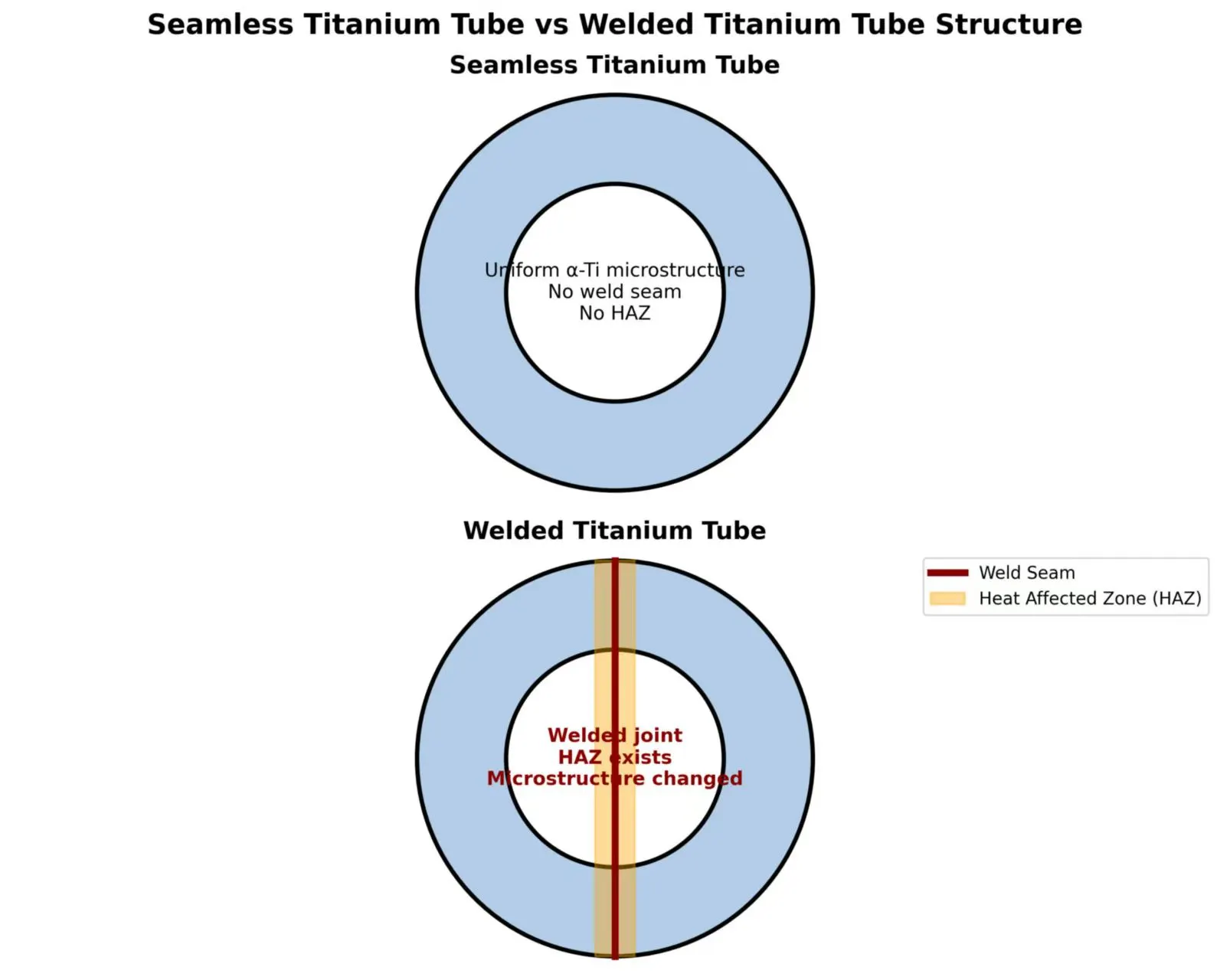
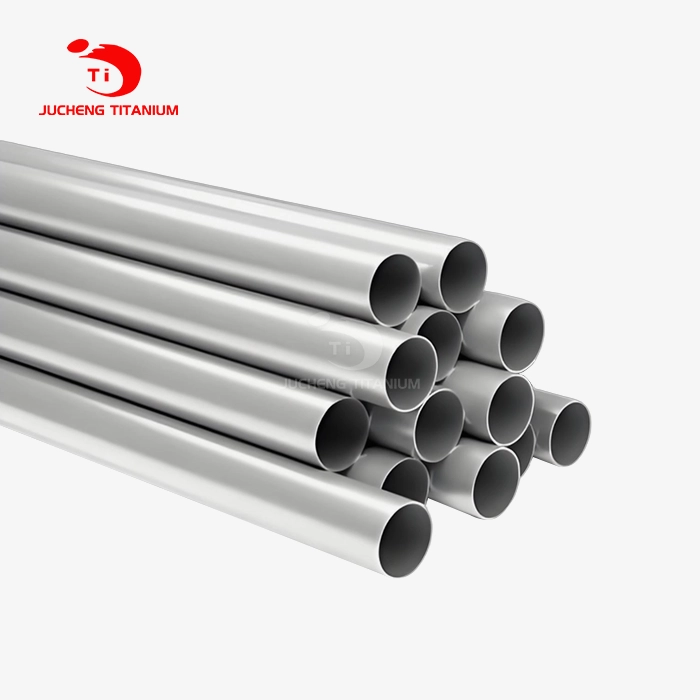
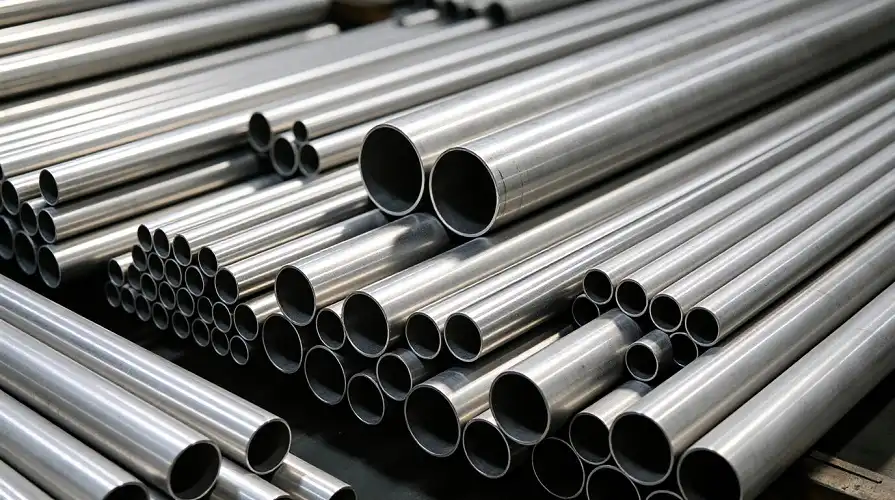
The heat-affected zones that make welded pipes weak are not present in titanium seamless pipes because they are not welded. This way of building makes the wall thickness the same and the mechanical features the same along the whole length of the pipe. Because these pipes don't have longitudinal welds, they can usually handle 20% higher working pressures than pipes that are welded. This makes them perfect for important uses where a joint failure could have disastrous results. Unlike welding tubes, seamless tubes keep their shape even when they are loaded and unloaded many times and when they expand and contract with temperature. This is especially important in fuel systems for spacecraft and pipes for chemical reactors where dependability cannot be compromised.
Key Grade Distinctions and Applications
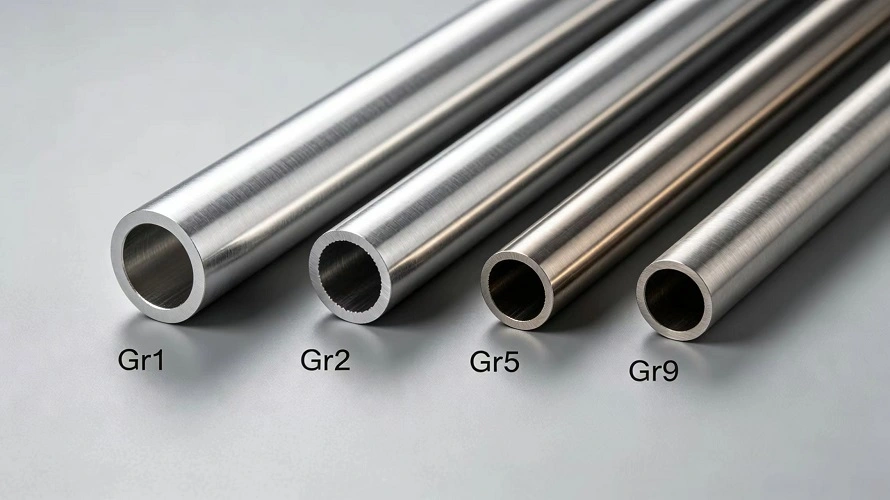
On the market for titanium pipes, there are different types that are made to meet different performance needs. The Commercially Pure (CP) types, such as Gr1 and Gr2, are very easy to shape and don't rust. Gr2 is the standard for general industrial uses because it has the best mix of being flexible and moderately strong (about 345 MPa tensile strength). Gr5 (Ti-6Al-4V) has a tensile strength of about 895 MPa, which makes it essential for aerospace parts and defense tools that need good mechanical performance. Gr9 (Ti-3Al-2.5V) is very resistant to hydraulic pressure, and specific types like Gr7 and Gr12 add palladium or molybdenum to make them more resistant to reducing acids. Knowing these differences helps buying teams choose the right materials for their work setting.
Why Industries Choose Titanium Over Alternatives?
Titanium pipe is defined by its passive oxide film, which heals itself right away when it gets broken and protects against saltwater, wet chlorine, and oxidizing acids for a long time. Titanium's low mass of 4.51 g/cm³, which is about 60% that of steel, makes structures lighter without lowering their strength. This mix is very useful on offshore platforms, where less weight means lower installation costs, and in chemical plants, where longer equipment life means less downtime for upkeep. From very cold temperatures to about 400°C, the material keeps its mechanical properties. This gives it a level of operating freedom that stainless steel and copper-nickel alloys can't match in harsh settings.
The Manufacturing Process of Titanium Seamless Pipes
Billet Selection and Preparation
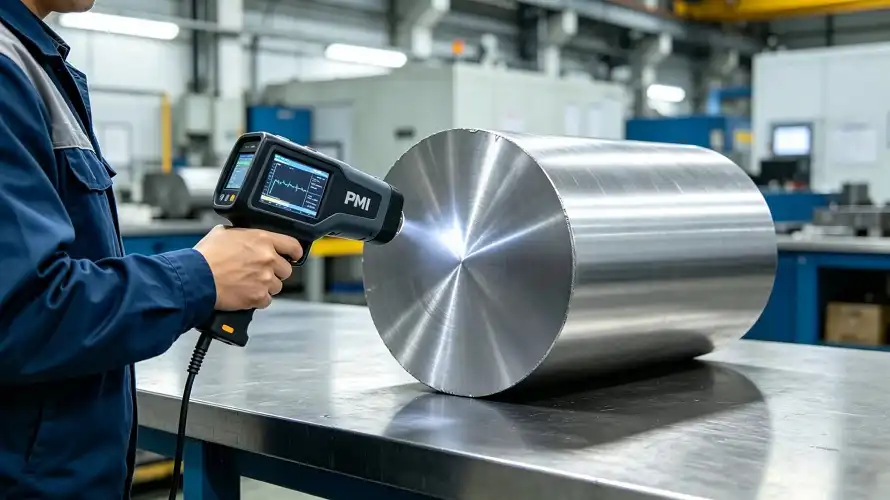
The first step in the production process is choosing high-purity titanium billets that meet strict chemical makeup standards. Manufacturers get these cylinder-shaped raw materials from certified smelters, making sure that the grade standards for iron and oxygen content are met. These are important factors that affect the material's ability to fight corrosion and bend. Before going into production, the billets are carefully checked using positive material identification (PMI) to make sure they are made of the right metal. Surface condition review finds any flaws that could get worse during the next steps of the making process. This first quality gate stops bad raw materials from affecting the structure of the end product.
Precision Heating and Piercing Operations
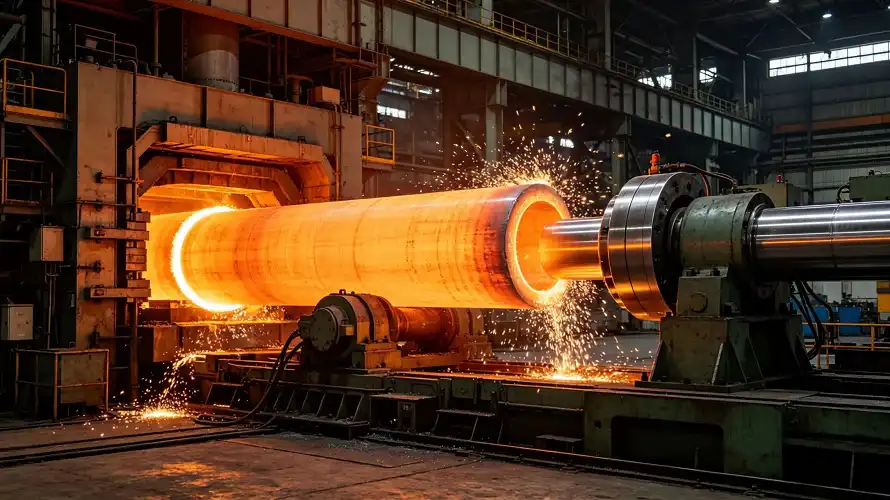
Some billets are put into rotating kilns and heated to certain forging temperatures. Depending on the grade, these temperatures are usually between 900°C and 1,200°C. Controlling the temperature during this phase is very important. If the metal isn't heated enough, it will crack when it's pierced, and if it's heated too much, it will grow grains that weaken its mechanical qualities. Once the right temperature is reached, the hot billet is sent to a cutting mill, where spinning rolls and a mandrel make the first hollow shape. To keep the wall thickness even and avoid interior flaws like laminations or holes that ultrasonic testing would later reject, this piercing process needs to be carefully calibrated.
Hot and Cold Working Techniques
The pierced hollow goes through several hot rolling passes on pilgering mills or rotating piercing equipment, which gradually reduces the width and improves the wall thickness. When you heat something above the point at which it recrystallizes, it deforms significantly without becoming harder to work with, which makes it easy to reduce the size. The pipe is then put through cold working steps, like cold rolling or cold drawing, which get it to the final size and improve the finish on the outside. Controlled work hardening happens during cold working, which makes the material stronger. However, it needs to go through several annealing processes to recover its flexibility and stop it from cracking. Depending on the size of the part you want to make, you can use extrusion, cutting, or cold rolling. Extrusion works best for smaller widths (OD3–OD89 mm) and thicker walls.
Heat Treatment and Surface Finishing
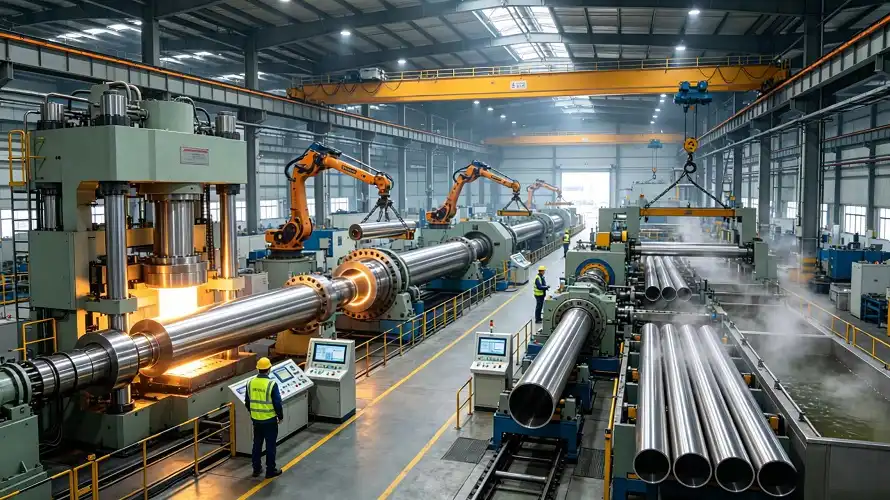
After forming, annealing is an important step that relieves internal stresses that built up during cold working and recrystallizes the microstructure for the best rust protection. Controlled atmosphere burners heat pipes to temperatures between 650°C and 800°C. The pipes are then slowly cooled. After heat treatment, acid cleaning gets rid of the metal scale that formed during heating, leaving titanium surfaces that are clean. Straightening processes fix any distortion or bending, making sure pipes meet standards for straightness. Different types of surface treatments are used for different purposes. For example, polished finishes are used in the pharmacy and food processing industries to keep things clean, machined surfaces are used for exact fitting, and pickled finishes are the standard for most industrial uses. These finishing steps have a direct effect on how well the product works in the field. For example, the roughness of the surface changes how fluids flow and how easily rust can form in cracks.
Rigorous Quality Control and Testing Protocols
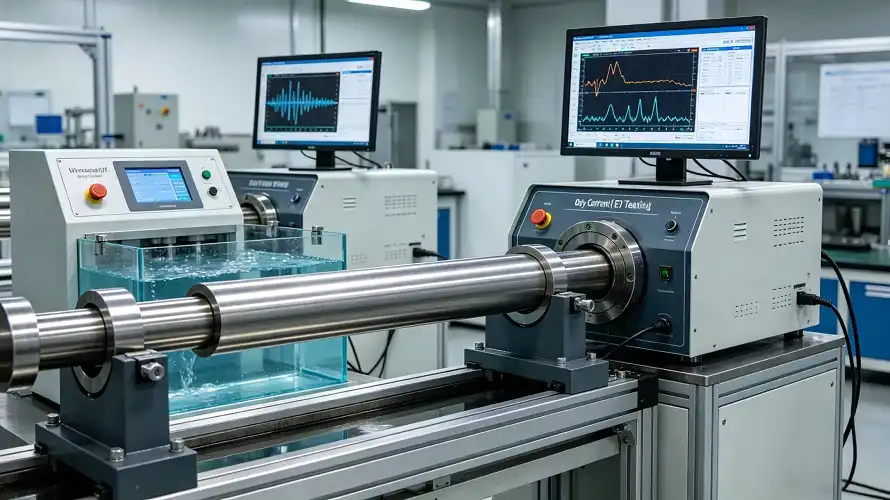
To make sure that ASTM B861, ASTM B338, and ASME SB338 standards are met, quality assurance includes both harmful and non-destructive testing of the whole thing. Ultrasonic testing (UT) finds breaks inside the pipe wall, like holes or separations, across its entire length. Eddy current testing (ET) finds flaws on the surface and close to the surface that can't be seen with the naked eye. Pressure stability is checked by hydrostatic or gas testing. Usually, testing is done to 1.5 times the working pressure to make sure there are no leaks. Tensile tests check for yield and final strength, and flattening and flaring tests make sure the material is flexible enough to bend or expand without cracking. This is important for outdoor installation where the material needs to be bent or expanded. Dimensional checking with laser micrometers checks the outer width, wall thickness, and ovality against the limits that have been set. This multi-level inspection method makes sure that every pipe that leaves the factory meets the high quality standards needed by the aircraft, chemical processing, and medical device industries.
Technical Specifications and Grades of Titanium Seamless Pipes
Comparing Performance Characteristics Across Grades
Grade choice has a big effect on how well an application works and how much it costs over its whole life. Grade 1 is the most flexible and weakest of the grades, making it perfect for pipes with complicated shapes that need to be bent a lot. Gr2 is the most popular grade for heat exchangers, condensers, and chemical processing equipment because it has a middling level of strength, can be cold-shaped well, and resists rust better than other grades. The strength of Gr3 is a little higher than that of Gr2, but it is still easy to shape. When high mechanical performance is needed, Gr5 (alpha-beta alloy) is almost twice as strong as market purity grades. However, it has less corrosion protection in some reducing conditions. Palladium is added to Gr7 to make it more resistant to reducing acids. This makes it useful in chemical plant uses where other grades would fail. Gr9 is best for hydraulic line uses that need great strength without the higher cost of Gr5. With the addition of molybdenum and nickel, Gr12 can handle chloride conditions that are much more toxic than what Gr7 can handle.
We at Jucheng Titanium can make all of these grades, from widely pure Gr1 to high-strength Gr5 and unique corrosion-resistant grades, and we do it all to the highest standards. Our collection of seamless titanium pipes has outer widths ranging from OD3 mm to OD219 mm and wall thicknesses ranging from 0.5 mm to 20 mm. We can also make custom sizes to fit the needs of your project. International standards like ASTM B337, ASTM B338, ASTM B861, AMS 4942, and ASME SB338 are met by all of our products. This makes sure that your purchasing needs are met around the world.
Standards Compliance and Dimensional Tolerances
The specs for titanium seamless pipes are set by international standards, which make sure that they can be used with other pipes and that their performance can be predicted. ASTM B861 specifies the chemical make-up, mechanical properties, and size limits for general industry seamless pipe. ASTM B338 is designed for heat exchangers and condensers and has stricter limits on wall thickness and ovality. AMS 4942 is used in aircraft uses that need more testing and traceability. These standards say what kinds of differences are okay. For example, the tolerances for outer diameter are usually ±0.5% to ±1.0%, and the tolerances for wall thickness are ±10% or tighter, based on the size and the way it was made. Defects in straightness must be less than 0.5 mm per meter of length. Knowing about these tolerance models helps procurement teams correctly judge the skills and prices of suppliers.
Practical Weight Calculations for Logistics Planning
Estimating weight accurately makes it easier to figure out shipping costs and plan for structure loads. Weight (kg/m) = (Outside Diameter - Wall Thickness) × Wall Thickness × 0.0141 is the formula used to figure out how much titanium pipe weighs in theory. By this math, a Gr2 pipe with a 50 mm outside diameter and a 2 mm wall thickness weighs about 1.35 kg per meter, while the same-sized stainless steel 316L pipes weigh 3.37 kg per meter. This shows that titanium is lighter than steel. Teams in charge of buying things should know that different grades have different densities. For example, market purity grades are about 4.51 g/cm³, while Gr5 is about 4.43 g/cm³. These figures help with freight budgeting and optimizing container loads. They are especially important for foreign shipments where dimensional weight price applies.
Pricing and Comparing Titanium Seamless Pipes to Alternatives: Making the Right Choice
Seamless Versus Welded Titanium Pipe
The choice between seamless and soldered depends on how important the purpose is and how much money you have. Seamless lines get rid of problems related to welds, like heat-affected zone weakening, weld entry verification, and possible crevice rust at weld joints. Since there is no shared efficiency derating factor, they allow 15-20% higher working pressures. Welded pipes, on the other hand, are cheaper for sizes above 200 mm, where seamless making is no longer possible due to cost. When working with highly corrosive media in chemical processes, seamless construction is usually required to get rid of the weakest place where things can go wrong. However, welded pipe can be used in lower-pressure utility uses. When making a purchase choice, people should think about how the higher original cost of seamless compares to the lower maintenance costs and longer service life in harsh environments.
Titanium Versus Stainless Steel and Specialty Alloys
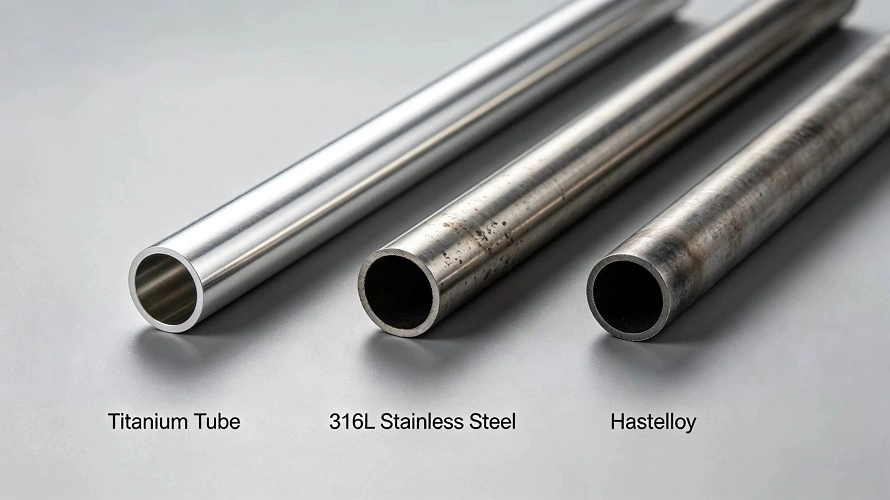
Lifecycle cost analysis often shows that titanium is better than other materials, even though it costs more to buy. In the beginning, stainless steel 316L is about 40% less expensive, but it corrodes quickly in salt levels above 200 ppm, so it needs to be replaced often. Titanium doesn't crack when exposed to chloride stress corrosion, no matter how concentrated it is. This means that unexpected downtime doesn't happen. Copper-nickel metals (70/30 and 90/10) are less expensive and have middling resistance to saltwater. However, they fail under impingement attack and need cathodic protection. Nickel metals, such as Hastelloy C-276, are very resistant to rust and are often as good as titanium. However, they cost two to three times as much per kilogram as titanium. The lighter weight is very important in offshore and aircraft uses where lower structural loads are enough to support higher material costs. Switching from stainless steel to titanium in heat exchanger work pays for itself in three to five years. Titanium units last twenty years or more, while stainless steel units need to be replaced every five to seven years.
Real-World Performance in Chemical Processing
In their chlorinated organic solvent recovery system, a petroleum plant in the southeast of the United States switched from stainless steel condenser tubes to Gr2 titanium seamless pipes in their chlorinated organic solvent recovery system. Within 18 months, the stainless units broke down because of pitting rust, which meant they had to be shut down quickly, which cost $45,000 in missed production each time. The titanium installation has been running nonstop for 12 years without any noticeable rust. This has saved money on replacement costs and avoided unplanned downtime. In a different example, a hydrometallurgical copper extraction process switched from using rubber-lined steel pipes to Gr2 seamless titanium pipes for moving an acidic pregnant leach solution. The titanium pipes got rid of lining problems and cut pumping energy by 12% because the insides were smoother, showing that they were more reliable and efficient.
Procurement Insights: How to Source High-Quality Titanium Seamless Pipes
Identifying Reputable Certified Manufacturers
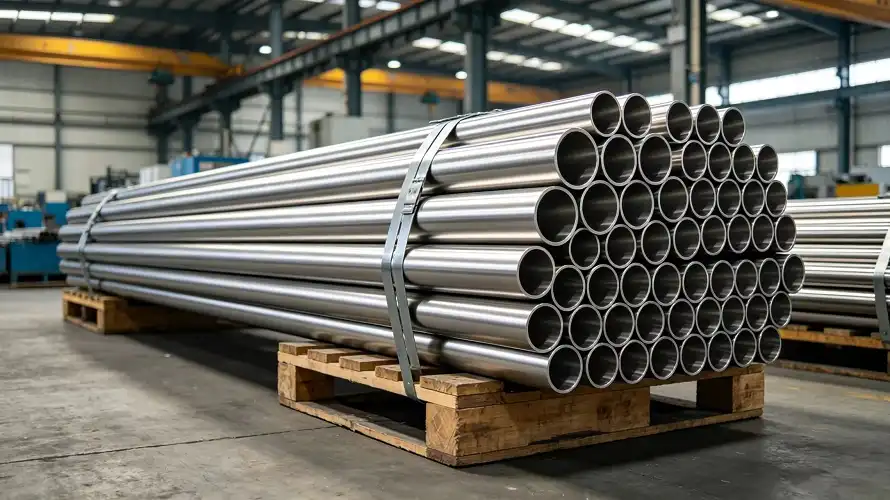
In addition to price quotes, there are other skill signs that need to be looked at when choosing qualified suppliers. Certification to ISO 9001 quality management systems shows that the process is being controlled in a planned way, while AS9100 certification shows that the company is qualified for work in the aerospace business. Ask for mill test records (MTRs) that list the chemical make-up and mechanical qualities of each production lot as proof that the product meets ASTM standards. Experience with the supplier is very important. Manufacturers who have been handling titanium for 15 years or more usually have better process control and mechanical knowledge. Assessing production capacity keeps deliveries on time, and sellers who can do everything from buying billets to inspecting the finished product offer better quality control and tracking. When it's possible, visiting manufacturing sites shows what they can really do versus what they say they can do on their marketing materials. This is especially true when it comes to testing tools and how they handle their inventory.
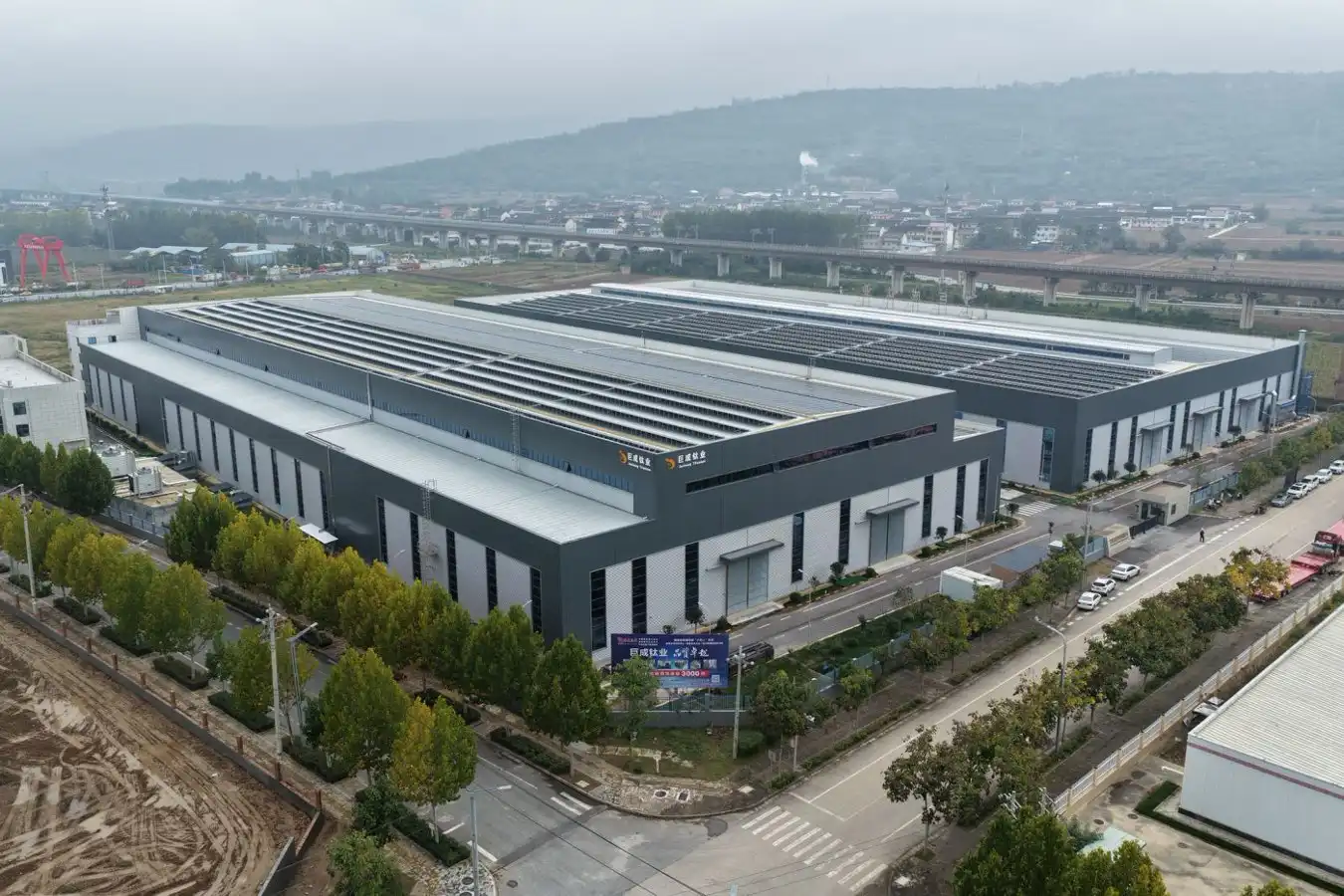
Jucheng Titanium is in Baoji, China, which is known as the "Titanium Valley." They have been handling titanium for over 20 years and bring that experience to the world market. Baoji has the most complete titanium supply chain facilities in Asia because it is the region's main hub for handling titanium. Our building is 120,000 square meters and can make more than 1,500 tons of titanium goods every year. We keep an ongoing stockpile of about 3,000 tons of titanium materials, which lets us complete orders quickly and cuts your procurement cycles by a huge amount. Being named a National High-Tech company and a national-level specialized "little giant" company shows how advanced our technology is and how far ahead we are in the market. We blend traditional craftsmanship with cutting edge industrial technology. Our 4 invention patents and 41 utility model patents have been successfully used in production processes. We stay on the cutting edge of titanium metallurgy developments thanks to our relationships with the Northwest Institute for Nonferrous Metal Research, Tsinghua University, and other top research institutions.
Order Management and Customization Options
The smallest amount you can buy depends on the seller and the product, but for normal grades and sizes, it's usually between 100 kg and 1,000 kg. Custom standards usually have higher MOQs (500 kg to 2,000 kg), which are due to the fact that they require more setup costs for non-standard tests and tools. Lead times range from 4 to 12 weeks, based on the grade that is available, the difficulty of the dimensions, and the testing needs. Standard commercial purity grades and sizes usually ship within 4 to 6 weeks. However, it can take up to 10 to 12 weeks for custom metals or sizes that aren't standard. If the seller has enough stock, rush sales may be possible at a higher cost. Check to see if the wait times given include tests and making the certification documents, as making the MTR can take an extra 1-2 weeks. During the initial question, you should talk about custom manufacturing services like bending, flaring, or end preparation to make sure the provider can meet your needs.
We offer full customization services and make titanium seamless pipes by extruding, cutting, cold rolling, heating, pickling, and flattening them in ways that are exactly what you want. Surface treatments that can be used include polished, machined, and acid-pickled finishes. The shipping state can be annealed, pickled, or bright, based on the needs of the product. Our technical team works directly with your engineering departments to make sure that the materials you choose and the sizes you need are the best ones for your needs.
Transparent Pricing and Negotiation Strategies
Titanium seamless pipe prices are based on a number of factors, including the cost of the raw material (which is linked to the price of titanium sponge on the market), the difficulty of manufacturing (smaller diameters and thinner walls cost more per kilogram), the grade specifications (alloy grades cost more), the testing requirements (aerospace specifications raise costs by 15–25%), and the order volume (10–20% discounts for bulk purchases). On the market right now, standard-sized Gr2 seamless pipe costs between $35 and $55 per kilogram, while Gr5 costs between $65 and $85 per kilogram. By asking for detailed quotes, you can see how markups work and find places to negotiate. When compared to spot sales, annual contracts with volume promises often get prices cut by 8 to 15%. Terms of payment have an effect on prices. For example, lines of credit or advance payments may result in 3-5% savings compared to open account terms. Costs for shipping and insurance need to be made clearer. FOB prices put the duty for shipping on the buyer, while CIF prices include delivery to target ports. When you compare total landed costs across providers, you don't miss any hidden costs that make savings look bigger than they really are.
Our sales team is clear and will work with your budget without lowering the level of our work. Our international sales department can be reached at s4@juchengti.com for questions about buying, technical advice, or special projects. Within 24 hours, our English-speaking technical experts get back to you with full quotes and technical advice that fits the needs of your application.
Conclusion
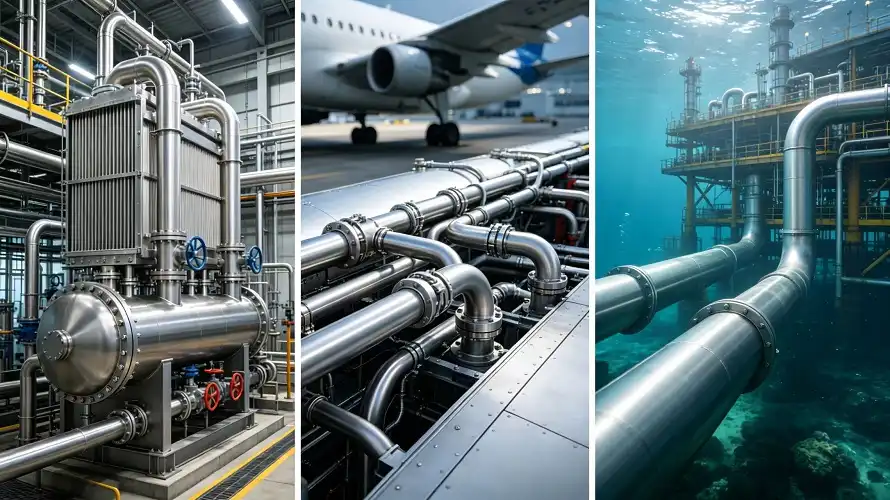
Titanium seamless pipes are made using complex metalworking methods that involve burning, shaping, treating with heat, and strict testing routines that turn raw billets into high-performance industrial parts. Knowing these steps in the production process, from choosing the grade to making sure the quality is good, helps procurement workers choose the right materials, assess the supplier's skills, and negotiate good terms. Seamless titanium pipe costs more than other types but lasts longer, is more resistant to corrosion, and is stronger compared to its weight. It is used in chemical processing, aircraft, and marine environments where failure of the material could be very bad. Strategic supply relationships with qualified makers that offer full customization, clear pricing, and reliable delivery plans lower the cost of buying equipment and improve its performance over its entire lifecycle.
FAQ
1. How does seamless titanium pipe compare to welded pipe in pressure ratings?
Because there is no joint efficiency derating factor, seamless building can handle about 20% more working pressure. Because they don't have any welded joints, seamless pipes are better for high-pressure hydraulic systems, subsea uses, and important process equipment where the chance of a leak must be kept to a minimum.
2. Which grade should I choose for general chemical processing?
Gr2 is the standard in the chemical processing business because it is resistant to rust, strong enough (345 MPa tensile), and flexible enough to be installed in the field. It works well in most situations with acids, bases, and chlorides. You should only upgrade to Gr7 when you are working with strong reducing acids like sulfuric or hydrochloric acid at high temperatures.
3. Can seamless titanium pipe be bent during installation?
As long as the right steps are taken, commercial purity grades (Gr1 and Gr2) can bend very well. Keep the minimum bend radius between 3 and 5 times the diameter of the pipe, use the right lubricants to keep the pipe from galling, and don't cold bend when the temperature is below 15°C. During quality control, our pipes are flare-tested to make sure they can be bent during installation.
4. What are typical lead times for custom specifications?
After an order is confirmed, standard grades in popular sizes are shipped within 4 to 6 weeks. Custom specs, such as non-standard sizes, wall thicknesses, or specialty alloys, need 8 to 12 weeks to set up the tools and test them over longer periods of time. Our large inventory of 3,000 tons often allows for faster shipping for urgent needs; call us to make sure we have what you need.
Partner with Jucheng Titanium for Your Seamless Pipe Requirements
Jucheng Titanium is ready to be your trusted seller of titanium seamless pipes. They have been processing titanium for 20 years and can make a wide range of products. Being in the middle of Baoji's titanium industry cluster gives us unbeatable access to raw materials, technical tools, and facilities for quality control. Every year, we make more than 500 sets of titanium equipment for companies in North America, Europe, and Asia that make airplane parts, handle chemicals, and put together industrial equipment. Our seamless pipe production includes all grades, from widely pure Gr1 to high-strength Gr5 and unique alloys that don't rust. It's made to meet ASTM B861, ASTM B338, and AMS 4942 standards, and all of the materials can be tracked back to their original sources.
Our expert team comes up with solutions that balance performance needs with the facts of procurement, whether your project needs standard sizes from our large inventory or custom fabrication made to exact specs. Ultrasonic testing, eddy current inspection, hydraulic pressure verification, and full mechanical testing are all part of our quality assurance processes. These tests make sure that every pipe meets international standards. We do more than just supply products. We also offer technical advice, help with choosing materials, and quick support after the sale. These extra services turn seller relationships into strategic partnerships. Get in touch with our expert sales team at s4@juchengti.com to talk about your needs for titanium seamless pipes. Visit jucheng-ti.com to see our full line of products and learn how our production services can improve the stability of your supply chain and make your operations run more smoothly.
References
1. Boyer, R., Welsch, G., & Collings, E.W. (1994). Materials Properties Handbook: Titanium Alloys. ASM International, Materials Park, Ohio.
2. Donachie, Matthew J. (2000). Titanium: A Technical Guide, 2nd Edition. ASM International, Materials Park, Ohio.
3. Peters, M., Kumpfert, J., Ward, C.H., & Leyens, C. (2003). "Titanium Alloys for Aerospace Applications." Advanced Engineering Materials, Volume 5, Issue 6, pages 419-427.
4. ASTM International (2021). ASTM B861-14: Standard Specification for Titanium and Titanium Alloy Seamless Pipe. West Conshohocken, Pennsylvania.
5. Schutz, R.W. & Thomas, D.E. (1987). "Corrosion of Titanium and Titanium Alloys." ASM Handbook, Volume 13: Corrosion, ASM International, pages 669-706.
6. Lütjering, Gerd & Williams, James C. (2007). Titanium, 2nd Edition: Engineering Materials and Processes. Springer-Verlag, Berlin Heidelberg.