
CP Titanium vs. Stainless Steel Rod Stiffness
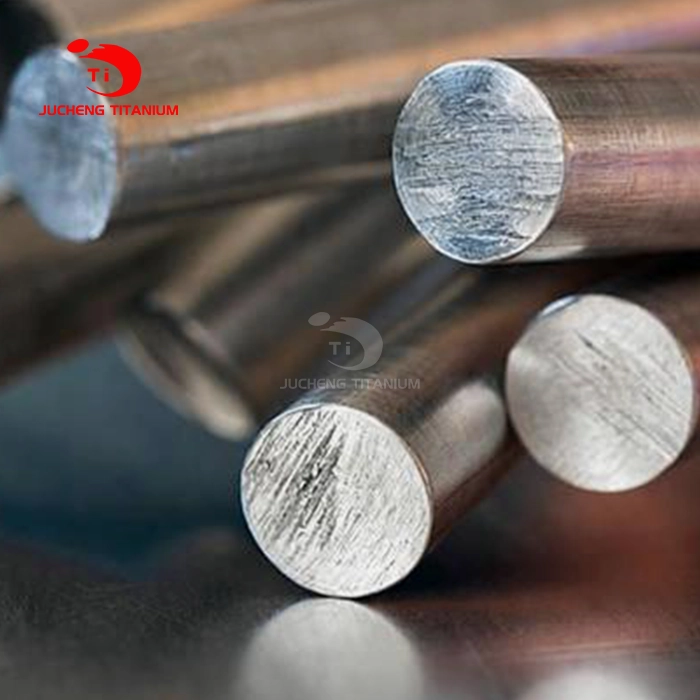
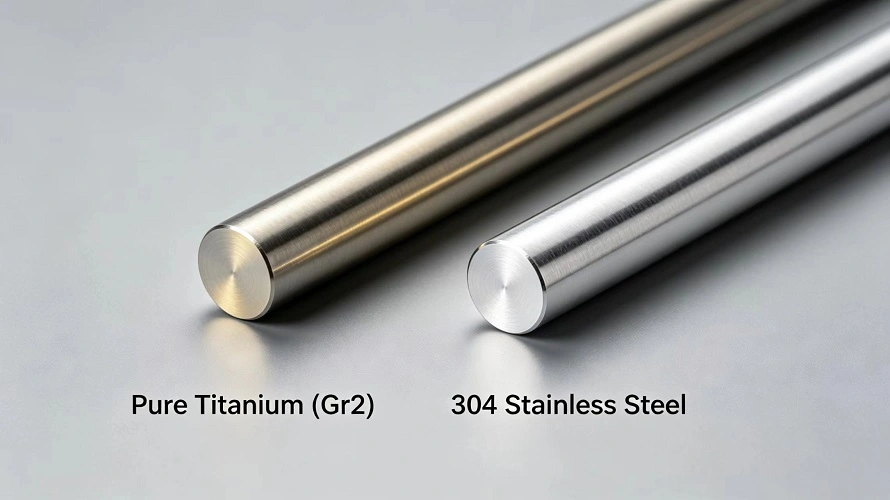
Procurement professionals compare CP titanium rod to stainless steel rods and find that hardness is the most important factor affecting long-term performance and cost-effectiveness. Even though stainless steel has a higher elastic modulus—about 190–200 GPa vs. 102–110 GPa for titanium—it's not easy to tell the difference. CP titanium rod keeps its shape and stiffness in corrosive conditions where stainless steel breaks down. This makes it better for chemical processing, naval uses, and aircraft parts. When procurement managers understand these subtle differences, they can choose the best materials based on practical conditions instead of just starting modulus numbers.
Understanding Material Stiffness and Its Importance in Rod Selection
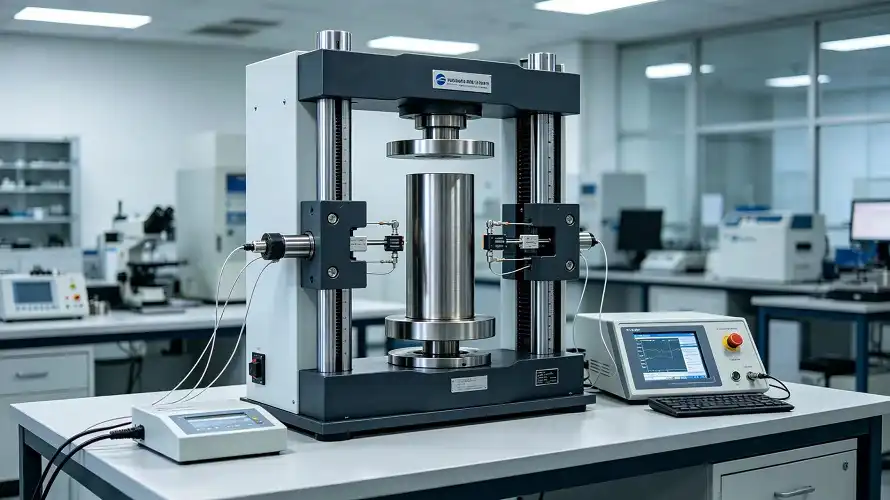
The elastic modulus, also known as Young's modulus, is the main way to measure material stiffness. It shows how resistant a stick is to deforming when loads are put on it. This measure has a direct effect on how parts react to stress, which in turn has an effect on how well the product works, how safe it is, and how often it needs to be replaced. For B2B buying managers in charge of airplane parts, chemical reactors, or medical devices, choosing materials with the right stiffness profiles keeps them from breaking down too soon and lowers the costs over the product's entire life.
How Does Stiffness Influence Industrial Performance?
In structural uses, the limit of displacement is set by stiffness. If a rod isn't stiff enough, it bends too much when it's under load, which can ruin the accuracy of machinery systems or throw off the alignment of pressure tanks. On the other hand, materials that are too stiff might break when they hit something instead of taking the force. The best mix relies on the job—for example, aircraft fasteners need different levels of stiffness than naval propeller shafts.
Why Stiffness Comparison Matters in CP Titanium vs. Stainless Steel
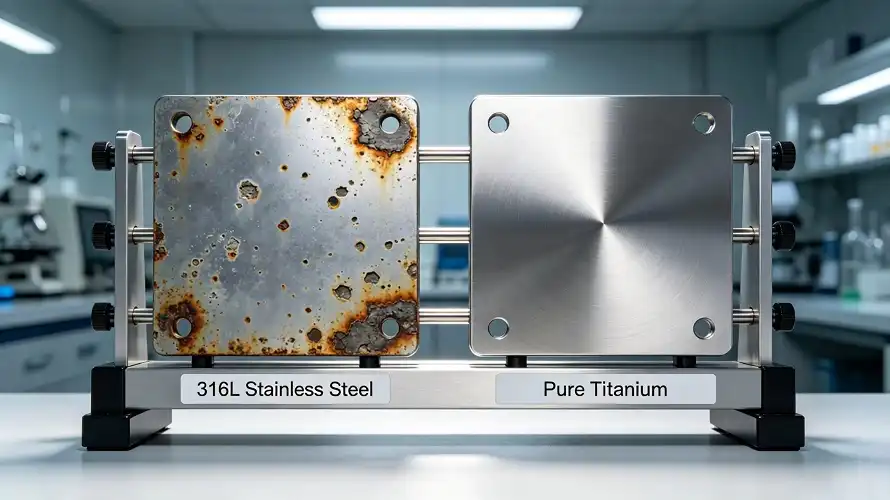
Even though stainless steel is stiffer at first, this benefit is lost in settings that are prone to corrosion. Over time, pitting, stress corrosion cracking, and general material loss make it less stiff. CP titanium rod forms an inactive oxide layer that fixes itself, keeping its original mechanical qualities for a longer time. This means that the stiffness will work as expected in difficult operating conditions, which is very important when buying things that need to last 10–20 years.
Technical Properties of CP Titanium Rods Relevant to Stiffness
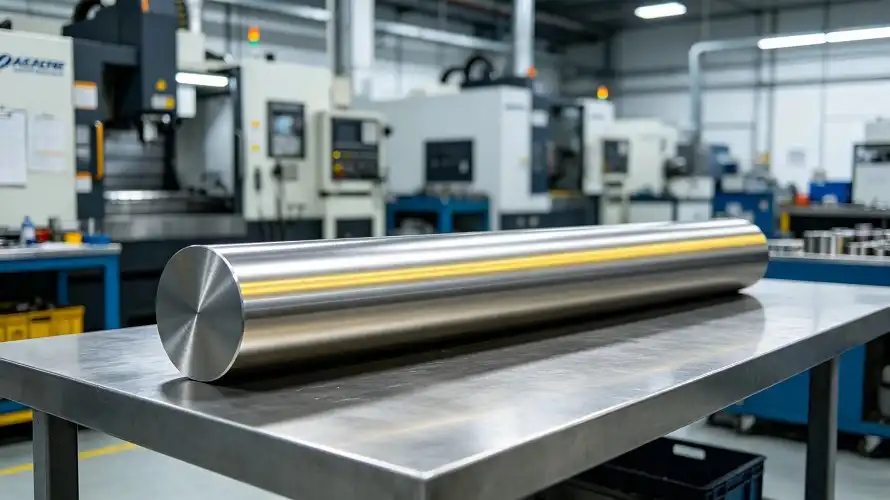
CP titanium rods, which are rated from Grade 1 to Grade 4 by ASTM B348 standards, offer different levels of strength while still being resistant to rust. Grade 1 is the most workable and has a tensile strength of about 240 MPa. Grade 4 can hit 550 MPa by changing the amounts of oxygen and iron in it. All types have an elastic value of 102–110 GPa, which is about half that of stainless steel. However, they are very strong and don't wear down easily.
Chemical Composition Impact on Mechanical Performance
The mechanical properties of CP titanium rod are mostly controlled by the intermediate elements, which are oxygen, nitrogen, and carbon. Grade 2, which is the most common type, has 0.25% maximum oxygen and is strong (345 MPa minimum tension) while also being easy to weld. Grade 3 raises the oxygen level to 0.35%, which raises the minimum tensile strength to 450 MPa while keeping the elastic modulus the same. Because of this one-of-a-kind feature, procurement managers can choose grades with higher strengths without losing the ability to predict stiffness at different working temperatures.
Manufacturing Methods and Stiffness Consistency
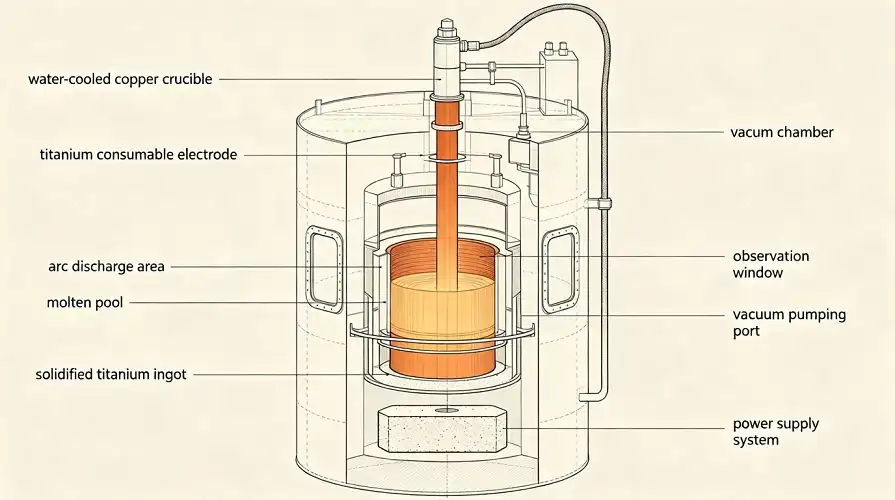
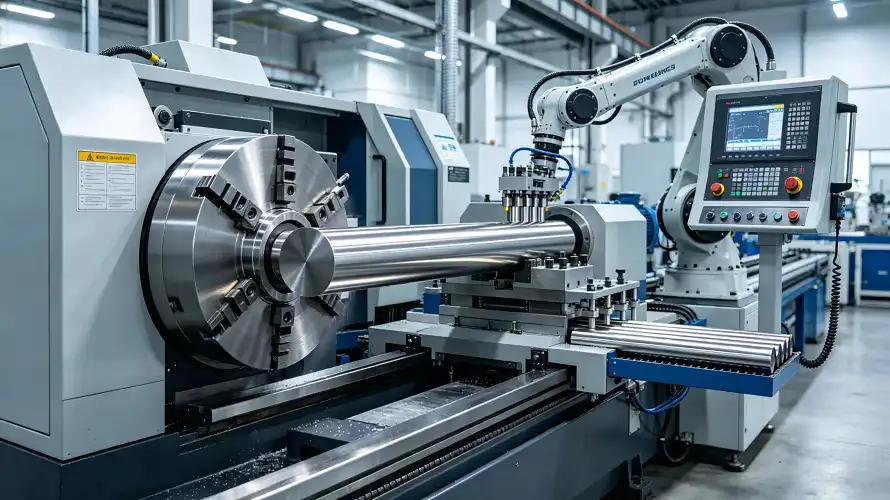
At Jucheng Titanium, we have a strict process for making things. First, vacuum melting keeps things clean, and then shaping lines up the grains so that the metal has the best mechanical qualities. With hot rolling or rotating forging, sizes can be finetuned from 6 mm to 450 mm in diameter, and lengths can go up to 6000 mm normally or 12000 mm for special orders. Centerless grinding can get very close limits (h8 to h9 accuracy classes), which makes sure that the stiffness stays the same from batch to batch. Annealing methods get rid of any remaining pressures and keep the elastic modulus values stable, which is very important for precision engineering uses.
Corrosion Resistance and Long-Term Stiffness Retention
When air or water comes in contact with a CP titanium rod, it forms a strong TiO₂ film on the surface within milliseconds. This inactive layer is only 1–10 nanometers thick and heals itself right away if it gets scratched. It protects against chloride ions, acids, and alkaline liquids better than anything else. Titanium stays uniformly stiff even after decades of being in seawater or chemical process streams, while stainless steel changes depending on how much chromium it has and can rust in certain places. Marine engineering projects have shown that CP titanium parts keep more than 98% of their original stiffness after 20 years of diving. Stainless steel, on the other hand, loses 15–30% of its stiffness due to pitting and crevice rust.
Stainless Steel Rods: Stiffness and Comparative Analysis
Grades 304 and 316 stainless steel are most commonly used for industrial rods because they have elastic moduli of 193 to 200 GPa, which is almost twice as high as titanium. Type 304 has a minimum tensile strength of 515 MPa and is very easy to shape, making it good for general industrial production. Type 316 has a tensile strength of 515–620 MPa and is better for slightly corrosive environments like food processing or pharmacy equipment because it has molybdenum added to it to make it less likely to pit.
Tensile Strength and Elastic Modulus Benchmarks
Because stainless steel has a higher elastic modulus than titanium, smaller cross-sections can be used to get the same hardness. This benefit helps reduce weight in non-corrosive situations and makes cutting easier by making materials more readily available. But titanium's density (4.5 g/cm³) is much lower than stainless steel's (7.9 g/cm³), which often cancels out the weight savings in big systems. Even though titanium has a smaller modulus, the aerospace and naval industries are using it more and more because the total weight of a system affects how much fuel it uses and how much it can carry.
Corrosion Resistance Limitations Affecting Stiffness
Stainless steel needs at least 10.5% chromium and enough air contact for passivation to form a chromium oxide layer that protects it from corrosion. This protective film breaks down in places with little air, fluids that don't move, or shielding. This causes limited corrosion to begin. Stress corrosion cracks and crevice corrosion spread without being seen, which lowers the useful cross-sectional area and weakens the structure. Adding molybdenum to Type 316 makes it more resistant to chloride, but it's still not as resistant as titanium to these types of failure. When purchasing parts for chemical reactors or desalination plants, procurement managers have to pay for ongoing upkeep costs because stainless steel parts need to be inspected and replaced on a regular basis.
Manufacturing Treatments and Stiffness Variability
Working cold on stainless steel raises its yield strength and, through work hardening, its elastic modulus a little, but it also adds leftover stresses that make precise uses more difficult. When you anneal a material, you bring back its flexibility but also its basic mechanical qualities. Surface processes like passivation make things less likely to rust without changing how stiff they are. Nitriding or carbonitriding, on the other hand, hardens the cases, which makes them stiffer in some places but more likely to break when hit. These processing factors need to be carefully specified during purchase to make sure that the rods supplied meet the stiffness needs of the application.
CP Titanium Rod vs. Stainless Steel Rod: Stiffness Comparison and Practical Implications
The 193–200 GPa elastic modulus of stainless steel gives it about 80% more starting stiffness than the 102–110 GPa elastic modulus of CP titanium rod. This means that the rods deflect less when they are only bent. For example, a 10 mm diameter stainless steel rod deflects about 45% less than a similar titanium rod under the same loads. But this estimate doesn't take into account important real-world factors like temperature stability, corrosion decline, and fatigue performance.
Application-Specific Performance in Marine Environments
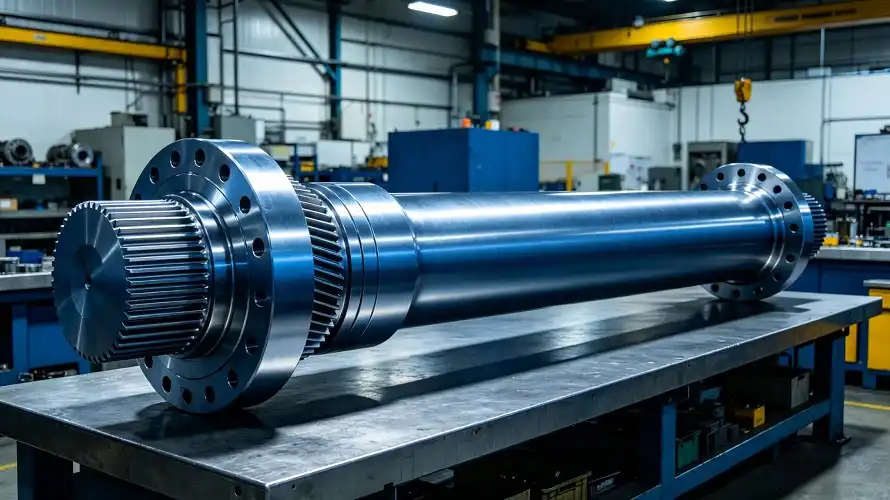
Titanium's functional advantage is shown by marine propeller shafts and subsea equipment casings. At first, stainless steel's higher modulus seems like a good choice for making propeller shafts rigid. However, saltwater contact causes galvanic rusting at the places where fasteners meet and pitting along stress concentration points. A Grade 2 CP titanium rod stays fully stiff and stable in its shape after being submerged in seawater for 10 years or more, but 316 stainless steel needs cathodic protection systems and checks every two years. Offshore oil platforms that use titanium valve stems and actuator rods say their repair costs are 60% cheaper, even though titanium costs more to buy in the first place.
Aerospace Structural Components and Thermal Cycling
During flight activities, temperatures can change from -55°C to 150°C for aerospace supports, fasteners, and hydraulic system parts. Grade 5 titanium alloy (Ti-6Al-4V) stays stiff across this range with little change in size. Austenitic stainless steels, on the other hand, have higher thermal expansion factors that make it harder to keep assembly standards. When loaded many times, Grade 23 (Ti-6Al-4V ELI) has a fatigue strength 30–40% higher than stainless steel. This is important for airplane parts that are likely to vibrate. When an airplane maker switched from stainless steel to titanium fasteners, repair times dropped by 25% because there were no longer any corrosion checks to do and the fasteners lasted longer.
Chemical Processing Equipment Under Corrosive Attack
Chemical processors that handle liquids containing sulfuric acid, hydrochloric acid, or chlorine speed up the breakdown of stainless steel. Although Type 316L has some protection, localized rust causes stress concentration sites that lower its useful stiffness and eventually cause it to fail catastrophically. CP titanium rod (grade 2 or grade 7 with palladium added) is completely resistant to these chemicals when the temperature is lower than 260°C. Titanium supports inside reactors, agitator shafts, and heat exchanger tube bundles stay stiff for more than 20 years without losing their shape. A petrochemical plant increased the time between overhauls from 3 years to 12 years by changing stainless steel reactor internals with Grade 7 titanium parts. This made output much more reliable.
Cost-Benefit Analysis for Procurement Decision Making
At first glance, stainless steel rods cost $3 to $8 per kilogram, while CP titanium rods cost $15 to $35 per kilogram, based on the grade and the state of the market. A lifecycle cost study, on the other hand, comes to a different result. When stainless steel is used for pipes in a chemical plant for 10 years, the replacement costs add up to about 40% of the initial investment because of corrosion. Titanium systems, on the other hand, don't need any upkeep. The cost of insurance and downtime makes titanium even better for important uses. Aerospace procurement managers say that the extra cost of titanium is worth it because it saves weight. Every kilogram that is taken off an airplane's frame saves about $300 a year in fuel costs over the life of the part.
Procurement Considerations for CP Titanium vs. Stainless Steel Rods
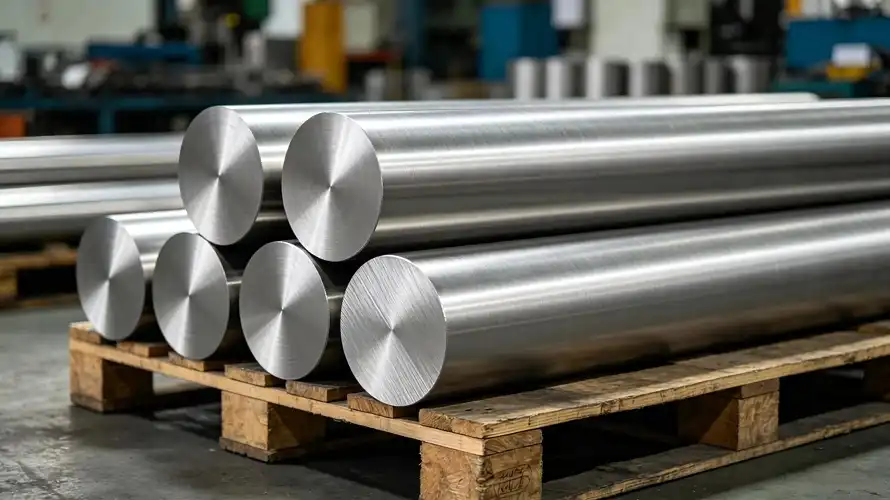
When choosing a material, you have to weigh the up-front prices against the total costs of ownership. When you buy CP titanium rod in bulk, you can usually get a 10–20% discount on orders over 5 metric tons. This brings the price difference with stainless steel closer. Long-term supply contracts with certified makers keep prices stable and make it possible to track materials, which is important for aerospace and medical device uses that need full compliance paperwork.
Supplier Certification and Quality Assurance
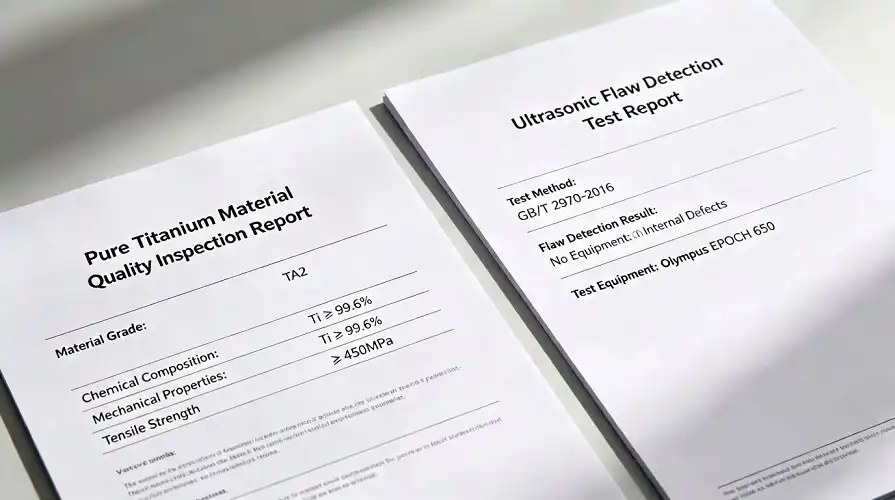
Material approval is very strict in the aerospace and medical fields. A CP titanium rod that is going to be used in airplane parts needs to be certified by either AMS 4928 (Grade 5) or AMS 6931. Surgical implant stock, on the other hand, needs to be certified by either ASTM F136 (Grade 23) or ISO 5832-3. Managers in charge of buying things should make sure that sellers follow quality systems like AS9100 for aircraft or ISO 13485 for medical products. These systems should allow full material traceability from the melt batch to the final inspection. As a National High-Tech Enterprise and a specialized "little giant" company, Jucheng Titanium has 4 idea patents and 41 usage model patents that are used on all of our production lines. As required by ASTM B348 and AMS, our quality system makes sure that every package of rods has chemical makeup reports, mechanical test certificates, and ultrasonic inspection records.
Custom Manufacturing and Lead Time Management
Standard CP titanium rod inventory (Grades 1, 2, and 4) is usually sent within 2 to 4 weeks from reputable sources who keep stock plans. Jucheng Titanium keeps about 3,000 tons of titanium in stock all year, which lets them quickly fill pressing requests. Custom specs, such as non-standard diameters, lengths longer than 6000 mm, or unique metals like Grade 7 or Grade 12, need 6–12 weeks to plan production, melt the metal, forge it, and finish it. Getting suppliers involved early on in the planning part of a project keeps the schedule from getting thrown off. Our engineering team works with customers to find the best line sizes for cutting. By making small changes to specifications, we can sometimes cut material waste by 15–25%.
Risk Mitigation Through Dual Sourcing and Testing
For the supply chain to be resilient, it needs skilled alternative suppliers, especially for critical materials like titanium. Purchasing managers should work with at least two recognized sellers and make sure they are reliable by testing samples and inspecting the facilities. When inspection methods come in, they have to check the mechanical features and dimensional limits (like diameter, straightness, and surface finish). They do this by checking statistical samples destructively. Independent testing labs check the tensile strength, elastic stiffness, and chemical makeup of materials, keeping you safe from low-quality materials. To make sure that vendor benefits are in line with quality goals, contracts should spell out acceptance criteria, fines for not meeting them, and standards for material traceability.
Conclusion
The hardness needs of different operating situations must be taken into account when choosing between CP titanium rod and stainless steel. The higher elastic stiffness of stainless steel makes it a good choice for cost-effective, non-corrosive uses where material repair is still possible. A CP titanium rod works especially well in tough conditions where keeping its hardness for decades is worth the extra cost. Titanium is being used more and more for important parts in aerospace, chemical processing, and marine applications because it is more reliable and has lower lifetime costs. With thorough stiffness data, knowledge of how corrosion works, and strategies for qualifying suppliers, procurement managers can make the best material choices, combining performance needs with budgetary limits and ensuring long-term operational success.
FAQ
1. How does corrosive environment exposure affect stiffness differences between CP titanium and stainless steel rods?
In acidic environments, stainless steel loses stiffness over time because pitting and general rust make the cross-sectional area smaller. Ten years of being exposed to seawater in Type 316 has been shown to cause a 15–30% loss in stiffness. Because it has a self-healing oxide layer, CP titanium rod will always be over 98% stiff. This makes it better for chemical plants, marine gear, and desalination equipment where repair costs are higher than the initial material prices.
2. Which CP titanium grade provides optimal stiffness for aerospace fastener applications?
Grade 5 (Ti-6Al-4V) is the most balanced. It has a tensile strength of 900 MPa or more while still having titanium's normal elastic stiffness of 110 GPa. It is great for structure fasteners that are likely to vibrate because it is low in density and has a high resistance to wear. Grade 23 (Ti-6Al-4V ELI) is more flexible for uses that need to be safe. Both grades work much better than stainless steel in the corrosion and wear conditions that are common in airplane operations.
3. Can custom CP titanium rods be manufactured with enhanced mechanical properties for specialized stiffness requirements?
Of course. Jucheng Titanium can handle Grade 5 and Grade 23 metals through solution treatment and aging cycles, which raise the yield strength by 20–30% above annealed conditions. Custom sizes from 6mm to 450mm and lengths up to 12000mm can be made to fit specific design needs. For precise parts, surface treatments like centerless grinding can get to an h8 tolerance. Get in touch with our technical team to talk about optimizing mechanical properties for your project.
Partner with Jucheng Titanium for Premium CP Titanium Rod Solutions
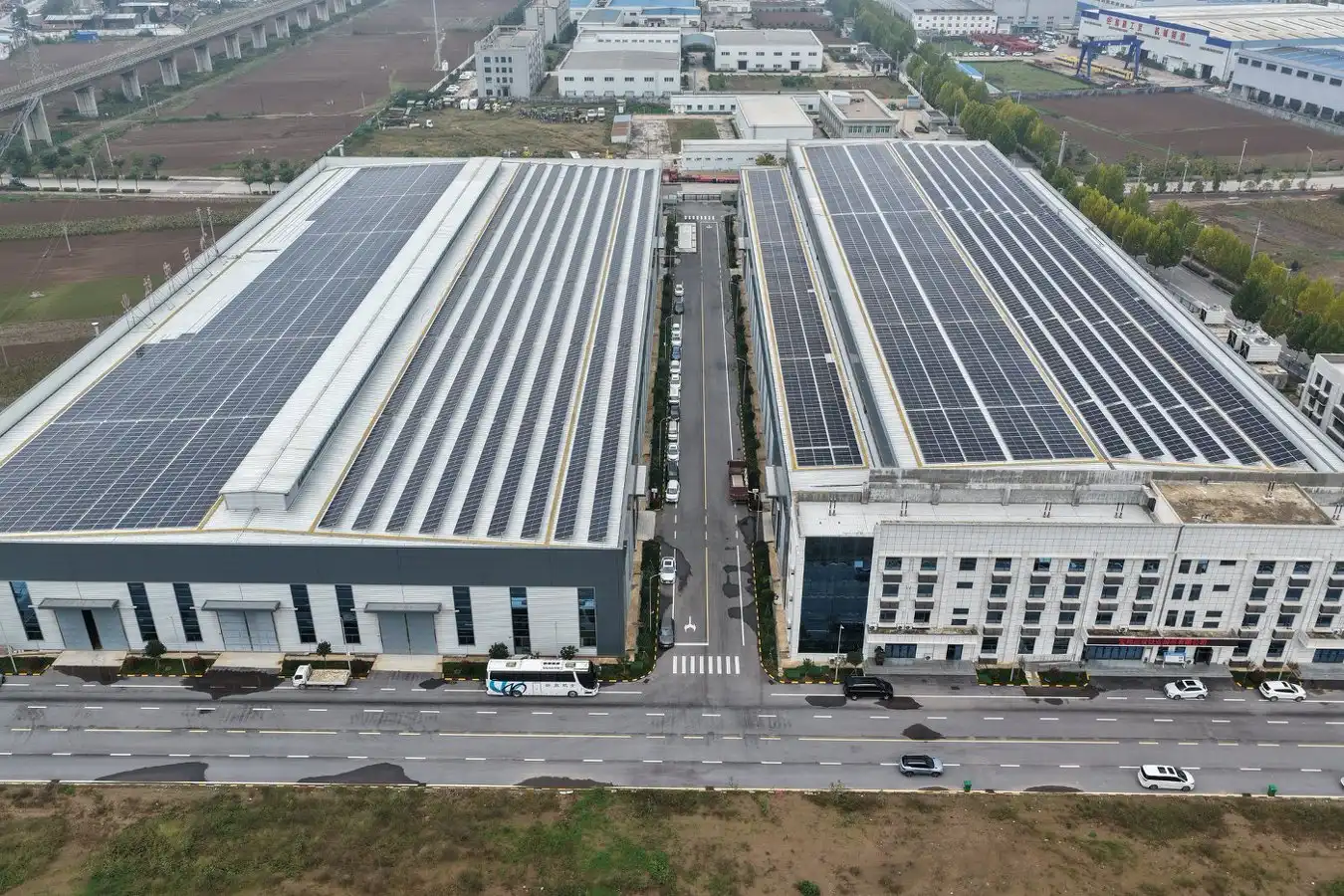
Choosing the right CP titanium rod provider can affect the success of projects in marine, chemical processing, and aircraft. Jucheng Titanium has been in the business for more than 20 years and comes from China's Titanium Valley in Baoji. They use modern manufacturing techniques and make sure all of their materials are certified. Our 120,000-square-meter factory makes Grades 1 through 23 titanium rods that meet ASTM B348, AMS 4928, and ISO 5832-3 standards. The rods' widths range from 6 to 450 mm, and they can be made to any length up to 12000 mm. Our 4 invention patents and 41 utility model patents guarantee cutting-edge processing quality, and our 3,000-ton inventory lets us send quickly when you need to buy something right away. Whether you need aerospace-grade bolt stock, chemical-resistant reactor parts, or material for medical implants, our expert team can help you find the right grade based on your stiffness needs. Get full product datasheets and prices on large orders right now by emailing our experts at s4@juchengti.com. We'll be happy to talk about how Jucheng Titanium's certified manufacturing can help your next big project.
References
1. Boyer, R., Welsch, G., & Collings, E.W. (1994). Materials Properties Handbook: Titanium Alloys. ASM International, Materials Park, Ohio.
2. Schutz, R.W. & Watkins, H.B. (1998). "Recent Developments in Titanium Alloy Application in the Energy Industry." Materials Science and Engineering: A, Vol. 243, Issues 1–2, pp. 305-315.
3. ASTM International. (2021). ASTM B348-13: Standard Specification for Titanium and Titanium Alloy Bars and Billets. West Conshohocken, Pennsylvania.
4. Donachie, M.J. (2000). Titanium: A Technical Guide, 2nd Edition. ASM International, Materials Park, Ohio.
5. Lütjering, G. & Williams, J.C. (2007). Titanium, 2nd Edition. Springer-Verlag, Berlin Heidelberg.
6. Peters, M., Kumpfert, J., Ward, C.H., & Leyens, C. (2003). "Titanium Alloys for Aerospace Applications." Advanced Engineering Materials, Vol. 5, No. 6, pp. 419-427.