
Can You Bend a CP Titanium Rod Cold?
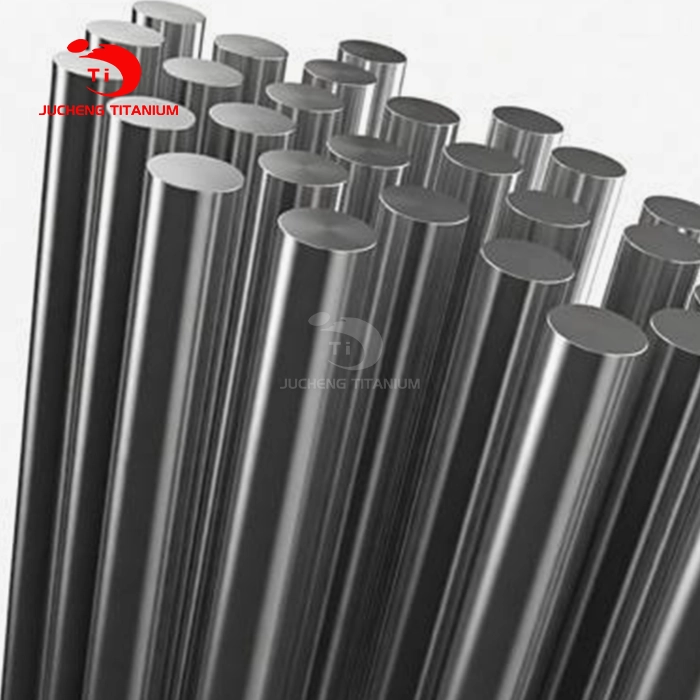
One question comes up over and over again when engineers and purchasing managers have to shape CP titanium rods for medical devices, chemical reactors, or aircraft parts: can you bend a CP titanium rod cold? The answer is not simple. It is scientifically possible to cold bend thinner CP titanium rods, but it depends a lot on the grade, the thickness of the rod, and the radius of the bend. Gr1 and Gr2 grades are more flexible than Gr3 and Gr4 grades, which makes them easier to shape cold. But trying to bend bigger rods or using sharp angles without the right tools can cause cracks and material failure, which can make structures less reliable for important uses.
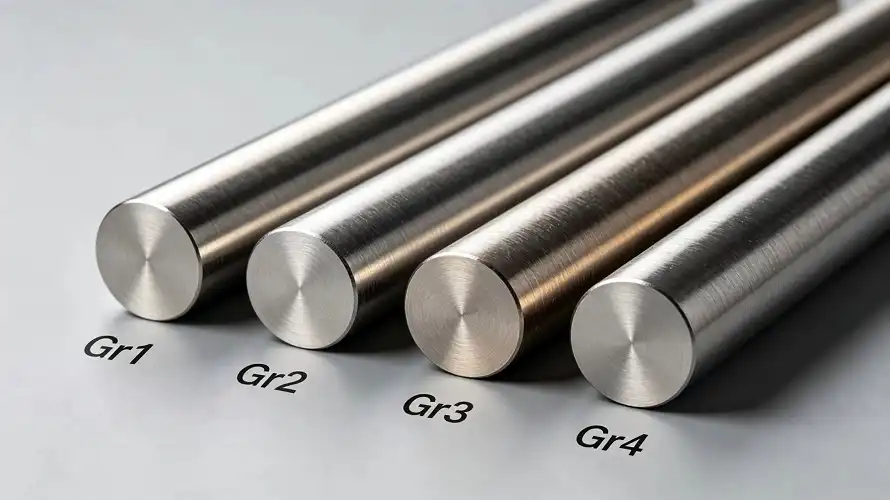
Understanding CP Titanium Rods and Their Properties
CP titanium rods that are commercially pure are a key material in many fields that need high resistance to corrosion and modest strength. Titanium alloys like Gr5 (Ti-6Al-4V) focus on making the metal stronger by adding alloying elements. CP grades, such as Gr1, Gr2, Gr3, and Gr4, keep the purity of titanium at a high level, between 98.9% and 99.5%. Because they are so pure, these rods are very resistant to seawater, acids, and chlorides. Because of this, they are essential in places where marine engineering and chemical processing happen.
Chemical Composition and Mechanical Strength
Different types of CP titanium rods behave very differently when it comes to mechanics. Gr1, which is the lightest and most flexible, has a tensile strength of about 240 MPa and great elongation qualities of more than 24%. Because of this, it can be used in situations where formability is more important than raw strength. The most common grade, Gr2, has a middling strength (345 MPa) and good ductility. It is used as the main material for heat exchanges and pipe systems. As you move up the strength scale, Gr3 and Gr4 offer higher tensile values that can hit 550 MPa, but they are also less flexible.
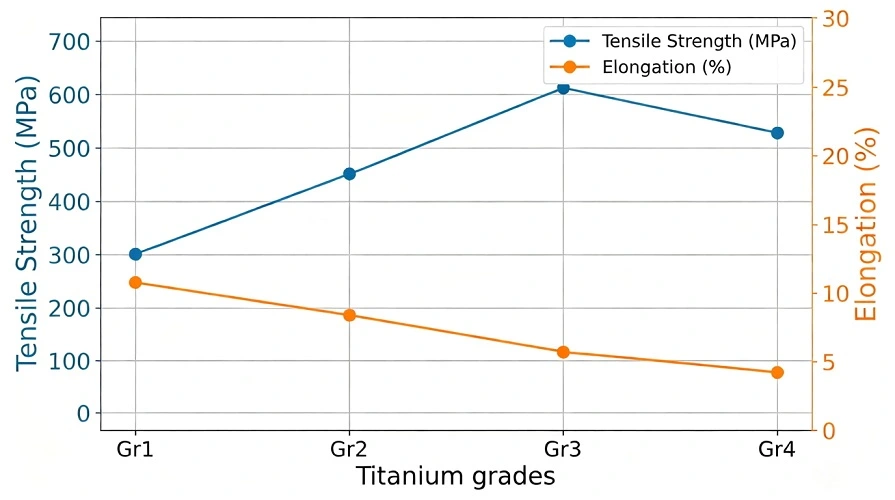
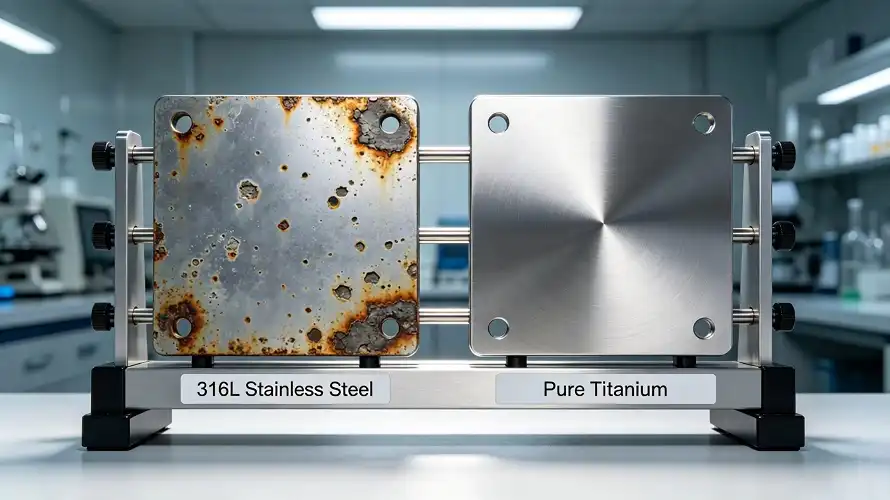
When you compare these qualities to stainless steel, you can see some interesting trade-offs. 316L stainless steel is also resistant to rust in many situations, but it is almost twice as dense as titanium. This extra weight is very important in aircraft uses where every kilogram affects how much fuel is used and how much can be carried.
Corrosion Resistance Across Environments
Titanium's inactive oxide layer forms on its own when it comes into contact with oxygen, making a barrier that protects and fixes itself when it gets broken. This process makes CP titanium rods last a very long time in settings with oxidizing acids, salty solutions, and high-temperature steam. Chemical equipment makers really like this feature because it stops the expensive downtime that comes with corrosion-related breakdowns.
When compared to alloys, economically pure titanium still doesn't have as many heat treatment choices. The annealed state is the usual shipping state and gives the best ductility. Stress relief methods that are done between 480°C and 650°C can get rid of leftover stresses from cold working without changing the mechanical properties much. However, at high temperatures, care must be taken to keep the material from getting contaminated by gases in the air.
Can You Bend a CP Titanium Rod Cold? Technical Feasibility and Limits
Several things affect each other and affect whether or not it is possible to cold bend CP titanium rods. The diameter of the rod is very important. Bars with a diameter of less than 20mm in Gr1 or Gr2 can usually be cold-bent with the right method, but bigger cross-sections need to be heated first to keep them from breaking. For CP grades, the minimum bending radius is usually at least 3–5 times the rod width. For higher-grade materials or larger sections, this ratio goes up.
Material Grade Influence on Bendability
It is clear that Gr1 is the most forgiving grade for cold forming. Because it has low intermediate content and high flexibility, it can be bent more tightly without cracking on the surface. Even though Gr2 isn't quite as compatible, it can still meet most standard bending requirements as long as workers follow the minimum radius rules. But Gr3 and Gr4 are hard to work with because they have more oxygen and iron, which makes them less flexible. This makes cold bending dangerous without careful process control.
How it was processed in the past also affects how bendable it is. When compared to highly cold-worked materials, rods made by rotary forging followed by centerless grinding usually have better microstructures for bending. This is something to think about when looking for materials for fabrication projects that need complicated shapes.
Risk Factors and Common Failure Modes
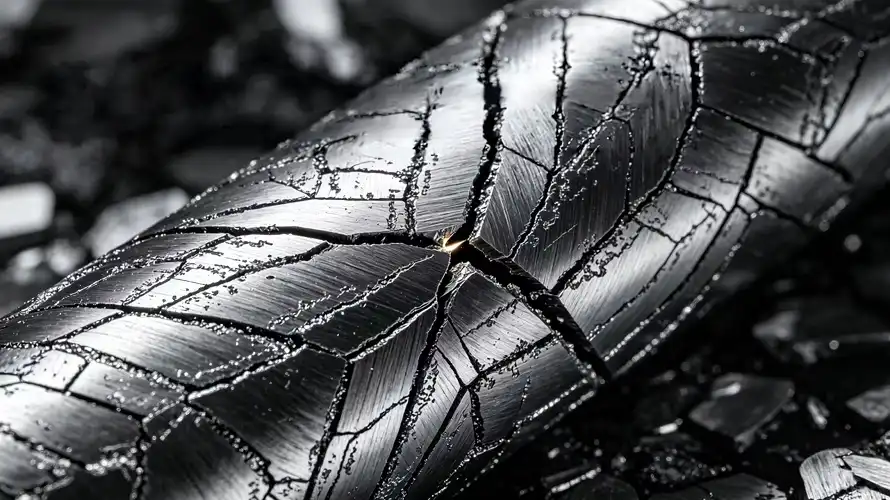
Trying to do strong cold bends opens up a lot of ways that things can go wrong. The most obvious problem is surface cracking along the tension side, which starts with surface flaws or contamination. Damage below the surface might not show up right away, but it lowers fatigue resistance in situations with repeated loads. Weakening of structures happens when bending forces are higher than the material's ability to work-harden, leaving weak spots in the structure.
Titanium is very sensitive when compared to stainless steel in terms of how well it bends when cold. Because it is more flexible, 304 steel can handle smaller bend radiuses at room temperature. However, it hardens more quickly than titanium, which could mean that it needs stronger bending forces. Fabricators can choose the right tools and methods when they understand these details.
Best Practices for Bending CP Titanium Rods to Avoid Damage
Bending activities start to go well long before the CP titanium rod touches the tools. An inspection of the material should check the state of the surface and make sure there are no deep scratches, inclusions, or contamination that could become crack starting points. The best starting material for forming operations comes from companies that make bars by vacuum heating them and carefully treating the surface in ways like pickling or polishing.
Tooling Selection and Setup Procedures
The difference between success and failure is how well the tools are designed. To keep friction and stress buildup to a minimum, bending dies need large arcs and surfaces that are very smooth. Supporting the inner radius with mandrels keeps hollow parts from collapsing and becoming oval. Instead of impact loading, use steady, controlled pressure. Hydraulic or mechanical benders with flexible speed control work better than manual ways.
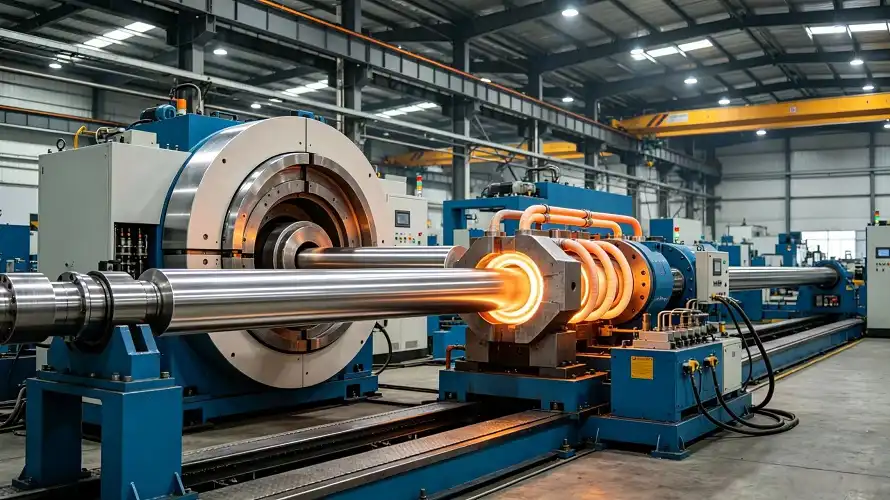
Based on decades of experience working with titanium, here are some important steps you should take to get ready:
- Surface preparation: Use degreasing products to clean the rods well and get rid of any oil, dirt, or chemical leftovers that could lead to uneven bending or surface reactions.
- Temperature monitoring: Even "cold" bending works better with a little warming to 150–200°C, especially for bigger pieces. This makes the material much easier to shape without having to go through full hot-working processes.
- Incremental forming: Instead of trying to make sharp angles all at once, break complicated bends into several smaller steps. This lets the material spread stresses over time.
- Support strategies: Keep enough space on the tension sides to allow for material flow and use backing supports on the compression sides to keep them from breaking.
All of these methods work together to lower risk and improve the accuracy of measurements. Fabricators in the aerospace industry often use these methods when shaping titanium tubing for hydraulic systems, since the quality of the bend has a direct effect on the safety approval and dependability of the system.
Alternative Approaches When Cold Bending Proves Impractical
Warm bending, which is done between 200°C and 400°C, is a good compromise because it greatly improves flexibility without the problems of oxidation that come with high-temperature processes. This range of temperatures lowers flow stress just enough to allow for smaller radii while keeping cycle times acceptable. When hot bending above 600°C, the metal can be shaped the most, but it needs to be protected and goes through changes in composition that need to be fixed with more heat treatment.
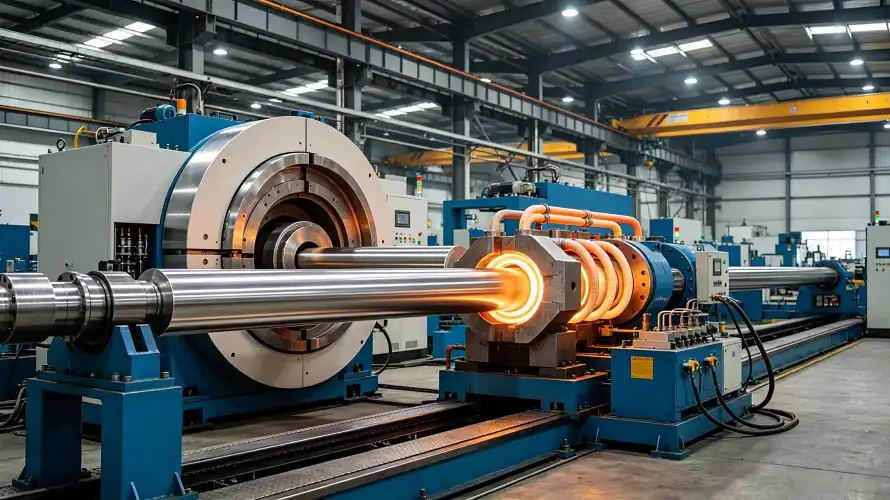
These ideas are clearly shown in marine uses. When shipbuilders make CP titanium pipes for ocean cooling systems, they often use warm bending to make complicated routings. They do this by combining how quickly they can make the pipes with how much the materials cost. The parts that were made will last for decades without rusting like parts made from other materials do.
Procurement Considerations for CP Titanium Rods
To choose the right CP titanium rods, you have to make sure that the qualities of the material match the needs of the application. Manufacturers of aerospace parts usually ask for Gr2 or Gr4 bars that meet ASTM B348 and AMS 4928 standards, with tracking and lot-specific mechanical tests being the most important factors. Medical device makers need biocompatible grades like Gr2 that meet the standards set by ASTM F67. There must also be strict rules on the surface finish and cleanliness, which can be shown by certificates of compliance.
Grade Selection Matrix for Different Industries
Chemical manufacturing equipment usually uses Gr2 for its pipes and vessels, but sometimes it upgrades to Gr7 when the higher resistance to rust against reducing acids makes the extra cost worth it. In industrial machines, performance and cost are balanced. Gr2 is often used for moderately strong parts, while metals like Gr5 are saved for parts that are under a lot of stress.
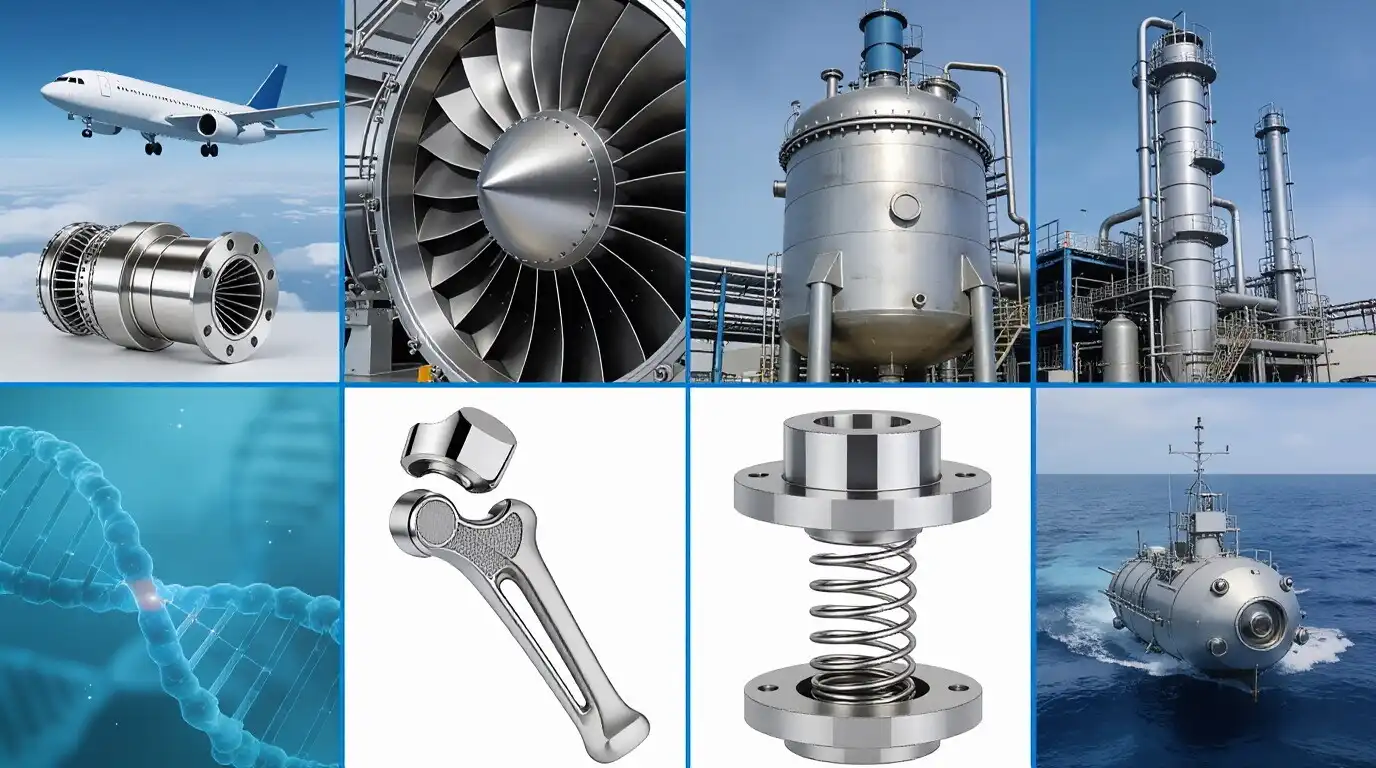
Rods from reputable sources come in a range of sizes, with diameters from 6mm to 450mm and normal lengths up to 6000mm. Custom lengths up to 12000mm can be used for unique projects, but realistic maximums are sometimes limited by the needs of transportation and handling tools. Different types of surface treatments, like polished, turned, centerless ground, sanded, and pickled finishes, are used for different purposes. For example, medical implants need surfaces that are mirror-polished, while chemical equipment can handle pickled or turned conditions.
Supplier Evaluation and Quality Assurance
Reliable sourcing partners keep a lot of goods on hand, which lets you handle orders quickly. We keep about 3,000 tons of different grades and sizes of titanium in stock, which cuts wait times by a huge amount compared to buying directly from mills, which takes 8–16 weeks for production processes. This level of inventory depth is especially helpful during maintenance breaks and sudden project speedups, when the supply of materials sets the key path schedules.
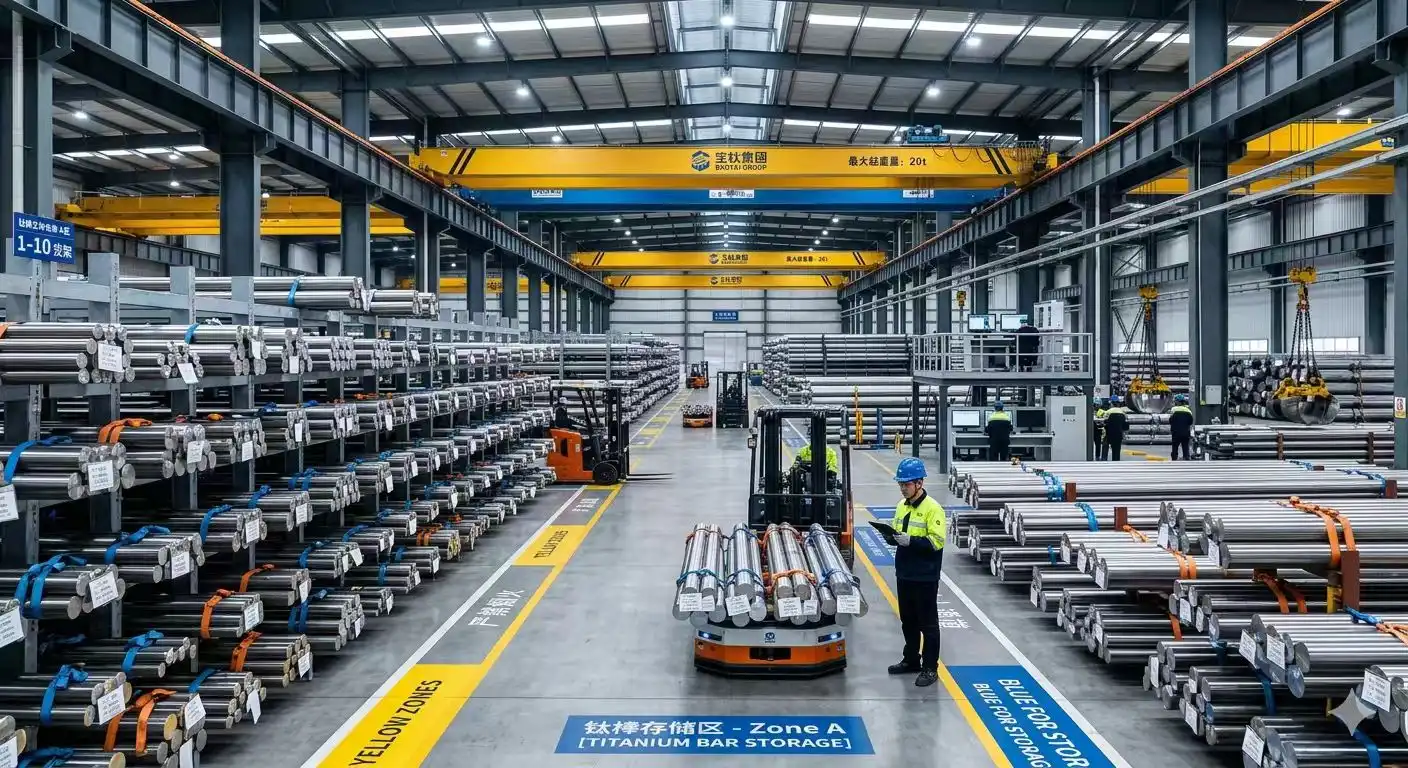
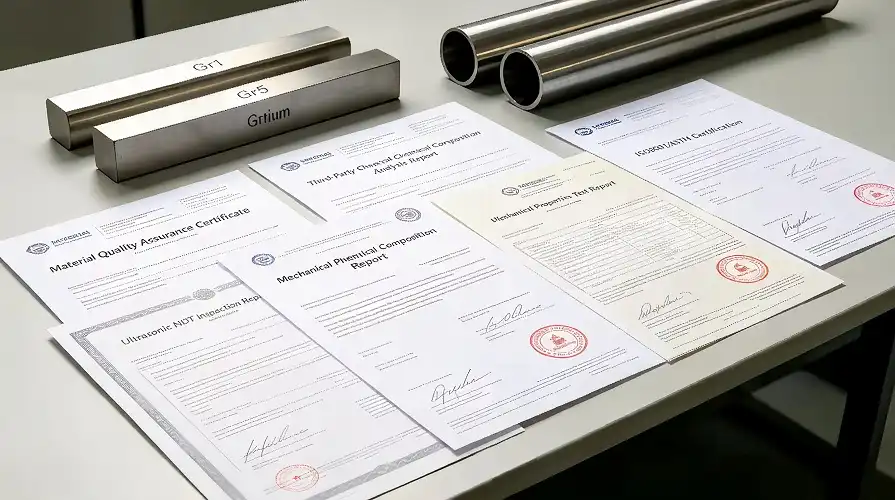
Quality certifications are very important for businesses that are controlled. Look for suppliers who are registered with ISO 9001 for quality control and who also have certifications specific to your business. Every shipment should come with full material test reports that show the chemical make-up, mechanical qualities, and ability to be traced back to the original melt lots. These reports should help with customer qualification processes and regulatory compliance paperwork.
Premium providers are different from distributors of common materials because they offer technical help. During the planning phase, our engineering team works with customers to suggest the best grades and shapes and find any problems that might come up with production. This consultative method has helped businesses like Jiangxi Copper Group and defense contractors needing specialized titanium solutions form successful relationships.
Conclusion
CP titanium rods can still be cold-bent within certain limits. Lighter types like Gr1 and Gr2 with smaller diameters allow for careful cold forming as long as operators follow minimum bend radii and use the right method. To keep the structure from breaking, thicker parts and higher grades need to be warmed up or bent hot. Understanding these materials' behaviors, along with strict process control and quality buying from skilled sources, is what makes fabrication work well in chemical, medical, industrial, and aircraft settings. The success of a project depends on the materials chosen, the reliability of the suppliers, and the professional help.
FAQ
1. What prevents CP titanium rods from cold bending easily?
When compared to face-centered cubic metals like aluminum, commercially pure titanium's hexagonal close-packed crystal structure makes slip devices less effective. This structural limitation makes the material less flexible at room temperature, especially in higher grades that have a lot of oxygen in them. These problems can be solved with the right grade pick and method.
2. Which titanium grade offers the best cold bendability?
Gr1 is better for cold forming because it has the least amount of intermediate content and the most flexibility. Gr2 is the best choice for most industrial uses because it is both easy to shape and strong. Gr3 and Gr4 need to be heated for heavy-duty bends.
3. Does bending affect corrosion resistance of titanium rods?
When bending titanium the right way, it doesn't affect its natural resistance to rust. When surfaces are bent, the inactive oxide layer straightens out right away. However, surface damage from bad tooling or contamination during heating can leave small holes that need to be fixed with a surface treatment before they can be put to service.
Partner with Jucheng Titanium for Premium CP Titanium Rod Solutions
Baoji Jucheng Titanium Industry Co., Ltd. has been making high-quality CP titanium rods that meet the standards of ASTM B348, ASME SB348, and AMS 4928 for more than 20 years. The grades we can make are Gr1 through Gr23, and the widths range from 6mm to 450mm. We can also make special lengths up to 12000mm. Advanced surface processes, precision forging, and vacuum melting make it possible to make materials that are perfect for tough aircraft, chemical processing, and medical device uses.
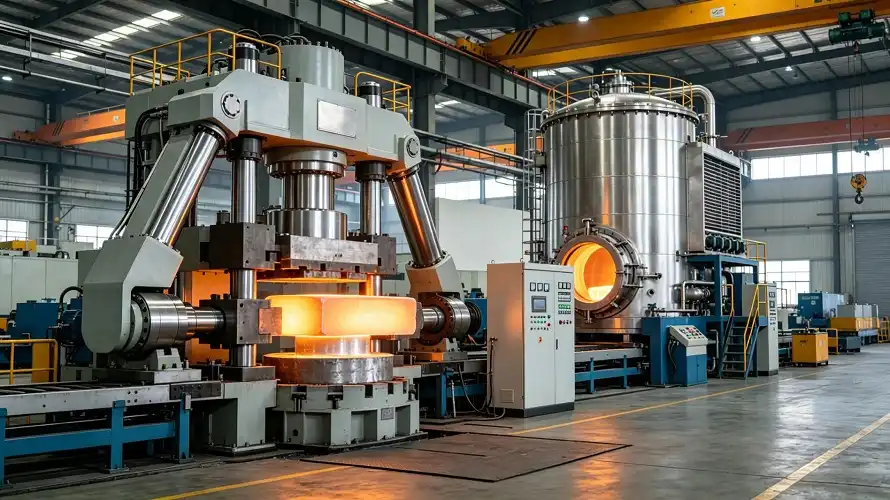
Our 3,000-ton collection means that we can deliver quickly and avoid long mill wait times that cause projects to be late. We are a National High-Tech Enterprise because we use new processing methods and strict quality control to earn 4 creation patents and 41 utility model patents. If you need normal annealed rods or custom-machined parts, our expert team can help you with everything from choosing the specifications to putting them together.
Get in touch with our CP titanium rod supply team at s4@juchengti.com to talk about your unique needs for bending and shaping. We provide approved materials with full traceability paperwork to support your quality assurance processes. Our responsive after-sales service ensures the success of the project from purchasing to production.
References
1. American Society for Testing and Materials. (2021). ASTM B348 - Standard Specification for Titanium and Titanium Alloy Bars and Billets. ASTM International, West Conshohocken, PA.
2. Boyer, R., Welsch, G., & Collings, E.W. (1994). Materials Properties Handbook: Titanium Alloys. ASM International, Materials Park, OH.
3. Donachie, M.J. (2000). Titanium: A Technical Guide, 2nd Edition. ASM International, Materials Park, OH.
4. Lutjering, G., & Williams, J.C. (2007). Titanium, 2nd Edition: Engineering Materials and Processes. Springer-Verlag, Berlin.
5. Schutz, R.W., & Watkins, H.B. (1998). "Recent developments in titanium alloy application in the energy industry." Materials Science and Engineering A, 243(1-2), 305-315.
6. Veiga, C., Davim, J.P., & Loureiro, A.J.R. (2012). "Properties and applications of titanium alloys: A brief review." Reviews on Advanced Materials Science, 32(2), 133-148.