



How to Choose the Right Titanium Sheet 4mm for Your Project
The right titanium sheet 4mm thickness is determined by the mechanical requirements of your application, the corrosive environment in which it will be utilised, and your certification requirements. 4mm nominal thickness titanium flat-rolled sheet sits in a vital sweet spot — tough enough structurally for pressure tanks and aircraft bulkheads but light enough to give significant weight savings over stainless steel counterparts. Grades of Ti range from economically pure Gr1 to high-strength Ti-6Al-4V and are supplied to ASTM B265, AMS 4911 & ASME SB265 specifications. The right decision will depend on your project’s individual needs with respect to the grade, surface condition, and supplier capacity.
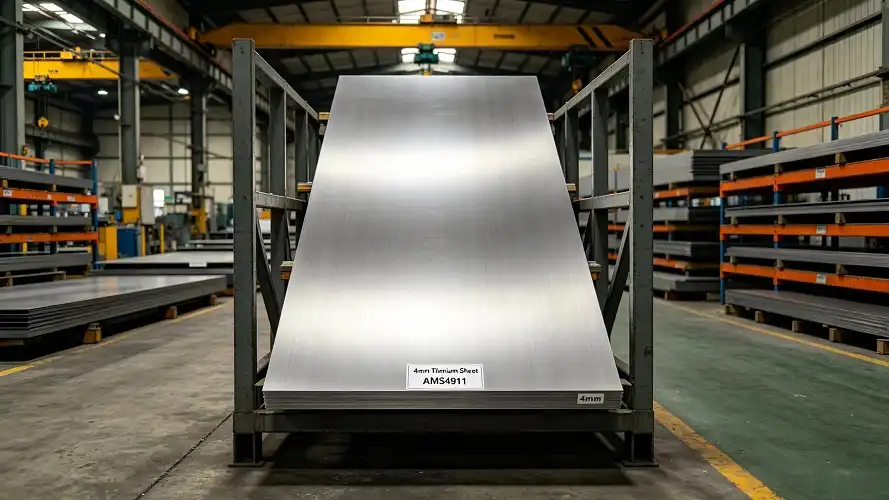
Understanding 4mm Titanium Sheets: Properties and Benefits
Key Mechanical and Physical Properties
The 4-mm-thick titanium plate has qualities that few other metals can match at that gauge. Commercial pure Grade 2 has a minimum tensile strength of 345 MPa. Grade 5 Ti-6Al-4V has a yield strength of roughly 895 MPa, which is about the same as 8mm stainless steel, but only 56% as heavy, as titanium has a density of 4.51 g/cm3. The elastic modulus of around 105 GPa is also highly suited for spring-back recovery, which is very crucial for precision forming.
Titanium can survive temperatures of up to 600°C and melts at about 1,660°C. The self-healing oxide layer essentially makes it immune to chloride stress corrosion cracking, a failure pattern that commonly prevents stainless steel from being used in chemical or marine environments. The normal 1m by 1m panel in 4mm weighs roughly 18kg, and it is an important figure to consider when planning shipping and installation.
Available Grades and Standard Dimensions
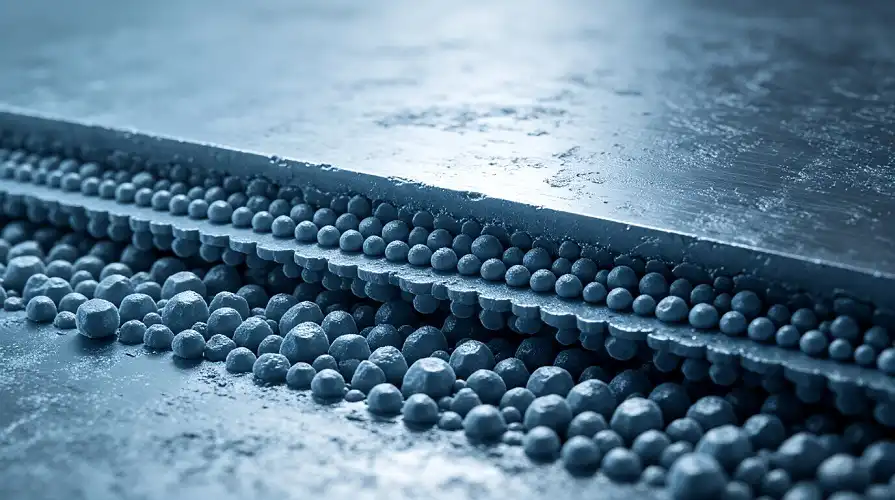
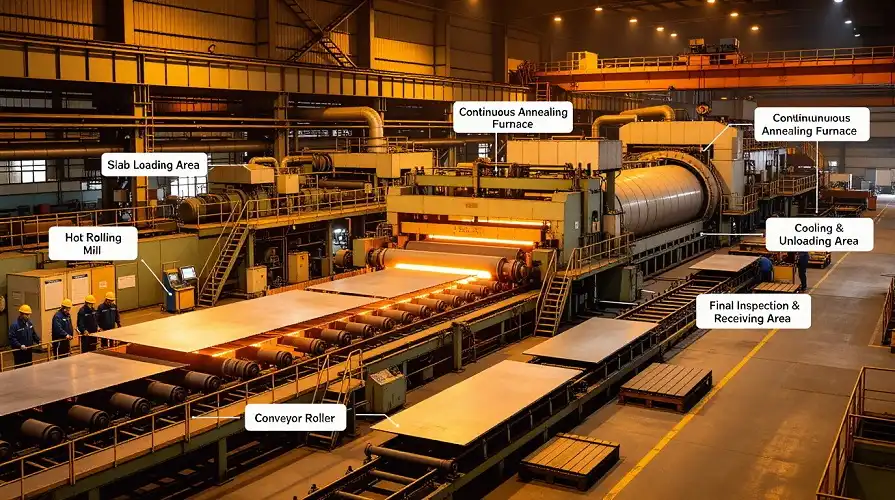
Jucheng Titanium supplies titanium sheet hot-rolled and annealed in seven grades: Gr1, Gr2, Gr4, Gr5, Gr7, Gr9, and Gr12. These grades cover the whole range from being the simplest to be moulded to being very tough and acid-resistant. Standard sheet sizes range from 4mm to 80mm thick, 950mm to 2500mm wide and up to 10,000mm long. Custom sizes may be made to suit the needs of the job. Finish: polished, machined, or acid-pickled. All sheets are rolled, heated, levelled, pickled, and finished on the surface to ensure that they are flat and have a homogeneous grain structure.
Comparing 4mm Titanium Sheets with Other Metals for Procurement Decisions
Performance vs. Stainless Steel, Aluminum, and Copper
When procurement teams are looking at alternative materials, it is generally the life-cycle cost that is more relevant than the unit price. While 4mm titanium sheet may be more costly initially than 304 stainless steel, titanium’s 15–25 year service life results in a much reduced total cost of ownership in chloride- or acid-rich environments. Titanium has about double the tensile strength of aluminium for a little weight penalty. It is the best choice when structural stability cannot be compromised. Titanium’s resistance to saltwater crevice corrosion and biofouling provides it with a major operating advantage over copper alloys in heat exchanger applications.
The quality and the thickness also affect the buying approach. The 3mm gauge is suited for cladding and thin wall tank covers. For large structural and pressure-rated parts, a gauge of 5mm or more is common. The 4mm tier, particularly titanium sheet 4mm, is the most useful in the titanium sheet industry since it can be used for a lot of different purposes, from chemical reactor liners to navy tubesheets to aircraft firewalls.
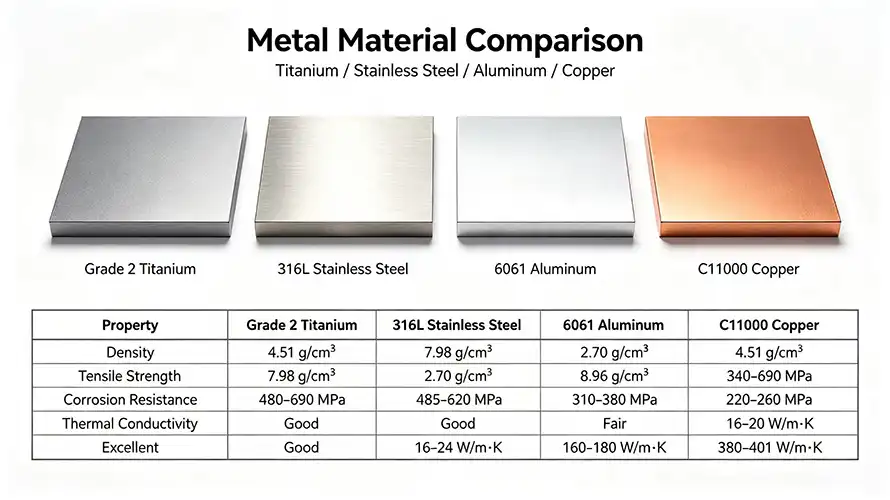
Here’s a quick overview of how the grade corresponds to the application categories:
- Gr1 and Gr2: Best corrosion resistance and formability. Ideally suited for chemical processing liners, heat exchanger tube sheets, and desalinisation equipment where purity is essential.
- Gr5: The workhorse of aerospace and defence. Tensile strength >895 MPa. Used on structural brackets, engine firewalls, and bulkhead panels when vibrational fatigue is an issue.
- Gr7 and Gr12: Additions of palladium and molybdenum for resistance to reducing acids. For use in severe hydrometallurgical and petrochemical processes when regular CP grades are not suitable.
- Gr9: Intermediate strength grade with excellent formability and moderate strength for use in hydraulic tube and medical instrument manufacture.
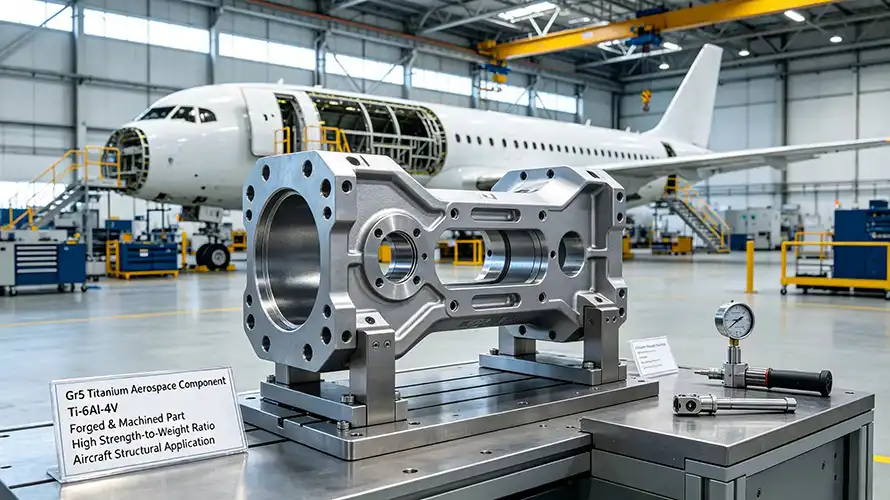
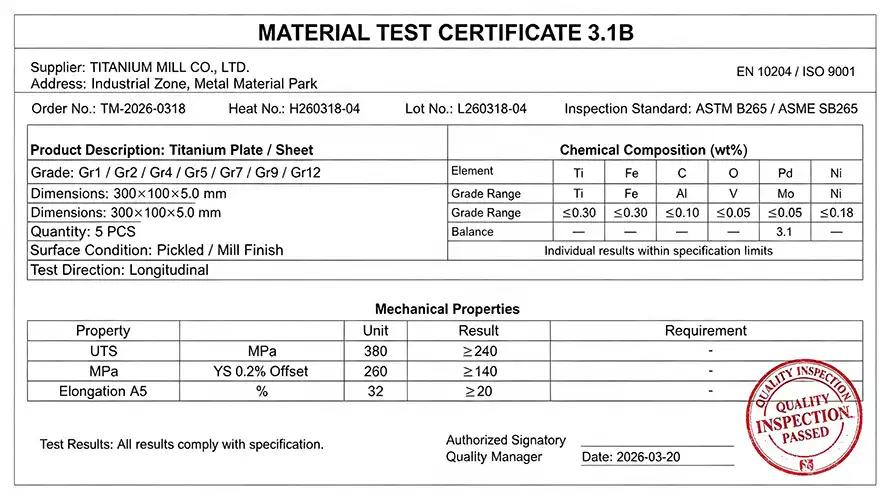
Which standard is applicable will also depend on the quality of titanium you purchase. General industrial uses of sheet and strip are covered in ASTM B265. ASTM F67 covers unalloyed titanium for surgical implant applications. AMS 4911 is aerospace-grade Ti-6Al-4V. ASME SB265 is for service in pressure containers.
Practical Guide to Working with 4mm Titanium Sheets
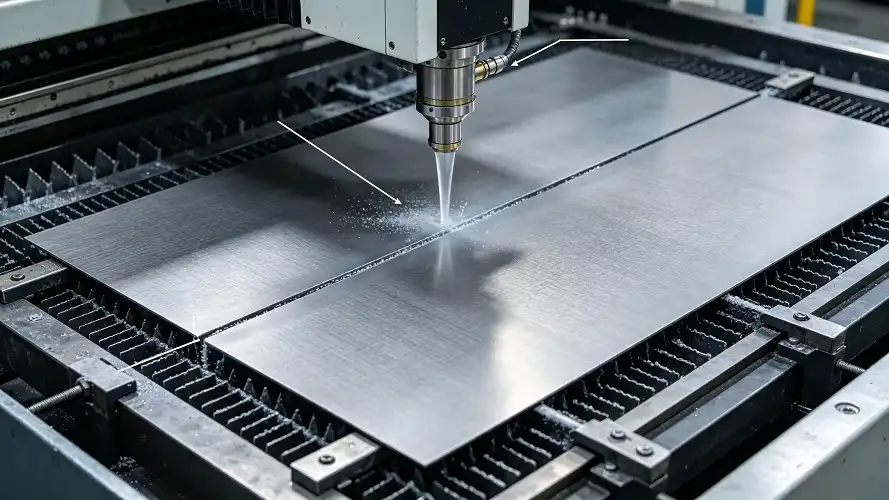
When working with titanium at a 4mm gage, it's important to keep the work area clean. Using special cutting fluids and tools with carbide tips keeps the work from getting too hard while milling or turning. Plasma and waterjet cutting both work well at this thickness. Laser cutting is also possible, but the cut edges need to be shielded with a harmless gas to stop alpha-case formation.
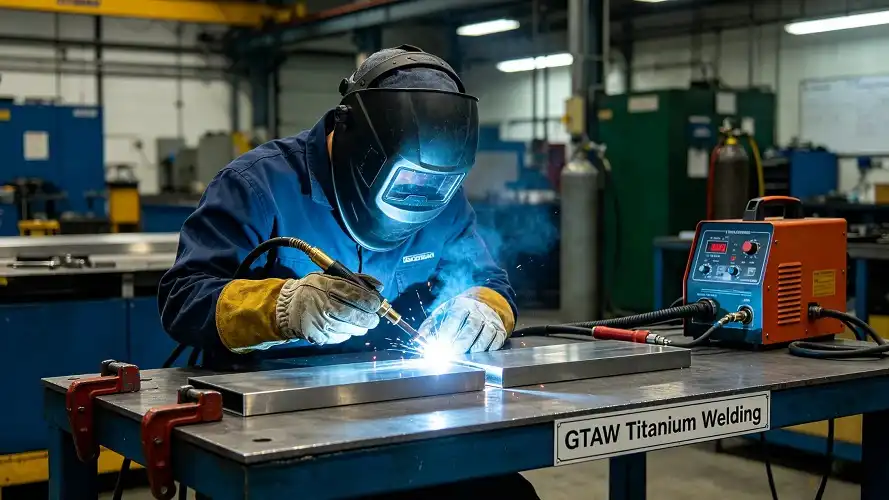
A clean, oxygen-free environment is needed to weld titanium sheet. It is common to use gas tungsten arc welding with argon back-purging. Exposure to even small amounts of air above 300°C weakens the surface. After the weld, heating at 700–800°C makes heat-damaged areas more flexible again.
Anodizing protects against corrosion and makes the metal look different. Acid-pickled sides, which come standard on Jucheng Titanium's annealed titanium sheet 4mm, provide the base oxide layer for normal service life. The main maintenance method is to look for areas of mechanical wear and cracks on a regular basis. In most industrial settings, titanium doesn't need any paint, coating, or cathodic protection.
Where and How to Procure High-Quality 4mm Titanium Sheets?
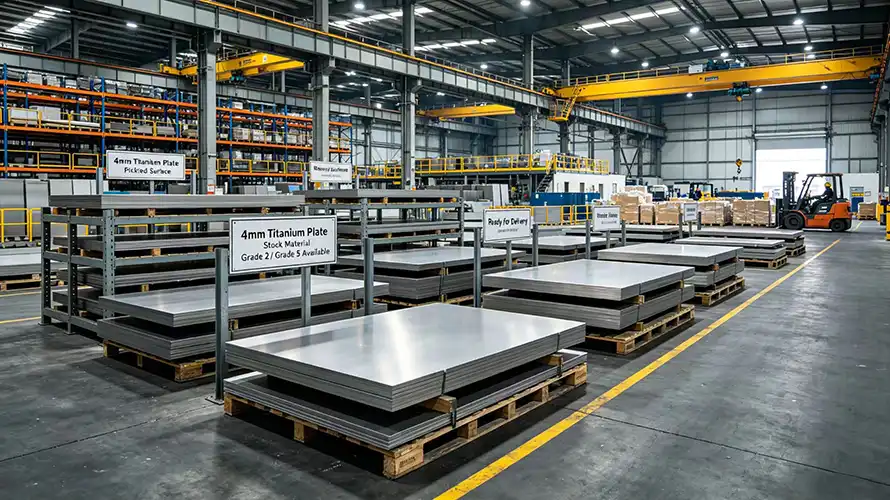
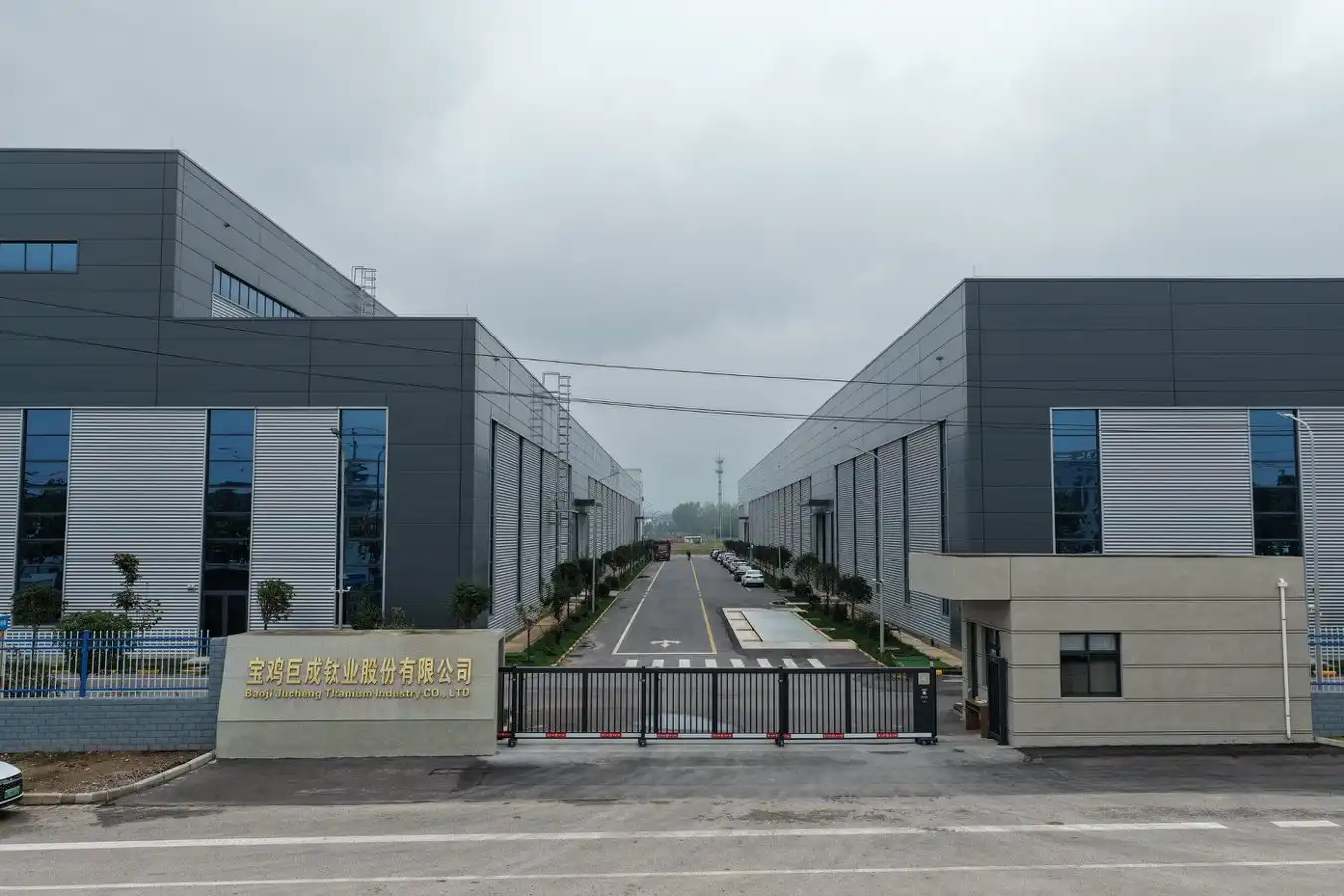
Reliable titanium sheet providers have mill approval, a large collection, and the ability to do custom processing. The aerospace industry gets its titanium from well-known companies like ATI Metals, TIMET, and VSMPO. On the other hand, Baoji-based companies like Jucheng Titanium are known all over the world for their industrial-grade titanium with short lead times and the ability to be cut to any size. Jucheng Titanium keeps about 3,000 metric tons of titanium in stock all year, so they can meet both short-term orders and long-term supply contracts without having to wait for long lead times, which can throw off project plans.
When you compare working with a direct provider to working with an online distributor, direct buying always wins. This is because you can get clear mill test reports, discuss bulk prices, and get access to OEM/ODM services that you can't get through trading intermediaries. Checking a supplier's export experience, packaging standards, and Harmonized Tariff Schedule classification should be part of the qualification process for U.S. procurement teams that handle international logistics.
Making the Right Decision: Matching Titanium Sheet 4mm to Your Project Needs
Three things come together to make the final purchase decision: the application setting, the need for certification, and the reliability of the provider. Aerospace programs need Ti-6Al-4V that is certified by AMS 4911 and has full material traceability and mechanical test data. Most jobs that involve chemical handling call for ASTM B265 Gr2 or Gr7 with proof of corrosion tests. Medical device makers need CP titanium that meets ASTM F67 standards, has a controlled rough surface, and comes in packing that can be used in a cleanroom.
Beyond the material specifications, you should also look at how well the provider has processed similar items in the past. Jucheng Titanium was established in 2004 and listed on China's National Equities Exchange and Quotations in 2017. The company has 41 utility model patents and 4 invention patents. The business has been named a National High-Tech firm and a national-level specialized "little giant" firm. It works with universities like Tsinghua University and the Northwest Institute for Nonferrous Metal Research on joint research projects. This level of technical knowledge directly leads to consistent material quality, meeting specific requirements, and the after-sales support that long-term B2B purchasing relationships need.
Conclusion
You need to do more than just say what thickness of titanium sheet you need for your project. When it comes to long-term performance and value, grade choice, applicable standard, surface condition, and supplier qualification are all equally important. A titanium sheet 4mm can be used in a huge range of fields, including aircraft, chemical processing, marine, and medicine. This is because it is structurally strong while also being lightweight and easy to work with. Working with a 4 mm titanium sheet manufacturer with a lot of experience, real licenses, and a lot of stock takes away supply chain doubt and speeds up the buying process.
FAQ
1. How much does a 4mm titanium sheet weigh per square meter?
A 4mm titanium sheet weighs about 18 kg per square meter and has a density of 4.51 g/cm³. Titanium is the best material to use when weight savings are very important because it is much lighter than 4mm stainless steel, which weighs about 31.4 kg/m².
2. Is titanium sheet more corrosion-resistant than stainless steel?
Titanium works better than stainless steel in places with salt, seawater, and acids that oxidize metals. Titanium does not crack when exposed to chloride stress, which is what usually goes wrong in marine and chemical processing applications.
3. Can 4mm titanium sheet be custom cut for large-scale projects?
Yes. For widths up to 2,500mm and lengths up to 10,000mm, suppliers like Jucheng Titanium can cut to size. Standard wait times that work for project sourcing cycles can be used to handle custom sizes, surface finishes, and grade requirements.
4. Which grade is best for aerospace applications?
The standard in the aerospace industry is Grade 5, which is made to AMS 4911. It has a tensile strength of more than 895 MPa, great resistance to wear, and stability at high temperatures up to 400°C.
Request a Quote from Jucheng Titanium — Certified Titanium Sheet 4mm Supplier
Precision-certified titanium sheet 4mm is sold by Jucheng Titanium in the aircraft, chemical, medical, and industrial fields. We can handle both standard and custom orders because we have been making products for more than 20 years, have 3,000 tons of stock on hand, and follow all ASTM B265, AMS 4911, and ASME SB265 rules. To get a competitive quote, please email our team at s4@juchengti.com right now.
References
1. ASTM International. ASTM B265: Standard Specification for Titanium and Titanium Alloy Strip, Sheet, and Plate. ASTM International, 2020.
2. SAE International. AMS 4911: Titanium Alloy Sheet, Strip, and Plate, 6Al-4V, Annealed. SAE International, 2015.
3. Donachie, M. J. Titanium: A Technical Guide. ASM International, 2000.
4. Lutjering, G., & Williams, J. C. Titanium. Springer, 2007.
5. Peters, M., Kumpfert, J., Ward, C. H., & Leyens, C. "Titanium Alloys for Aerospace Applications." Advanced Engineering Materials, 2003.
6. ASME. ASME SB-265: Specification for Titanium and Titanium Alloy Strip, Sheet, and Plate. American Society of Mechanical Engineers, 2021.