



Titanium 6Al4V Sheet vs Grade 2: Which Fits Your Project?
The engineer or procurement manager has to make one of the most important material selections when choosing between a titanium 6Al4V sheet and Grade 2 titanium. Ti-6Al-4V is the most often used alloy in aerospace, military, and medical industries, with a tensile strength of more than 895 MPa and a density of only 4.43 g/cm3. Grade 2 is commercially pure titanium and a lower-cost option with good formability and chemical corrosion resistance. In this book, all grades are covered from a technical, application, and procurement point of view, so that you may choose the correct material to suit the unique needs of your project.


Understanding Titanium 6Al4V Sheet and Grade 2: A Technical Overview
Chemistry is quite different at the two levels. The first step in a good purchase is knowing the difference.
Composition and Microstructure
Titanium Ti-6Al-4V is an alloy. The vanadium is a stabiliser of the β phase, and the aluminium is a stabiliser of the α phase. It is a two-phase material, and it is robust and durable but not highly resistant to corrosion. Grade 2 titanium is used in industry, although it is not as pure as grade 1. It has a single-phase α lattice which is intrinsically soft, highly flexible, and exceedingly resistant to chemical destruction.

Mechanical Properties Side by Side
The disparity between grades and scores is big and clear. When the metal is softened, there are a number of simple mechanical facts side by side.
It may be extended to 10 percent. It is challenging. The modulus of elasticity is around 113.8GPa. The density is 4.43 g/cm 3.
- Grade 2: elongation approx. 20 %; hardness approx. 80 HRB; modulus of elasticity approx. 103 GPa; density approx. 4.51 g/cm^3
- They are given in terms of elastic modulus. Yield strength: 275- 410 MPa; tensile strength: 345- 485 MPa.
- Ti-6Al-4V Tensile Strength min. 895 MPa Yield Strength min. 828 MPa Elongation ~10 % Hardness 30 - 36 HRC Modulus of elasticity ~ 113.8 GPa Density ~ 4.43 g/cm³
Tensile strength ~ 345-485 MPa Yield strength ~ 275-410 MPa Elongation ~20% Hardness 80 HRB Young's modulus 103 GPa Density 4.51 g/cm3 2nd grade
Grade 2 is easier to bend and shape. Grade 5 can withstand almost twice the load of Grade 2.

Product Specifications at Jucheng Titanium
Both grades of Jucheng Titanium are commercial grade with certification. We provide Gr1, Gr2, Gr4, Gr5, Gr7, Gr9 and Gr12. Width may be between 950 mm and 2,500 mm. Length can be any length up to 10,000 mm. It may be between 4 mm and 80 mm thick. All sheets are hot-rolled, annealed, levelled, pickled, and finished on the outside. The sheets are thermally treated in advance. They may be smashed, ground, or pickled in acid to soften the surface. The needed standards are ASTM B265, AMS 4911, ASTM F67, and ASME SB265.

Performance Comparison: Mechanical and Corrosion Resistance Analysis
Why does titanium quality count? But youngsters need more than powerful tools, such as titanium 6Al4V sheet, to do well in the real world.
Strength and Fatigue Resistance
Ti-6Al-4V alloy is the preferred material for cyclic loading, weight-limited, or high-temperature applications. It's tough and can withstand a lot of damage. It is thus used as structural plates in aeroplanes and orthopaedic implants. The Journal of Materials Science & Technology released data indicating that the wear life of Ti-6Al-4V grades is much better than CP grades at the same stress levels.

Corrosion Resistance in Aggressive Media
Many experts believe Grade 2 will have fewer hazardous chemicals. Works well in seas, filthy regions, and environments that break down acids. Moderate hydrochloric acid leads to a corrosion rate lower than 0.025 mm per annum. And it doesn’t rust, either. As an alloy, it is not nearly as good as CP titanium in places with strong reducing acids. Grade 2 is appropriate for small quantities of wet chlorine or sulphuric acid.
Use Cases and Industry Applications: Which Material Suits Your Needs?
You don't have to guess where each grade does well in the real world during design.
Where does Ti-6Al-4V perform best?
It is important to have Grade 5 Ti-6Al-4V when weight directly affects safety or effectiveness because it has a high specific strength. It makes up more than half of all the titanium used in the world because of this. Grade 5 sheets are used inside the fuselage, on the wings, and on the engine nacelles because they can handle high loads and changes in temperature without cracking or wearing away.
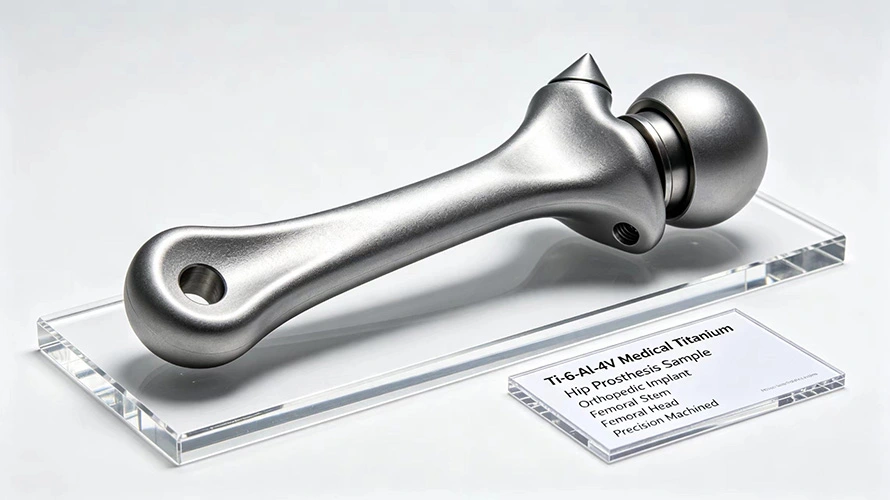
Grade 5 is the usual material for hip stems, spine cages, and tooth abutments because it is biocompatible and bonds well with bone in the body. ASTM F67 and ISO 5832-3 say that it is good enough.
If you need to protect your car from bullets, military-grade armor plates can do it with Grade 5's bending strength, which is much lighter than steel plates and can do the same job.
- Aerospace structural components: Fuselage bulkheads, wing skins, and engine nacelles rely on Grade 5 sheets to withstand high cyclic loading and thermal cycling without creep or fatigue failure.
- Medical implants and surgical instruments: Compliant with ASTM F67 and ISO 5832-3, Grade 5 is biocompatible and bonds well with bone tissue, making it the standard material for hip stems, spinal cages, and dental abutments.
- Defense ballistic protection: Military-grade armor plates leverage Grade 5's shear strength to deflect projectiles at a fraction of the weight of steel equivalents, preserving vehicle mobility.
These fields need not only information about performance but also full material traceability. This means that Mill Test Reports must be linked to the original ingot heat and follow AMS 4911 or ASTM B265.
Where does Grade 2 deliver better value?
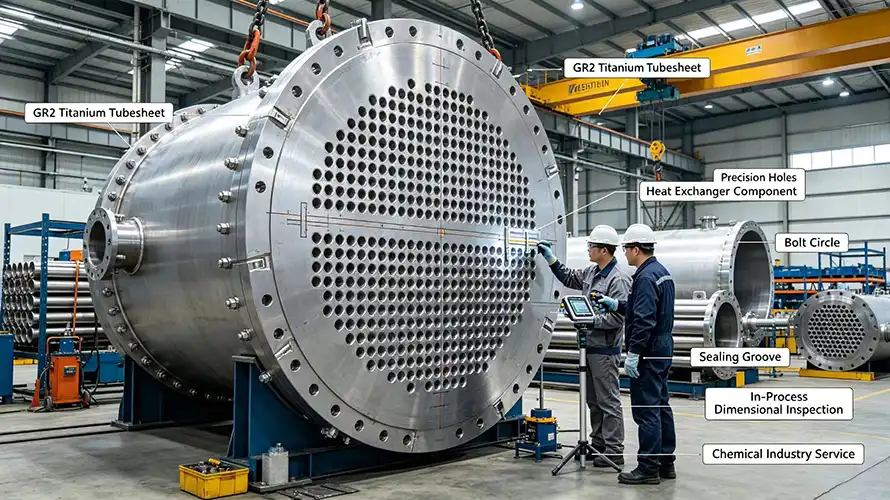
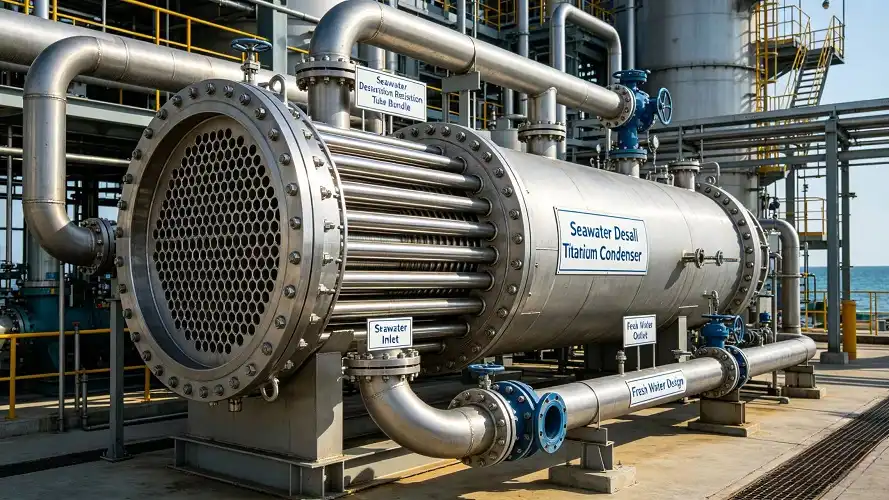
Grade 2 works best in places where low cost, resistance to rust, and being able to be shaped are the most important things. If you stretch it less than 20%, it's more flexible, so you can press it into smaller shapes without having to heat it up and shape it. Titanium 6Al4V sheet, by comparison, is better suited to applications where higher strength is required.- Grade 2 sheets are commonly found in heat exchangers, reaction tanks, and pipe systems that are in chemical handling equipment that is exposed to chlorinated or acidic media. Big projects in the oil business have used Grade 2 plates from Jucheng Titanium for heat exchangers. - Marine and offshore structures: Grade 2 doesn't rust in pits or cracks when it's exposed to saltwater, so it's good for parts that treat seawater and fittings for offshore platforms.
Building metalwork: Grade 2 can be made to support intricate cladding forms and artistic structures while still having a smooth surface.
- Chemical processing equipment: Heat exchangers, reaction vessels, and piping systems exposed to chlorinated or acidic media use Grade 2 sheets extensively. Jucheng Titanium has supplied Grade 2 plates for large-scale heat exchanger projects in the petrochemical sector.
- Marine and offshore structures: Seawater desalination components and offshore platform fittings benefit from Grade 2's resistance to pitting and crevice corrosion in saltwater.
- Architectural metalwork: Grade 2's formability supports complex cladding profiles and decorative structures with consistent surface finish quality.
Procurement Considerations: Pricing, Suppliers, and Ordering Logistics
It's not just the cost of the things that you need to think about when you buy something. The total cost of owning your project will depend on how long it takes, how much you can change it, and how much support you need.
Sheets of Ti-6Al-4V cost about 30% to 50% more than sheets of Grade 2 that are the same size. The main reason for this is that it has more alloying elements and tighter rules over the process. That extra cost is worth it because it makes things work better in structural airplanes or hospital settings. Grade 2 is much cheaper and works well for large-scale plumbing in a chemical plant or building work.
Jucheng Titanium keeps about 3,000 metric tons of different kinds of titanium in stock all year. The company is based in Baoji, China, which is known as the titanium working hub. With this stockpile, orders that need to be sent out quickly can be sent out without having to wait as long as smaller suppliers do. For equipment makers and wholesalers in North America and around the world, we offer OEM packaging, special surface treatments, and odd-sized items.
Making the Decision: How to Choose Between Titanium 6Al4V and Grade 2 Sheets?
Finally, the decision is made based on three specifics about the project: the technical performance that is needed, the risk setting, and the budget for the whole project lifecycle. When the job calls for a tensile strength of more than 700 MPa, the best material is Ti-6Al-4V. It can also handle temperatures above 300°C and meets the requirements for AMS 4911 aircraft approval. There is no better grade than Grade 2 when it comes to corrosion resistance in chemical media, getting the most for your money, or making shapes that can't be heated and worked.
Say "Grade 5" when the main threat is structural load, and "Grade 2" when the main threat is acidic media as a quick fix. If both of these risks are present, like in remote aircraft tools, you might also want to look at Grade 7 or Grade 12 from Jucheng Titanium's wider range of grades.
Conclusion
Grade 2 and Ti-6Al-4V are both great materials, but they are used for different engineering tasks. Titanium 6Al4V sheet is the best choice if you need a high strength-to-weight ratio and something that won't wear out easily. Grade 2 is the best choice when chemical protection and shape flexibility are most important. Instead of just choosing the most well-known alloy, a good procurement choice matches the grade to the real service situation. This makes it different from ones that are too large or too small.
FAQ
1. What factors drive the price difference between Ti-6Al-4V and Grade 2?
It costs more to make Ti-6Al-4V because of the stricter rules that need to be followed, like annealing, leveling, and pickling. Adding vanadium and aluminum also raises the cost of the raw materials. Grade 2 doesn't use any strategic alloying elements and has a little bigger processing window, which makes it 30–50% cheaper per kilogram.
2. Can Ti-6Al-4V be used in marine corrosion environments?
Yes, but first we should say a few things. Most of the time, Ti-6Al-4V does a good job of keeping seawater from corroding it. But Grade 2 or Grade 7 is better when the acidity is very high or when erosion and rusting are happening quickly.
3. What certifications should I verify before purchasing?
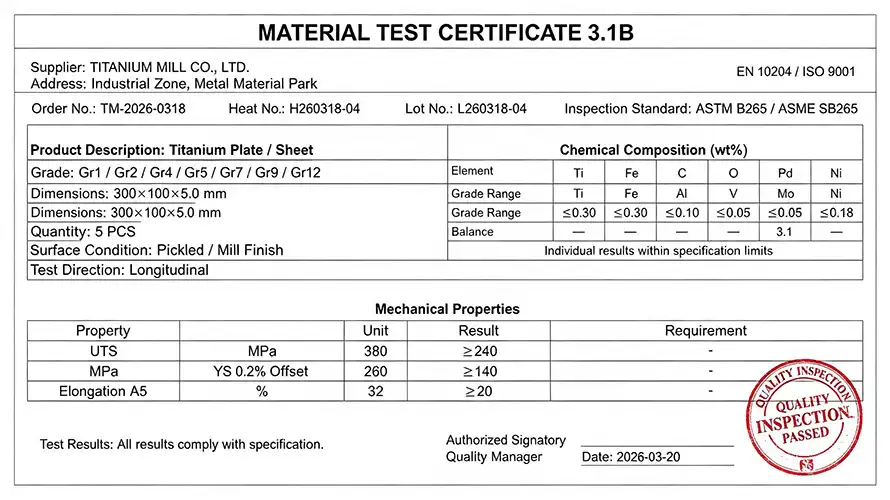
For Grade 2, it should meet ASTM B265 or AMS 4911, and for Ti-6Al-4V, it should meet ASTM F67 or ASME SB265. Always ask for a Mill Test Report that lists the chemicals, mechanical properties, and heat treatment conditions, as well as where the heat came from.
4. Can Jucheng Titanium provide custom sizes?
Yes, standard sizes run from 4 mm to 80 mm thick, 950 mm to 2,500 mm wide, and up to 10,000 mm long. You can ask for more ways to customize.
Partner with Jucheng Titanium — Your Trusted Ti-6Al-4V Sheet Supplier
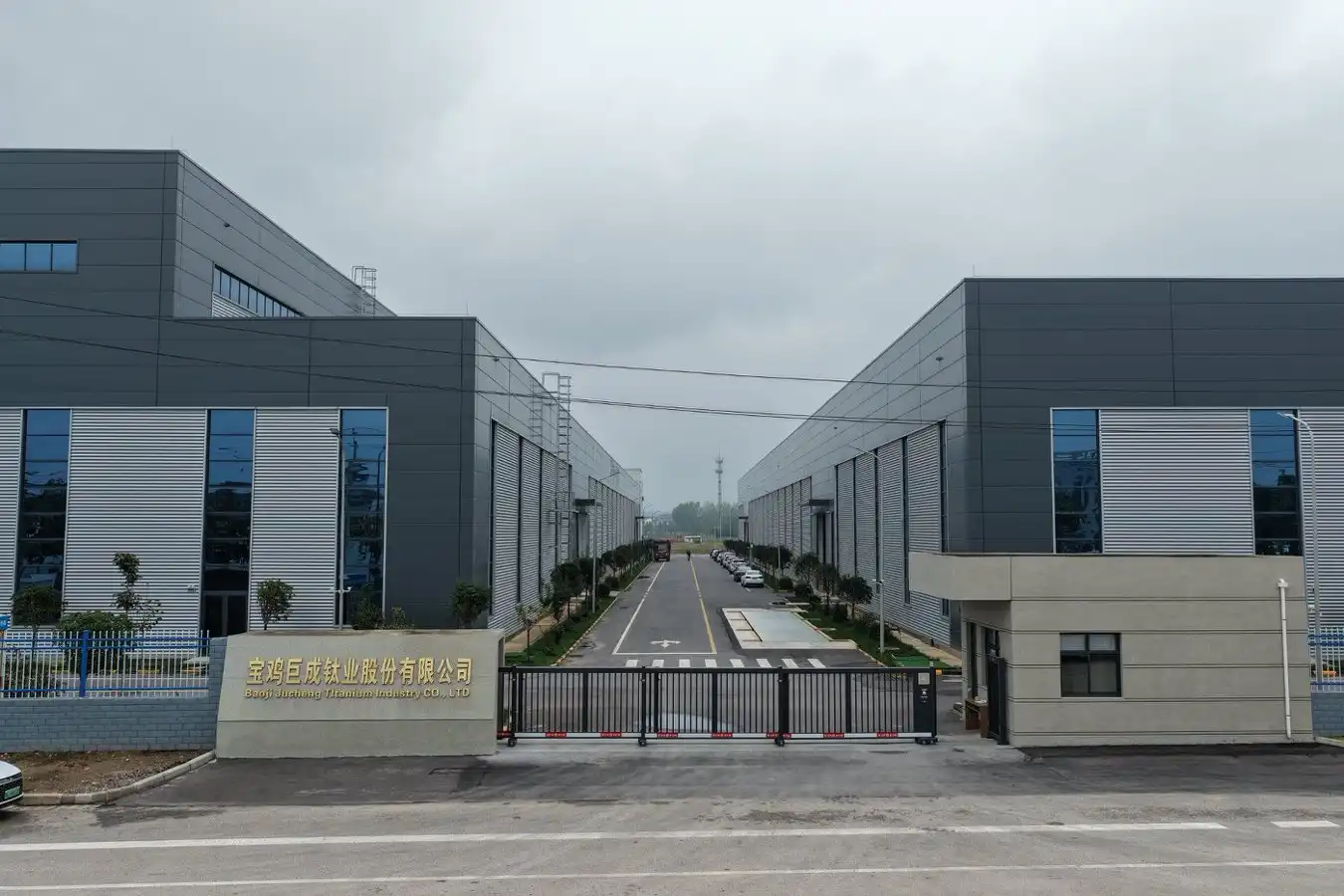
Jucheng Titanium has been making titanium goods in Baoji since 2004. We make approved titanium 6Al4V sheets and keep 3,000 tons in stock. Our products are in line with AMS 4911 and ASTM B265, and we have a trading network that goes to North America, Europe, and Southeast Asia. In other words, we can promise steady quality and real tracking. Whether you need normal stock or exact cuts made to your exact measurements, our expert team is ready to help. Email us at s4@juchengti.com right away to get a sample or a price.
References
1. Lütjering, G., & Williams, J. C. — Titanium (2nd ed.), Springer, 2007.
2. ASTM International — ASTM B265: Standard Specification for Titanium and Titanium Alloy Strip, Sheet, and Plate, ASTM International, 2020.
3. ASM International — ASM Handbook, Volume 2: Properties and Selection: Nonferrous Alloys and Special-Purpose Materials, ASM International, 1990.
4. Donachie, M. J. — Titanium: A Technical Guide (2nd ed.), ASM International, 2000.
5. Boyer, R., Welsch, G., & Collings, E. W. — Materials Properties Handbook: Titanium Alloys, ASM International, 1994.
6. Peters, M., Kumpfert, J., Ward, C. H., & Leyens, C. — "Titanium Alloys for Aerospace Applications," Advanced Engineering Materials, Wiley-VCH, 2003.