
How to Cut Grade 5 titanium plate Efficiently: 5 Expert Methods Explained
Cutting Ti-6Al-4V alloy grade 5 titanium plates requires special methods that keep the material's structure while getting the right measurements. For precise work that can't be damaged by heat, waterjet cutting is the best method. Laser cutting is best for thin to medium gauges, CNC milling is best for tight tolerances, plasma cutting is best for a wide range of medium-thickness tasks, and mechanical sawing is best for cheap batch processing. Each method solves a different problem caused by this alloy's low thermal conductivity and work-hardening properties. This process lets buying teams choose the best options based on the thickness, volume, and accuracy needs.
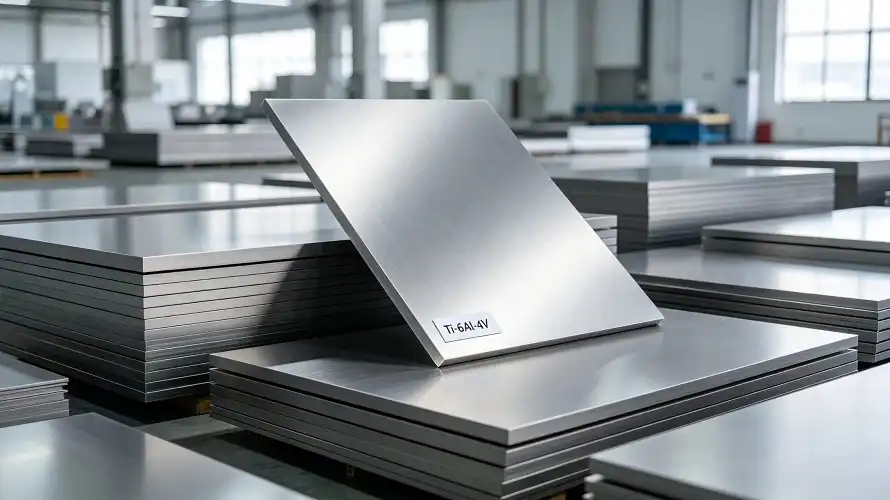
Understanding Grade 5 Titanium Plate: Properties Impacting Cutting Efficiency
As far as specifications go, Ti-6Al-4V is the most common titanium alloy. It makes up about half of all the titanium used in aircraft, medical device making, and chemical processing. With a base metal of titanium and 6% aluminium and 4% vanadium, the alloy has a tensile strength of over 900 MPa and a low mass of only 4.43 g/cm³. When used together, these parts work very well in high-stress situations at temperatures up to 400°C.
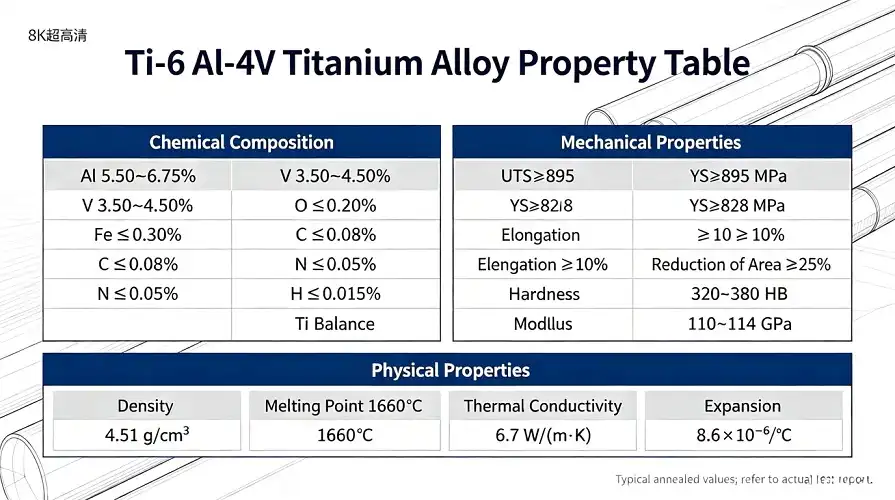
Material Characteristics That Affect Machining
The combination cuts differently from commercially pure titanium grades and other metals because of the way it behaves during cutting. Its thermal conductivity is only 7.2 W/m·K, which is about a tenth of that of aluminium alloys. This means that heat builds up where the tool meets the workpiece instead of spreading out through the material. This trait creates limited thermal zones that, if not handled correctly, can change the microstructure and cause residual stresses. Because the material tends to work harden when it is deformed, cutting techniques must keep feed rates constant while minimising pressure and friction.
Industry Standards and Specifications
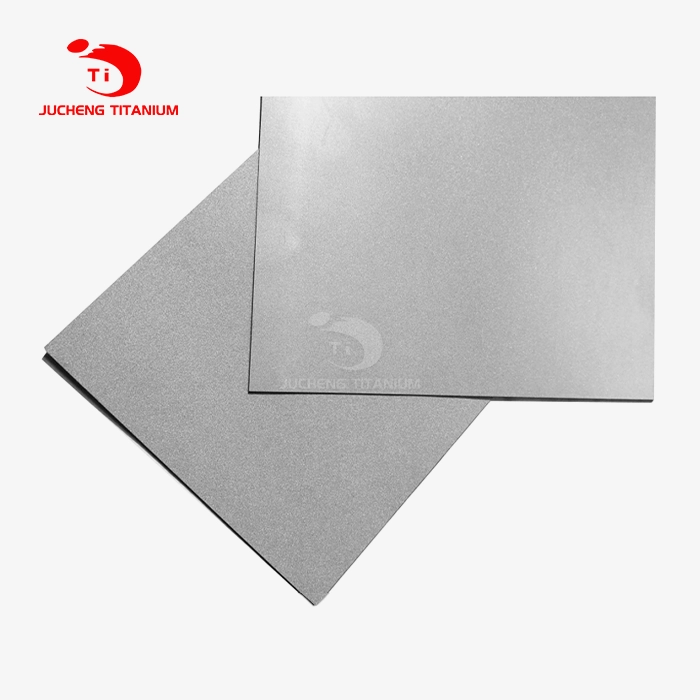
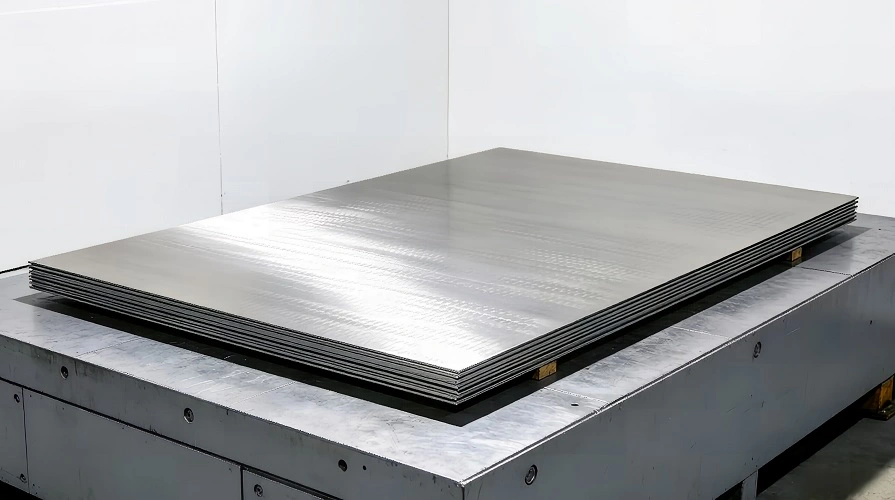
Baoji Jucheng Titanium Industry makes Ti-6Al-4V plates that meet ASTM B265, AMS 4911, and ASME SB265 standards. The plates come in widths of up to 2,500 mm, lengths of up to 10,000 mm, and thicknesses ranging from 4 mm to 80 mm. Our hot-rolled plates go through controlled heating processes and then acid pickling or polished surface treatments. This makes sure that the material is consistent, which has a direct effect on how well they cut and the quality of the end part.
Challenges When Cutting Grade 5 Titanium Plate
Cutting Grade 5 titanium plate presents some difficulties. There are specific problems with milling this alpha-beta metal that have a big effect on production prices and the quality of the parts. When procurement workers understand these problems, they can judge the skills of suppliers and set reasonable deadlines for projects.
Heat Management and Thermal Distortion
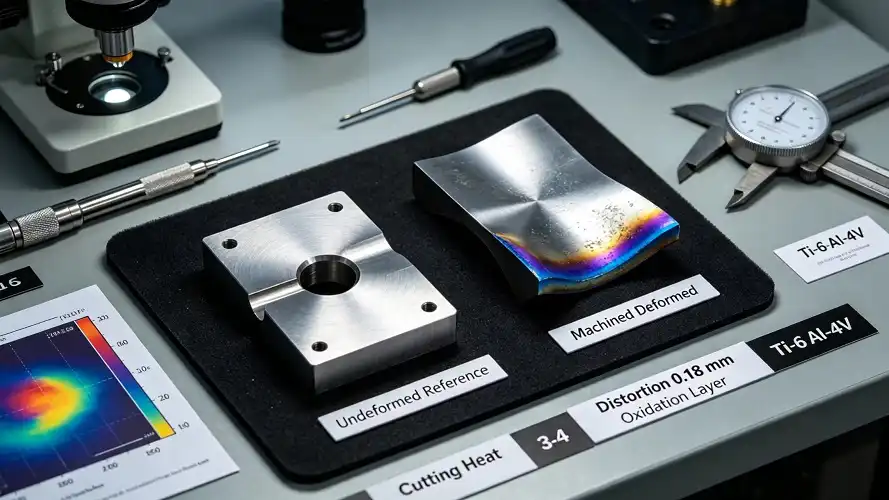
Because the alloy doesn't transfer heat well, it forms hot spots that reach temperatures above 500°C when it is cut. This could lead to phase changes in the microstructure of the material. This buildup of heat can cause thin parts to warp and leave behind forces that make the dimensions less stable. Parts that need to fit together perfectly need cutting methods that either don't make any heat at all or use good cooling strategies throughout the process.
Tool Wear and Operational Costs
When compared to steel or aluminium cutting, Ti-6Al-4V wears down much faster because it is rough and reacts chemically with tool materials at high temperatures. When used for short periods of time, carbide tools get crater wear and edge chipping, while high-speed steel tools don't work well for long production runs. The effect on the economy goes beyond the cost of new parts. It also includes machine downtime, setup changes, and possible scrap from lower-quality cuts as tools get close to the end of their useful lives.
Safety Considerations in Titanium Processing
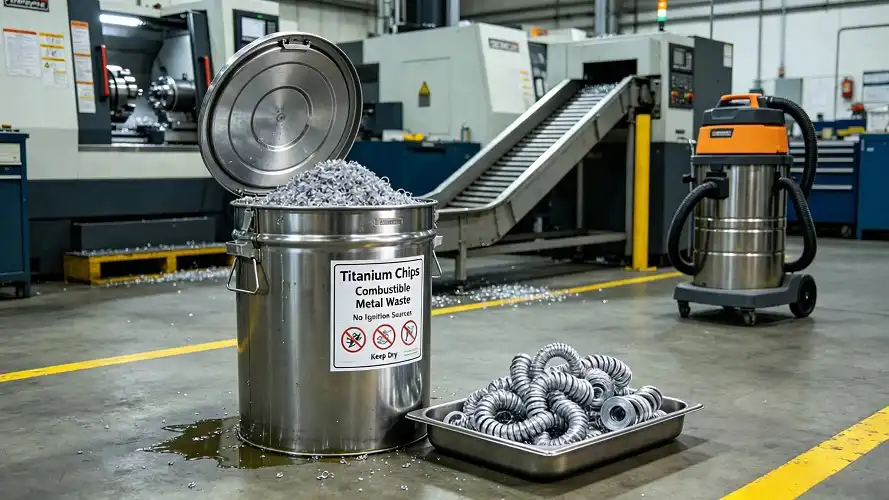
Small bits of titanium and swarf that are left over after cutting can start fires in some situations, especially when cutting without enough cooling systems. Because the material reacts with oxygen at particle sizes smaller than 200 microns, it needs to be properly ventilated, have chip collection systems, and be stored. Aside from instant safety concerns, procurement teams must make sure that suppliers take the right safety steps. This is because accidents can cause production delays and supply chain disruptions.
5 Expert Methods for Efficiently Cutting Grade 5 Titanium Plate
Choosing the right cutting method has a direct effect on the amount of material produced, the quality of the parts, and the cost of the job. Each method has its own benefits that make it better for a certain type of application. Five expert tips for cutting Grade 5 titanium plate quickly and easily.
Waterjet Cutting: Heat-Free Precision
High-pressure water streams (usually 50,000 to 90,000 psi) and garnet abrasive bits are used in abrasive waterjet cutting to wear away material without leaving heat-affected zones. This cold-cutting method keeps the alloy's mechanical properties and microstructure the same across the whole plate thickness. This means that there are no worries about thermal damage even in thin parts. The method works well with thicknesses ranging from 4 mm to 80 mm, giving kerf widths of about 1.0 mm to 1.5 mm and edge quality good enough for many uses without extra finishing.
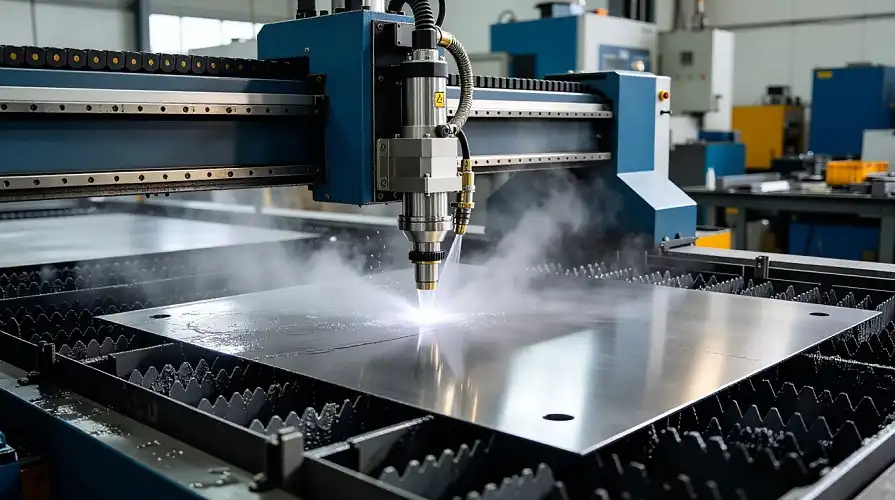
This method works great for working with prototypes, parts that are stacked, or complicated shapes where tooling costs need to be kept as low as possible. Our building has waterjets that can cut plates up to 2,500 mm wide, which makes it easy to use materials efficiently for things like aircraft brackets, chemical processing parts, and medical device blanks. Setting up for small batches is faster because the tools don't wear out and can cut in any direction without having to be turned around.
Laser Cutting: High-Speed Accuracy
Fibre laser systems with wavelengths around 1,070 nm can give more than 1 MW/cm² of focused energy, which melts materials along predetermined lines with few areas that get too hot. This method works best on Ti-6Al-4V plates that are between 4mm and 20mm thick, making kerf widths as thin as 0.3mm and edges that are perpendicular to the surface within ±0.1mm. Assist gases, which are usually nitrogen or argon, keep the cutting zone from oxidising while ejecting liquid material.
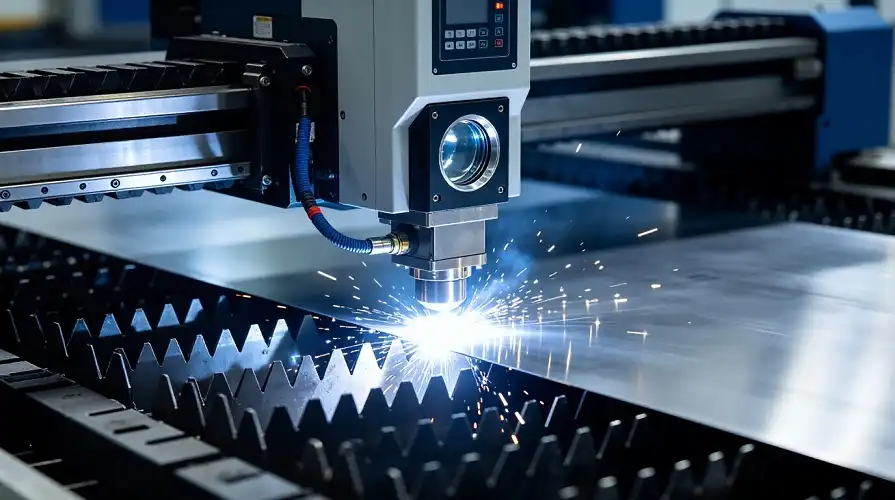
To keep edge quality uniform and stop too much dross from forming on the bottom surfaces, processing factors need to be carefully optimised. When production volumes are high enough to support buying new equipment, laser cutting is the best way to make thin-gauge aerospace skins, medical instrument parts, and car exhaust system parts. The technology works perfectly with CAD/CAM systems, so it's easy to switch between plans quickly without having to change the tools themselves.
CNC Milling: Tight Tolerance Achievement
Carbide or polycrystalline diamond (PCD) cutting tools are used in computer-controlled milling processes to remove material by controlling chip formation. This is how dimensions are kept within ±0.025 mm, and surface roughness is kept below 1.6 Ra. This subtractive process gives you complete control over the shape of the part, making it possible to create complex three-dimensional features, pockets, and curved surfaces that you can't get with other cutting methods.
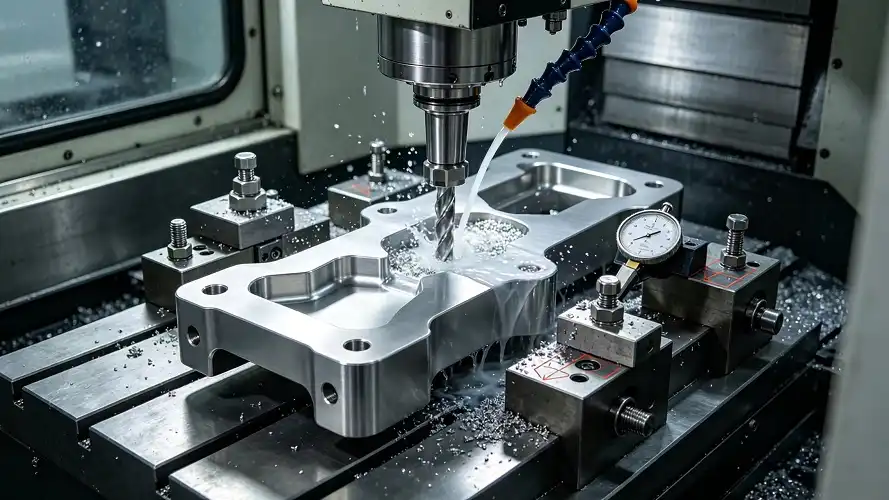
Titanium milling works best with rigid machine sets, slow cutting speeds (30–60 m/min surface speed), and lots of coolant flow to get rid of chips and keep the temperature stable. To keep the work from getting too hard, tool paths must maintain constant chip loads while minimising contact time. This method works well for production situations that need a smooth surface, accurate control of thickness, or the ability to combine cutting processes with later machine steps. Milling is more flexible than thermal cutting, but it takes longer to do cycles of parts like aircraft structural fittings, pump housings, and valve bodies.
Plasma Cutting: Versatile Medium-Thickness Processing
Ionising compressed gas (usually air, nitrogen, or oxygen) creates electrically charged plasma that can reach temperatures above 20,000°C. This plasma melts and moves material along the cutting path. The process works well with Ti-6Al-4V plates that are between 10 mm and 50 mm thick and can make kerf sizes between 3 mm and 6 mm. It also cuts much faster than mechanical methods. Edge quality includes a heat-affected zone that is 0.5 to 2.0 mm deep and top rust that needs to be removed for important uses.
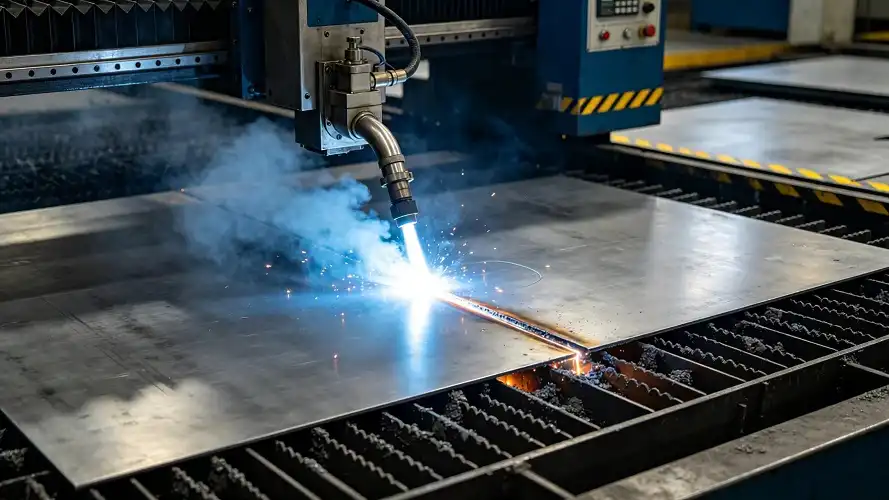
The technology shows that it can be used to make structural parts, frames for chemical processing equipment, and parts for industrial tools that need to have their edges smoothed out to meet final specs. Modern high-definition plasma systems make kerf lengths smaller and lessen the formation of waste. This increases the output of the material and lowers the need for finishing. Our engineering team decides if plasma cutting is possible by looking at the part tolerance standards, the output quantities, and the downstream processing options that the customer's facilities offer.
Mechanical Saw Cutting: Cost-Effective Batch Processing
Bandsaw blades with carbide or cermet tips that spin at 20 to 40 metres per minute are an easy way to cut Ti-6Al-4V plate stock into blanks that can be processed further. This method is great for making straight cuts through widths of up to 80 mm, leaving relatively wide kerfs (4–8 mm) and a surface finish that is good for parts that need more work. Using coolant and controlling the feed pressure keeps the blades from getting too hot and wearing out too quickly, and they also keep chips from forming.
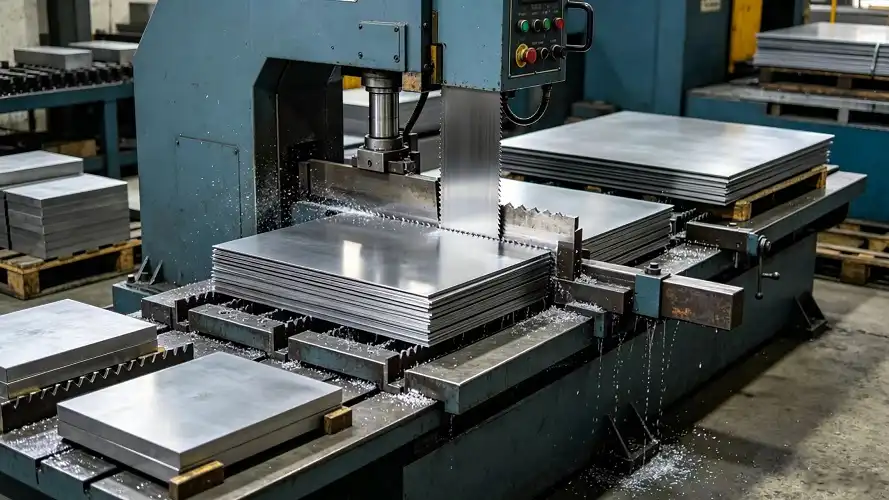
Sawing is the most cost-effective way to make rectangular pieces from master plates, especially when working with the stock sizes we have. This method works well for making prototypes, small batches, and getting ready for cutting or grinding processes. When overall processing costs are lower than other ways, it makes sense to lose material with wider kerfs. This is especially true when the blank size allows for a lot of room for machining.
All five of these methods cover the different types of Ti-6Al-4V cutting jobs needed in industries such as making aeroplane parts, chemical equipment, medical devices, and building industrial machinery.
How to Choose the Best Cutting Method for Your Titanium Plate Needs?
To choose the best method, you need to carefully look at a lot of different factors that affect both the technical performance and the economic results. Structured decision frameworks help procurement pros match their cutting skills with the needs of the project.
Thickness and Dimensional Considerations
When choosing a method, plate width is the most important factor, and each one works best within certain levels. Waterjet cutting keeps the quality the same from a width of 4 mm up to an 80 mm limit, while laser cutting works best below 20 mm. CNC cutting can handle any thickness up to the limit of the machine, but it takes a lot longer to work with thicknesses above 30 mm. Plasma cutting works with thicknesses between 10 and 50 mm, and sawing can handle all thicknesses for straight cuts. Part complexity, such as internal features, angular cuts, or curved curves, makes it even harder to choose. Waterjet and laser systems, on the other hand, are better at handling complex shapes.
Precision Requirements and Surface Quality
The right cutting methods are chosen based on the required tolerances and surface finish. Precision CNC milling or waterjet cutting is needed for jobs that need dimensions to be accurate within ±0.05 mm and heat-affected zones to be kept to a minimum. Laser cutting creates very sharp edges with only a few areas affected by heat, making it ideal for most medical and military uses. Plasma cutting is a cost-effective way to make parts that can handle bigger size differences (±0.5mm) and heat-affected zones up to 2mm deep. It is important to know what downstream processing can do because extra machining can bring edges that were cut faster up to the final standards.
Production Volume and Lead Time Analysis
Through tool use and initial cost amortisation, the size of the project affects the choice of method. Laser cutting systems work best when they are used for production runs of more than 50 pieces and the programming time is split between several units. Due to its ease of setup, waterjet cutting is good for both making prototypes and making things in middle quantities. When making more than 20 complex parts, CNC cutting can afford to take longer cycle times because the cost of the tools is worth it. When you only need to prepare a few blanks, mechanical sawing is the best choice. For medium to large batches, plasma cutting is the best choice because it matches speed and cost.
Supplier Capability Evaluation
Working together with makers who keep a wide range of cutting technologies and a lot of materials in stock speeds up project timelines and lowers supply chain risks. Baoji Jucheng Titanium Industry keeps about 3,000 tonnes of different types of grade 5 titanium plate in stock. This lets them quickly fill custom-cut orders without having to wait for materials to arrive. Our 120,000-square-meter building has waterjet, laser, CNC milling, and sawing machines, as well as expert teams that help customers find the best cutting settings for their needs. This unified method gives purchasing managers a single source for all of their needs, from getting materials to delivering final parts.
Conclusion
To cut Ti-6Al-4V alloy plates efficiently, you need to match the right methods to the job while keeping cost, accuracy, and speed in mind. For complicated shapes, waterjet cutting doesn't have to worry about temperature; laser systems provide high-speed accuracy for thin to medium gauges, CNC milling gets better tolerances, plasma cutting is cost-effective, and mechanical sawing is useful for preparing blanks. Successful buying strategies focus on suppliers' abilities to offer a wide range of materials, cutting technologies, and scientific know-how that help set the best guidelines for each project. Building partnerships with companies that offer full titanium processing cuts down on wait times, ensures consistent quality, and lowers supply chain risks in industries like aircraft, chemical processing, medical devices, and industrial equipment.
FAQ
1. What maximum thickness can be laser cut in Ti-6Al-4V alloy?
Fibre laser devices can successfully cut Ti-6Al-4V alloy plates up to about 20 mm thick with excellent edge quality and few areas affected by heat. It is possible to get thicknesses between 20 and 25 mm, but the edges may need to be finished again to get rid of oxidation and meet measurement limits. When the thickness goes above 25 mm, laser cutting is no longer a viable option due to longer cycle times, more dross buildup, and bigger heat-affected zones that damage the material's qualities. When cutting bigger pieces, waterjet or plasma cutting works best.
2. How does the annealed state affect cutting parameter selection?
When compared to solution-treated and old states, annealed Ti-6Al-4V is less hard and easier to machine. This means that higher feed rates and longer tool life are possible during mechanical cutting operations. Our annealed plates, which are provided according to ASTM B265 standards, have uniform hardness values, which makes it easy to predict how well they will cut across production runs. The stress-relieved microstructure lowers the risk of warping during thermal cutting and the tendency for work-hardening to happen during grinding.
3. Can suppliers provide custom-cut plates with expedited delivery?
When compared to mill-direct sourcing, which requires material production, manufacturers with large inventories and combined cutting facilities can supply custom-cut Ti-6Al-4V alloy plates in shorter amounts of time. The 3,000-tonne stock at Baoji Jucheng Titanium Industry allows cutting operations to begin as soon as an order is confirmed. Delivery usually takes 7–15 days, based on the complexity and amount of the order. This plan, which is based on inventory, gets rid of the 8–12 week wait times that come with special mill orders.
Partner with Jucheng Titanium for Superior Grade 5 Titanium Plate Solutions
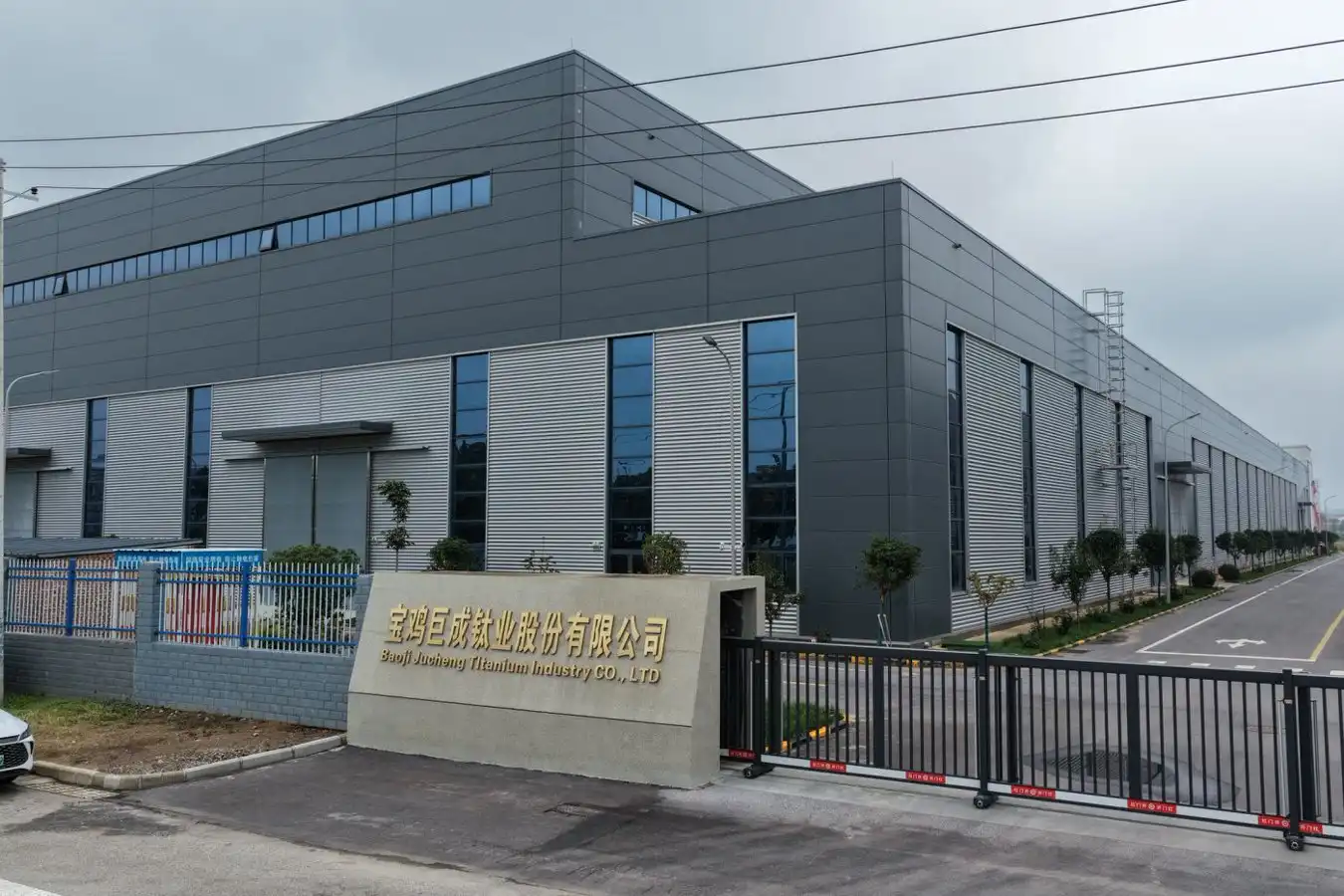
Baoji Jucheng Titanium Industry Co., Ltd. has been processing titanium for more than 20 years and has a wide range of cutting skills to serve aircraft makers, chemical equipment fabricators, and medical device manufacturers around the world. We are a provider of Grade 5 titanium plates and keep 3,000 tonnes of approved inventory that meets ASTM B265, AMS 4911, and ASME SB265 standards. We can provide custom-cut plates from 4mm to 80mm thick with faster lead times than mill-direct sources. Our integrated centre has systems for waterjet, laser, CNC milling, and precision sawing. It also has engineering teams that help you get the best cutting settings for your needs. We are a national high-tech enterprise with 45 patents on production methods. We make sure that vital parts have consistent quality and the technical help they need. Get in touch with our purchasing experts at s4@juchengti.com to talk about your titanium plate needs and get reasonable quotes backed by the stability of our supply chain.
References
1. Donachie, M.J. (2000). Titanium: A Technical Guide, 2nd Edition. ASM International, Materials Park, Ohio.
2. Boyer, R., Welsch, G., and Collings, E.W. (1994). Materials Properties Handbook: Titanium Alloys. ASM International.
3. Ezugwu, E.O. and Wang, Z.M. (1997). "Titanium Alloys and Their Machinability—A Review," Journal of Materials Processing Technology, Vol. 68, pp. 262-274.
4. Peters, M., Kumpfert, J., Ward, C.H., and Leyens, C. (2003). "Titanium Alloys for Aerospace Applications," Advanced Engineering Materials, Vol. 5, No. 6, pp. 419-427.
5. American Society for Testing and Materials (2021). ASTM B265: Standard Specification for Titanium and Titanium Alloy Strip, Sheet, and Plate. ASTM International, West Conshohocken, Pennsylvania.
6. Machado, A.R. and Wallbank, J. (1990). "Machining of Titanium and Its Alloys—A Review," Proceedings of the Institution of Mechanical Engineers, Part B: Journal of Engineering Manufacture, Vol. 204, pp. 53-60.