
How Durable Is Grade 5 Titanium Seamless Tube?
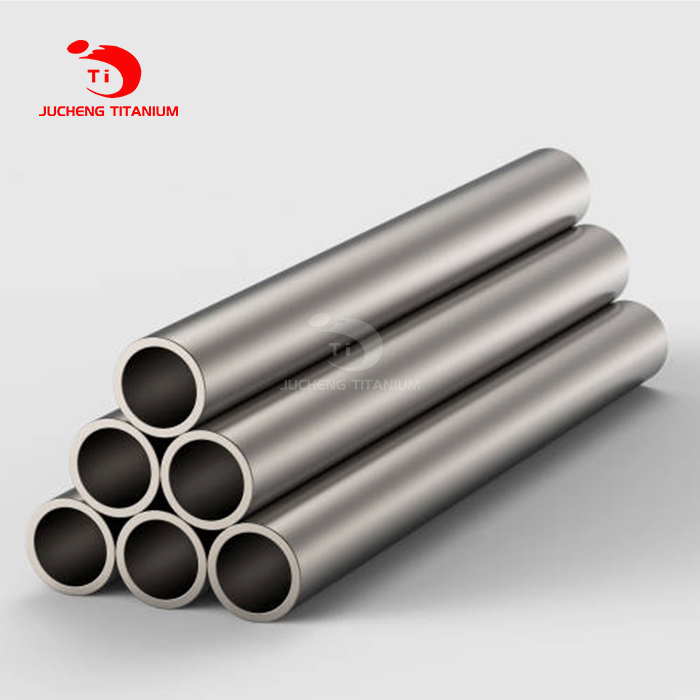
Grade 5 titanium seamless tube is forceful because it is made of a metal called Ti-6Al-4V. This material has a tensile strength of more than 895 MPa and is very resistant to corrosion in tough conditions. Because it is made without any welds, there are no weak spots. This means that it will always work well at temperatures up to 400°C and pressures up to 5,000 PSI. Its low density of 4.43 g/cm³ and high wear resistance make it essential for hydraulic systems in spacecraft, underwater drilling tools, and chemical processing equipment, where failure is not an option.
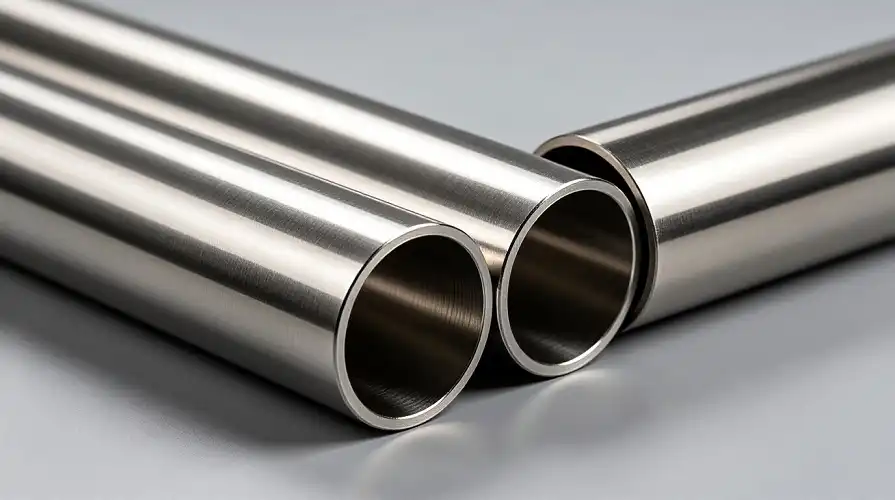
Understanding the Durability of Grade 5 Titanium Seamless Tube
Grade 5 titanium seamless tube Durability: An Understanding
The Foundation: Chemical Composition and Alloy Design
Extended life begins with chemistry. Grade 5 titanium seamless tube contains 6% aluminium and 4% vanadium. This combination produces an alpha-beta phase microstructure. Aluminium stabilises the alpha phase, making it less dense and more rust-resistant. Vanadium strengthens the beta phase, increasing tensile and yield. This two-phase structure offers the tube a balance that industrial alloys rarely have—it can tolerate mechanical stress and environmental degradation.
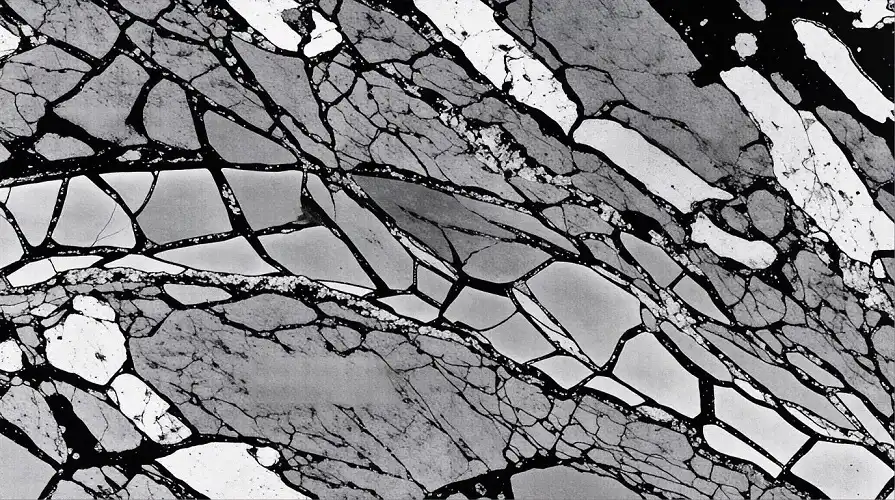
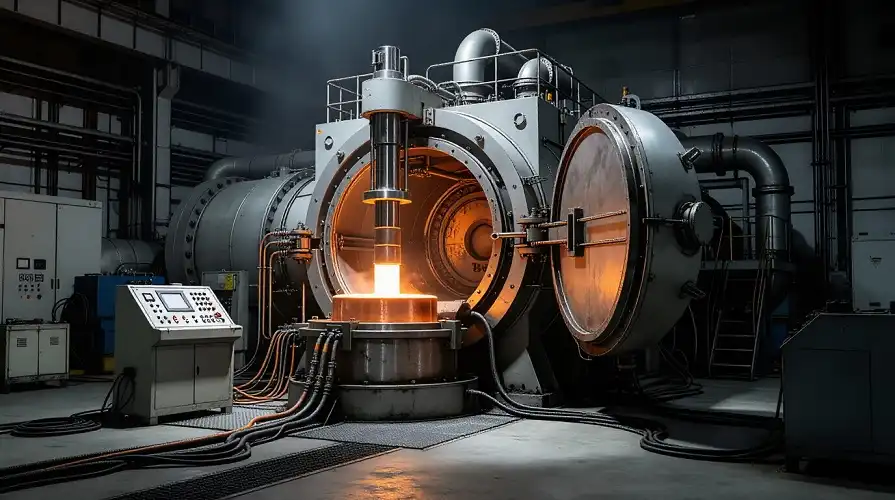
Intermediate parts must be well-controlled. Nitrogen and hydrogen levels are kept low, oxygen at 0.20%, and carbon is strictly controlled. Significant concentrations of these elements can weaken strong and flexible materials. By using precision melting and vacuum arc remelting, manufacturers may clear critical tubes. Every batch of tubes at our Baoji plant undergoes inert gas fusion analysis to ensure its composition before processing.
Heat Treatment's Role in Longevity
Heat treatment improves material quality and durability. When you anneal something between 700°C and 900°C, you remove cold rolling or cutting tensions. This procedure refines grain structure, making the material more flexible without weakening it. The tube has a homogeneous 36 HRC hardness and resists cracking after repeated loading and unloading.
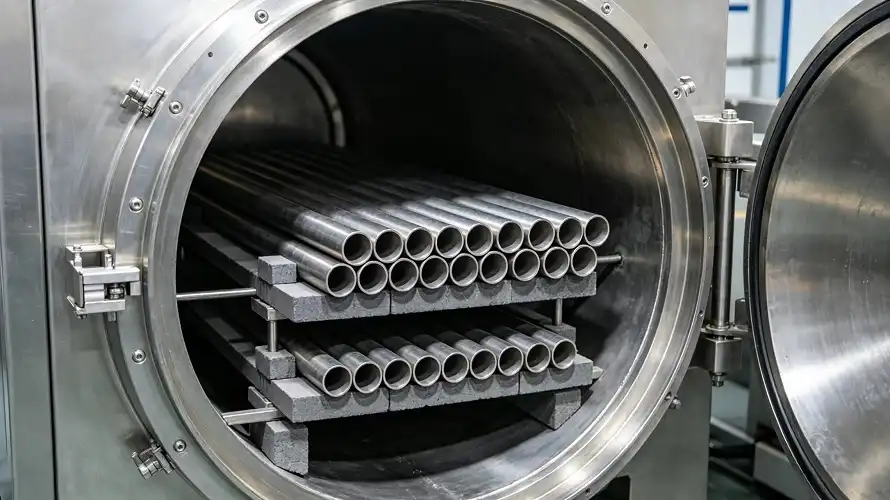
Advanced processing for specialised applications includes solution treatment and ageing. After breaking down secondary stages at 955°C, the solution cools swiftly. Over time, ageing at 540°C generates small alpha particles inside the beta matrix, increasing yield strength. Engineers can adjust these regulated heat cycles to make mechanical reactions steady for downhole measurement equipment or shock-resistant landing gear actuators.
Environmental Resistance in Demanding Conditions
While stainless steel breaks down in saltwater, a grade 5 titanium seamless tube holds up. The predominantly TiO₂ passive oxide layer builds and repairs itself. This tube can withstand marine chloride ion attacks that would devour other metals in months. Offshore digging has demonstrated that tubes can work in seawater for years without decreasing wall thickness.
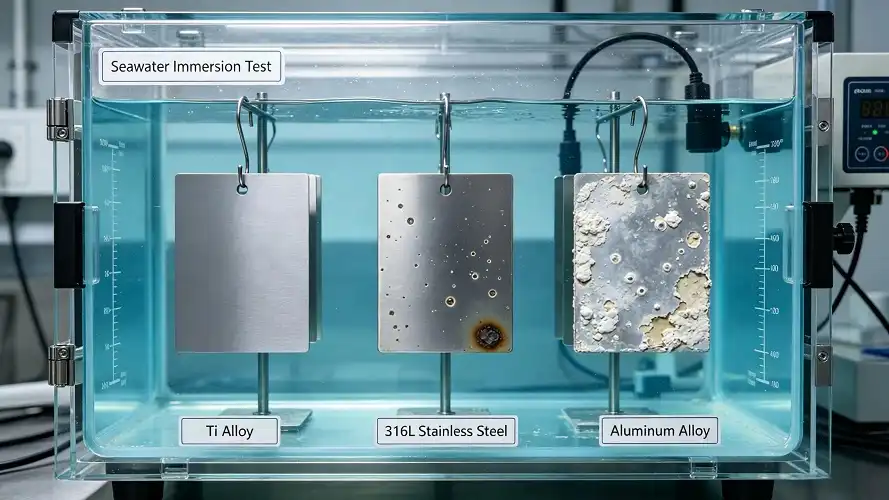
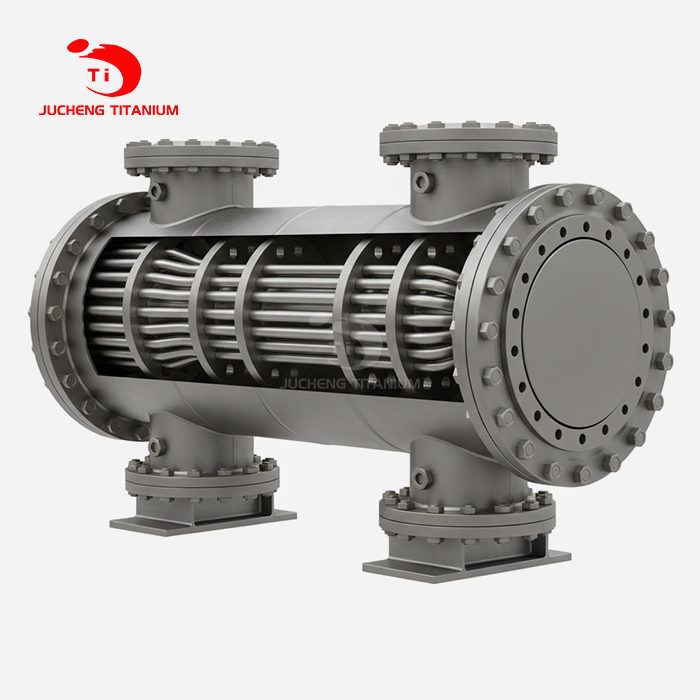
Different difficulties might emerge in chemical processing plants. Nitric acid reacts well with the tube, which resists chlorine solutions. By selecting the right working conditions, corrosion rates can be kept low, even if reducing acids may harm the tubes more than pure titanium grades. Petrochemical plants with corrosive process lines employ these tubes in heat exchanges. They conduct heat well and don't react with chemicals, so they're suitable
Key Properties Influencing the Durability of Grade 5 Titanium Tubes
Mechanical Strength and Fatigue Performance
Tensile strength indicates load-bearing. Based on historical processing, grade 5 titanium seamless tube has a final tensile strength of at least 895 MPa and often more than 950 MPa. Its yield strength is 828 MPa, three times that of Grade 2 commercially pure titanium. This strength allows smaller wall portions to hold the same pressure. This reduces weight without compromising safety.
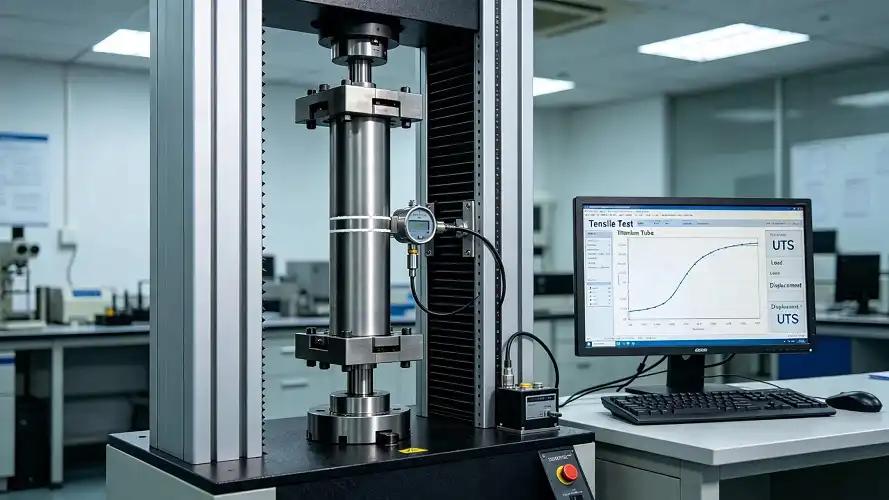
In shifting settings, fatigue resistance is crucial. Aerospace parts undergo millions of stress cycles when working. Seamless structure eliminates horizontal welds, which develop tension and fissures. Properly treated Grade 5 titanium seamless tubes can endure over 10^7 rounds of stress amplitudes that would break welded options in lab tests. A smooth internal tube surface prevents turbulence-induced vibrations that accelerate hydraulic system wear by piercing and polishing the mandrel.
It's stiff enough for structural usage with an 113.8 GPa elastic modulus. This provides controlled displacement that receives shock loads instead of sending them to mounting points, while being less than 200 GPa steel. In suspension parts, motorsports engineers exploit the tube's springiness to improve ride and handling.
Composition Breakdown and Grade Comparison
Knowing what makes Grade 5 titanium seamless tubing unique helps with the purchase. Commercially pure titanium grade 2 resists rust but only emits 275 MPa, not enough for high-stress applications. Grade 9 has 3% aluminium and 2.5% vanadium, a strength of 620 MPa, and forms better when cold. When strength-to-weight ratio is crucial, Grade 5 titanium seamless tubing is still the benchmark.
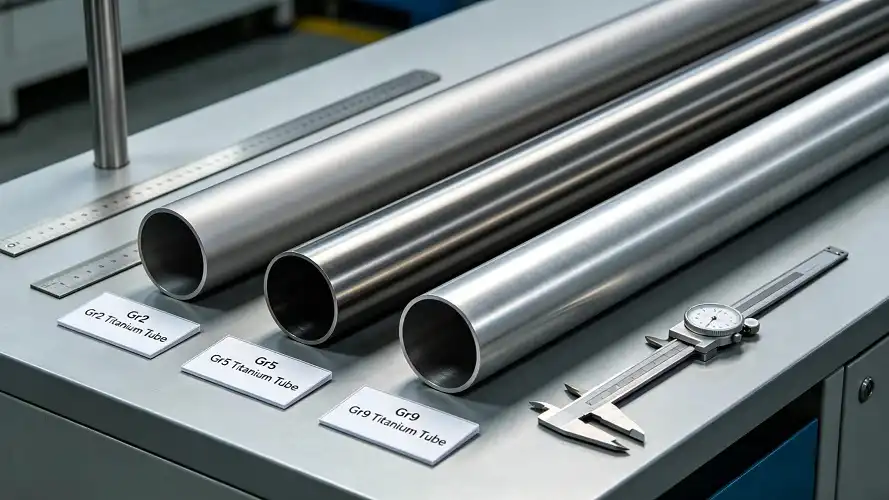
Jucheng Titanium ensures that our Grade 5 titanium seamless tube meets ASTM B861 and AMS 4943. This product ensures chemical and mechanical qualities. Tube grades include Gr1, Gr2, Gr3, Gr5, Gr7, Gr9, and Gr12. Buyers can choose the best material. We supply outer sizes from OD3 to OD219 mm and wall thicknesses from 0.5 to 20 mm. Our extrusion, cutting, and cold rolling skills allow us to make unique sizes for each job.
Temperature Stability and Cryogenic Behavior
The operating temperature range has a big effect on the choice of material. Grade 5 titanium seamless tube keeps its mechanical qualities up to about 400°C, making it good for industrial and aerospace uses that need to work with mild temperatures. After this point, creep starts to be a problem, and special metals might be needed. The thermal expansion coefficient of 8.6 µm/m·K of the tube is very close to that of some ceramics and composites. This means that there is less stress at the joints of different materials when the temperature changes.
For liquefied gas uses, cryogenic efficiency is worth mentioning. Titanium alloys stay flexible down to -196°C, while many metals become rigid at low temperatures. This property helps Grade 5 titanium seamless tubes that are used in systems with liquid nitrogen and oxygen by keeping them from breaking in a very bad way. Even though Grade 23 (the ELI version) is better for cryogenic toughness, Grade 5 titanium seamless tube works fine in many low-temperature situations.
Comparative Analysis: Grade 5 Titanium vs Other Materials
Grade 5 Titanium Against Stainless Steel
The chemical industry generally employs 316L stainless steel for cost. However, a grade 5 titanium seamless tube is stronger than 316L stainless steel. Titanium has a density of 4.43 g/cm³, while steel is around 8.0 g/cm³. Titanium weighs 45% less than steel per volume. Aircraft systems where every gram matters benefit from this differential in fuel economy and payload.
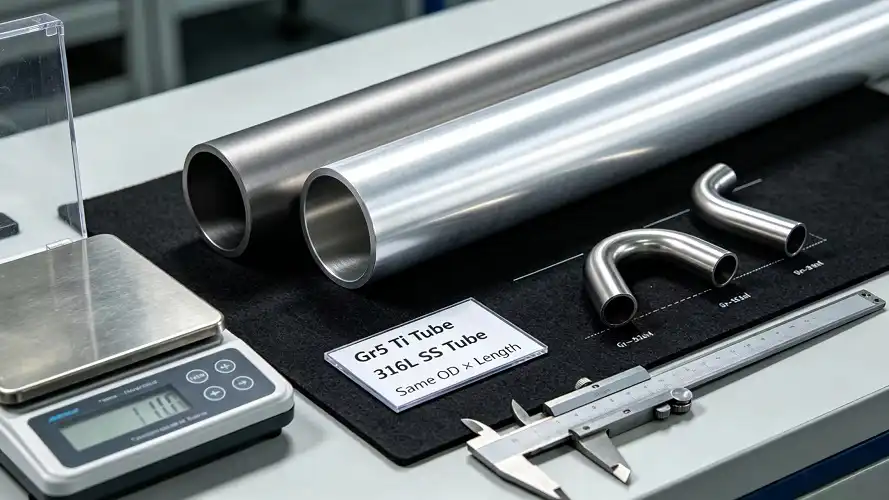
Climate impacts corrosion resistance. Chloride-rich solutions pit and pocket rust stainless steel, whereas titanium's passive layer remains stable. When a chemical business moved from steel to titanium brine cooling tubes, it no longer needed to change them annually. Even though the initial expenditure was higher, ownership costs were lower. The tubes work after ten years without wear.
Their strength-to-weight ratio distinguishes them best. Grade 5 titanium seamless tube is half as heavy as grade 4 but as strong. Weight-sensitive applications, including aircraft hydraulic lines, race car parts, and portable tool frames, benefit from this advantage. Structure goals and bulk costs are met by designers.
Aluminum Alloys: When Lightness Isn't Enough
Aluminium alloy 6061-T6 has a mass of 2.70 g/cm³, making it lighter than titanium. But its peak tensile strength is just 310 MPa, a third of that of Grade 5 titanium seamless tube. Metal is unsuitable for engineers who seek minimal weight and maximum strength. Aluminium tubes need larger walls to achieve burst strength, which negates the density gain and increases envelope sizes in aerospace actuator housings.
Corrosion acts differently. An oxide layer protects aluminium, but alkaline and industrial chemicals break it down. Titanium is superior for producing equipment that handles many process streams since it is stable throughout a larger pH range and chemical interaction. Despite its higher cost, Grade 5 titanium seamless tubing can withstand circumstances that rust metal in weeks.
Grade 9 Titanium: The Formability Trade-off
Grade 9 titanium cold forms well due to less alloying. Tube manufacturers can reduce production costs by cold pilgering. For applications requiring strength between a Grade 5 titanium seamless tube and commercially pure steel, Grade 9 is the cheaper option. This type is used for bicycle frame tubes and medical instrument shafts.
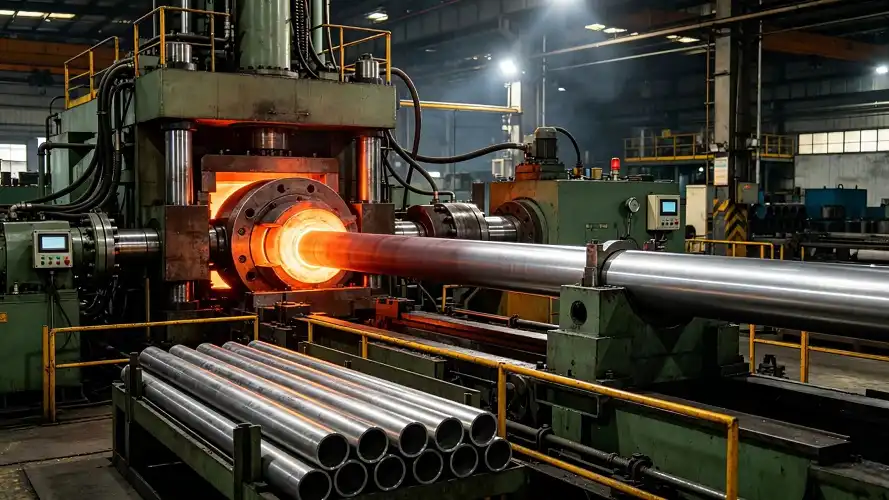
When builders need the strongest material, Grade 5 titanium seamless tube is best. It can reduce weight by making smaller cross-sections because it is 30% stronger than Grade 9. For high-pressure downhole drilling equipment, Grade 5 titanium seamless tubes' higher performance complements the more challenging production processes. Our production team at Jucheng Titanium uses hot extrusion and precision cutting to manufacture smooth tubes that meet aerospace and defence standards.
Procurement Considerations for Grade 5 Titanium Seamless Tubes
Certification and Material Verification
Grade 5 titanium seamless tube comes with full test reports. These papers, which follow ASTM B861, ASTM B338, or ASME SB338 standards, list the chemical makeup and mechanical properties proven by spectroscopic and tensile testing. Purchasing managers should verify that records have heat numbers that match melt batches. Inspectors need this tracking to link field issues to production runs.
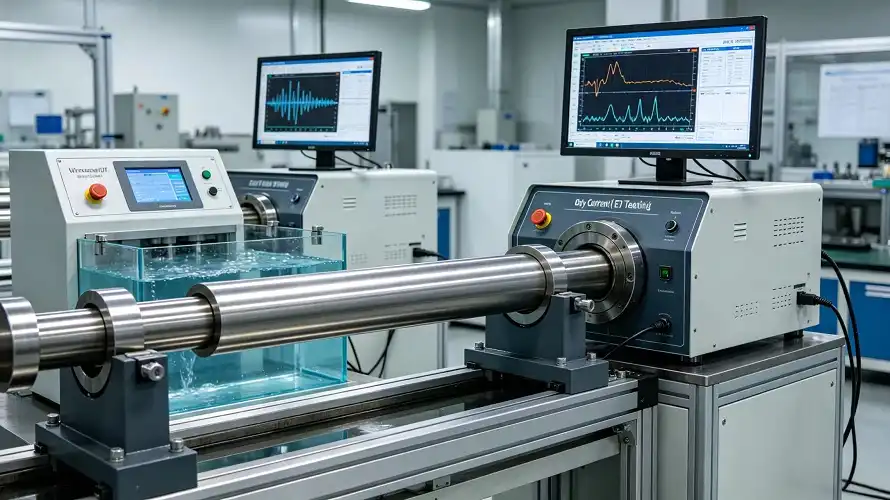
Third-party inspections boost confidence. Ultrasonic testing finds internal faults, eddy current testing finds surface cracks, and hydrostatic testing confirms pressure ratings. All testing are done by independent labs. Flight tubes are generally certified to AMS 4943, which has tighter tolerances and greater quality controls than market norms. Jucheng Titanium updates these certificates to ensure our products meet the highest standards.
Supply Chain Dynamics and Lead Times
Transporting titanium worldwide is difficult. Due to raw material procurement, production planning, and international shipping, lead times might be weeks or months. Understanding these aspects helps procurement managers plan better. We can send standard sizes from popular brands in a few days. However, custom sizes take time to make.
Keeping 3,000 tonnes of titanium in store year-round allows for speedy client service. Our Baoji facility stocks tubes in typical diameters and wall thicknesses for immediate shipment. For unique specs, we can build over 500 sets of equipment every year, and our schedule is flexible enough for essential tasks. We deal with freight forwarders who know how to ship titanium to and from the US and Europe to save travel time and ensure proper handling.
Minimum order amounts vary by product and supplier. Grade 5 titanium seamless tubes have larger MOQs than soldered ones since they cost more to set up. Discuss how much they require early in the buying process. When orders from several projects are merged, economies of scale reduce unit costs and allow phased delivery.
Custom Sizing and Pricing Structures
Standard tube sizes work for many applications, but engineered systems require particular sizes. We can work with 3 mm to 219 mm outer sizes and 0.5 mm to 20 mm wall thicknesses. If the diameter or length is outside this range, you need to make an extrusion die, use special mandrels, or draw in numerous passes. These tasks demand time and money, which buying teams must measure against performance advantages.
Price depends on material costs, manufacturing complexity, and order volume. Grade 5 titanium seamless tube costs higher than commercially pure grades due to alloying and production issues. Hot extrusion or cutting requires more expensive equipment than welded tube mills for seamless production. Buyers should stick to conventional sizes and only order unusual sizes if the performance justifies the extra cost.
Surface treatment affects price as well. The basic finish of annealed and pickled tubes is suitable for most commercial uses. Controlled atmospheric processing brightens and smooths surfaces and allows for more accurate proportions. Polished or machined finishing costs more but may be necessary for health or assembly fit. Customers may tell us what they require for their projects because we do all these surface treatments on location.
Choosing the Right Supplier for Grade 5 Titanium Seamless Tubes
Evaluating Supplier Credentials and Quality Systems
Beyond pricing, choosing a supplier entails many aspects. ISO 9001 certificates demonstrate planned process control. AS9100 for aircraft and ASME for pressure tanks demonstrate the company's expertise. Quality management systems ensure tight paperwork, tracking, and growth for suppliers to regulated businesses.
Production is also crucial. Does the supplier create everything from raw materials to the final tube, or do they buy and sell? Vertically integrated companies regulate product and wait times. Jucheng Titanium gets titanium sponge, vacuum arc remelts billets into tubes, heat treats, and checks them. We can be stable and adjust quickly to specification changes with this combo.
Location affects logistics and help. Suppliers with delivery sites near clients can reduce shipping costs and travel times. Few regions produce most of the world's titanium. With its knowledge and facilities, Baoji has become China's Titanium Valley, where our company is located. To ensure long-term supply chain stability, buyers should assess if a supplier's location makes it easier to access raw materials and trained staff.
Technical Support and Value-Added Services
Delivering materials isn't enough to make a job successful. Engineering support helps customers make plans that are better for performance and ease of production. Our technical team works with clients to choose the right grades, sizes, and conditions for heat treatment. We look over the drawings, offer changes to the design that will save money without affecting how it works, and give you information about the material's properties for finite element analysis and stress estimates.
Customisation options help things last longer in specific settings. We can do precise cutting to make tubes with flanges, threaded ends, or complicated internal shapes. Acid pickling and other surface processes get rid of scale and other contaminants, leaving clean surfaces ready for welding or covering. These services turn raw tubes into parts that customers can use, making the buying and assembly process easier.
Support after the sale is what sets trusted providers apart. We look into how well our products work in the field, respond quickly to customer concerns, and stand behind our products with great customer service. If problems happen, our quality checking teams do thorough studies to find the root causes and take corrective actions. Because we care about our customers, we have been named a National High-Tech Company and a national-level specialised "little giant" company. This proves that you can trust us as a partner.
Conclusion
Grade 5 titanium seamless tube is very durable because it is made of an optimised Ti-6Al-4V makeup, is seamless, and can be processed in a number of different ways. Its mix of high tensile strength, corrosion-resistant titanium pipe, and low weight makes it useful in chemical processing, aircraft, and industry settings. By knowing the material's mechanical features, how it works in the surroundings, and how it can be manufactured, you can make smart choices about what to buy. By choosing suppliers with proven knowledge, full certifications, and services that add value, you can be sure that the project will be completed successfully and that the suppliers will be reliable in the long run.
FAQ
1. Can a grade 5 titanium seamless tube be welded effectively?
Is it possible to weld a Grade 5 titanium seamless tube well? Grade 5 titanium can be welded with TIG or plasma arc welding as long as argon or helium is used as a neutral gas screen. When you use the right method, you can stop oxidation and contamination that damage joints. Post-weld heat treatment removes leftover stresses and returns ductility in areas that were damaged by heat. This is especially important for tubes that will be loaded and unloaded many times.
2. How does Grade 5 compare to Grade 23 for critical applications?
In terms of important uses, how does Grade 5 compare to Grade 23? Grade 23 is the extra-low interstitial version of Grade 5, which means it has less iron, nitrogen, and oxygen. It is better at resisting breaking and being shaped, which makes it ideal for medical procedures and cold service. Grade 5 titanium seamless tube is a cheaper option that works well enough for most aircraft and industry uses.
3. What factors affect the cost of Grade 5 titanium seamless tubes?
What makes Grade 5 titanium seamless tubes cost what they do? Pricing is based on the cost of raw materials, the difficulty of making the product, the number of orders, and the level of tailoring needed. The cost of capital for seamless production is higher than for welding. Extra costs are incurred for custom sizes, heat processes, and surface finishes. Per-unit prices are best when you buy in bulk and stick to popular sizes.
Partner with Jucheng Titanium for Your Grade 5 Titanium Seamless Tube Needs
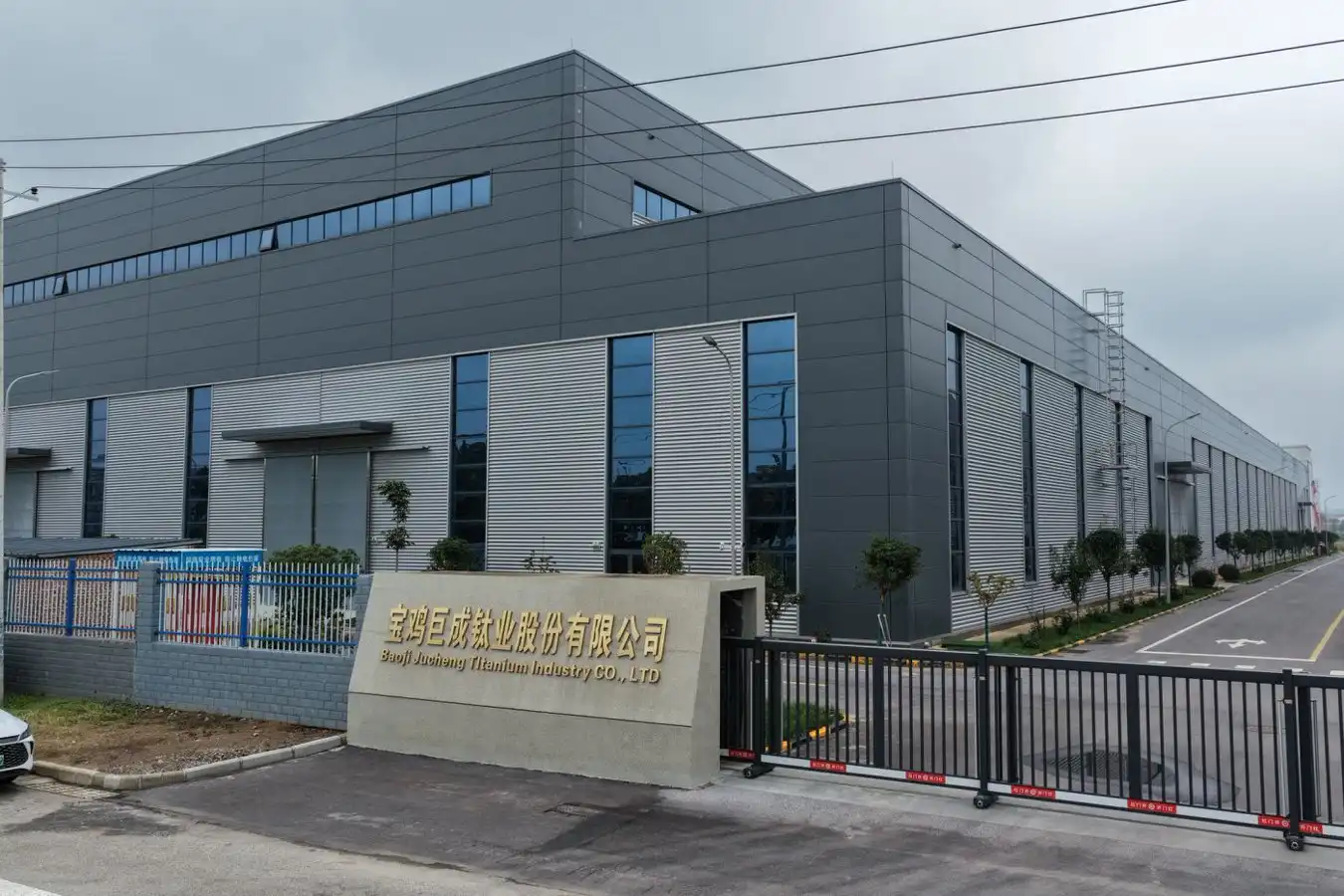
As a maker of Grade 5 titanium seamless tubes with more than 20 years of experience, Jucheng Titanium combines technical know-how with service that puts the customer first. Our Baoji plant covers 120,000 square metres and produces tubes ranging in size from OD 3 mm to OD 219 mm that meet ASTM B861, AMS 4943, and ASME SB338 standards. We keep a large collection (about 3,000 tonnes), which lets us deliver standard sizes quickly. We also offer full customisation through extrusion, cutting, cold rolling, annealing, and precise machining.
We keep coming up with new ideas to make products work better and make the manufacturing process more efficient. We have 4 invention patents and 41 utility model patents. Our tubes are used in hydraulic systems in spacecraft, equipment for processing chemicals, and manufacturing gear that needs to last a long time. Our team is here to help you with your project, whether you need material approval paperwork, custom measurements, or expert advice. Email us at s4@juchengti.com to talk about your needs with a provider of Grade 5 titanium seamless tubes that is dedicated to quality and dependability.
References
1. Boyer, R., Welsch, G., & Collings, E.W. (1994). Materials Properties Handbook: Titanium Alloys. ASM International.
2. Donachie, M.J. (2000). Titanium: A Technical Guide, 2nd Edition. ASM International.
3. Peters, M., Kumpfert, J., Ward, C.H., & Leyens, C. (2003). Titanium Alloys for Aerospace Applications. Advanced Engineering Materials, 5(6), 419-427.
4. Schutz, R.W., & Watkins, H.B. (1998). Recent Developments in Titanium Alloy Application in the Energy Industry. Materials Science and Engineering A, 243(1-2), 305-315.
5. ASTM International (2021). ASTM B861-14: Standard Specification for Titanium and Titanium Alloy Seamless Pipe. ASTM Standards.
6. Lutjering, G., & Williams, J.C. (2007). Titanium, 2nd Edition. Springer-Verlag Berlin Heidelberg.