
Is the titanium rod ductile?
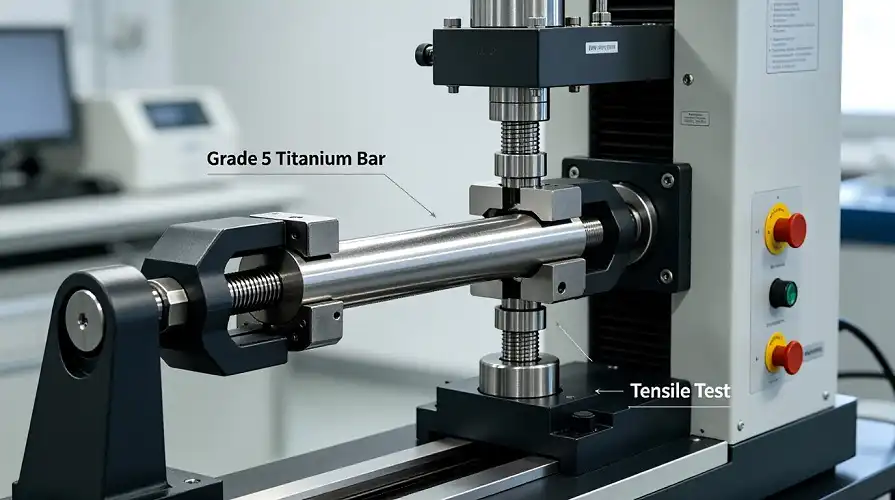
Grade 5 titanium bar (Ti-6Al-4V) stretches 10–15% when tested for tensile strength. Titanium rods are bendable. Bendy material may alter form without breaking. This makes it ideal for shaping difficult tasks and constructing projects that need impact absorption. Ti-6Al-4V can bear shifting loads in aeroplanes, medical implants, and industrial tools due to its strength (at least 895 MPa) and flexibility. Grade 5 titanium isn't as flexible as commercially pure titanium, but it meets the tightest technical requirements with its strength and flexibility.
Understanding Titanium Rods and Ductility
What Defines a Titanium Rod and Its Characteristics
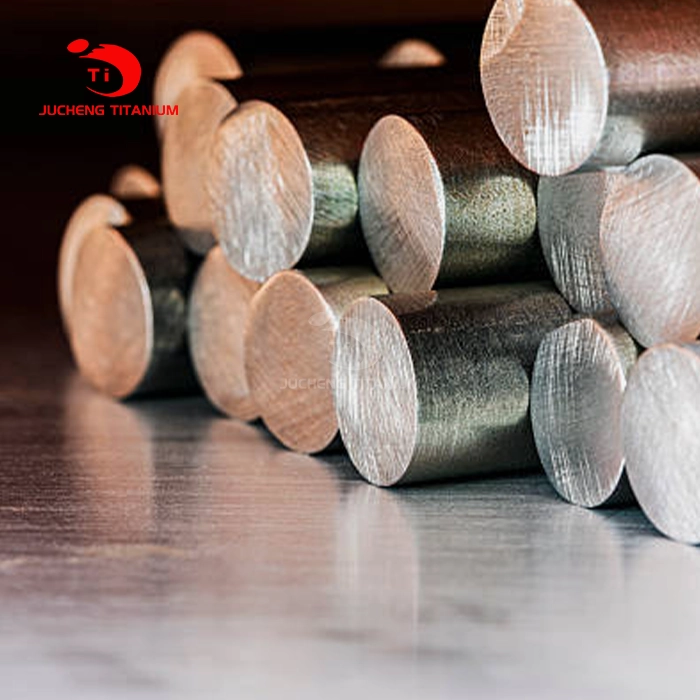
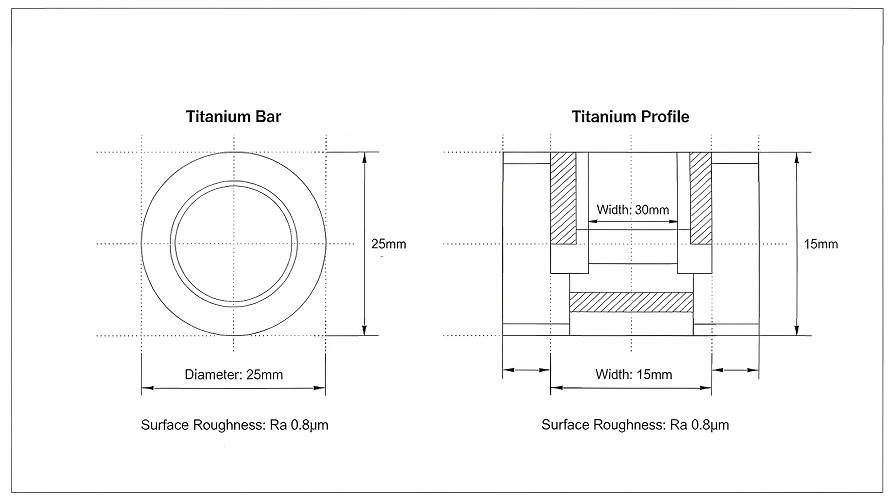
cylindrical bars made of titanium metal. Their sizes and lengths are exact. Round bars from 6 to 450 mm are made by Jucheng Titanium. Any length up to 12000 mm is possible. We offer lengths of up to 6000 mm. Certain steps must be taken to make these things. They are forged, hot rolled, rotor forged, turned, bent, cleaned and burnt in a vacuum. The metal could be cleaned, turned, sanded, or pickled after it has been annealed.
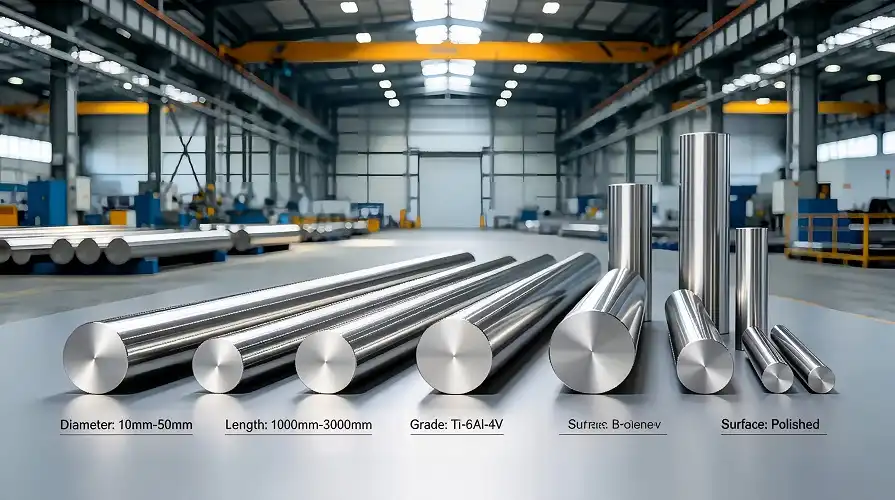
Rods and bars are often mixed up by people who work in procurement. Rods used to make parts are cylinder-shaped stock with a smaller width. Bars with bigger cross-sections are used in structures. Both grades of the same grade have similar metallic properties. Half of all the titanium used in the world is Ti-6Al-4V. This is because of how well it blends mechanically.
Understanding Ductility in Metal Materials
How long an item can be bent or stretched before it breaks is called its ductility. Extension is how engineers measure tensile strength. The material is more bendable when it has a high stretch. This is very important for materials that need to be able to handle pressure, bending, or shaping. When pressed, materials that aren't flexible break quickly through brittle fracture. But metals that are bendable change shape before they break.
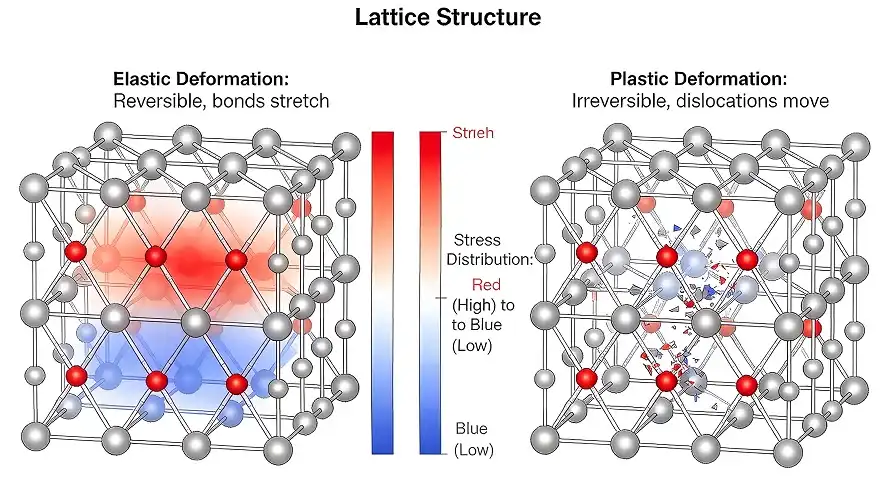
The flexibility of something is affected by how easy it is to make. Parts that are cold-shaped, thread-rolled, or have a tough design must be able to bend without breaking. This function also has an effect on the security of the service. Ductile materials don't break easily when hit hard or quickly. This keeps them safe in places like aeroplanes, medical devices, and chemical handling equipment where safety is important.
Ductility Levels in Grade 5 Titanium Compared to Other Grades
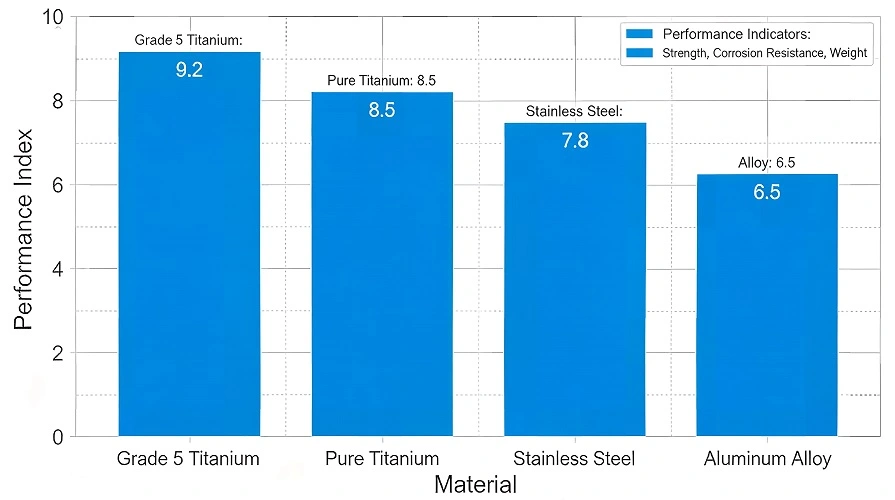
With a stretch value of 10 to 15%, a grade 5 titanium bar can bend. It is a lot higher than a lot of heat-treated steel alloys, but a lot lower than industrial grade. Grade 2 titanium is the best that can be bought. It can stretch more than 20%, which makes tubes and containers with thin walls perfect for it. Extra Low Interstitial Grade 23 (Ti-6Al-4V ELI) is a little better made than Grade 5, but it has less iron and oxygen. This is good for medical things that need to be resistant to wear and tear and work well with tissues.
It's interesting how different metal groups are. 6061-T6 and other aluminium metals can stretch as much as Ti-6Al-4V, but they are not as strong. Steels that are austenitic, like 316L, can stretch more than 40%. But they are about twice as thick as titanium, which means they can't be used in uses that need to be light. Even though the grade 5 titanium bar is very light (4.43 g/cm³), it can sometimes reach a tensile strength of around 1000 MPa. This mix of building materials is unmatched.
Key Properties of Grade 5 Titanium Bar That Affect Ductility
Chemical Composition and Alloying Elements
The name Ti-6Al-4V means that pure titanium is mixed with about 6% aluminium and 4% vanadium. As an alpha phase regulator, aluminium makes the material stronger while still letting it bend easily. Vanadium stabilises the beta phase, which makes the metal harder and better at working at high temperatures. To keep the material from becoming too weak, the iron content must not go over 0.40%, the oxygen content must stay below 0.20%, and the hydrogen content must stay below 0.015 ppm.
These exact requirements, written down in standards such as ASTM B348, ASME SB348, and AMS 4928, make sure that all production runs behave mechanically the same way. There are rigid intermetallic stages inside the nanostructures that make it less flexible when there is too much oxygen or iron. On the other hand, not enough aluminium makes the metal weaker without making it more flexible. Tight chemical control in manufacturing facilities ensures repeatable material performance, which lowers the number of rejects during component manufacture.
Mechanical Properties: Tensile Strength, Yield Strength, and Elongation
Grade 5 titanium bar has a minimum tensile strength of 895 MPa (130 ksi) and a minimum yield strength of 828 MPa (120 ksi) in the annealed condition. These numbers represent the material's resistance to permanent deformation and ultimate fracture under tension. The elongation specification—typically 10% minimum over a standard gauge length—directly quantifies ductility. Materials meeting ASTM F136 or ISO 5832-3 standards for medical applications often demonstrate slightly higher elongation due to stricter interstitial element controls.
Most metals have an inverse relationship between strength and ductility. Increasing strength through alloying additions or cold working generally reduces elongation capability. Ti-6Al-4V achieves an advantageous balance, offering strength comparable to many heat-treated steels while retaining enough ductility for practical fabrication and service conditions. This balance explains the alloy's dominance in aerospace structural components, where weight reduction cannot compromise safety margins under cyclic loading.
Heat Treatment Impact on Microstructure and Ductility
Heating to 700–800°C followed by controlled cooling relieves internal stresses and optimises the alpha-beta phase distribution within Ti-6Al-4V. This thermal cycle enhances ductility by promoting a fine, uniform microstructure free from residual strain-induced defects. Solution treating and ageing sequences can increase tensile strength to 1100 MPa or higher, but these processes reduce elongation to 8% or less, creating a material better suited for high-stress applications, tolerating reduced formability.
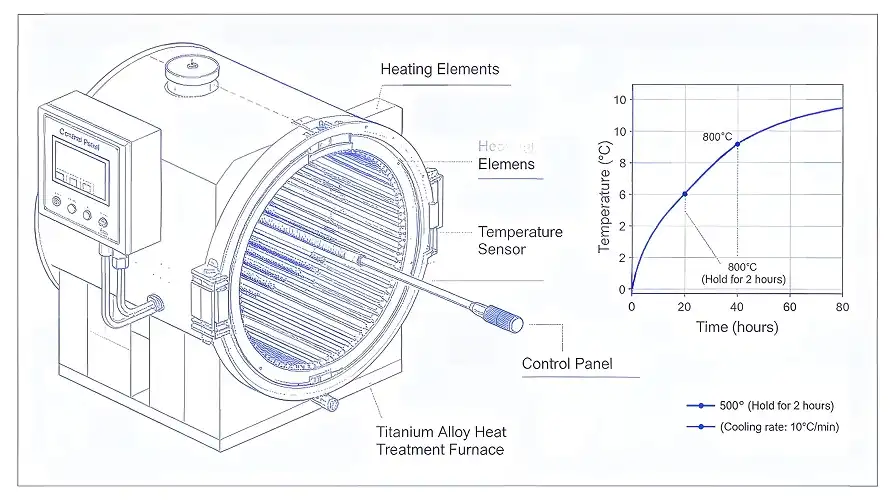
Mill annealing represents the standard delivery condition for grade 5 titanium bar, providing a practical compromise between strength, ductility, and cost. Beta annealing—heating into the single-phase beta region above 995°C—produces a different microstructure with improved fracture toughness but slightly reduced room-temperature ductility. Understanding these thermal processing options allows engineers to specify material conditions matched precisely to application requirements, whether prioritising machinability, formability, or ultimate strength.
Corrosion Resistance and Long-Term Ductility Retention
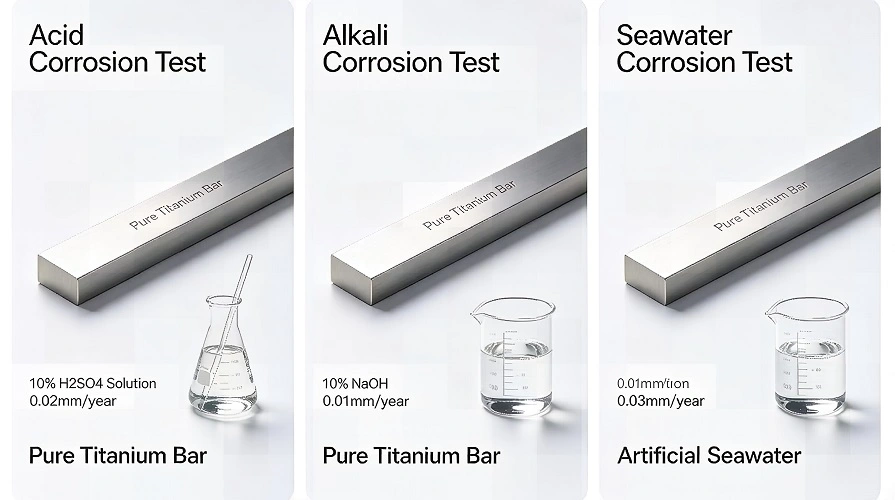
Titanium's spontaneous formation of a stable oxide film protects the underlying metal from chemical attack in environments that devastate stainless steels and nickel alloys. This passive layer remains intact across pH ranges from 3 to 12 and resists chloride-induced pitting corrosion that plagues marine and chemical processing equipment. Maintaining this protective film preserves the base metal's ductility over decades of service, preventing the embrittlement that alternative materials experience.
In seawater exposure, grade 5 titanium retains mechanical properties virtually unchanged after years of immersion, whereas conventional metals suffer localised corrosion that creates stress concentrations and premature failures. Chemical plant reactors fabricated from Ti-6Al-4V maintain structural integrity through thousands of thermal cycles and exposure to aggressive process streams. This corrosion immunity translates directly into reliability—components maintain design ductility throughout their service life, eliminating the gradual degradation common in less resistant materials.
Comparing Grade 5 Titanium Bar to Other Materials in Ductility and Strength
Grade 5 Versus Commercially Pure Titanium
Commercially pure grades (Grades 1 through 4) offer significantly higher ductility than grade 5 titanium bar, with elongation values ranging from 24% (Grade 1) to 15% (Grade 4) depending on interstitial content. This superior formability makes them ideal for deep drawing, tube bending, and other operations requiring extreme deformation. Their tensile strength, however, peaks around 550 MPa, approximately 60% of grade 5's capability, limiting load-bearing applications.
Procurement decisions between commercially pure and alloyed titanium balance fabrication complexity against strength requirements. Heat exchangers and chemical vessels operating below 300°C often specify Grade 2 for its excellent corrosion resistance and ease of welding. Aerospace fasteners, landing gear components, and turbine blades demand grade 5's superior strength despite its more challenging machinability and reduced ductility. Understanding these trade-offs prevents over-specification—using grade 5 where Grade 2 suffices increases material costs unnecessarily, while selecting commercially pure titanium for high-stress applications risks premature failure.
Comparison with Stainless Steel and Aluminum Alloys
Type 316 stainless steel, a workhorse alloy in chemical processing, offers excellent ductility (40% elongation minimum) and moderate strength around 515 MPa. Its density of 8.0 g/cm³, however, nearly doubles Ti-6Al-4V's 4.43 g/cm³, creating weight penalties in mobile equipment and aerospace structures. Stainless steel also suffers stress corrosion cracking in chloride environments, where titanium performs flawlessly.
Aluminium alloys like 7075-T6 achieve impressive strength (570 MPa) at extremely low density (2.81 g/cm³), but their maximum service temperature rarely exceeds 175°C, and seawater corrosion resistance proves inadequate for marine applications. The grade 5 titanium bar bridges these performance gaps, offering a strength-to-weight ratio superior to stainless steel, temperature capability exceeding aluminium by 300°C, and corrosion resistance unmatched by either alternative. This unique combination justifies titanium's premium pricing in applications where performance requirements eliminate other materials from consideration.
Titanium Grade 9 and Grade 23 Alternatives
Grade 9 (Ti-3Al-2.5V) provides an intermediate option between commercially pure titanium and Ti-6Al-4V, offering enhanced strength over Grade 2 while maintaining superior ductility compared to Grade 5. Its lower alloy content reduces raw material costs and improves weldability, making it attractive for tubing systems and hydraulic components. Elongation typically reaches 15-18%, facilitating cold forming operations challenging with Ti-6Al-4V.
Grade 23 represents a refined version of Ti-6Al-4V with reduced interstitial elements (oxygen, nitrogen, carbon) that enhance fracture toughness and fatigue resistance. Medical implant manufacturers prefer this composition because improved ductility and cleanliness reduce stress concentrations that could propagate cracks under cyclic loading within the human body. Components meeting ASTM F136 specifications undergo additional testing to verify biocompatibility and mechanical reliability. While grade 23 costs moderately more than standard grade 5, critical applications justify the investment through improved safety margins and regulatory compliance.
Practical Applications of Grade 5 Titanium Bar Based on Its Ductility
Aerospace Structural Components
Aircraft manufacturers rely on grade 5 titanium bar for airframe structures, engine mounts, and landing gear assemblies, where weight reduction directly improves fuel efficiency and payload capacity. The alloy's ductility allows these components to absorb impact loads during landing and withstand vibration throughout the service envelope without developing fatigue cracks. Fasteners manufactured from Ti-6Al-4V maintain preload through thousands of thermal cycles, preventing loosening that compromises structural integrity.
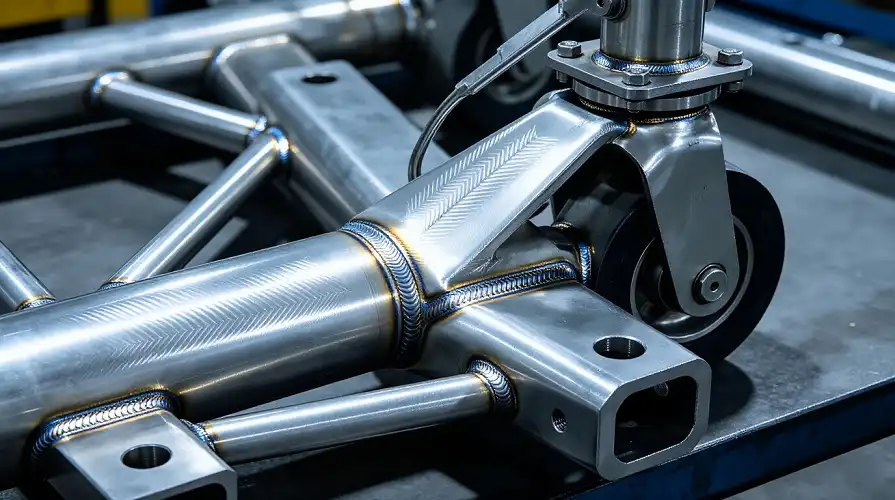
Titanium's strength and resistance to rust make it useful for engine parts that work at temperatures above 400°C. When you compare Ti-6Al-4V to nickel-based superalloys, it saves you about 40% of the weight of the compressor blades, turbine spacers, and exhaust system gear. This means that the thrust-to-weight ratios are better. Grade 5 titanium is used by defence companies for missile bodies and drone airframes because it is nonmagnetic and doesn't reflect radar, which are military benefits that go beyond just mechanical performance.
Medical Implants and Surgical Instruments
Hip stems, spine fusion bars, and bone plates are all examples of orthopaedic implants that need to be made of materials that can be put inside the body permanently without breaking down or causing an immune response. Titanium grades 5 and 23 meet these standards for biocompatibility while also being flexible enough not to break under repeated bodily loads. Surgeons like tools made from Ti-6Al-4V because they are light, don't rust, and can be sterilised using high temperatures and strong chemicals.
Dental implants made from medical-grade titanium bars fuse with bone tissue through a process called osseointegration. This makes the implants a lasting basis for false teeth. The amount of flexibility of the material is more like that of natural bone than stainless steel. This means that it lowers stress buffering, which is what causes bone to break down around implants. Cardiovascular devices, like pacemaker housings and heart valve parts, use titanium's inertness and resistance to wear to make sure they work reliably for decades in the body's harsh chemical environment.
Industrial Equipment and Chemical Processing
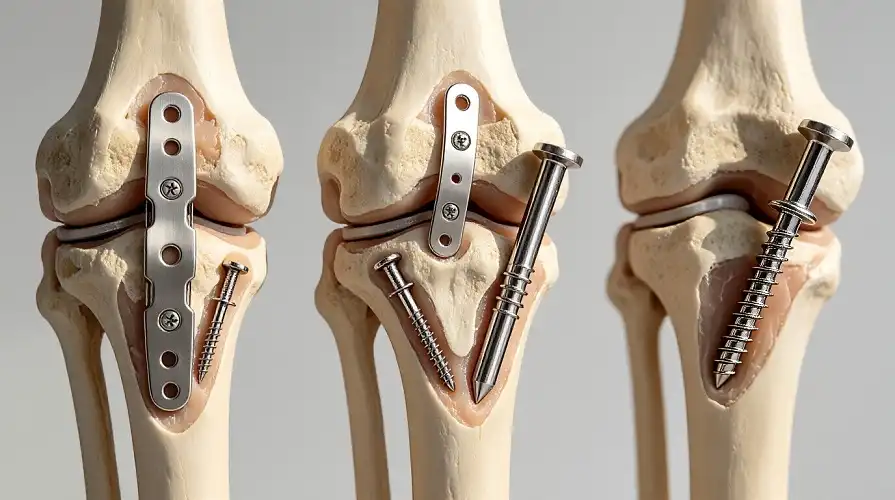
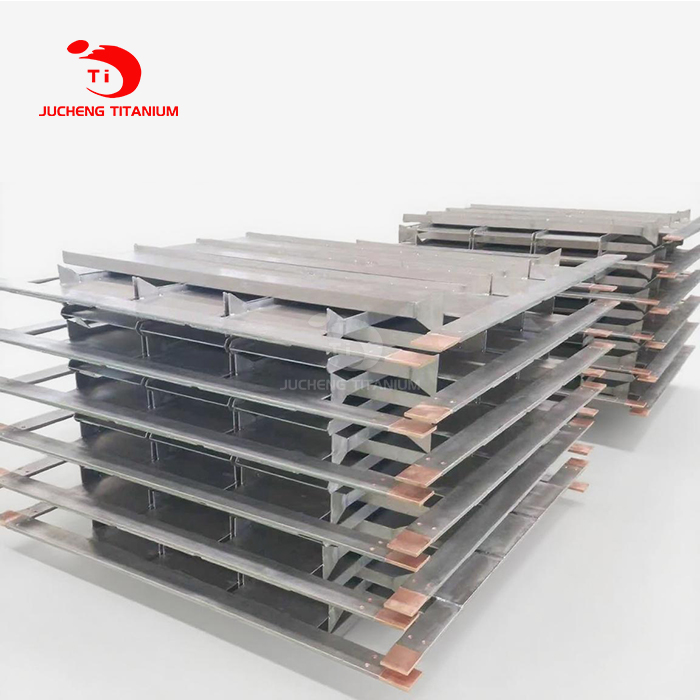
Ti-6Al-4V is used for pressure tanks, agitator shafts, and heat exchanger parts in chemical plants that deal with toxic process streams. Because the material is flexible, it can expand and contract with temperature changes during startup and stop processes. This keeps stress cracks from forming at weld joints and seal surfaces. Every year, Jucheng Titanium makes more than 500 sets of titanium equipment. These include reactors and condensers that are used in petroleum plants where stainless steel failures cause expensive downtime and safety risks.
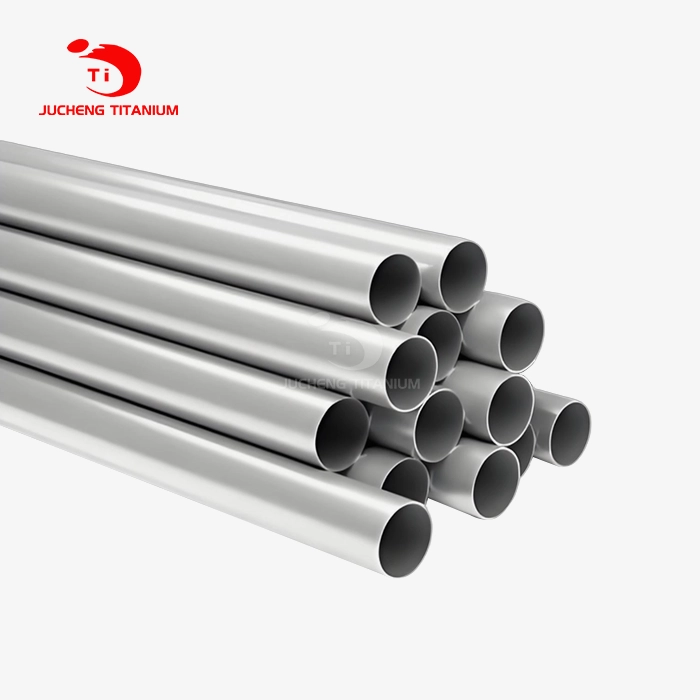
Titanium tubes are used for condensers in power plants close to the coast, where heat transfer surfaces are exposed to very toxic saltwater cooling. The metal is good at conducting heat, not rusting, and being mechanically reliable. This means that heat exchangers stay efficient even after decades of use. Offshore oil platforms use Ti-6Al-4V for important pipe systems and structural parts that are exposed to hydrogen sulphide and salty spray, which quickly wears down carbon steel and raises the cost of upkeep.
Procurement Considerations for Grade 5 Titanium Bars
Specifications, Certifications, and Quality Standards
Titanium must fulfil ASTM B348 for industrial uses, AMS 4928 for aircraft components, and ASTM F136 or ISO 5832-3 for medical devices. Chemical analysis should verify composition, mechanical test findings should show tensile characteristics, and traceability to melt batches. Reputable organisations provide material test reports (MTRs) signed by certified inspectors so consumers may check compliance before receiving shipments.
Jucheng Titanium supports client quality management systems and regulatory audits with ISO certification and detailed order paperwork. Hardness, grain size, surface polish, and standard tensile qualities are tested to ensure downstream manufacturing reliability. Not understanding industry-specific certification criteria minimises expensive rejections and project delays from non-conforming supplies.
Customisation Options and Order Flexibility
Common sizes are available in stock, but specialist applications typically demand unique diameters, lengths, or surface treatments. Jucheng Titanium can customise manufacturing runs with lengths up to 12000mm and precise grinding to strict diameter tolerances. Our 3,000-ton stockpile meets immediate needs, and our production capability supports major project orders with reliable delivery dates.
Standard grades in typical sizes may ship in modest numbers, while exotic compositions or unique dimensions need bigger commitments to justify manufacturing and setup expenses. Technical sales professionals can help you standardise your application to save money without sacrificing performance. Long-term supply agreements secure crucial production program procurement by locking in price and allocation amid market shortages.
Supplier Selection Criteria and Evaluation
Titanium suppliers must be evaluated for production, quality, and technical support. Vacuum melting furnaces generate cleaner, lower-interstitial material, improving ductility and mechanical consistency. Ultrasonic inspection, spectroscopic analysis, and hardness mapping improve specification compliance for companies.
Generic distributors lack industry-specific supplier application expertise. Aerospace producers comprehend traceability paperwork and DFARS compliance, whereas medical device vendors have cleanrooms and biocompatibility testing. For 20 years, Jucheng Titanium grade 5 titanium bar has performed well in aerospace, chemical processing, and medical applications. Our ties with the Northwest Institute for Nonferrous Metal Research and Tsinghua University enable continual improvement and customer-focused product development.
Conclusion
Titanium rods, particularly the grade 5 titanium bar variant, offer a carefully engineered balance between strength and ductility that serves demanding applications across aerospace, medical, and industrial sectors. While not the most ductile metal available, Ti-6Al-4V provides sufficient elongation—typically 10-15%—to accommodate forming operations and absorb impact loads without brittle failure. Its corrosion resistance preserves mechanical properties throughout extended service life, distinguishing titanium from alternatives that degrade over time. Procurement professionals evaluating material options should consider the comprehensive performance profile: exceptional strength-to-weight ratio, temperature capability, and chemical resistance combined with adequate ductility for practical manufacturing and reliable operation.
Frequently Asked Questions About Grade 5 Titanium Bar Ductility
1. How does grade 5 titanium ductility compare to pure titanium grades?
There is a big difference between Grade 5 titanium and other grades of pure titanium. Grade 5 can only stretch about 10 to 15 per cent, while Grade 2 can stretch 20 to 24 per cent. When aluminium and vanadium are mixed with other metals, they make the object harder but less flexible. If you need to make them a lot, pure grades work better. Ti-6Al-4V, on the other hand, is better for building parts that need to be strong.
2. Can heat treatment improve grade 5 titanium ductility?
Annealing makes materials more flexible by getting rid of residual strains and improving the microstructure. Engineers have to weigh the pros and cons of materials based on their needs. Solution treatment and ageing make them tougher but less flexible. When metal is mill-annealed, it has a normal amount of flexibility that works for most kinds of manufacturing.
3. What certifications should buyers expect with grade 5 titanium bar?
For use in industry, it needs to be approved by ASTM B348 or ASME SB348. You need ASTM F136 or ISO 5832-3 paperwork for medical devices and AMS 4928 papers for aircraft parts. All documents should include proof of the material's chemical composition, the results of mechanical tests, and the ability to track the melt. This is to make sure the material is real and works well.
Partner with Jucheng Titanium for Premium Grade 5 Titanium Bar Supply
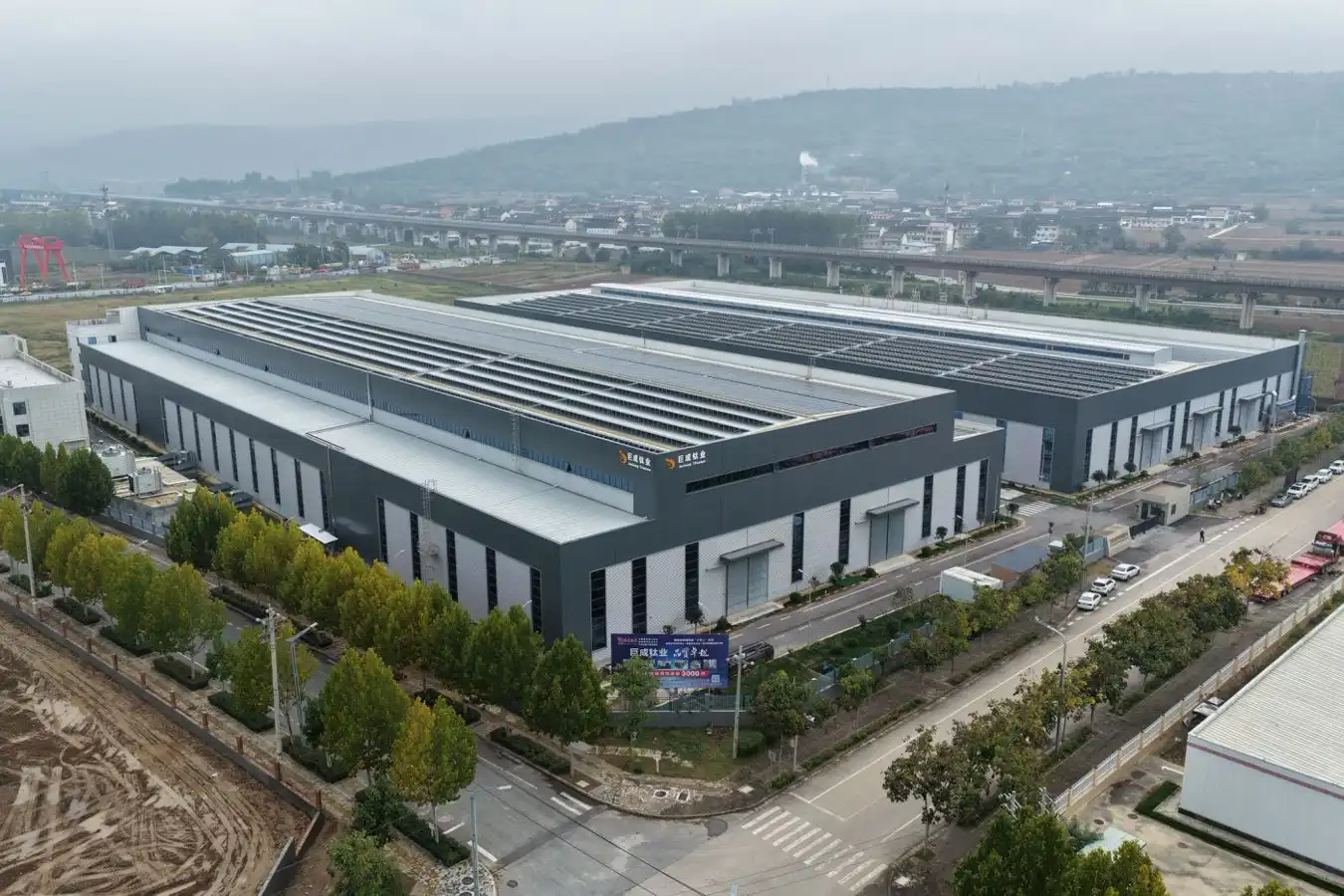
Jucheng Titanium delivers certified Ti-6Al-4V materials meeting the most rigorous aerospace, medical, and industrial standards, with guaranteed mechanical properties including specified ductility levels. As a grade 5 titanium bar manufacturer with over two decades of industry experience, we maintain 3,000 tons of inventory for immediate shipment while offering customisation from Φ6 to Φ450mm diameters in lengths reaching 12000mm. Our production adheres to ASTM B348, AMS 4928, and ASTM F136 standards, supported by comprehensive material certifications and technical documentation. Contact our expert team at s4@juchengti.com to discuss your specific requirements—whether standard stock or custom specifications—and discover how our competitive pricing, proven quality systems, and global logistics capabilities support your procurement objectives.
References
1. Boyer, R., Welsch, G., and Collings, E. W., "Materials Properties Handbook: Titanium Alloys," ASM International, 1994.
2. Donachie, M. J., "Titanium: A Technical Guide, 2nd Edition," ASM International, 2000.
3. Lütjering, G. and Williams, J. C., "Titanium: Engineering Materials and Processes," Springer-Verlag, 2007.
4. ASTM International, "ASTM B348-13: Standard Specification for Titanium and Titanium Alloy Bars and Billets," West Conshohocken, PA, 2013.
5. Peters, M., Kumpfert, J., Ward, C. H., and Leyens, C., "Titanium Alloys for Aerospace Applications," Advanced Engineering Materials, Volume 5, 2003.
6. Rack, H. J. and Qazi, J. I., "Titanium Alloys for Biomedical Applications," Materials Science and Engineering C, Volume 26, 2006.