
Manufacturing Process of Titanium Round Bars
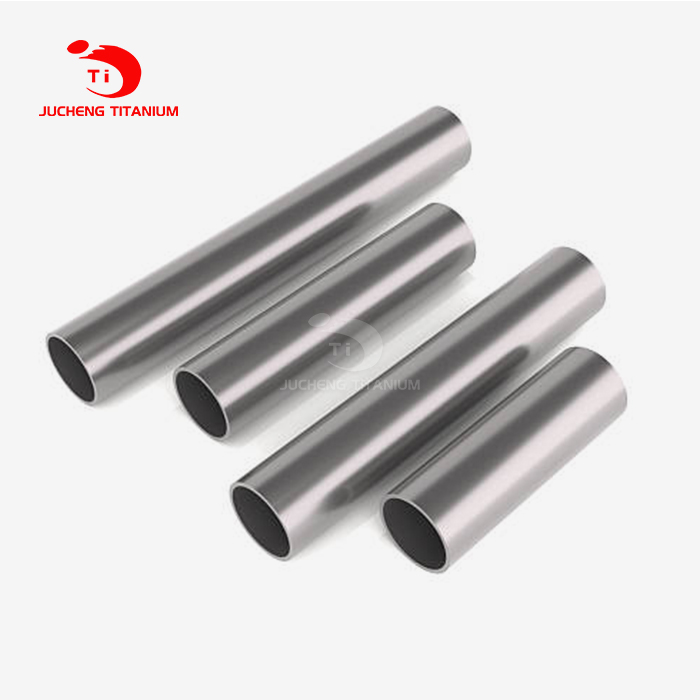
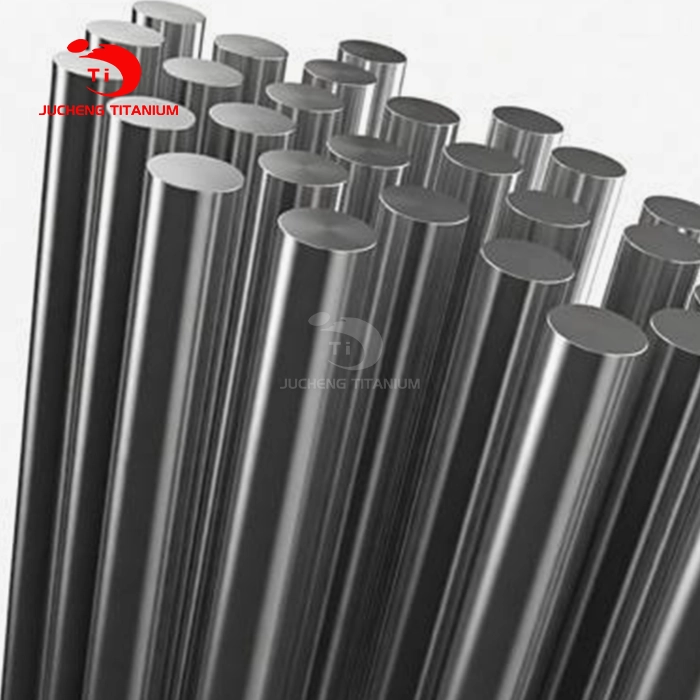
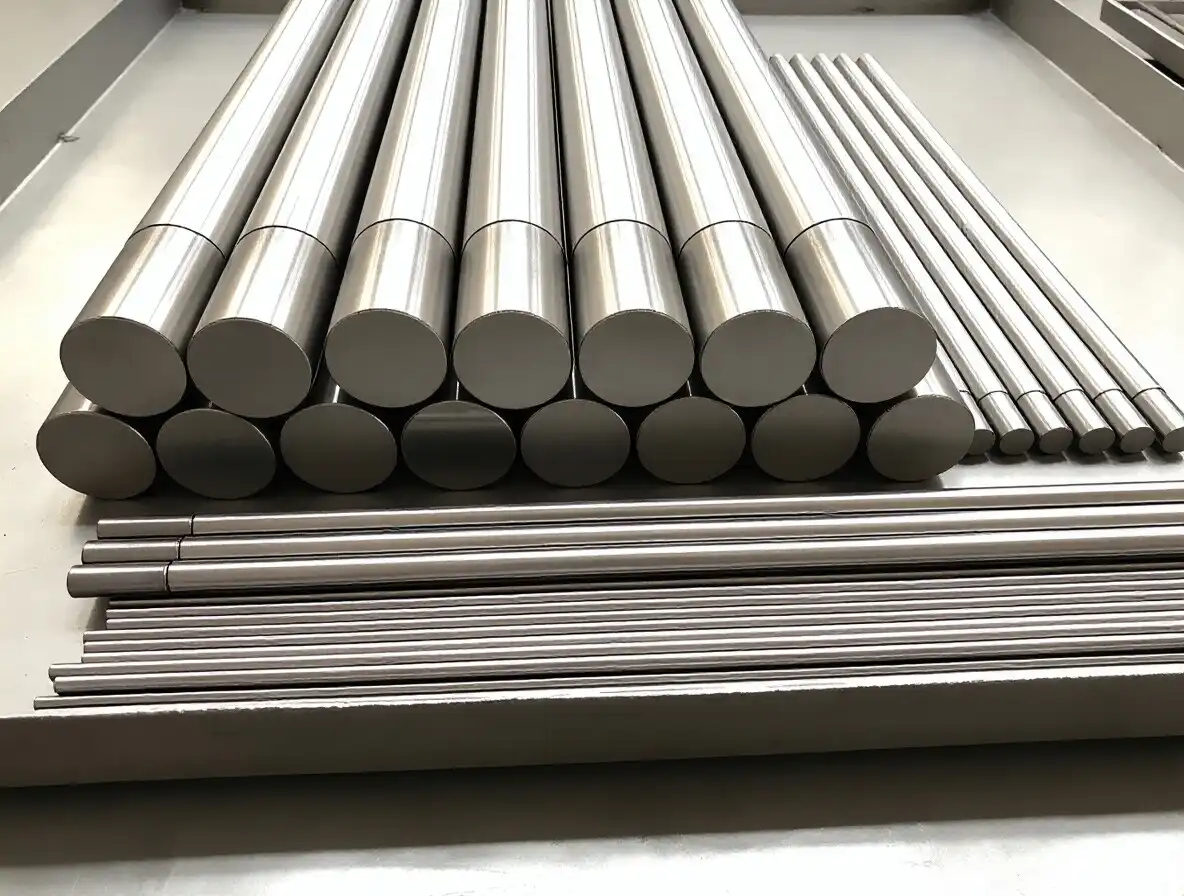
A Titanium Round Bar is made in a planned process that starts with raw sponge material and ends with precision-finished stock that is ready for use in serious situations. The process uses vacuum arc remelting to get rid of impurities, then shaping and hot rolling to shape the ingots to the right size. In an annealed state, heat treatment stabilizes the grain, making it more flexible and resistant to rust. Surface processes like centerless grinding or sanding get rid of scale and flaws, making bars that meet strict standards like AMS 4928 and ASTM B348. This several-step process makes sure that every titanium round bar meets the chemical and mechanical standards needed by aircraft, medical, and commercial customers.
Understanding Titanium Round Bars – Basics and Key Properties
What Defines a High-Performance Titanium Round Bar
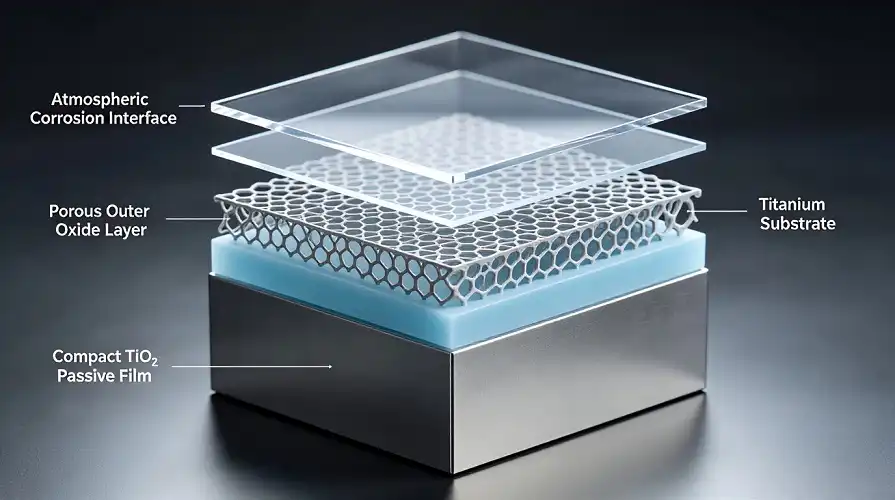
A Titanium Round Bar is more than just a simple metal stock in the shape of a cylinder. It's the result of decades of improving metalworking techniques to solve problems that regular materials can't. Engineers choose these bars for projects that need a high ratio of strength to weight and a resistance to harsh chemical conditions. Titanium, unlike stainless steel or aluminum, forms a protective layer of titanium dioxide when exposed to air. This layer stops rusting even in saltwater and chlorinated environments.
Core Grades That Drive Industrial Decisions
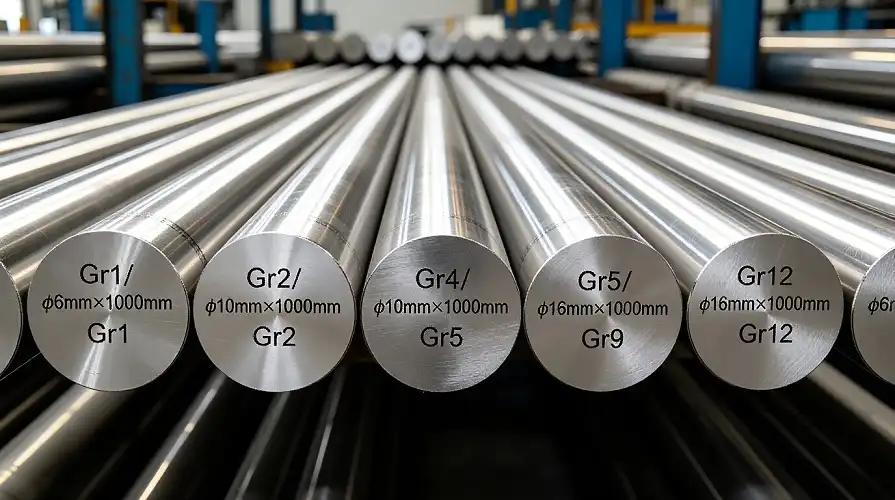
Understanding grade levels is the first step in choosing materials. Commercially Pure grades (Gr1, Grade 2, Gr3, and Gr4) are very easy to shape and don't rust. Grade 2 is the most common grade used in chemical processing equipment. Grade 5, which is also called Ti-6Al-4V, is used a lot in aircraft structures because it has a tensile strength of over 895 MPa and a resistance to wear that no other grade can match. Grade 23 (Ti-6Al-4V ELI) meets the standards for biological implants set by ASTM F136. It has extra-low interstitial material, which is important for surgical devices. Biocompatibility is important to companies that make medical devices, and defense contractors require Grade 5 for landing gear parts that are stressed over and over again.
Mechanical Properties That Define Reliability
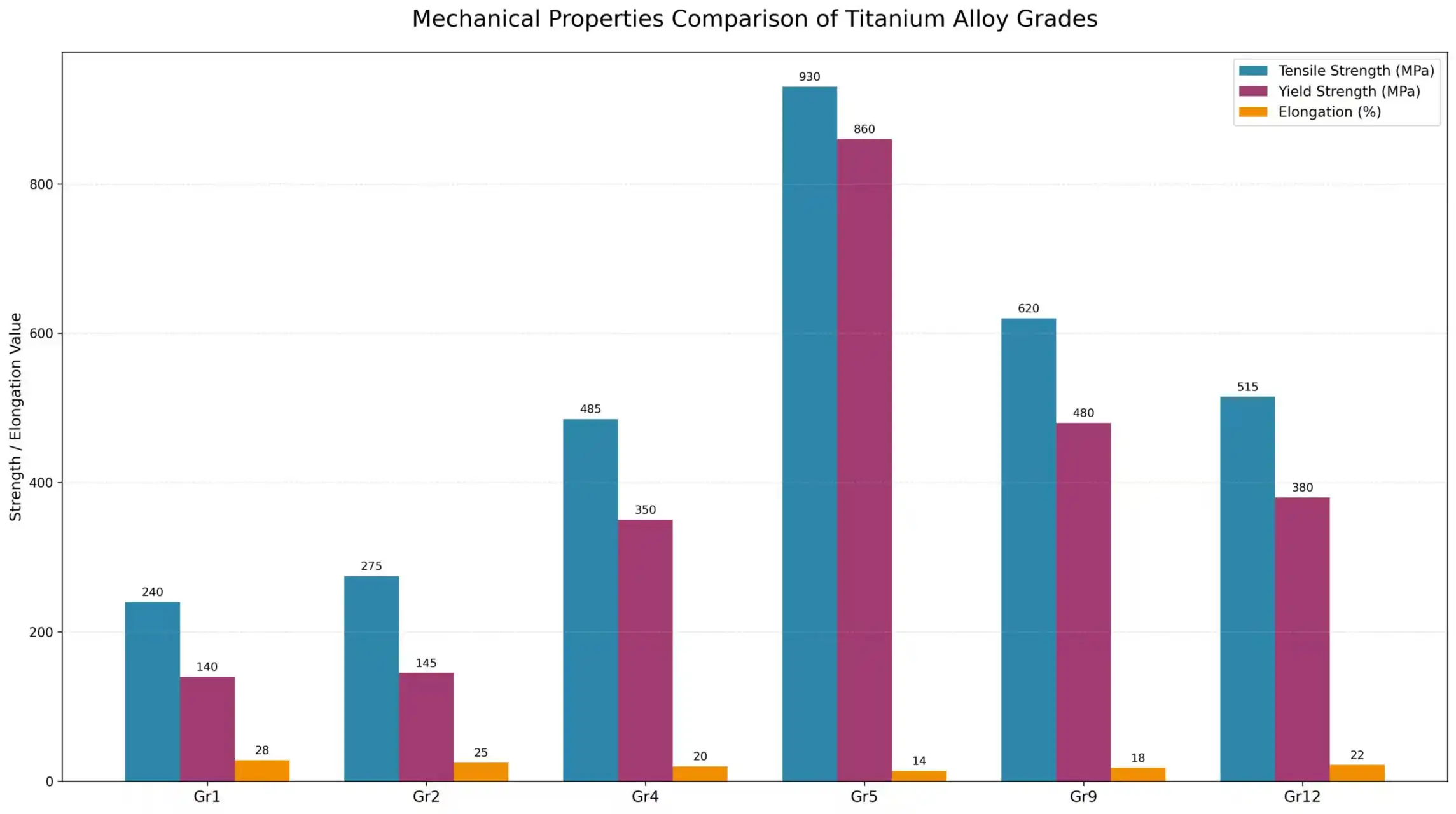
The tensile strength, yield strength, and elongation rates of a round bar show whether it can handle operating loads. Grade 5 bars have a yield strength of about 828 MPa, which means they can support dynamic loads in things like rocket shells and turbine blades. All types have the same density, which is about 4.51 g/cm³. This means that they are lighter than steel versions. The elastic stiffness is about 113.8 GPa, which means it is hard without being brittle. These factors directly affect how long a component lasts and how well it can predict when it will fail. They help buying teams come up with specifications that meet safety standards and legal requirements.
The Manufacturing Process of Titanium Round Bars
Vacuum Arc Remelting and Ingot Formation
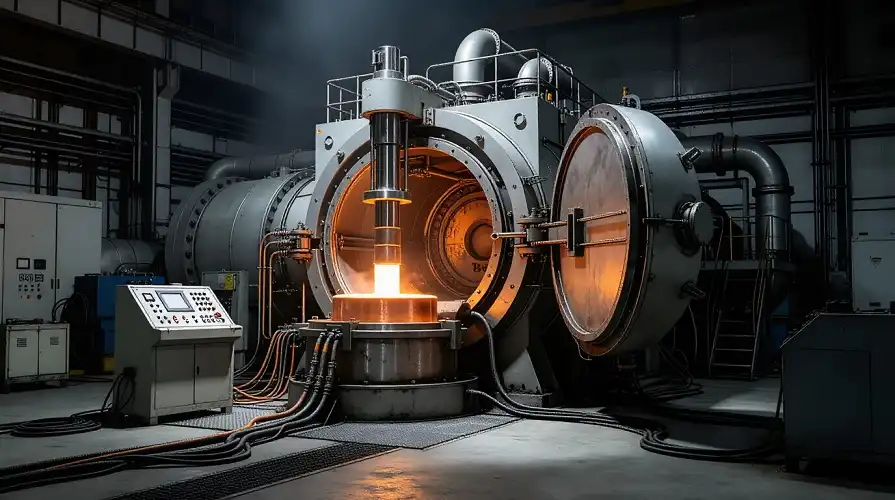
The process starts with a Kroll-derived titanium round Bar sponge that goes through vacuum arc remelting (VAR) to get rid of small amounts of pollutants like oxygen and nitrogen. The material is cleaned up over two or three melt processes, making the chemistry tight enough for aerospace approval. The liquid metal cools at controlled rates to avoid segregation and porosity, and it forms cylinder-shaped bars that weigh several tons. This step sets the basic purity that can't be fixed by later processing. This means that VAR has to be used in situations where material flaws cause catastrophic failures.
Hot Forging and Dimensional Refinement
When ingots are heated to 950°C to 1100°C, they are forged in either an open-die or a closed-die process. This breaks down cast structures into worked microstructures. Repeated hits from hydraulic presses stretch the billet and improve grain flow and mechanical isotropy. With rotary forging tools, the diameter is cut even more, which makes the limits for dimensions smaller. This thermomechanical process makes the material more flexible and evens out the alloying elements, getting it ready to be rolled or extruded later. With each pass of the forge, the cross-sectional area is reduced by a small amount. The temperature is kept within exact ranges to prevent breaking or too much grain growth.
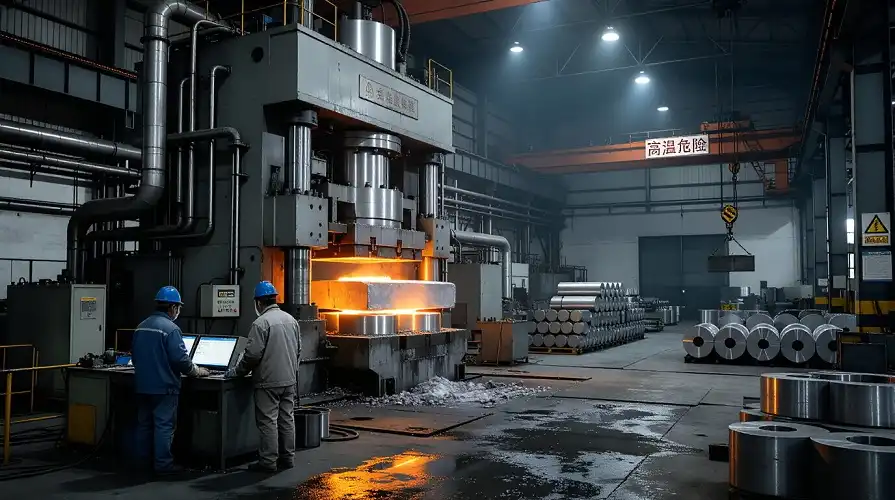
Hot Rolling and Continuous Sizing
Hot rolling mills take forged billets and use a series of passes between grooved rollers to reduce the width, turning them into semi-finished bars. Temperatures stay high to prevent work hardening as much as possible, which lets the material bend significantly without the need for intermediate cooling. Rotary swaging tools use circular compressive forces to make bars with sizes between 6mm and 450mm. Lengths can be made longer than 6000mm, and special orders can go up to 12000mm when project requirements call for it. Consistent dimensions from lot to lot are ensured by continuous sizing. This is especially important for automated machining processes where tolerance stacks can affect how well the end assembly fits.
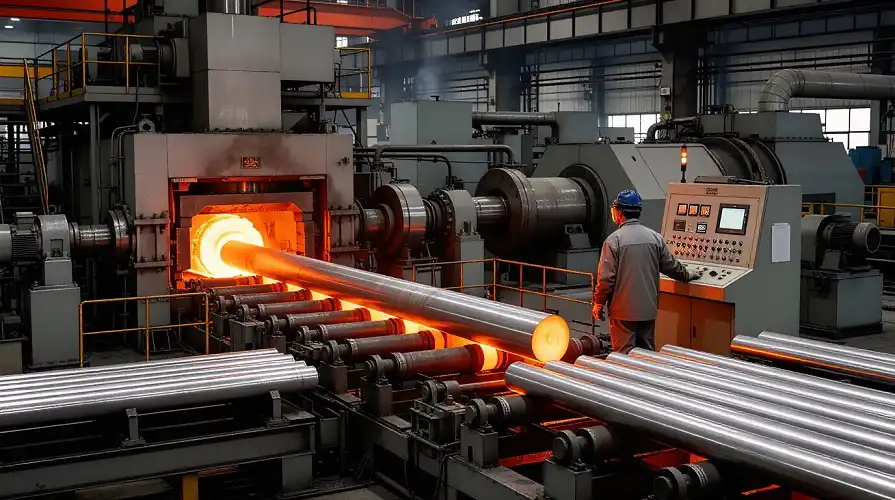
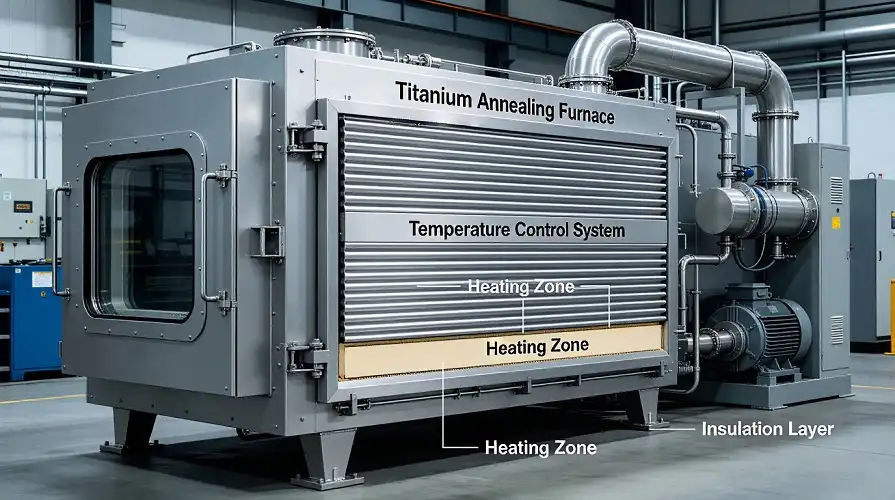
Heat Treatment and Annealing Cycles
When you anneal something, you get rid of any leftover stresses that were created during mechanical working. This makes the material more flexible and resistant to rust. Depending on the grade, bars soak at temperatures between 650°C and 780°C for amounts of time that are determined by the thickness of the cross-section. Controlled cooling in still air or furnaces stops fast quenching, which could make the metal weak. This heating cycle evens out the grain, making sure that the mechanical properties are the same along the whole length of the bar. The hardness, tensile strength, and elongation numbers are written down in the mill test records. This gives the traceability that quality control systems need.
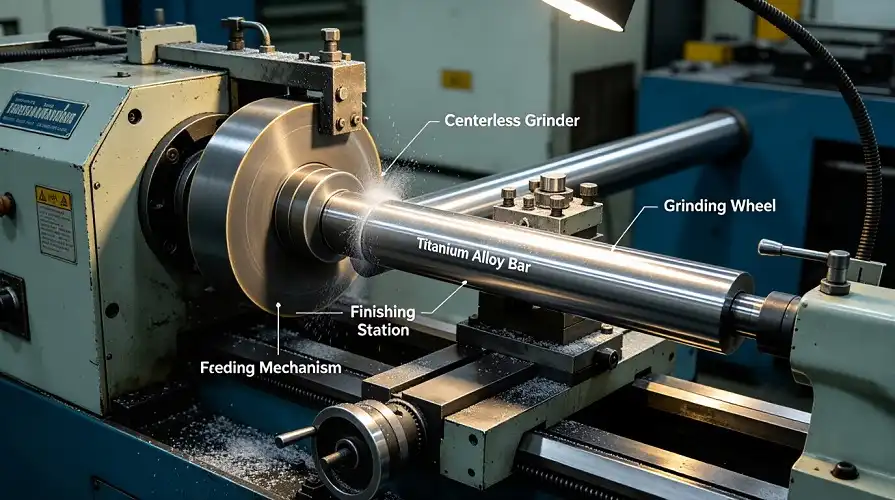
Precision Machining and Surface Finishing
Surface state has a direct effect on how long something will last and how easily it will rust. Centerless grinding gets rid of surface scale and small dimensional flaws, leaving a surface roughness of less than 1.6 µm Ra. When you turn something, the oxide layers come off, leaving behind bright metal surfaces that are good for welding and close-tolerance cutting. Pickling in acid baths gets rid of any leftover dirt, and sanding gets surfaces ready for coatings. Polished finishes meet the cleanliness standards that are needed for tools used in the pharmaceutical and electronics industries. Each treatment choice meets the needs of a different end-use, weighing cost and efficiency gains.
Quality Control and Certification Compliance
Ultrasonic testing finds holes or other imperfections inside things that can't be seen from the outside. Eddy current methods find cracks and splits on the surface of a structure that weaken its stability. Chemical study using optical emission spectrometry checks the makeup of the alloy against standards such as ISO 5832-3, ASTM B348, and ASME SB348. The tensile qualities are confirmed by mechanical testing, which destroys samples taken from production lots. Shipments come with certificates of approval that list heat numbers, test results, and measurement checks. This paperwork trail meets the needs of auditors and helps with finding the root cause of problems in the field if they happen.
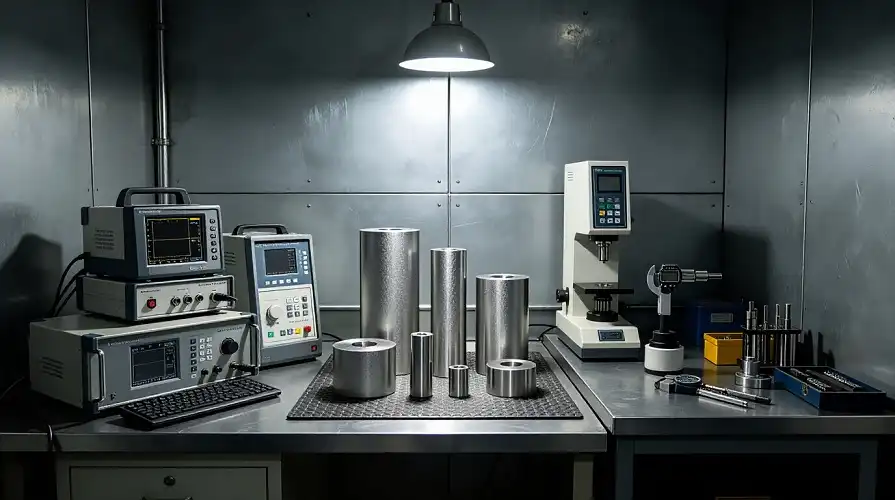
Comparison of Manufacturing Methods and Their Impact on Performance
Traditional Forging Versus Advanced Rotary Forging
With traditional open-die forging, bars are made that have good mechanical qualities but aren't very accurate in terms of their dimensions. Continuous gradual deformation is used by rotary forging tools to get smaller grains and tighter diameter limits. This cutting-edge method cuts down on machining gaps, which cuts down on waste and speeds up wait times. Aerospace companies are choosing rotary-forged stock for landing gear legs more and more because it is more consistent in size, which means less assembly redo. When choosing between ways, the cost of the tools needs to be weighed against the cost savings per unit. For large orders, specialized processing is usually the best choice.
Impact of Rolling Temperature on Microstructure
The alpha and beta phase distributions in an alloy are changed by rolling temperature windows. Higher temperatures make the beta phase more stable, which makes it easier to work with while hot, but could make the grains bigger. Lower temperatures protect fine-grained structures that make them more resistant to wear and tear. Manufacturers make sure that temperature profiles are just right for each grade and application. For example, chemical processing grades put rust protection ahead of final tensile strength. These mechanical details can't be seen in finished bars, but they have a big effect on how well they work when they are loaded and unloaded many times or when they are exposed to harsh chemicals.
Surface Treatment Selection and Corrosion Resistance
Because the oxide is completely removed, pickled surfaces are the most resistant to corrosion. This makes them perfect for chemical reactions and heat exchanges. Polished finishes work well on medical implants because bacteria can grow on rough surfaces. For general industrial machinery, turned surfaces strike a good mix between price and function. Surface standards must be clearly stated in the procurement specs, as changes made after delivery add cost and time. If you understand these trade-offs, you can avoid expensive design errors that show up during the final inspection.
Procurement Insights: Selecting the Right Titanium Round Bar
Grade Selection Aligned with Application Demands
Manufacturers of chemical equipment prefer Grade 2 for tanks that handle acidic slurries because it is more resistant to rust than other grades. When aerospace builders need structural frames with high strength-to-weight ratios and stress endurance, they usually use Grade 5. Grade 23 is what medical device makers use for implantable parts that can't lose their biocompatibility. Distributors who keep a variety of grades in stock can serve a wider range of customers, but they need to teach their customers how to make the right choices to avoid costly mistakes.
Certification and Traceability Requirements
Supplier approvals are the first step in lowering the risk in the supply chain. ISO 9001 quality management systems make sure that processes are always the same, and AS9100 approval means that the controls are up to aircraft standards. Material test reports must include heat numbers that can be linked to records of how the ingot was made. This lets people in charge of recalls work together if problems happen. Third-party inspection services check the properties that are said to be for sale. This is important for high-stakes situations because it gives independent confirmation. Buyers should check in on source facilities on a regular basis to make sure that written processes are the same as what is done on the shop floor.
Balancing Minimum Order Quantities with Inventory Costs
Due to setup costs and material returns, small-batch sales cost more. Putting together needs from different projects lowers the cost per unit but raises the risk of obsolescence and stocking costs. Just-in-time supply plans put the responsibility of keeping inventory on sellers, but this requires very good logistics cooperation. Companies like Jucheng Titanium Round Bar keep about 3,000 tons of stock all year long. This lets them meet urgent needs quickly and offer a competitive bulk price that rewards bigger commitments.
Practical Tips for Working with Titanium Round Bars
Machining Techniques That Minimize Tool Wear
Titanium doesn't carry heat well, so heat builds up at the cutting edges, which speeds up the wear and tear on tools. Sharp carbide or polycrystalline diamond tools keep the edge sharp, and a lot of cooling flow keeps the work from getting too hard. When you lower the cutting speed and increase the feed rate, the heat is spread out more widely. This makes the tool last longer and improves the surface finish. Interrupted cuts let the metal cool between passes, which stops galling, which destroys the workpiece. By optimizing settings, machinists who have worked with titanium before can get cycle times that are close to those of regular steels.
Welding Practices That Preserve Mechanical Properties
Gas tungsten arc welding (GTAW) is still the best way to put things together because it creates clean fusion zones with a low chance of contamination. Inert gas protection on both the torch and the backside stops air from getting in, which weakens the weld. Post-weld stress relief annealing makes heat-affected areas more flexible again, but it's important to make sure that the process is qualified so that damage doesn't happen. The choice of filler metal should match the grade of the base material so that corrosion resistance is maintained at all bond surfaces. Before parts are put into service, radiographic testing makes sure they are structurally sound.
Storage and Handling to Prevent Contamination
Titanium round Bar combines with iron, carbon steel, and some oils to make the surface dirty, which starts the corrosion process. Cross-contamination can be avoided by using storage racks made of stainless steel or covered materials. If you want to avoid hand oils that leave marks, wear clean cotton gloves. Climate-controlled buildings keep the humidity low, which stops oxidation caused by wetness. These steps protect the purity of the material from the time it is received until it is finished being machined. This protects investments in expensive stock.
Conclusion
Vacuum melting for pure, thermomechanical refinement through forging and rolling, and precise finishing to meet strict standards are all parts of making Titanium Round Bars. When buying, teams understand the details of production, and they can choose grades, sizes, and surface processes that meet the needs of the application. With over 20 years of experience making more than 500 equipment sets a year and an inventory of more than 3,000 tons, Jucheng Titanium can provide approved bars that meet the standards of ASTM B348 and AMS 4928. Whether your project needs Grade 2 chemical protection or Grade 5 aerospace strength, our strict production process makes sure that the materials are always the same and that all the rules are followed, which is very important for your success.
FAQ
Q1: Which titanium grade suits my chemical processing equipment?
At temperatures below 300°C, Grade 2 is very resistant to organic acids, chlorides, and conditions that are oxidizing. Its commercially pure makeup makes it flexible enough for complicated shaping tasks while keeping its shape in toxic environments. Look at the chemicals and temperatures that are present in your environment and then use material compatibility charts to make sure that Grade 2 meets your long-term toughness needs without the need for expensive alloy updates.
Q2: How does the way something is made affect its corrosion resistance?
Vacuum arc remelting gets rid of impurities that weaken the protected oxide layer, which directly makes the metal less likely to rust. Microstructures are made more uniform by annealing processes, which stop galvanic cells that speed up localized attack. Pickling gets rid of surface impurities that were introduced during hot working, revealing new titanium that quickly passivates again. These process controls work together to give you corrosion performance that is the same as or better than public figures for the grade you choose.
Q3: What kinds of certificates show that a seller is trustworthy?
ISO 9001 shows that quality systems are documented, and AS9100 approval means that the controls are up to aircraft standards. The fact that NADCAP has approved special processing means that heat treatment and non-destructive testing can be done. Ask for audit records and customer references, and use outside sources to check the claims. Suppliers who keep these certifications spend on process changes all the time, which lowers your risk of getting stuff that doesn't meet standards.
Partner with Jucheng Titanium for Certified Round Bar Supply

Jucheng Titanium has 20 years of experience making specialized products and keeps a lot of stock on hand, so there are no usual wait times. Our ability to make more than 500 sets of titanium tools every year shows that we are an operational giant. Additionally, our 4 idea patents and 41 utility model patents show that we are always coming up with new ways to process materials. We keep ASTM B348, AMS 4928, and ISO 5832-3 approved stock in Grades 2 through 5, with sizes ranging from 6mm to 450mm, ready to ship right away. As a reliable provider of titanium round bars to the chemical, medical, and aerospace industries across North America, we offer custom machining services and material tracking paperwork to make your purchasing process easier. Get in touch with our technical team at s4@juchengti.com to talk about your needs and get full quotes that are backed by our quality promise.
References
1. American Society for Testing and Materials. (2020). ASTM B348: Standard Specification for Titanium and Titanium Alloy Bars and Billets. West Conshohocken: ASTM International.
2. Donachie, M. J. (2000). Titanium: A Technical Guide (2nd ed.). Materials Park: ASM International.
3. Lütjering, G., & Williams, J. C. (2007). Titanium (2nd ed.). Berlin: Springer-Verlag.
4. Boyer, R., Welsch, G., & Collings, E. W. (Eds.). (1994). Materials Properties Handbook: Titanium Alloys. Materials Park: ASM International.
5. Aerospace Material Specification. (2019). AMS 4928: Titanium Alloy Bars, Wire, Forgings, Rings, and Drawn Shapes 6Al-4V Annealed. Warrendale: SAE International.
6. Faller, K., & Froes, F. H. (2001). The Use of Titanium in Family Automobiles: Current Trends. Journal of the Minerals, Metals and Materials Society, 53(4), 27-28.