
Titanium alloy rolling technology and process
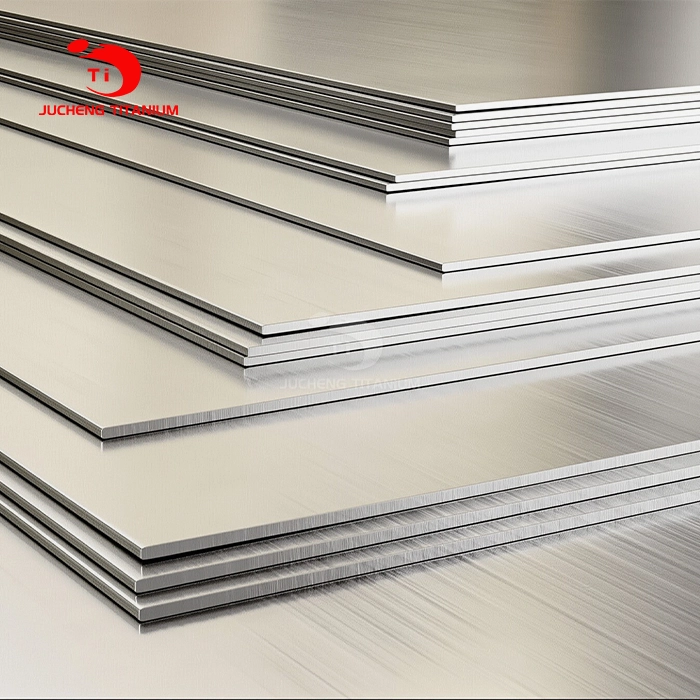
With controlled hot or cold deformation methods, titanium metal rolling technology can turn ingots into high-performance flat goods. These methods change the metallurgical structure of metals like Grade 5 Ti-6Al-4V, which makes them stronger, more resistant to rust, and more accurate in terms of size. The rolling method has a direct effect on the fineness of the grains, the direction of the texture, and the number of defects in titanium alloy plates. Knowing how to master this process is important for industries that need to be reliable in harsh conditions, like aerospace structural components, chemical reactor vessels, and medical implants.
Understanding Titanium Alloy Rolling Technology
Core Compositions and Mechanical Properties
Titanium alloy performance depends on alloying element modification. The 6% aluminium and 4% vanadium in Grade 5 Ti-6Al-4V provide it with tensile strengths above 900 MPa while being 45% lighter than steel. Alpha-beta alloys are suited for aeronautical applications because they resist creep at high temperatures. Grade 9 Ti-3Al-2.5V is another strong alternative for welding hydraulic system tubes that need joint stability. The weight penalty in aeronautical constructions is reduced by these alloys, improving fuel economy over time.

Grades 1, 2, and 4 commercially pure titanium prioritise corrosion resistance above strength. Grade 2 heat exchanger plates are used in chemical processing because they are easy to shape and acid-resistant. Galling can occur in these grades without alloying elements, rolling temperature must be controlled. Understanding these compositional variances helps procurement teams match material attributes to operational needs.
Comparison with Traditional Structural Materials
Titanium alloy plates outperform other materials. Though cost-effective, stainless steel 316L corrodes in saltwater settings over 60°C, needing replacement every 8–12 years in desalination applications. However, Grade 2 titanium plates have not corroded after 20 years in identical conditions. Even though aluminium alloys like 6061-T6 are lighter, they lose mechanical integrity over 150°C. Grade 5 titanium is unbeatable for jet engine firewall screens since it works up to 400°C. Titanium's modulus of elasticity (about 200 GPa) matches human bone, reducing stress shielding for medical implants.
Traditional Rolling Methods and Process Challenges
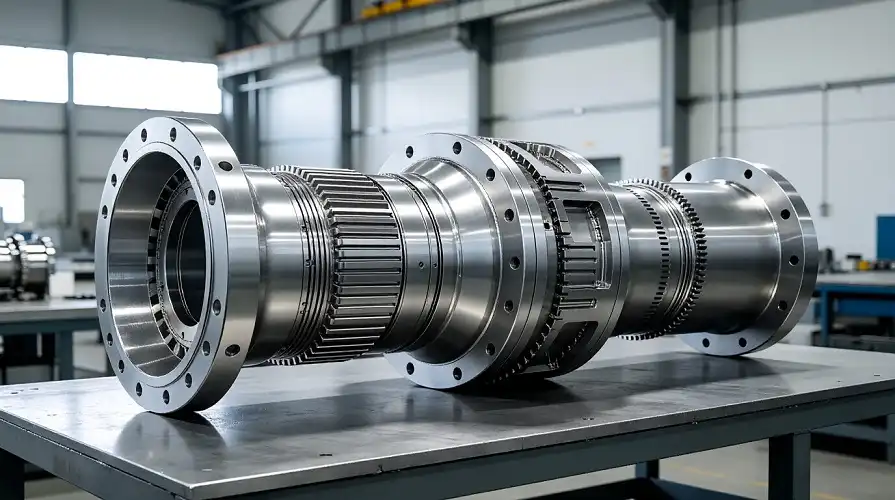
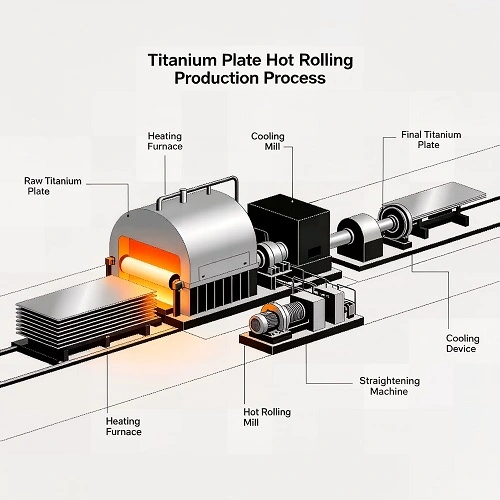
The traditional titanium hot rolling temperature is 850°C to 1050°C. To avoid oxygen absorption and surface weakening during preheating, maintain an inert environment. Multiple passes of rolling reduce thickness, causing work hardening that requires periodic annealing to release tensions. This procedure takes time and energy.
Consistent plate temperature is difficult to achieve, leading to edge cracking and thickness variances that exceed aerospace norms (±0.1 mm). A hard, brittle alpha-case layer from surface oxidation must be removed by acid pickling or cutting, wasting 3–5% of the raw material. Controlled-atmosphere manufacturing has emerged due to these issues.
Technological Advancements in Rolling Processes
Recently developed rolling technologies have substantially enhanced results. Airborne pollutants are eliminated by modern vacuum rolling systems, improving surface smoothness from Ra 3.2 μm to Ra 1.6 μm without extra cutting. For medical-grade titanium, controlled atmosphere rolling with argon prevents oxide scale development and harmful pickling.
Automated laser profilometer systems assess thickness in real time, allowing hydraulic controls to quickly change pressures for consistent tolerances over widths up to 2,500 mm. Product development waste is 40% less due to advanced modelling software that anticipates grain movement and stress distribution.
A U.S. aerospace manufacturer's case study shows that vacuum hot rolling reduces internal porosity from 0.8% to 0.2% for Ti-6Al-4V wing spar plates. In cyclic loading testing, this innovation increased wear life by 35%, showing how rolling technology advances affect high-stakes component reliability.
Key Rolling Processes and Their Impact on Titanium Alloy Plate Quality
Material Preparation and Billet Casting
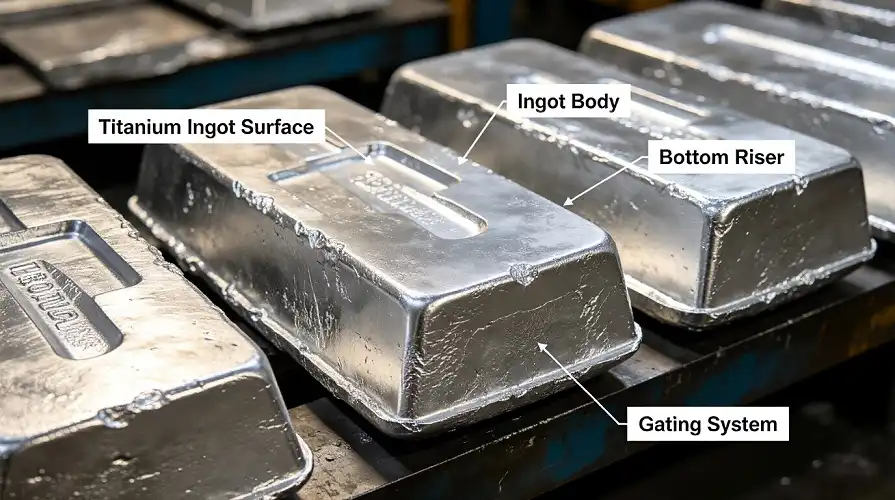
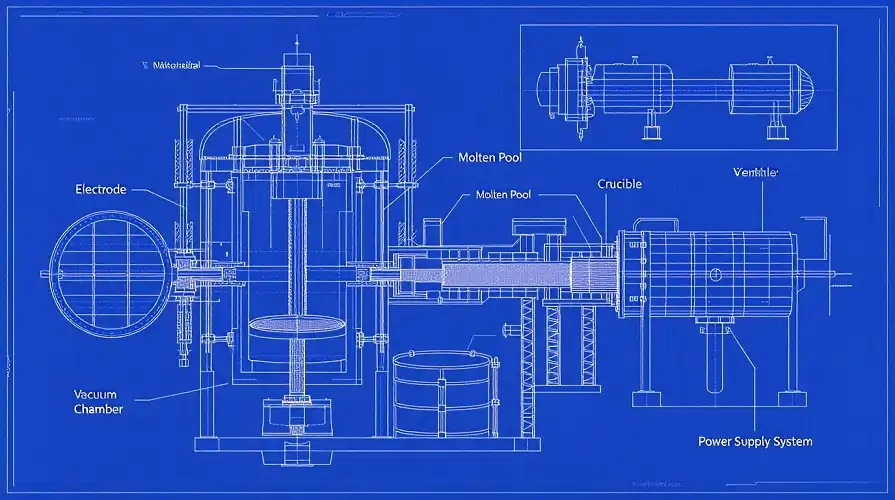
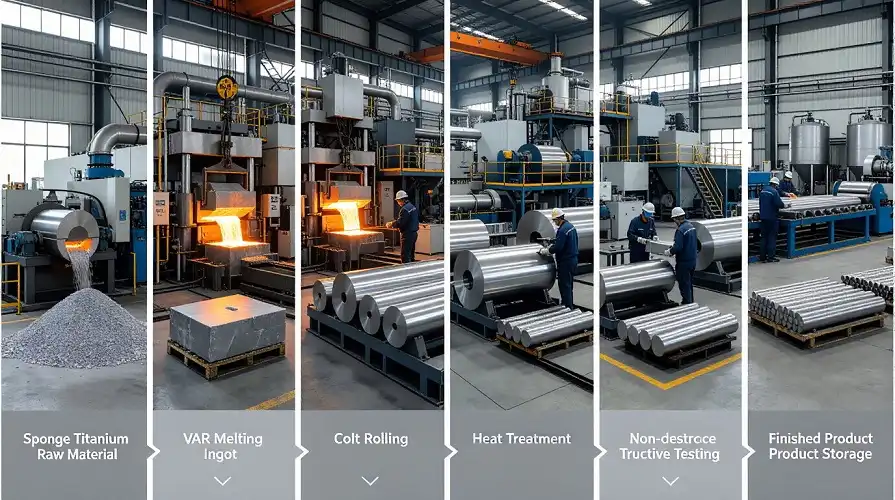
The quality of titanium alloy plates starts with a good ingot. Titanium billets with few intermediary elements are made using vacuum arc remelting (VAR). Grade 5 oxygen levels must be below 0.13% for flexibility. Laminations or splits during rolling can result from ultrasound-detected subsurface imperfections bigger than 1.5 mm. Before rolling, homogenisation at 1,150°C for four hours breaks up segregated phases and creates a homogenous microstructure.
Surface preparation by cutting or grinding removes casting faults and imperfections, giving a clean start that reduces bending problems. The billet size is dependent on the intended final plate size, taking into account a 15–20% thickness reduction every pass and edge trimming. Proper planning now can avert costly quality difficulties later in production.
Temperature-Controlled Heating and Rolling Schedules
Preventing thermal shock cracking requires heating rate control. To reduce heat loss, the standard heating plan entails raising the temperature from room temperature to 900°C over three hours, soaking, and transferring to the rolling mill within five minutes. In multi-pass rolling, infrared pyrometers monitor surface temperatures and start reheating when they dip below 850°C.
Rolling schedules must balance pass count and deformation. Heavy reductions of 30–40% can boost production but cause edge fissures and interior gaps. Conservative savings of 15–20% need more passes, increasing cycle times and energy costs. The best strategy depends on metal quality, initial thickness, and final qualities. To achieve thickness and surface polish, Grade 5 plates undergo 8–12 hot rolling passes followed by cold rolling for aircraft applications.
Heat Treatment and Final Property Development
Heat treatments after rolling reduce residual stresses and improve microstructure. Mill-annealed plates are air-cooled after heating to 650–750°C for one to two hours to increase ductility and reduce hardness. Solution treating and ageing can raise Grade 5 tensile strength to 1,100 MPa for aerospace applications.
Alpha-beta alloy phase balance depends on post-annealing cooling. Rapid cooling maintains the beta phase, boosting toughness, whereas slower cooling promotes alpha precipitation, improving creep resistance. These modifications let vendors customise plate attributes for unique service situations without changing base chemistry.
Quality Assurance and Certification Protocols
ASTM B265 standards require mechanical testing of every production batch for tensile, yield, elongation, and hardness. Optical emission spectroscopy checks chemical composition for permissible element ratios. Ultrasonic testing must show no greater than a 1.6 mm equivalent flat-bottom hole to ensure internal integrity, per aerospace standards (AMS 4911).
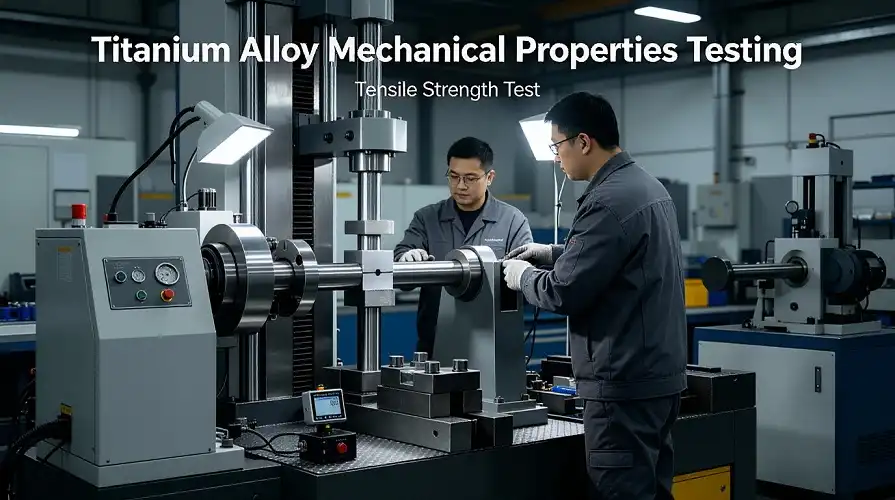
Unique heat numbers and mill test reports (MTRs) on test results and certificates link each plate to each ingot. Third-party testing strengthens buyer trust in crucial applications by verifying dimensions, surface polish, and mechanical qualities. This robust quality approach prevents batch variations and builds supplier confidence.
Selecting the Right Titanium Alloy Plates Based on Rolling Technology
Application-Specific Material Selection
Grade 5 plates with a fine-grain lattice are needed for aerospace structural parts. This can be done by controlled rolling and beta-annealing. The balanced grains that are made (ASTM grain size 8–10) have qualities that are the same everywhere, which is important for parts of fuselage frames and landing gear that are stressed in more than one way. Plates that meet the requirements of AMS 4911 are put through extra tests to check their fracture hardness and fatigue crack growth rates. This makes sure that they can handle damage in service.
Commercially pure grades (Gr2, Gr7) are good for chemical processing equipment because the rolling parameters focus on surface quality and rust layer integrity. Cold-rolled finishes with Ra values below 0.8 µm reduce the number of places where cracks can start in gasketed joints. Plates for reactor vessels that handle reducing acids need to be the same thickness (±0.2 mm) so that stress is distributed evenly when the pressure inside the vessel is high. This is directly related to how precise the rolling mill is and how well the process control system is set up.
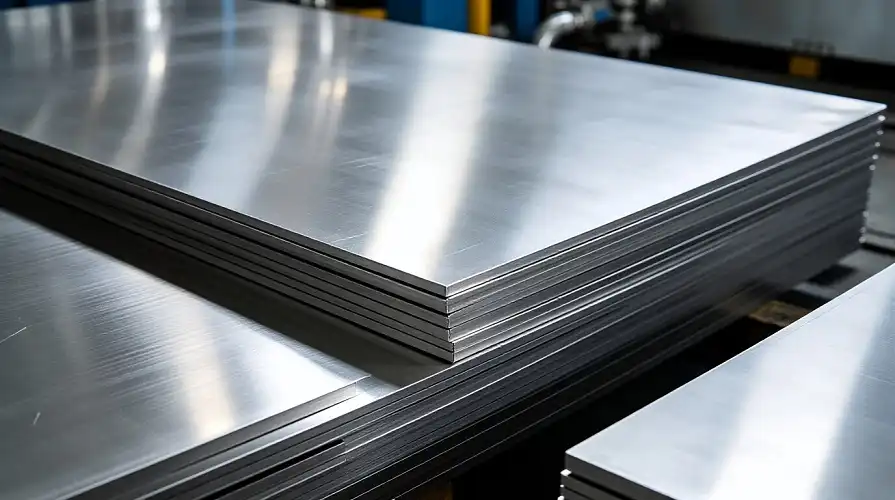
Manufacturers of medical implants define Grade 23 (extra-low interstitial Ti-6Al-4V) with certain structural needs. Rolling plans that make fine, evenly distributed grains make it easier to machine complicated implant shapes while keeping the stress strength above 500 MPa. Acid pickling and other surface processes get rid of any remaining alpha-case, making the substrates ready for biocompatible coverings. Because of these specific needs, providers must know how to do deep rolling and have proven medical production experience.
Evaluating Supplier Rolling Capabilities
As part of your due research before buying, you should look at the rolling mill's maximum rolling force (at least 5,000 tons for thick plates), its maximum width (2,500 mm works for most uses), and its temperature control accuracy (±10°C regularity). Suppliers who have automatic thickness measuring tools show that they care about the quality of the dimensions. Being able to work in a vacuum or an inert atmosphere means that the material is ready for high-purity grades that are needed in electronics and medical uses.
Process approvals show how mature a quality system is. Aerospace-grade production rules are confirmed by AS9100 registration. ISO 13485 approval proves that a company can make medical devices. Ask for audit records that show the number of non-conformances and how well the corrective actions worked. Reliable supply chain partners have low rejection rates (below 2%) and strong plans for continuous growth. Most of the time, these operational factors are better at predicting shipping success than price quotes alone.
Value-added services make suppliers more useful than just providing product plates. Buyer cutting waste is cut down by custom rolling to non-standard sizes. Having heat treatment, testing, and licensing done in-house speeds up the buying process. Technical help with choosing materials, such as finite element analysis of the performance of rolled microstructures, shows that the connection is more of an engineering partnership than a business one. When it comes to product creation and cutting costs, suppliers with these skills become valuable tools.
Procurement Strategy for Titanium Alloy Plates
Sourcing from Qualified Suppliers
Reliable titanium alloy plates suppliers maintain a substantial inventory of various grades (Gr1, Gr2, Gr4, Gr5, Gr7, Gr9, Gr12) and sizes (thickness 4–80 mm, width 950–2,500 mm, length up to 10,000 mm). This availability enables quick fulfilment of project needs, avoiding lengthy wait times associated with custom mill orders. Before finalising supplier agreements, it is essential to audit their inventory through facility inspections or third-party evaluations.

Certifications for compliance with standards such as ASTM B265, ASTM F67, AMS 4911, and ASME SB265 should be readily available. Requesting actual mill test results that detail chemical composition and mechanical properties demonstrates supplier transparency and confidence in quality. Reluctance to provide this information may indicate potential quality control issues.
Evaluating production capacity helps avert supply disruptions during peak demand. Suppliers processing over 500 tons annually typically offer higher quality through improved methods and experienced staff. While smaller businesses may offer lower prices, they might struggle to meet demand during industry surges. Collaborating with two qualified suppliers can balance cost savings with supply chain stability.
Logistics and Delivery Management
Shipping titanium plates requires careful handling to prevent surface damage. Utilising wooden crates with plastic wrapping ensures protection during transport. Containerised ocean freight generally takes 4–6 weeks for shipments from China to U.S. ports, while air freight expedites delivery to 7–10 days at a significantly higher cost. This approach is justifiable for urgent needs or high-value, low-volume orders.
Import duties for titanium plates entering the U.S. stand at 15% ad valorem, classified under HTS code 8108.90. Comprehensive documentation, including commercial bills, packing lists, mill test results, and certificates of origin, is critical for compliance and preventing customs delays. Secured warehouses can defer tax payments until goods are utilised, aiding cash flow management.
Pricing Considerations and Cost Optimisation
Titanium plate pricing encompasses raw material costs (ranging from $15–25 per kg for commercially pure titanium to $25–40 per kg for Grade 5), along with processing expenses such as rolling and certification. Advanced rolling technologies may incur an additional 10–15% cost but enhance material quality, ultimately reducing finishing expenses.
Establishing annual agreements with volume commitments of 20–50 tons can yield discounts of 8–12% compared to spot purchasing, benefiting both parties by improving budgeting accuracy and fostering long-term partnerships.
After-Sales Support and Technical Services
Post-delivery support distinguishes strategic partners from basic suppliers. Providing material traceability and technical data packages facilitates compliance with aerospace (AS9100) and medical (ISO 13485) quality systems. Offering batch testing services confirms mechanical properties and composition, reinforcing trust with end customers.
Value-added services, including precise cutting and surface finishing, minimise buyer overhead and investment in equipment. When suppliers actively engage in the supply chain, they can share expertise on material selection and optimise manufacturing processes, accelerating product development and reducing costly experimentation.
Conclusion
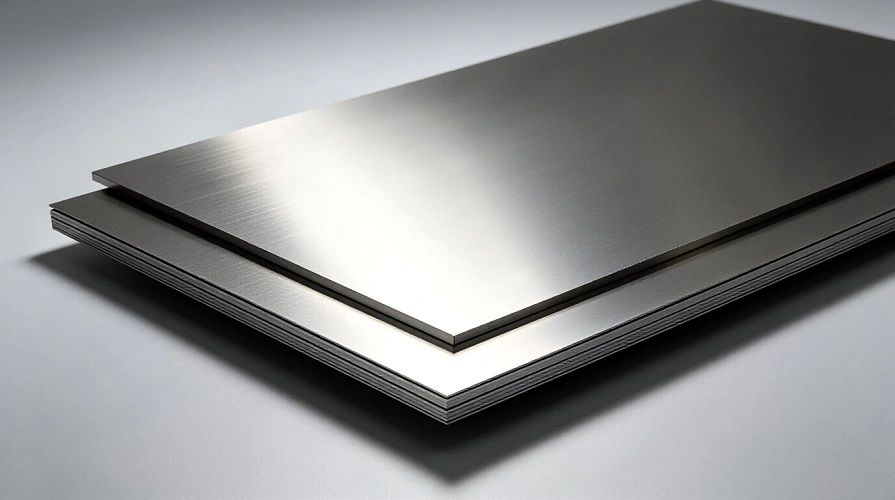
Titanium alloy rolling technology is the key link between the promise of the raw material and the performance of the designed part. Whether finished plates meet the strict requirements of aircraft structures, chemical processing equipment, or medical implants depends on how well the temperature is controlled, how the plates are deformed, and how they are heated. Modern rolling methods, like vacuum atmospheres, real-time thickness control, and predictive maintenance, make the quality better while also being better for the earth by using less energy and getting the most out of the materials. When procurement workers understand these technical links, they can choose the best suppliers by weighing cost against capability needs. The titanium industry is moving toward automation, sustainability, and new alloys. This gives buyers the chance to gain a competitive edge by forming strategic relationships with makers who are thinking ahead.
FAQ
Q1: What thickness tolerances can be achieved in rolled titanium alloy plates?
Standard hot-rolled plates meet the ASTM B265 tolerances of ±0.25 mm for sections less than 6 mm thick and ±0.40 mm for parts that are bigger. Cold-rolling improves accuracy to ±0.10 mm, making it good for aircraft uses that need to keep measurements very close. If you ask, custom grinding services can get to ±0.05 mm, but this takes more time and costs more.
Q2: How does rolling temperature affect titanium alloy mechanical properties?
Higher rolling temperatures (above 950°C) result in lower flow stress, which allows greater reductions, but might make the grain structure rougher. At lower temperatures (850–900°C), more passes are needed to make the grains thinner, but they are stronger and more flexible. After rolling, beta-annealing gives you more control over the microstructure. It does this by controlling the heating and cooling processes to make the qualities best suited for each application.
Q3: What surface finishes are available for rolled titanium plates?
The surface roughness of standard mill grades is between 3.2 and 6.3 μm. Acid pickling gets rid of oxide scale, which makes the finish better to Ra 1.6–3.2 μm. Mechanical cleaning can get Ra values as low as 0.4 to 0.8 μm, which is good for medical and food industry uses that need smooth, easy-to-clean surfaces. Bright-annealed surfaces close to Ra 0.2 μm can be made by cold rolling without any other steps being taken. This makes it perfect for high-purity and artistic uses.
Partner with Jucheng Titanium for Superior Titanium Alloy Plates
With more than 20 years of experience in the rolling process, Baoji Jucheng Titanium Industry is ready to help you with your titanium alloy plate requirements. We keep 3,000 tons of Grades 1, 2, 4, 5, 7, 9, and 12 in stock. The sizes range from 4 to 80 mm thick, 950 to 2,500 mm wide, and lengths up to 10,000 mm. All of them are made to meet ASTM B265, ASTM F67, AMS 4911, and ASME SB265 standards. When we combine our hot rolling skills with precise annealing, levelling, pickling, and surface finishing, the plates we make have uniform mechanical traits and great surface quality. Our expert team can help you with any problem, whether you need aerospace-grade materials that can be fully tracked, plates that won't rust for chemical processing, or medical-grade titanium that has been certified to be biocompatible. We make titanium alloy plates for the aircraft, chemical, and medical industries around the world. We offer reasonable prices, fast shipping from stock, and full support after the sale. Email our team at s4@juchengti.com to talk about your needs and get thorough technical plans that are made just for your project.
References
1. Lütjering, G., & Williams, J.C. (2007). Titanium: Engineering Materials and Processes. Springer-Verlag Berlin Heidelberg.
2. Donachie, M.J. (2000). Titanium: A Technical Guide, 2nd Edition. ASM International Materials Park, Ohio.
3. Boyer, R., Welsch, G., & Collings, E.W. (1994). Materials Properties Handbook: Titanium Alloys. ASM International.
4. Veiga, C., Davim, J.P., & Loureiro, A.J.R. (2012). Properties and applications of titanium alloys: A brief review. Reviews on Advanced Materials Science, 32(2), 133-148.
5. Semiatin, S.L., Seetharaman, V., & Weiss, I. (1999). Hot workability of titanium and titanium aluminide alloys—an overview. Materials Science and Engineering: A, 243(1-2), 1-24.
6. ASTM International. (2020). ASTM B265-20: Standard Specification for Titanium and Titanium Alloy Strip, Sheet, and Plate. West Conshohocken, PA.