
Pickled Titanium Tube for Precision Industrial Equipment
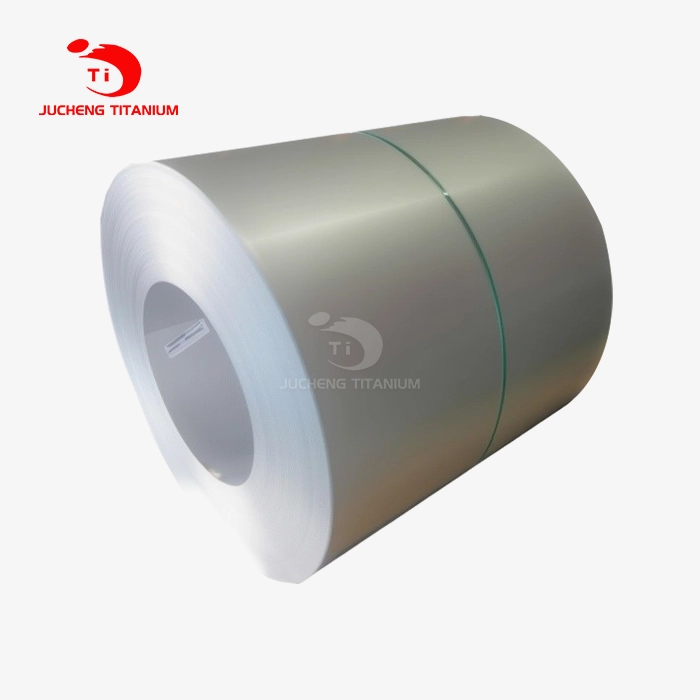
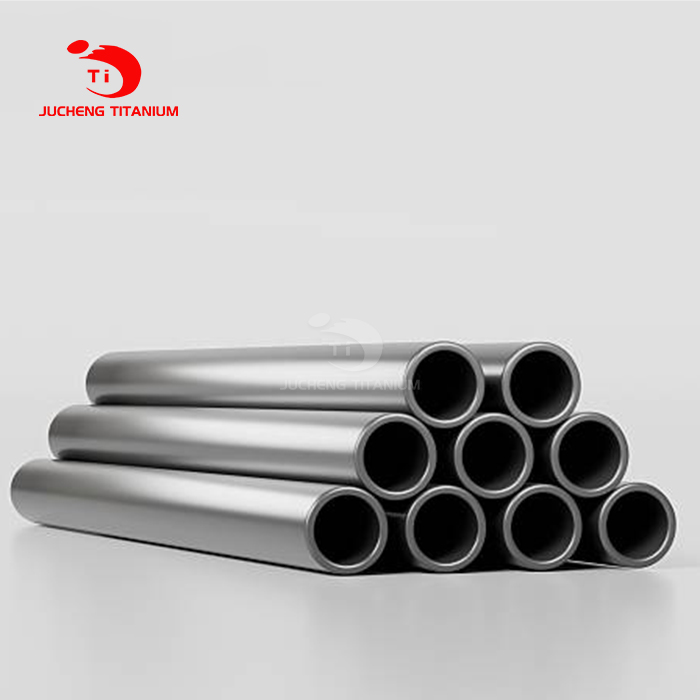
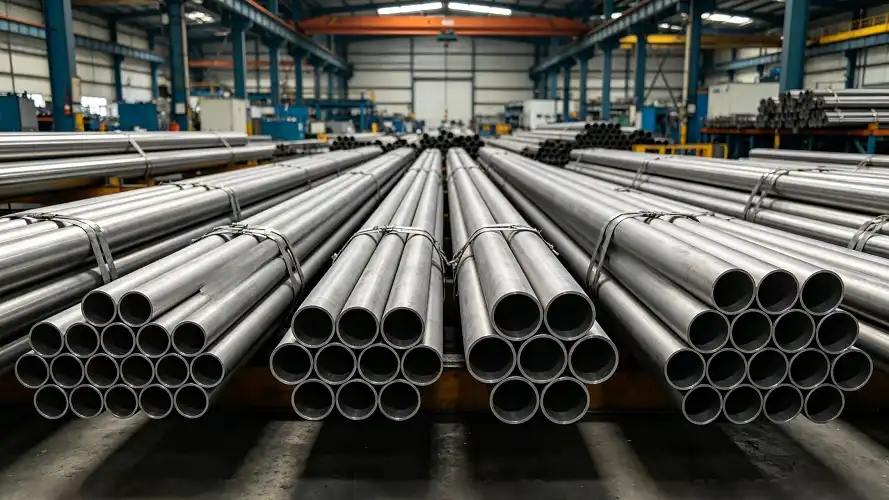
Pickled Titanium Tube is the best material for high-precision industrial equipment that needs to be completely resistant to rust and have a clean surface. Pickled Titanium Tube is a smooth titanium product that has been through a controlled chemical process that gets rid of dirt and oxide-covered surfaces. This leaves a clean, matte-gray finish that is perfect for heat exchanges, hydraulic systems, and chemical processing equipment. This process improves corrosion resistance and shows any surface flaws for quality control, which is very important for procurement workers who are in charge of high-stakes aircraft, petrochemical, and biological projects.
Understanding Pickled Titanium Tubes: Definition, Process, and Benefits
What Defines an Acid-Pickled Titanium Tube?
Titanium tubing gets a thick oxide scale and an oxygen-rich alpha case on its surface after it is extruded, pierced, and cold rolled. During the acid cleaning process, tubes are submerged in a carefully balanced mix of nitric acid and hydrofluoric acid. This breaks down the unwanted layers chemically. Unlike mechanical grinding, this method treats both the inside and outside areas the same way without changing the standards too much.
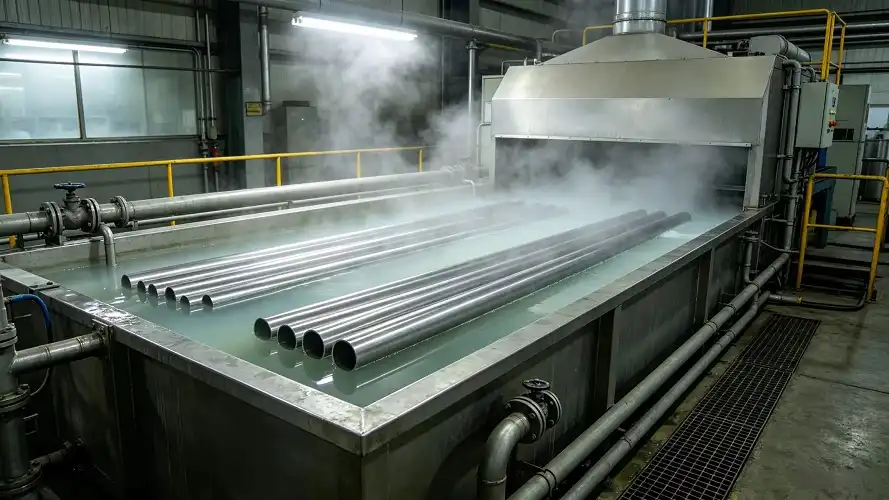
This makes the surface chemically clean and better at sticking together for welding, painting, or glue uses. Pickling usually removes between 0.02mm and 0.05mm of material. This is something that makers think about when they design wall thickness to meet ASTM B338 and ASTM B861 standards.
Key Advantages for Industrial Applications
Pickling in acid solves a number of important problems in industrial buying. Getting rid of the fragile alpha case stops cracks from starting when the load changes over and over again. This is a very important thing to think about for defence and aerospace hydraulic lines. The uniform matte finish makes it easier for eye inspection teams to find flaws on the surface than black-scaled tubes that haven't been treated.
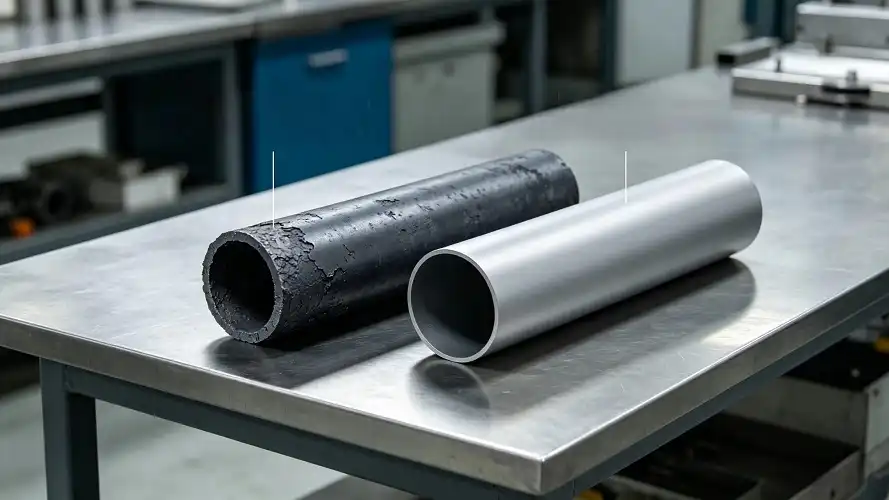
When the clean base metal is exposed to air, it quickly forms a solid passive oxide film. This makes corrosion protection much better. Because it can fix itself, pickled tubing is better in chloride-rich places like evaporation plants and power plants along the coast. Longer service lives and lower upkeep costs are good for equipment makers. This means that the higher initial investment in materials pays off in the long run.
Technical Specifications and Performance Attributes of Pickled Titanium Tubes
Material Grades and Compliance Standards
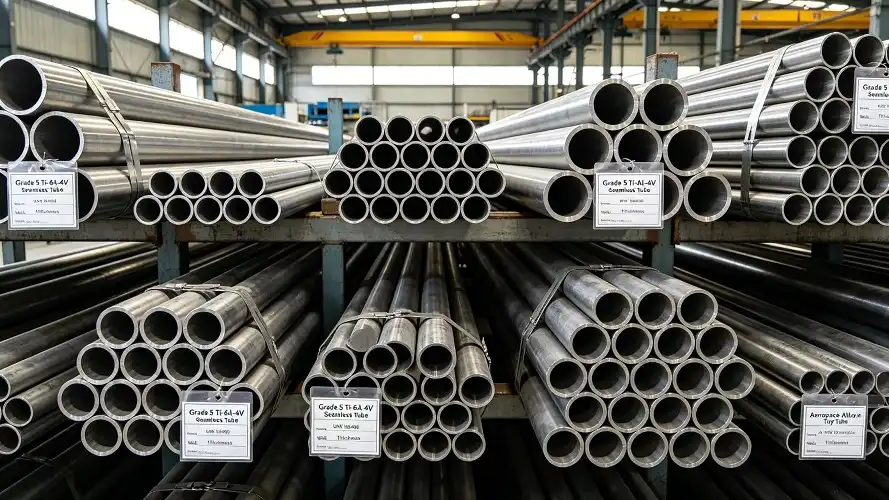
We make Pickled Titanium Tubes in a number of different sizes to meet the needs of different industries. Grades 1 and 2 are commercially pure titanium that is easy to shape and doesn't rust, making them perfect for chemical reactors and heat exchanger bundles. Grade 5 (Ti-6Al-4V) is very strong and is used for aerospace structural parts. Grade 9 (Ti-3Al-2.5V), on the other hand, is strong and easy to weld for aircraft hydraulic systems.
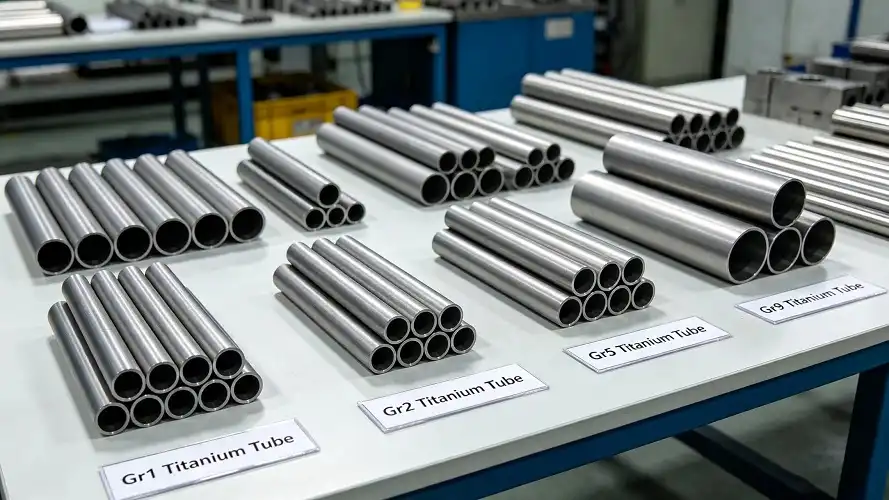
All of our products meet widely recognised standards, such as ASTM B337 and B338 for heat exchangers, ASTM B861 for general industry use, AMS 4942 for use in spacecraft, and ASME SB338 for use in pressure equipment. These licenses give procurement managers the material security and traceability they need to work in businesses that are focused on compliance.
Dimensional Range and Mechanical Properties
Our seamless pickled tubes have wall thicknesses ranging from 0.5mm to 20mm and outside widths ranging from 3mm to 219mm. Custom sizes can be made to fit the needs of a particular piece of equipment. The pickling process keeps the dimensions within the ASTM tolerance classes and only removes the surface material that needs to be removed.
Mechanical traits stay the same as they were in the base grade. Grade 2 pickling tubes usually have a tensile strength of at least 345 MPa and a yield strength of at least 275 MPa, and they can stretch more than 20%. These traits make sure that the equipment will work reliably even when it is heated and cooled many times and is put under a lot of mechanical stress.
Real-World Performance in Critical Environments
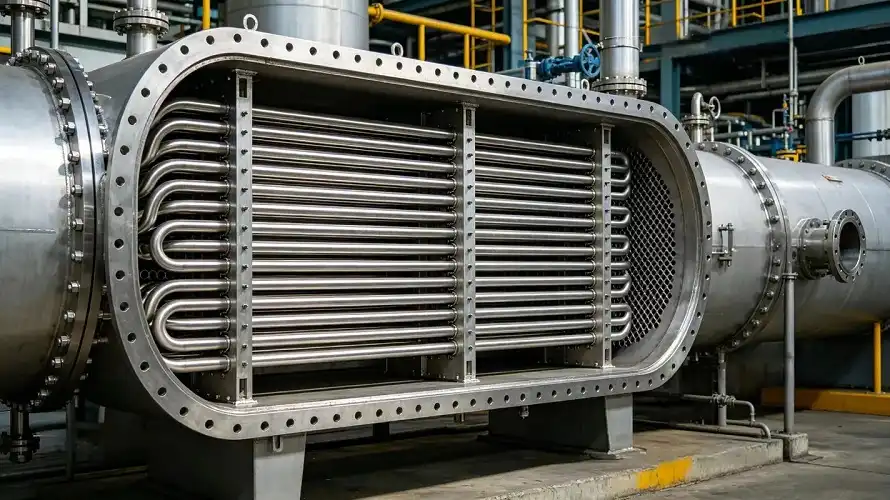
Shell-and-tube heat exchangers in chemical processing plants use Pickled Titanium Tubes to deal with acidic substances like wet chlorine gas and ferric chlorides. The clean surface makes heat transfer more efficient, and the material doesn't react with harsh chemicals that quickly break down stainless steel options.
Aerospace companies use pickled Grade 9 tubing for fuel and hydraulic systems that must be free of contamination. Getting rid of surface dust stops the formation of particles that could make it harder for valves to work or fuel meters to be accurate. Manufacturers of medical devices like the clean, safe surface that makes a great base for further sterilisation steps.
Comparative Analysis: Pickled Titanium Tubes vs. Alternatives
Pickled vs. Bright Annealed Titanium Tubes
Bright annealed tubes go through a vacuum heat process that makes the outside very shiny, like a mirror. Even though this process looks better, it might not get rid of all surface contamination or the alpha case layer. Pickled Titanium Tubes care more about how clean they are than how they look, which makes them better for uses where surface health affects performance rather than how they look.
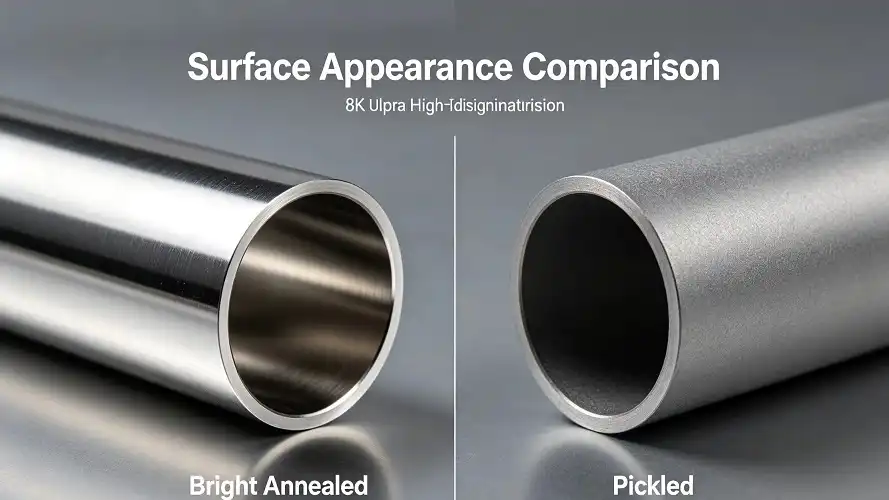
The costs of making them are a little different because bright annealing needs special vacuum furnaces and pickling needs chemical baths. Which one to use relies on whether you need a nice finish or the best corrosion protection and weldability for your purpose.
Titanium vs. Stainless Steel Tubing
Stainless steel 316L is less expensive and can resist corrosion well enough in many industrial settings. Titanium, on the other hand, works better in chloride-containing liquids than stainless steel, which gets pitting and crevice rust. Titanium's high strength-to-weight ratio lets walls be made thinner, which lowers the total system weight, which is very important for aircraft and mobile equipment.
Total cost of ownership research often shows that titanium is better, even though it costs more at first. Longer service life, less upkeep downtime, and no more breakdowns caused by corrosion save a lot of money over the lifetime of an item. When considering materials for heat exchanger projects, procurement managers should figure out how often the parts will need to be replaced and how much it will cost to shut down operations.
Performance Under Extreme Conditions
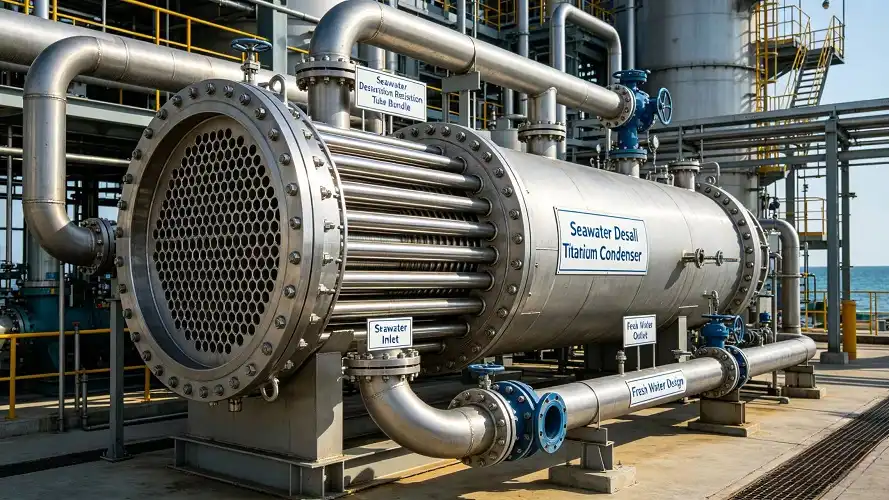
Titanium's benefits can be seen in desalination plants that use flash evaporators at high temperatures and salt levels. Copper-nickel metals and stainless steels need to have their tube bundles replaced often, but Pickled Titanium Tubes stay in good shape for decades. If the passive oxide film is physically broken, it heals itself right away. This means that it protects continuously without the need for external coatings or cathodic protection systems.
Procurement Guide: How to Choose and Source Pickled Titanium Tubes for Your Business
Supplier Evaluation Criteria
To choose a trustworthy titanium tube manufacturer, you need to do more than just compare prices. For aerospace uses, look for providers whose quality management systems have been recorded and are certified to ISO 9001 and standards relevant to the industry, such as AS9100. Experience in manufacturing is important. Suppliers who have worked in the titanium industry for 20 years bring process knowledge that ensures the quality of the products is always the same.
Inventory capacity shows how reliable the supply chain is. If a maker keeps 3,000 tonnes of titanium in stock, they can fill pressing orders without having to wait for long lead times that throw off project schedules. This skill is very important for companies that make equipment that manages just-in-time production systems or have to deal with sudden maintenance needs.
Customization and Technical Support
Standard tube sizes are useful for many things, but special sizes are often needed for accurate tools. Check to see if the potential suppliers can help you with engineering to make the tube design work best for your needs. Can they give me a finite element analysis for estimates with pressure vessels? Will they work together to choose the right materials for each specific corrosive environment?
When it comes to quality control and wait times, manufacturers that do all of their work in-house—including extrusion, piercing, cold rolling, annealing, pickling, and straightening—are better than dealers who get their supplies from different suppliers. This vertical integration cuts down on communication gaps and makes sure that processing parameters are always the same.
Quality Assurance and Certification
Ask for written proof of the quality control steps that are specific to pickled tubes. Hydrogen content analysis (per ASTM E1447) to stop weakening, 100% eddy current testing for surface flaws, and ultrasonic examination for internal soundness are some of the most important parts of a check. Suppliers should give full material test records (MTRs) that can be linked to heat numbers and times of production.
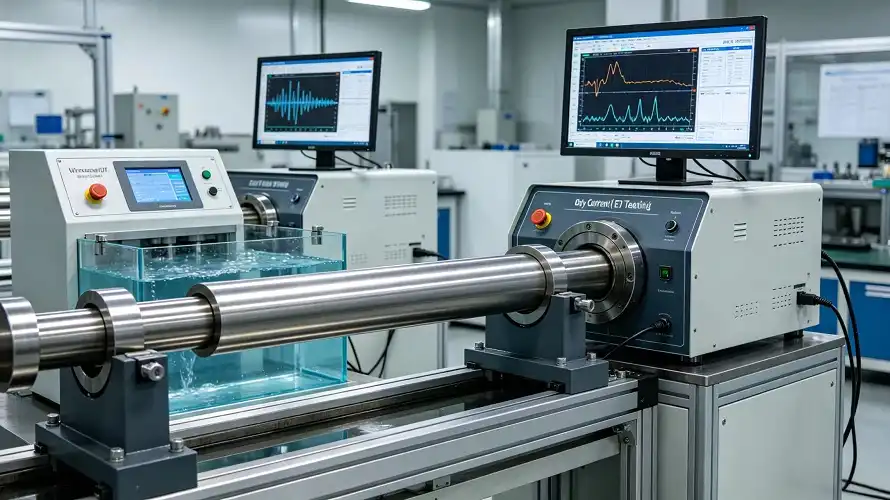
If the industry is regulated, make sure the manufacturer can show you other certifications, such as FDA material compliance for food processing equipment or NACE MR0175 compliance for sour gas service in petrochemical applications. Sample testing choices let you make sure the features of the material are correct before placing big orders.
Future Trends and Innovations in Pickled Titanium Tubing for Industrial Applications
Advanced Surface Treatment Technologies
New developments in pickling chemistry for Pickled Titanium Tube hope to cut down on processing time and make the surface more uniform. Scientists are looking into different acid mixtures that have less of an effect on the environment without affecting how clean the surface is. These new ideas address sustainability issues that are becoming more and more important to corporate purchasing policies.
Automated quality control systems that use machine vision can now find surface problems that human inspectors can't see. By combining artificial intelligence with data from eddy current and ultrasonic testing, predictive quality analytics can be used to lower the number of defects and improve the accuracy of production. Buyers of equipment benefit from having more faith in the stability of the materials they use.
New Alloy Development and Composite Materials
Titanium alloy research keeps pushing the limits of what it can do. Near-beta alloys are better at shaping complicated tube shapes, and intermetallic titanium aluminides work at very high temperatures in aircraft uses. Explosion bonding or diffusion welding can be used to combine titanium with metals that are not the same to make cost-effective options for transitional equipment zones.
Because of these changes, engineers can now choose the best materials for different parts of tools instead of having to use the same materials everywhere. In the corrosive zone, a heat exchanger might use widely pure pickled tubes. In less demanding places, it might switch to titanium-clad steel, which would balance performance with cost.
Market Demand and Strategic Recommendations
The push for energy efficiency around the world increases the need for heat transfer equipment that is both light and long-lasting in HVAC and power generation systems. As desalination capacity grows in areas with limited water, the need for corrosion-resistant tubing will continue to grow. Precision small-diameter tubes with biocompatible surfaces are needed for new medical devices, especially minimally invasive surgical tools.
Instead of dealing with transactional sellers who only want to take orders right away, procurement teams should build relationships with makers who can support long-term technology roadmaps. As equipment designs change, collaborative relationships let people work together to come up with unique solutions. You might want to think about companies engaging in research partnerships with universities and research centers. These kinds of partnerships often lead to new material solutions before they become widely available in the market.
Conclusion
Pickled Titanium Tubing is a good choice for fine industrial equipment that needs to be completely resistant to corrosion and have a clean surface. The controlled pickling method gets rid of harmful oxide layers and impurities while keeping the material's shape and mechanical qualities, which are needed for tough uses. There are 12 grades of pickled tubes, ranging from Grade 1 to Grade 12. These tubes meet ASTM and AMS standards and come in a range of sizes, from 3 mm to 219 mm in diameter. They are used in many industries, including aerospace, chemical processing, medicine, and power generation. Assessing providers based on their manufacturing experience, warehouse size, ability to customise, and quality assurance standards helps make sure that purchasing choices support the long-term dependability of equipment and the efficiency of operations.
FAQ
1. What is the difference between Bright Annealed and Acid Pickled Titanium Tube surfaces?
Bright annealed tubes keep their shiny, mirror-like finish from vacuum processing, which makes them look better. Pickled Titanium Tubes have a matte grey finish that emphasises getting rid of all surface dirt and the weak alpha case layer. Pickling is the best option when the strength of the surface and the ability to weld are more important than how it looks, like in chemical processes and aircraft hydraulic systems.
2. Does acid pickling reduce the wall thickness of the tube?
Pickling is a process that takes away material from tube walls, usually between 0.02 mm and 0.05 mm. To make sure that the finished products meet ASTM standards, manufacturers with a lot of experience set the initial tube dimensions with wall thickness tolerances that take this material loss into account. This managed removal gets rid of only the useless alpha case and oxide layer without damaging the structure.
3. How do you prevent hydrogen embrittlement during pickling?
To stop hydrogen from absorbing, the ratio of nitric acid to hydrofluoric acid must be carefully controlled. Keeping the nitric acid ratio high (usually more than 10:1) stops hydrogen from entering the titanium lattice during the chemical process. As part of their quality control processes, reputable makers keep an eye on the bath chemistry all the time and analyse the hydrogen content according to ASTM E1447.
4. Can acid-pickled titanium tubes be used for oxygen service?
Oxygen systems can use pickled tubes, but pickling them is not enough on its own. Pickling is mostly used to get rid of metal oxides and inorganic contamination, so oxygen service needs extra specialised cleaning to get rid of all organic leftovers. Suppliers with experience in flight uses know about these extra needs and can provide oxygen-cleaned tubing that has been properly approved.
Partner with an Experienced Pickled Titanium Tube Manufacturer
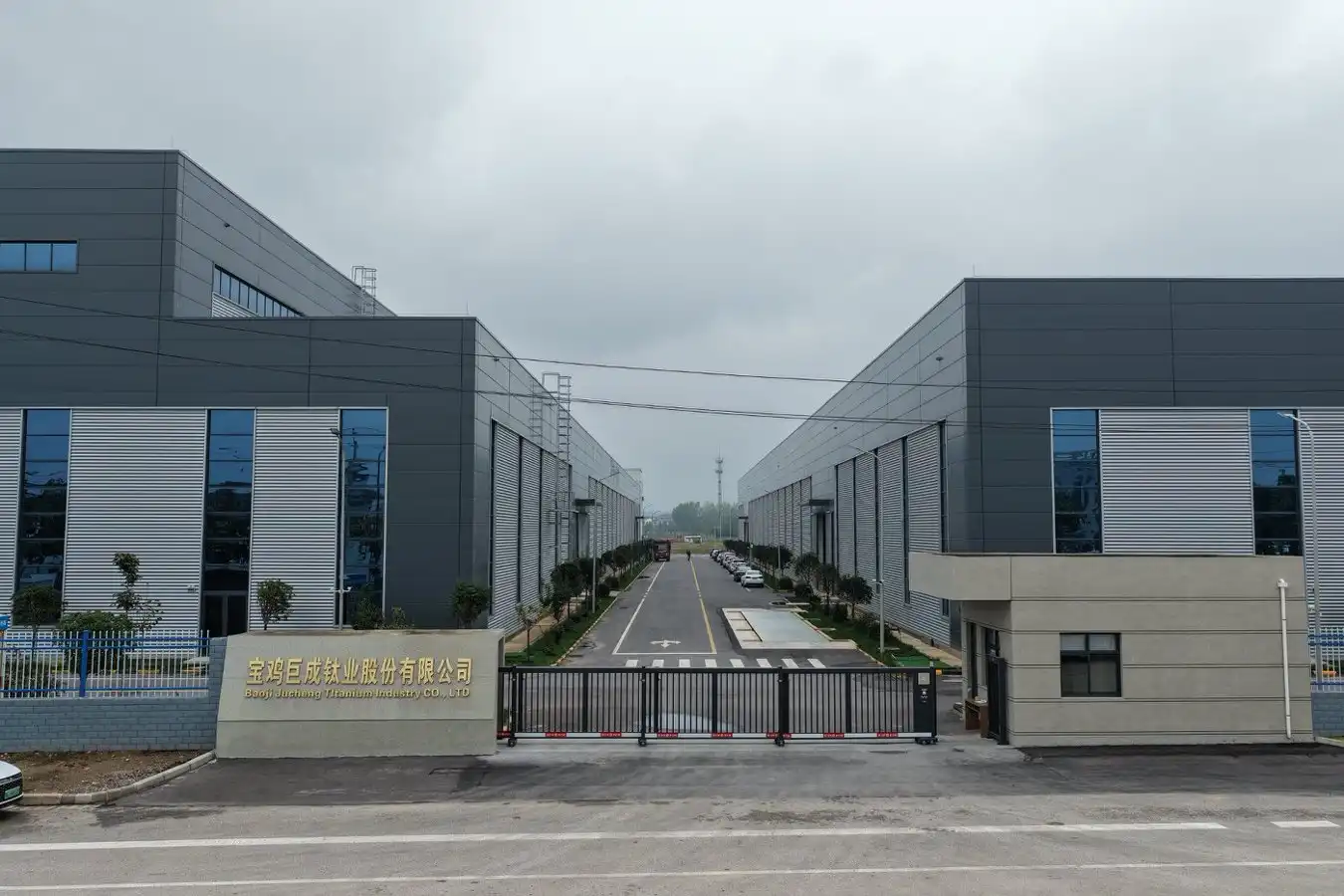
Jucheng Titanium has been producing Pickled Titanium Tubes for precision industry tools for more than 20 years. We keep 3,000 tonnes of titanium in stock as a national-level "little giant" business and National High-Tech Enterprise based in Baoji, China's Titanium Valley. This lets us quickly fill both standard and custom tube orders. We can make things by extruding, cutting, cold rolling, heating, pickling, and bending, and we make sure that quality is checked at every step of the way.
We make tubes that meet the standards set by ASTM B337, ASTM B338, ASTM B861, AMS 4942, and ASME SB338. The tube grades are Gr1, Gr2, Gr3, Gr5, Gr7, Gr9, and Gr12, and the wall thickness ranges from 0.5mm to 20mm. The diameters range from 3mm to 219mm. Our technical team works with research centers like Tsinghua University and the Northwest Institute for Nonferrous Metal Research to come up with new ideas. They use 4 invention patents and 41 utility model patents to do this. Our engineering support and quality assurance methods make sure that the materials we supply are reliable, whether you need heat exchanger packages for chemical processing, seamless tubes for aircraft hydraulic systems, or custom parts for medical devices. Email our team at s4@juchengti.com to talk about the needs of your project, get technical specifications, or set up sample testing. We are a reliable source for Pickled Titanium Tube, and we can meet the quality, uniformity, and service needs of your precision tools.
References
1. American Society for Testing and Materials. (2021). ASTM B338-21: Standard Specification for Seamless and Welded Titanium and Titanium Alloy Tubes for Condensers and Heat Exchangers. ASTM International.
2. Boyer, R., Welsch, G., & Collings, E.W. (2020). Materials Properties Handbook: Titanium Alloys, Second Edition. ASM International.
3. Schutz, R.W. & Watkins, H.B. (2019). "Recent Developments in Titanium Alloy Application in the Energy Industry," Journal of Materials Engineering and Performance, Volume 28, Issue 3, pp. 1235-1248.
4. Donachie, M.J. (2018). Titanium: A Technical Guide, Third Edition. Materials Park, OH: ASM International.
5. Lutjering, G. & Williams, J.C. (2017). Titanium Engineering Materials and Processes, Second Edition. Springer Publishing.
6. Peters, M., Kumpfert, J., Ward, C.H., & Leyens, C. (2016). "Titanium Alloys for Aerospace Applications," Advanced Engineering Materials, Volume 18, Issue 6, pp. 1216-1230.