
Bright Titanium Tube for High-End Architectural Applications
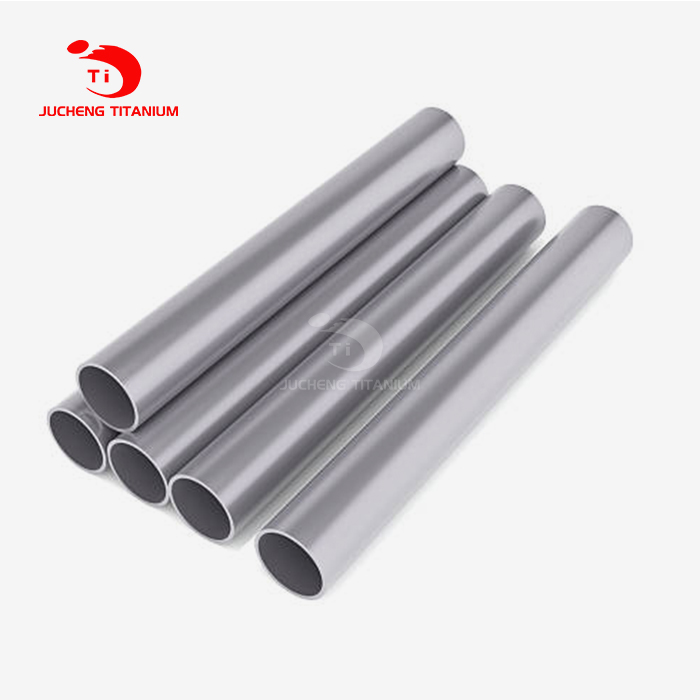
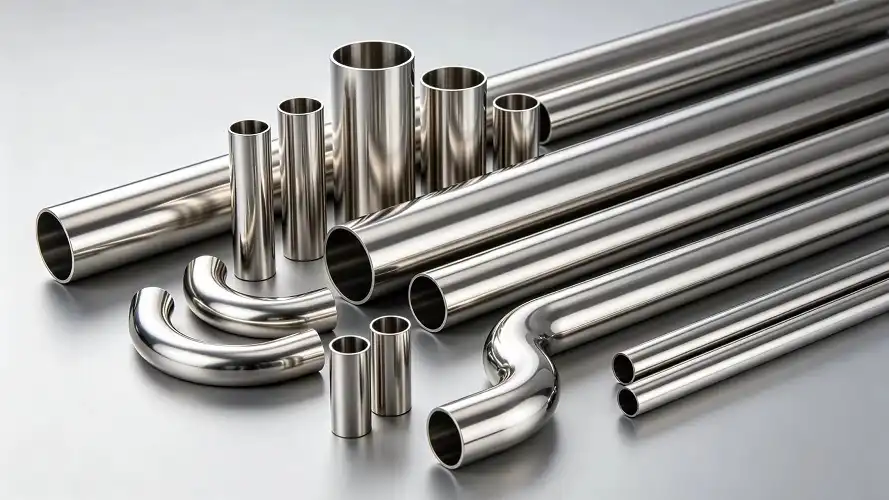
Bright Titanium Tube has become the material of choice for high-end building projects that need materials that look great and are strong. This unique titanium product has a surface finish that looks like a mirror and all of titanium's natural benefits, such as its high strength-to-weight ratios, resistance to rust, and long life. Modern architects and procurement professionals know that the choice of material has a direct effect on the cost, maintenance, and appearance of a building over its lifetime. Bright Titanium Tube meets these needs and gives designers a lot of freedom when making it, so it can be used for tough jobs like outer cladding systems and internal structural frames. Knowing what makes this material special helps procurement teams make smart choices that balance the need for performance with the realities of the budget.
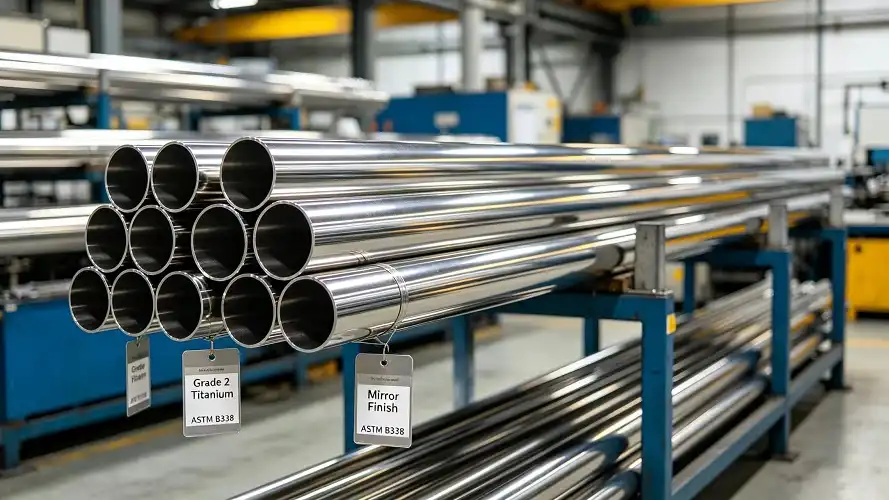
Understanding Bright Titanium Tubes in Architecture
Manufacturing Excellence Behind the Shine
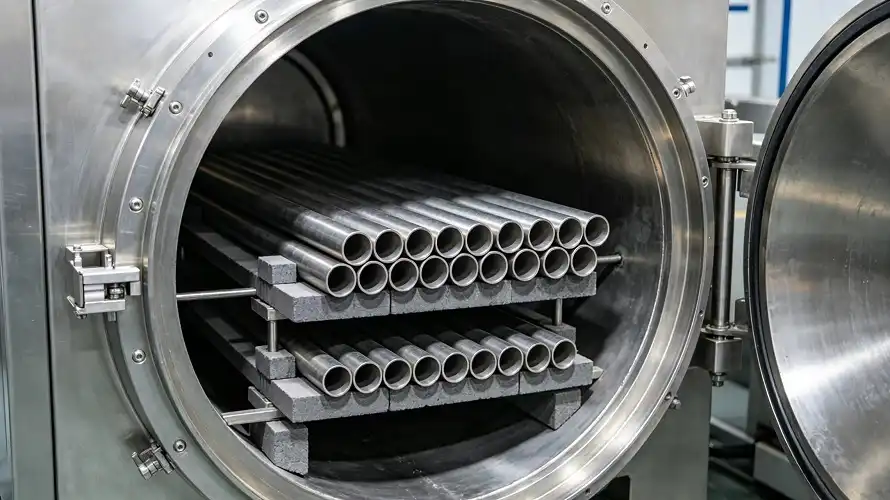
Bright Titanium Tube is a new way to make things that solves problems that have been around for a long time. Bright Titanium Tubes are not like regular titanium tubing, which is heated in air and then acidic, which can weaken the metal due to hydrogen embrittlement. Instead, Bright Titanium Tubes are heated in a vacuum or inert gas. With this specialised method, surface oxidation is completely stopped, so harsh chemical treatments are not needed. The finish is shiny, silver-bright, and the surface roughness is usually below 0.4µm to 0.6µm. This means there is very little friction loss and the surface is very clean, which is important for building uses.
Material Grades and Performance Standards
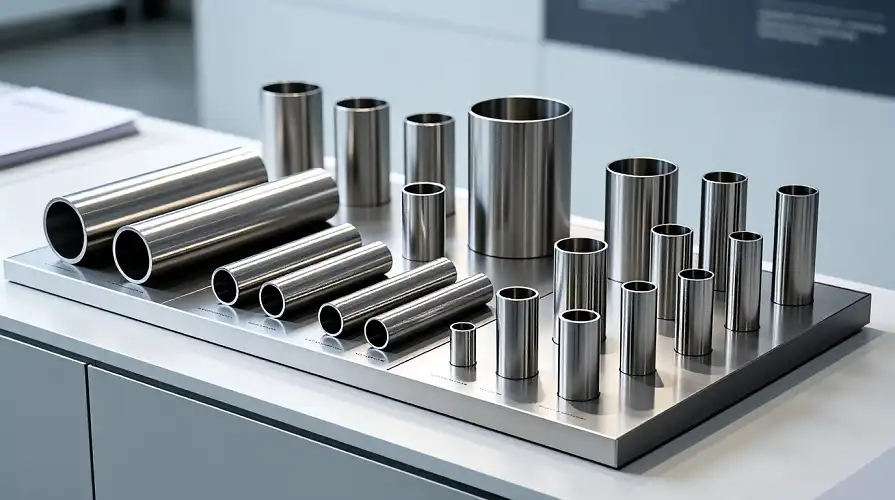
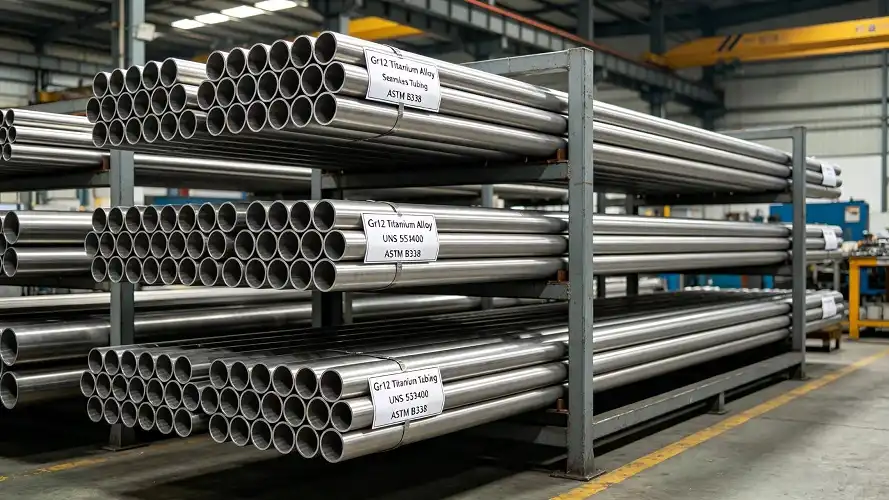
We can make different types of titanium that meet foreign standards like ASTM B337, ASTM B338, ASTM B861, AMS 4942, and ASME SB338. Grades Gr1 and Gr2 are commercially pure titanium that is easy to shape and doesn't rust, making them perfect for most building settings. The Grade Gr5 (Ti-6Al-4V) steel is stronger for load-bearing structure parts, and the Grade Gr9 (Ti-3Al-2.5V) steel has the best mix of strength and weldability. With wall thicknesses ranging from 0.5 mm to 20 mm and outer sizes ranging from OD3 mm to OD219 mm, these seamless tubes can meet a wide range of design needs.
Architectural Applications Showcasing Versatility
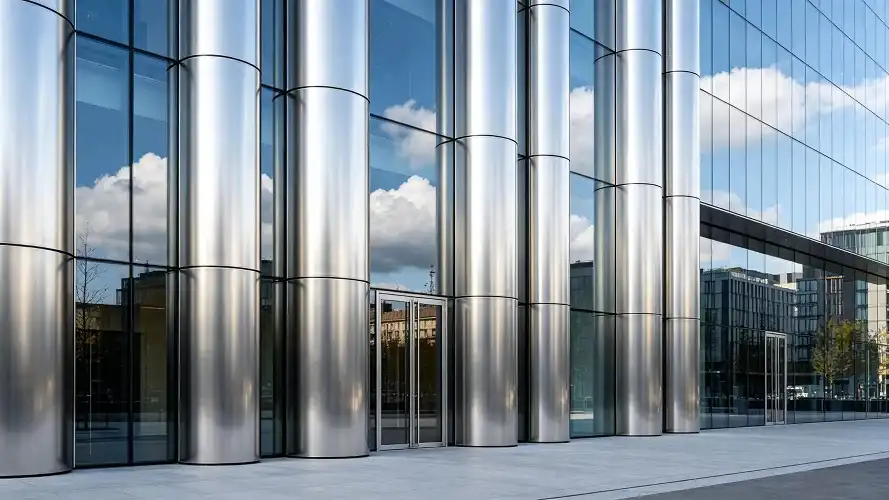
The sleek look of Bright Titanium Tubes has changed the look of famous buildings all over the world. These tubes are used as structural parts on the outside of buildings to catch and reflect natural light, which changes the way things look throughout the day. The material's clean surface and lack of upkeep make it perfect for use in handrail systems, artistic screens, and column cladding inside buildings. Titanium is completely resistant to salty corrosion, so it stays in great shape for decades after installation without needing protection coats or frequent refinishing. This makes it perfect for coastal projects.
Comparing Bright Titanium Tubes with Alternative Materials
Performance Against Stainless Steel
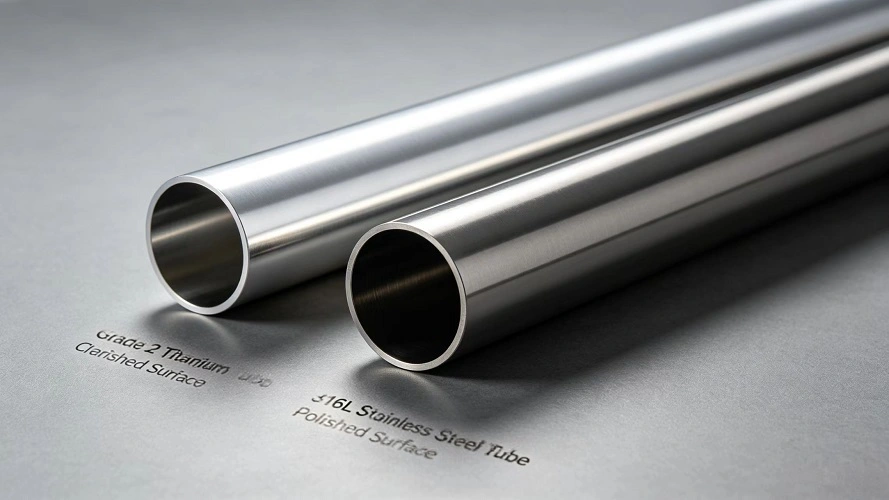
Stainless steel is still commonly used in architecture, but titanium is better for high-end uses when compared directly. Even though grades of stainless steel like 316L are pretty resistant to corrosion, they can still pit and crack in chloride-rich coastal environments. Titanium never breaks down in this way, and it stays that way for its whole useful life. The difference in weight is also important. Titanium is about 60% denser than stainless steel, which means that structures can hold less weight and foundations don't have to be as deep. Even though the original cost of the material is higher, the fact that upkeep, refinishing, and replacement costs are eliminated makes titanium the clear choice for projects that want to last.
Advantages Over Standard Pickled Titanium
Standard pickled titanium tubes are treated with acid, which leaves tiny flaws on the surface and makes it possible for hydrogen to absorb. Bright Titanium Tubes avoid these problems by vacuum annealing, which makes the dimensions more accurate and the microstructure more uniform. The surface consistency that is created supports regular welding performance, which is important for putting together buildings. Grade Gr2 bright tubes keep their tensile strength above 345 MPa and their elongation above 20%, which means they will keep their mechanical properties throughout the manufacturing and installation processes. This improvement in production is especially important for uses that people can see and where surface flaws would hurt aesthetic goals.
Differentiation from Anodized Variants
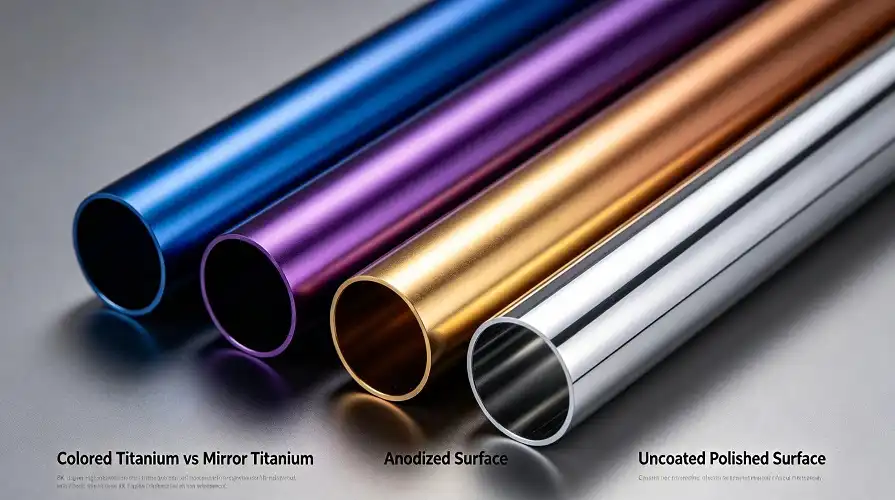
Anodised titanium tubes have coloured oxide layers that are made through electrolytic processes. These layers can be used for decoration, but they change how the tube works. The anodic coating makes the surface thicker, but over time, it can wear away in high-wear areas, meaning that the finish will need to be redone. Bright Titanium Tubes never lose their metallic shine because they don't have any coatings on the outside that could wear off. This difference affects how to maintain and plan for the end of a product's life: bright tubes only need to be cleaned occasionally with light soaps, but anodised surfaces need to be handled carefully to keep their look over decades of use.
Procurement Guide: How to Source Bright Titanium Tubes
Specification Development and Customization
A good procurement process starts with making clear specifications that are in line with the needs of the project. Through special processes like extrusion, cutting, cold rolling, annealing, pickling, and straightening, we can make measurements that go beyond standard sizes to fit the needs of each design. During the first meetings, procurement teams should make sure that everyone understands the required material properties, surface finish, and dimensional limits. Having engineering help from experienced suppliers is very helpful when making specifications because they can spot possible problems with production before they are committed to making the product, and offer design improvements that keep the desired look while making it easier to make.
Evaluating Supplier Credentials
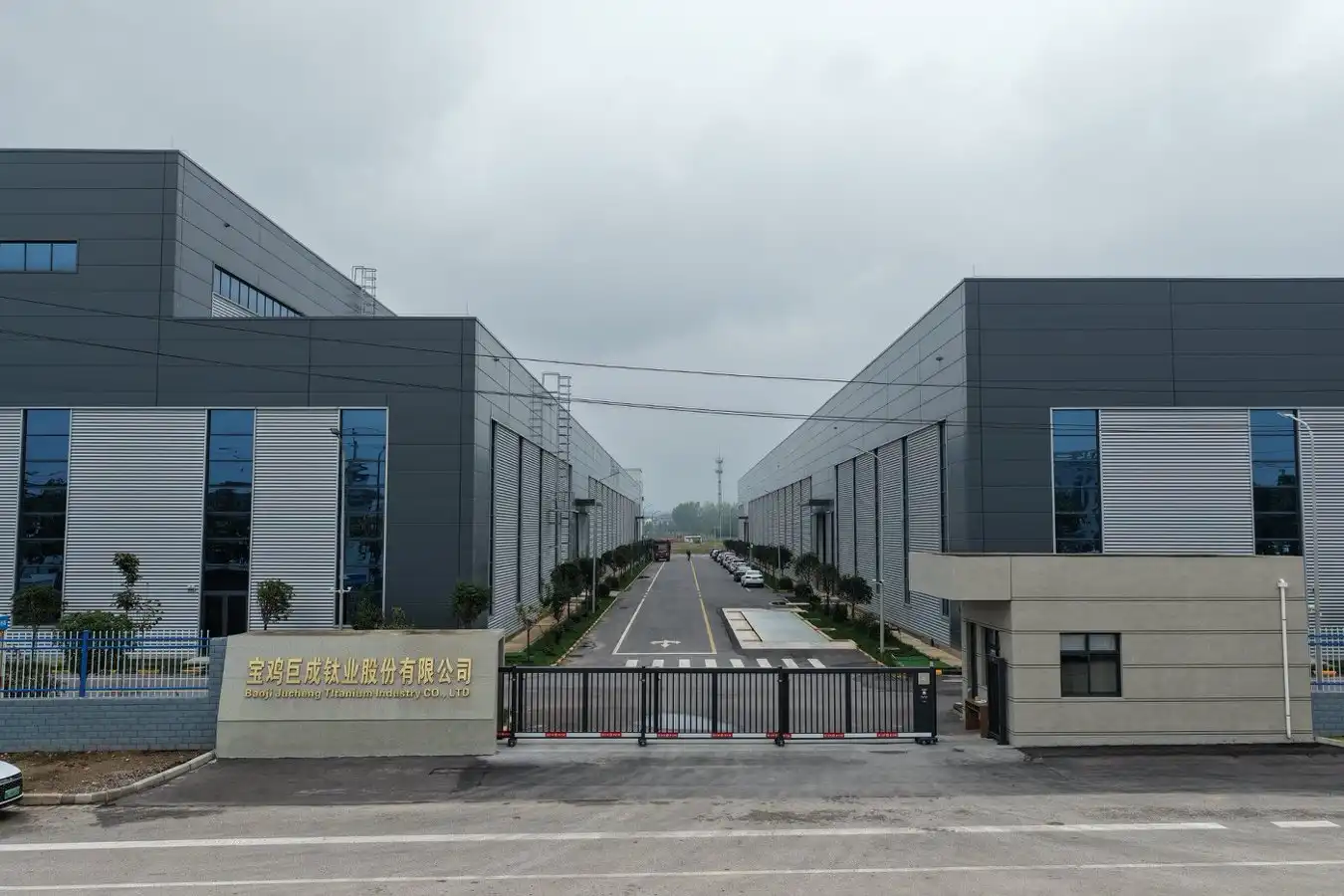
The choice of supplier has a big effect on the success of the project through the quality of the materials, the reliability of delivery, and the professional help provided during the procurement cycle. Getting ISO approval shows that you are dedicated to quality management systems, which are necessary for consistent output. Baoji Jucheng Titanium Industry is a National High-Tech company and a specialised "little giant" company. It keeps more than 3,000 tonnes of titanium in stock so that it can deliver quickly for projects that need to be done on time. Our 41 utility model patents and 4 idea patents show that we are always coming up with new ways to process titanium. By working together with places like the Northwest Institute for Nonferrous Metal Research, architects can get access to the latest materials science for use in their designs.
Understanding Pricing Dynamics and Lead Times
Bright Titanium Tubes are priced on the market based on the cost of raw materials, the difficulty of making them, and the specifics of the order. Wall thickness and diameter have a big effect on unit prices. Units with larger dimensions cost more because they need more material and special tools. Costs are also affected by the surface finish needed. For example, bright annealed tubes cost more than pickled ones because they have to be vacuum processed, which increases the cost. Large-scale purchases are usually possible with minimum order quantities, but custom applications can still use small batch production. Standard wait times are between 6 and 12 weeks, but they can be shorter or longer based on the complexity of the design and the current production plan. For pressing needs, we have a lot of inventory that can be used right away.
Why Bright Titanium Tubes Are the Optimal Choice for Your Architectural Projects
Unmatched Durability and Corrosion Immunity
Architectural materials are constantly exposed to the elements, including changes in temperature and humidity, airborne pollution, and salt spray from the coast. Bright Titanium Tubes have been used for decades without any protective coats and have shown that they are completely resistant to these ways of breaking down. The vacuum annealing method creates the best microstructure, which makes sure that the material's resistance to rust is the same across its entire cross-section. When used in harsh environments, it doesn't show any pitting, crevice corrosion, or stress corrosion cracking that happens with other metals. This means that during building lifetimes of 50 years or more, there will be no need for upkeep, and the building will still look good.

Aesthetic Excellence and Design Freedom
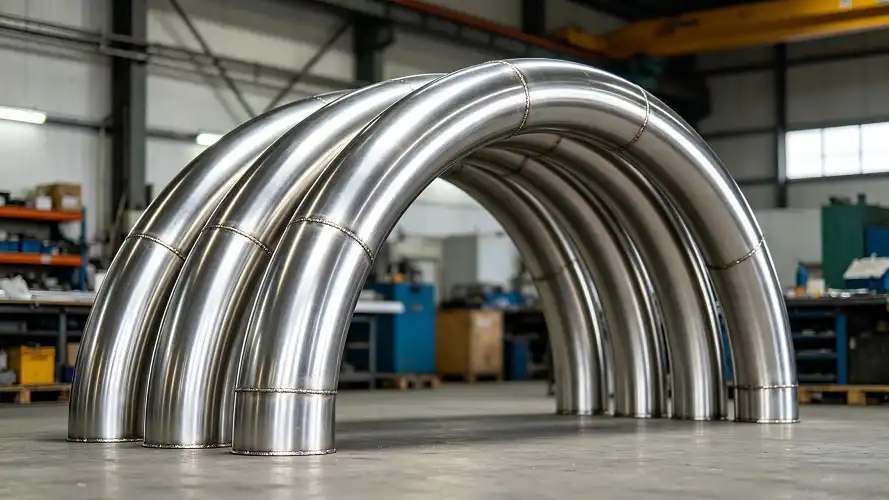
The mirror-bright surface finish that vacuum annealing makes is visually striking in a way that regular materials can't. Architects use this property to make natural light shine brighter, make dramatic shadow play, and give buildings unique personalities. The material can be shaped into complex shapes like curves, tapers, and compound angles while still keeping the integrity of the surface. When done right, welding Bright Titanium Tubes makes clean joints that blend in with the surrounding surfaces, allowing for a smooth visual flow across assemblies. This mix of improved aesthetics and flexible manufacturing opens up building ideas that were previously limited by the materials available.
Lifecycle Cost Advantages
The initial cost of materials is only one part of the total costs of ownership. A full study of the product's lifecycle shows that Bright Titanium Tubes save money because they don't need to be refinished, cleaned, or replaced. Within 20 to 30 years, stainless steel facades usually need to be pressure-washed, have their protective coatings reapplied, and have any rusted parts replaced. Bright titanium installations keep their original look by being washed with water, which saves a lot of money over the life of the building. Lower structural weight lowers the costs of the base and frame. Better building efficiency from easier handling makes up for differences in the prices of materials. All of these things make Bright Titanium Tubes a cost-effective choice for projects that care more about total value than initial cost.
Conclusion
Bright Titanium Tube has unmatched benefits for high-end building uses, including greater resistance to corrosion, stunning good looks, and better term economics. The vacuum annealing method makes surfaces and measurements that are more accurate than those found in regular titanium goods. When specifying these high-end materials, procurement professionals should know about the different grades of materials, how they perform, and how to judge suppliers. Bright Titanium Tubes are the best choice for projects that need to last a long time, require little upkeep, and look great. They combine excellent technical quality with design freedom, and they pay for themselves over and over again through decades of trouble-free service.
FAQ
1. Which Titanium Grade Works Best for Architectural Applications?
The grade chosen is based on the needs of the job and must balance resistance to rust, mechanical strength, and formability. Gr2 is a versatile material that works well in most architectural settings. It is highly resistant to corrosion and easy to weld. For load-bearing structural uses where mechanical needs are higher than what Gr2 can handle, Gr5 is the better choice. Commercially pure types (Gr1, Gr2) offer the best resistance to rust and are especially useful for installations near the coast. Our engineering team suggests grades based on how the material will be used, how it will be fabricated, how it will look, and the weather conditions.
2. How Does Heat Treatment Enhance Tube Properties?
When compared to regular air annealing, vacuum annealing fundamentally improves the properties of the material. The controlled oxygen keeps the surface from oxidising and helps keep the grain structure the same across the whole length of the tube wall. This process improves ductility, which is important for bending and shaping operations because it ensures that the extension qualities stay the same. The mechanical strength stays within certain ranges, and the surface hardness makes it scratch-resistant for use in architecture. Getting rid of hydrogen absorption during processing stops weakening that could damage long-term structural stability. This is especially important for welded assemblies in building frames.
3. What Lead Times Should We Expect for Bulk Orders?
Depending on the complexity of the specifications, the size of the order, and the current production plan, standard lead times run from 6 to 12 weeks. Getting the right tools and making sure the process works can take longer if the measurements or surface treatments aren't standard. With a large inventory of about 3,000 tonnes of titanium in stock, we can quickly deliver to standard specifications or meet urgent project needs. Early involvement in the planning stages of a project allows for production scheduling that matches the arrival of materials with the schedule for building. This avoids expensive delays and makes sure that quality control is maintained throughout the manufacturing process.
Partner with Jucheng Titanium for Your Architectural Material Needs
Architectural projects need partnerships with suppliers that are based on technical know-how, high-quality production, and on-time delivery. Jucheng Titanium has been working in the titanium business for more than 20 years, helping with tough projects in the aircraft, chemical processing, and architecture fields. Our status as a National High-Tech Enterprise and as a "little giant" shows that we are experts in handling advanced titanium. As a top maker and seller of Bright Titanium Tube, we keep a large inventory so that we can quickly meet the needs of any project. We also offer custom manufacturing services that are suited to each customer's specific needs. Our professional technical team gives engineering advice from the time you choose the materials to the time you help with installation, making sure that the project runs smoothly the whole time. Get in touch with us at s4@juchengti.com to talk about your architectural titanium needs. We give procurement teams detailed quotes, material certifications, and sample tubes to help them make decisions with confidence. Visit jucheng-ti.com to see our full line of products and learn why top architecture firms trust Jucheng Titanium to provide the materials that make their grand designs a lasting reality.
References
1. Davis, J.R. (2006). Titanium: A Technical Guide. ASM International Materials Park.
2. Schutz, R.W. & Watkins, H.B. (1998). "Recent Developments in Titanium Alloy Application in the Energy Industry." Materials Science and Engineering: A, 243(1-2), 305-315.
3. Boyer, R., Welsch, G., & Collings, E.W. (1994). Materials Properties Handbook: Titanium Alloys. ASM International.
4. Donachie, M.J. (2000). Titanium: A Technical Guide, 2nd Edition. ASM International.
5. Peters, M., Kumpfert, J., Ward, C.H., & Leyens, C. (2003). "Titanium Alloys for Aerospace Applications." Advanced Engineering Materials, 5(6), 419-427.
6. Lutjering, G. & Williams, J.C. (2007). Titanium: Engineering Materials and Processes. Springer-Verlag Berlin Heidelberg.