
The Environmental Benefits of Using Titanium Seamless Pipe in Renewable Energy
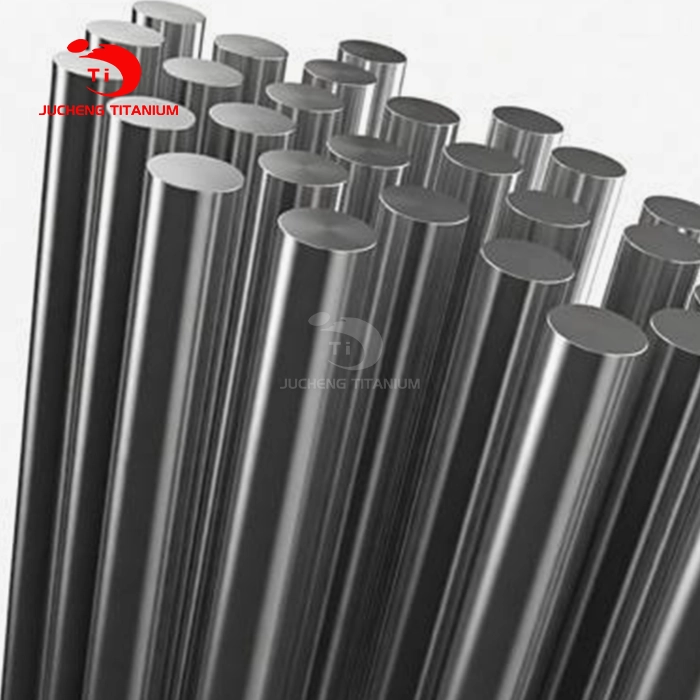
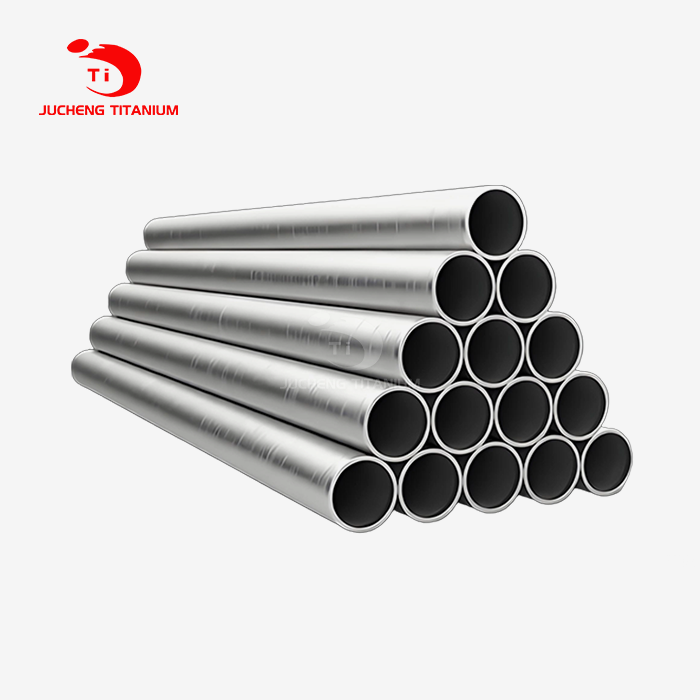
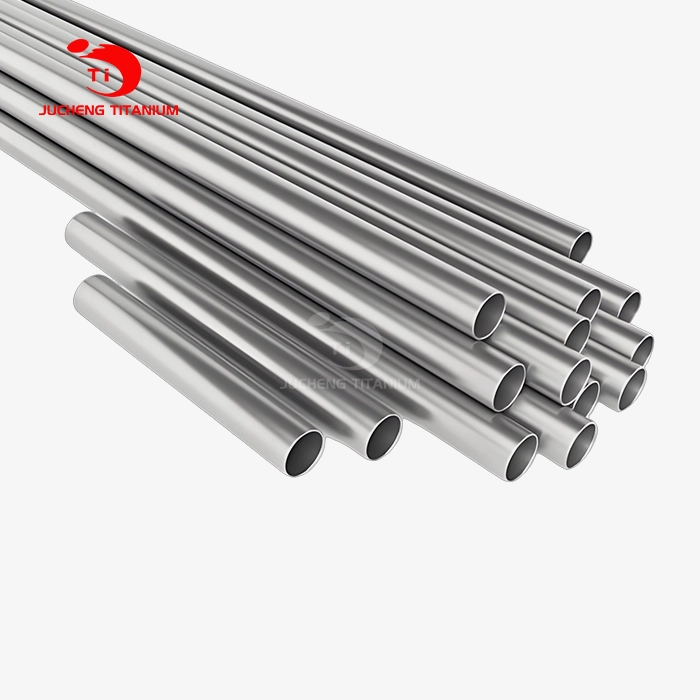
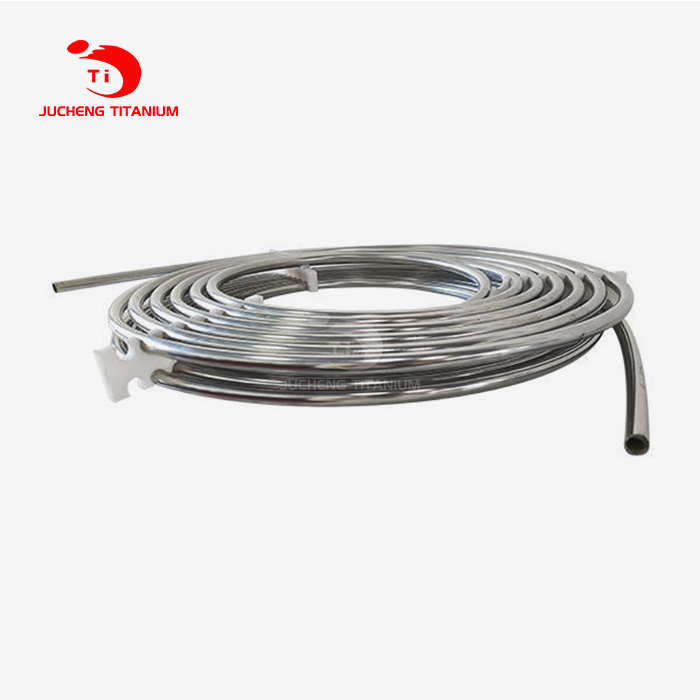
Titanium seamless pipe is a revolutionary material for green energy projects because it offers unique environmental benefits and works better than any other material. Precision extrusion, piercing, and cold rolling methods are used to make these pipes, which means there are no soldered joints. They are very resistant to corrosion and last a long time. Their low weight cuts down on pollution caused by shipping, and their long life means less trash from replacements. Because green energy infrastructure needs materials that are environmentally friendly, titanium seamless pipe is the best choice. It can be used in wind farms, solar thermal plants, geothermal systems, and water facilities, and it has less of an effect on the environment over its whole life.
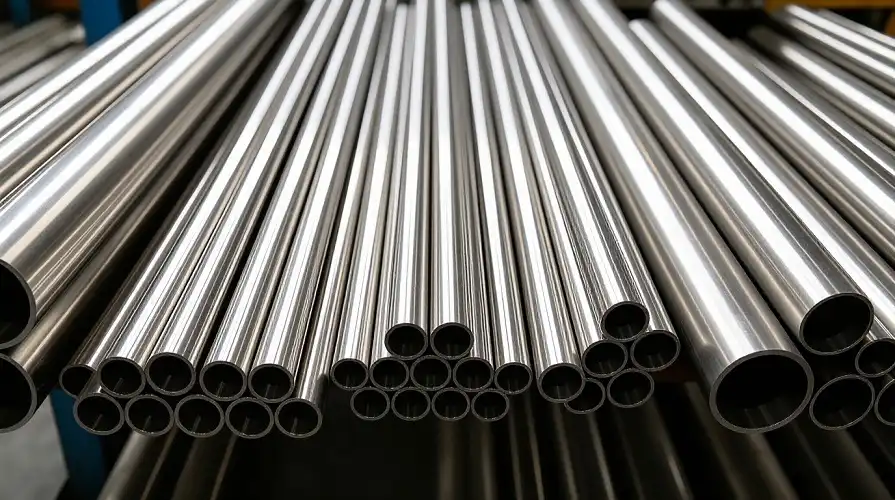
Understanding Titanium Seamless Pipe in Renewable Energy
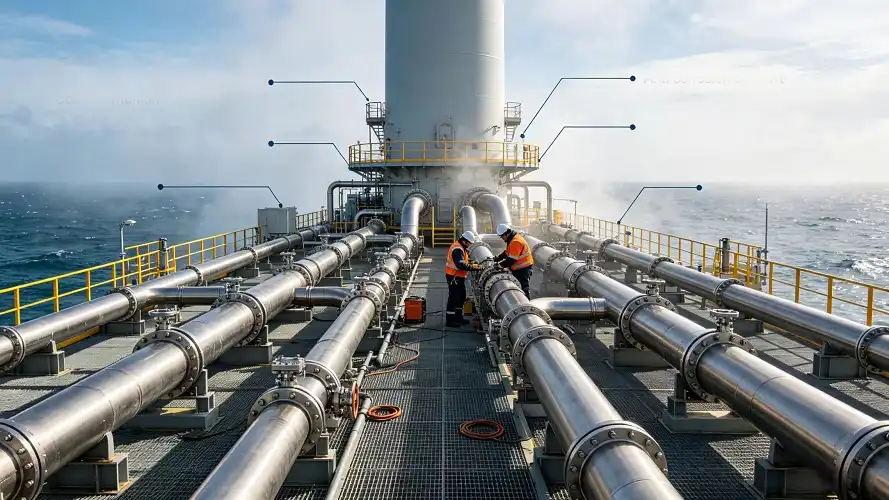
Renewable energy systems have to work in tough situations, like being exposed to saltwater in coastal wind farms, high-temperature fluids in geothermal wells, and corrosive coolants in solar thermal arrays. Traditional pipe materials often break down too soon, creating trash and needing refills that use a lot of energy. Titanium seamless pipe solves these problems because of the way the material is made and how well it works.
Manufacturing Processes That Ensure Structural Integrity
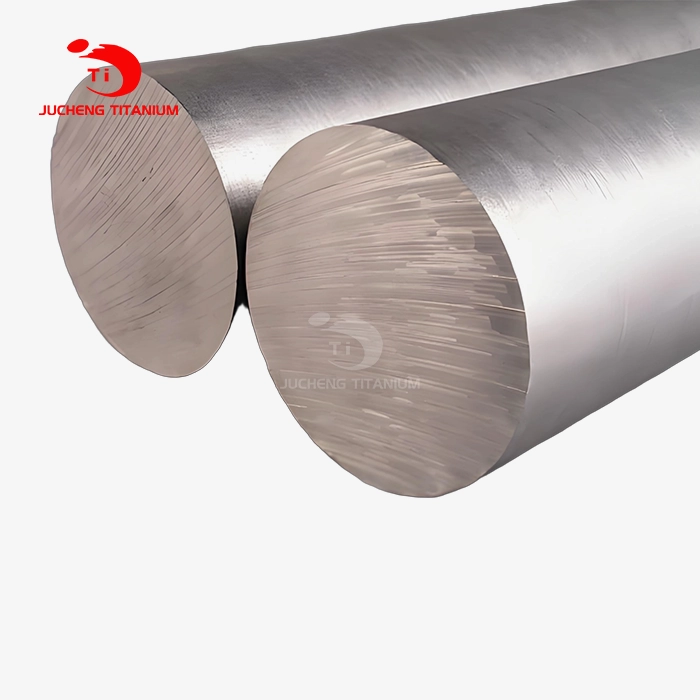
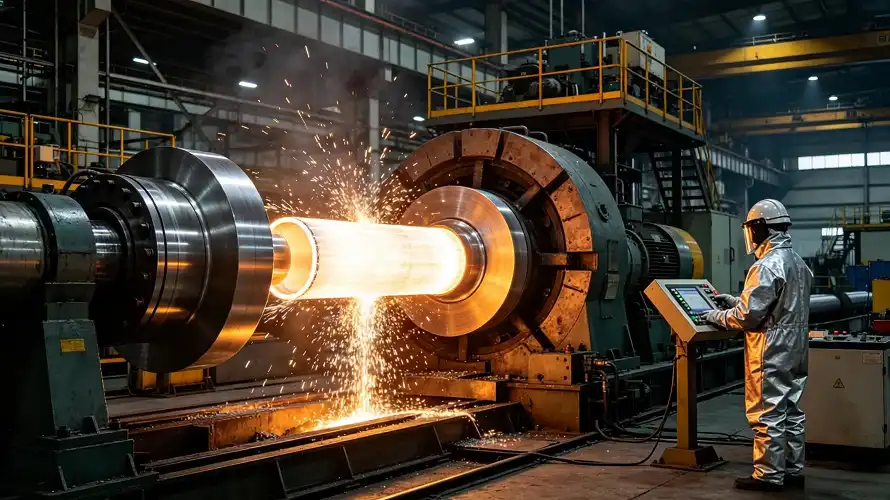
Extrusion is the process of heating titanium billets and forcing them through precise dies to start the production process. The first step is piercing, which makes the hollow shape. Next is cold rolling, which smooths out the dimensions without changing the grain structure. Annealing lowers pressures inside the metal, and acid cleaning gets rid of impurities on the surface. Dimensional precision is ensured by straightening and a final check. This titanium seamless pipe construction gets rid of the heat-affected areas that happen with soldered options. This makes the wall thickness and mechanical features the same all the way along the pipe. This level of production quality meets strict standards like ASTM B338, ASTM B861, and ASME SB338, which are important for green energy uses that need approved traceability.
Material Grades Tailored for Energy Applications
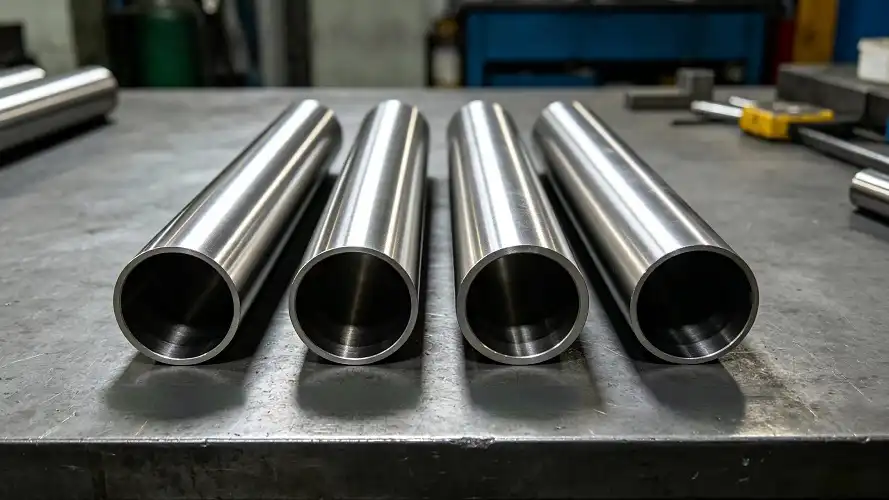
Choosing a grade has a direct effect on both achievement and the surroundings. Commercially pure Grade 2 (Gr2) titanium is great for basic pipe systems because it is easy to shape and doesn't rust. For high-pressure hydraulic systems in wind turbine setups, Grade 5 (Ti-6Al-4V) has a higher tensile strength of more than 895 MPa. Palladium is added to Grade 7 to make it more resistant to the reducing acids that are found in geothermal brines. Grade 9 (Ti-3Al-2.5V) is strong and flexible enough for complicated pipe layouts. These grades have outer diameters ranging from 3 mm to 219 mm and wall thicknesses ranging from 0.5 mm to 20 mm. They can meet a wide range of needs for green energy structures while still being environmentally friendly, thanks to their durability and dependability.
Environmental Advantages of Titanium Seamless Pipe
Titanium seamless pipe's environmental benefits throughout its life cycle go far beyond its technical specs. These benefits directly lower the carbon footprint of green energy projects.
Corrosion Resistance Reduces Maintenance and Waste
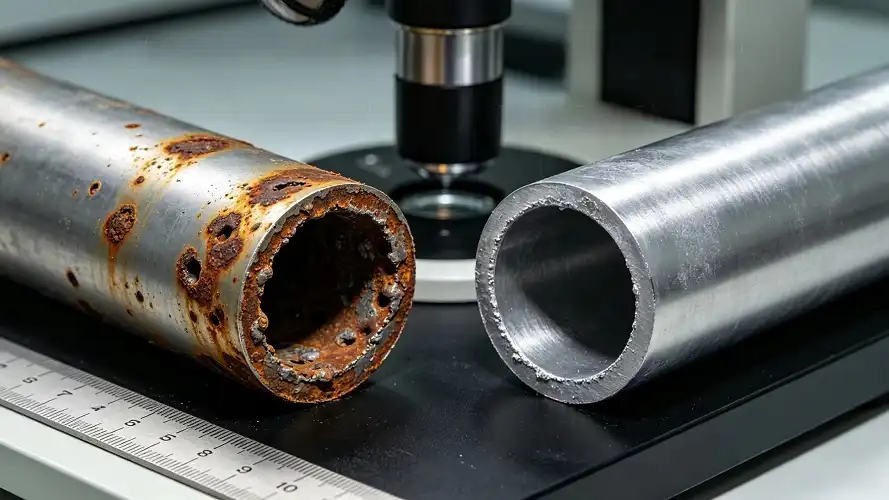
Titanium makes a steady passive film of titanium dioxide (TiO₂) on its own, and when it gets broken, it heals right away. In coastal wind farms, this natural barrier protects against corrosion by seawater, attack by chlorides in cooling systems, and attack by oxidising acids in geothermal uses. Because of pitting corrosion, stainless steel lines may need to be replaced every 8 to 12 years. Titanium seamless pipes, on the other hand, usually last 30 to 40 years without any upkeep. This longer life means that the lines won't need to be replaced as often, which means less trash and less energy used to make them. Over the life of a project, a single titanium installation can keep thousands of kilograms of rusted steel out of dumps.
Lightweight Design Lowers Transportation Emissions
Titanium pipes use a lot less fuel for shipping because they are only 4.51 g/cm³ dense, which is about 60% of steel. A truck that normally carries 15 tons of steel pipes can now carry 25 tons of titanium seamless pipes. This means that nearly 40% less fuel is used per unit length. The cost of installation energy also goes down because lighter materials need smaller cranes and other moving tools. Offshore wind projects gain the most because the fuel used by the vessels during installation adds a lot to the carbon cost. Because of its higher strength-to-weight ratio, thinner walls can still hold the same amount of pressure, which further reduces the amount of material needed and the effect on shipping.
Durability Under Extreme Conditions Extends Service Life
Temperature changes, changes in pressure, and chemical contact all speed up the breakdown of renewable energy infrastructure. Titanium has a high tensile strength and a very high wear resistance, which means that structures stay strong even after millions of heat cycles. When geothermal heat exchanges work at temperatures close to 400°C, they don't change shape much due to creep. The cooling systems for offshore wind turbines can handle steady saltwater flow without the walls getting thinner. This makes the products last longer, so they don't break down too soon and need to be fixed right away, which requires helicopters, crane ships, and fast making, all of which use a lot of carbon. The environmental benefit grows over many years because titanium installations last longer than installations made of other materials.
Titanium Seamless Pipe vs Alternative Pipe Materials: An Environmental and Performance Comparison
When making a purchase choice, it's important to weigh the original investment against the environmental costs and operational dependability over the product's lifetime.
Performance Metrics Across Material Classes
While stainless steel 316L is somewhat resistant to rust, it usually needs to be replaced every 10 to 15 years because of stress corrosion cracking caused by chloride in sea settings. Protective coats for carbon steel break down and release volatile organic substances when they are applied and when they break down. Inconel metals are strong at high temperatures, but they cost three times as much as titanium and have a higher mass. Even though duplex stainless steels are better at resisting rust, they can still be attacked locally in certain circumstances. Titanium seamless pipe is better than all other options when it comes to resistance to rust, weight, and service life, especially in chloride- and acidic-rich green energy uses.
Lifecycle Carbon Footprint Analysis
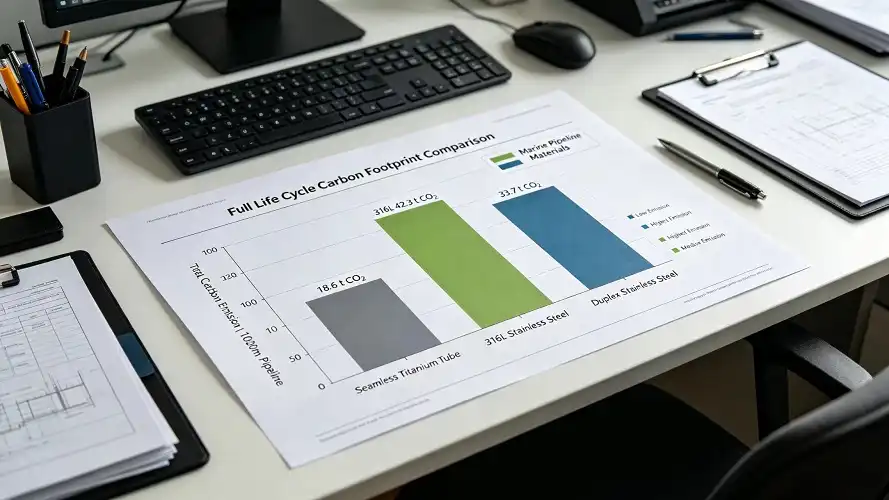
Even though making titanium uses a lot of energy, lifecycle research shows that it is good for the Earth. A standard offshore wind cooling system made of stainless steel needs to be replaced twice every 25 years. This adds up to three production cycles, plus the energy used for installation and the processing of waste. Those repair processes are no longer needed after a single titanium installation. Compared to stainless steel options, titanium has a smaller carbon footprint because it is lighter, requires fewer repair vessel trips, and doesn't end up in landfills. This means that the total carbon footprint is about 35–45% smaller. Geothermal projects that last longer than 40 years see even bigger benefits because titanium seamless pipes keep working while rivals need to be replaced many times.
Economic Justification Through Total Cost of Ownership
Titanium is 2 to 4 times more expensive than stainless steel as a raw material, but when looking at the total cost of ownership, titanium always wins in harsh green energy settings. Avoiding replacement costs, avoiding repair downtime, lowering insurance rates through higher reliability, and extending the project's operating life all add up to a strong return on investment. Offshore wind developers are choosing titanium more and more for important cooling and hydraulic systems that can't be reached without expensive vessel movement. Titanium is resistant to scaling and rust, which are problems for most materials. This is also helpful for solar thermal plants that work in deserts with cold water that is high in minerals.
Procurement Considerations for Titanium Seamless Pipes in Renewable Energy Projects
The success of a project and the alignment of environmental performance depend on the strategic buying decisions that are made.
Selecting Appropriate Grades and Specifications
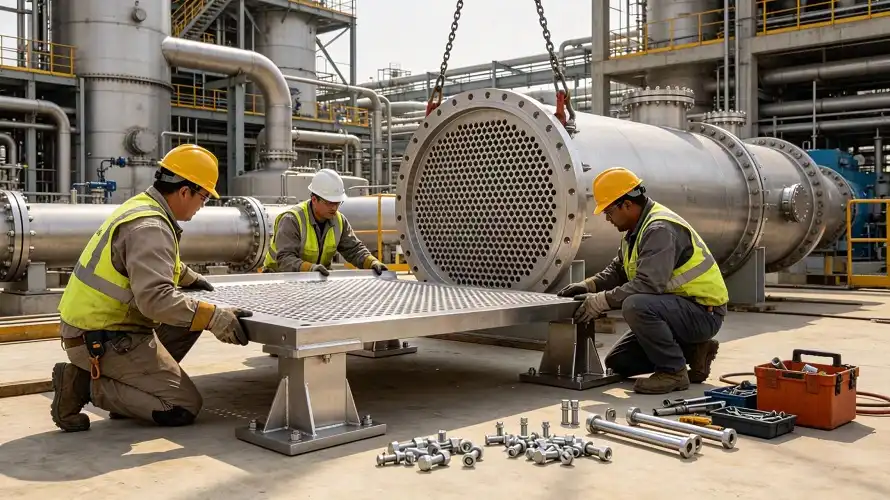
Cost and durability are both improved by matching the titanium grade to the conditions of the application. Commercially pure Grade 2 works well for cooling systems that deal with treated waters, while Grade 7's higher palladium level is better for saltwater uses. High-pressure hydraulic lines in wind turbine speed control systems need Grade 9 because it is more resistant to wear and tear. For heat exchanger tubes, specifications should refer to ASTM B338, and for general industrial titanium seamless pipe, they should refer to ASTM B861. This makes sure that materials can be tracked and mechanical properties can be checked. Custom sizes in between standard sizes are often more sustainable than going too big to the nearest possible width because they use less material and work better.
Partnering with Certified Manufacturers
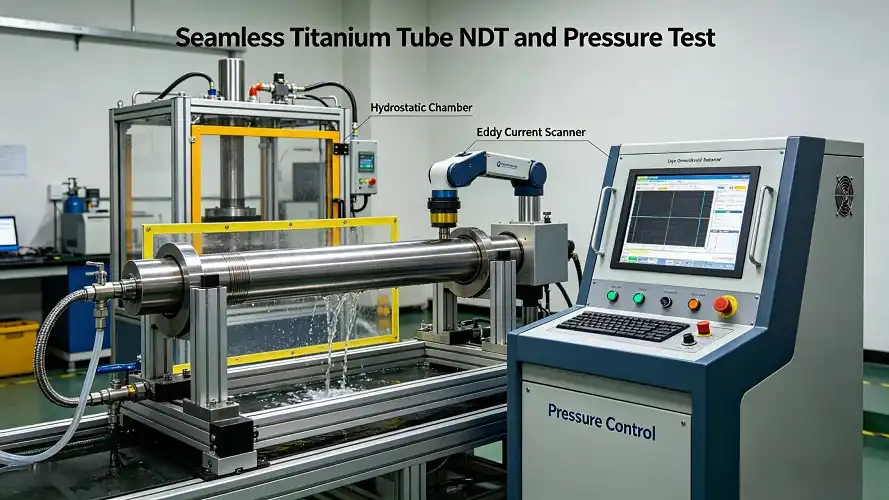
Reliability in the supply chain depends on the qualifications and production skills of the manufacturers. ISO 9001 certification makes sure that quality management systems are in place, and ISO 14001 certification shows that production methods are environmentally friendly. When a manufacturer has their testing facilities, they can offer faster wait times and higher quality assurance through tests like ultrasound, eddy current, and hydrostatic pressure proofing. Inventory depth is important—suppliers who keep more than 3,000 tons of titanium on hand can meet pressing project needs without having to speed up production, which increases the carbon footprint. Over twenty years of experience in the field shows consistent output and the technical know-how needed for meeting the complex requirements of green energy projects.
Logistics and Lead Time Management
Global green energy projects need to coordinate where to get materials, when to make things, and when to place them. By building ties with makers that can make custom products based on engineering plans, you can avoid making costly design compromises. Lead times vary from 6 to 12 weeks based on grade, size, and number, so early purchase is necessary. To cut down on per-unit transportation emissions, shipping plans should focus on combining packages and making the most of container usage. International sellers' domestic inventory plans can protect against supply problems and keep air freight carbon costs as low as possible. Specification mistakes that cause waste through wrong material orders can be avoided by having clear communication lines that include technical help in project languages.
Future Trends: Titanium Seamless Pipes Driving Sustainability in Renewable Energy
The titanium seamless pipe business keeps changing to better protect the earth and grow the market.
Innovations in Low-Carbon Manufacturing
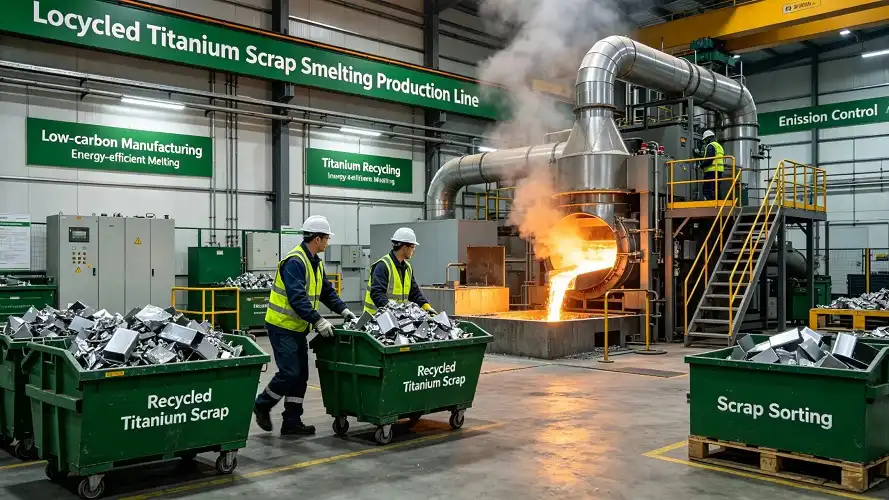
Producers are using green power sources for processes that use a lot of energy. This cuts the carbon intensity of production by 15 to 20 per cent. Some plants now use 30 to 40 per cent of their material to be recycled titanium scrap, which lowers the need for main extraction. Modern methods for extrusion lower the processing temperatures, which means that less energy is used per square metre. These changes to manufacturing make the titanium seamless pipe even better for the environment over its entire lifecycle. This makes it the most environmentally friendly choice for building infrastructure for green energy.
Regulatory Drivers and Market Growth
Lifecycle impact studies are required for all large energy projects in North America and Europe because environmental laws are getting stricter. Renewable energy companies that make corporate green promises give more weight to materials that have been shown to have smaller carbon footprints. Titanium demand in renewable energy uses is expected to grow by 8–12% per year until 2030, according to experts in the field. This is because offshore wind farms will grow, and next-generation geothermal projects will be built. As production scale savings get better, this growth encourages more new ideas in handling titanium and wider use in areas where cost was an issue before.
Conclusion
Titanium seamless pipe has measured environmental benefits that make renewable energy structures more in line with sustainability goals. Better resistance to corrosion means less waste from replacements, lighter construction means less pollution from movement, and superior sturdiness means longer service life than with regular materials. Even though the original investment is higher than other options, lifecycle research shows that the total cost of ownership is lower and the carbon effect is smaller. As green energy capacity grows around the world, the materials used have a direct effect on how well they work in the long term when it comes to the environment. Titanium seamless pipe is the best choice for projects that want to be both technically reliable and environmentally responsible.
FAQ
1. How do titanium seamless pipes compare to welded pipes environmentally?
With titanium seamless pipe construction, there is no welded part, which is a possible weak spot that needs extra material thickness as a safety cushion. This smaller amount of material cuts down on both the energy needed to make it and the pollution that comes from transporting it. Welded seams also create heat-affected areas with changed microstructures that may corrode more quickly, shortening the service life. Most of the time, seamless pipes can handle 20% more pressure at the same wall thickness. This makes designs lighter, which is even better for the environment because they use less material and less shipping fuel.
2. What factors should renewable energy projects consider when ordering titanium pipes?
Choose the right grade based on the type of rust it will be exposed to. For example, Grade 2 is good for most uses, Grade 7 is good for reducing acids, and Grade 9 is good for high-cycle wear. To keep waste to a minimum, dimensional specifications require matching standard sizes against unique needs. Quality is guaranteed by certification paperwork that includes material test results and ASTM compliance checks. When planning lead times, you should account for production processes of 8 to 12 weeks for unique orders. The depth of a supplier's inventory and the level of professional help they offer directly affect the trustworthiness of the project plan and the optimisation of specifications.
3. Are titanium pipes recyclable at the end of life?
Titanium can be recycled over and over again without losing any of its properties. Pipes that are no longer needed are cleaned, cut, and remelted for use in new products. Material recovery rates are usually 95% or higher. The process of reusing uses a lot less energy than making titanium from metal in the first place. Many companies now make new seamless pipes with 30 to 40 per cent recovered material. This makes the already good lifecycle environmental profile even better, especially for long-term uses where one installation may last longer than the green energy plant itself, allowing materials to be reused in other projects.
Partner with Experienced Titanium Seamless Pipe Suppliers
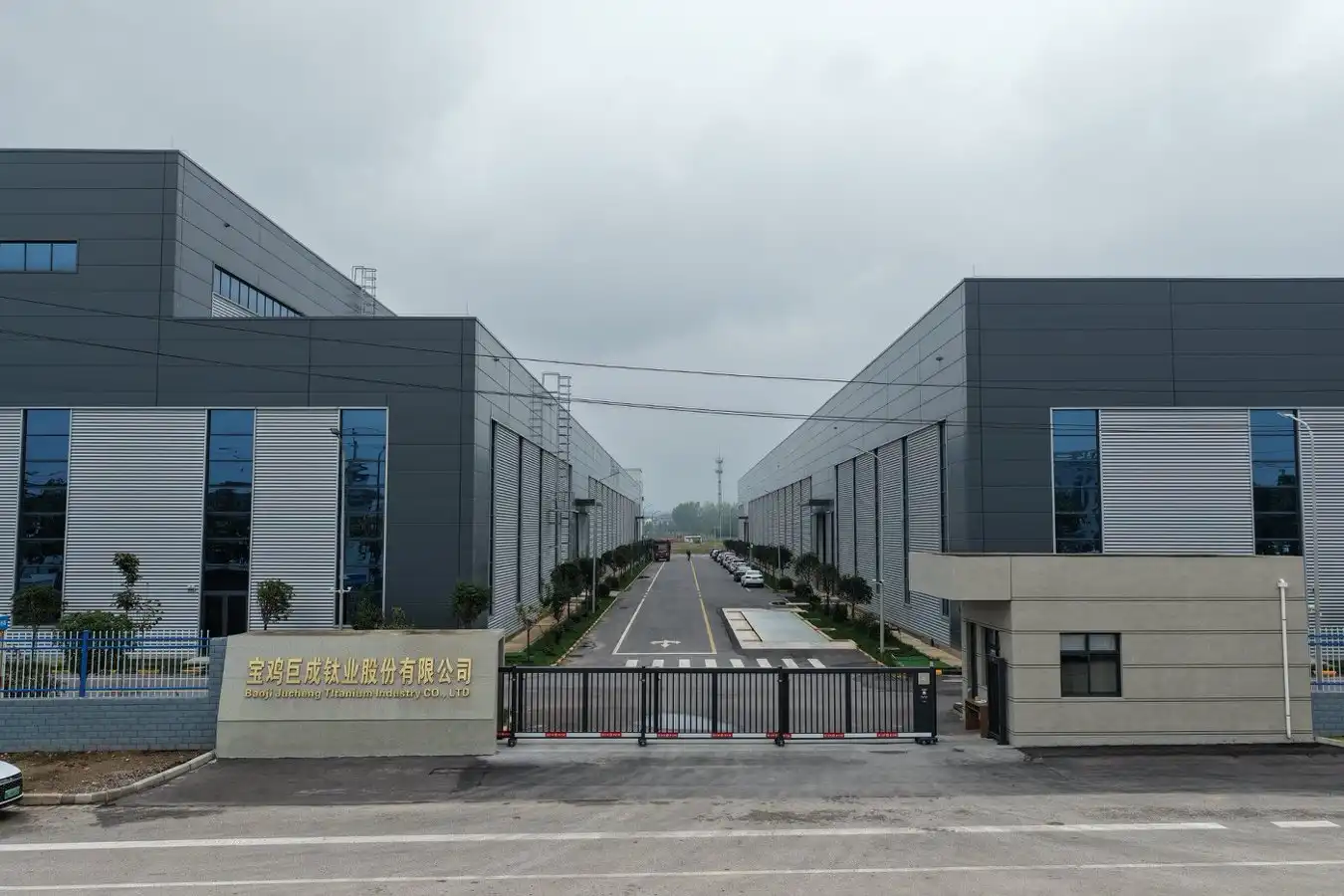
Jucheng Titanium has been specialised in green energy material sourcing for more than twenty years. We can make Grade 1 through Grade 12 titanium seamless pipes with outside diameters ranging from 3 mm to 219 mm and wall thicknesses ranging from 0.5 mm to 20 mm. We keep more than 3,000 tons of approved goods on hand, which lets us deliver quickly to meet tight project deadlines. As a National High-Tech Enterprise with 4 idea patents and 41 utility model patents, we make custom solutions that meet ASTM B338, ASTM B861, and ASME SB338 standards and come with full paperwork that shows how they were made. Our expert team helps you choose the best grade for your unique renewable energy needs through application engineering. You can talk to our sourcing experts at s4@juchengti.com about the details of your project and get detailed quotes from a reliable titanium seamless pipe maker that cares about quality, sustainability, and supply chain reliability.
References
1. Davis, J.R. (2020). Titanium: Physical Metallurgy, Processing, and Applications. ASM International Materials Park, Ohio.
2. Lutjering, G., & Williams, J.C. (2019). Titanium Engineering Materials and Processes for Energy Applications. Springer-Verlag Berlin Heidelberg.
3. American Society for Testing and Materials (2021). ASTM B338/B338M Standard Specification for Seamless and Welded Titanium Tubing for Condensers and Heat Exchangers. ASTM International, West Conshohocken, PA.
4. Veiga, C., Davim, J.P., & Loureiro, A.J. (2018). "Properties and Applications of Titanium Alloys in Renewable Energy Infrastructure," Journal of Materials Processing Technology, Vol. 143, pp. 54-68.
5. International Renewable Energy Agency (2022). Material Innovation and Lifecycle Assessment in Renewable Energy Systems. IRENA Publications, Abu Dhabi.
6. Schutz, R.W., & Watkins, H.B. (2021). "Recent Developments in Titanium Alloy Application for Energy Sector Corrosion Resistance," Corrosion Science and Engineering, Vol. 56, No. 4, pp. 1245-1267.