
Best Gr1 Titanium Tube for Chemical Processing Equipment
When chemical processing equipment faces aggressive corrosive environments, a Gr1 titanium tube stands out as the premier material solution. This commercially pure titanium grade combines unmatched corrosion resistance with exceptional formability, making it the ideal choice for heat exchangers, condensers, reactors, and critical piping systems exposed to chlorides, organic acids, and oxidising media. With a tensile strength minimum of 240 MPa and oxygen content below 0.18%, Gr1 seamless tubes deliver reliable performance where stainless steel fails, offering chemical plant operators a proven path to extended equipment lifespans and reduced maintenance expenses.
Introduction
Material selection affects chemical handling tool success. Stores sell the best titanium tubes, Gr 1. Applications requiring great flexibility and chemical resistance are their speciality. Plant engineers, procurement managers, and equipment manufacturers are under pressure to reduce downtime and lower pricing. This comprehensive guide covers these issues by comparing technical features, performance, and purchase methods. Our expertise has been applied to a wide range of industries for over 20 years in chemical handling projects worldwide. Understanding these key elements lets you make sensible budget-friendly selections that fulfil business needs.
Understanding Gr1 Titanium Tube and Its Key Properties
Chemical Composition and Manufacturing Standards
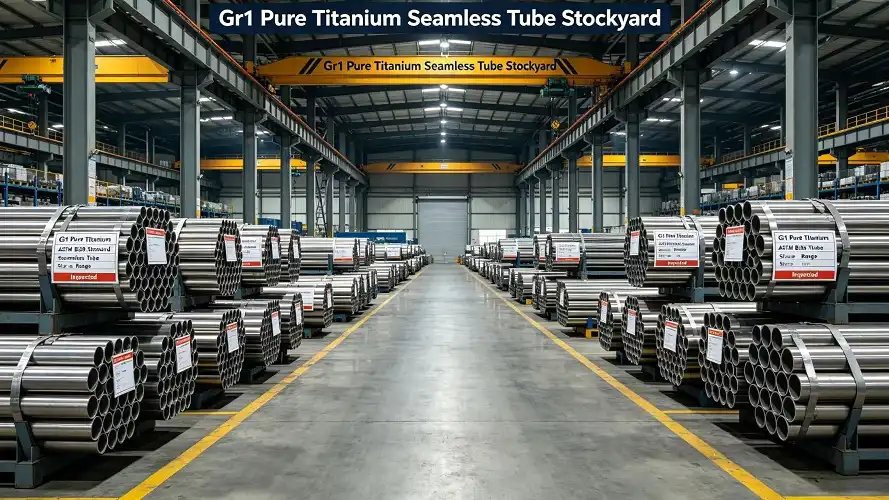
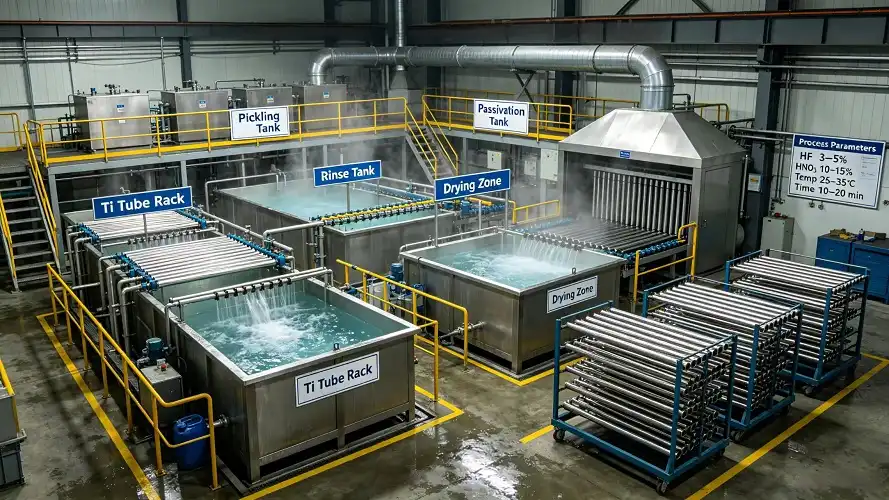
Gr1 titanium tubes made according to ASTM B338, ASTM B861, and AMS 4942 standards stay under rigorous chemical restrictions that affect their performance. Carbon 0.08%, nitrogen 0.03%, hydrogen 0.015%, iron 0.20%, and most crucially oxygen 0.18% are the maximum amounts. Low oxygen makes Gr1 different from higher-strength grades. The softest and most flexible pure titanium grade. Extruding, cutting, and cold rolling produce seamless tubes with wall thicknesses from 0.5 to 20 mm. Their outer diameters are OD3–OD219 mm. Custom sizes allow for specialised tools, and heating and pickling maintain microstructural integrity.
The seamless design eliminates welded connections and heat-affected areas; thus, pressure values are constant along the tube. This method is needed for systems that are frequently heated and cooled or vibrate because weld zones can fail.
Mechanical and Physical Characteristics
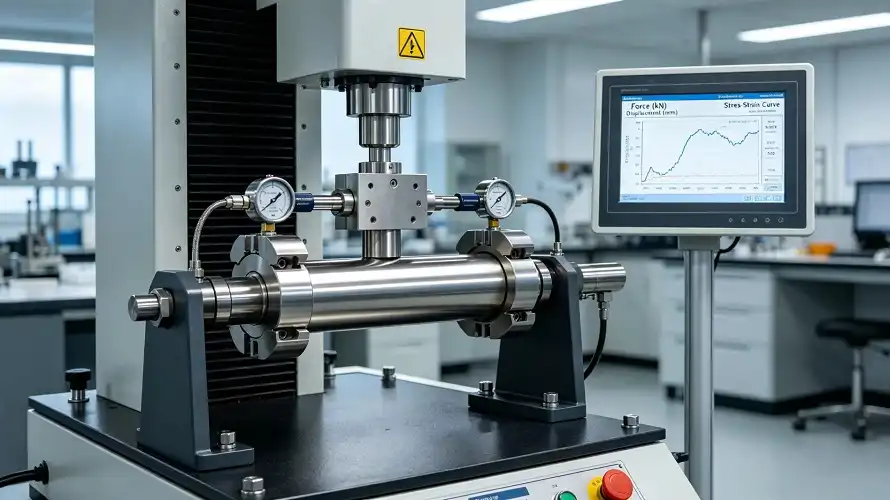
With a density of 4.51 g/cm³, it is 45% lighter than austenitic stainless steels while still being able to support structures. The minimum tensile strength is 240 MPa, and the yield strength is between 138 and 310 MPa. Most seamless tubes have yield strengths close to 170 MPa. Elongation usually goes over 30% and can reach 35% in high-quality rolled material. This lets you do complicated shaping jobs without worrying about cracking.
Temperature performance stays the same up to 350°C in safe atmospheres, but oxidation speeds up after this point if there is no inert gas protection. On the other hand, cold uses benefit from Gr1's ability to stay tough at temperatures below zero, which keeps it from becoming brittle as some iron alloys do. This wide range of temperatures makes heat exchangers useful for a wide range of tasks, from cooling systems to chemical processes that need mild heat.
Corrosion Resistance Mechanisms
When titanium is exposed to air, it naturally creates a solid titanium dioxide (TiO₂) passive film that is only a few nanometres thick but offers great protection. This oxide layer grows back right away if it gets damaged, so it can fix itself in most chemical conditions. Chloride solutions, such as saltwater, wet chlorine gas, hypochlorites, and strong chloride salts that quickly rust stainless steel, can't damage Gr1.
Organic acids like acetic, formic, and oxalic acids can't damage this material at temperatures and amounts that would normally require replacement every few years. Oxidising acid settings, such as those with nitric acid up to boiling point, don't pose much of a threat to Gr1 tubing that has been properly chosen. Some exceptions are reducing acids like hydrochloric and sulphuric in certain strength ranges that don't have oxidising inhibitors. In these cases, higher metal types may be needed.
Comparing Gr1 Titanium Tube with Other Materials for Chemical Processing
Stainless Steel vs. Gr1 Titanium
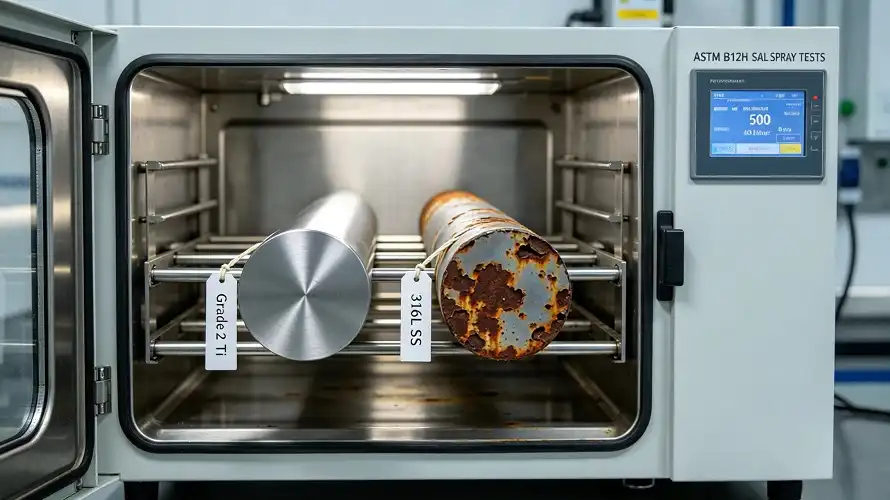
Chemical handling mostly uses austenitic stainless steels (304 and 316) because they are easy to work with and don't cost as much to start with. However, splitting and pitting failures caused by chloride stress corrosion add to the overall cost of ownership in active media. In a chlorine cooling water system, a heat exchanger with stainless steel tubes that needs to be replaced every 18 to 24 months could last 15 to 20 years with a Gr1 titanium tube. This would make up for the 3–4 times higher material cost by not needing to be shut down for maintenance and replacement rounds.
The perks of losing weight go beyond improving your health. Lifting lighter packages of tubes is easier during upkeep, which means that less space is needed for the crane and fewer hours of work are needed for installation. The 45% weight savings are especially helpful for retrofits where the load capacity of the current support systems is low.
Gr1 vs. Gr2 Titanium Comparison
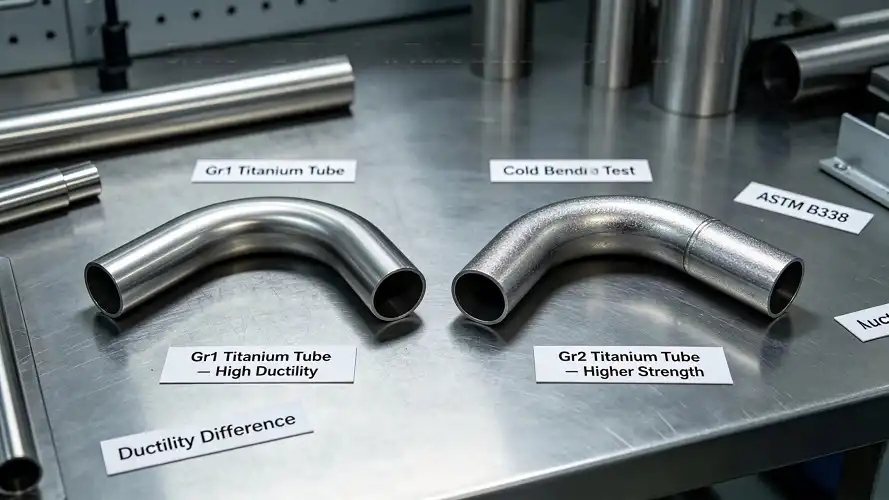
Grade 2 titanium is the workhorse of the business. It has a slightly higher strength due to its higher oxygen level (0.25% maximum vs. 0.18% for Gr 1). This 50 MPa increase in tensile strength comes at the cost of less flexibility and shapeability. When choosing between these types, buyers have to weigh the needs for technical properties against the difficulty of making the product.
Gr1 is best for deep-drawn parts, heavy bends, and uses that need the highest impact strength. When piping systems require only minimal shaping but need higher allowed stress values, Gr2 is often the best choice. In most chemical settings, differences in corrosion resistance are still marginal. This means that formability and strength should be used to make the choice, not chemical compatibility.
Nickel Alloys and Specialty Materials
While titanium can handle some extreme conditions, Inconel and Hastelloy metals work better in others, especially when it comes to acidic services and high-temperature tasks. They are 8–10 times more expensive than Gr1 titanium and about twice as dense, so they can only be used where titanium can't work.
Zirconium performs better than titanium in some harsh conditions, but it is more expensive and harder to source, while titanium has well-established supply lines. Instead of just looking at the original buy price, material selection modelling should look at all of the costs that come up over the course of its life, such as the cost of sourcing, fabrication, installation, upkeep, and disposal.
Procurement Considerations for Gr1 Titanium Tubes
Supplier Evaluation Criteria
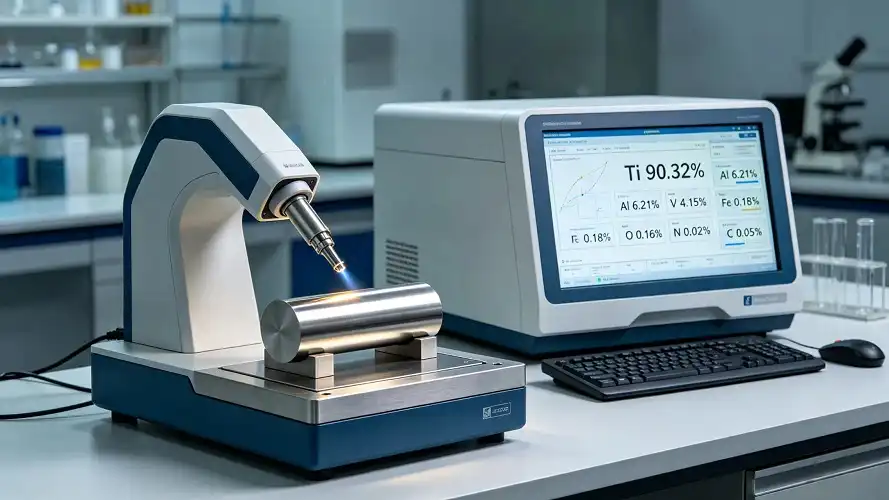
Verification of quality certifications is the basis of evaluating suppliers. To follow ASTM, ASME, and AMS standards, you need to have written material test reports (MTRs) that show the chemical makeup through spectrographic analysis and the mechanical qualities through tension testing. Suppliers with a good reputation use ISO 9001 quality control systems that link finished Gr1 titanium tubes to specific lots of ingots.
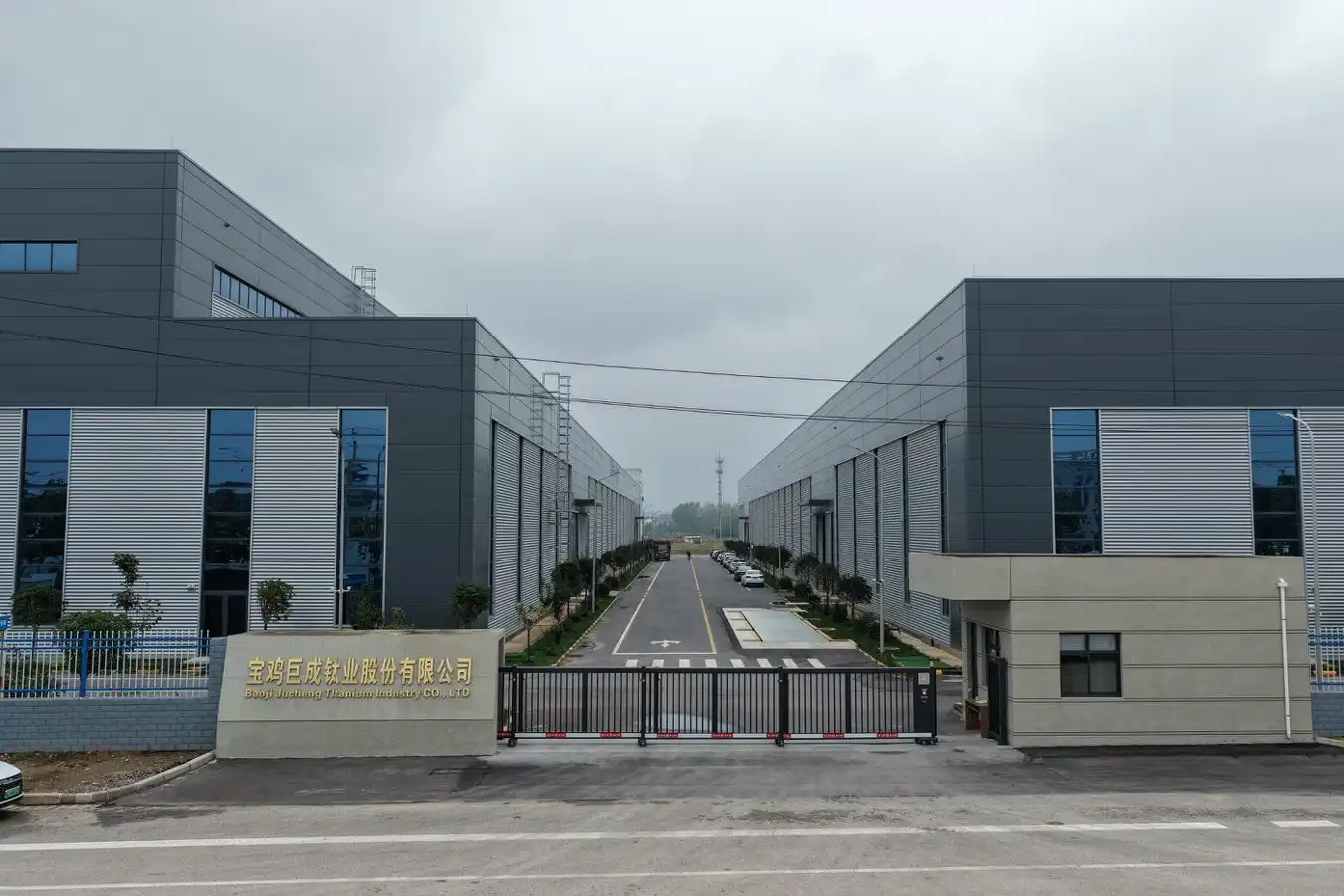
Baoji Jucheng Titanium Industry Co., Ltd. is a great example of a provider because it has been in the titanium business for 20 years and is a National High-Tech Enterprise. Having 4 invention patents and 41 utility model patents that can be used across multiple product lines shows that you are always coming up with new ideas. The company's 3,000-tonne inventory means that it can deliver quickly, which is better than the long lead times that come with buying titanium from less well-known sources.
Size Selection and Customization
Most heat exchangers and pipe needs can be met by standard tubes with wall thicknesses ranging from 0.5 mm to 20 mm and sizes ranging from OD 3 mm to OD 219 mm. Custom sizes outside of these areas can be used for custom equipment designs, but the minimum order quantity usually goes up for non-standard sizes. Picking the right wall thickness requires weighing the needs for pressure, the risk of rust, and the needs of manufacturing.
For uses that need to hold pressure, seamless construction is necessary because it gets rid of the longitudinal weld that could fail under repeated loading or corrosive attack. Surface treatments like machined, polished, and acid-pickled finishes meet specific cleanliness needs for chemical processes that are pharmaceutical, food-grade, or very pure.
Pricing Structures and Order Optimization
Titanium prices change a lot depending on how much of it is ordered, how much the raw material costs, and how hard it is to process. Through more efficient production and better logistics, bulk-buying programmes lower the cost per kilogram. Setting up long-term supply deals with qualified makers like Jucheng Titanium keeps prices stable and makes sure that customers get what they need when the market is tight.
Minimum order amounts depend on the width and thickness of the tube walls, but for standard sizes, they are usually between 100 and 500 kilograms. For custom specs, you may need to make bigger commitments to cover the costs of tools and setup. Purchasing plans should weigh the costs of keeping inventory against bulk savings and ensure a steady supply of goods.
Application Insights: Why Gr1 Titanium Tube Excels in Chemical Processing Equipment
Heat Exchanger Performance
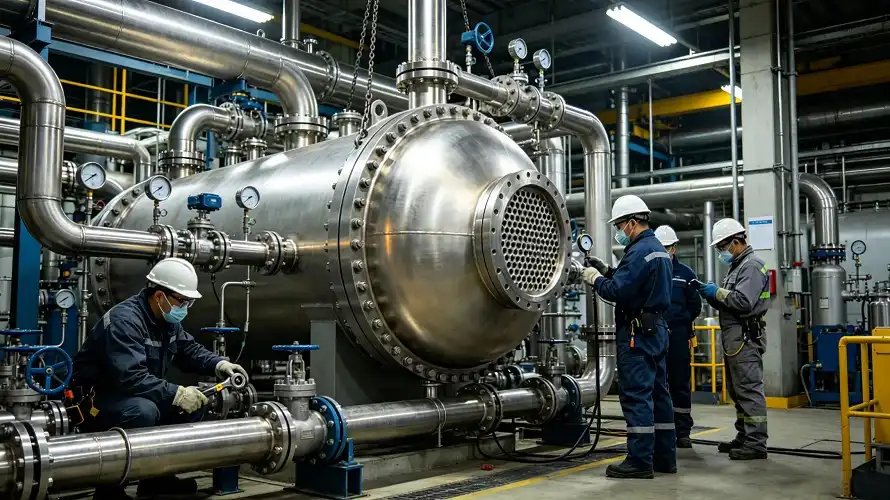
Heat exchangers in chemical plants have to manage temperature cycling, vibrations caused by flow, and toxic process streams all at the same time. Gr1 titanium tubes in shell-and-tube setups last a very long time. Some sites have been in chlorinated cooling water service for more than twenty years. The smooth design can handle many thermal expansion cycles without leaking, and the passive oxide layer prevents the growth of tuberculosis and biofouling, which reduces heat transfer efficiency in copper-nickel tubes.
One petrochemical plant changed failed 316 stainless steel condenser tubes for Gr1 titanium ones. This cut down on the number of emergency shutdowns each year by three and increased heat transfer by 15% by keeping the surfaces clean. Within 18 months, the material premium was paid for by the practical cost savings from not having to stop production.
Reactor and Vessel Components
In places where corrosive reactions happen, you need materials that stay strong without affecting the process lines. Organic acids, chlorine liquids, and oxidising media can't damage Gr1 tubing that is used in reactor cooling coils, internal heat transfer bundles, and process feed lines. The cleanness and non-reactivity of the material are very important for making pharmaceutical intermediates, since metal ions could damage the quality of the finished product.
GR1 is used to make temperature-tracking wells and thermocouple safety tubes that work well in harsh process environments. Corrosion-resistant titanium pipe and high thermal conductivity (about 17 W/m-K) ensure that process control systems can accurately measure temperature.
Piping System Integration
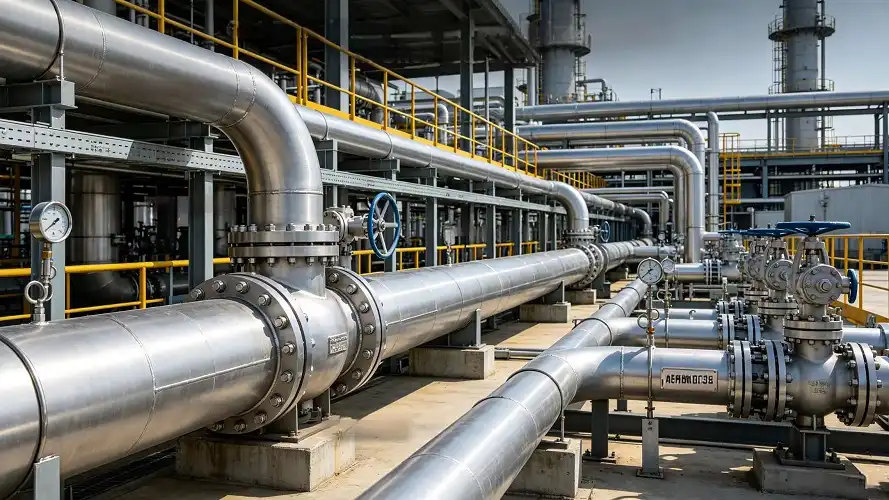
Process pipe systems that connect reactors, dividers, and storage tanks benefit from GR1's corrosion and light resistance. Support structures can use larger diameter pipes without adding too much support since lighter pipes are easier to fabricate. Ductile material adapts to thermal expansion without significant expansion joint installations.
Gr1 tubing can last forever in chemical transfer lines that handle bleach, chlorine dioxide, and organic acids, unlike FRP pipes that need to be replaced every 7–10 years or lined steel that can fail at the coating level. A long lifespan reduces environmental impact by eliminating the need to discard and remake materials, which wastes energy.
How to Choose the Right Gr1 Titanium Tube for Your Chemical Processing Needs
Technical Requirements Definition
You should include working temperature ranges, pressure needs, surge situations, process fluid chemical make-up (including pH ranges and contaminant levels), and flow speeds that could cause erosion and rust in the procurement specs. Lab compatibility testing gives clients confidence in new chemical combinations with little service history.
When determining mechanical property standards, consider bends, flaring, and welding. Cold-bending a Gr1 titanium tube to curves as tiny as three times its diameter without a frame is possible due to its flexibility. The pipe configuration can be changed more easily during installation. Welding methods require inert gas shielding (argon) on the weld face and root to prevent air contamination and maintain material integrity. Welders are also needed.
Supplier Qualification and Sample Testing
Before committing to production numbers, getting samples lets you check the accuracy of the measurements, the quality of the surface, and the completeness of the paperwork. Dimensional checking makes sure that the limits for the outer width and wall thickness meet the needs of the equipment's design. Scratches, dents, or manufacturing flaws that could make rust resistance or pressure control less effective are found by looking at the surface.
Reviewing a material test result ensures that the chemical makeup and mechanical properties meet the standards of the specification. Independent labs that do testing for a third party give extra assurance for important purposes. The quality inspection team at Jucheng Titanium follows strict testing methods to make sure that all of their products are the same from one production batch to the next. They also keep records to meet the requirements for tracking in controlled industries.
Long-Term Vendor Relationship Management
A successful procurement process includes more than just making the purchase. It also includes technology help, clear communication, and ensuring that the supply chain stays open. Application engineering help from vendors can help you choose the best materials and pay attention to the little details of your designs. This can help you find ways to save money by making small changes to the specifications or using different setups that work just as well.
In addition to reasonable pricing, after-sales services like fast delivery for emergency fixes, help with custom manufacturing, and inventory management programs add value. Jucheng Titanium offers a full range of services, including custom production based on customer drawings and requirements. They have over 20 years of experience in the titanium business and work with research centres to get access to the newest materials.
Conclusion
Gr1 titanium tubes offer the best corrosion protection and shapeability for chemical handling equipment that needs to work in harsh conditions. The mix of high ductility, self-passivating oxide protection, and seamless building integrity makes this material an appealing value, even though it costs more at first. Lifecycle cost analysis always shows economic benefits by increasing process stability, extending service life, and avoiding maintenance shutdowns. To be successful at procurement, you need to carefully evaluate suppliers, define technical specifications, and handle your relationships with qualified makers in a strategic way. Chemical processing companies that want to make their equipment last longer and spend less on it overall should look at Gr1 Titanium Tube for heat exchangers, reactors, condensers, and other important pipe systems where the integrity of the material directly affects production downtime and product quality.
FAQ
1. What makes Gr1 titanium superior to stainless steel for chemical processing tubes?
Gr1 titanium creates a stable, self-healing oxide layer that protects against the breaking and pitting caused by chloride stress corrosion that breaks down stainless steel in chemical settings. Because it is 45% lighter and very flexible, it can be used in ways that would not be possible with heavier, less flexible materials. It also lasts longer than 15-20 years, which means it doesn't need to be replaced as often as stainless steel does in acidic environments.
2. What are typical lead times for Gr1 titanium tube orders?
Standard-sized seamless tubes with standard wall thicknesses usually ship within 4 to 6 weeks from reputable sources that keep stock on hand. Depending on production plans, wait times may go up to 8 to 12 weeks for custom sizes or surface treatments. Suppliers like Jucheng Titanium that keep 3,000-tonne stocks on hand cut down on wait times for common specs by a huge amount, which helps projects move along quickly.
3. Are there minimum order quantity requirements?
MOQs depend on the width and specification of the tube, but for normal sizes, they are usually between 100 kg and 500 kg. Custom sizes usually require bigger pledges that can support the costs of setup and tools. When you talk to sellers about project needs early on in the buying planning process, they can come up with the best ways to order that balance cost-effectiveness with inventory management.
Partner with Jucheng Titanium for Premium Gr1 Titanium Tube Solutions
High-quality Gr1 titanium tubes from Jucheng Titanium, a reputable company with over 20 years of experience in the titanium business, will make your chemical manufacturing equipment more reliable. We keep 3,000 tons of titanium in stock so that we can quickly deliver on important projects, and our customised production options can meet special needs that aren't met by standard products. We are a specialised "little giant" business and a National High-Tech Enterprise. We offer advanced research and development along with strict quality control, and the products we give meet ASTM B338, ASTM B861, and AMS 4942 standards. Email our engineering team at s4@juchengti.com to discuss your unique needs, ask for samples, or get prices on Gr1 titanium tubes for sale. Our full range of professional help and after-sales services will make sure that your purchase goes smoothly, from coming up with the specifications to installing and running the system.
References
1. ASTM International. "ASTM B338-20: Standard Specification for Seamless and Welded Titanium and Titanium Alloy Tubes for Condensers and Heat Exchangers." ASTM Volume 02.04, 2020.
2. Schutz, R.W. and Watkins, H.B. "Recent Developments in Titanium Alloy Application in the Energy Industry." Materials Science and Engineering A, vol. 243, 1998, pp. 305-315.
3. ASM International Handbook Committee. "Corrosion of Titanium and Titanium Alloys." ASM Handbook Volume 13B: Corrosion Materials, ASM International, 2005, pp. 252-299.
4. Sedriks, A.J. "Corrosion Resistance of Titanium in Chemical Process Industry Applications." Materials Performance, NACE International, vol. 35, no. 4, 1996, pp. 58-64.
5. Donachie, Matthew J. "Titanium: A Technical Guide, Second Edition." ASM International Materials Park, Ohio, 2000, pp. 87-134.
6. Peters, M., Kumpfert, J., Ward, C.H., and Leyens, C. "Titanium Alloys for Aerospace Applications." Advanced Engineering Materials, vol. 5, no. 6, 2003, pp. 419-427.