
Why Ti-6Al-4V Is the Most Used Titanium Alloy for 3D Printed Parts?
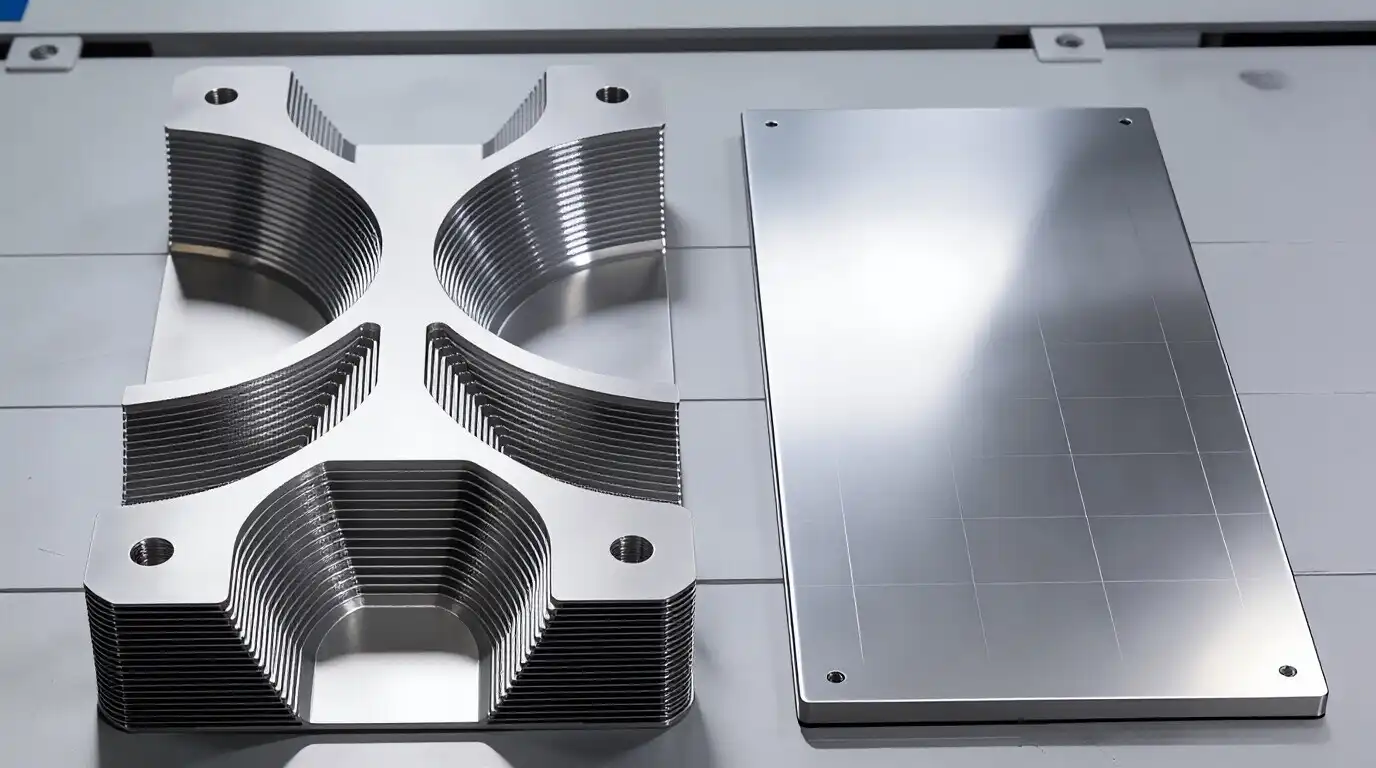
Grade 5 titanium, or Ti-6Al-4V, is the most popular material in additive manufacturing because it is very strong, doesn't harm living things, and doesn't melt in high temperatures. When procurement managers buy Ti-6Al-4V plate for 3D printing projects, they get a metal option that can work in harsh conditions and keep its shape during complex builds. This alpha-beta alloy makes up more than half of all the titanium used in the world. It does this by bridging the performance gap between the need for lightweight design and the need for structural stability in aircraft, medicine, and industry.
Introduction
Additive manufacturing has altered how engineers make things, but picking the appropriate material is still the most crucial step in 3D printing. Ti-6Al-4V is the industry standard since it has worked well in many challenging applications for decades. Buying managers must understand why this titanium alloy performs better than others to choose sources for critical assignments.
The compositional benefits, performance qualities, and buying possibilities that make Ti-6Al-4V the greatest choice for workers who can't afford important failures are examined next. For aeroplane structural parts, medical implants, or chemical processing instruments, this guide provides the scientific background and supply chain understanding you need to make the best titanium purchase decisions.
Understanding Ti-6Al-4V Alloy: Composition and Mechanical Properties
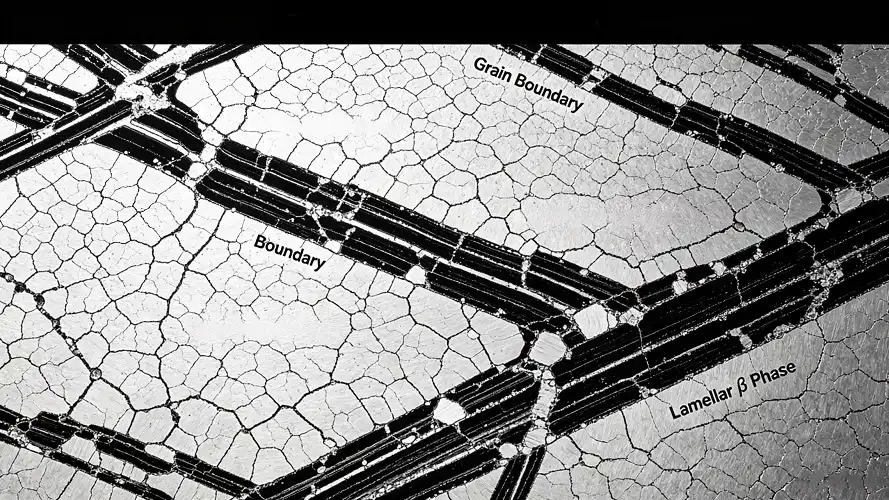
The amazing performance of Ti-6Al-4V comes from the perfect match of its elements. This alpha-beta titanium metal is mostly titanium (90%), with 6% aluminium stabilising the alpha atom and 4% vanadium stabilising the beta atom. This particular mix of metals gives it a density of 4.43 g/cm³, which is much lower than the 4.5 g/cm³ of the pure beta phase and 4% vanadium stabilising the beta phase length.
Chemical Composition and Phase Structure
Adding aluminium makes the alpha phase stronger and raises the critical temperature. This makes the material less likely to creep at high temperatures. Vanadium stabilises the beta phase, making the material stronger at room temperature and allowing it to respond to heat treatment in ways that pure titanium can't. These two-phase microstructures make it possible for the metal to keep its shape at temperatures ranging from freezing to around 400°C. This makes it essential for uses where temperatures change often.
Mechanical Properties Critical for 3D Printing
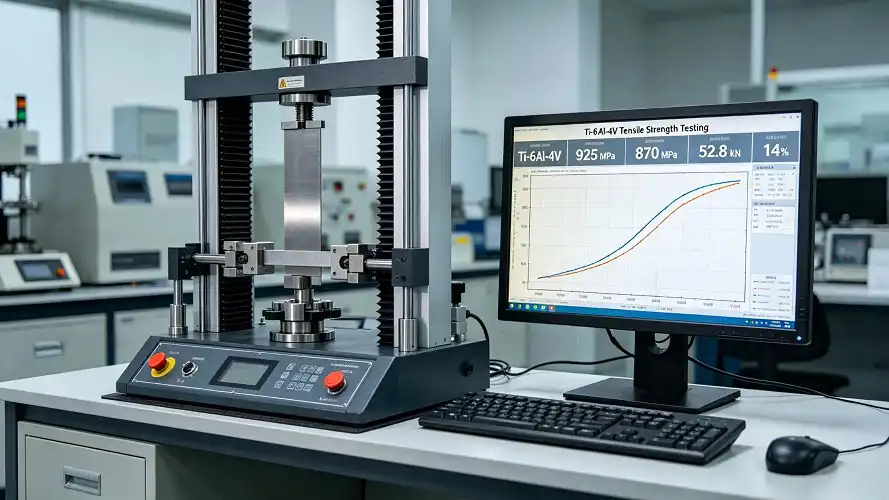
ASTM B265 says that a Ti-6Al-4V plate must have a minimum tensile strength of 895 MPa and a minimum yield strength of 828 MPa. The material can stretch about 10% of its length, which means it is flexible enough to handle mechanical shocks without breaking completely. These qualities stay the same during powder bed fusion and electron beam melting, which lets engineers confidently guess how the finished part will work. The alloy is usually 36 HRC hard, which is the best mix between resistance to wear and ease of machining for post-processing processes.
Heat Treatment and Performance Optimization
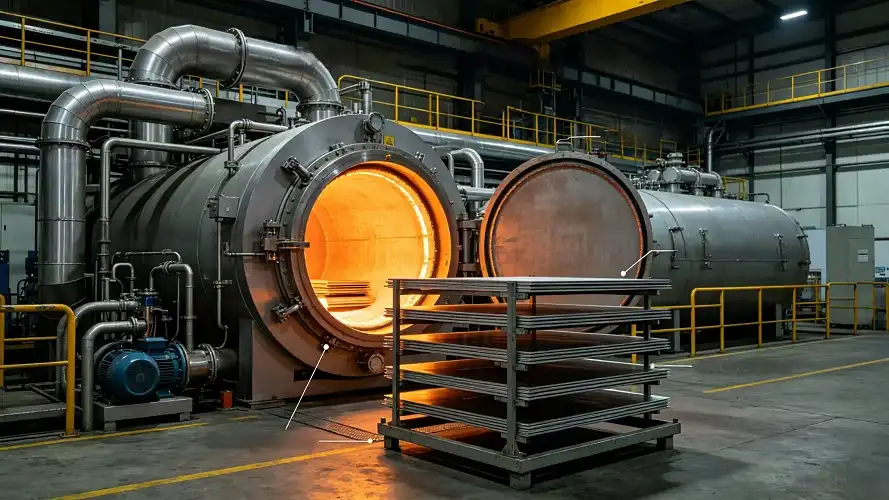
Solution treatment and age cycles work well for Ti-6Al-4V, although not as well as commercially pure titanium. You can strengthen and toughen items with controlled heat treatment. Ti-6Al-4V plate stock is usually annealed, making additive manufacturing projects straightforward. Pressures built up during layer-by-layer deposition are released by stress-relief annealing at 650°C–760°C. This prevents warping during final cutting.
The alloy's wear resistance is especially advantageous when loaded and unloaded often. Ti-6Al-4V parts prevent cracks better than aluminium alloys or stainless steels of the same weight. This attribute extends product life in risky areas like rotating equipment, landing gear systems, and pressure vessels.
Why Ti-6Al-4V Is Preferred in 3D Printed Parts: Performance and Benefits?
Ti-6Al-4V is being used more and more in additive manufacturing because it has real benefits that have a direct effect on production costs and the stability of parts. When compared to other materials, this titanium alloy constantly shows performance levels that make up for the higher cost of the material.
Superior Strength-to-Weight Ratio
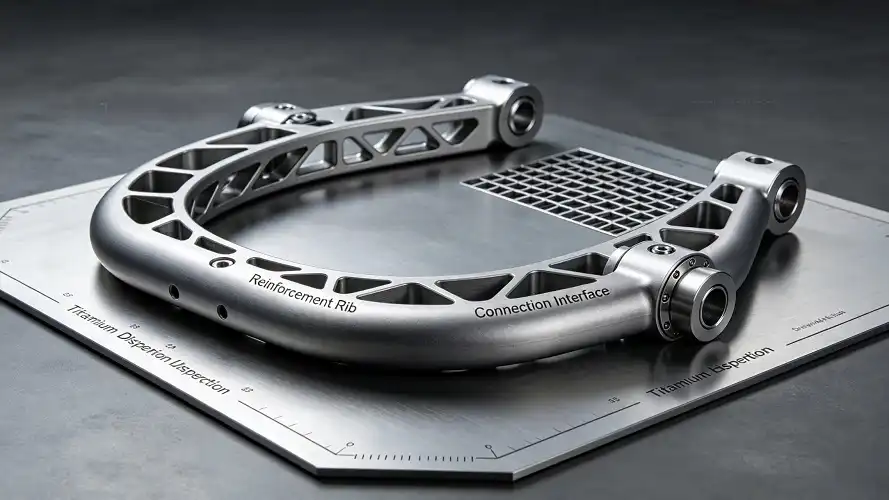
Manufacturers of aeroplanes are always pressured to cut down on structure weight without lowering safety standards. This problem is solved by Ti-6Al-4V, which is strong enough to be used instead of many types of steel but is only 60% as heavy. This weight savings directly leads to better fuel economy and more payload capacity in 3D printed aircraft brackets and fittings. The specific strength of the material is much higher than that of 304 stainless steel. This lets engineers make shape patterns that would not be possible with heavier materials.
Additive Manufacturing Compatibility
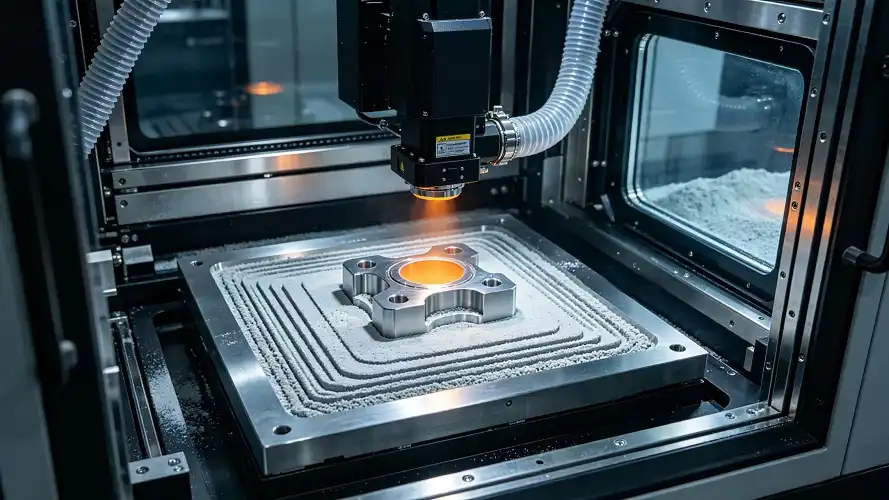
Laser or electron beam powder bed fusion systems are designed to work with Ti-6Al-4V. Metal melts and solidifies swiftly without pores due to its heat reaction. Building success rates are high when process elements are maintained. This reduces scrap, which can ruin a project's economy. Gas-atomised Ti-6Al-4V powder flows well, which ensures continuous layer deposition over long build cycles.
Titanium is useful for electron beam melting because it conducts electricity. It's done in a high-vacuum area to prevent rust from damaging the material. The items leave the build room with almost flawless shapes and little subtractive machining, reducing production lead times.
Industry-Proven Reliability
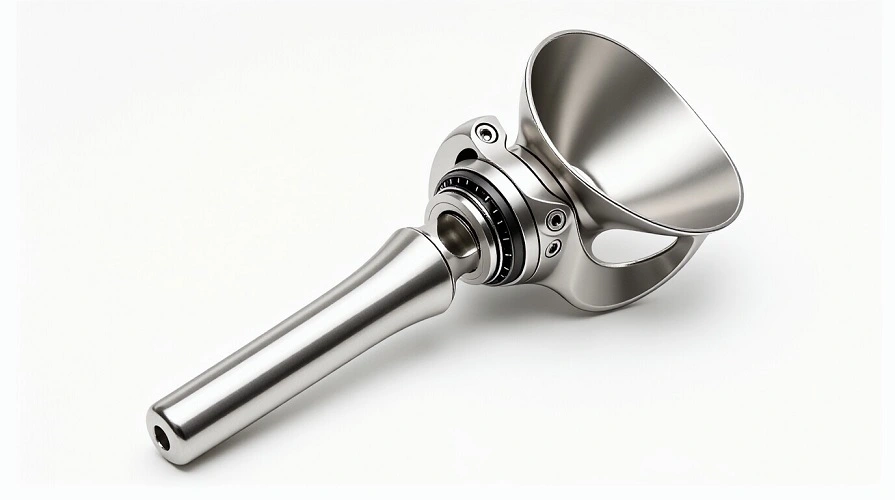
After a lot of testing, aerospace clearance officials have given the go-ahead for Ti-6Al-4V parts to be used in flight-critical situations. The biocompatibility of the metal is important for hip implants because osseointegration must happen without causing any bad tissue reactions. These validations in the real world give buying teams faith that claims of important performance match up with real service conditions. Chemical makers choose Ti-6Al-4V for the inside of reactors that are exposed to harsh media. If these parts fail due to corrosion, it could cost a lot of money and cause damage to the environment.
Procurement Considerations for Ti-6Al-4V Plates in Additive Manufacturing
To find high-quality titanium plate stock, you need to pay attention to certification standards, the supply chain's abilities, and technical specifications that affect the quality of the end part. During the source selection phase, strategic buying choices have a direct effect on the success rates of projects and the long-term viability of partnerships.
Supplier Qualification and Certifications
Reputable companies have ASTM B265, ASTM F67, AMS 4911, and ASME SB265 certificates. These standards define acceptable chemical makeup, mechanical qualities, and material consistency inspection techniques. Each heat lot's traceability paperwork creates an audit record for medical and aerospace usage when regulatory compliance can't be negotiated.
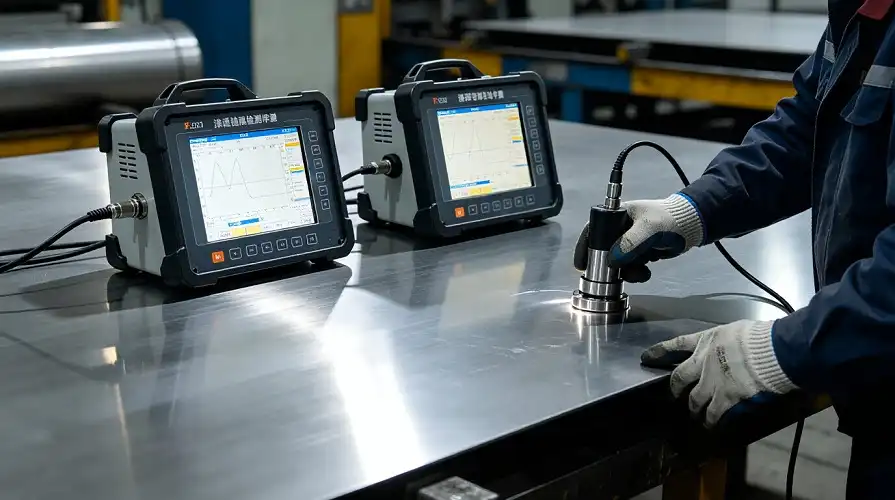
Quality control should include AMS 2631-compliant ultrasonic testing to uncover internal faults that could cause cracks during service. Metallographic analysis indicates the right microstructure and no alpha case; a brittle surface layer formed when oxygen is picked up during processing. Reliable providers provide mill test records of production run samples' tensile qualities, chemical analysis, and surface condition checks.
Global Sourcing Options and Logistics
The Baoji-based titanium industry in China has grown over many years due to mechanical understanding. This region's manufacturers satisfy worldwide quality requirements at low prices. They are useful for buying teams looking to save money. The proximity of North American and European providers benefits customers who want speedy shipping or domestic supply lines.
Sellers' minimum order quantities range from small amounts for study to numerous tonnes for industrial use. Whether the material's specs match shop products or require special processing determines lead times. Hot-rolled plates require rolling, heating, levelling, pickling, and finishing. These stages lengthen manufacturing. Purchasers should discuss project timetables with suppliers early on to ensure delivery schedules fit manufacturing needs.
Customization Capabilities and Technical Support
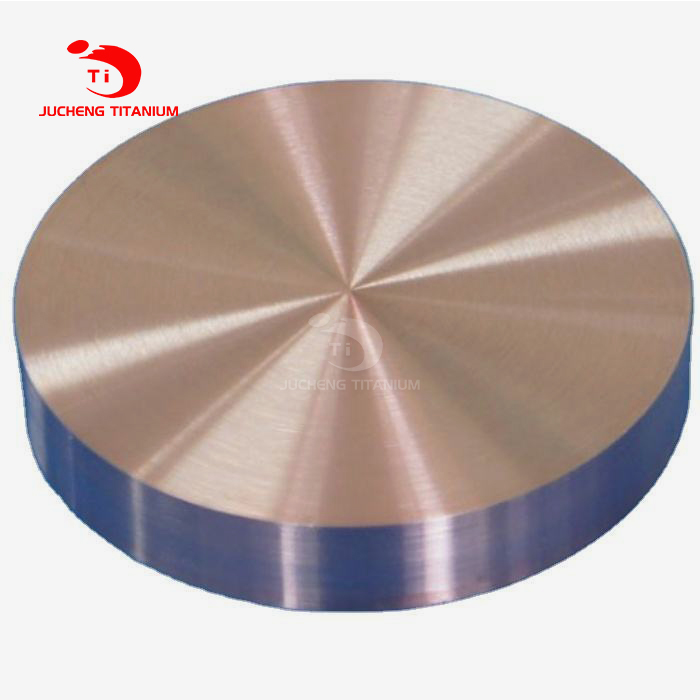
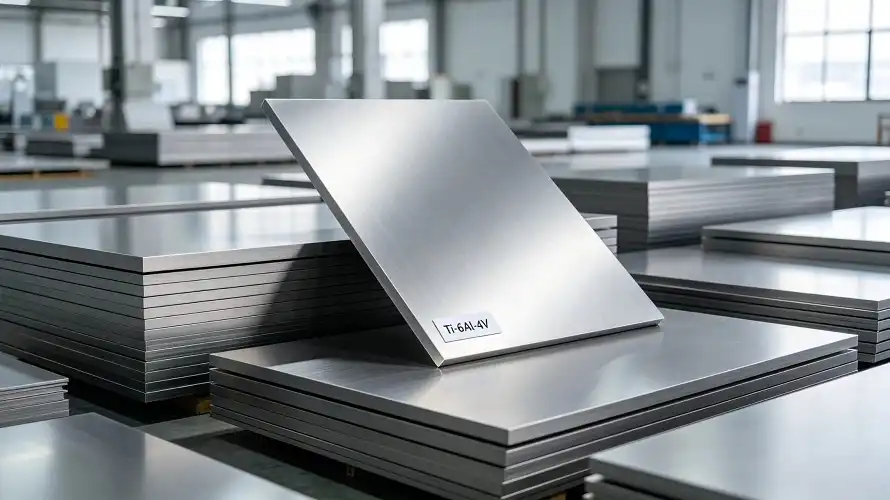
Thickenings of 4mm to 80mm, widths of 950mm to 2500mm, and lengths of 10,000mm are normal for Ti-6Al-4V plates. Many purposes require custom sizing to maximise material use and minimise loss. Suppliers provide precision cutting, edge preparation, and surface treatments. These services reduce downstream costs and speed project deadlines.
Technical support distinguishes exceptional suppliers from transactional ones. Supplier expertise may help engineering teams identify materials, build process parameters, and fix quality issues that arise during production scale-up. Customer-focused suppliers give mechanical assistance, heat treatment procedures, and failure analysis when parts don't work.
Comparing Ti-6Al-4V Plates with Other Materials: Decision-Making Guide
When choosing a material, you have to weigh the performance needs against the cost and production options. Ti-6Al-4V fills a unique need, and its unique set of properties explains its higher cost compared to other materials.
Ti-6Al-4V Plates Versus Bar Stock
There are benefits to using platforms when making big parts, or when 3D printing builds need strong base plates for attaching support structures. When plates are made, the rolling process forms directional grain structures that can be arranged to match the main stress lines in the finished parts. Bar stock is used in situations where cylinder shapes are needed or where smaller amounts of material are enough. Choosing between these types for purchase depends on the finished shape of the part, the needs for machining, and the material output.
Comparison with Other Types of Titanium
Commercially pure titanium—Gr1, Gr2, and Gr4—resists rust but isn't strong enough for structural application. These are utilised in chemical processing plants with little mechanical stress. Ti-3Al-2.5V is another alpha-beta alloy. It is weaker than Ti-6Al-4V but cold-shaped better for tubes.
Grade 23, an extra-low interstitial Ti-6Al-4V, has less iron and oxygen. This alteration makes it more flexible and less likely to break, making it ideal for medical implants with greater biocompatibility criteria. When Grade 23 is needed for physiological uses involving direct tissue touch or cyclic stresses, procurement teams should specify.
Ti-6Al-4V Versus Stainless Steel and Aluminum
Titanium is stronger than stainless steel, but stainless steel types are more expensive and harder to work with. Ti-6Al-4V's higher price is justified by its long lifecycle value in places where extra weight means higher running costs, like in airplane structures, racing parts, and portable electronics. Aluminium alloys are the lightest choice, but they can't handle high temperatures and will rust in harsh chemical conditions. The decision matrix should compare the original cost of the materials to the expected operating savings, service life, and performance standards that define project success.
Best Practices and Tips for Working with Ti-6Al-4V Plates in 3D Printing
To make additive manufacturing work well with titanium alloys, you need to pay close attention to process details that are very different from how steel or aluminium is processed. Following set procedures reduces flaws and improves the mechanical property success.
Heat Treatment Protocols
As a general rule, 3D-printed Ti-6Al-4V parts are heated to 650°C for two to four hours to relieve stress, and then they are cooled in a kiln. This thermal cycle lowers the leftover stresses that built up during fast solidification without changing the strength values much. For tasks that need the most power, solution treatment at 955°C followed by ageing at 540°C may be used, but this method gives up some flexibility. To keep the surface from oxidising, which lowers wear performance, heat treatment must take place in vacuum or inert atmosphere ovens.
Machining and Surface Finishing
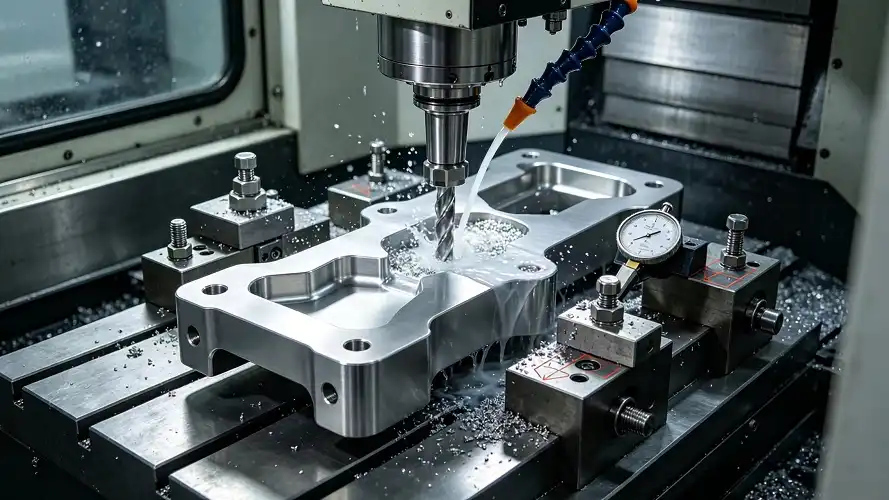
Because titanium doesn't transfer heat well, cutting heat builds up at the points where the tool and chip meet, speeding up wear and encouraging galling between the chip and cutting edge. For cutting to go well, carbide or coated tools are used with high-pressure coolant to get rid of heat and keep the part from breaking down. When grinding aluminium, cutting speeds should be slowed down compared to steel, usually by 30 to 50 per cent of the same processes. Depending on the needs for function and appearance, surface cleaning choices include mechanical polishing, acid pickling, and electrochemical treatments.
Storage and Handling Recommendations
Ti-6Al-4V plate stock should be kept in a clean, dry place that is away from things that could make it dirty. The metal is very resistant to rust in the air, but the cleanliness of the surface affects how well it can be welded and how well powder is made. Plate surfaces should not be mechanically damaged during handling. Scratches and gouges cause stress concentration sites that shorten wear life. Separating materials by heat lot keeps track of them and keeps approved batches from being mixed with non-conforming stock.
Conclusion
Ti-6Al-4V is still the most popular metal in additive manufacturing because it has been used for a long time, is accepted by the industry, and has a mature supply chain. Newer alloys have not yet been able to match these qualities. The material's balanced set of properties solves the main problems that engineers face in the medical, industrial, and aircraft fields. The cost of the material is still higher than other options, but the value over its lifetime in terms of reduced weight, resistance to corrosion, and consistent mechanical performance continues to make purchase choices favour this titanium workhorse. As 3D printing technology gets better and process control gets better, Ti-6Al-4V will probably be able to be used in more situations that heavy, less flexible materials can't.
FAQ
1. What makes Ti-6Al-4V superior to pure titanium for 3D printing?
Pure titanium types are very resistant to corrosion, but they aren't strong enough for buildings that hold weight. Ti-6Al-4V has almost twice as much tensile strength as steel, but it is still easy to bend and join. The alpha-beta microstructure makes it possible for heat treatment reactions that aren't possible with widely pure grades. This lets engineers make the properties work best for certain uses. This extra strength means that less material is needed, which makes up for the small cost increase over pure titanium.
2. How does heat treatment affect 3D printed Ti-6Al-4V components?
Heat treatment processes get rid of any remaining stresses in additive manufacturing, which keeps the parts from warping during service and cutting. Stress-relief annealing keeps the strength as-built while making the dimensions more stable. Solution treatment and age can make things stronger by 15 to 20 per cent, but they can also make them less flexible. The best way to heat treat something relies on whether the product needs maximum strength or properties that are well-balanced. Talking to materials engineers makes sure that heat processing meets the needs of the design.
3. What lead times should procurement teams expect when sourcing ti-6Al-4V plate?
Standard thickness material that is kept by well-known sources usually ships between two and four weeks. Depending on the mill's schedule, wait times may go up to 8 to 12 weeks for custom sizes that need hot rolling, special surface treatments, or widths that aren't normal. International packages take longer to get through customs and get to their final destination. Building strategic inventories for projects that will be done again and again lowers the risk of missing deadlines, but because titanium is expensive, keeping too much on hand is bad for the economy. Getting in touch with suppliers early on in the planning stages of a project keeps the supply of materials from becoming a key path constraint.
Partner with Jucheng Titanium for Your Ti-6Al-4V Plate Supply Needs
Baoji Jucheng Titanium Industry Co., Ltd. has been making certified Ti-6Al-4V plates for difficult uses around the world for more than 20 years. As a "little giant" business on a national level with 45 granted patents, we keep over 3,000 tons of material in grade 5 and other titanium grades, such as Gr1, Gr2, Gr4, Gr7, Gr9, and Gr12. Our hot-rolled plates are made to meet the standards set by ASTM B265, AMS 4911, and ASME SB265. They also come with full traceability paperwork that supports certifications for medical and military uses.
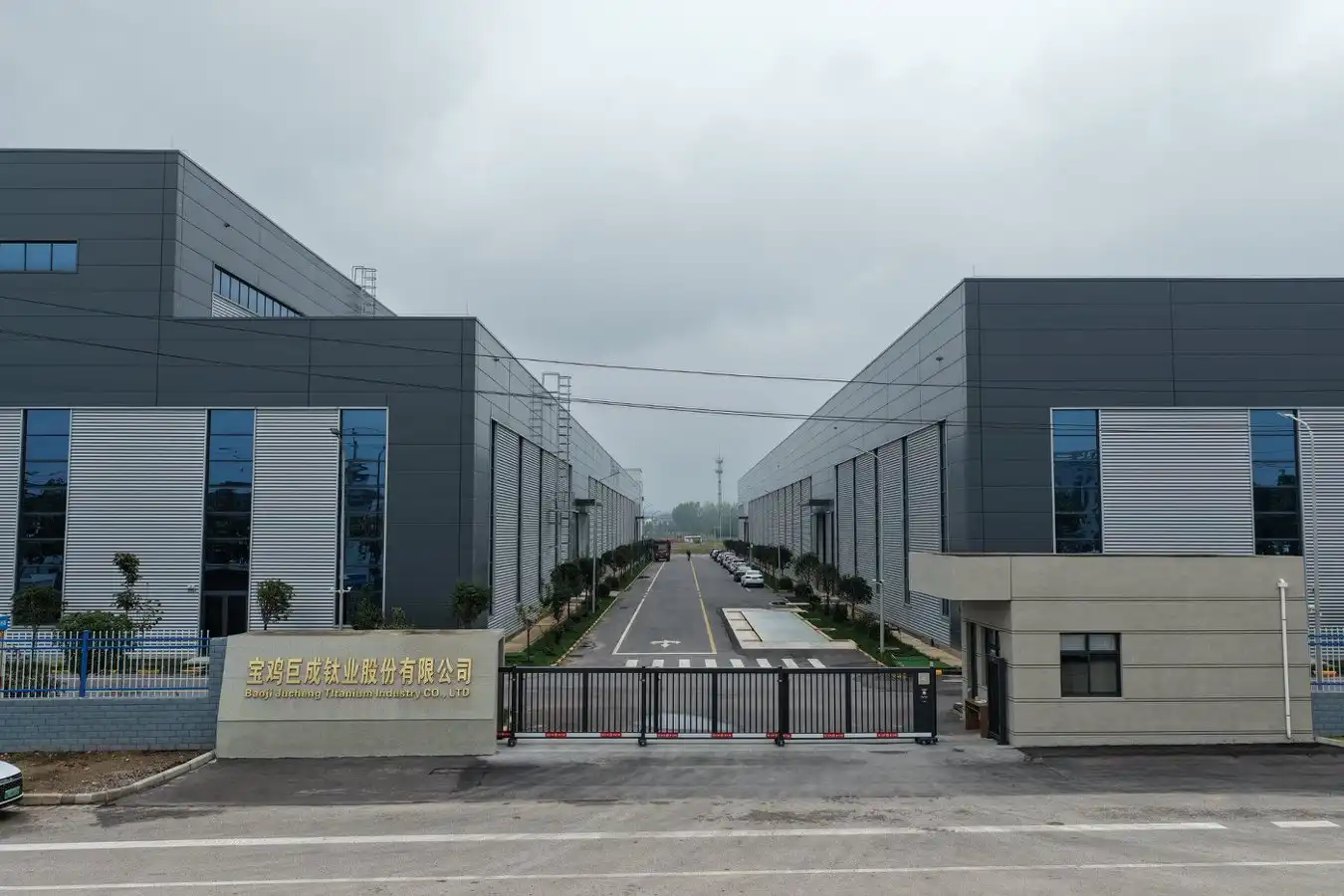
Our factory is in China's Titanium Valley and covers 120,000 square meters. It uses controlled rolling, heating, levelling, cleaning, and surface finishing to make sure the quality is always the same. As a provider of Ti-6Al-4V plates, we work with additive manufacturing companies, aircraft component makers, and businesses that need custom sizes ranging from 4mm to 80mm thick and widths up to 2500mm. Our expert team works with customers to help them choose materials, make suggestions for heat treatment, and set up processes for quality assurance.
Email our tech experts at s4@juchengti.com to talk about your particular needs. We offer quick quotes, flexible minimum order amounts for prototype projects, and reliable shipping plans that help with just-in-time production. You can look at our full line of titanium products at jucheng-ti.com and learn why top makers trust Jucheng Titanium as their key materials partner.
References
1. Boyer, R., Welsch, G., & Collings, E.W. (1994). Materials Properties Handbook: Titanium Alloys. ASM International, Materials Park, Ohio.
2. Leyens, C. & Peters, M. (2003). Titanium and Titanium Alloys: Fundamentals and Applications. Wiley-VCH Verlag GmbH & Co. KGaA, Weinheim, Germany.
3. Froes, F.H. (2015). Titanium: Physical Metallurgy, Processing, and Applications. ASM International, Materials Park, Ohio.
4. Liu, S. & Shin, Y.C. (2019). Additive Manufacturing of Ti6Al4V Alloy: A Review. Materials & Design, Volume 164, Article 107552.
5. Donachie, M.J. (2000). Titanium: A Technical Guide, 2nd Edition. ASM International, Materials Park, Ohio.
6. ASTM International. (2021). ASTM B265-20a: Standard Specification for Titanium and Titanium Alloy Strip, Sheet, and Plate. West Conshohocken, Pennsylvania.