
Titanium Alloy Plate for Industry: What are its key applications?
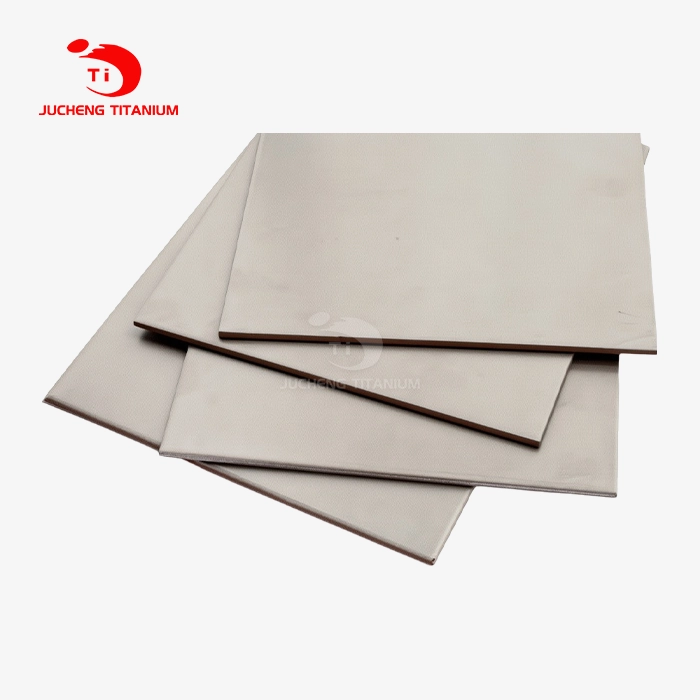
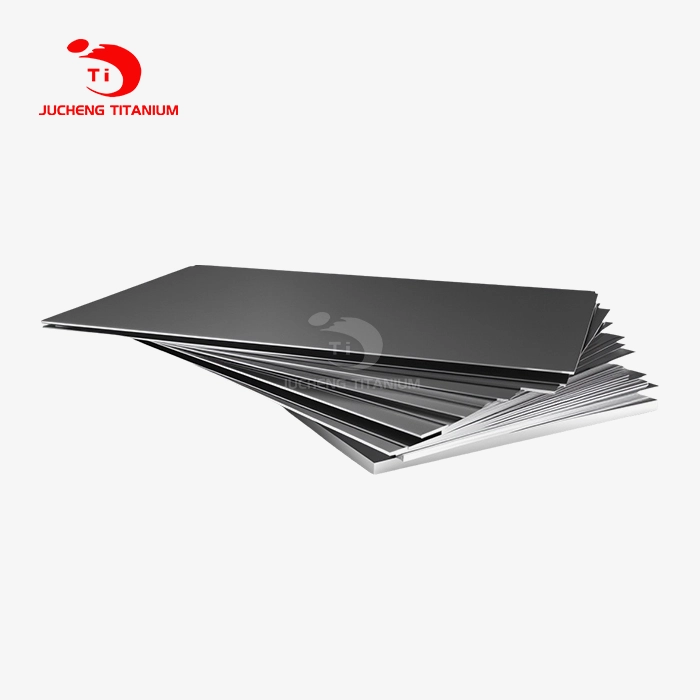
Titanium alloy plates are high-performance industrial materials that are made by carefully hot-rolling titanium with metals like aluminum and vanadium that make them stronger. These plates solve important problems in industry, like getting rid of corrosion failures in chemical processing areas, getting rid of weight penalties that slow down aircraft performance, and fixing the wear problems that come up with using regular metals under very high temperatures. Titanium alloy plates are used in a variety of industries, including defense companies and medical device makers, because they offer unrivaled corrosion protection, high strength-to-weight ratios, and long service lives of more than 20 years under demanding circumstances.
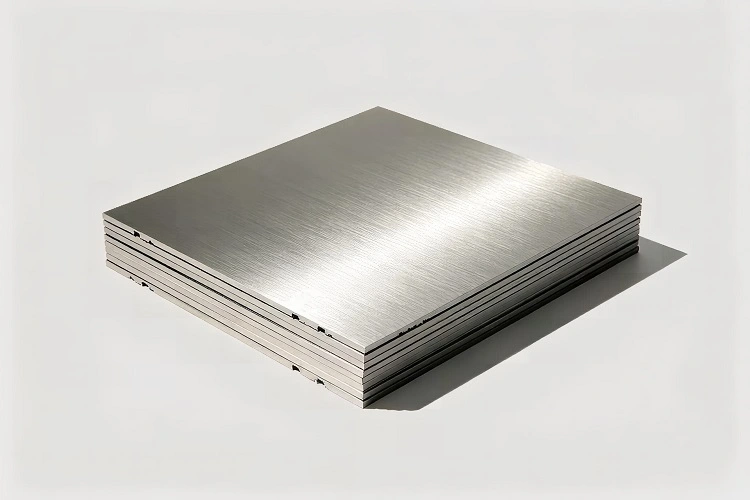
Understanding Titanium Alloy Plates: Properties and Types
It's important for sourcing pros who are looking at materials for tough jobs to know what makes titanium unique. We at Jucheng Titanium have spent more than 20 years learning more about how these amazing materials can be used to solve technical problems in the real world.
Core Properties That Define Performance
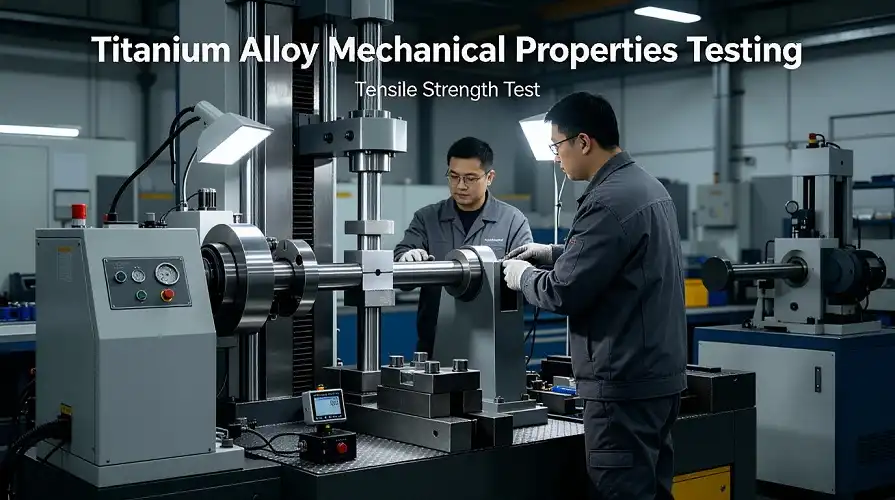
It is the carefully controlled mechanical structure of titanium alloy plates that gives them their unique properties. We make plates with tensile strengths ranging from 240 MPa for commercially pure grades to over 900 MPa for high-strength metals by hot-rolling them and then cooling them. What's really amazing is that titanium is this strong while being about 60% lighter than steel. This changes the way engineers plan structures in a fundamental way.
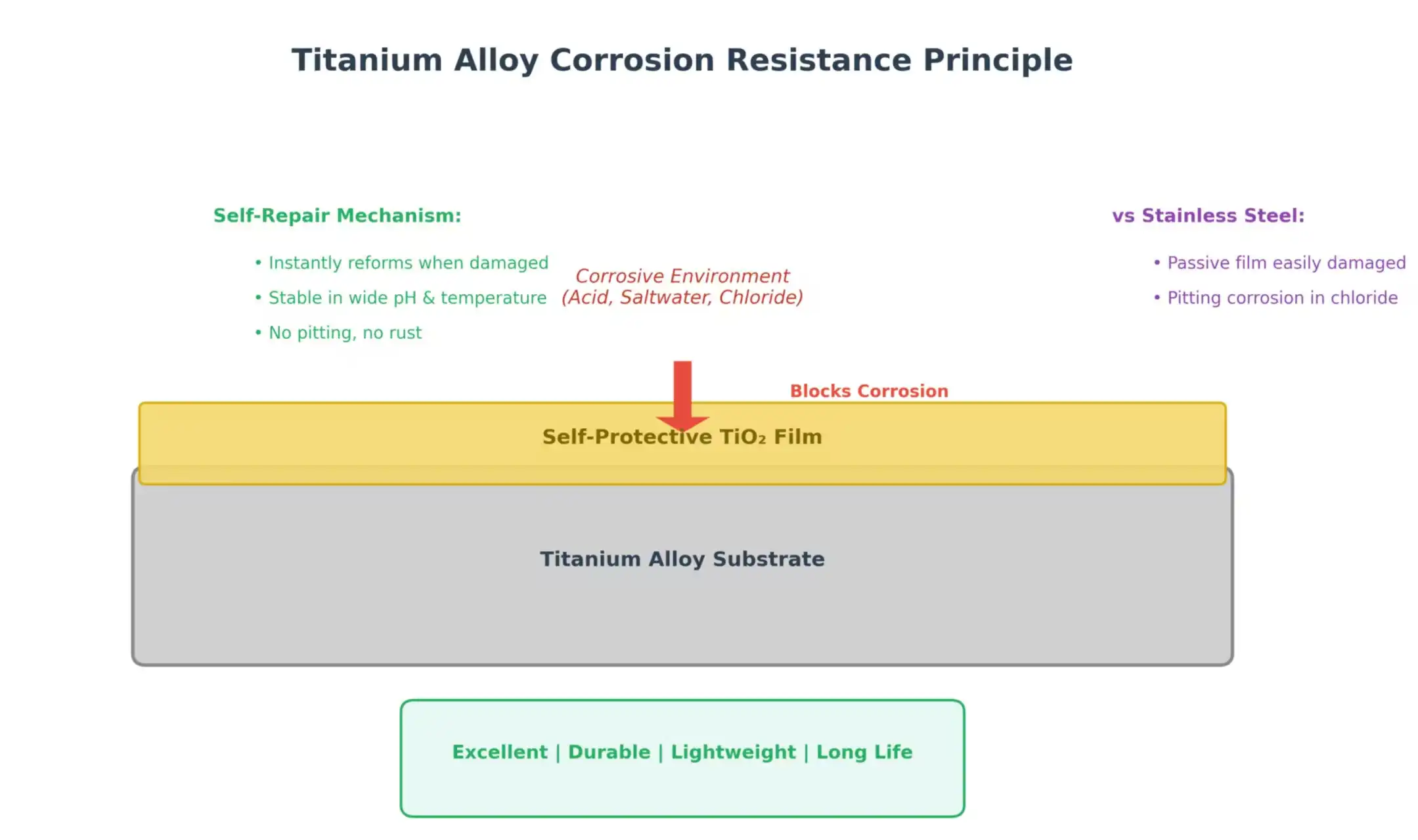
Another important benefit is that it doesn't rust or corrode. Stainless steel has an inactive chromium oxide layer that can break down in chloride environments. Titanium, on the other hand, has a stable titanium dioxide layer that can fix itself. This barrier keeps things safe in saltwater, hot chlorine gas, and strong acids, places where other materials would break down in months.
Grade Selection for Specific Applications
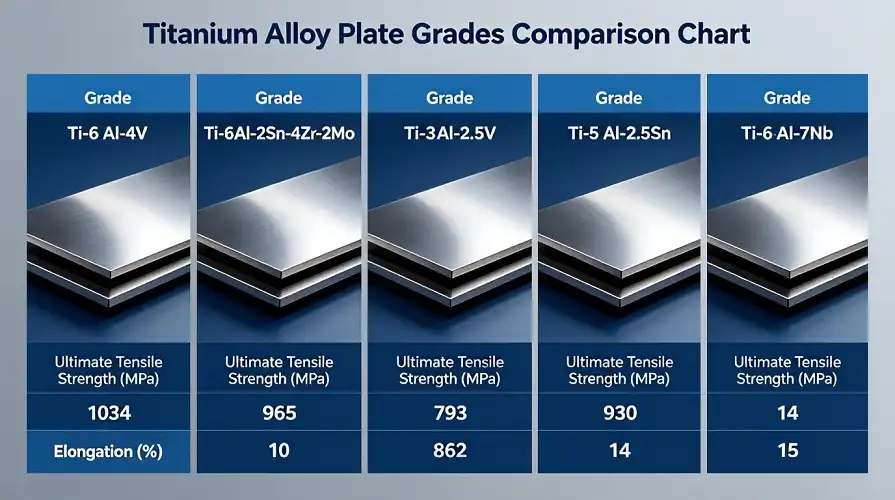
Jucheng Titanium makes seven essential grades for various operational demands. Grade 2 chemical production equipment is robust but not overly strong, so it lasts. Grade 5 (Ti-6Al-4V) provides aeroplane engineers with the most efficient construction. It has about 895 MPa compressive strength and 10 million load cycles.
Palladium renders Grade 7 resistant to reducing acids that break down other titanium grades. Chemical plant personnel want hot hydrochloric acid instruments of this grade. Grade 12, an inexpensive choice for corrosive conditions, balances performance and cost for big commercial systems.
We strictly follow ASTM B265, ASTM F67, AMS 4911, and ASME SB265 specifications for these grades. We can trace the material from the ingot to the plate. Before shipping, our quality control checks each item's chemical makeup, mechanical qualities, and surface condition. Certification compliance concerns that keep aeroplane procurement specialists up at night are resolved.
Processing Methods That Ensure Consistency
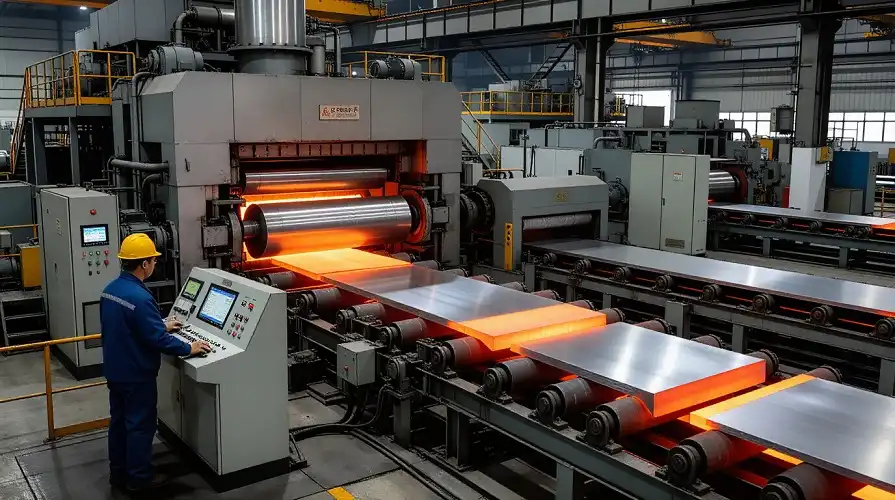
From the ingot of titanium to the finished plate, there are many careful steps. The temperatures used in our hot-rolling method are carefully managed to keep the grain structure the same across the whole thickness of the plate. Plates can be anywhere from 4 mm to 80 mm thick, up to 2,500 mm wide, and up to 10,000 mm long. If you need, we can change the sizes to exactly fit your needs.
After being rolled, plates go through solution annealing processes that get rid of any remaining pressures and make the microstructure better. Our leveling tools make sure that the flatness limits are within 10 mm per meter, which is very important for manufacturing work. Different types of surface treatments are used for different purposes, such as polished finishes for food processing equipment, machined surfaces for precision aircraft parts, and acid-pickled finishes for chemical equipment sections that are welded together.
Major Industrial Applications of Titanium Alloy Plates
Knowing where titanium alloy plates provide the most value helps buying teams show that the money spent on them was worth it. Through our relationships with top makers in a variety of fields, we've learned about specific problems that titanium can solve in a way that no other material can.
Aerospace and Defense: Engineering for Extreme Conditions
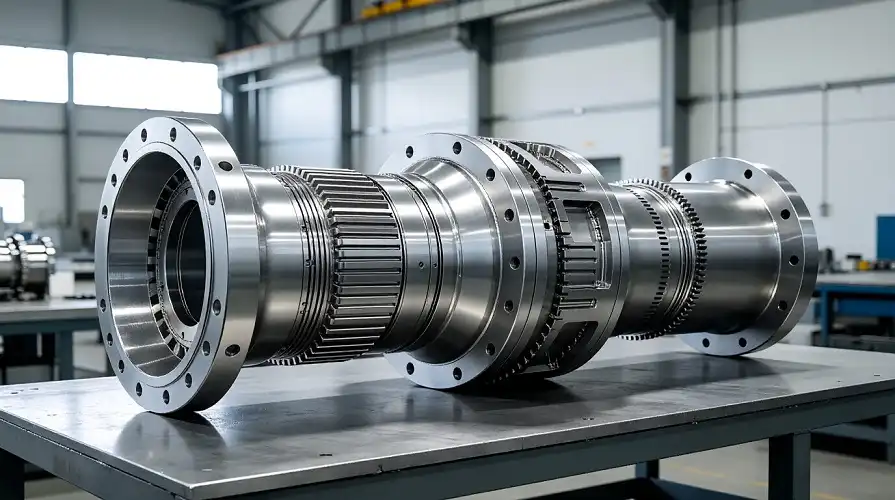
When making airplanes, they have to deal with a harsh equation: every kilogram of structural weight lowers the payload capability and raises the fuel usage. Titanium alloy plates can be used for things that aluminum can't and steel is too heavy to be useful for. Grade 5 plate bulkhead sections can handle loads greater than 9G and work in temperatures ranging from -55°C at cruise level to 300°C near the engine bays.
Defense companies working on military ships have asked us to provide Grade 7 plates for submarine hulls that have parts that are open to water. The material stops the galvanic rusting that happens when different metals touch in saltwater, so upkeep can be done more often—every five years instead of every 18 months. Wing skins made from our AMS 4911-certified plates have been in over 30,000 flight hours without any cracks showing up. This shows how fatigue-resistant titanium is, which is why it can't be replaced in flight-critical parts.
Chemical Processing: Surviving Aggressive Environments
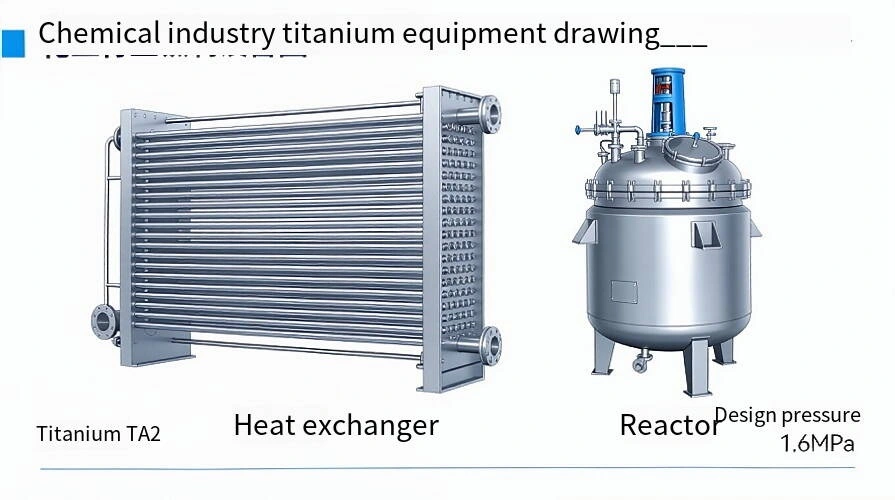
People who work in chemical plants know that when equipment breaks down, it costs more than just buying new parts. Unplanned shutdowns mess up production plans, contamination events make regulators look more closely, and the safety of the workplace depends on the integrity of the materials used. We've provided titanium alloy plates for reactor tanks that handle wet chlorine gas. The environment is so corrosive that stainless steel parts broke after eight months, but our Grade 7 plates are still working after seven years with no noticeable metal loss.
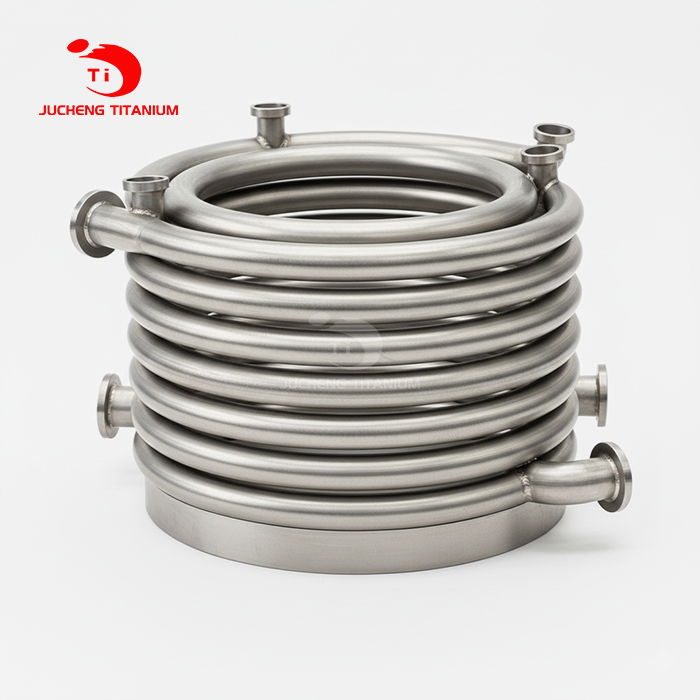
Our plates are used by companies that make heat exchangers that deal with sulfuric acid, sodium hydroxide solutions, and organic chlorides. Titanium has a lower thermal conductivity than copper, but it is still good enough to move heat efficiently and stop the pitting rust that makes holes in stainless steel tube sheets. With titanium, equipment lasts 15-20 years instead of the usual five years for stainless steel, which changes the estimate of the total cost of ownership.
Medical Device Manufacturing: Biocompatibility Meets Strength
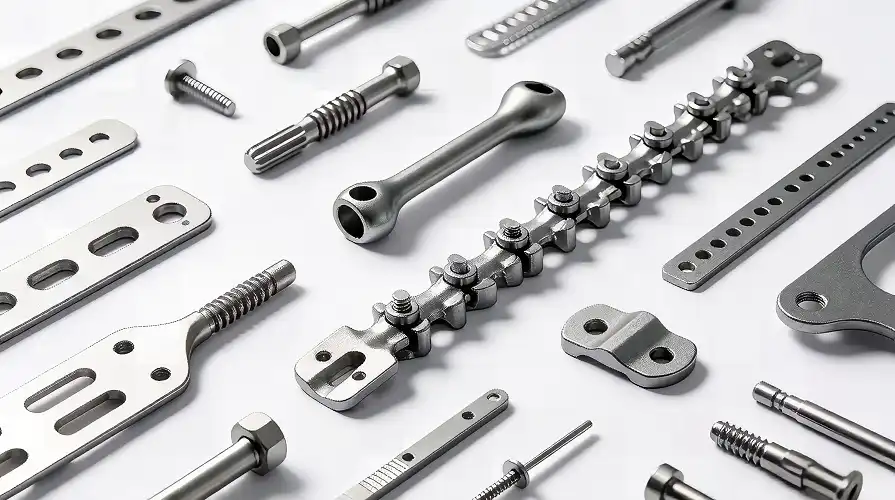
Human skin must be able to handle orthopaedic implant materials without irritation. Titanium is biocompatible and used for load-bearing implants; material properties matter more than flesh compatibility. Our medical-grade titanium trauma plates meet ASTM F67 requirements for yield strengths high enough to heal fractures and elastic stiffness closer to bone than stainless steel plates.
This modulus match reduces stress shielding, which occurs when implants are excessively stiff and prevent bone loading. This reduces bone mass and loosens implants. Titanium can maintain sharp edges during numerous sterilisation methods and is nonmagnetic, making it excellent for MRI-compatible instruments. Medical device laws require pure materials, which we ensure with stringent cleaning and manufacturing.
Marine Engineering: Enduring Saltwater Service
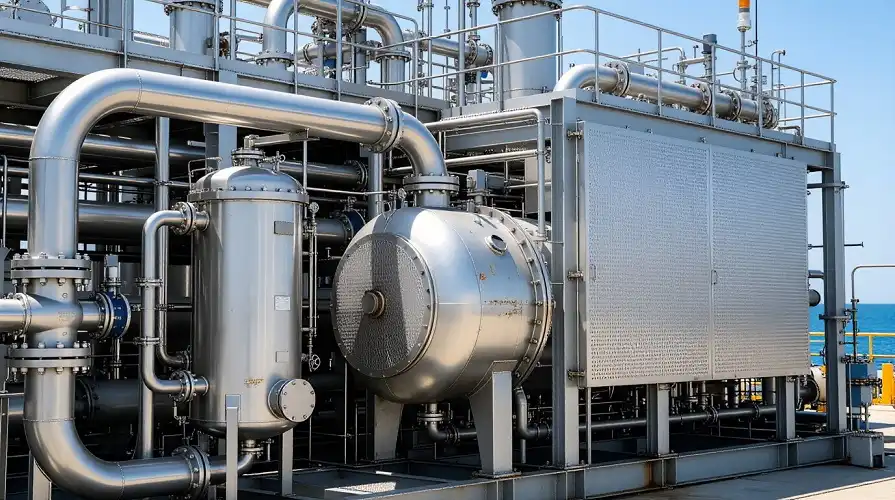
Offshore platform managers and shipbuilders have to deal with the constant damage that saltwater does to metal structures. For standard materials, you need to pay a lot for coats, cathodic protection systems, and regular inspections. Builders of desalination plants have used our titanium alloy plates for evaporator shells and heat exchanger units. In these parts, hot brine, high flow rates, and dissolved oxygen break down even super-duplex stainless steels very quickly.
Grade 5 plates are used to make submarine pressure hull penetrations that can withstand hydrostatic pressures at working levels and keep seals and joints from corroding in cracks. The fact that the material stays strong at low temperatures, like those found in the deep ocean, adds to its safety. Naval engineers figure out lifetime costs that show titanium parts pay for themselves in four years because they don't need to be maintained as often and are serviced less often.
Procurement Guide for Titanium Alloy Plates
To buy titanium successfully, you need to know not only the details of the material but also what the seller can do and what extra services they offer that can affect project costs and timelines. Titanium alloy plates procurement requires understanding not just material specifications but supplier capabilities.
Selecting Certified Suppliers
For aerospace and medical uses, strict material tracking and approval paperwork are needed. At Jucheng Titanium, we follow ISO 9001 quality management systems and give full material test results for every plate lot. These reports include records of the metal's chemical make-up, its mechanical properties, and its heat treatment. As a National High-Tech Enterprise and specialized "little giant" company, we meet the production standards that big contracts require.
When comparing providers, make sure that the spread of their certifications meets the standards you need. Aerospace standards may need AMS 4911 approval along with other testing methods, in order to meet ASTM B265 compliance alone. We've bought spectroscopic analysis tools, tension testing machines, and ultrasonic inspection tools that make sure materials conform before they are shipped. This way, you won't have to pay a lot of money to find materials that don't conform during the manufacturing process.
Inventory Availability and Lead Times
Titanium takes longer to make than most metals, which makes it useful for quick projects that need to access supplies. There are different types and sizes of titanium in our collection of about 3,000 tons, which lets us quickly meet standard needs. Custom orders that need specific sizes or heat treatment conditions usually take 6 to 8 weeks from the time the order is placed until it is delivered. This is because controlled hot-rolling and annealing processes take time.
If you buy more than five tons, you can get better prices while still meeting our quality standards. We have made global logistics relationships that take care of export paperwork, shipping, and making sure the goods get to your site on time. Chemical equipment makers like that we can provide full plate measurements that cut down on the number of welds needed in big reactor shells. This improves the structure's strength and lowers the cost of fabrication.
Value-Added Processing Services
Before they can be used as parts, raw titanium alloy plates need to go through more steps. Our precision cutting services use water jet and plasma cutting tools that can keep limits within ±0.5mm. These tools make net-shape blanks that cut down on the time it takes to machine your parts. We can do CNC cutting on parts with complicated shapes. This is especially useful for aircraft parts where removing material takes up 90% of the starting plate.
For cleaning equipment, mechanical polishing can be used to get a mirror finish. Bead blasting can help coatings stick better, and chemical milling can be used to make flight structures lighter. With these value-added services, you can combine your supply chain, which means you don't have to handle as many vendors. They also make sure that the processing settings stay suitable with titanium's unique properties. Medical device makers really appreciate that we understand the cleaning standards that keep things from getting dirty during handling.
Future Trends and Innovations in the Titanium Alloy Plate Industry
Titanium's industry keeps growing thanks to discoveries in materials science and growing application areas that will change how things are bought over the next ten years. The titanium alloy plates industry continues to evolve through materials science breakthroughs and expanding application sectors.
Alloy Development and Processing Advances
Through research agreements with schools like Northwest University, Jucheng Titanium has created better heat treatment methods that improve mechanical properties without adding to the cost of alloying. Beta-annealing methods make microstructures that are more resistant to fatigue. This makes parts last 30 to 40 percent longer in cyclic loading use. With these new ways of processing titanium, current types can meet ever-higher standards without having to change their formulation.
Market Growth Drivers
Transportation industries need to be lighter, which is increasing the demand for titanium alloy plates in areas other than aircraft. When making electric cars, automakers look for materials that reduce the weight of the batteries while increasing their range. Titanium structural parts in battery casings and crash structures are lighter, which directly leads to a longer driving range. The cost of the material is reasonable when compared to the need for battery capacity.
Sustainability promises in the chemical business are driving standards for how long equipment will last. Companies that want to cut down on waste and resource use prefer materials like titanium that can make tools last 25 to 30 years instead of the 8 to 12 years that coated steel options can. The new way of buying things, which is based on best lifetime value instead of lowest original cost, makes titanium a good choice for big projects.
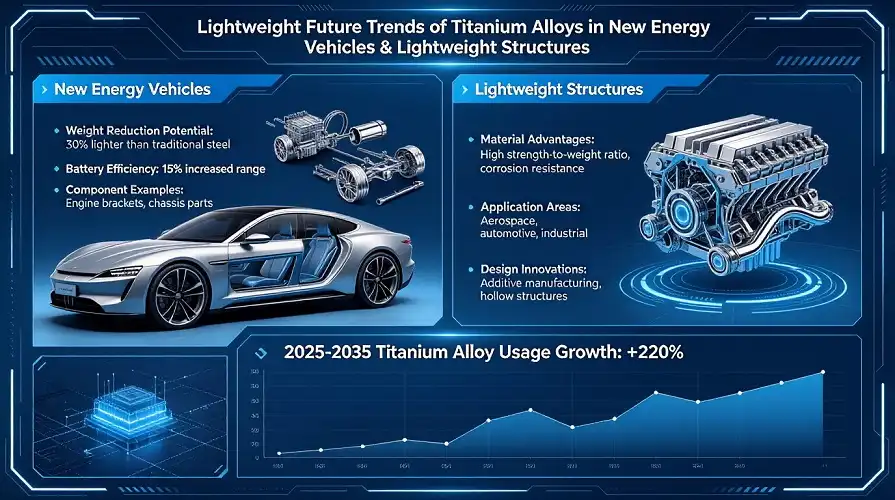
Coating systems that were used to protect steel in acidic environments are no longer used because of rules that limit volatile organic compound emissions. Titanium doesn't need any coatings because it doesn't corrode naturally. This makes compliance easier and eliminates the upkeep load of inspecting and fixing coatings. We think that this legal trend will speed up the use of titanium in industrial and offshore settings.
Conclusion
Titanium alloy plates were once specialised, but they are now employed in aviation, chemical processing, medical device manufacturing, and marine engineering. Their strength, low density, and corrosion resistance answer critical problems that other materials can't resolve cost-effectively during equipment life. A procurement professional who can identify the proper grade, fulfil certification criteria, and calculate the total cost of ownership may assist their company in maximising titanium's performance and managing material expenses. Titanium's position in industrial manufacturing will rise as processing technologies and applications improve. Scientific understanding and dependable worldwide supply from Jucheng Titanium enable this.
FAQ
Q1: What titanium alloy grades are most commonly specified for aerospace applications?
Grade 5 (Ti-6Al-4V) is the most common type used in aircraft structures because it has a great mix of strength, resistance to fatigue, and the ability to be welded. This alpha-beta metal has tensile strengths higher than 895 MPa and can be easily shaped into complex shapes for parts. Grade 9 (Ti-3Al-2.5V) is used for hydraulic tubes because it is stronger than Grade 5 and costs less. Grade 2, which is commercially pure, is used for non-structural things like ducts and fairings where resistance to corrosion is more important than strength. Titanium alloy plates remain the preferred choice for flight-critical components.
Q2: How does titanium's corrosion resistance compare to stainless steel in chemical environments?
Titanium works much better than stainless steel in places with chloride, acids that oxidize metals, and wet chlorine gas service. The passive titanium dioxide layer stays steady in situations that make austenitic stainless steels corrode in pits and crack under stress. Stainless steel quickly dissolves in reducing acids like hydrochloric acid, but Grade 7 and Grade 12 titanium metals with palladium add-ons don't rust. Because of this difference in performance, equipment that is used for harsh chemical processes can last 15–25 years instead of 3–7 years when made of stainless steel.
Q3: What factors should procurement teams prioritize when sourcing titanium plates for critical applications?
The most important things are material approval paperwork and traceability, especially for medical and aerospace uses that need to follow ASTM, AMS, or FDA rules. Check that the supplier's quality control methods include checking the chemistry using spectroscopy, testing the mechanical parts according to the specifications, and using ultrasound to make sure the inside is sound. Titanium has longer production cycles, so supply chain stability is important. Suppliers who keep a lot of inventory on hand protect schedules for pressing needs and show they have the money to support long-term relationships.
Partner with Jucheng Titanium for Superior Titanium Alloy Plate Solutions
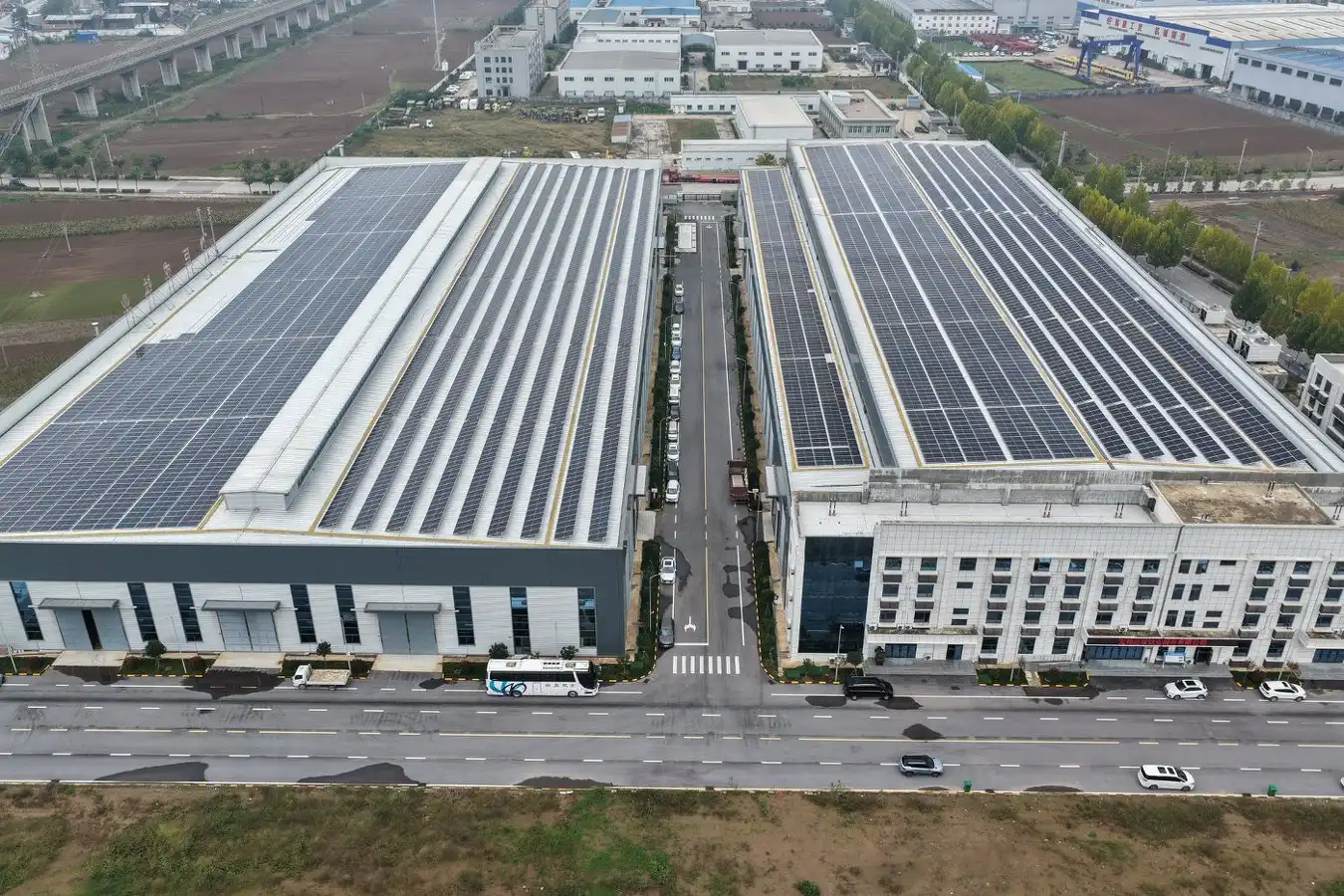
Jucheng Titanium has been making titanium alloy plates for aircraft, chemical processing, and industry uses for more than 20 years, so they are ready to meet your most specific material needs. Our 3,000-ton collection lets us quickly deliver standard grades, and our custom processing services can meet the needs of specific specs that require specific sizes or surface treatments. We have 45 patents that cover different parts of our production process, and our products are certified to meet ASTM B265, AMS 4911, and other international quality standards.
Our engineering team works with procurement professionals to choose the best materials for all kinds of projects, from single prototype parts to multi-ton production orders. They do this by matching performance needs with price limits. As a certified producer of titanium alloy plates for the North American market, we offer full documentation packages, reasonable prices for large orders, and expert help throughout the whole process of making your plates. Email our sales team at s4@juchengti.com to talk about your project needs and get specific quotes backed by our promise of quality and on-time delivery.
References
1. Boyer, R., Welsch, G., & Collings, E.W. (2007). Materials Properties Handbook: Titanium Alloys. ASM International, Materials Park, Ohio.
2. Donachie, M.J. (2000). Titanium: A Technical Guide, 2nd Edition. ASM International, Materials Park, Ohio.
3. Peters, M., Kumpfert, J., Word, C.H., & Leyens, C. (2003). "Titanium Alloys for Aerospace Applications." Advanced Engineering Materials, Volume 5, Issue 6, pp. 419-427.
4. Schutz, R.W. & Watkins, H.B. (1998). "Recent Developments in Titanium Alloy Application in the Energy Industry." Materials Science and Engineering A, Volume 243, Issues 1-2, pp. 305-315.
5. Semlitsch, M.F. (1987). "Titanium Alloys for Hip Joint Replacements." Clinical Materials, Volume 2, Issue 1, pp. 1-13.
6. Zheng, Y.F., Wang, Y., & Li, H. (2011). "Corrosion Behaviour of Titanium Alloys in Simulated Marine Environments." Corrosion Science, Volume 53, Issue 9, pp. 3144-3152.