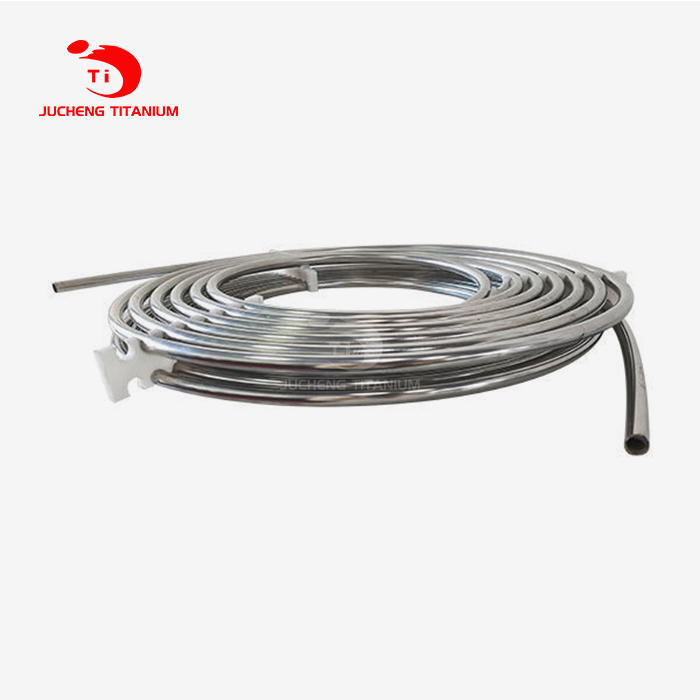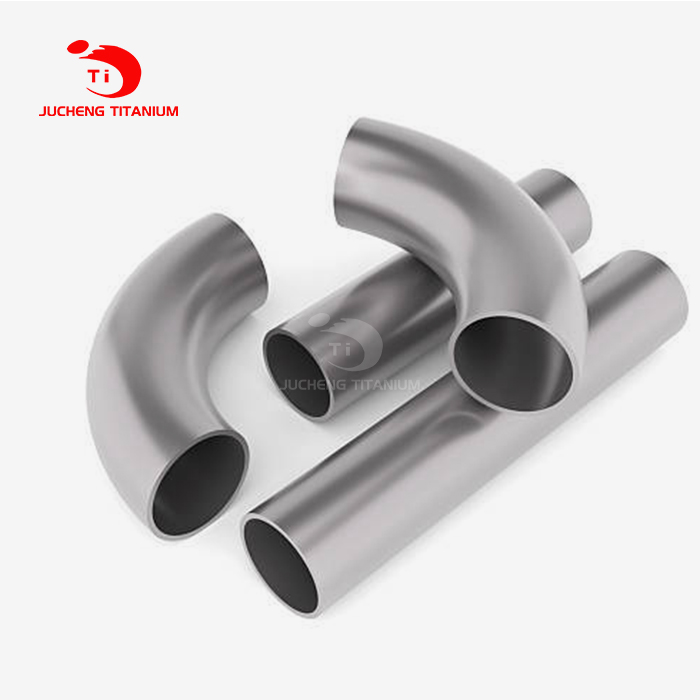

What is the tightness of the connection of the titanium pipe?
When we talk about how tight a titanium pipe link is, we're really talking about how well the joints can prevent leaks and maintain the system's integrity under pressure and in harsh conditions. Because of the way the material can be shaped, connection tightness is especially important when using Gr1 Titanium Tube, which is the lightest and most ductile pure grade available. Tightness is affected by several factors that are all connected to each other, such as the quality of the joint design, the accuracy of the fitting torque, the compatibility of the sealing materials with the surface chemistry of titanium, and the production tolerances for size. To make Gr1 Titanium Tube links that last, you need to know how its very low oxygen level (below 0.18%) and high ductility affect how it seals when joined in different ways.
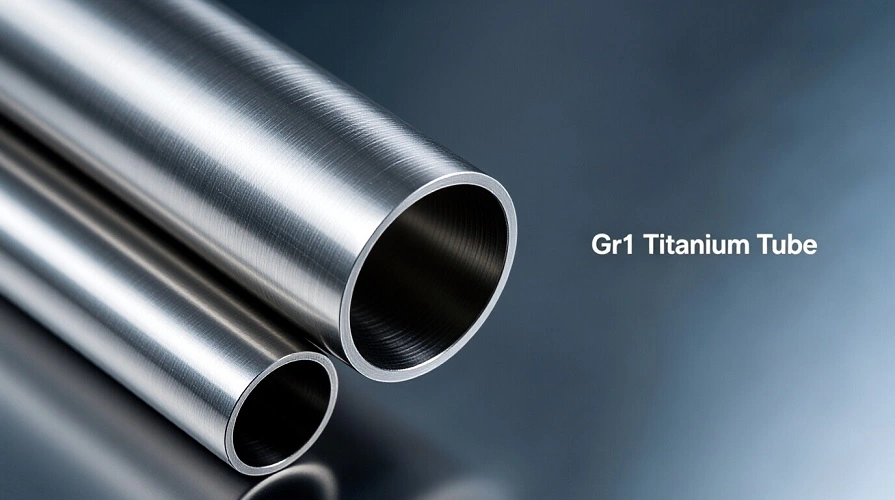
Understanding the Tightness of Titanium Pipe Connections
Connection tightness is a measure of how well a pipe joint forms a seal that doesn't leak and can handle both internal system pressures and loads from the outside world. Titanium doesn't behave like hard materials do at connection points. Instead, the material's elasticity, the surface's properties, and the mechanical fastening forces all combine in complex ways.
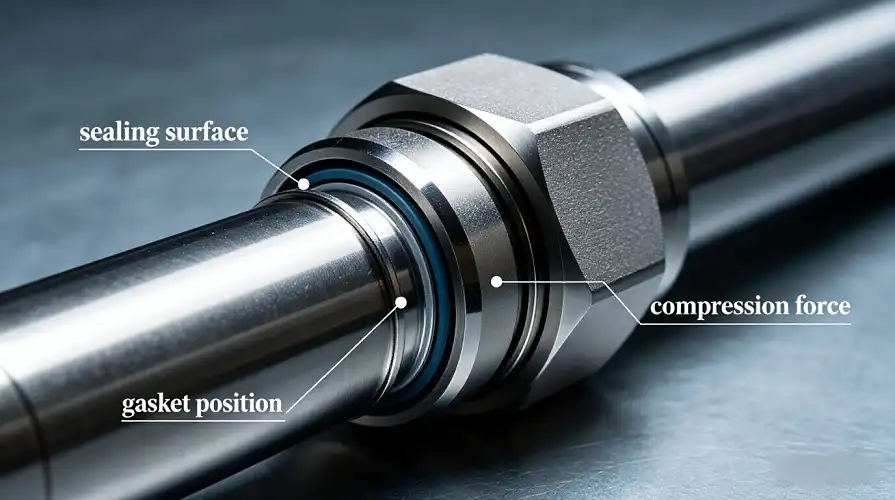
Why Connection Integrity Matters in Industrial Applications
In places where chemicals are processed, where acidic media runs through pipes every day, even tiny leaks can turn into huge problems. Titanium tube joints have to stay completely solid even when they are exposed to wet chlorine gas, strong acids, and salty saltwater, which is when stainless steel usually breaks after just a few months. The airline industry needs the same level of dependability, since any joint failure in fuel lines or hydraulic systems that are working in very cold or very hot conditions could put flight safety at risk.
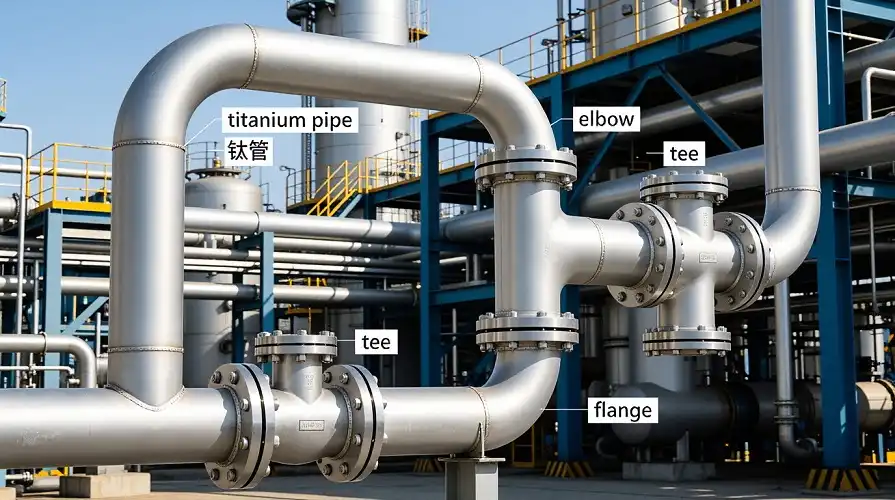
Factors Influencing Joint Tightness
Material fit is the most important thing to think about. When titanium is exposed to oxygen, it immediately forms a passive oxide layer. This layer guards against rust but changes how seals and sealants stick to the surface. Long-term performance is directly related to how well the installation was done. For example, using too little torque can either not squeeze seals enough, which can cause leaks, or too much torque can over-stress ductile titanium, which can cause thread warping. When designing, things like the type of joint, the length of the thread contact, and the shape of the fitting must take titanium's unique coefficient of thermal expansion into account. This is because titanium parts expand and contract very differently from steel parts in mixed-material systems.
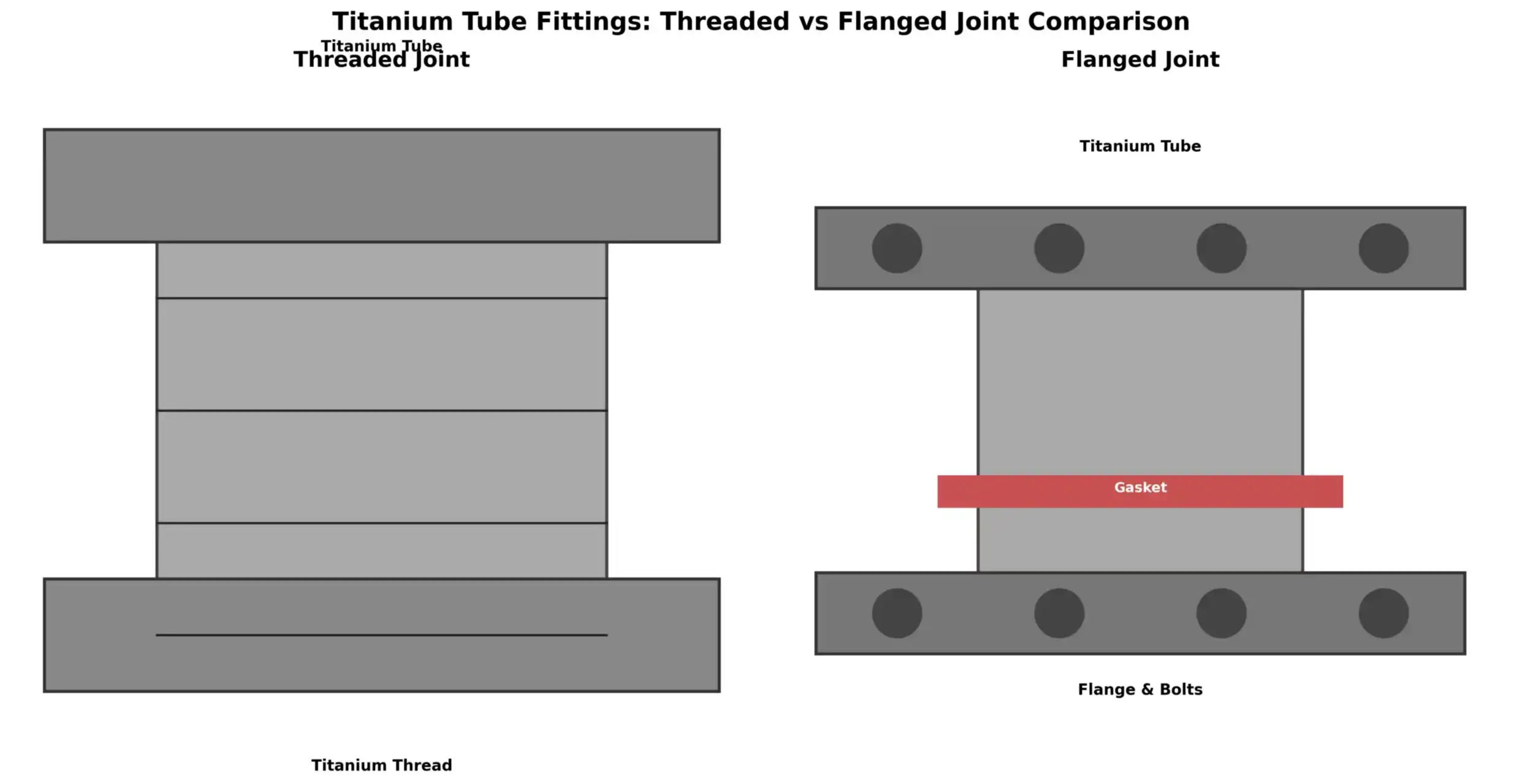
Material Selection and System Performance
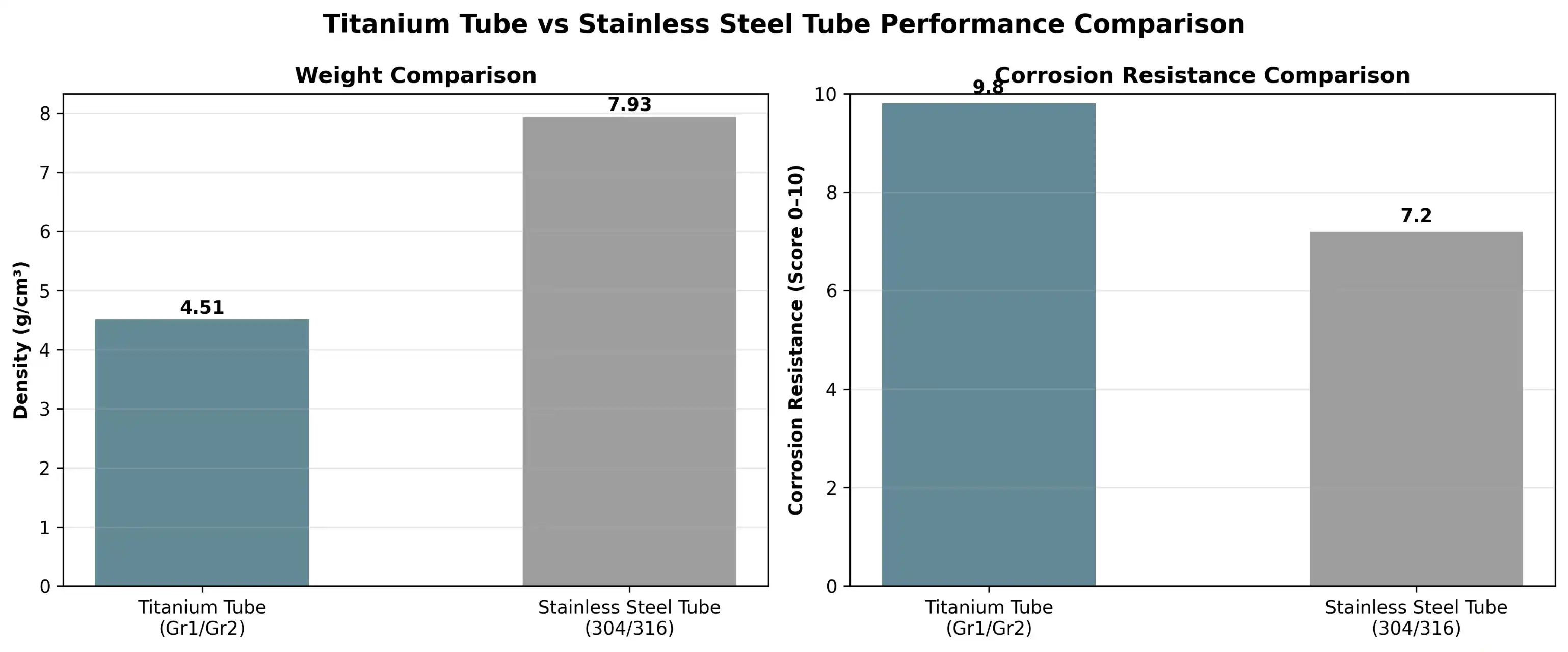
When procurement workers look at titanium piping options, they need to weigh the original cost against the total cost over the life of the pipe. Gr1 Titanium Tube is more expensive than Grade 2 or stainless steel alternatives, but it is easier to shape because it can be cold-bent into complicated shapes without using expensive hot-forming tools. This trait is especially useful when adding on to current systems that don't have a lot of room. The material's density of 4.51 g/cm³, which is about 60% that of steel, lowers the amount of load that needs to be put on the building. This could lower the total cost of the project when support infrastructure is taken into account.
Key Properties of Gr1 Titanium Tube Impacting Connection Integrity
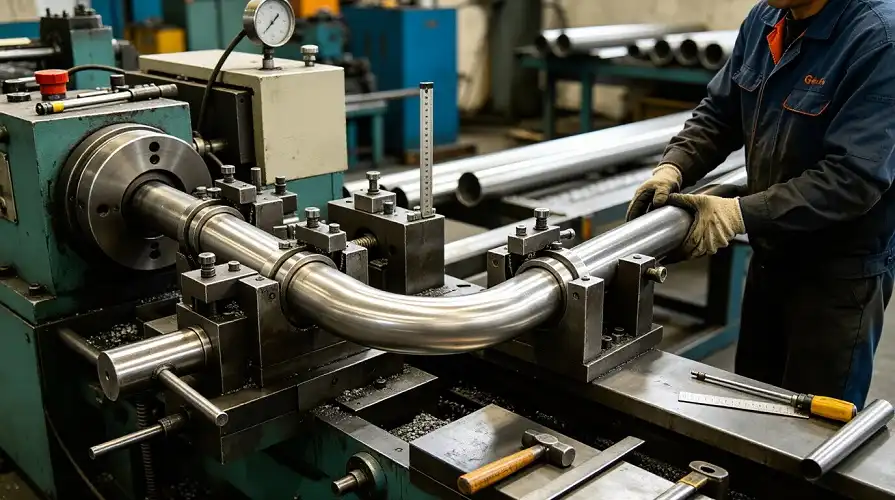
The chemical clarity and physical properties of Gr1 Titanium Tube have a direct effect on how well links work when they are under stress. By knowing these qualities, engineers can guess how joints will behave and set the right installation settings.
Chemical Composition and Corrosion Resistance
The makeup of the Gr1 Titanium Tube is very strict. Titanium makes up the balance, and the maximum amount of oxygen is 0.18%. The maximum amount of iron is 0.20%, the maximum amount of hydrogen is 0.015%, and the maximum amount of carbon is 0.08%. These low amounts of impurities make a single-phase alpha microstructure that is very resistant to stress corrosion cracks caused by chloride. This makeup makes sure that the joint area stays as corrosion-resistant as the parent material when links are put together correctly. If the passive oxide film is broken physically during installation, it heals itself right away. This protects threaded joints and flange faces.

Mechanical Properties and Sealing Performance
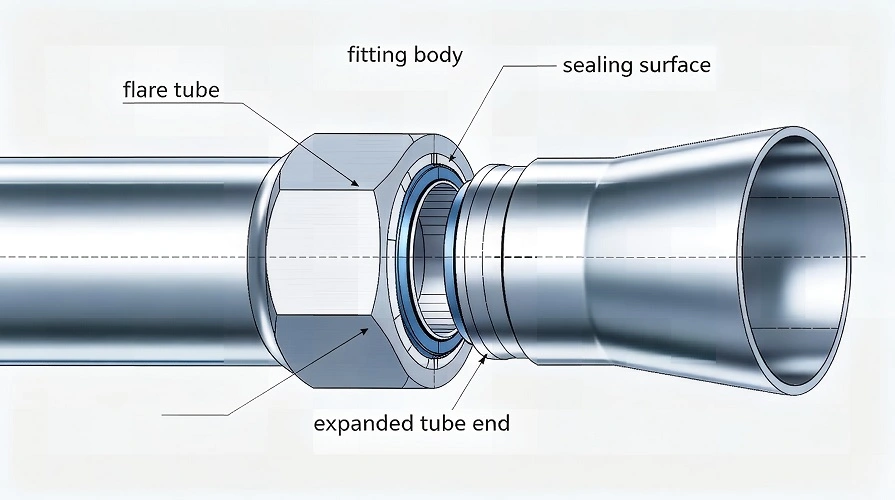
Gr1 Titanium Tube has a tensile strength of 240 MPa, a yield strength of 170–310 MPa, and an extension of over 24%. Due to its medium strength and excellent ductility, links can withstand heat cycles without breaking, unlike harder alloys. Gr1 Titanium Tube elastically deforms to fit compression fittings' interior shapes. This intimate metal-to-metal contact strengthens the seal. Flaring for tube-end connectors can provide perfect angular tolerances since the material can be cold-worked without breaking. It compresses the gasket equally throughout the joint diameter.
Surface Finish and Dimensional Precision
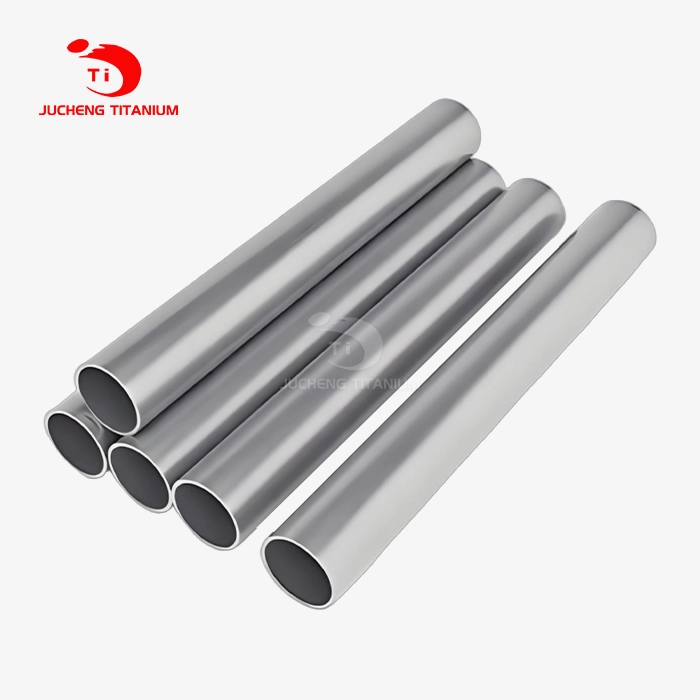
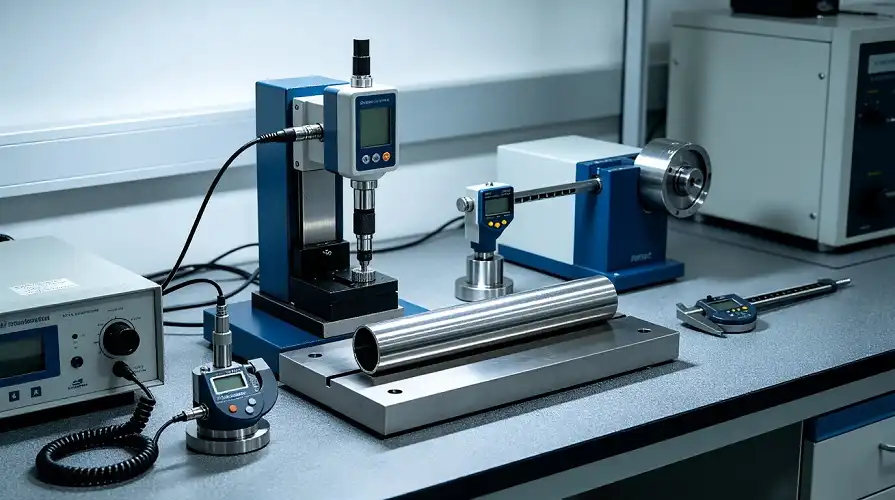
Bond strength depends on surface preparation. To suit sealing demands, Jucheng Titanium uses polished, machined, and acid-pickled finishes. Polished surfaces with Ra values below 0.8 μm are good for rubber O-ring seals, as they decrease fluid movement through microscopic channels. Dimensional constraints during manufacture affect joint performance. A discrepancy in the outer diameter of over ±0.1 mm might prevent good fitting engagement, while discrepancies in wall thickness can generate stress concentrations at connection points. Our seamless tubes include wall thicknesses from 0.5 to 20 mm and OD3 to OD219 mm. We rigorously observe ASTM B338 and B861 during cold rolling and finishing.
Comparison of Gr1 Titanium Tube Connections with Other Materials
The choice of material has a big impact on how reliable pipe systems are over time and how much upkeep they need. When you look at how different materials act at connection points, you can see why Gr1 Titanium Tube is worth the extra cost in serious situations.
Gr1 Titanium Versus Stainless Steel Connections
Many acidic service users still choose stainless steel 316L, but its connection to other materials is limited. When chloride levels exceed 200 ppm at high temperatures, crevice corrosion occurs when gaskets hit flange faces, the most essential sealing surfaces. Gr1 Titanium Tube eliminates this connection failure method, preserving seawater systems that run continuously for decades. Titanium 6-inch schedule 10 pipes weigh 60% less than steel ones. This requires less support structure and makes fitting in confined spaces like aeroplane assembly or offshore platforms easier.
Gr1 Versus Gr2 Titanium Performance
Gr2 titanium tubes are robust and corrosion-resistant, making them popular in industry. They have 0.25% extra oxygen, increasing the minimum tensile strength to 345 MPa. But its power makes it hard to shape. Gr1 Titanium Tube joints are more flexible than Grade 2 and don't work-harden or microcrack when complex pipe routes need tight-radius bends or cold flares. Gr1 Titanium Tube can survive multiple compression cycles without thread galling, unlike tougher titanium grades, making it preferable for dismantled systems that need repair after 20 years of operating with chemical equipment makers.
Titanium Versus Aluminum Alloy Connections
Aluminium metals are used in heat exchangers because they are cheap and thermally efficient. Link reliability disagrees. Advanced isolation measures must be used at every connection since aluminium and other metals might induce galvanic corrosion. The material melts at 200°C; only use it below that. Gr1 Titanium Tube stays together at 250°C. Most notably, metal oxidises in water, altering threaded connections. Over time, leak-free joints deteriorate. Titanium's thick oxide layer prevents decomposition.
Best Practices to Ensure Optimal Tightness in Gr1 Titanium Tube Connections
For links that don't leak, you have to pay careful attention to how the surface is prepared, how the joints are put together, and how they are maintained over time. The following practices come from our many years of experience selling titanium systems to chemical processing plants and companies that make things for the aircraft industry.
Surface Preparation and Cleaning Protocols
Surfaces of any titanium link must be clean of grease, cutting fluids, and other particles before they can be put together. We suggest using isopropyl alcohol as a cleaner to clean and then letting the item dry in the air in a clean area. Do not use steel wire brushes on titanium surfaces because the iron bits inside will cause rusting in certain areas. Standard anti-seize pastes that contain metal bits can cause galvanic reactions, so thread solutions should be made just for titanium. Check that the mounting surfaces of flange joints don't have any scratches that are deeper than 0.05 mm. Scratches that are deeper than this can cause leaks even when the bolt loads are high.
Torque Specifications and Assembly Techniques
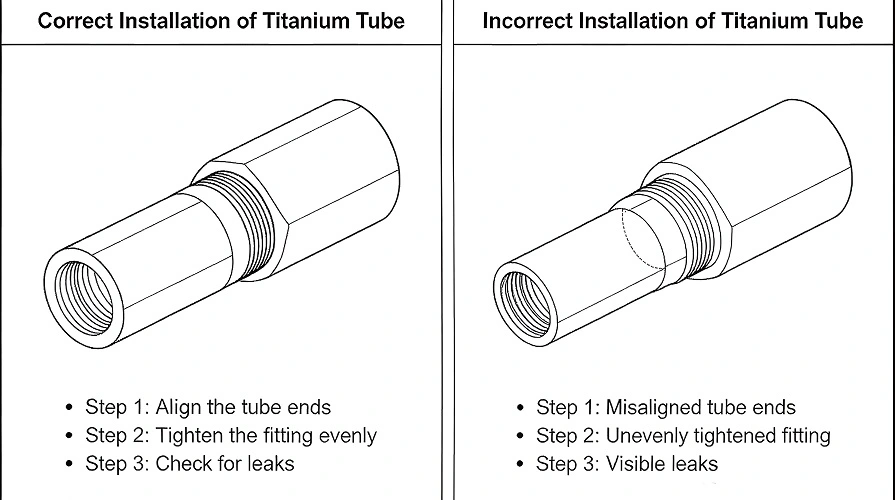
Because Gr1 Titanium Tube is flexible, it needs to be carefully torqued. When you over-tighten, you squeeze the soft material too much, which deforms the thread and makes the seal less reliable. For tubes with an outside diameter of 6 to 25 mm, compression fittings usually need 40 to 60% of the torque values listed for stainless steel versions. When we ship tubes, we include precise torque charts that are based on the fitting designs and tube wall sizes. Sequential tightening patterns are very important for multi-bolt flanges. To make sure the gasket is compressed evenly, use a star pattern with three passes, bringing the bolts to 30%, 70%, and then 100% of their final force.
Joint Type Selection for Specific Applications
When fixed pieces are fine, welded connections are best. Gr1 Titanium Tube is easy to weld and provides defect-free fusion without post-weld heat treatment. We TIG weld under argon purge to create joins that match the source material as part of our manufacturing services. Compression fittings make the best field connections when utilised properly. They lack the threading issues of larger threaded pipe couplings. Flare connections work well with Gr1 Titanium Tube because cold-forming creates smooth, work-hardened sealing surfaces that don't break. Aircraft hydraulic systems that need to resist shaking benefit from this.
Common Installation Mistakes to Avoid
One of the biggest blunders is employing incompatible sealing materials. Although EPDM and fluorocarbon elastomers function well, graphite-based gaskets can produce galvanic corrosion in water. Using titanium screws with steel bolts in maritime environments accelerates corrosion. Only use titanium bolts or electrically distinct metals. Poor tube end alignment before fitting generates unequal seal tension and favoured leak routes. Our quality control includes testing perpendicularity within 0.5 degrees. It ensures that tubes sent to critical purposes fit properly.
Procurement Considerations for High-Quality Gr1 Titanium Tubes
To choose the right provider, you need to look at more than just price. You need to look at their professional skills, quality processes, and business flexibility. There is a lot at stake—broken connections in important systems can stop output for a long time while new parts are found.
Certifications and Standards Compliance
Genuine sources provide EN 10204 3.1 Material Test Reports (MTR) for every production batch. Heat figures, chemical composition, and mechanical test findings are included. Our tubes fulfil ASTM B337, B338, B861, AMS 4942, and ASME SB338 requirements. If needed, a third party can validate our work. Medical and aeronautical applications require traceability. We preserve entire documentation chains from raw material suppliers to final evaluation. We can immediately investigate field issues this way. A National High-Tech Enterprise and Shaanxi Province's reserve company, we're certified. This demonstrates our long-term commitment to quality management systems that satisfy global buying standards.
Evaluating Supplier Technical Capabilities
Can the provider assist with joint design optimisation engineering? Do they have enough for fast alternatives? Our 120,000-square-meter complex in Baoji, China's Titanium Valley, stores 3,000 tonnes of titanium year-round. We can swiftly offer standard sizes while our R&D team develops unique solutions. We address link problems with actual new ideas owing to our four creation patents and 41 utility model patents for all our goods. Our partnerships with the Northwest Institute for Nonferrous Metal Research and Tsinghua University allow us to test and apply sophisticated joining methods.
Commercial Terms and Ordering Flexibility
Lead times vary a lot from one business to the next, especially for types like Gr1 Titanium Tube that aren't used very often and need higher pure titanium sponge. Make sure you know the minimum order quantity ahead of time. Our structure can handle both small amounts for study purposes and large amounts for business purposes. Custom sizing is important for retrofitting existing systems. Our processing methods, such as extrusion, piercing, cold rolling, annealing, pickling, and straightening, let us make tubes in non-standard sizes that get rid of the need for reducers and adapters. This makes connection points easier and increases the reliability of the system. Instead of just looking at the purchase price, pricing should take into account the total cost of ownership, which includes how long the product lasts and how little upkeep it needs.
Quality Assurance and Technical Support
Field success can be directly predicted by a supplier's inspection procedures. On every production run, we use a full range of NDT (non-destructive testing), such as ultrasound inspection, hydrostatic testing, and measurement proof. In addition to supplying materials, our technical team helps with installation and fixes connection problems remotely, building on their knowledge of helping with more than 500 sets of titanium equipment installations every year. Our customer feedback system actively looks into user experiences and drives continuous improvement. For example, when aircraft clients told us that some fitting brands had trouble engaging threads on occasion, we created pre-installation inspection processes that got rid of assembly delays.
Conclusion
Material science, precise manufacture, and fitting abilities affect the tightness of the titanium pipe system connection. Chemical processing equipment that handles severe media or aircraft hydraulic systems that function in difficult environments should utilise Gr1 Titanium Tube. Know what makes each material distinctive, pick the correct joint designs, and collaborate with suppliers who follow stringent quality requirements during manufacture and delivery to produce durable linkages. Gr1 Titanium Tube costs more upfront, but it has a longer service life, no repair downtime, and operational reliability that lesser solutions can't match. When a system failure might be harmful or expensive, the decision isn't whether to employ high-quality materials, but which supplier can provide the technical assistance and quality assurance your projects need.
FAQ
Q1: What causes titanium pipe connections to leak over time?
Leaks usually happen because the initial torque wasn't strong enough, the seal material broke down, the temperature changed and caused differential expansion, or there was contamination during fitting. In acidic service, Gr1 Titanium Tube stays the same size forever, so failures are almost always caused by mistakes in joint design or assembly, not problems with the material itself. Scheduling regular inspections helps find problems early on, before they get worse.
Q2: Can Grade 1 titanium tubes be connected to stainless steel piping?
Direct welding makes intermetallic alloys that are very brittle and break right away, but mechanical links are reliable when they are properly separated. For long-lasting links, use titanium flanges with gaskets and covers that don't conduct electricity, or use explosion-bonded transition joints. Our tech team comes up with isolation plans that are unique to your system's chemistry and how it works.
Q3: How do I specify the right tube size for optimal connection performance?
Match the outside diameter and wall thickness of the tube to the specs of your fitting. This will allow the material to be removed during any flare or beading operations. We make seamless tubes with wall thicknesses ranging from 0.5 mm to 20 mm and ODs from 3 mm to 219 mm. If normal sizes don't work for your connection needs, we can also make them to your specifications. Talk to our expert staff early on in the planning process to get the best tube-fitting interface.
Partner with Jucheng Titanium for Reliable Gr1 Titanium Tube Connections
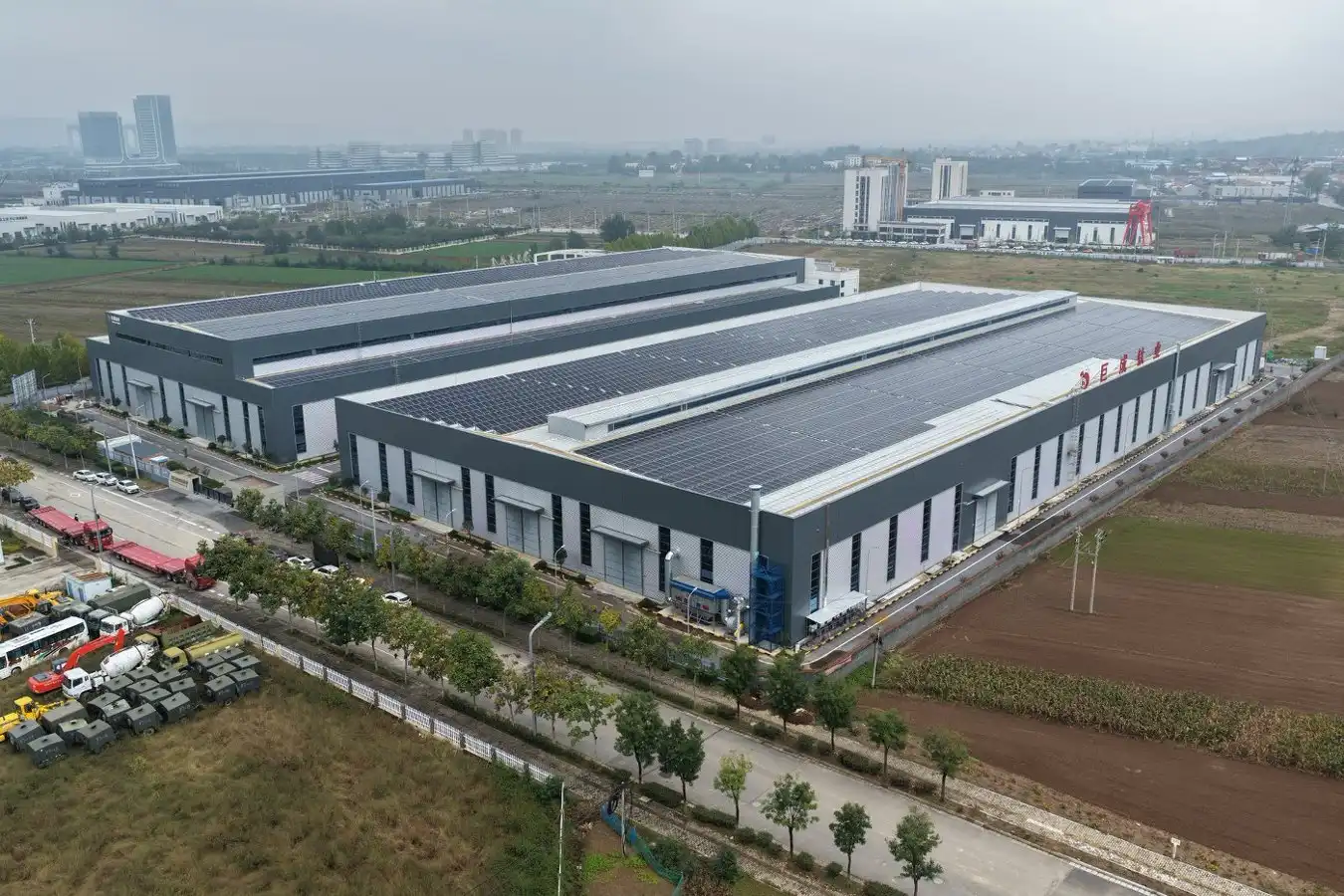
Connection integrity starts with the quality of the materials and goes through all of the provider support services. Baoji Jucheng Titanium Industry is a top maker of Gr1 Titanium Tube and has over 20 years of experience working with titanium. They can give your important projects the technical know-how and quality guarantee they need. Our 3,000-ton standing inventory lets us respond quickly to urgent needs, and our custom manufacturing skills let us meet specific needs that standard goods can't. We strictly follow ASTM B338, ASTM B861, and other international quality standards. For each package, we include full Material Test Reports to prove this. Our engineering team works together to create connection designs that are the best for both instant fitting and long-term performance. These designs are used for everything from aircraft parts that need to be completely reliable to chemical equipment that needs to work in harsh, corrosive environments. Contact us at s4@juchengti.com to talk to one of our Gr1 Titanium Tube experts about your project needs. We can help you solve your titanium connection problems with our advanced manufacturing technology, large collection of materials, and focused technical support.
References
1. Davis, J.R. (2006). Titanium: A Technical Guide, 2nd Edition. ASM International Materials Park.
2. Schutz, R.W. & Watkins, H.B. (1998). "Recent Developments in Titanium Alloy Application in the Energy Industry." Materials Science and Engineering A, Vol. 243, pp. 305-315.
3. Peters, M., Kumpfert, J., Ward, C.H., & Leyens, C. (2003). "Titanium Alloys for Aerospace Applications." Advanced Engineering Materials, Vol. 5, No. 6, pp. 419-427.
4. American Society for Testing and Materials (2021). ASTM B338-21: Standard Specification for Seamless and Welded Titanium and Titanium Alloy Tubes for Condensers and Heat Exchangers. ASTM International.
5. Boyer, R., Welsch, G., & Collings, E.W. (1994). Materials Properties Handbook: Titanium Alloys. ASM International.
6. Donachie, M.J. (2000). Titanium: A Technical Guide, 2nd Edition - Design and Fabrication. ASM International Materials Park.