
Titanium Seamless Tubes: The Ultimate Choice for Corrosion Resistance
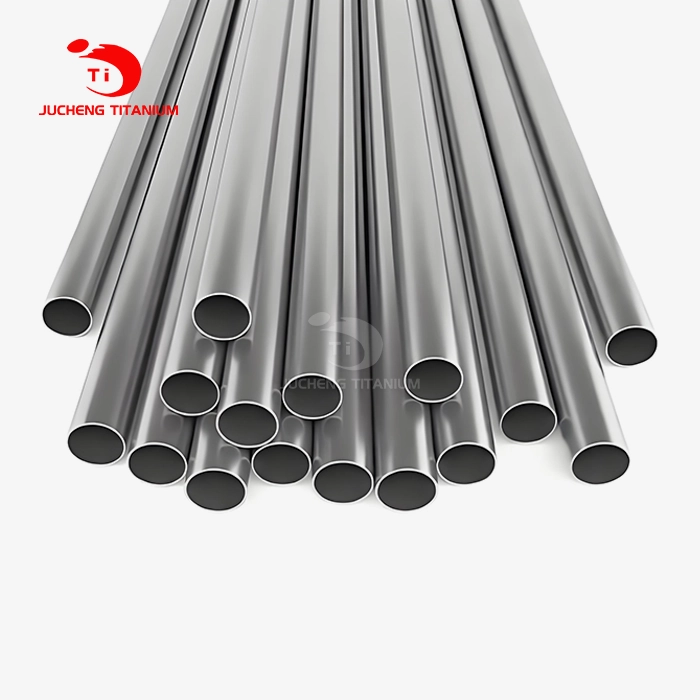
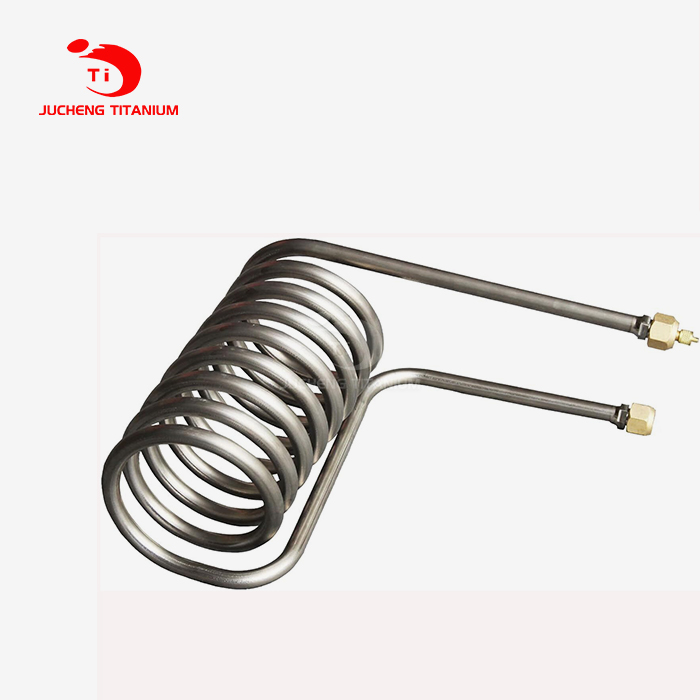
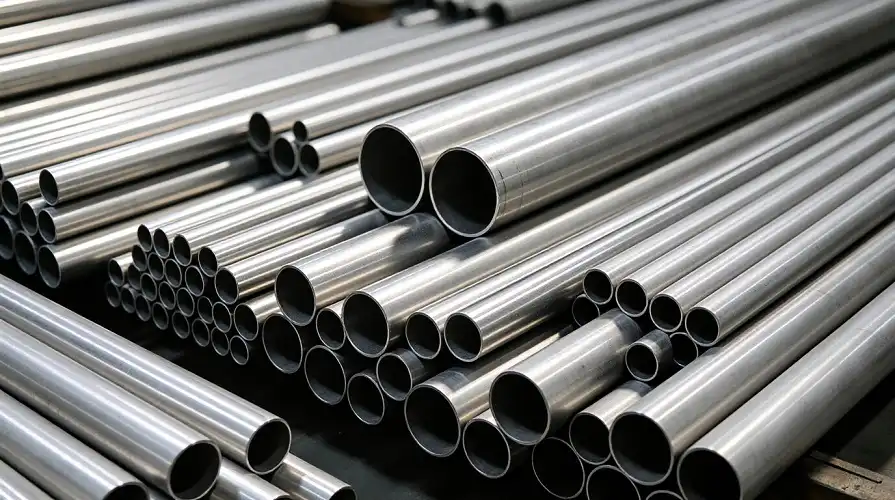
Titanium seamless tube solutions are without peer when it comes to industrial uses that require unwavering dependability in the face of harsh chemical environments. These precision-engineered parts are the cutting edge of material technology. They offer unmatched corrosion resistance that changes how businesses deal with tough piping and tubing problems. Titanium seamless tube is used in hydraulic systems in spacecraft that work at 30,000 feet and in chemical processing plants that work with acids that are very toxic.
Understanding Titanium Seamless Tubes and Their Superior Corrosion Resistance
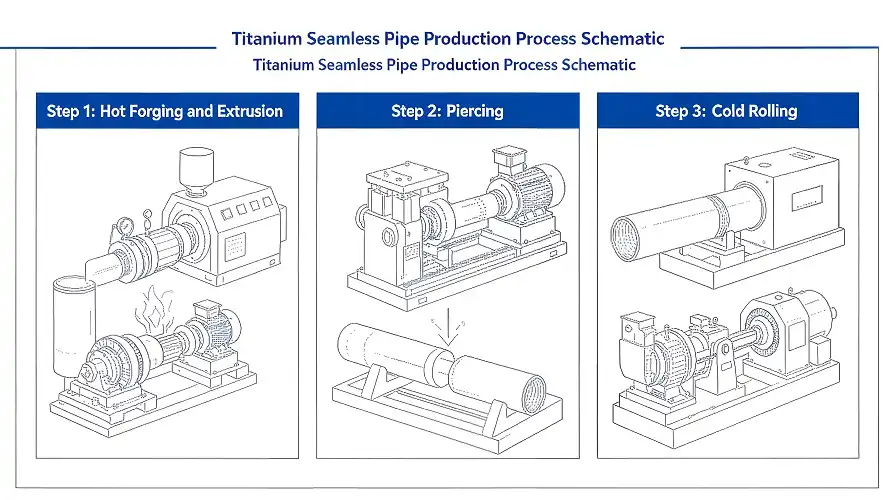
The high-quality processing that goes into making titanium seamless tubes includes complex steps that get rid of the flaws that come with welded options. These tubes have the same metal qualities all the way through because they were made using hot extrusion, piercing, and cold rolling. Since there are no horizontal welds, there are no heat-affected zones that could make the structure less effective when it is under stress or attack from corrosion.
Manufacturing Precision and Structural Integrity
Modern processing methods, such as extrusion, piercing, cold rolling, heating, pickling, and straightening, are used to make our seamless tubes. This all-around method to manufacturing makes sure that the dimensions are correct and that the mechanical properties stay the same. Grades that are available are Gr1, Gr2, Gr3, Gr5, Gr7, Gr9, and Gr12. Each grade is designed to meet specific performance needs. The tubes meet strict requirements such as ASTM B337, ASTM B338, ASTM B861, AMS 4942, and ASME SB338.

Corrosion Resistance Mechanisms
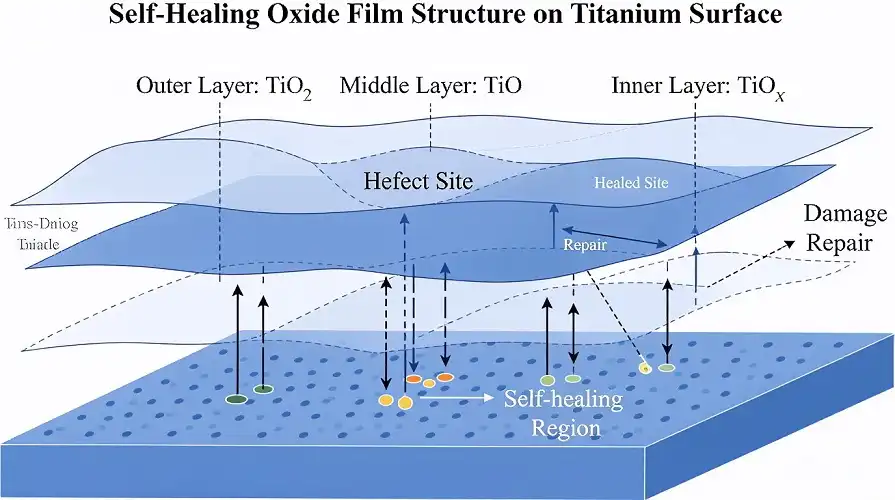
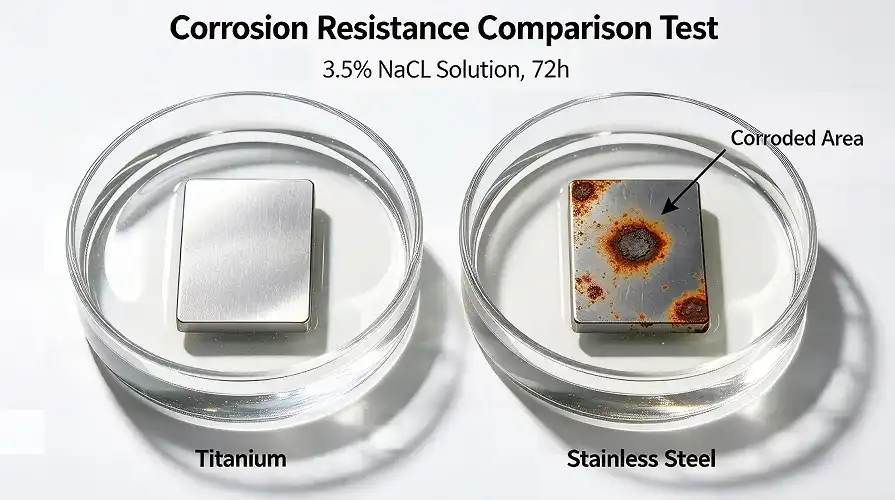
Titanium is very resistant to corrosion because it can form a strong oxide film that can fix itself when it gets harmed. This inactive layer protects against cracking, pitting, and crevice corrosion caused by chloride stress, which happens a lot to other materials. The smooth design gets rid of places where corrosion could start, which greatly increases the service life compared to welded options.
Comparing Titanium Seamless Tubes with Other Tube Types: Making the Informed Choice
To choose the right material for a critical application, you need to know a lot about how it performs in a variety of working conditions. Titanium seamless tube choices always do better than alternatives when key factors like long-term dependability, corrosion resistance, and strength-to-weight ratio are taken into account.
Titanium vs. Stainless Steel Performance
While stainless steel works well enough in many situations, titanium is much better at resisting corrosion caused by chloride, especially in sea and chemical processing settings. Titanium doesn't contain any iron, so it doesn't rust. This means that it can be used in places where stainless steel would need to be replaced often without any upkeep.
Seamless vs. Welded Construction Benefits
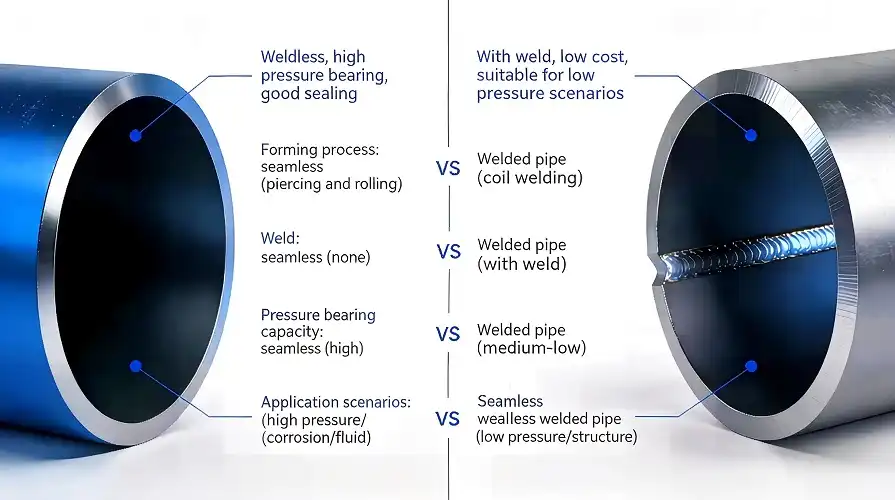
Welded tubes have metal discontinuities that can become weak places when they are loaded and weakened over and over again. These weaknesses are taken care of by seamless construction, which gives the whole tube wall equal strength and resistance to rust. This benefit is very important in high-pressure situations where the stability of the weld could threaten the safety of the system.
Applications of Titanium Seamless Tubes that Leverage Their Corrosion Resistance
To solve their most difficult corrosion issues, industries all over the world depend on titanium seamless tube options. Titanium types are very flexible, which means they can be made to work best in a wide range of situations, from air-cooled chemical processes to chemical processes that need high temperatures.
Aerospace and Defense Applications
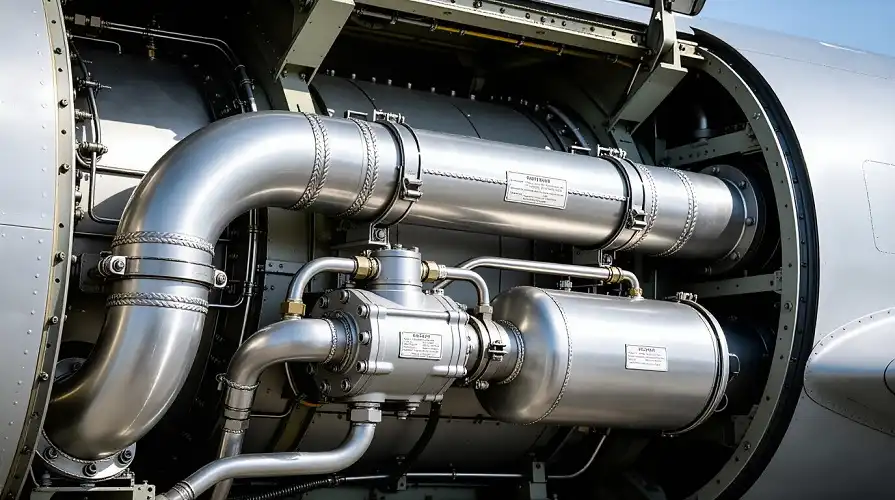
Titanium is light and doesn't break down easily in hydraulic fluid, which makes it useful for aircraft fuel lines and hydraulic systems. Our Grade 9 (Ti-3Al-2.5V) tubes don't rust and are strong enough to handle high pressure. This is important for the safety and dependability of airplanes.
Chemical Processing Industries
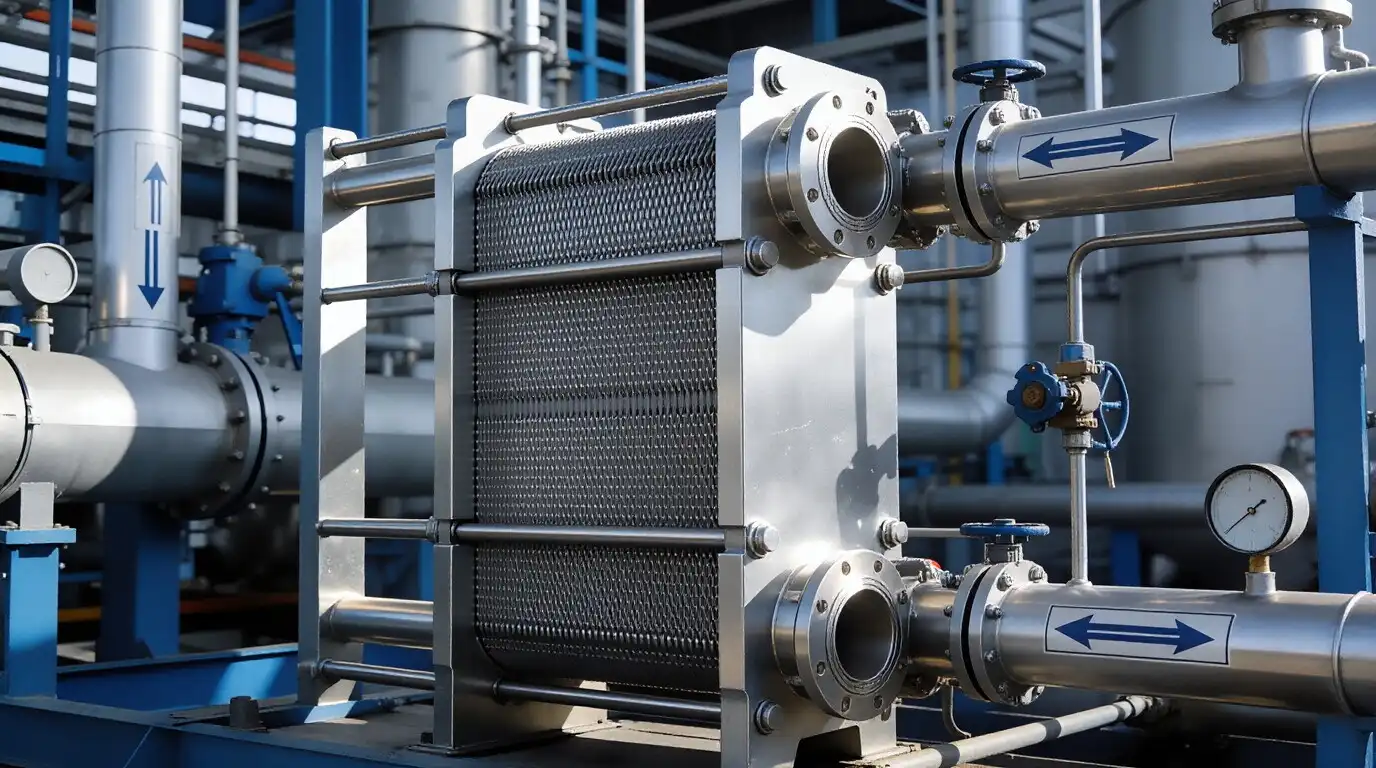
Titanium's inert qualities are important for chemical plants that work with harsh chemicals like chlorine, nitric acid, and organic acids. When chemicals are used to attack other types of materials, they quickly break down heat exchanges, reactors, and pipe systems made from tubes that don't join together.
Medical and Pharmaceutical Sectors
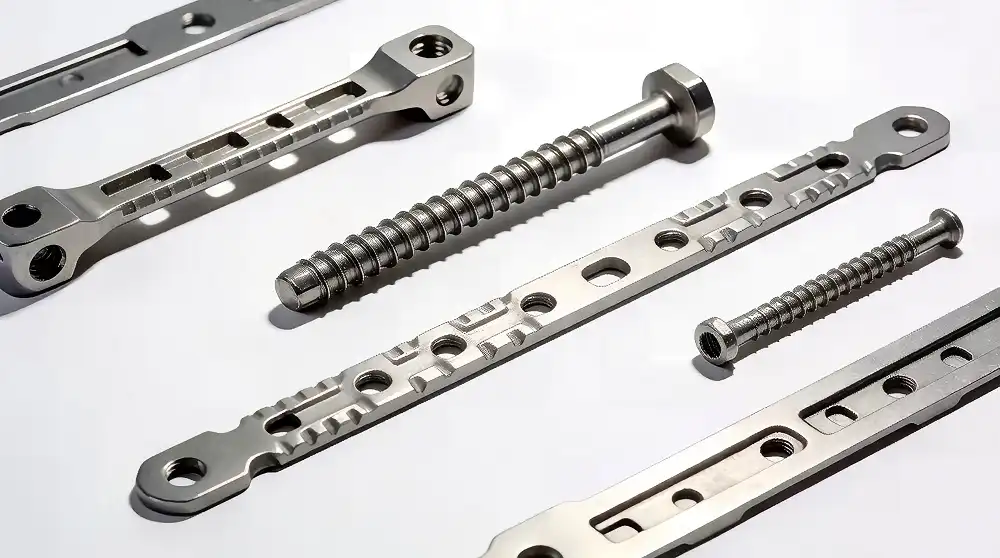
Because it is biocompatible, titanium is a great material for surgical tools and devices that are implanted. Because it doesn't leach harmful chemicals and works well with tissues, it is safe for patients and lasts a long time.
Procurement Guide: How to Source High-Quality Titanium Seamless Tubes?
If you want to do a good job of procurement, you need great suppliers who know what they're doing and can help you. Titanium is hard to work with, so it's important to find metalworkers who know a lot about it and have done good work in the past.
Supplier Evaluation Criteria
If a company wants to be trusted, they need to have quality certificates, the skills to make things, and ways to keep track of its stock. A company that has worked with titanium for a long time and has quality control methods that can handle the needs of both the medical and flight industries is the best one to deal with.
Customization Capabilities
The outside width can be between OD3 mm and OD219 mm, and the wall thickness can be between 0.5 mm and 20 mm. You can change the specs to fit the job at hand. A machined, polished, or acid-pickled finish is one of the surface options you can choose from for service.
Lead Times and Logistics
If you know how things are made and shipped, you can get the best deals on them. If a seller has a lot of standard sizes in stock, they can send them out fast. However, making special sizes may take longer.
Why Choose Jucheng Titanium for Your Seamless Tube Requirements?
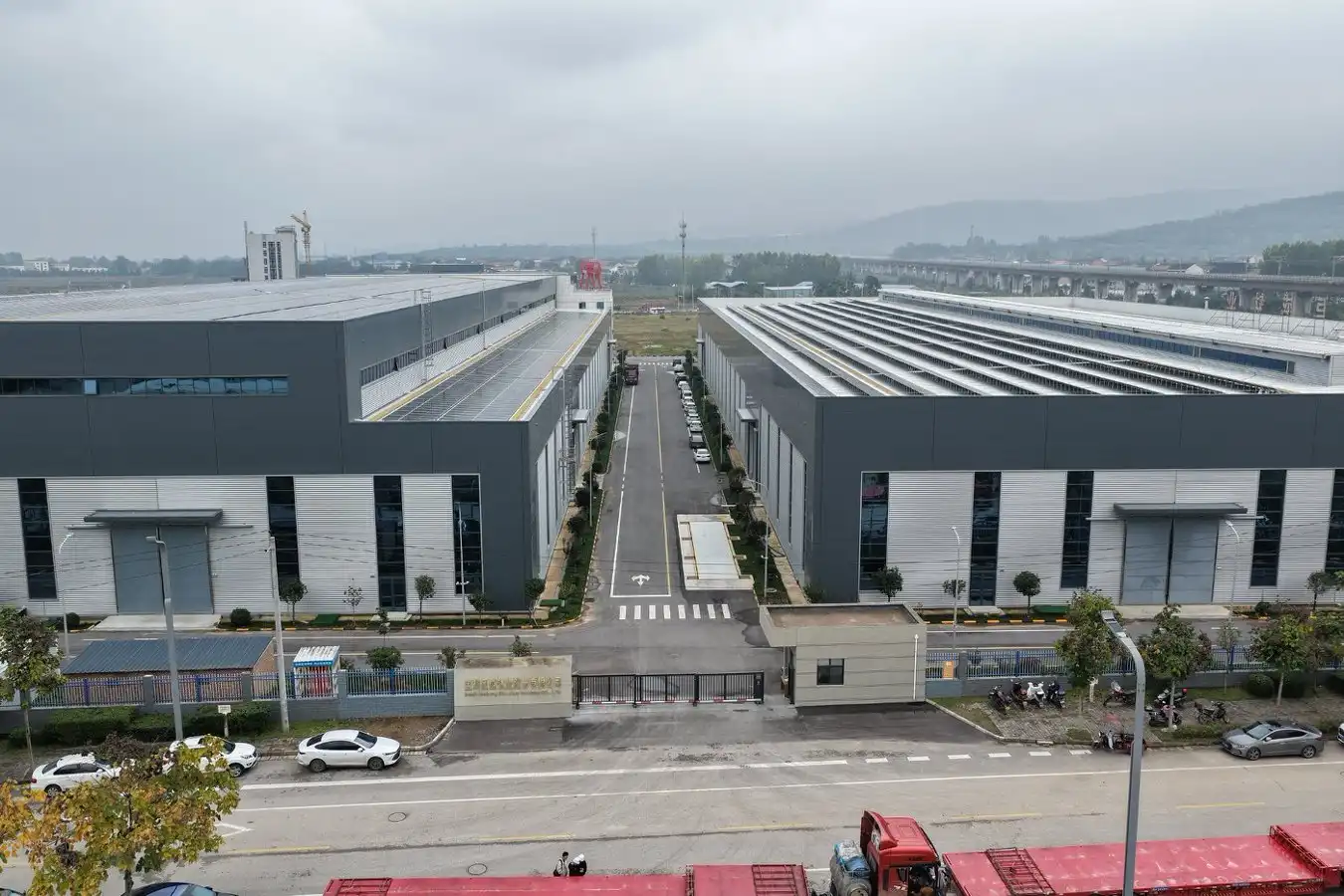
With more than 20 years of experience handling titanium, Baoji Jucheng Titanium Industry Co., Ltd. is one of the best companies that makes titanium seamless tubes. Our plant, which is in Baoji, China's Titanium Valley, brings together cutting-edge technology and years of experience in making things.
Excellence and Innovation in Manufacturing
Our 120,000-square-meter building has cutting-edge tools for making tubes that don't connect. The technology we use to make titanium is always getting better. We have 4 idea patents and 41 usage model patents that have been used on our goods. The fact that we've been called a National High-Tech company and a national-level specialized "little giant" company shows that we care about quality and new ideas.
Comprehensive Product Portfolio
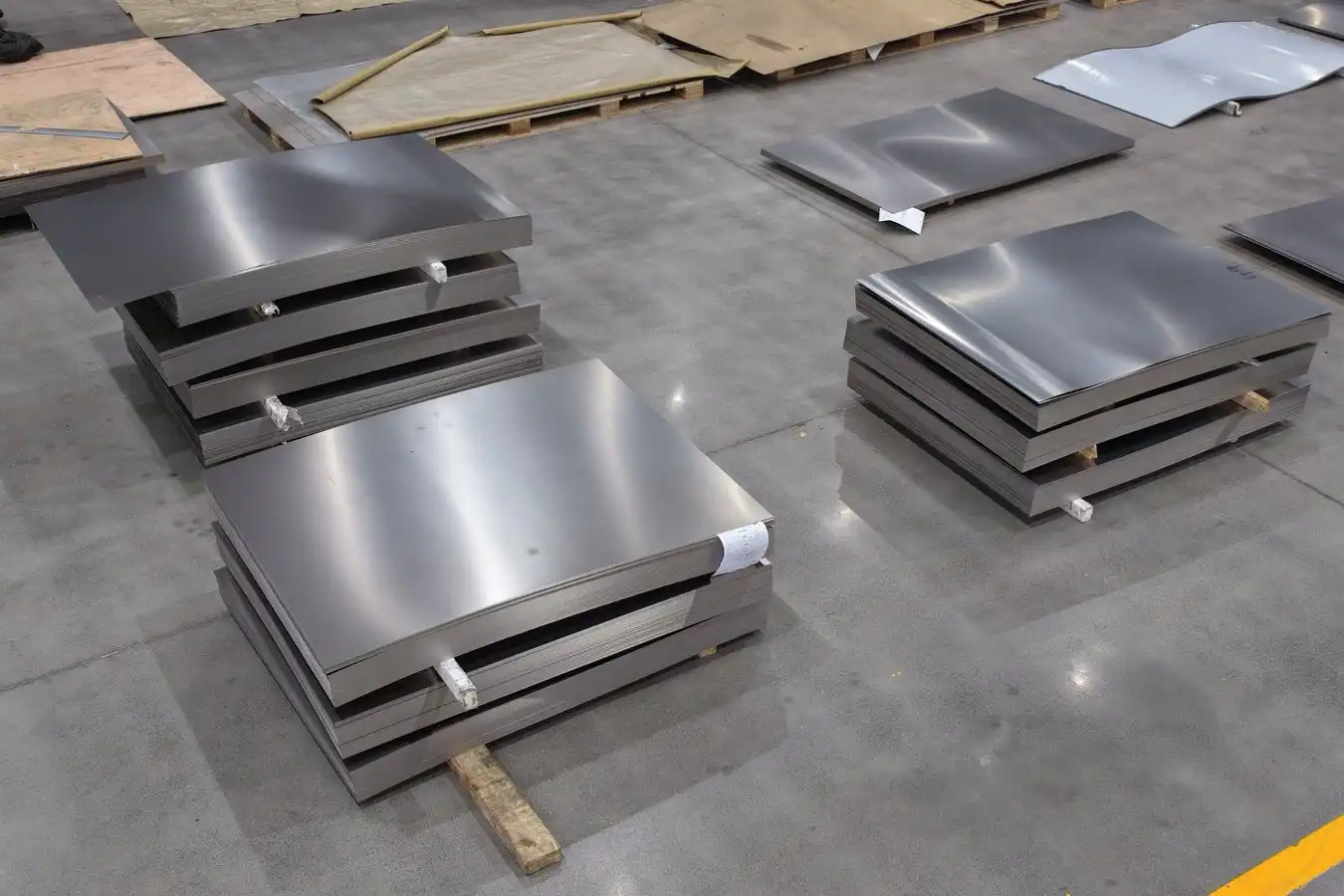
About 3,000 tons of titanium goods are always in stock, so we can quickly send them to customers who need them. We sell all the main kinds of titanium and several different ways to clean and smooth the surface. We make more than 500 sets of titanium tools every year. We can do any job because of this.
Quality Assurance and Technical Support
Our skilled technical R&D team works with well-known schools like Tsinghua University and the Northwest Nonferrous Metals Research Institute. We are sure that our goods meet the highest technical standards because we work together. It also helps make titanium technology better.
Conclusion
The fact that titanium seamless tubes are better in corrosion-resistant uses is due to both the natural qualities of titanium and the accuracy of the manufacturing process used to make seamless tubes. These parts work better than any others in industries like aerospace, chemical processing, medicine, and manufacturing, where failure is not a choice. By choosing the right supplier, you can be sure that you can get products that meet strict quality standards and get the technical help you need to put them into action successfully. Buying a good titanium seamless tube is an investment that pays off in the long run because it requires less upkeep, lasts longer, and is safer.
FAQ
Q1: How do titanium seamless tubes compare to stainless steel in corrosive environments?
Titanium seamless tubes offer superior corrosion resistance compared to stainless steel, particularly in chloride-rich environments such as seawater and chemical processing applications. While stainless steel may suffer from pitting and stress corrosion cracking, titanium forms a protective oxide layer that provides exceptional resistance to these failure modes.
Q2: What standards govern titanium seamless tube quality and performance?
AMS 4942, ASTM B338. ASTM B861 and ASME SB338 are just some of the international standards that our titanium seamless tubes meet. These rules describe the chemical makeup, mechanical features, and production needs to make sure that quality and efficiency are always the same.
Q3: Can titanium seamless tubes be customized for specific applications?
You can customize the grade, the width, the wall thickness, the length, and the treatment of the surface. It is very important to our tech team that the specs we give to customers are the best ones for their needs and the ways they will be used.
Partner with Jucheng Titanium for Superior Seamless Tube Solutions
Jucheng Titanium combines decades of specialized experience with cutting-edge manufacturing capabilities to deliver titanium seamless tube solutions that exceed industry standards. Our comprehensive inventory, technical expertise, and commitment to quality make us the preferred titanium seamless tube supplier for discerning customers worldwide. Connect with our technical team at s4@juchengti.com to discuss your specific requirements and discover how our seamless tubes can enhance your application performance.
References
1. Davis, J.R. "Titanium: A Technical Guide, 2nd Edition." ASM International Materials Engineering, 2006.
2. Schutz, R.W. "Corrosion of Titanium and Titanium Alloys in Industrial Applications." Corrosion Engineering Handbook, 2012.
3. American Society for Testing and Materials. "Standard Specification for Seamless and Welded Titanium Pipe." ASTM B337-19, 2019.
4. Boyer, R.R. "Attributes, Characteristics, and Applications of Titanium and Its Alloys." JOM Materials Science Journal, 2010.
5. Lutjering, G. and Williams, J.C. "Titanium Engineering Materials and Processes." Springer-Verlag Engineering Materials Series, 2007.
6. International Titanium Association. "Guidelines for Titanium Tube Design in Corrosive Service Applications." Technical Bulletin Series, 2018.