
Understanding the Different Grades of Titanium Round Bars
Strong, light, and not likely to rust, Titanium round Bar options are a great choice. They are very valuable because of these traits and are used in many fields. It's not just a matter of math to choose the right grade; it also affects how long the product lasts, how safe it is to use, and how much the whole job costs. If you're looking for parts for biomedical implants, chemical processing equipment, or parts for airplane structure systems, you need to know the difference between widely pure and alloyed titanium types. You can be sure that the material meets your unique needs in terms of how it works and where it is used this way. This guide tells you how to use the different types of titanium and how they are different. It's meant to help people who buy things, create things, and sell materials make smart decisions that balance the need for efficiency with the stability of the supply chain.
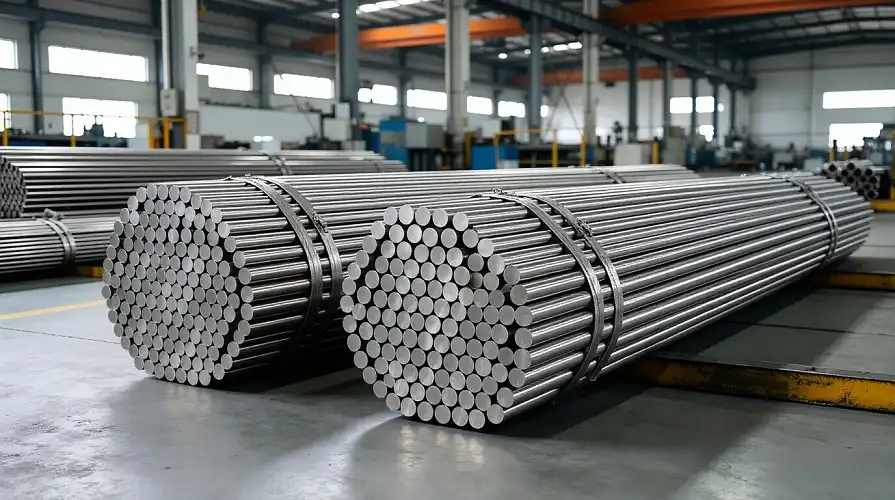
Overview of Titanium Round Bars and Their Key Properties
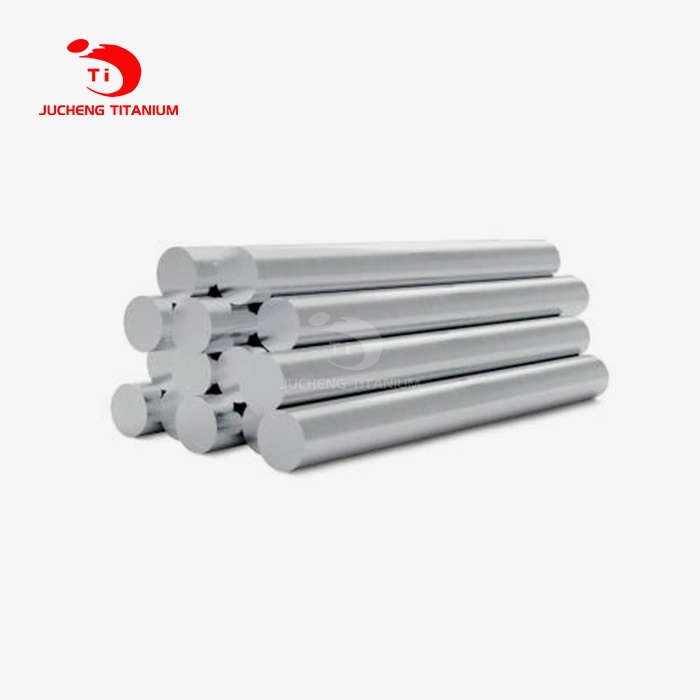
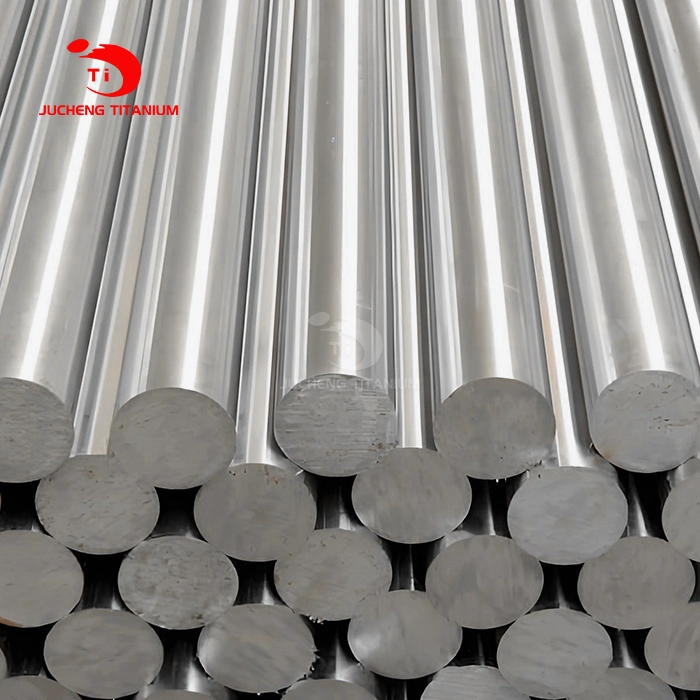
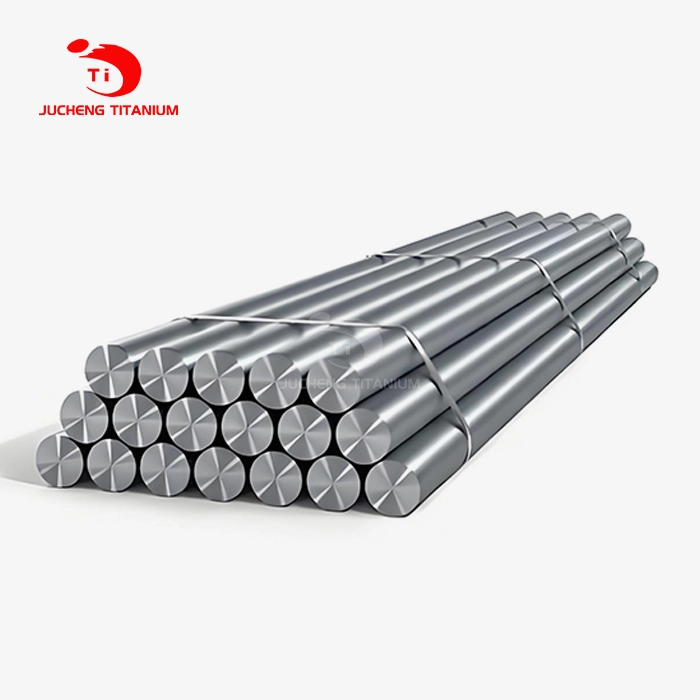
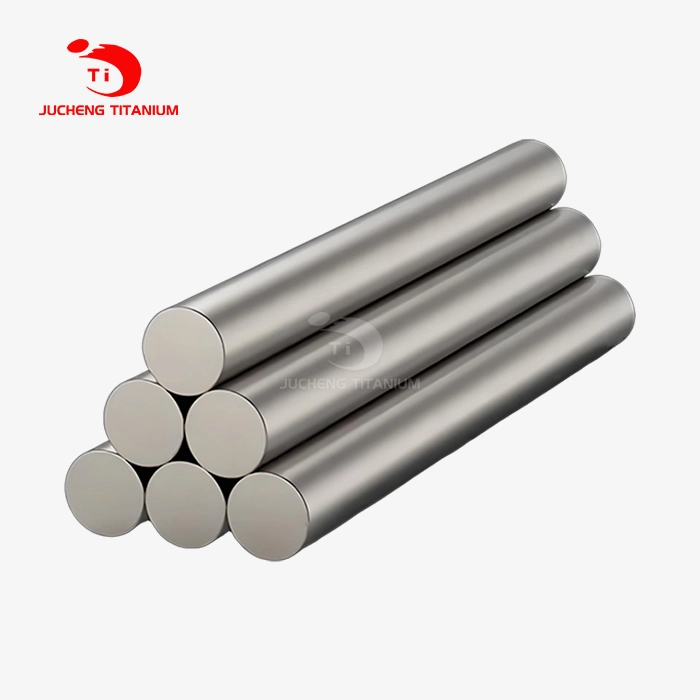
When vacuum melting, casting, and a number of finishing steps are used to make Titanium round Bar products, they are precisely designed mill goods. A lot of the time, these bars are between 6mm and 450mm wide. If needed, they can be up to 6000mm or even 12000mm long. Titanium is not like other metals, like steel and aluminum, because it is very light (about 4.51 g/cm³) and strong when pulled apart. It is lighter and harder than most building materials because of this.
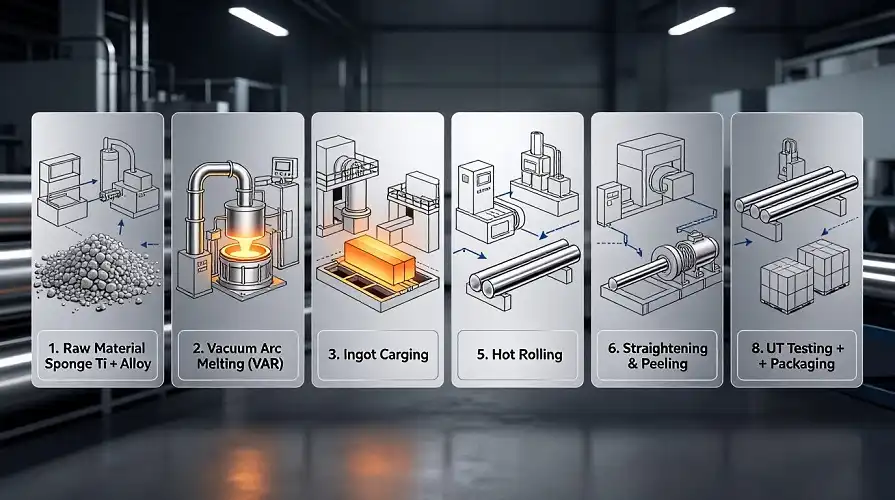
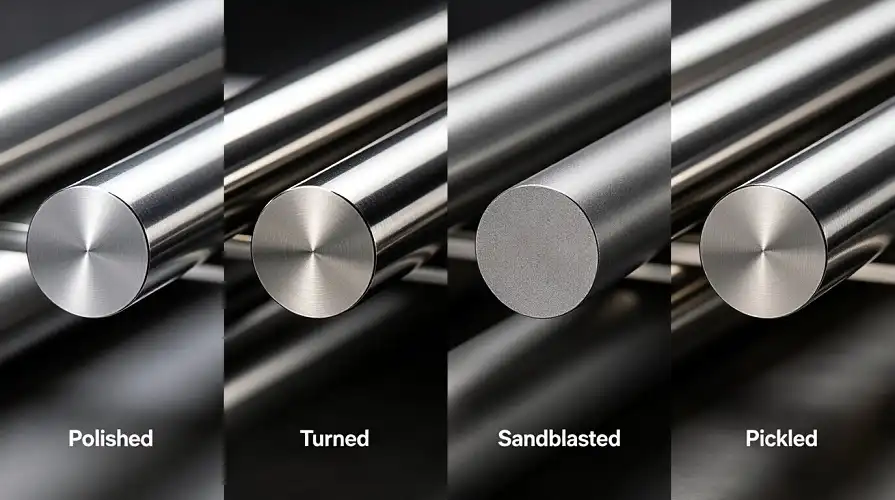
Making something is a very important process. First, a vacuum is used to melt the material and get rid of any flaws. After that, it is hot-rolled or rotary-forged and formed again to make the grain structure better. Centerless grinding or turning are the next steps that get the sizes very close to what is needed. Fixing makes sure that the shape is right. Different surface treatments, such as polished, turned, sandblasted, or pickled finishing, are selected based on the final use. For example, medical equipment needs to look good, and petroleum plants need to be able to handle harsh chemicals.
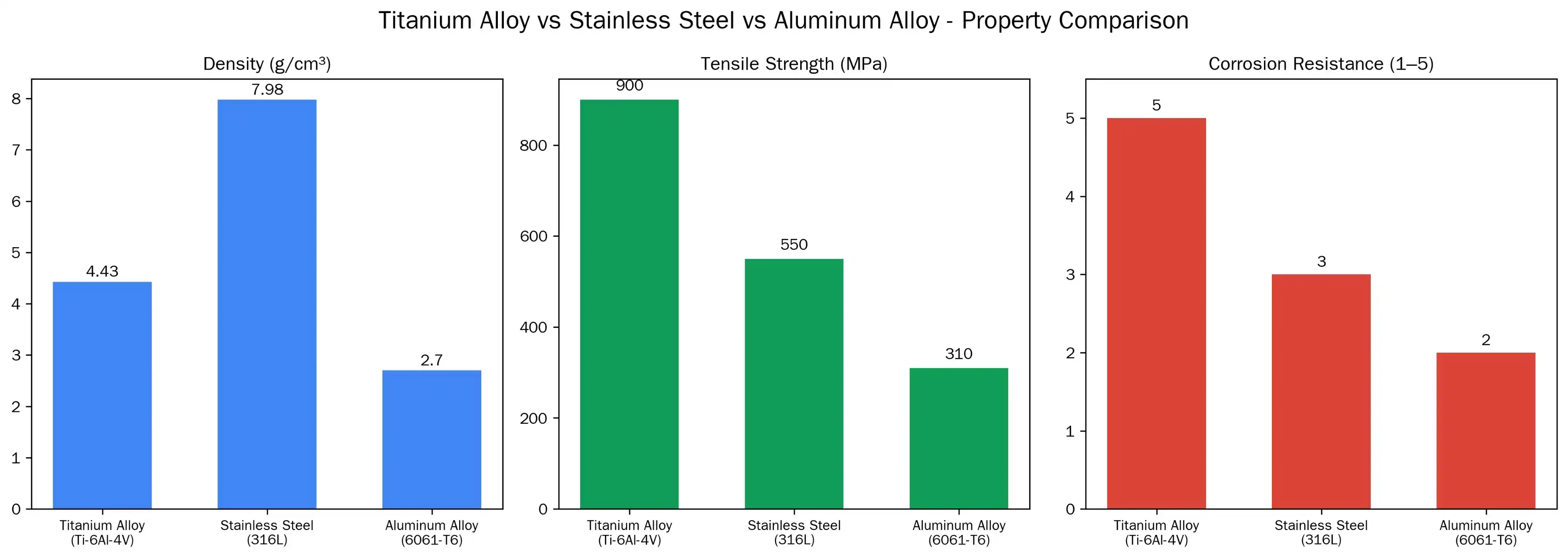
If the titanium bar is commercially pure, its tensile strength can be as low as 240 MPa. If it is alloyed, like Ti-6Al-4V, it can have 1150 MPa or more. Designers can pick grades that are best for being flexible and easy to shape, or they can pick grades that are best for being strong for parts of structures that hold weight. Titanium naturally forms an inactive layer of solid titanium dioxide (TiO₂) that shields it from seawater, chlorine, oxidizing acids, and many organic solvents. Stainless steel, on the other hand, rusts badly in these situations.
Understanding the Different Grades of Titanium Round Bars
People often make the mistake of thinking that all types of titanium are the same high-quality material when they are shopping for it. In fact, each grade name refers to a unique set of chemistry and mechanical properties that make the material best for a certain use. The Commercially Pure (CP) grades, which are Gr1, Gr2, Gr3, and Gr4, don't have many alloying elements. Instead, they are mostly grouped by how much oxygen they have, which makes them stronger but less flexible. Grade 1, which is the softest and easiest to shape, is best for cold-forming jobs that are hard to do. Grade 4, on the other hand, is tougher and better for building things and pressure tanks. This makes the Titanium round Bar selection a specific engineering task.
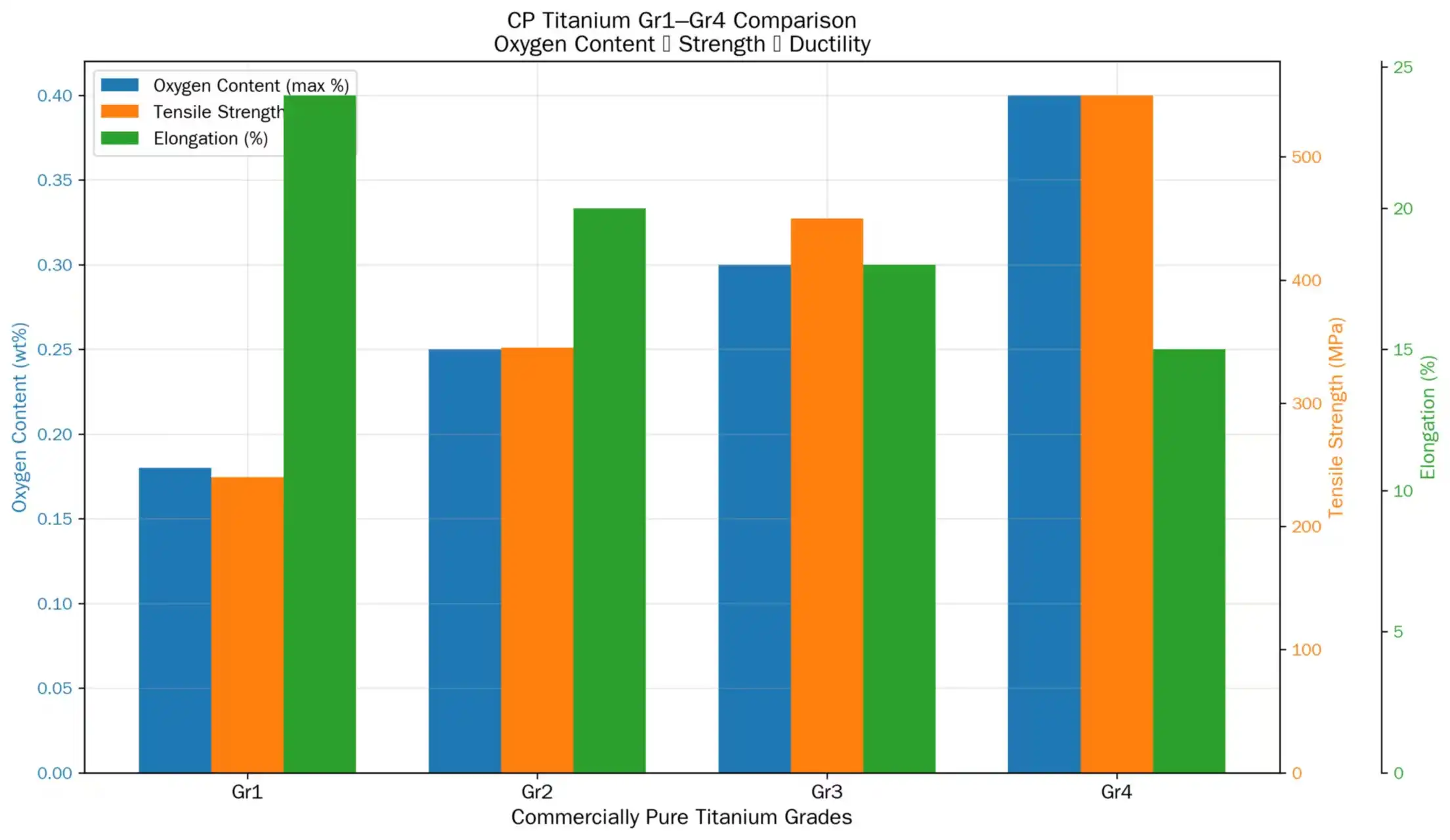
Commercially Pure Grades (Gr1, Gr2, Gr3, Gr4)
Titanium Grade 2 is the engine of the business world. It doesn't rust easily, isn't very strong (about 345 MPa tensile), and is easy to weld. It's mostly used in heat exchanges, plants that remove salt from water, and tools that work with chemicals. Grade 4 has tensile strengths close to 550 MPa because it has more oxygen in it. This means it can be used when saving weight is worth the cost of the material, but not when great strength is needed. When being biocompatible and easy to clean are very important, these CP types work great in marine settings, drug processing, and food production.
Alpha-Beta Alloys (Gr5, Gr23)
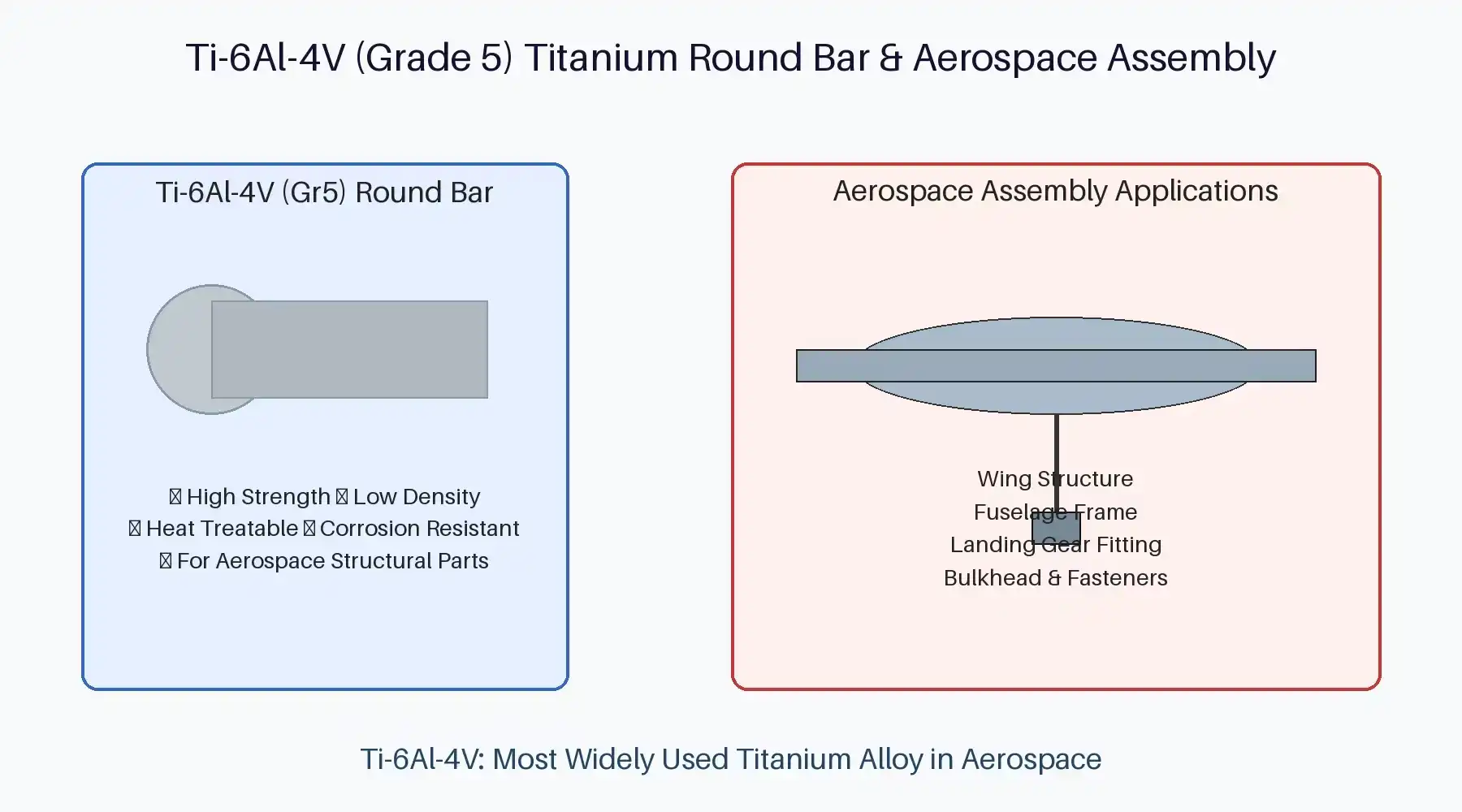
Around the world, Grade 5 titanium metal, which is also known as Ti-6Al-4V, is used the most. It makes up more than half of all the titanium used. There are 6% aluminum and 4% vanadium in this alpha-beta metal. When stretched, it can hold more than 895 MPa of force, it doesn't wear down easily, and it can be used at temperatures up to 400°C. Parts of spacecraft, rotor blades, landing gear, and high-performance car parts are often made of Grade 5. Certification groups want things to be stable and easy to track. Following rules like ASTM B348, AMS 4928, and AMS 6931 makes sure that these goals are met.
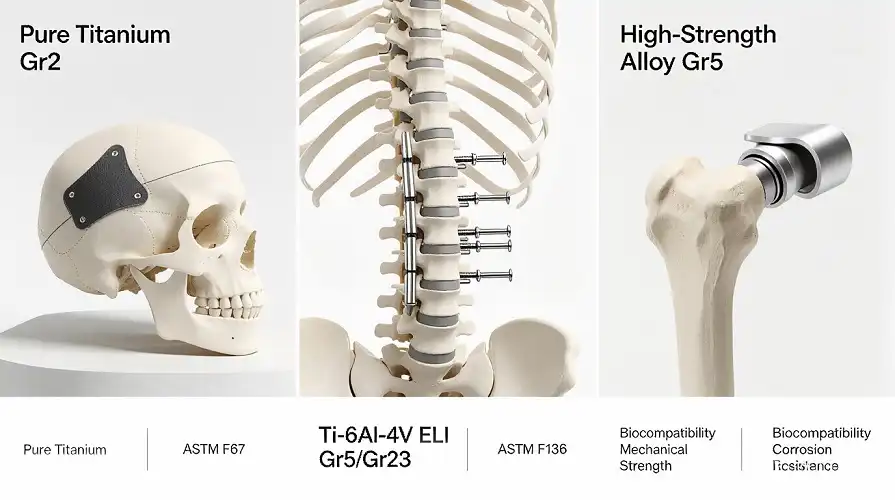
There is a very pure type of Grade 5 called Grade 23, which is also called Ti-6Al-4V ELI (Extra Low Interstitial). It was made for medical devices and surgery implants. There are fewer oxygen, nitrogen, and iron compounds in Gr23, which makes it stronger and less likely to break at body temperature. It also meets the strict biocompatibility requirements of ASTM F136 and ISO 5832-3. This type is used in orthopedic implants, dental fixes, and heart devices to make sure they work well for a long time.
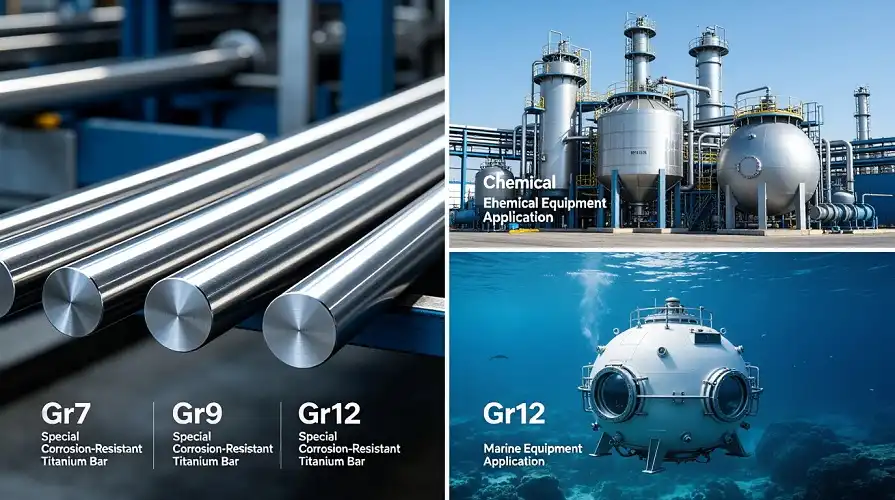
Specialty Corrosion-Resistant Grades (Gr7, Gr9, Gr12)
Palladium, in small amounts (0.12-0.25%), is added to Grade 7 titanium. This makes it much less likely to rust in less acidic environments, where CP grades might rust in cracks. Some things can't hurt Gr7, which is good for chemistry processes that use sulfuric, hydrochloric, or phosphoric acids. Grade 9 is a low-alloy type that has 2.5% vanadium and 3% aluminum. It's tougher than CP grades but less expensive than Grade 5. It can be used to make bicycle frames, pressure tanks, and bolts for ships.
Grade 12 has molybdenum and nickel added to it to make it stronger against crevice and pitting rust in places with a lot of salt and hot water. Gr12 is used on offshore oil and gas platforms, geothermal energy systems, and hydrometallurgical processing equipment because it lasts longer in difficult conditions. It costs more because of this.
In basic ways, alloying elements change how well something works. As the alpha-to-beta change temperature goes up, metal makes things denser and tougher. The beta phase is more stable when vanadium is added, which makes it easier to heat treat and shape. Nickel and molybdenum make metals less likely to combine with reducing acids, and palladium makes them less likely to rust in cracks. Solution cleaning and aging are two types of heat treatment that can make something stronger, tougher, and less likely to crack from stress rust. Being an engineer, picking the right material is a choice that has to be made in a lot of different ways.
Comparing Titanium Round Bar Grades and Alternative Materials
Buyers have to compare titanium to other metals and different product forms when they look at the materials they can use. Types of stainless steel, like 316L, are less expensive and better at resisting rust, but they are much denser (8.0 g/cm³ vs. 4.51 g/cm³), which means they can't hold as much weight in aircraft applications and put more stress on the structure of plant machinery. While aluminum metals lose about the same amount of weight as titanium, they don't hold up as well at high temperatures and rust more quickly in acidic and salty places.
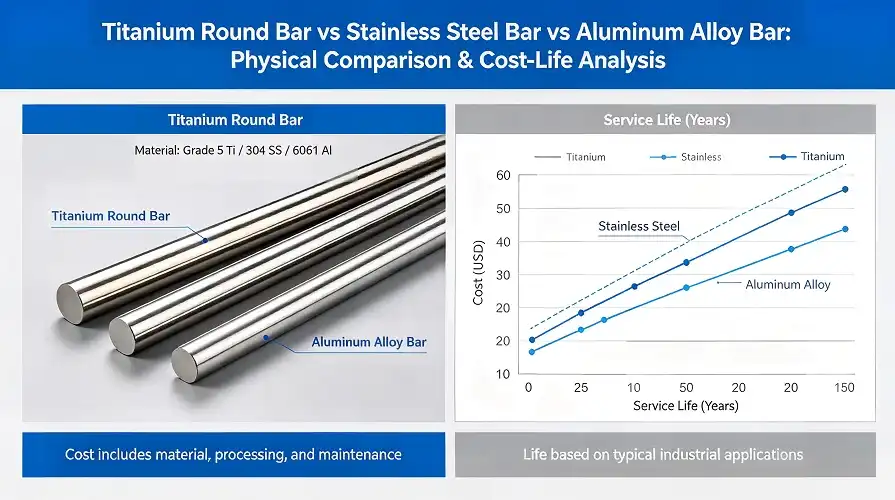
If you have to choose between pure titanium and titanium alloys, the strength requirements and how bad the rust situation is are often what make the difference. Grade 2 is the best metal for a chemical heat exchanger that works below 150°C in acidic acids because it is cheap, easy to shape, and join. An airplane wing spar, on the other hand, needs Grade 5 because it has a better strength-to-weight ratio and a longer wear life. This is worth the extra money because it saves fuel and improves speed over time.
It's also important to pick the right product form. Titanium sheets are better for covering big areas, like pressure tanks or airplane skins. A Titanium round Bar, on the other hand, is better for making parts like shafts, screws, and cylinders. Round bars are easier to mill when making trapezoidal forms, and smooth tubes work better in systems that move fluids. Cutting down on wasted materials and extra cutting time is directly related to the total cost of acquisition. This is because the shape of the product should match the way it is made.
A study of titanium's lifecycle costs shows that it is good for the economy in ways other than the price of the raw material. At first, a chemical burner made of Grade 7 titanium could cost three times as much as one made of 316L stainless steel. But with the titanium reactor, fixes caused by rust don't have to be done every five to seven years. It also lowers the chance of pollution that needs to be thrown away in groups and stops unplanned downtime that costs a lot of money every hour. Over twenty years of use, the titanium choice usually lowers the total cost of ownership by 30 to 40 percent. It also raises the quality and safety of the product.
Benefits and Challenges of Titanium Round Bars in Industrial Use
Tools made of titanium will last longer and need less maintenance because they don't rust. When used in highly corrosive settings, titanium heat exchangers in chemical plants usually last 20 to 25 years, compared to 5 to 8 years for rare stainless metals. They also keep their heat transfer efficiency without getting dirty or pitted. Because it is strong for its weight, flight designers can cut the mass of structures by 20–30% compared to aluminum parts. It saves a lot of money on fuel over the life of a flight. A Titanium round Bar is the backbone of these performance gains.
To make titanium correctly, you need special tools and to know how to use them. Since the material doesn't spread heat well, it builds up at the cutting edges. If cooling isn't done right and cutting settings aren't optimized, tools will break down quickly. Some things that can help with these issues are making sure that carbide and polycrystalline diamond (PCD) tools have the right ends, cutting slowly (about 30–40% of steel parameters), and using high-pressure cooling systems. Because of how work dries, you need sharp tools and steady feed rates to make sure the surface stays the right size and has the right finish.
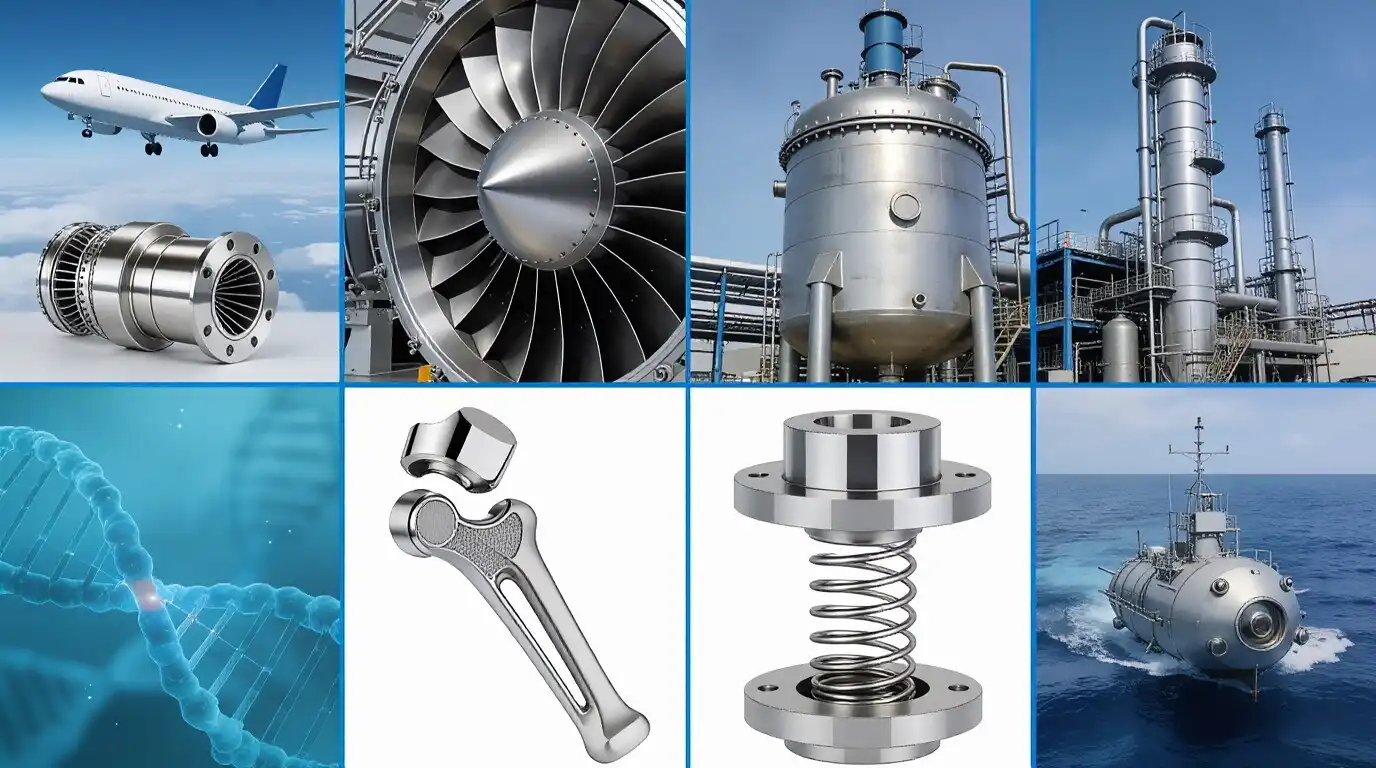
Aerospace businesses know a lot about titanium, which shows how important it is. Titanium is used for the frame of the body, the engine mounts, and the landing gear on business planes like the Boeing 787. This makes the planes lighter while still meeting strict rules about how much damage and wear they can handle. Titanium is strong and doesn't rust, so it is used in defense. Titanium is used in military ships, so steel parts would break down very quickly there. Some parts of the U.S. Navy's Seawolf-class subs are made of titanium, which lets them dive to depths that have never been seen before.
Case studies in chemistry processes show that there are benefits to the economy that go beyond not rusting. For the inside of its reactors, a big industrial plant moved from stainless steel to Grade 12 titanium. This got rid of the rust that was contaminating the goods and preventing them from meeting standards, costing the company $2 million a year in lost production. At first, the titanium parts cost $800,000, while the stainless steel ones cost $250,000. But they paid for themselves in eighteen months because the product got better and didn't need to be replaced as often.
Over the next few years, researchers will work to make titanium metal cheaper and better at what it does. It is possible to make complicated forms with additive manufacturing that couldn't be made with standard forging. In flight, this cuts the buy-to-fly ratio from 10:1 to 2:1 or better. These new, inexpensive titanium alloys are made from iron and other inexpensive elements. They are meant to be used in cars, where the current grades are still too expensive. Buying programs that are good for the environment focus on making things that use less energy and reusing them. This means that companies should care more about the Earth when they buy things.
Conclusion
To pick the right titanium types, you need to think about how they will work, how they will affect the world, and how much they will cost. You can do this by learning about the qualities of the item and the skills of the provider. Commercially pure grades are great for places that are likely to rust and where cost-effectiveness and ease of shaping are important. On the other hand, Ti-6Al-4V alloys are stronger than commercially pure grades, which is why they cost more for difficult structure jobs. When regular materials don't work for a certain job, custom types are used to deal with specific rust issues. Material picking can be more than just a buy deal if you work with experienced suppliers who offer a wide range of goods, the ability to make them fit your needs, and expert support. Because of its unique qualities, a Titanium round Bar will continue to be used in many important ways around the world as companies try to improve performance while keeping prices low.
FAQ
1. What distinguishes Grade 2 from Grade 5 titanium round bars?
It is easy to form and doesn't rust. Grade 2 titanium is commercially pure and has a moderate strength (about 345 MPa tensile). This makes it great for use in chemical handling equipment and on ships. This grade, Ti-6Al-4V, is made of titanium that has been mixed with aluminum and vanadium. It can hold its shape under tension for more than 895 MPa and doesn't easily wear down. It was made to be used in high-performance applications that need the best strength-to-weight ratios, like in airplane structural parts.
2. Which grades provide the best corrosion resistance in acidic environments?
It can handle reducing acids like sulfuric and hydrochloric acid better than other grades because it has palladium added to it. Other grades might rust in cracks. Because it has molybdenum and nickel in it, Grade 12 works well in places with a lot of salt and hot water. Pure Grade 2 oxidizing acid from a store works great for most chores and costs less.
3. Can titanium round bars be machined with standard metalworking equipment?
The settings need to be changed, and the right tools need to be made before they can be used on titanium. Cutting speeds should be slowed down to 30 to 40 percent of what the steel calls for. For this, you need carbide or PCD tools with the right finishing. High-pressure cooling systems keep the machine from getting too hot. We can get good surface finishes and correct readings if we use sharp tools and steady feed rates in the right way.
Partner with Jucheng Titanium for Your Titanium Round Bar Supply Needs
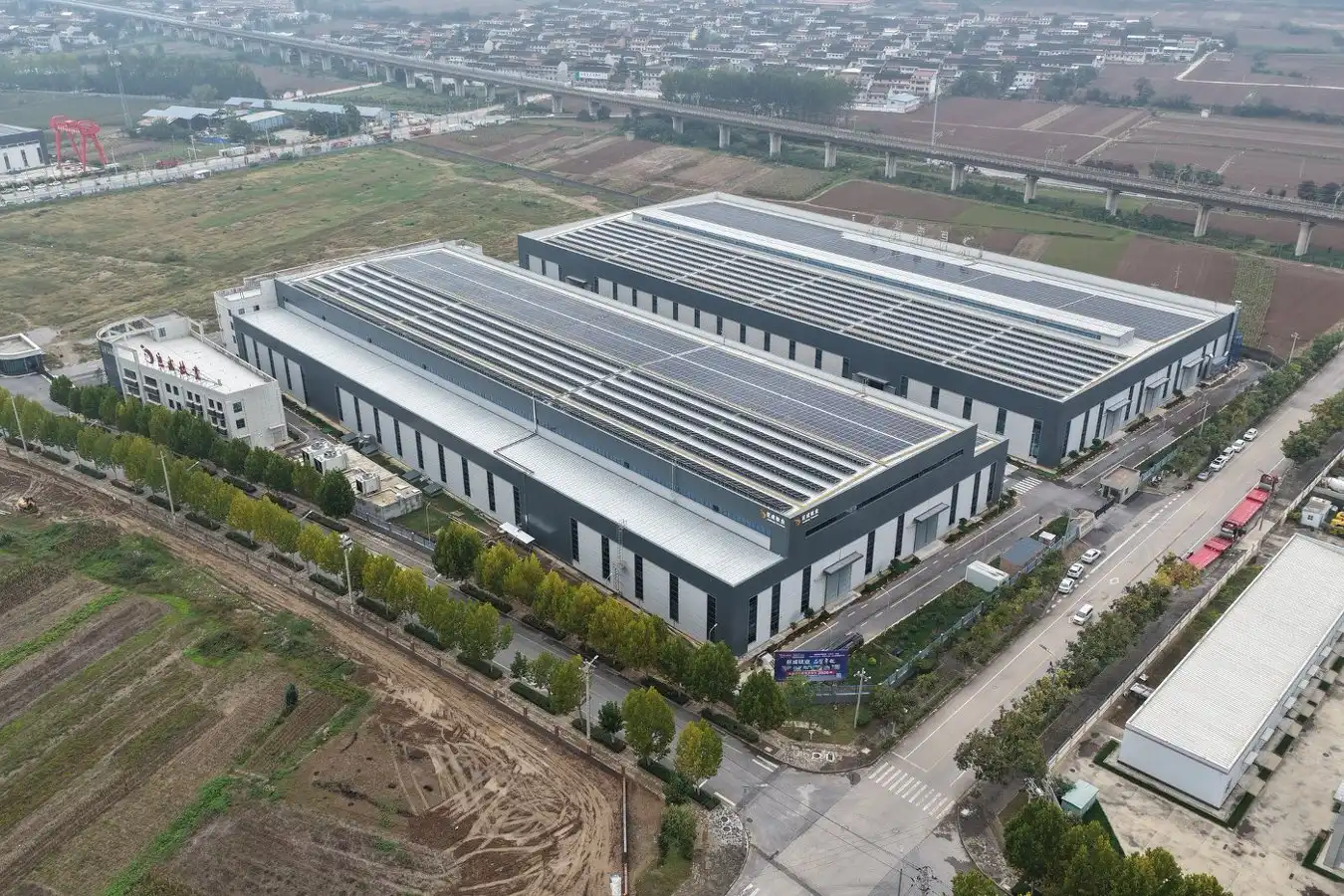
For more than twenty years, Baoji Jucheng Titanium Industry Co., Ltd. has been making and selling high-quality titanium products to companies all over the world. We always have grades that can be used right away, from economically pure Gr2 to aerospace-grade Ti-6Al-4V, thanks to our big collection of about 3,000 tons. The sizes run from 6mm to 450mm and are in line with ISO, ASTM B348, and AMS 4928. We are equipped to make a Titanium round Bar because we have 45 patents and a specialized business title at the national level. We offer unique cutting, exact surface treatments, and all the paperwork you need to keep track of your materials. Email our expert team at s4@juchengti.com to talk about the needs of your project. Companies in North America and around the world that make medical devices, airplane parts, and chemicals can get quality-certified materials from us quickly, whether they need 50kg for a sample or several tons for a production run.
References
1. Boyer, R., Welsch, G., & Collings, E.W. (1994). Materials Properties Handbook: Titanium Alloys. ASM International, Materials Park, Ohio.
2. Donachie, M.J. (2000). Titanium: A Technical Guide, 2nd Edition. ASM International, Materials Park, Ohio.
3. Lütjering, G. & Williams, J.C. (2007). Titanium, 2nd Edition. Springer-Verlag, Berlin Heidelberg.
4. ASTM International (2021). ASTM B348-13: Standard Specification for Titanium and Titanium Alloy Bars and Billets. ASTM International, West Conshohocken, Pennsylvania.
5. Schutz, R.W. & Watkins, H.B. (1998). Recent Developments in Titanium Alloy Application in the Energy Industry. Materials Science and Engineering A, Volume 243, Issues 1-2, Pages 305-315.
6. Peters, M., Kumpfert, J., Ward, C.H., & Leyens, C. (2003). Titanium Alloys for Aerospace Applications. Advanced Engineering Materials, Volume 5, Issue 6, Pages 419-427.