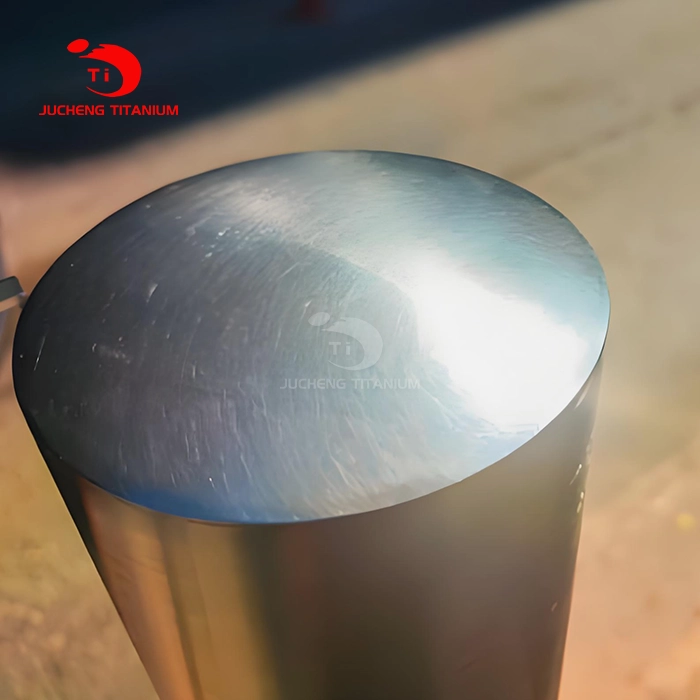

How to weld a titanium rod?
Because titanium is a unique metal, you need special skills and tools to weld a titanium rod. It is done in a controlled setting to avoid oxidation and smog. Inert gas tungsten arc welding (TIG) or gas tungsten arc welding (GTAW) is used. Titanium needs to be cleaned very well and kept at a very precise temperature before it can be used in airplanes, medicine, and industry. They keep the joints strong and protect them from rust. Without them, titanium would not be biocompatible and would lose its high strength-to-weight ratio.
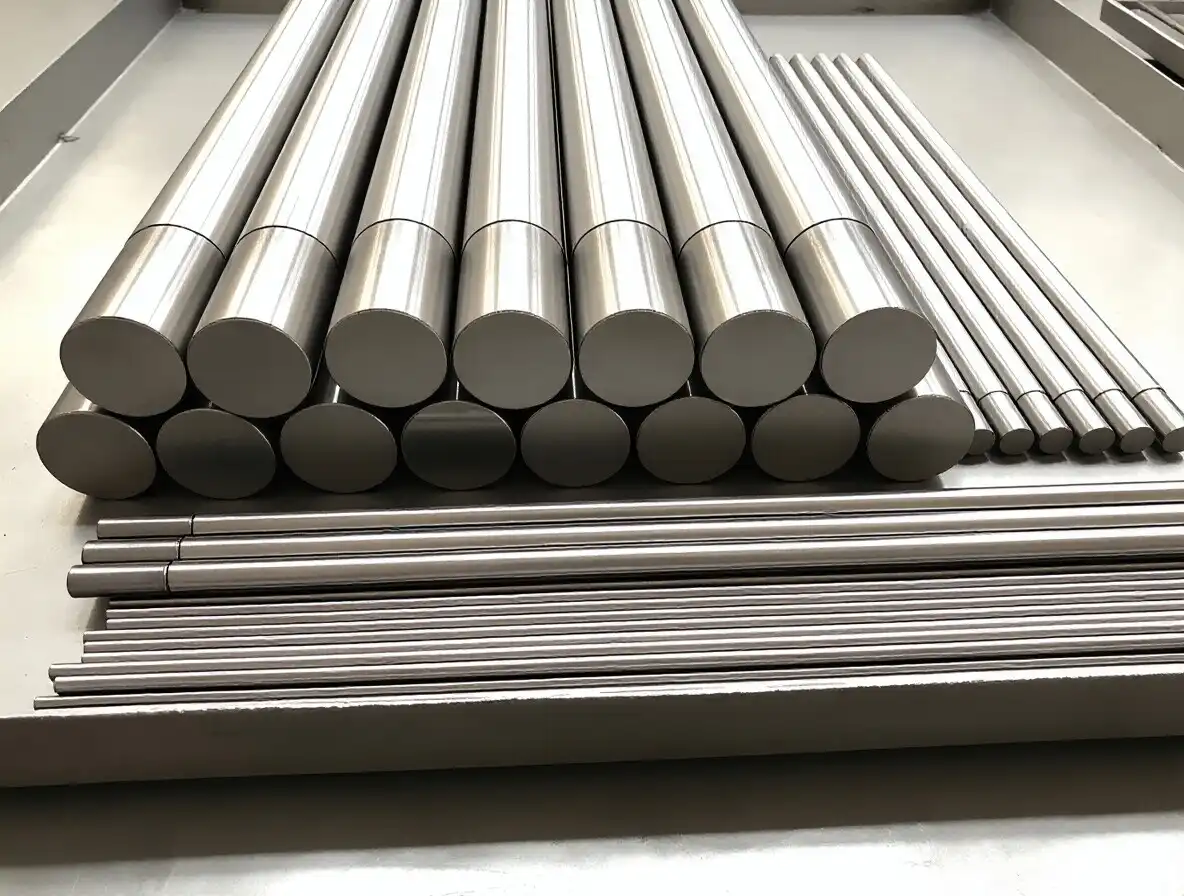
Understanding Titanium Rods Before Welding
Material Properties and Grades
There are different types of titanium rods, and each one is made for a specific job and level of performance. The pure grades (Gr1–Gr4) that are sold widely don't rust easily. The alloy grades (Gr5 (Ti-6Al-4V) and Gr23 (Ti-6Al-4V ELI) are also very strong. Titanium has a mass of 4.51 g/cm³, which is about 45% less than steel but has the same tensile strength.
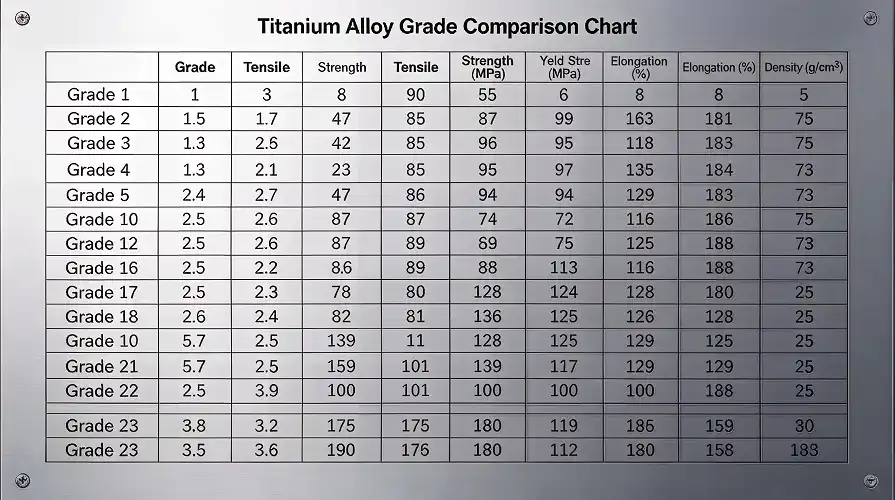
How well you weld depends on how well you understand these material specs. Grade 1 titanium is not as strong but is very flexible, so it needs different amounts of heat than Grade 5 titanium. Grade 5 titanium needs to be carefully controlled to keep its alpha-beta microstructure. Because titanium's thermal conductivity is different from that of aluminum or steel (about 21.9 W/m·K), it needs different ways to lose heat during welding.
Comparison with Alternative Materials
One thing that stands out about titanium rods is that they are definitely better than other options. Titanium doesn't rust and is much lighter than stainless steel. However, stainless steel doesn't work well with living things. Titanium is stronger and can handle higher temperatures better than aluminum, but it is heavier. There is no way to recover carbon fiber alloys, and they haven't been shown to last as long in tough environments.
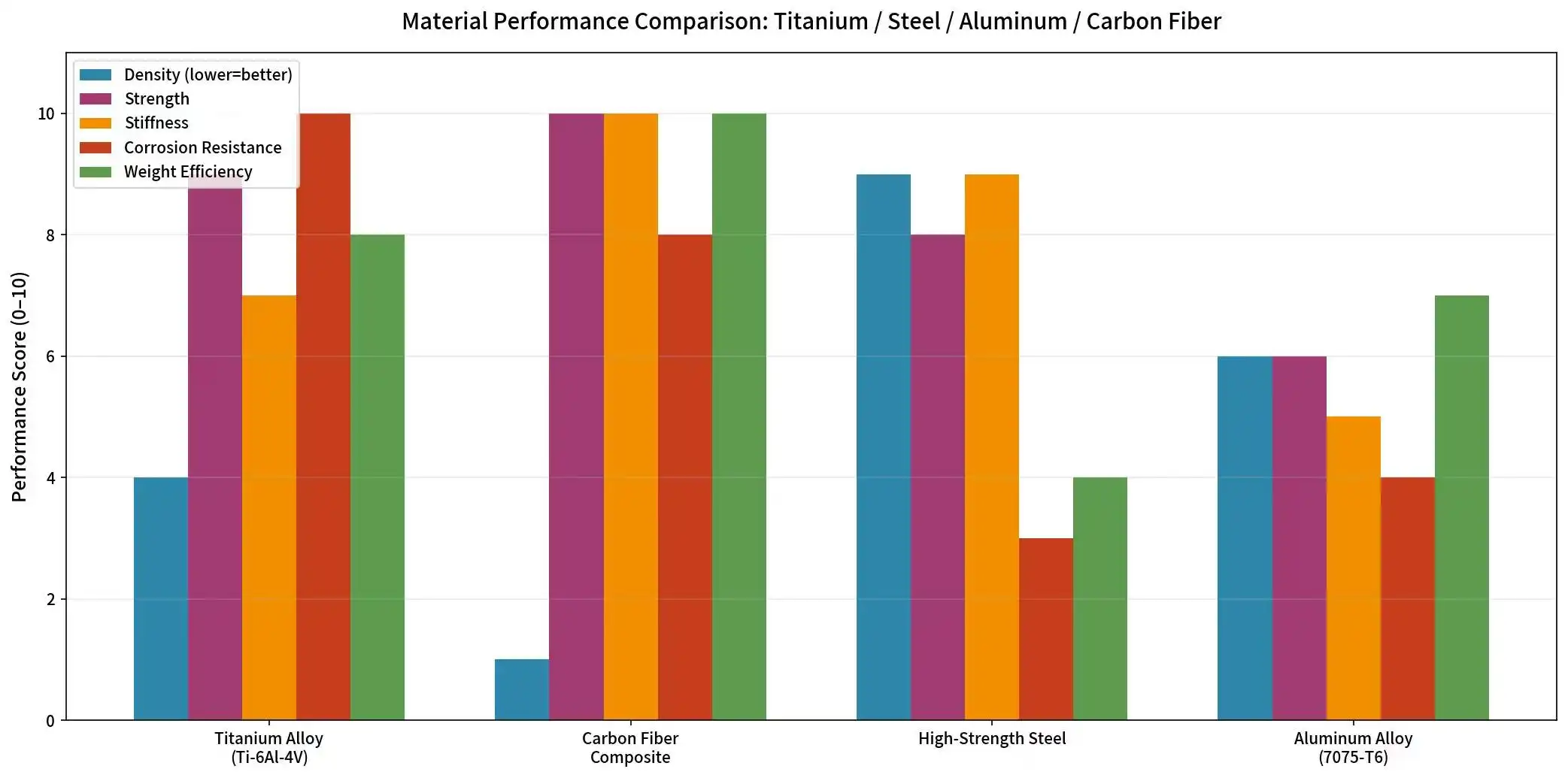
These comparisons of benefits become even more important when long-term performance, maintenance costs, and following the rules are added to the original material inputs.
Challenges and Causes of Welding Titanium Rods
Titanium welding is different from other ways of joining metals because it has its own set of technical problems. When the engineering and buying teams know about these issues, they can set up the correct process and quality monitoring rules.
Contamination and Atmospheric Sensitivity
Titanium doesn't stick well to gases in the air when it gets hot, which is the biggest problem with welding titanium. When you solder, air forms oxide layers that are stiff and weaken the joint. But when nitrogen gets into metal, it makes it harder and less bendable. It is very important to use the right defense because hydrogen absorption slows down breaking, making it weaker.
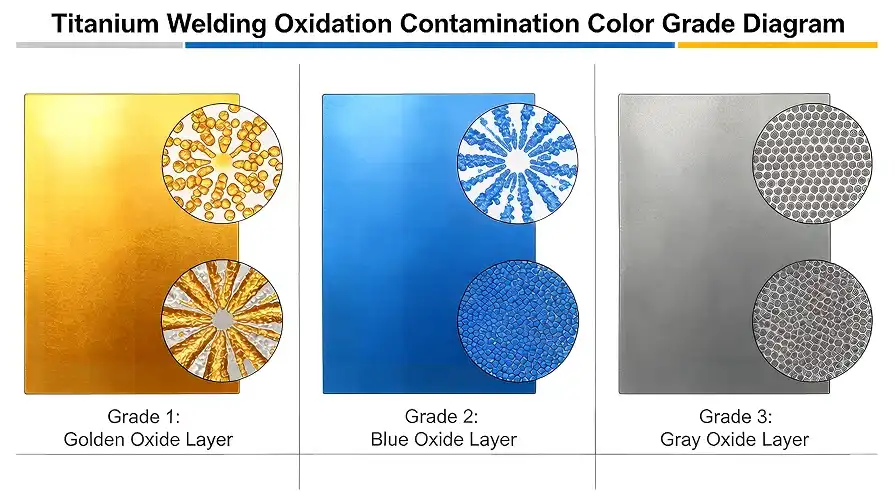
There are different types of pollution on the weld surface, from light gold oxidation to blue or gray contamination. Even a little touch with air can make something lose up to 50% of its wear strength. Controlled gas welding is necessary for uses that need to be very reliable.
Heat Management and Metallurgical Considerations
Titanium is harder to melt because of the way it reacts to heat. The material doesn't spread heat well, so heat builds up in the weld area. This could cause grains to grow and the material to become less strong. Plus, because titanium changes stages, the rate of cooling needs to be carefully managed to keep the base in good shape.
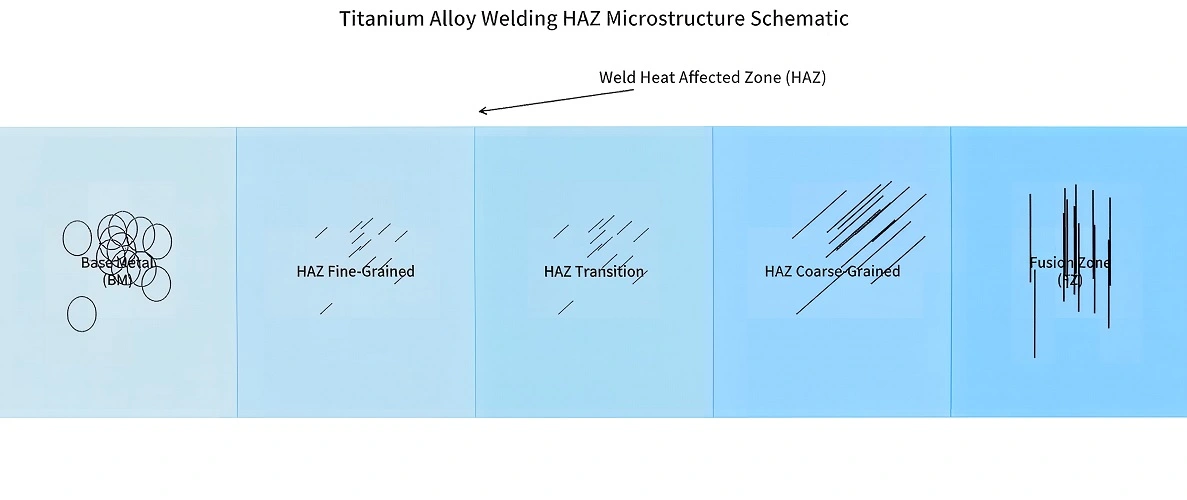
Even though it's not as high as in steel, the rate of thermal expansion still leaves behind forces that need to be managed by planning the welding process and making sure the joints are designed properly. These things are even more important when welding thick pieces or forms with lots of corners, like in chemical and airplane processes.
Principles and Best Practices for Welding Titanium Rods
If you want to successfully weld titanium rods, you need to stick to tried-and-true ways and established best practices. We've had these ideas for decades because we've made things for space flight and medical gadgets.
Welding Technique Selection
It is still the best way to work with titanium because gas tungsten arc welding (GTAW/TIG) can exactly control the heat and offer great safety. A tungsten electrode that can't be used up and argon gas that can't be broken are used to keep particles in the air out of the liquid metal. E-beam and laser welding are faster and can go deeper into the material when making a lot of things or thick pieces.
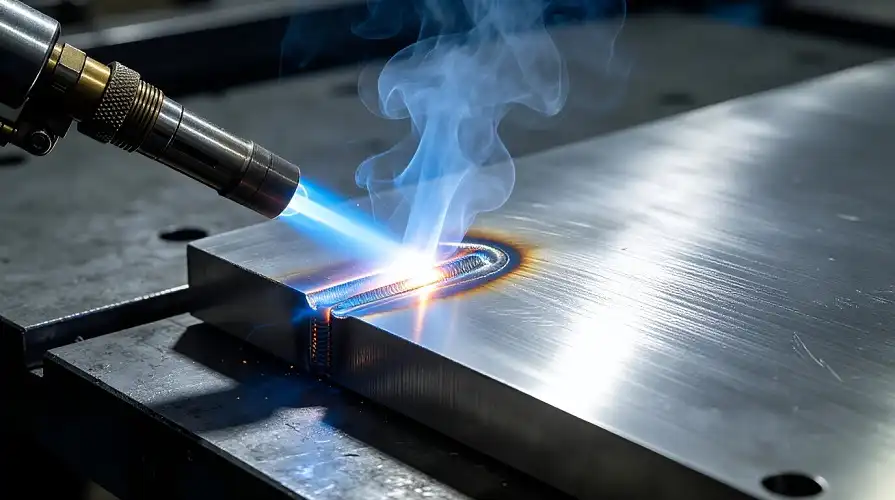
How the joint is shaped, how thick the material is, how much work needs to be done, and the quality standards all play a role in the choice of welding method. Laser welding and TIG welding are automatic methods that can be used in workplaces to get regular results. TIG welding gives you the most control for big jobs.
Surface Preparation and Cleanliness
To get a good joint, you need to carefully prepare the area. Every surface in the heat-affected area needs to be cleaned to get rid of grease, fingerprints, metals, and other dirt. First, the grease is removed with the right solvents. Next, the surface is cleaned manually with stainless steel brushes or chemically with solutions of nitric acid and hydrofluoric acid.
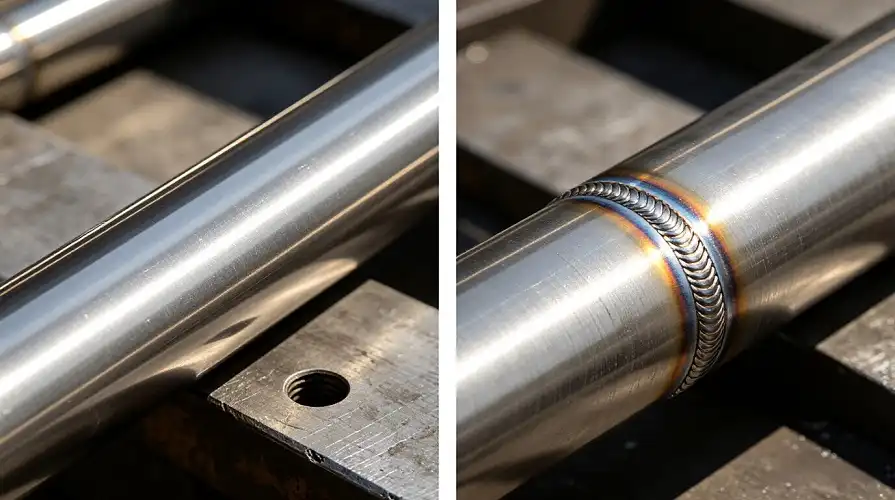
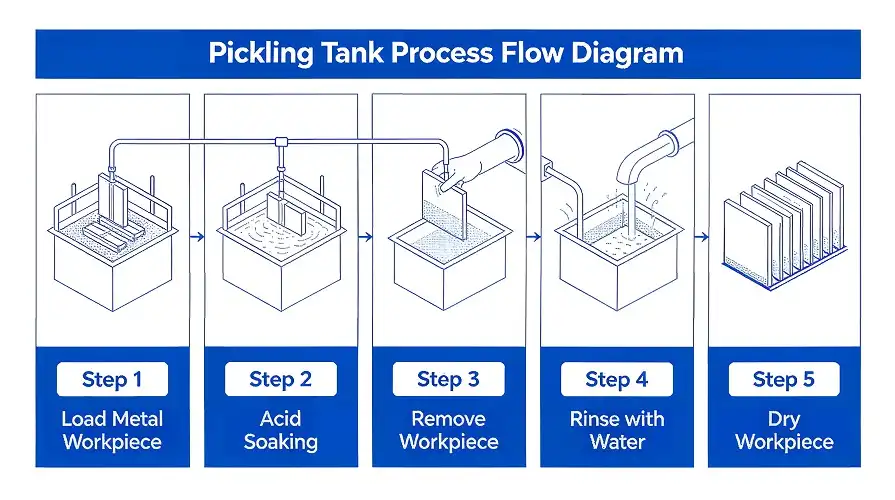
It is cleaned beyond the joint area to make sure that all the dirt is gone. Even small amounts of organic matter can cause carbon to get into the weld. This could lead to carbide precipitates forming, which would weaken the joint's ability to fight rust. If you handle the surfaces properly with clean clothes and keep them in a controlled environment, they will stay clean until the welding starts.
Shielding and Atmospheric Control
Gases that keep things warm and dry keep the air away from both the melted weld pool and the hot metal surfaces. For main safety with the welding torch, you need argon that is at least 99.99 percent pure and moving at the right speed to make sure there is full coverage without any spinning. When the metal cools to below the oxidation threshold, the following covers protect it while the support gas stops oxidation on the root side of the weld.
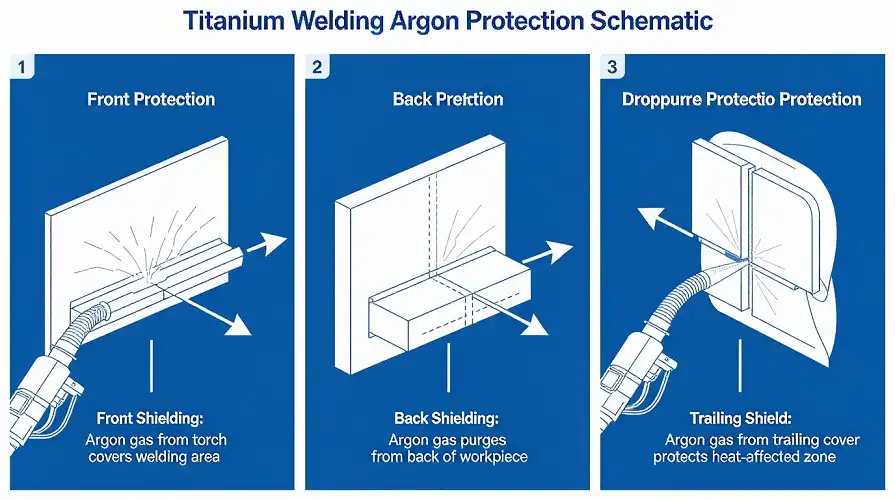
For more complicated uses, full safety might need chamber welding or air control in the area. These ways are needed when soldering difficult forms or when the specs say the surface has to be perfect.
Case Studies: Successful Welding Applications of Titanium Rods
When you use the right welding techniques, you can make great projects in a lot of different areas. These examples can teach the teams in charge of buying things and building how to use titanium in new ways.
Aerospace Component Manufacturing
Titanium rod welding was used by a big company that makes airplane parts to make landing gear pieces 40% lighter while still meeting strength standards. Around 25 mm to 150 mm wide Grade 5 titanium rods were used for the job. They were joined together using automatic TIG methods that controlled the air flow.
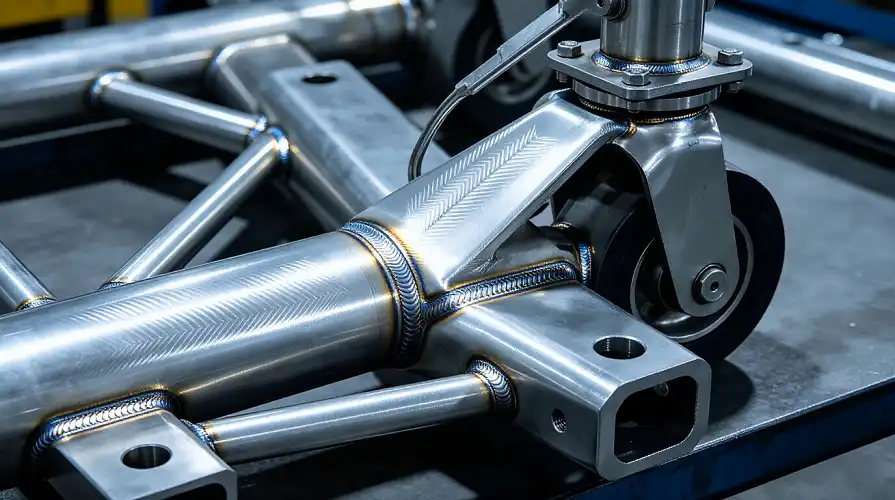
The app had to pass a lot of tests before it could be approved because of strict flight rules. Some of these tests were metallurgical assessment, non-destructive checking, and stress testing. The parts that were made worked better in real life and tests with salt spray rust, which showed that the money spent on professional welding was well spent.
Medical Device Applications
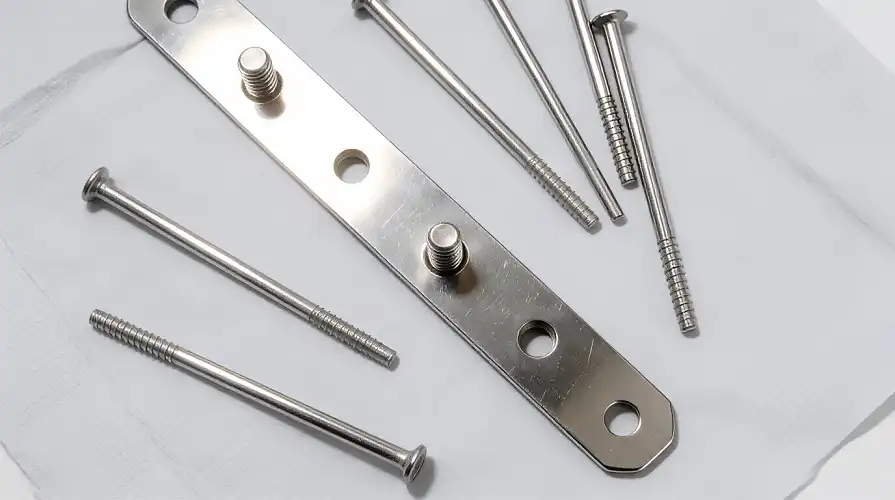
Medical implant makers have used their skills at bonding titanium to create one-of-a-kind prosthetics that are better for the body and last longer. Using Grade 23 (Ti-6Al-4V ELI) rods, manufacturers can exactly control the product's size while keeping the material's osseointegration properties, which are important for an implant to work.
For medical uses, things must be very clean and can be tracked all the way through the production process. To make sure that the welding settings are correct and that the joint meets FDA guidelines for long-term implant safety, biological tests are used.
Industrial Equipment Integration
Titanium welding has been successfully added to parts of heat exchangers and reactors that are used in tough conditions by companies that make chemical processing equipment. Titanium can last for decades in settings where other materials would break down quickly if the right bonding techniques are used and the metal doesn't rust.
They are generally used in factories to make big things that need a lot of welding steps and close attention to keep them from breaking. To finish on time and with good quality, the job depends on planning how to get the parts, how to weld them, and how to check the quality.
Conclusion
To get good at soldering titanium rods, you need to know how the metal works, follow the right steps, and keep an eye on quality the whole time. To be successful, you need to pick the right grades, keep air contamination under control, control heat input, and follow best practices that have been developed over many years of making medical and defense devices. Learning specialized welding skills pays off because parts work better, last longer, and need less maintenance after they're fixed. When regular materials can't do the job, titanium's special properties can be used. Businesses that learn these skills will be able to take advantage of these situations.
FAQ
Q1: Why does titanium welding require specialized techniques compared to steel?
Titanium's high reactivity with atmospheric gases at elevated temperatures necessitates specialized shielding and controlled atmosphere welding. Unlike steel, which forms a protective oxide scale, titanium absorbs oxygen and nitrogen that embrittle the material and compromise joint integrity.
Q2: What are typical lead times for custom titanium rod orders?
Lead times vary based on grade, size, and quantity requirements. Standard grades like Gr2 and Gr5 in common sizes typically require 4-6 weeks, while specialized alloys or custom dimensions may extend to 8-12 weeks, depending on manufacturing schedules and material availability.
Q3: How does proper welding enhance titanium's corrosion resistance?
Correct welding techniques preserve titanium's passive oxide film formation, maintaining its exceptional corrosion resistance. Contaminated welds create galvanic cells and stress concentrations that accelerate corrosion in aggressive environments, emphasizing the importance of proper shielding and cleanliness.
Partner with Jucheng Titanium for Your Welding Projects
Jucheng Titanium brings over 20 years of titanium industry expertise to support your welding applications with premium-quality rods manufactured to ASTM B348, ASME SB348, and AMS standards. Our comprehensive inventory includes grades Gr1 through Gr23 in sizes from Φ6mm to Φ450mm, available for immediate delivery from our 3,000-ton stock facility. As a leading titanium rod manufacturer, we provide complete traceability, custom processing capabilities, and technical support to ensure your welding projects achieve optimal results. Contact our technical team at s4@juchengti.com to discuss your specific requirements and discover how our advanced manufacturing capabilities can enhance your component performance.
References
1. Welding Metallurgy and Weldability of Titanium and Its Alloys. ASM International Handbook Committee, 2019.
2. Titanium Welding Technology and Applications in Aerospace Manufacturing. Journal of Manufacturing Science and Engineering, Vol. 143, 2021.
3. Best Practices for Titanium Gas Tungsten Arc Welding in Medical Device Manufacturing. Medical Device & Diagnostic Industry Magazine, 2020.
4. Atmospheric Contamination Effects on Titanium Weld Quality and Performance. Welding Journal Research Supplement, 2022.
5. Industrial Applications of Titanium Welding in Chemical Processing Equipment. Process Industries Corrosion Review, 2021.
6. Quality Control Standards for Titanium Welding in Critical Applications. International Titanium Association Technical Guidelines, 2023.