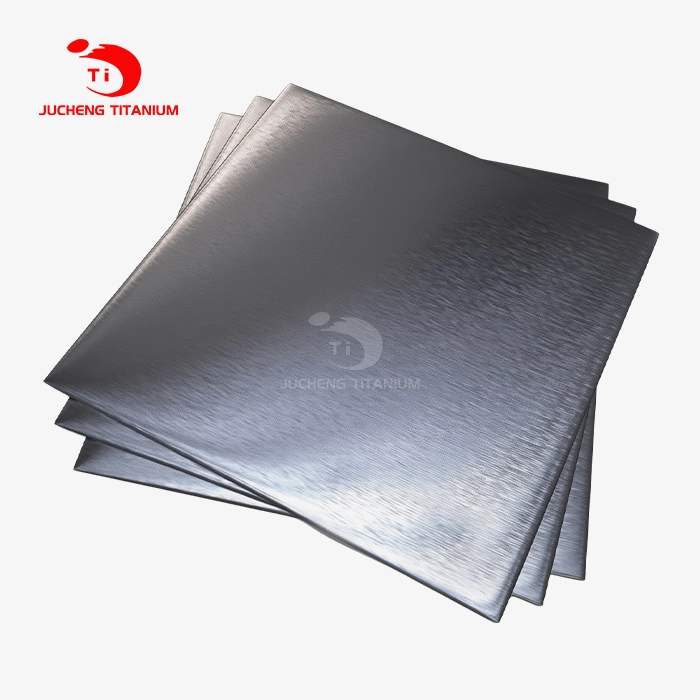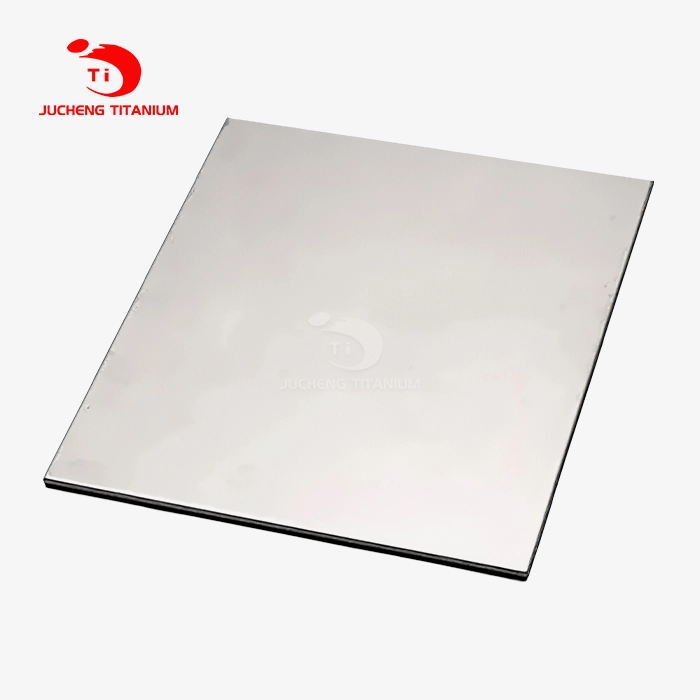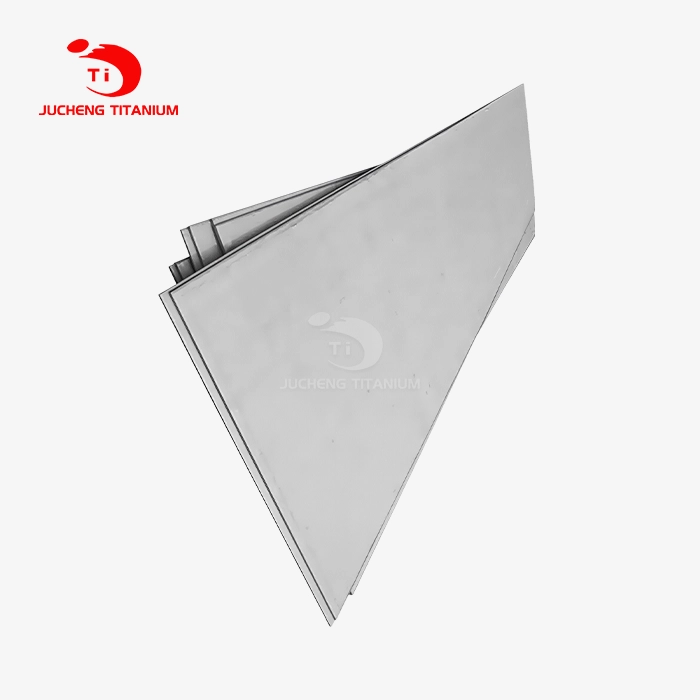

What are the quality standards for titanium alloy plates?
You need to know what the quality standards are before you can look for high-performance goods. Standards around the world, such as ASTM B265, ASTM F67, AMS 4911, and ASME SB265, are very strict about titanium alloy plates. The chemical composition, mechanical property levels, and dimensional tolerances are limited by these standards. These guidelines make sure that every plate can be tracked, has the same tensile strength, and provides corrosion resistance. These factors are important for fields like healthcare, chemical processing, and aerospace, where material failure can lead to major safety and operational problems.
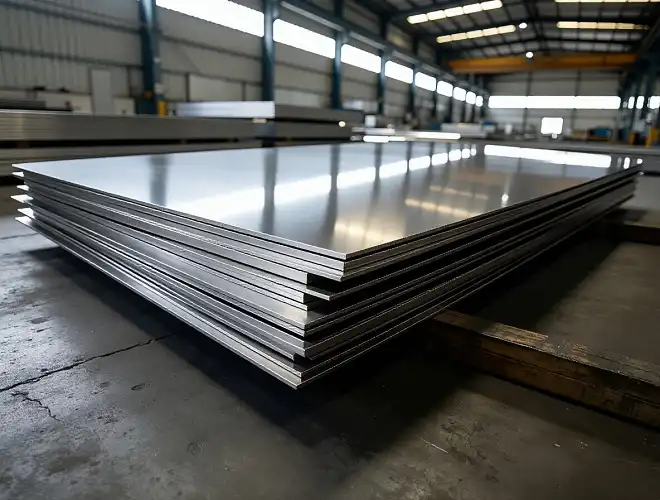
Understanding Titanium Alloy Plates Quality Standards
Quality standards act as the compass guiding material selection, production oversight, and procurement confidence. These frameworks eliminate guesswork by specifying measurable criteria that distinguish industrial-grade plates from substandard alternatives.
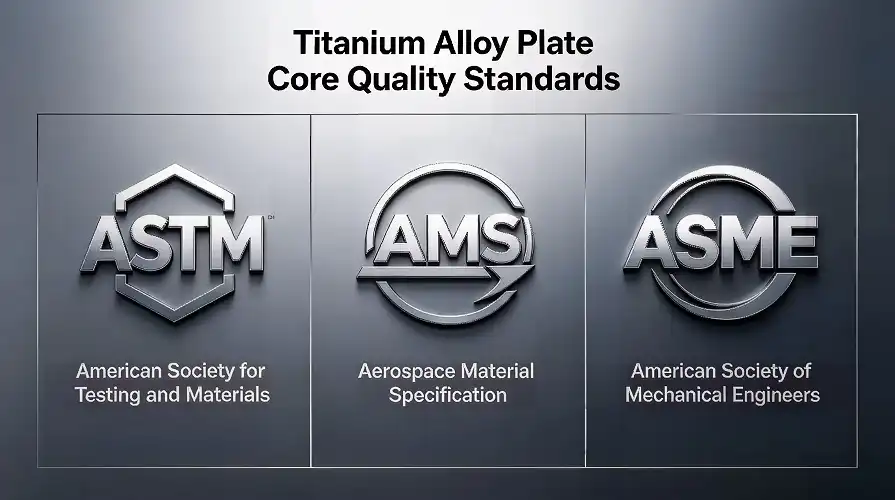
International Standards Governing Titanium Plates
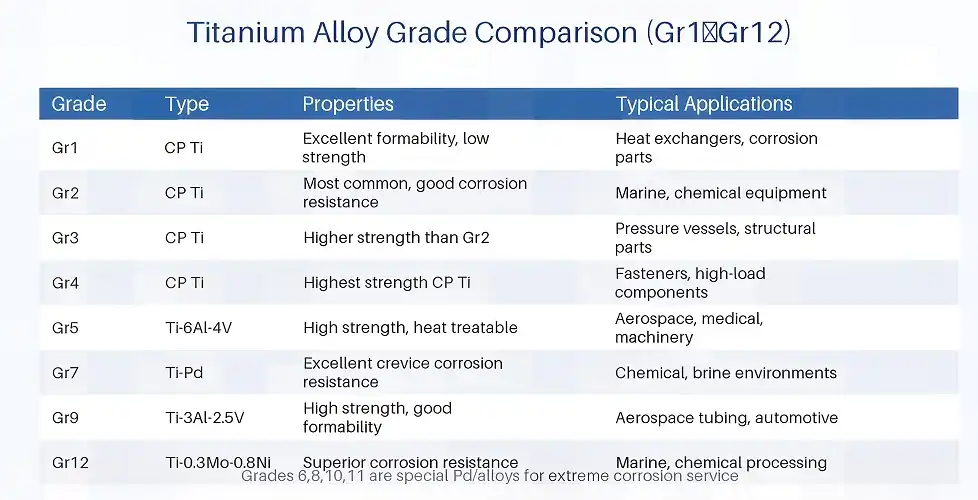
Most of the time, ASTM B265 is used to describe titanium and titanium alloy plates, strips, and sheets. It covers commercially pure grades (Grade 1, Grade 2, Grade 4) and alloyed variants (Grade 5, Grade 7, Grade 9, Grade 12). It also lists the permissible chemical content, such as carbon, oxygen, nitrogen, and vanadium. To meet the needs of the aerospace industry, AMS 4911 sets tighter limits for both surface finish and internal defects. For heat exchangers and chemical reactors, ASME SB265 is required because it integrates additional pressure vessel code requirements with ASTM B265. Based on ISO 5832-3, biomedical devices require low interstitial content to ensure biocompatibility and fatigue resistance.
Mechanical and Chemical Property Requirements
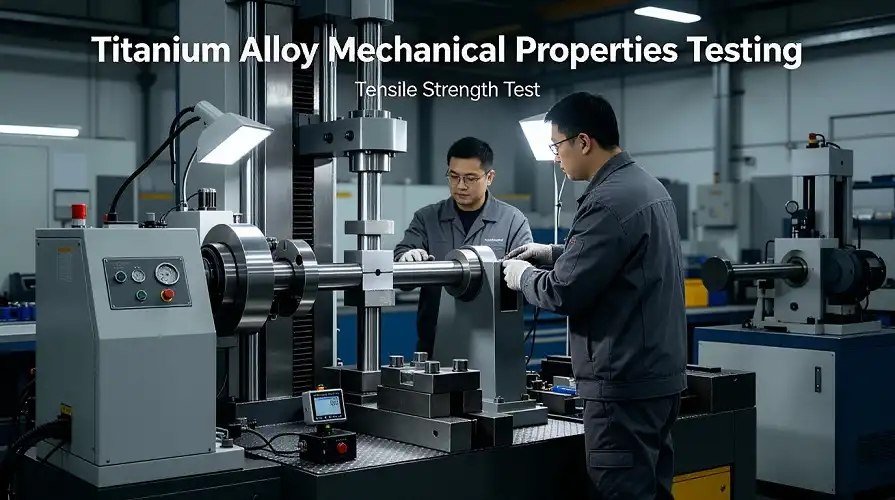
The tensile strength, yield strength, and elongation rates of plates define how they respond under load. Grade 5 (Ti-6Al-4V), the primary alloy, typically exhibits tensile strength exceeding 895 MPa and yield strength above 828 MPa in the annealed condition. These traits are directly influenced by the chemical composition—for example, excessive iron can trigger a brittle phase, while controlled aluminum content stabilizes the alpha phase for improved weldability. For every heat, full material test reports (MTR) must be documented, including data from both chemical and mechanical tests, ensuring traceability from the ingot to the finished plate.
Industry-Specific Certifications and Testing Protocols
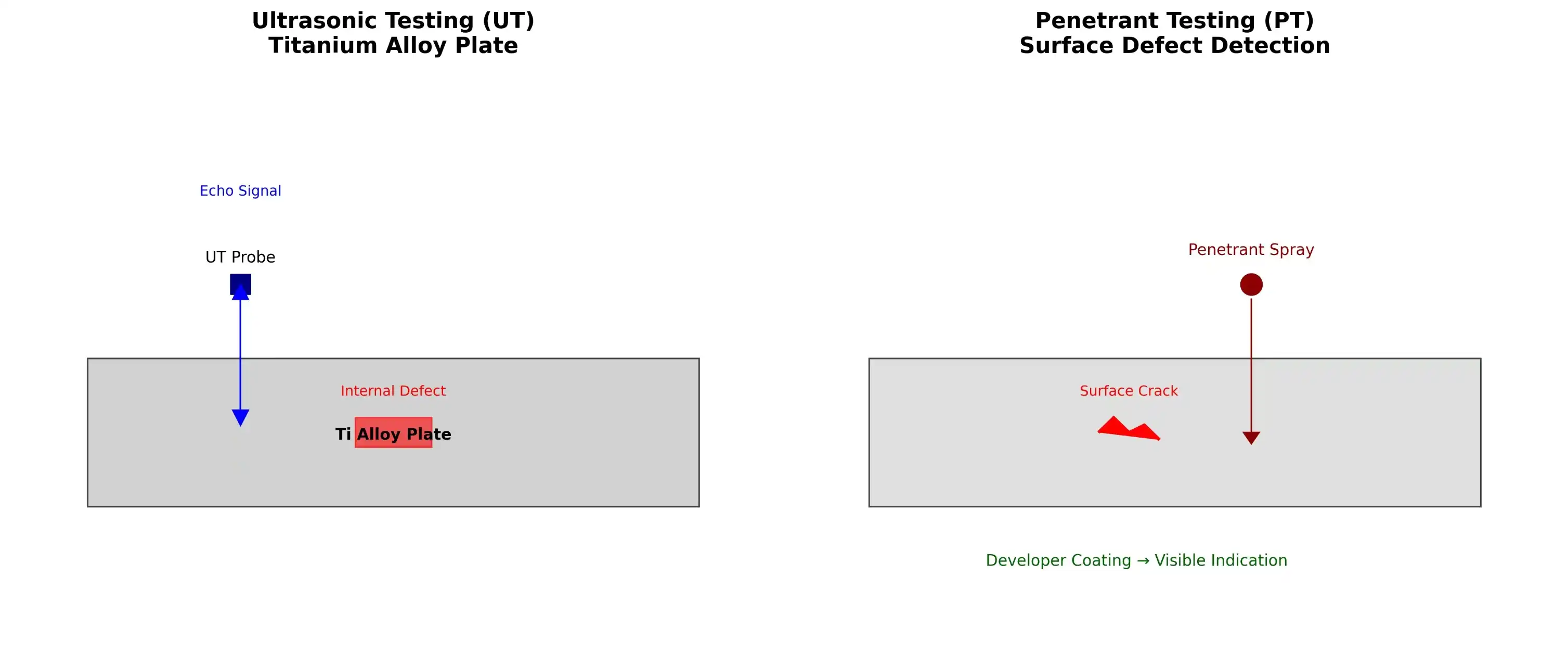
Aerospace manufacturers demand that suppliers maintain process controls capable of detecting micro-segregation or alpha-case defects, requiring EN 9100 or AS9100 certification. Companies making medical devices must follow ISO 13485 compliance and FDA registration, emphasizing cleanliness and surface integrity to prevent bacterial colonization on implants. Chemical processors prioritize NACE MR0175 compliance for sour gas environments, confirming resistance to hydrogen-induced cracking. Non-destructive testing—ultrasonic inspection, dye penetrant testing, and radiography—screens for internal voids or surface cracks invisible to the naked eye, with acceptance criteria defined in ASTM E213 and ASTM E1417.
Titanium Alloy Grades and Their Quality Benchmarks
Not all titanium alloy plates are created equal. Grade selection hinges on matching material properties to application-specific stress, temperature, and corrosive exposure.
Commercially Pure Grades: Gr1, Gr2, and Gr4
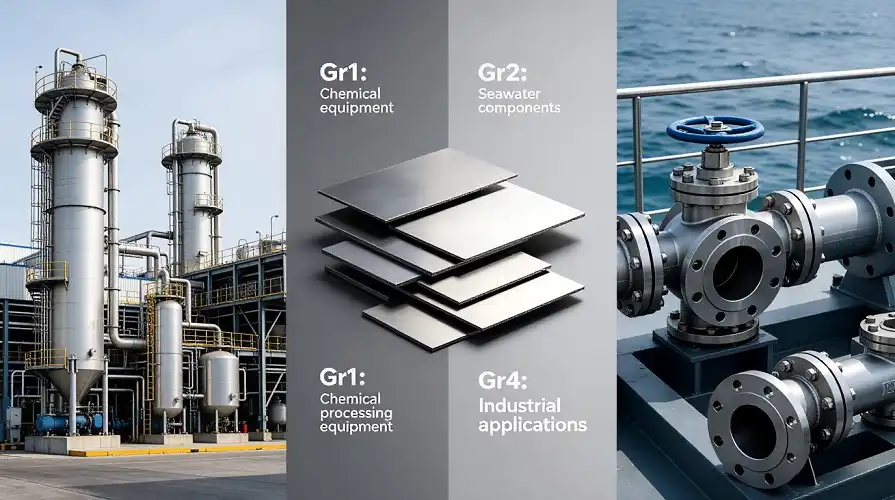
Grade 1 offers maximum ductility and formability, ideal for complex deep-drawing operations in chemical processing equipment where moderate strength suffices. Grade 2 balances strength and corrosion resistance, serving as the default choice for industrial heat exchangers and marine components exposed to seawater. Grade 4, with higher oxygen content, delivers enhanced strength without sacrificing corrosion performance, finding use in airframe components and desalination plants. These grades maintain oxygen levels between 0.18% and 0.40%, directly correlating with their hardness and tensile properties.
High-Strength Alloys: Gr5 and Gr9
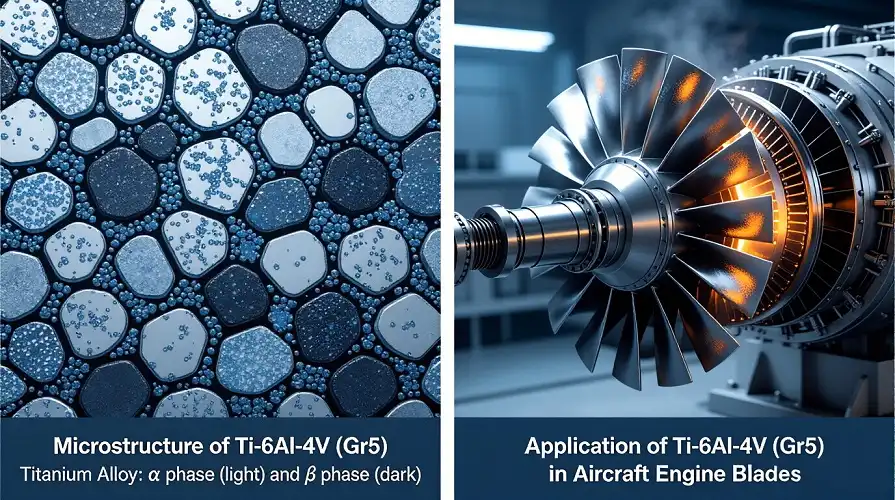
Because it offers an exceptional strength-to-weight ratio, Grade 5 (Ti-6Al-4V) is most often used in aerospace and high-performance applications. Its dual-phase microstructure—alpha grains embedded in a beta matrix—provides fracture toughness and fatigue resistance essential for landing gear, turbine blades, and pressure vessels cycling through thermal extremes. Grade 9 (Ti-3Al-2.5V) occupies a middle ground, delivering 70% of Grade 5's strength at a reduced cost, making it attractive for hydraulic tubing and bicycle frames where weight reduction is critical but peak performance is negotiable.
Corrosion-Resistant Grades: Gr7 and Gr12
Because 0.12% to 0.25% palladium is added to Grade 7, it is much more resistant to crevice corrosion in hot halide environments such as flue gas desulfurization systems. Chemical plants handling wet chlorine gas or hypochlorite solutions specify Grade 7 to avoid catastrophic pitting that plagues stainless steel. Grade 12 (Ti-0.3Mo-0.8Ni) achieves similar corrosion immunity through molybdenum and nickel alloying, offering a cost-effective alternative where palladium premiums are prohibitive. Both grades maintain the formability of commercially pure titanium while extending service life in aggressive media by 3–5 times compared to Grade 2.
Production Processes Impacting Titanium Alloy Plates Quality
Manufacturing methodology profoundly influences microstructure uniformity, surface integrity, and dimensional accuracy—all direct determinants of end-use performance.
Hot Rolling and Annealing Techniques
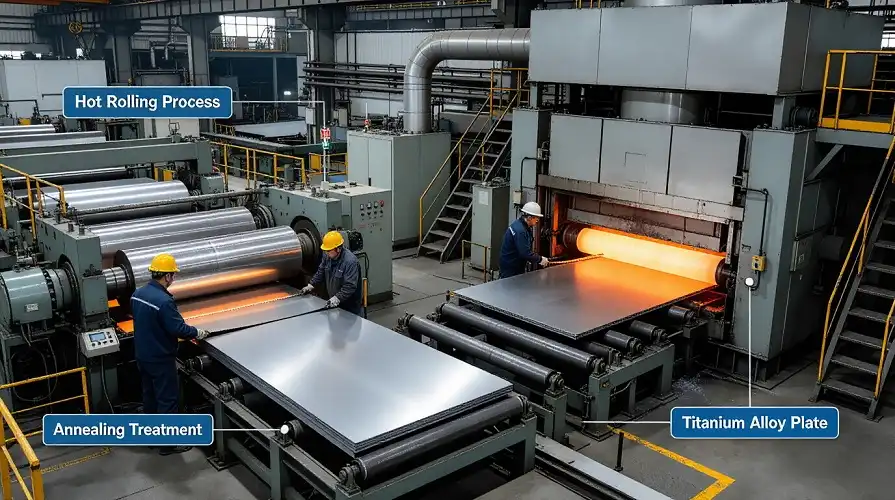
The grain structure is refined by hot rolling at temperatures between 850°C and 950°C, achieving target thickness ranges from 4 mm to 80 mm. The ingot thickness is gradually reduced through precision mills while maintaining width tolerances for titanium alloy plates within ±5 mm for plates spanning 950–2500 mm. Annealing heat treatment follows rolling, stress-relieving the material, and homogenizing the microstructure to eliminate residual stresses that could trigger warping during machining. Controlled cooling rates prevent unwanted phase transformations, preserving the ductility required for subsequent forming operations.
Surface Treatment and Finishing Methods
Acid pickling removes surface scale and alpha-case—an oxygen-enriched brittle layer formed during hot working—exposing clean base metal essential for welding and adhesive bonding. Machining operations generate tight dimensional tolerances and flatness specifications critical for bolt-hole alignment in structural assemblies. Polished finishes reduce surface roughness to Ra values below 0.8 μm, minimizing bacterial adhesion on medical implants and facilitating cleaning in food-grade equipment. Each surface treatment method introduces unique benefits: pickled plates suit general industrial use, machined plates accommodate precision fittings, and polished plates meet hygienic or aesthetic requirements.
Quality Control Throughout Manufacturing
In-process inspections at Baoji Jucheng Titanium Industry catch deviations before they propagate through production. Optical emission spectroscopy verifies the chemistry on each heat, tensile specimens undergo testing per ASTM E8, and ultrasonic scanning maps internal defects larger than 1.5 mm in diameter. Statistical process control charts track dimensional drift across rolling campaigns, triggering corrective action when trends approach specification limits. This multi-layered surveillance system ensures that plates leaving the factory floor consistently meet ASTM B265 and AMS 4911 benchmarks.
Comparing Titanium Alloy Plates with Other Metals in Quality and Performance
Material selection demands objective performance comparison against alternative metals, weighing strength, corrosion behavior, and lifecycle cost.
Titanium vs. Stainless Steel
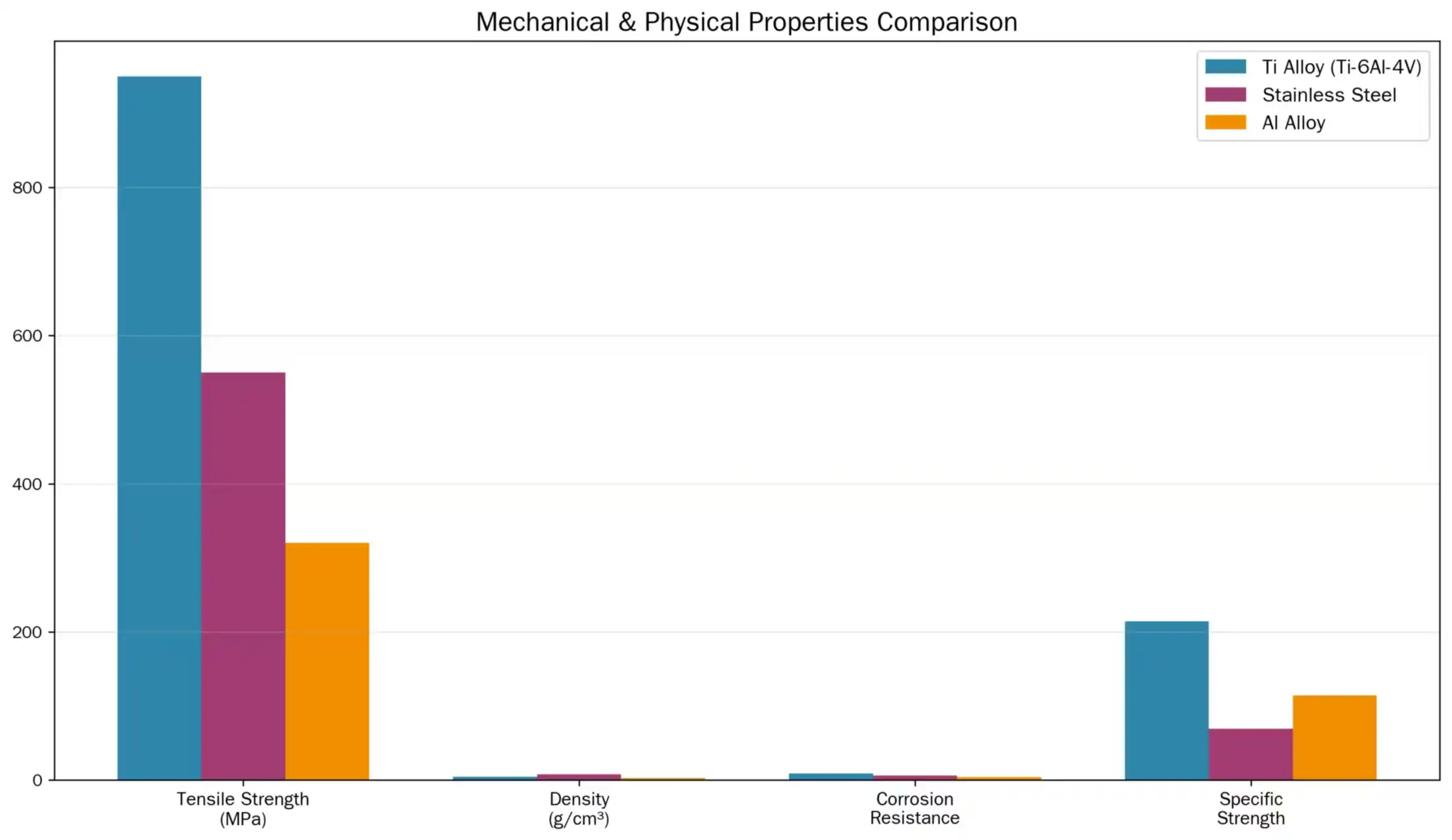
Some types of stainless steel, like 316L, offer lower upfront costs but suffer localized corrosion in chloride environments, requiring frequent replacement in marine or chemical processing roles. Titanium alloy plates eliminate this failure mode entirely, maintaining passive oxide films even in hot acidic solutions where stainless steel experiences rapid pitting. Weight savings reach 45% for equivalent strength, translating to fuel efficiency gains in aerospace structures or reduced foundation loads in offshore platforms.
Titanium vs. Aluminum and Nickel Alloys
Aluminum alloys provide density advantages but cannot tolerate temperatures above 200°C without creep deformation, limiting their use in engine components. Nickel-based superalloys withstand higher temperatures than titanium but carry density penalties that negate weight benefits in airframe applications. Titanium occupies the performance sweet spot between 250°C and 600°C, offering thermal stability unattainable with aluminum and weight reduction impossible with nickel, explaining its dominance in turbine compressor stages and heat exchanger bundles.
Long-Term Durability and Environmental Resilience
Field data from chemical plants shows titanium heat exchangers operating for 20+ years with minimal maintenance, contrasting with stainless steel units requiring tube bundle replacement every 5–7 years due to stress corrosion cracking. Offshore oil platforms using titanium riser components report zero galvanic corrosion incidents compared to catastrophic failures in carbon steel sections. These real-world performance records validate the material premiums associated with titanium, justifying higher initial investments through extended service intervals and eliminating downtime costs.
Ensuring Quality Compliance in Procurement and Usage
Procurement rigor determines whether titanium alloy plates meet design intent or introduce latent defects that compromise system integrity.
Supplier Certification and Verification
Reputable manufacturers maintain ISO 9001 quality management systems and industry-specific credentials such as PED (Pressure Equipment Directive) for European markets or CRN (Canadian Registration Number) for pressure vessels. Material test reports must include heat numbers traceable to the ingot origin, chemical analysis results, mechanical test data, and non-destructive examination records. Independent third-party inspection services like TÜV or Lloyd's Register provide verification, catching discrepancies between claimed and actual properties before shipment.
Batch Testing and Documentation Review
Incoming inspection protocols verify dimensions against purchase order specifications using calibrated micrometers and flatness gauges. Hardness testing confirms annealing effectiveness, with Rockwell B values typically ranging from 70–85 for annealed Grade 5. Ultrasonic thickness mapping detects thinning or laminations missed during production screening. Archiving these records creates audit trails supporting failure investigations or regulatory inquiries years after installation.
Post-Purchase Handling and Storage Best Practices
Titanium's reactivity with carbon steel necessitates isolated storage on wooden or polymer racks to prevent galvanic contamination. Protective interleaf paper prevents galling during stacking, preserving surface finish quality until machining. Controlled humidity environments inhibit moisture absorption that could introduce hydrogen during welding, a particular concern for thin-gauge medical-grade material. Proper material handling extends shelf life and maintains certifications, protecting the investment in premium materials.
Working with a supplier maintaining 3,000 tons of inventory year-round eliminates lead time bottlenecks. Baoji Jucheng Titanium Industry stocks plates across all standard grades and thicknesses, enabling rapid fulfillment of urgent project requirements while offering customization for non-standard dimensions up to 10,000 mm in length. This combination of inventory depth and production flexibility addresses both emergency replacements and planned construction schedules, reducing supply chain risk for critical path items.
Conclusion
The quality standards for titanium alloy plates encompass international specifications like ASTM B265 and AMS 4911, grade-specific mechanical and chemical benchmarks, and rigorous production controls spanning hot rolling, annealing, and surface finishing. These frameworks ensure material consistency across aerospace structural components, chemical processing equipment, and biomedical implants. Understanding the distinctions between commercially pure grades (Grade 1, Grade 2, Grade 4) and high-strength alloys (Grade 5, Grade 9, Grade 12) enables informed procurement decisions balancing performance requirements against cost constraints. Supplier certifications, batch testing protocols, and proper handling practices collectively safeguard material integrity from mill to installation, maximizing lifecycle value in demanding applications.
Frequently Asked Questions
1. What is the difference between ASTM B265 and AMS 4911 standards?
ASTM B265 establishes baseline requirements for general industrial titanium plates covering chemistry, mechanical properties, and dimensions. AMS 4911 imposes tighter tolerances on surface finish, internal defect size, and traceability documentation specifically for aerospace applications. Aerospace-grade plates undergo more stringent non-destructive testing and lot segregation to meet AMS 4911's heightened quality thresholds.
2. How do I verify the authenticity of material test reports?
Cross-reference heat numbers on MTRs with markings stamped on physical plates. Contact the issuing mill directly to confirm report legitimacy using their verification hotline or online portal. Third-party inspection agencies can audit supplier facilities, reviewing original test records and sampling inventory to validate claimed properties against actual performance.
3. Can titanium alloy plates be customized for non-standard dimensions?
Most manufacturers accommodate custom sizes beyond catalog offerings. Baoji Jucheng Titanium Industry produces plates with thicknesses from 4 mm to 80 mm, widths reaching 2,500 mm, and lengths extending to 10,000 mm, supporting unique design requirements for specialized equipment or retrofit projects where standard stock dimensions cannot satisfy geometric constraints.
Partner with Jucheng Titanium for Certified Titanium Alloy Plates
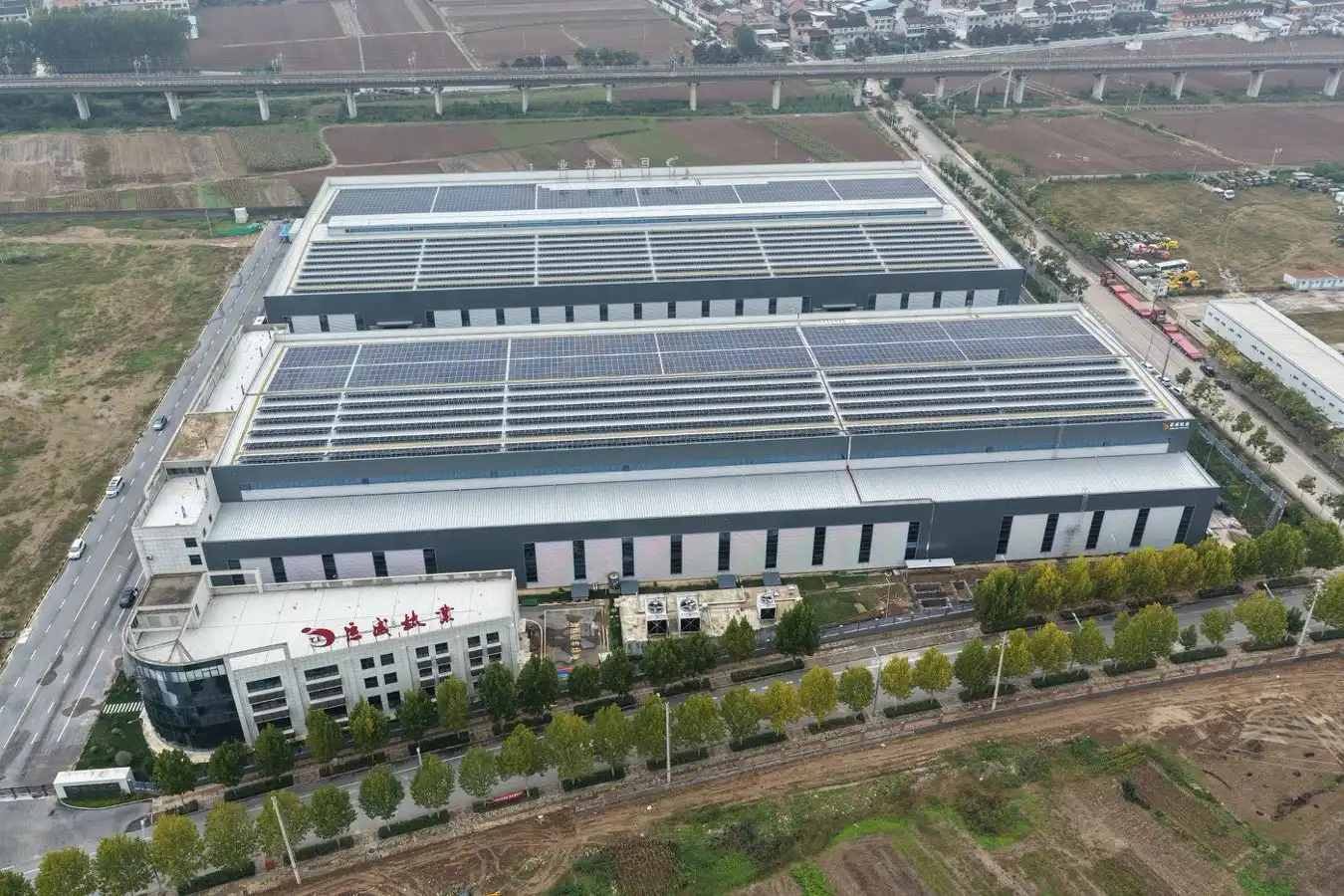
Baoji Jucheng Titanium Industry brings over 20 years of proven expertise as a leading manufacturer of titanium alloy plates, serving aerospace contractors, chemical processors, and medical device companies across North America. Our ASTM B265 and AMS 4911 certified plates undergo full-spectrum testing, including ultrasonic inspection and mechanical property validation, backed by complete traceability documentation. With 3,000 tons of inventory covering Gr1 through Gr12 in hot-rolled, annealed conditions and multiple surface finishes—polished, machined, or acid pickled—we deliver rapid fulfillment without compromising quality. Our engineering team collaborates on custom specifications, leveraging 41 utility model patents and partnerships with research institutions to solve complex material challenges. Contact us at s4@juchengti.com to discuss your project requirements and experience the reliability that has earned us over 70% market share in hydrometallurgical applications and recognition as a national-level specialized enterprise.
References
1. American Society for Testing and Materials. (2020). Standard Specification for Titanium and Titanium Alloy Strip, Sheet, and Plate (ASTM B265-20). West Conshohocken, PA: ASTM International.
2. SAE International. (2018). Titanium Alloy Sheet, Strip, and Plate 6Al-4V Annealed (AMS 4911H). Warrendale, PA: SAE International.
3. American Society of Mechanical Engineers. (2019). Specification for Titanium and Titanium Alloy Plate, Sheet, and Strip for Pressure Vessels (ASME SB-265). New York, NY: ASME Press.
4. International Organization for Standardization. (2016). Implants for Surgery — Metallic Materials — Part 3: Wrought Titanium 6-Aluminium 4-Vanadium Alloy (ISO 5832-3:2016). Geneva, Switzerland: ISO.
5. Lütjering, Gerd, and James C. Williams. (2007). Titanium: Engineering Materials and Processes (2nd ed.). Berlin, Germany: Springer-Verlag.
6. Donachie, Matthew J. (2000). Titanium: A Technical Guide (2nd ed.). Materials Park, OH: ASM International.