
Different Types of Titanium Sheets & Plates
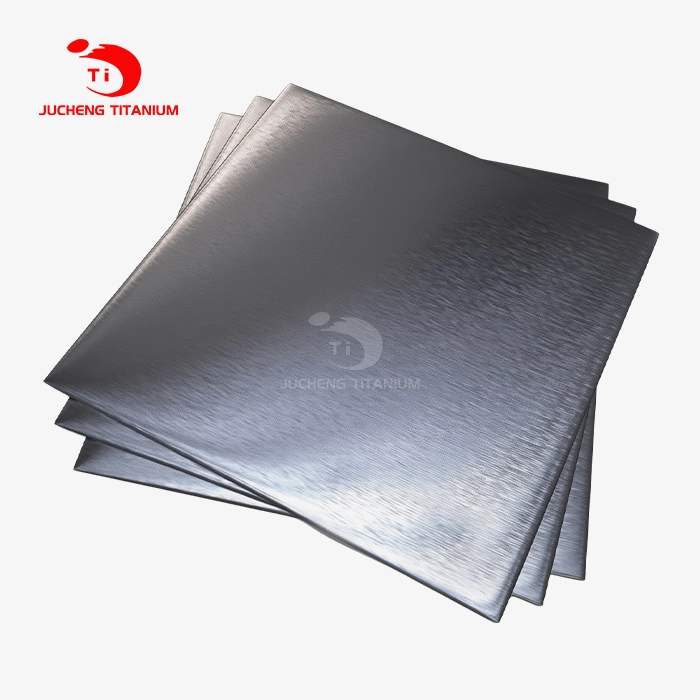
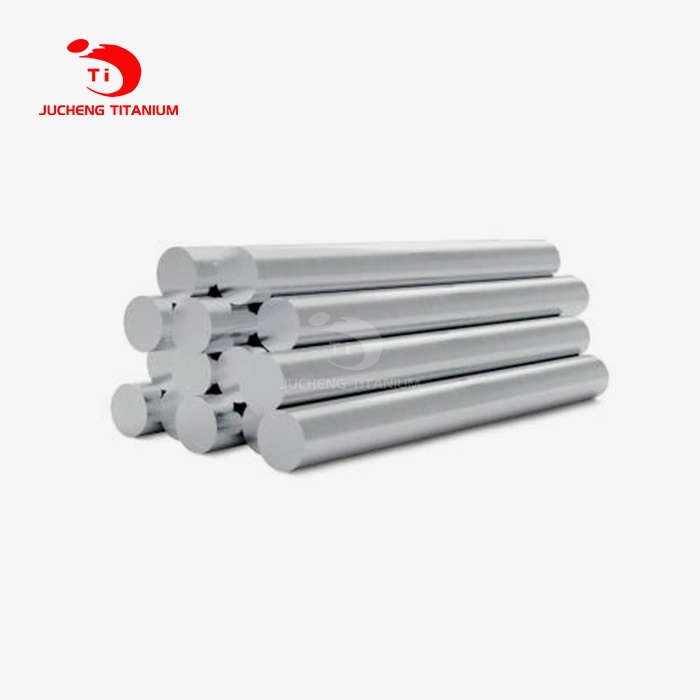
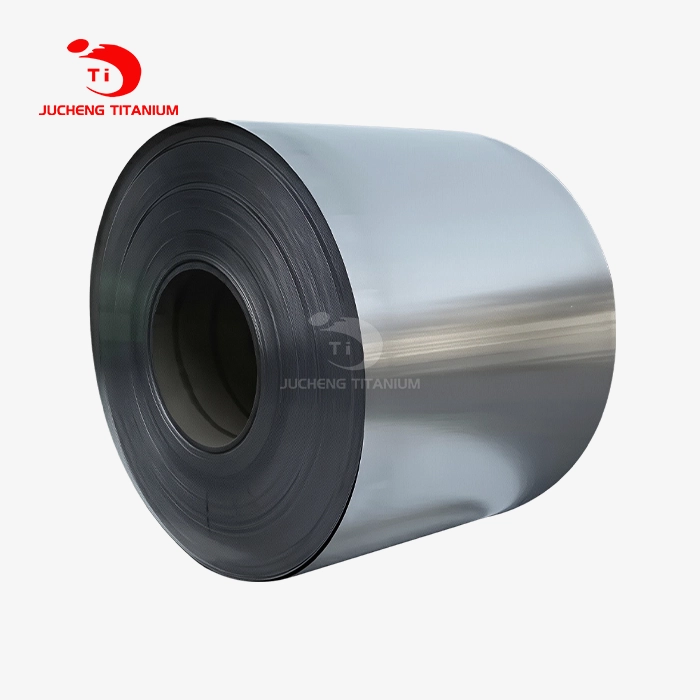
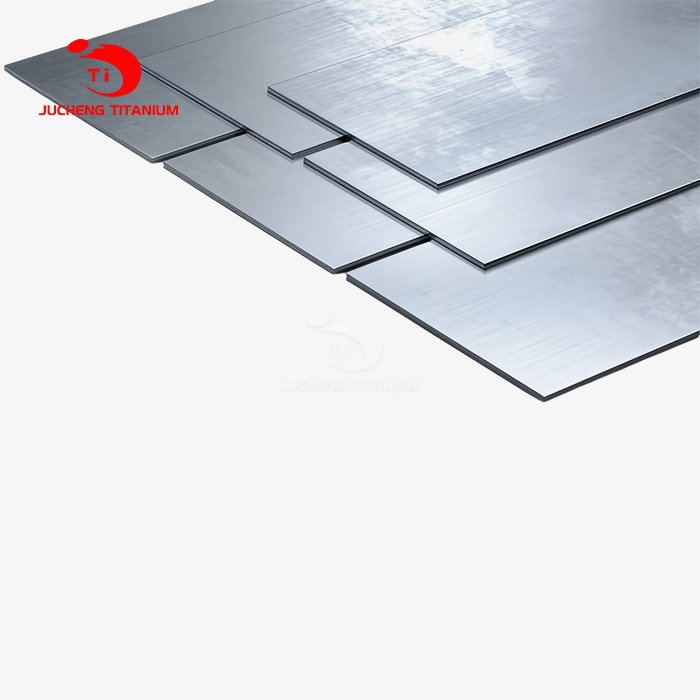
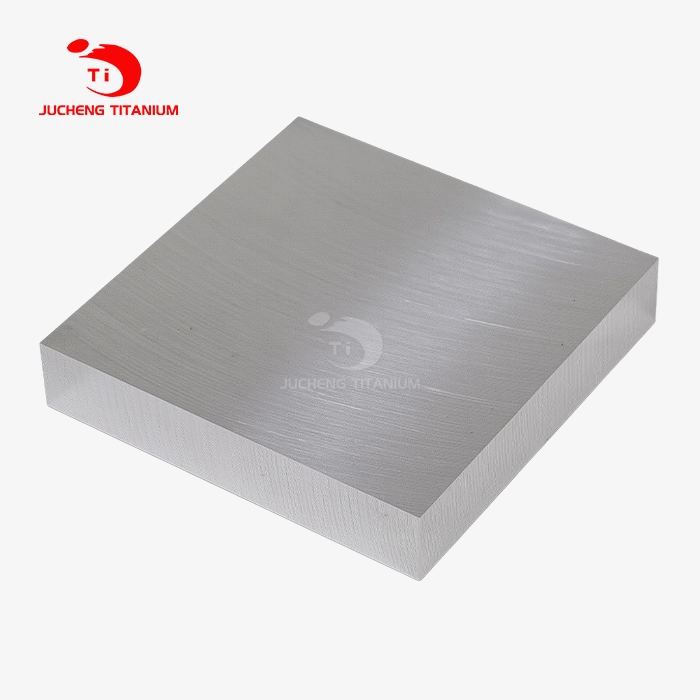
Flat-rolled mill goods that range in thickness from about 0.5 mm to 80 mm or more are what we mean when we talk about titanium sheets and plates. Most titanium sheets are between 0.5 mm and 4.75 mm thick. Items that are bigger than this are called plates. Commercially pure (CP) titanium or special titanium alloys are used to make these things. They were made to solve important problems in many fields, like getting rid of failures caused by corrosion in chemical processes, making aircraft structures lighter without sacrificing strength, and making medical devices that meet biocompatibility standards. When people who work in buying know about the different kinds, they can pick the grade and level of material that best meets their needs.
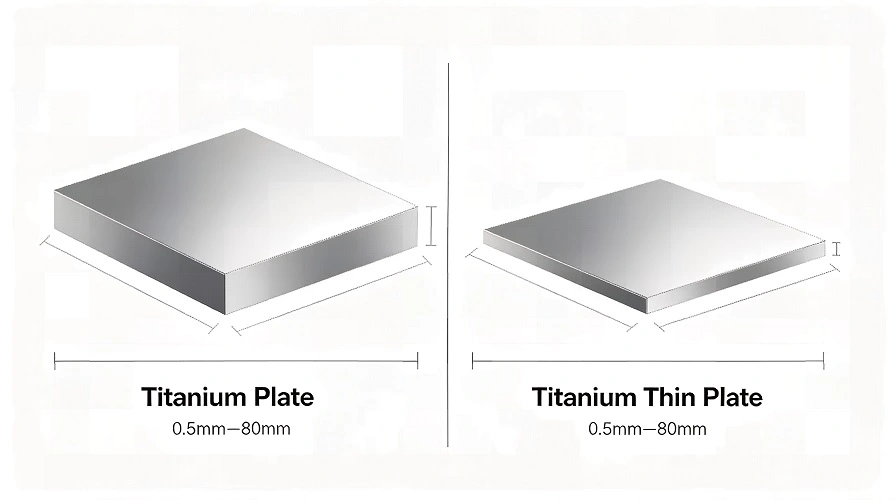
Understanding Different Types of Titanium Sheets & Plates
To pick the right titanium material, you need to know about the different grades, how it is made, and what sizes are needed. Each version is made to work in a certain way to meet the goals of a certain industry.
Titanium Sheet Grades and Their Unique Properties
Materials made of titanium are picked based on their market quality and types that have been alloyed. You can shape Grade 1 the most easily because it is the softest. Because it is very flexible and easy to weld, it works great for deep drawing in chemical processing equipment. It is most often used in Grade 2 because it is the best mix of strength and formability. It is used for everything, from covering buildings to things in the sea.
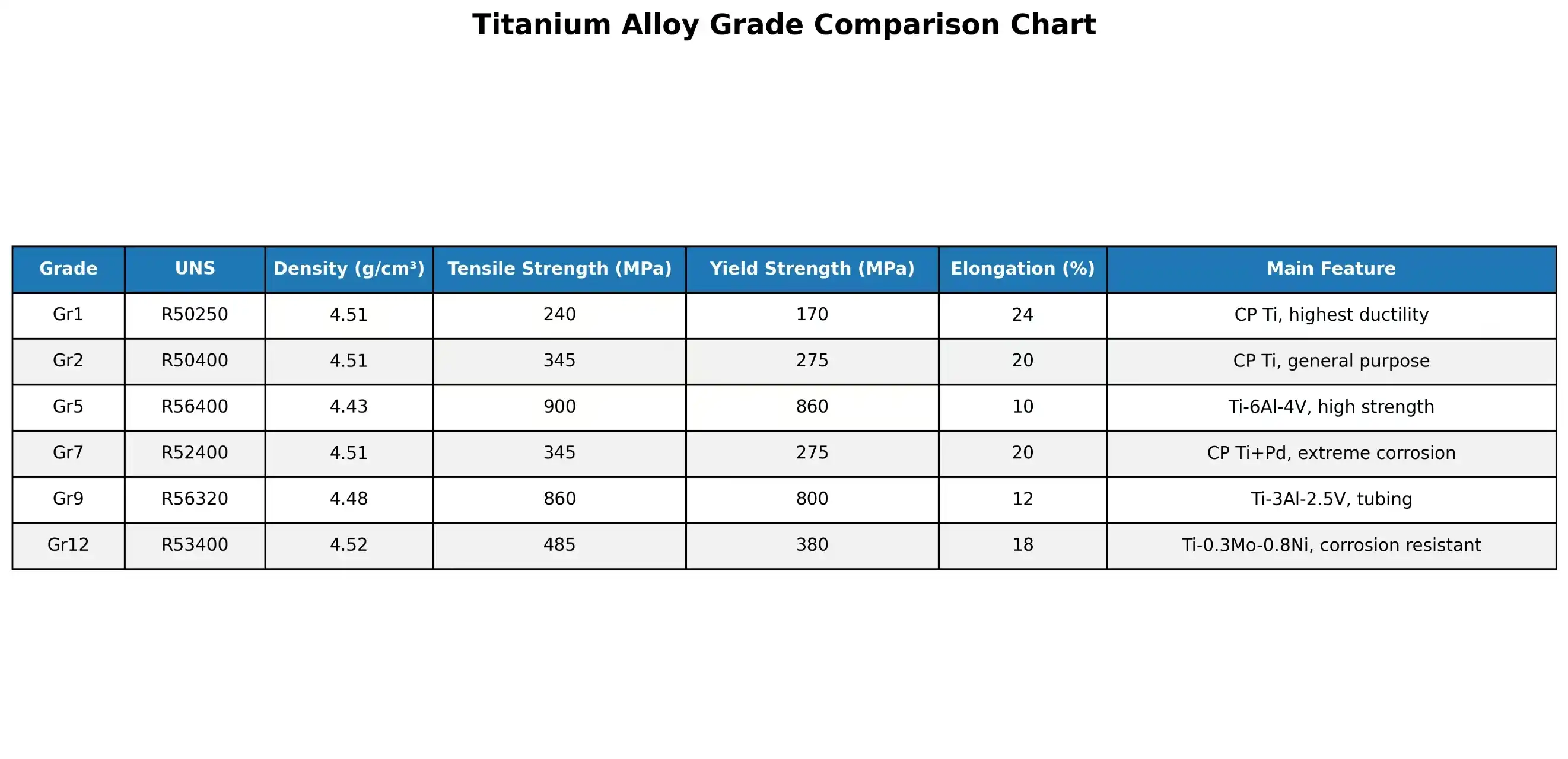
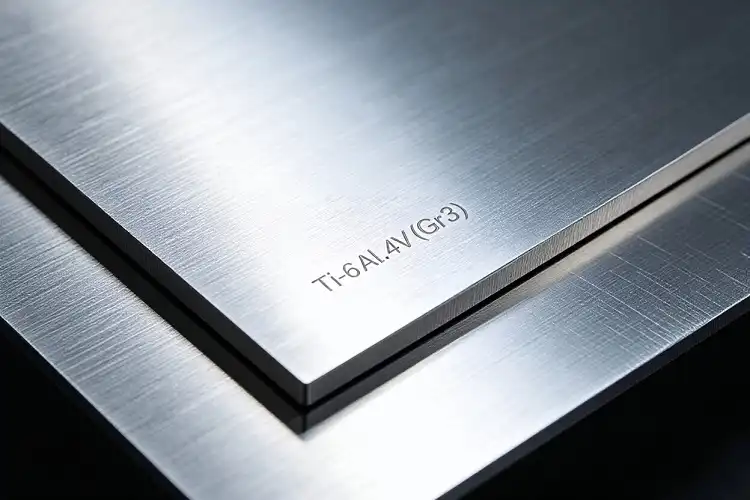
Most titanium alloys are Grade 5 (Ti-6Al-4V). It's almost twice as strong when pulled apart as other pure grades. This alpha-beta metal is great for making medical devices and strong parts for aerospace. Palladium is added to Grade 7 to make it less likely to rust in places with reducing acids. This is very helpful for chemical plant equipment that comes into contact with sulfuric or hydrochloric acid. This is Grade 9 (Ti-3Al-2.5V), a cheap metal that can be cold-bent very well. It's often used for bicycle frames and hydraulic lines. Because it has molybdenum and nickel in it, Grade 12 is very resistant to crack corrosion in hot chloride solutions. Because of this, it can handle problems better that come up a lot in the desalination and pulp bleaching processes.
Manufacturing Processes That Define Performance
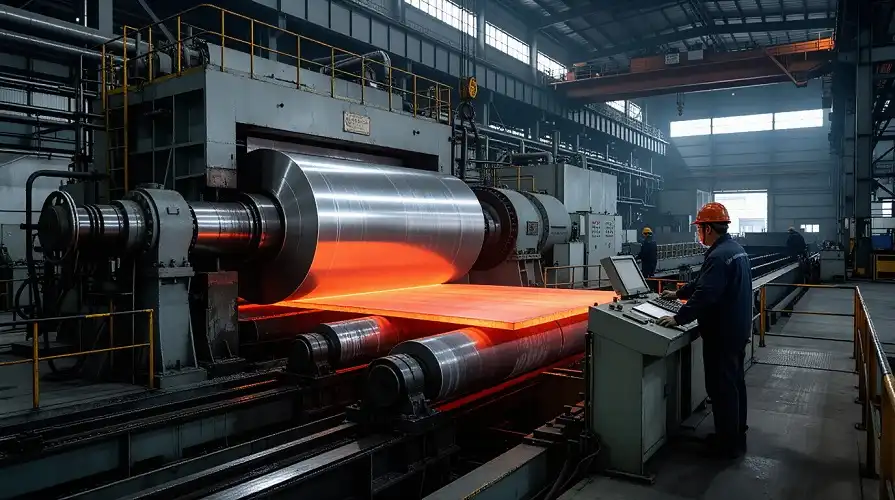
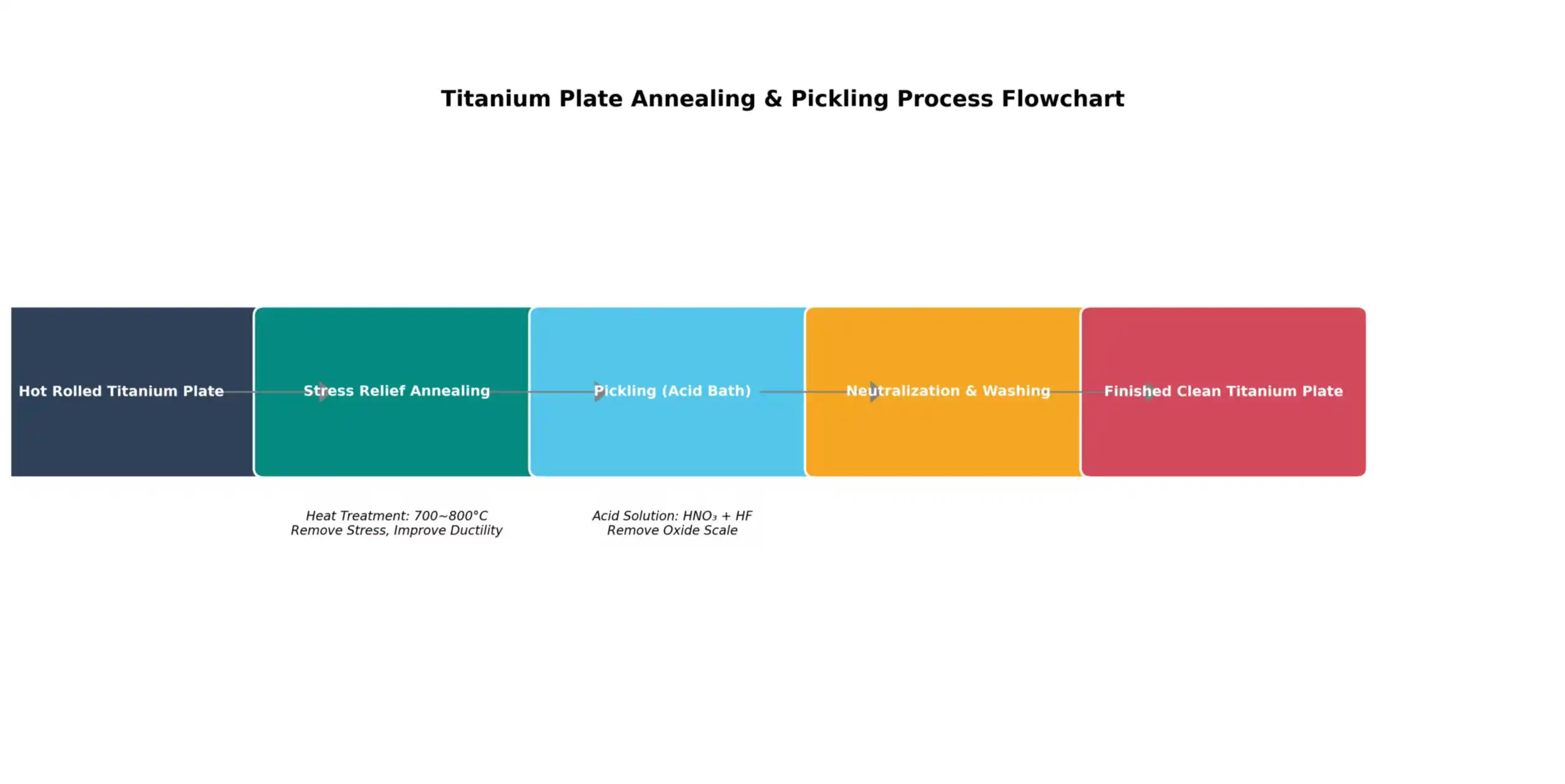
What makes the object what it is and how well it works in different scenarios depend on how it was made. Hot rolling heats titanium bars above 900°C before they go through reduction mills, which make plates with a thickness of 4 mm to 80 mm. This method keeps the grain structure that is good for high-strength uses and lets you make bigger pieces for less money.
The annealing heat treatment gets rid of any stresses that built up inside the material while it was being made. It also smooths out the grain so that it is as flexible as possible. Materials meet strict flight standards like ASTM B265 and AMS 4911 when they are annealed. This is because they have similar mechanical properties and are easier to work with. Pickling gets rid of surface rust by using hydrofluoric and nitric acid liquids to treat it chemically. This makes the surface smooth and free of oxides, which makes the material more resistant to rust and ready for more work. When you level rolled sheets, you can make them flat within very small errors. This is important for precise manufacturing and automatic production processes that need accurate measurements.
Dimensional Specifications and Custom Sizing Options
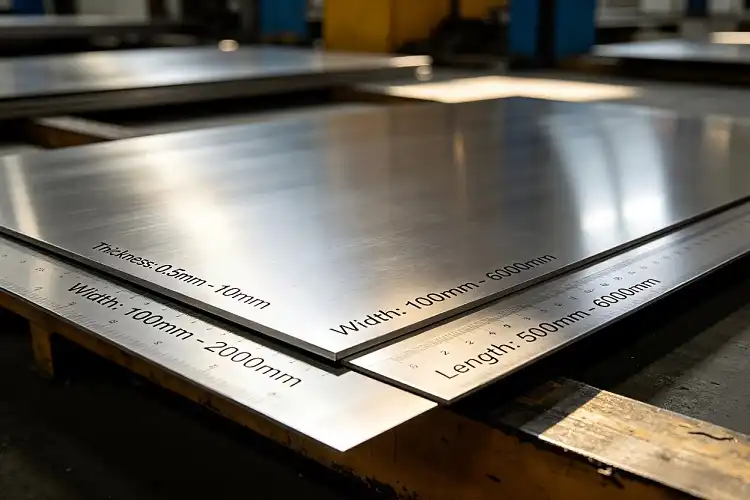
Standard Jucheng Titanium titanium sheet and plates can be anywhere from 4 mm to 80 mm thick, 950 mm to 2500 mm wide, and 1000 mm to 10,000 mm long. These sizes can be used to make a lot of different things, from small medicines to big tanks for chem,ical reactions. Being able to choose the right size for each job cuts down on waste and extra work that needs to be done on the machine. Picking the right width makes a direct difference in how well the building works. For corrosion barriers and light enclosures, thinner sizes work best. Heavier plates, on the other hand, are better for pressure tanks and airplane bulkheads because they can hold more weight.
Key Properties & Benefits of Titanium Sheets for Industrial Use
When businesses buy things, they choose the best products based on how well they work and how much money they save over time.
Superior Corrosion Resistance in Aggressive Environments
A stable, self-healing oxide layer forms on titanium, which guards against chloride-induced stress corrosion cracking. This is the main way that stainless steel 316 fails in chemical and marine settings. When the pH level goes from 1 to 14, this passive film doesn't change. It can be used for decades in acidic process lines, where other metals tend to wear out quickly. Marine water was used to test commercially pure titanium, and the rate of rust was less than 0.0025 mm per year. But stainless steel can rust and pit in millimeters in just a few months.
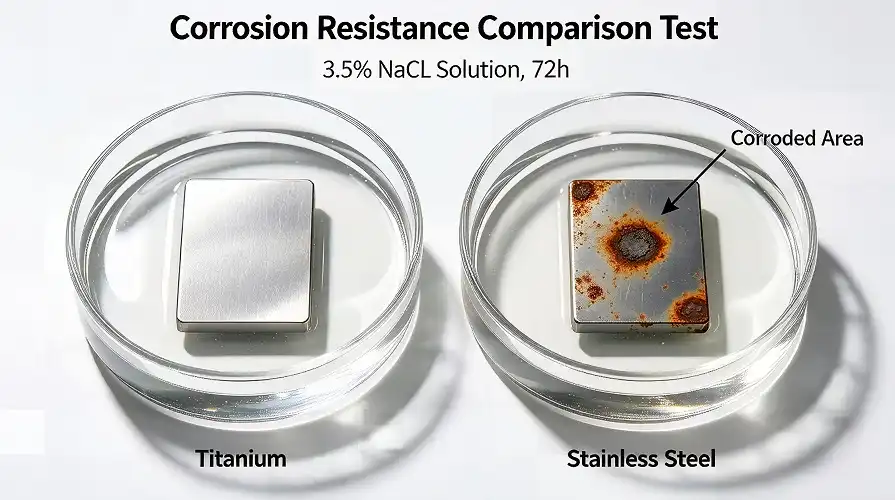
Plants that process chemicals say that titanium heat exchangers last more than 25 years before they break. In other words, they don't need to be fixed up as often or break down when you least expect it, unlike other materials. Titanium is strong because it doesn't combine with oxidizing acids, organic substances, or solutions that contain chlorine. These things break down carbon steel and many nickel metals very fast.
Exceptional Strength-to-Weight Performance
When stretched, titanium alloys can hold their shape like many types of steel. However, they are only 4.5 g/cm³ dense, which is only 55% of the density of steel and 60% of the density of aluminum. This mix lets you cut down on weight without changing the structure. This is especially helpful in aerospace, where losing just one kilogram saves fuel and makes it possible to carry more. Ti-6Al-4V has compressive strengths of more than 900 MPa after being handled. This is the same as high-strength steels but much lighter.
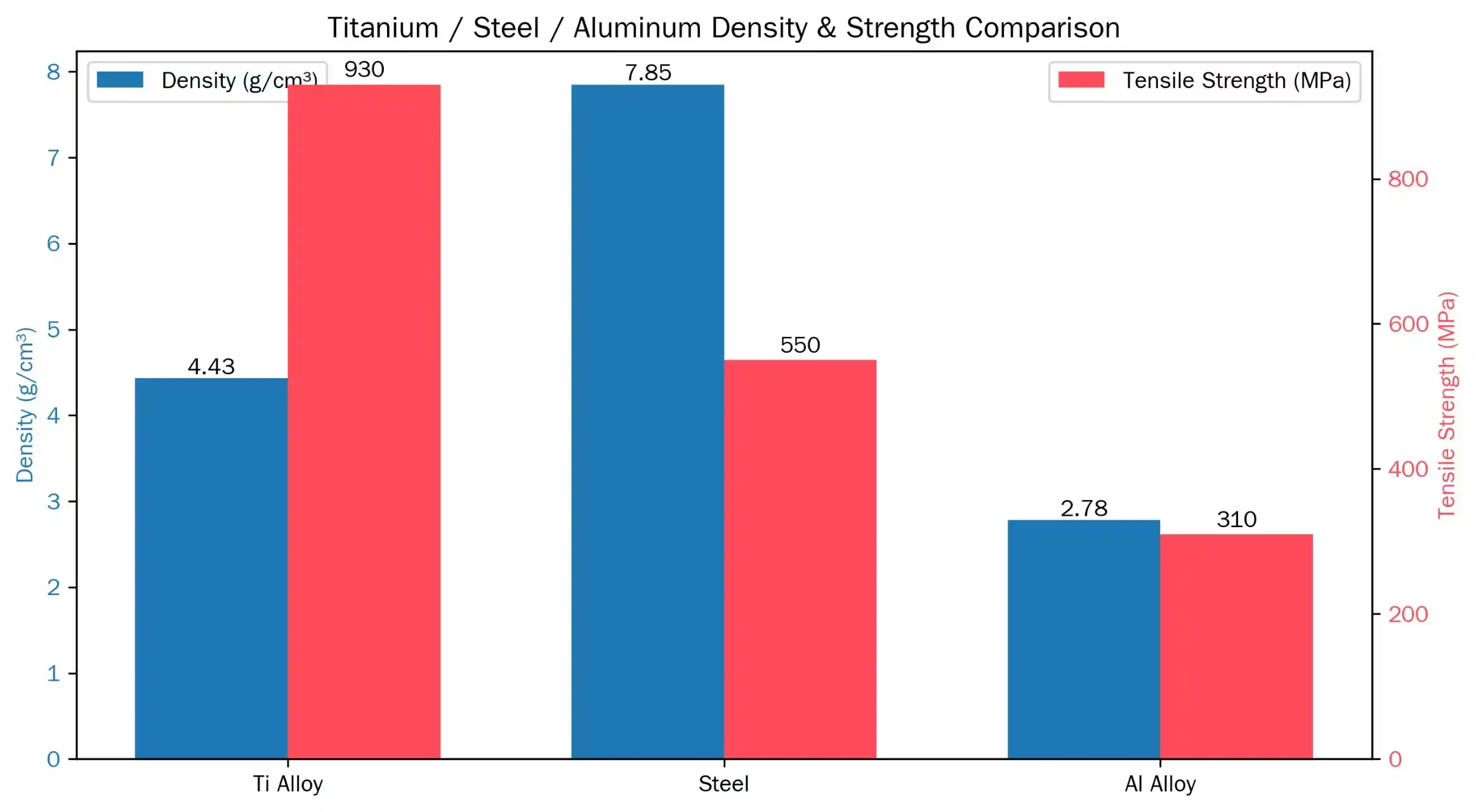
It is possible to make pressure tanks with thinner walls because the titanium sheet material has a high specific strength. This makes the gear smaller and simpler to set up. Aerospace companies use this feature to make the airframe lighter, which saves up to 15% on fuel compared to standard aluminum structures and makes them less likely to break down over time.
Temperature Stability and Heat Resistance
Titanium keeps its tensile properties up to 600°C, which is very cold. Aluminum alloys soften above 150°C, but this one does not. It's almost as good at resisting heat as nickel-based superalloys, but it costs a lot less. This thermal stability is very important for parts of car exhaust systems, airplane engines, and industrial heat exchanges. How long a part lasts depends on its ability to handle changes in temperature and rust.
When stainless steel is heated to high temperatures, carbides form and rust forms between the grains. Titanium, on the other hand, doesn't break down and keeps its protective oxide layer. In chemical processing equipment that works at temperatures between 200°C and 400°C, titanium always does a good job. You don't have to worry about the metal being weak or breaking under stress, as you do with some others.
Titanium Sheets vs Other Metal Sheets – Making the Right Choice
Before making a buy, it's important to fairly weigh the pros and cons of each option's performance, starting costs, and long-term costs.
Performance Advantages Over Stainless Steel
Most of the time, stainless steel 316L doesn't rust, but it fails terribly in chloride temperatures above 60°C. This is exactly where titanium shines. For naval uses like heat exchangers, condenser tubes, and offshore platform parts, titanium lasts for 20 years. Stainless steel, on the other hand, only lasts for 3–5 years before it needs to be changed. It makes up for the 300–400% rise in the cost of supplies at the start by not needing as much maintenance, having less downtime, and being able to run for longer. Many problems occurred with stainless steel, so chlor-alkali plants all over the world moved to titanium anodes and cell parts. This has helped them keep making chlor-alkali for decades.
Weight and Corrosion Trade-offs with Aluminum
Even though aluminum metals are the lightest (2.7 g/cm³), they rust more easily and don't work well when it's hot. Aluminum gets galvanic rust when it is in the ocean with other metals that are not the same. It also needs protective layers that wear off over time. There is no need to coat the titanium sheet or think about galvanic rust because it is naturally passive. Even though it costs more, this makes it the best cloth for being in the ocean. It is being used more and more in aircraft for structural parts near engines and in hot places where 150°C isn't enough for aluminum.
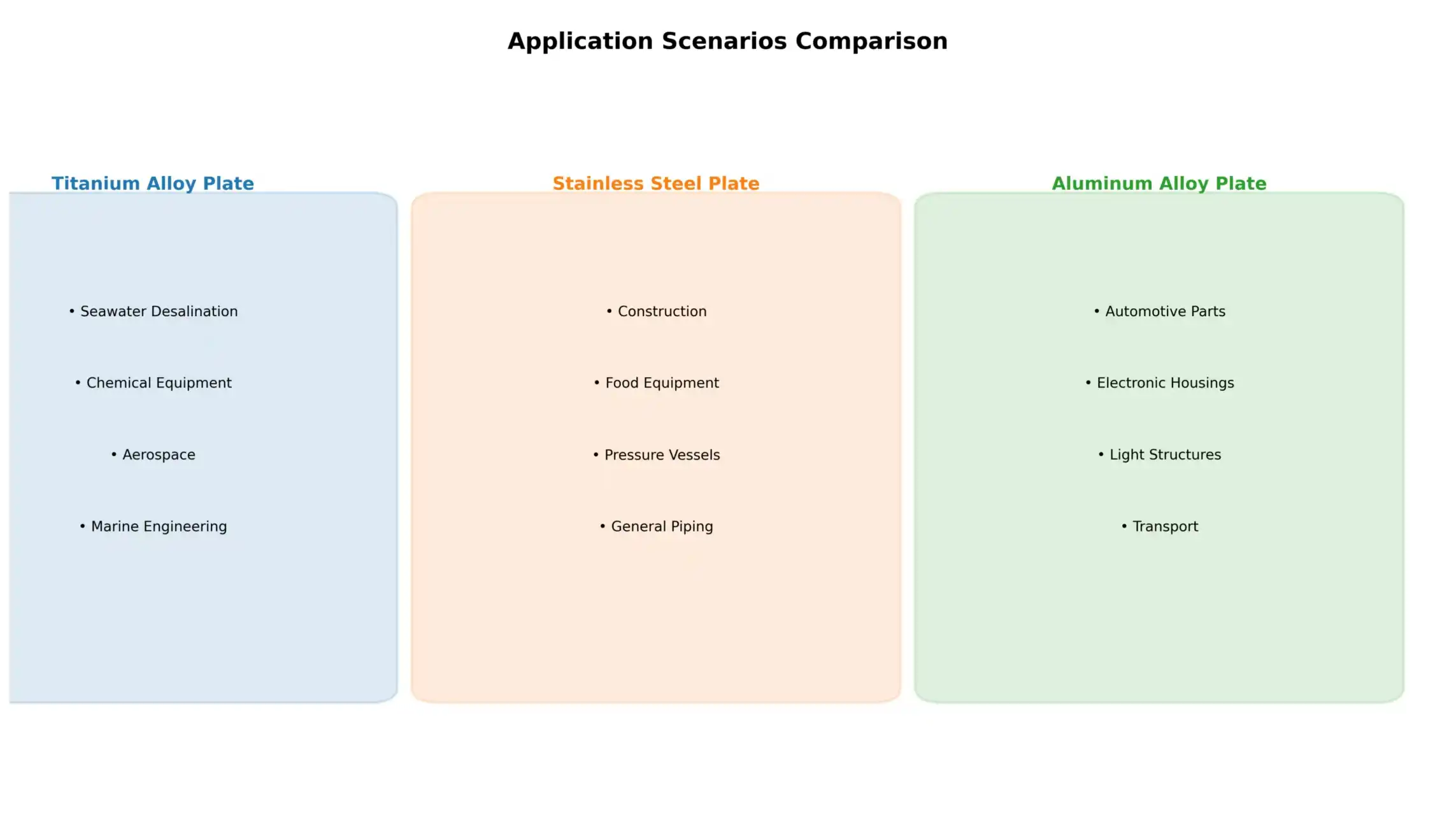
Grade Selection for Industry-Specific Requirements
For inside devices, medical device makers need ELI materials that are either Grade 2 or Grade 5 and follow the biocompatibility standards set out by ASTM F67 and F136. For orthopedic implants that are loaded and unloaded a lot, Grade 5 ELI is better at withstanding stress. On the other hand, Grade 2 ELI is better for dentistry and surgery tools that need to be very bendable. In aircraft standards, Grade 5 is generally needed for structural parts and landing gear. The higher cost is due to the fact that Grade 5 is very strong. Grade 2 is for less important jobs like fairings and ducts. Chemical plants pick Grade 7 or Grade 12 when they need to work with reducing acids or hot salt brines that are too strong for commercially pure grades.
Practical Applications of Different Titanium Sheets in Key Industries
Different types of use cases show how the properties of a material can be used to make things run better and save money in many areas.
Aerospace and Defense Applications
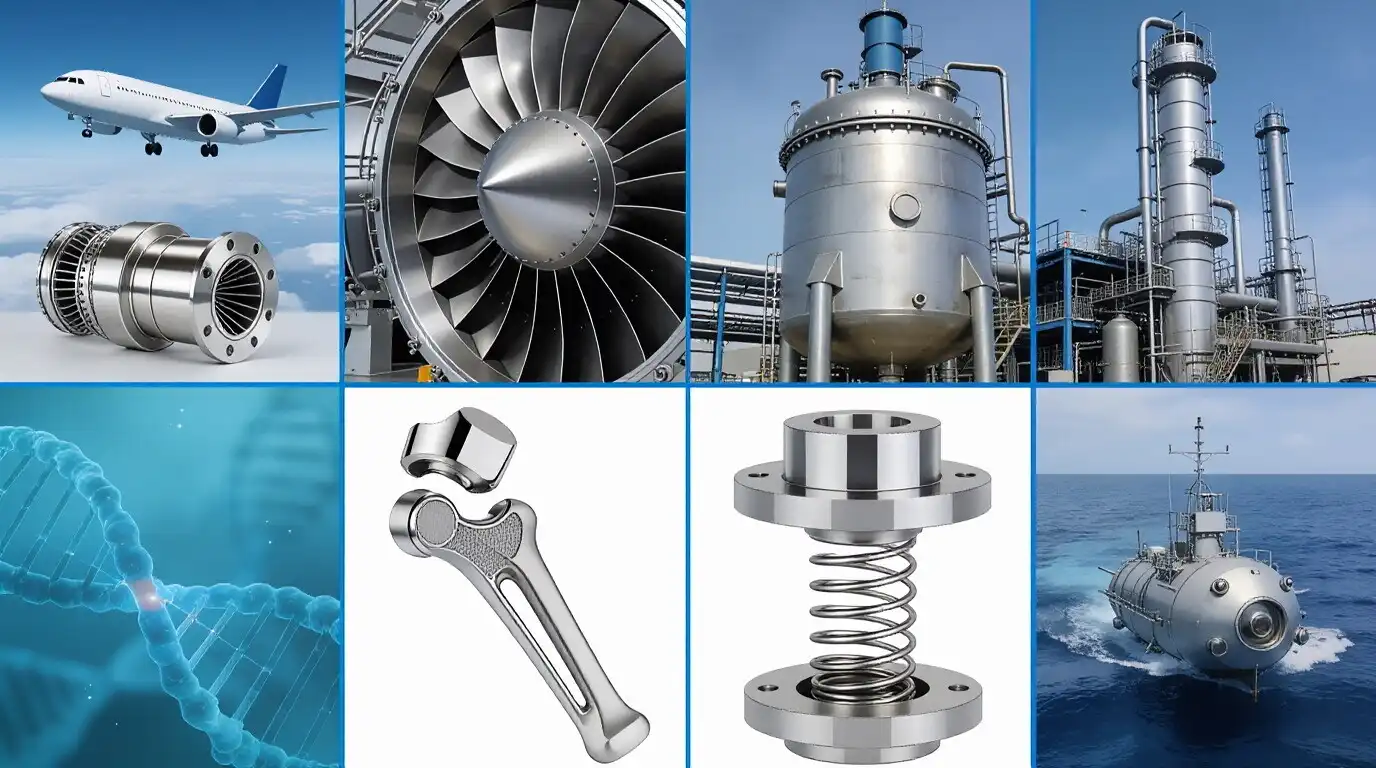
Manufacturers of airplanes use Grade 5 titanium sheet for parts of the wings, the landing gear, and the cabin. These parts' strength-to-weight ratio has a direct effect on how much fuel they use and how much weight they can pull. Titanium is good for engine nacelles and exhaust parts that are used in hard temperatures because it doesn't rust or get hot. Titanium is used in defense for protection and military ships because it doesn't rust in salt water. It will last for decades without breaking. It is better for helicopter rotor hubs and parts to be made of steel than aluminum when they have to be loaded and emptied many times.
Medical Device Manufacturing
Grade 5 ELI and Grade 23 titanium sheets are used to make medical implants because they are safe and strong enough for bone fixation plates, hip stems, and systems that fuse the spine. When stainless steel implants are put in, they can cause inflammatory reactions and problems with osseointegration. This material's neutral oxide layer stops these problems. Butts and frames for dental implants are made of Grade 2 titanium, which is easy to shape and has been shown to be stable in the mouth for a long time. Commercially pure types are used to make retractors, forceps, and sterilizable tool sets that don't rust even after being autoclaved many times.
Chemical Processing and Petrochemical Equipment
Heat exchanger manufacturers use titanium tubes and tube sheets to cool down seawater, salty process streams, and fuels that have been treated. It doesn't cause galvanic rust when mixed with other metals, and it doesn't pit when it's still, which is something stainless steel does not do. Titanium coating on carbon steel plates used to cover reactor vessels keeps them from rusting for a lot less money than making them with solid titanium. Titanium is strong and doesn't mix with chemicals. This makes it useful for distributing plates and column packing supports in processes like distillation and absorption that use acidic feeds.
Marine and Desalination Systems
In plants that remove salt from saltwater, titanium is used for evaporator tubes and condenser shells because it can handle the hot brine that wears down copper-nickel and stainless steel more quickly. Offshore platform workers choose structural parts, flowlines, and lifts made of titanium because they are strong and don't rust. This is important for safety and cost reasons. Naval engineers are making more and more things out of titanium, like ship frames, propeller shafts, and covers for cargo tanks. This means you don't have to paint or take care of the dry dock.
Conclusion
When picking the right titanium sheet or plate, you need to think about what your application needs and compare that to the grade's qualities, size requirements, and production standards. For general rust settings, commercially pure types work well, but alloyed materials are stronger and better able to handle harsh conditions. When you know how titanium performs better than other metals, especially how it has lower lifetime costs despite higher initial costs, you can make better buying decisions that help your business run more efficiently. To finish a job successfully, it's very helpful to have qualified companies with a lot of stock, the ability to do special handling, and expert support. Using the right titanium standard can help with building aerospace structures, making tools for handling chemicals, making medical devices, or using titanium in the ocean. Plus, it will be worth it in the long run and work better.
FAQ
1. What makes the type of titanium sheet I need for my job the best choice?
If you need a material to have certain mechanical properties, it needs to be able to rust, and you need to follow the rules. When you need a lot of power, Grade 5 alloy is the best choice. When you only need light rust protection, Grade 2 economically pure material is better. Grade 7 or Grade 12 is needed when it comes to reducing acids. For medical implants, you need ones that are safe and meet ASTM F67 or F136 guidelines.
2. What is the difference between the long-term costs of titanium sheets and stainless steel?
Titanium costs 5 to 8 times more than stainless steel 316L at first, but when you add up all the costs, you can see that it saves you a lot of money in dangerous scenarios. Steel doesn't need to be changed as often as titanium, which saves time, money, and work. Titanium lasts at least 20 years. Even though titanium is a more expensive material, it had 40% lower yearly costs in a study of a chemical heat exchanger. This was still true even after taking into account the need for repair and care.
3. How long will it take to get custom-cut titanium sheets?
It usually takes one to two weeks for sources that keep stock to ship standard grades in stock sizes. It takes an extra two to three weeks to process and make sure the quality is good for custom sizes cut from stock material. When you place an order for a non-stock grade or a unique metal that needs to be made in a mill, the lead time can be 10 to 16 weeks. This is based on the mill's goals and the amount. There are a lot of different types of titanium at Jucheng Titanium, so they can meet urgent needs quickly without lowering the quality standards.
Trust the company that sells you titanium sheets.
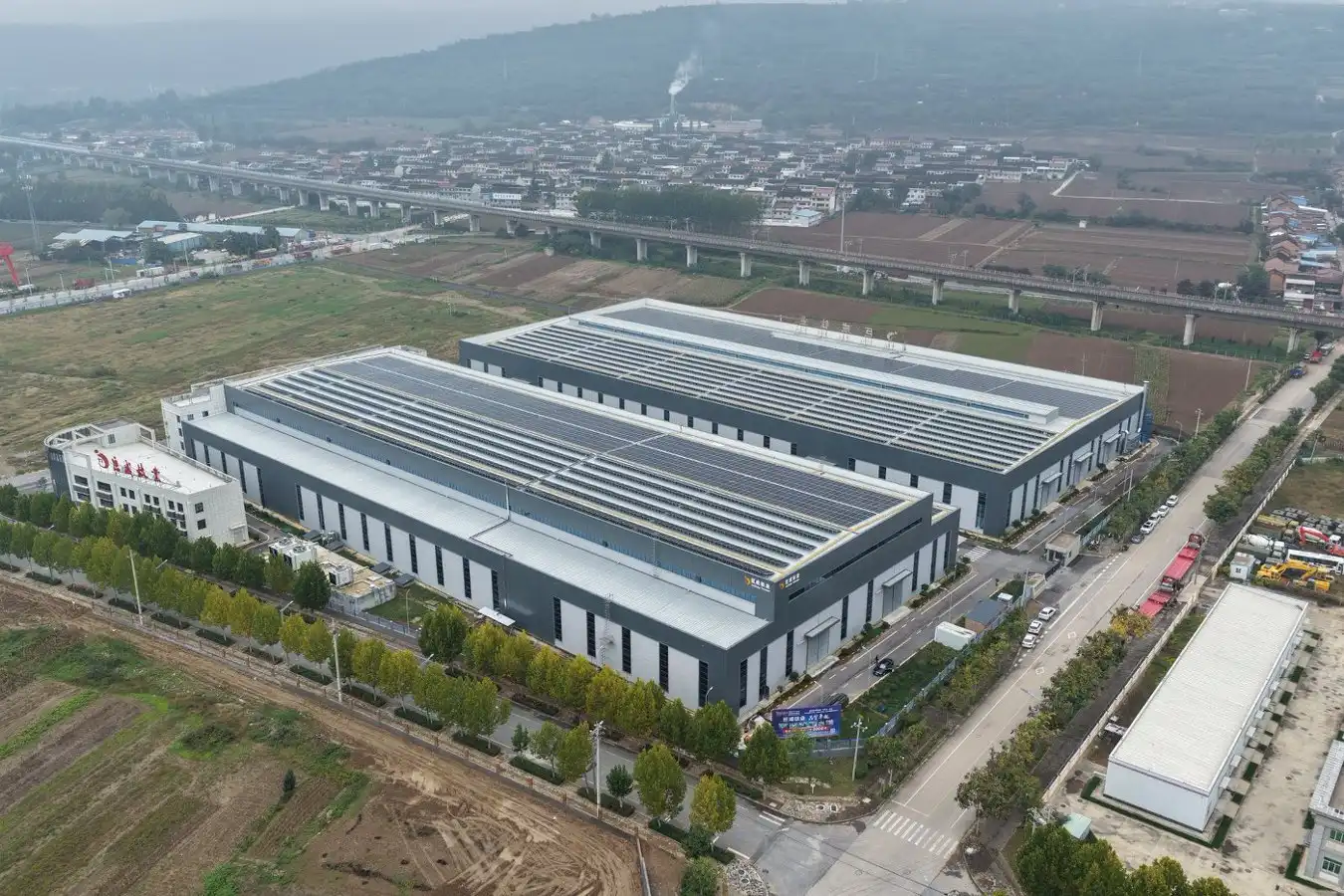
Jucheng Titanium can help you with your buying needs because they have been working with titanium for more than 20 years, making tools and handling the world's supply chain. We keep 3,000 tons of Grades 1, 2, 5, 7, 9, and 12 in stock, so we can quickly meet both regular and one-of-a-kind needs. You can also get materials from us that are made to meet ASTM B265, AMS 4911, and ASME SB265 standards by hot rolling, heating, and carefully finishing them. Our 45 patents and the unique moniker "little giant" have earned us the trust of aircraft makers, chemical processing plants, and medical device companies all over the world. Our expert team gives you help based on the job, cuts to your specifications, and issues full material certifications that make the approval process easier. Our open production and careful customer service after the sale will keep your project on track and within budget, no matter how many samples you need or how many you need for production. Email our buyers at s4@juchengti.com to tell them what you need in titanium sheets and get a full price that fits your needs.
References
1. American Society for Testing and Materials. Standard Specification for Titanium and Titanium Alloy Strip, Sheet, and Plate (ASTM B265). West Conshohocken: ASTM International, 2021.
2. Boyer, R., Welsch, G., and Collings, E.W. Materials Properties Handbook: Titanium Alloys. Materials Park: ASM International, 1994.
3. Schutz, R.W. and Watkins, H.B. "Recent Developments in Titanium Alloy Application in the Energy Industry." Materials Science and Engineering: A, vol. 243, no. 1-2, 1998, pp. 305-315.
4. Peters, M., Kumpfert, J., Ward, C.H., and Leyens, C. "Titanium Alloys for Aerospace Applications." Advanced Engineering Materials, vol. 5, no. 6, 2003, pp. 419-427.
5. Donachie, Matthew J. Titanium: A Technical Guide (2nd Edition). Materials Park: ASM International, 2000.
6. Sedriks, A. John. Corrosion of Stainless Steels and Titanium in Marine Environments. Washington: Office of Naval Research, 1979.