
Understanding Different Grades of Titanium Plates and Their Applications
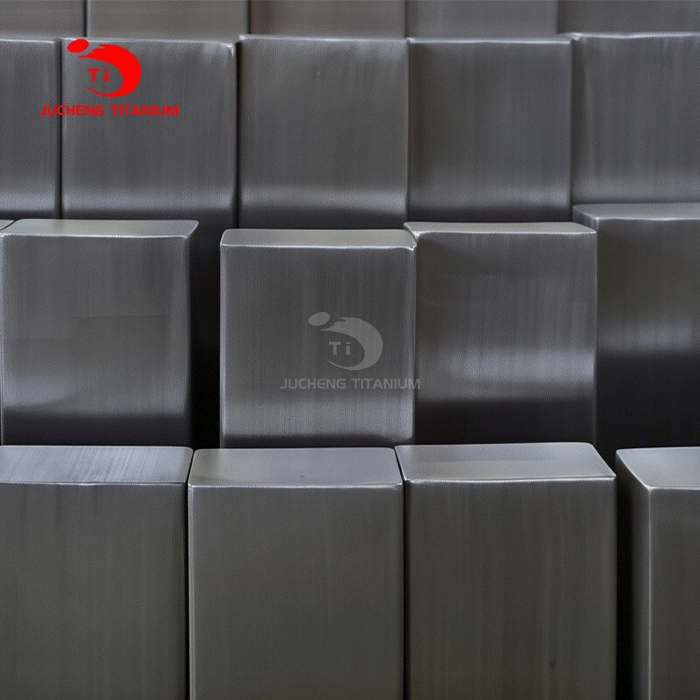
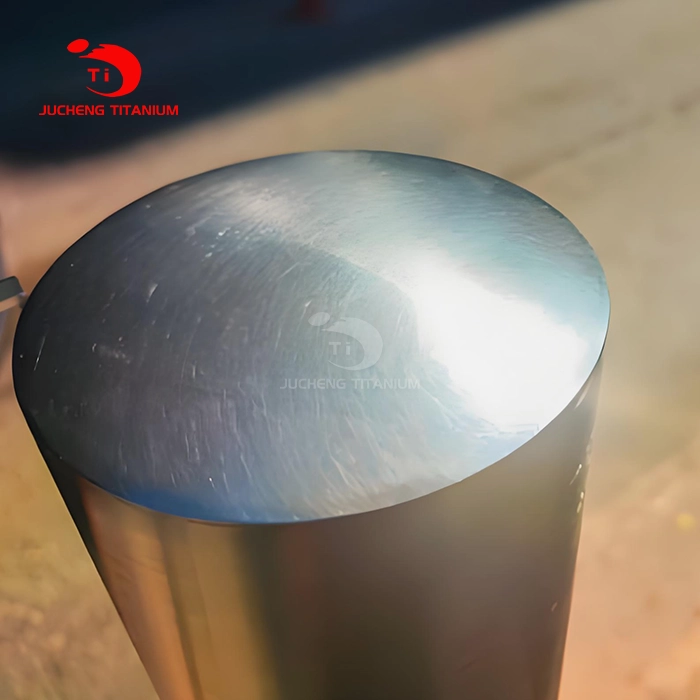
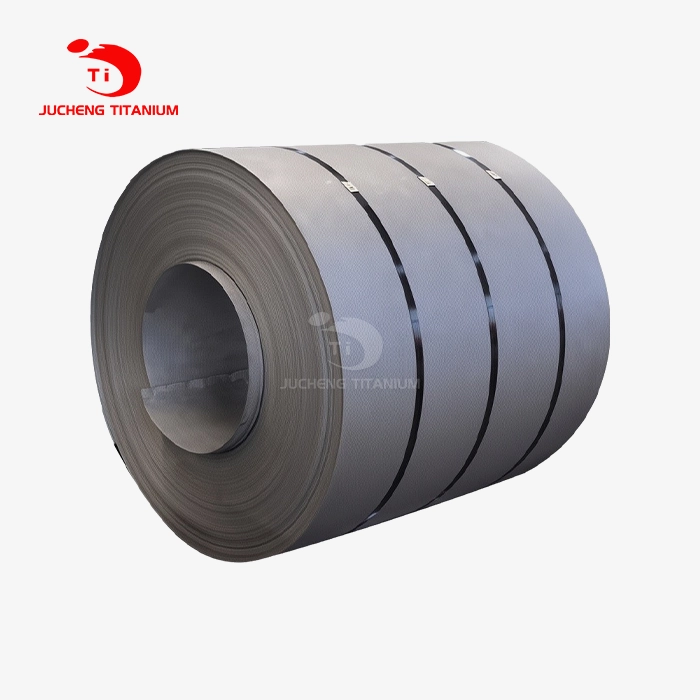
A titanium plate is a flat-rolled mill product that is thicker than 4.75 mm. It can be told apart from smaller pieces by its size and ability to hold things together. These materials, which are made by vacuum arc remelting and hot rolling commercially pure titanium or special alloys, solve important problems that regular metals can't. Because titanium plates are biocompatible, very light, and very resistant to corrosion, they are essential in industries like aerospace, chemical processing, medical device manufacturing, and industrial equipment, where performance and dependability are essential.
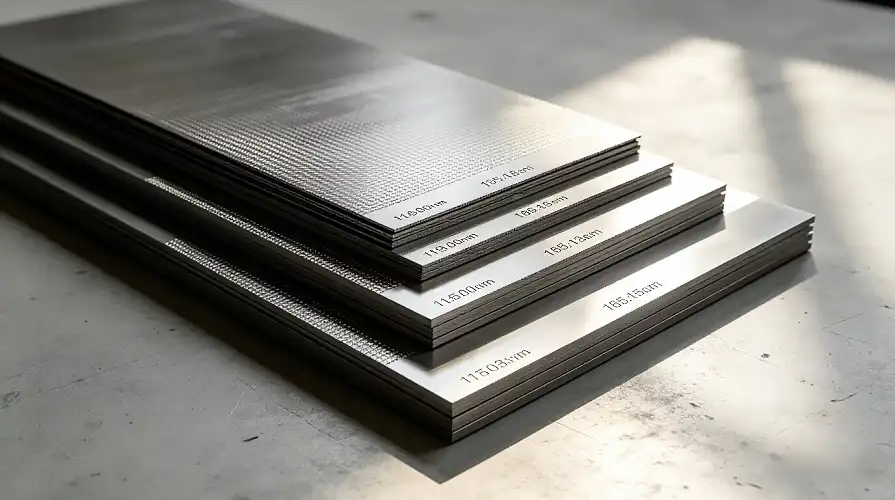
Overview of Titanium Plates and Their Key Properties
Fundamental Material Characteristics
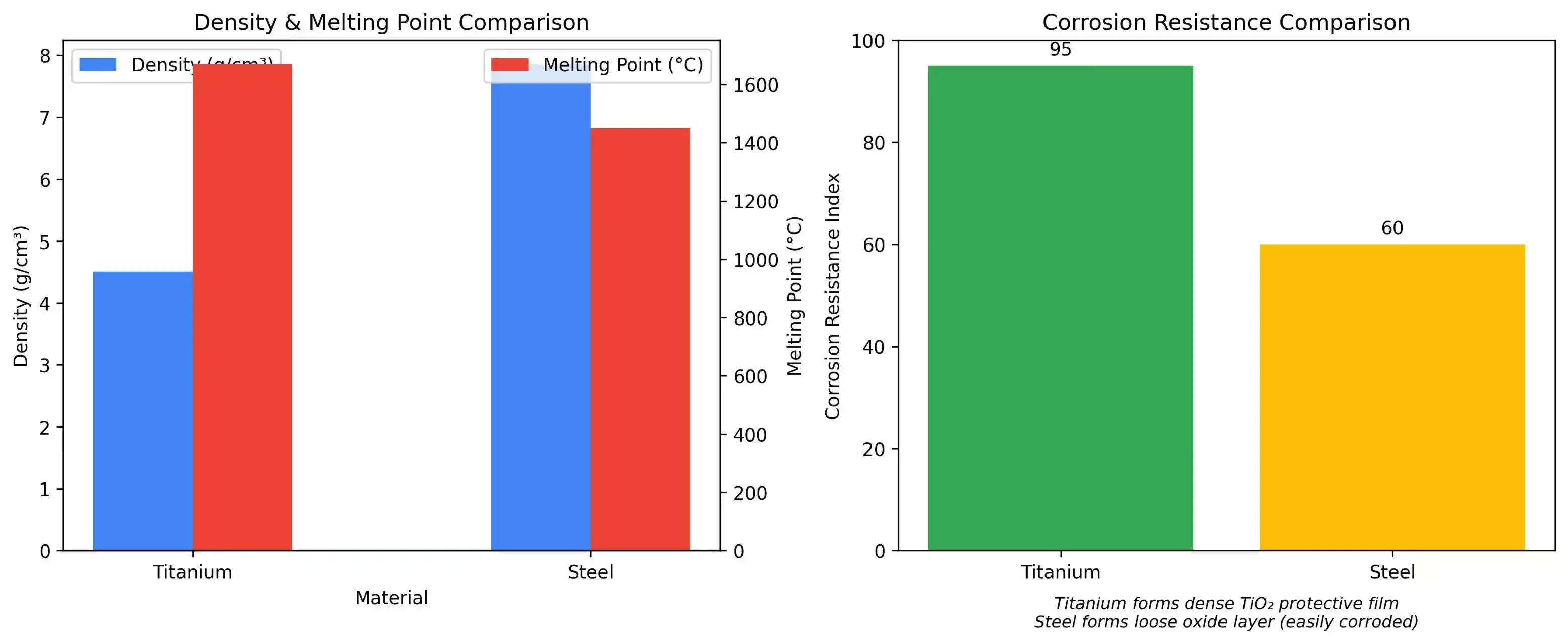
Procurement workers can make better choices that meet the needs of projects when they know about the physical and metallurgical features of the titanium plate. With a density of 4.51 g/cm³, which is about 56% that of steel, these materials save a lot of weight without affecting the strength of the structure. Because the freezing point goes up to 1,668°C, it stays stable at high temperatures. Titanium is unique because it forms an inactive titanium dioxide layer on its own, which makes it almost immune to rust from air, saltwater, and oxidizing acids.
Mechanical Performance Across Grades
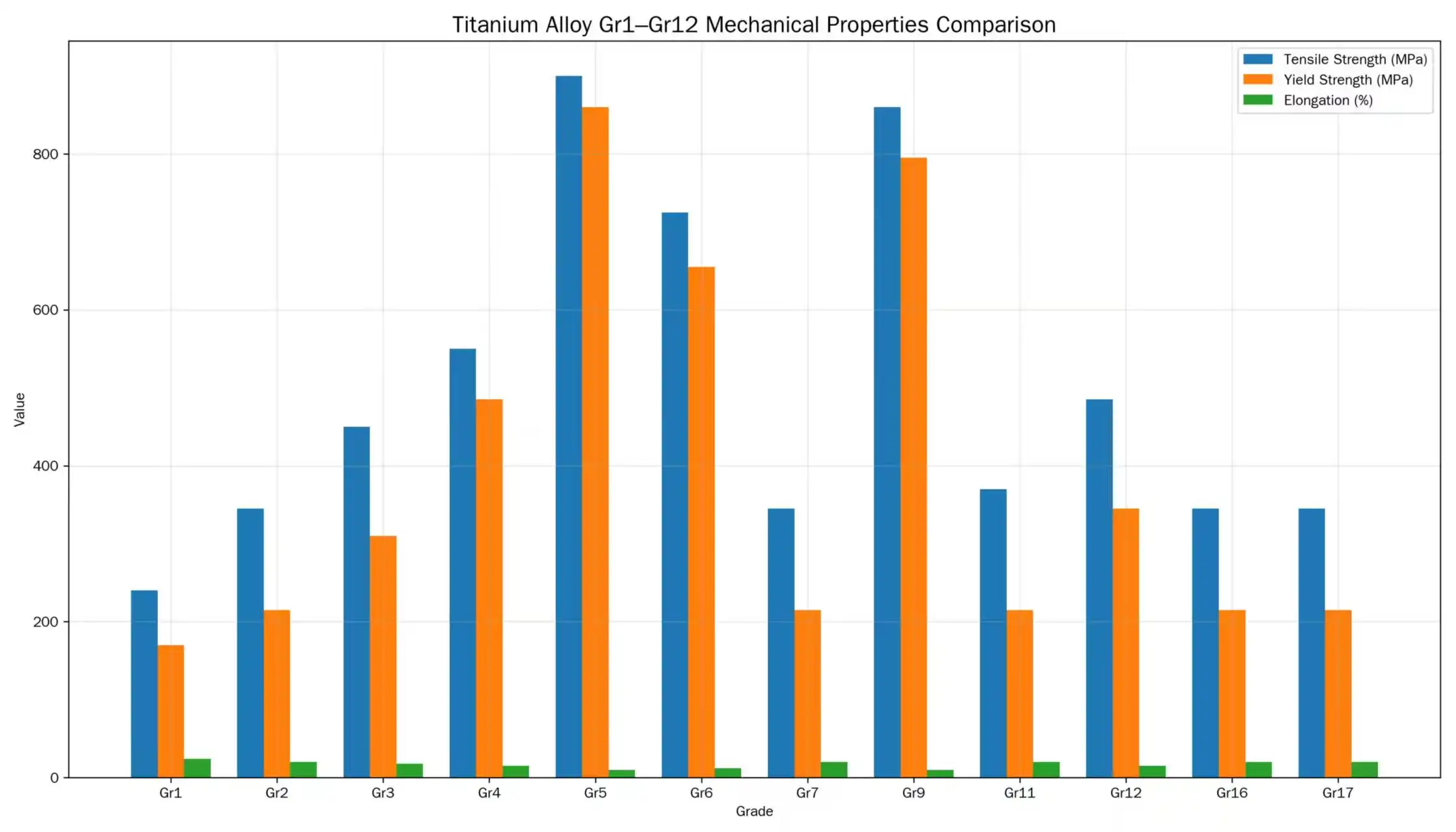
Commercially pure Grade 2 titanium plates usually have yield strengths between 275 and 450 MPa and are very flexible, which means they can be used for forming and use with mild stress. Grade 5 (Ti-6Al-4V) alloy plates have tensile strengths of more than 895 MPa, which makes them suitable for use in aircraft structures and military parts that need to hold weight. Different levels of performance are caused by interstitial elements like oxygen, nitrogen, and hydrogen that are carefully controlled by makers to keep materials from weakening and to get the best power.
Dimensional Standards and Classification
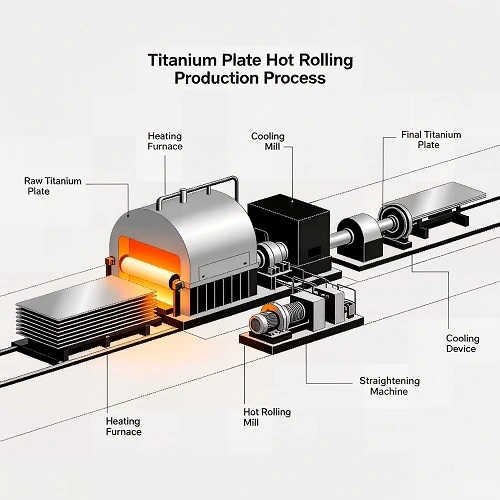
Titanium plates come in widths from 950 mm to 2,500 mm, lengths up to 10,000 mm, and thicknesses from 4 mm to 80 mm. To meet the needs of a particular job, custom dimensions can be made. The production process of hot rolling, followed by heating, leveling, pickling, and finishing the surface, makes sure that the material's features stay the same. Fabricators can choose styles that work best for their welding, painting, or assembly processes by giving the surface a polished, machined, or acid-pickled finish.
How to Choose the Right Titanium Plate Grade for Your Application
Assessing Application Requirements
Before choosing the right grade, the operating factors must be carefully examined. Material choice is affected by how much weight it needs to hold, whether it will be exposed to harmful chemicals, temperature changes, and the need for wear resistance. Grade 5 metals are a good choice for aerospace parts because they need to be strong for their weight and work well with heat treatment. When used in acidic or chloride settings, chemical processing equipment puts rust resistance first. This is where commercially pure types really shine. Biocompatibility and osseointegration are qualities that medical implants need. Some titanium plate metals naturally have these properties.
Comparative Analysis of Common Grades
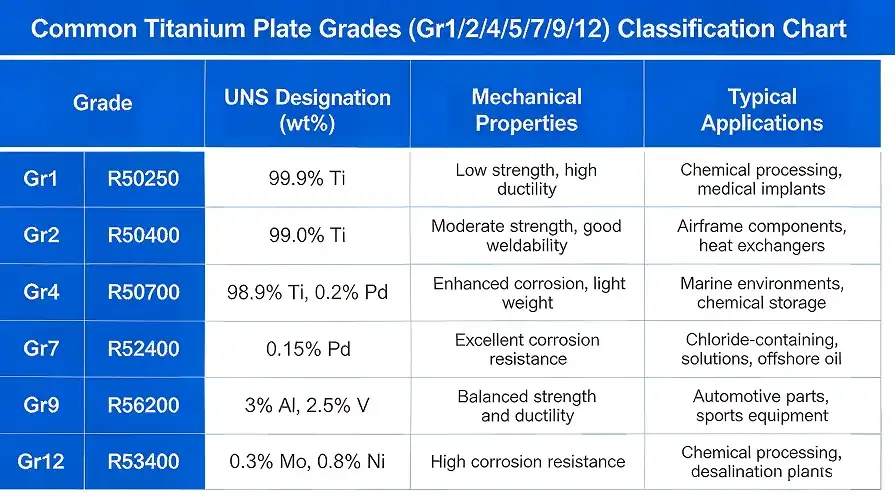
Grade 1 and Grade 2: These widely pure types are very resistant to rust and not too strong. Grade 1 is the most flexible and easiest to shape, making it good for deep writing and complicated shaping tasks. Grade 2 is the standard grade for chemical processing equipment, heat exchanges, and marine uses. It is a little stronger because the amount of oxygen in it is managed.
Grade 4: This grade is in the middle of widely pure and alloyed grades. It is stronger than Grade 3 but still easy to shape. It's used in situations where better mechanical performance than Grade 2 is needed but where Grade 5 metals would be too expensive or hard to work with.
Grade 5 (Ti-6Al-4V): This workhorse aircraft metal has a high strength-to-weight ratio and can be heat-treated. It is made up of 6% aluminum and 4% vanadium. This grade is used for structural parts of airplanes, turbine blades, and landing gear systems because it doesn't wear down easily and works well at high temperatures.
Grade 7 and Grade 12: These grades have palladium added to them, which makes them more resistant to rusting in less acidic conditions. Chemical companies that work in sulfuric acid or hydrochloric acid environments benefit from how well they work in harsh conditions.
Grade 9: This grade, which is made of 3% aluminum and 2.5% vanadium and is called the "half-6-4" metal, is easier to shape than Grade 5 but is still very strong. It can be used for tasks that need seamless tubes or complicated cold-forming processes.
Corrosion Resistance and Welding Considerations
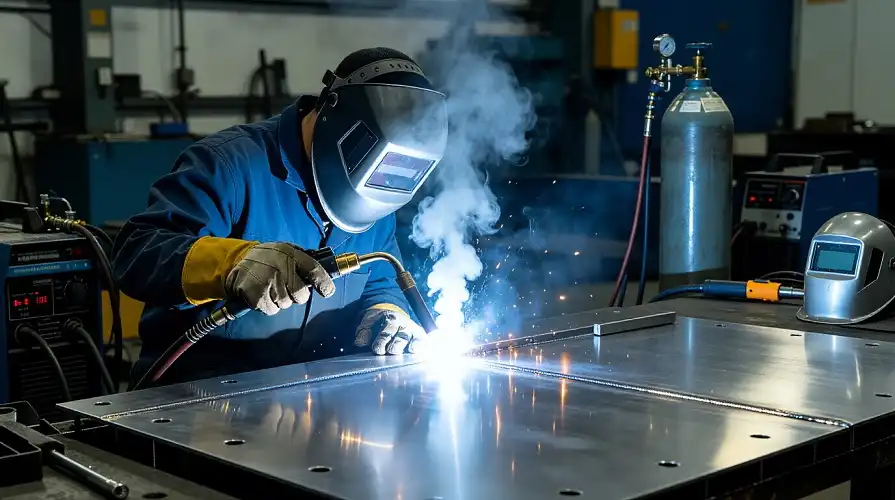
Commercially pure types are very resistant to oxidizing conditions like seawater, nitric acid, and chlorine solutions. When the right methods are used, their welding properties stay good, with little heat-affected zone weakening. Grade 5 metal needs to be welded with more precise parameters, and it often benefits from a heat treatment after the welding process to bring back its best qualities. By choosing the right filler materials and protecting gases, you can keep the joint from getting contaminated, which could weaken it.
Titanium Plates Compared: Insights for Better Procurement Decisions
Material Performance Benchmarking
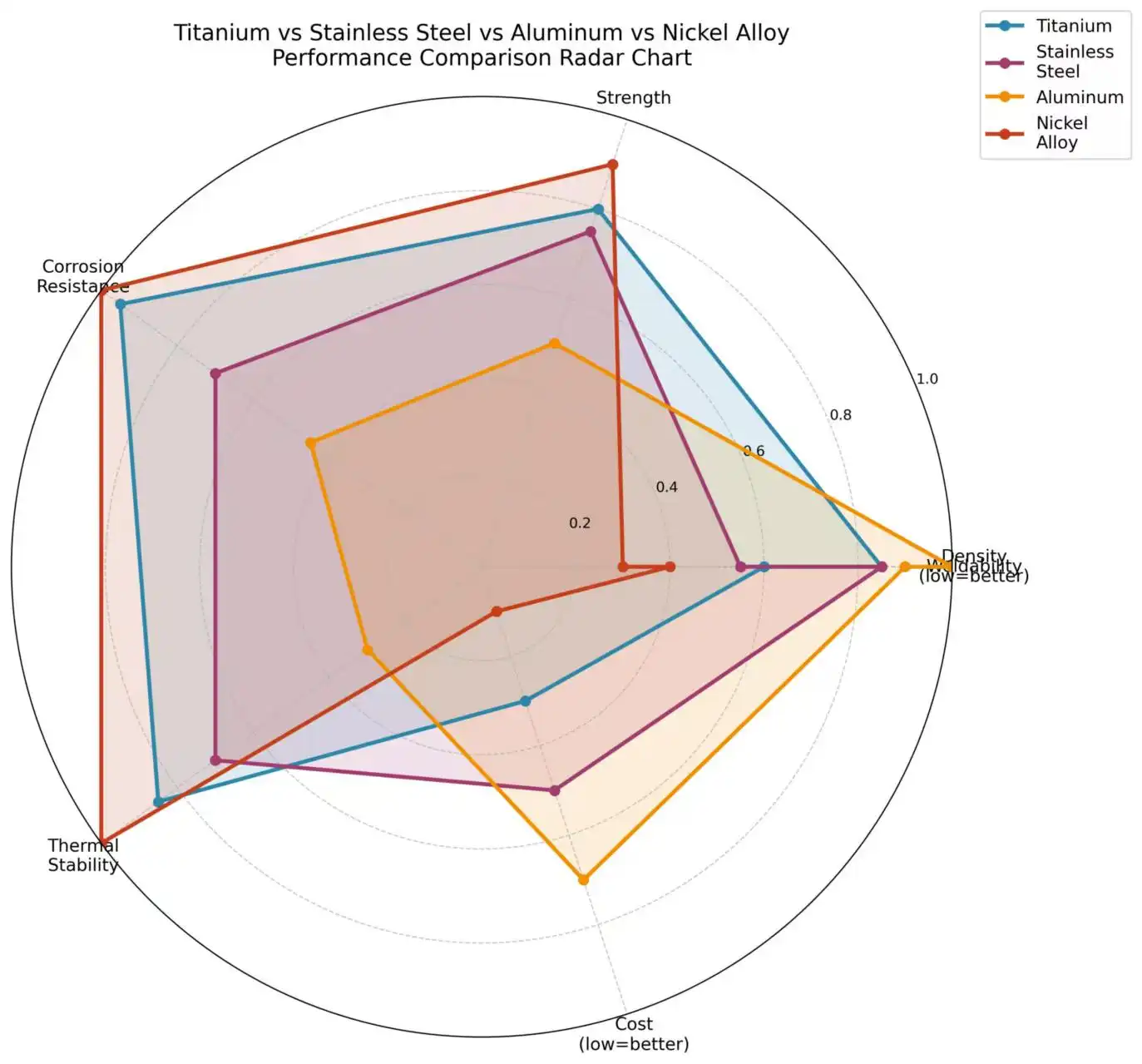
When compared to stainless steel, the titanium plate has the same or better rust protection while being about half as heavy. This weight advantage directly leads to less fuel use in aircraft and lighter structural loads in marine settings. When compared to aluminum metals, titanium stays strong at high temperatures and doesn't crack under stress in chloride conditions. Nickel metals might be as resistant to rust as titanium in some chemicals, but they cost a lot more and aren't as dense.
Thickness Selection Strategy
Plates that are 20 mm to 80 mm thick are usually used for structural purposes that need to be able to hold weight. These measurements give pressure tanks, reactor shells, and remote platform parts the section modulus they need. Thinner gauges between 4mm and 15mm are best for aircraft and car lightweight designs because they maximize strength-to-weight efficiency. When designing components, engineers have to weigh the thickness of the material against the methods used to make them, since bigger plates may need special tools and places to heat treat them.
Pricing Dynamics and Budget Planning
The cost of materials changes depending on the grade, the size of the order, and the level of tailoring needed. Because they are easier to work with, commercially pure types usually cost less than mixed versions. When buyers make promises to buy in bulk, they can negotiate better prices, especially for standard sizes that suppliers keep in stock. Custom sizes, lengths, or surface processes cost more, but they make sure that the materials exactly meet the needs of the application. Talking openly with sellers about price factors like extra costs for raw materials, how hard the process is, and the cost of certification helps with accurate planning and making smart buying choices.
Applications of Different Titanium Plate Grades Across Key Industries
Aerospace and Defense Manufacturing
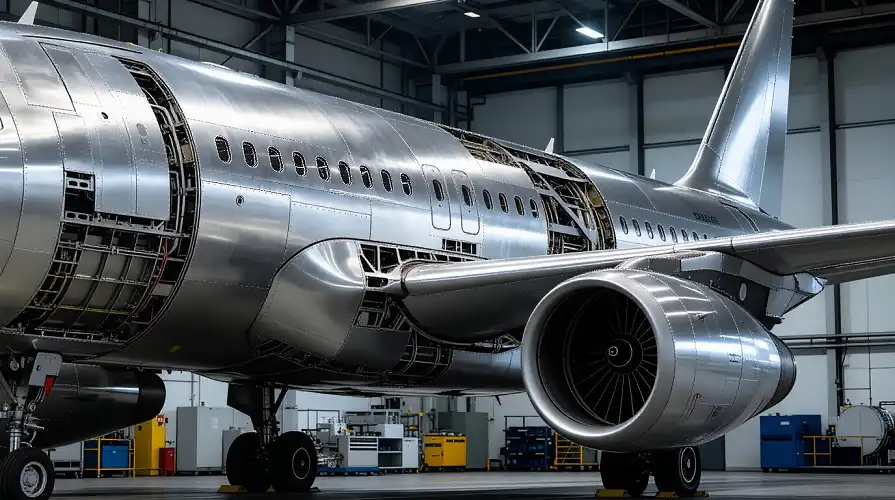
Grade 5 titanium plate is mostly used in aircraft for things like airframe frames, engine parts, and landing gear systems. The alloy's reaction to heat treatment lets manufacturers find the best amounts of strength by solution treating and aging the metal. Suppliers of aircraft parts depend on approved materials that meet the requirements of AMS 4911. This makes sure that the materials can be tracked from the mill source to the final assembly. Defense companies use these materials to make armor plates, missile casings, and parts of submarine hulls, where reducing weight directly improves operating capabilities.
Chemical Processing and Petrochemical Equipment
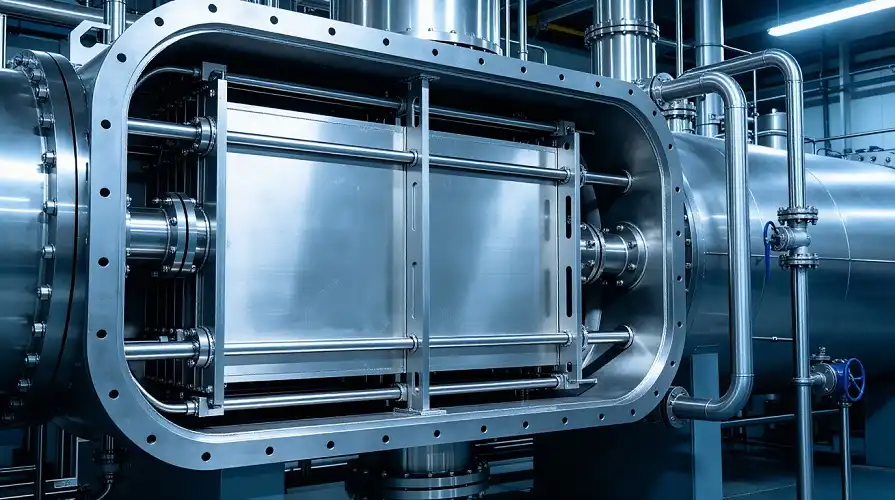
Commercially pure types that don't rust are used as the main material for reactor vessels, distillation columns, and heat exchanger shells that deal with acidic or chlorine process streams. Grade 2 plates are a cheap way to fix equipment that works in air pressure, and Grade 7 plates are for harsh, reducing acid conditions. Contractors work on chemical plants like titanium because it lasts longer than other materials that need to be replaced often because of rust. These materials are chosen by equipment designers for chlor-alkali plants, fertilizer factories, and oil sites in the ocean that are exposed to hydrogen sulfide and water.
Medical Device and Biomedical Applications
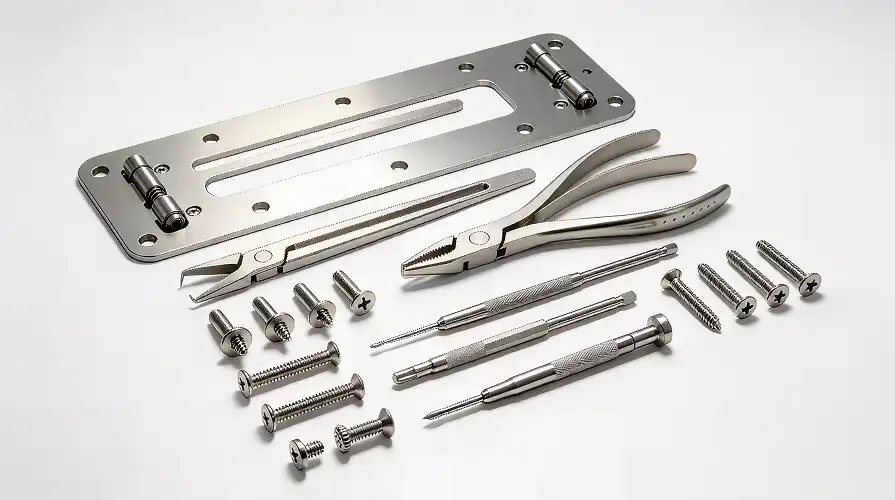
For making orthopedic implants, surgery instruments, and prosthetic devices, medical-grade titanium plates made from available pure grades or Ti-6Al-4V ELI (extra-low interstitial) alloys are used. The biocompatibility of the material comes from the solid oxide layer that keeps flesh from reacting badly over time. Precision machining lets companies make bone plates, spine fusion bars, and facial repair parts that fit the shape of the body. Following the rules set by ASTM F67 standards ensures that the clarity and cleanliness of materials meet strict requirements for medical devices.
Industrial Equipment and Heavy Machinery
Titanium plate is used by equipment makers in heat exchangers, condensers, and cooling systems where corrosion resistance and thermal conductivity combine to operate efficiently with longevity. These materials are used in power plants' flue gas desulfurization systems and condenser tubing that is exposed to harsh chemicals in cooling water. Industrial system designers choose titanium for parts that need to be cleaned with acidic chemicals or that need to be resistant to oxidation at high temperatures. The wear strength of the material means that machinery that is loaded and unloaded many times can keep working without breaking down too soon.
Procuring Titanium Plates: Best Practices and Supplier Insights
Supplier Qualification Criteria
Partnering with makers who can show verifiable quality systems and technical skills is important for effective buying. ISO 9001 certification gives you basic quality control assurance, and AS9100 certification shows that you know a lot about the aircraft business. Compliance with ASTM and ASME standards shows that titanium plate products meet well-known worldwide standards. Buyers should check that the supplier can test the goods in several ways, such as by examining their mechanical properties, chemical makeup, and using non-destructive testing tools. Quality assurance programs and checks of regulatory compliance rely on mill test records that give certifications for materials and proof of their traceability.
Order Specifications and Lead Time Management
Orders that are easy to understand list the grade, size, number, surface finish, and any standards that apply. To make sure the product is made correctly, custom sizes need thorough plans or measurements. Standard sizes kept in stock by suppliers usually ship within two to four weeks. For custom orders, wait times may go up to eight or twelve weeks, based on the mill's schedule and processing needs. Setting up blanket buy deals with scheduled releases helps manufacturers plan their production more efficiently and makes sure that they always have the materials they need for ongoing projects.
Quality Assurance and Compliance Verification
Protocols for receiving inspection should check the item's size, quality of finish, and accuracy of paperwork. Random samples were mechanically tested to make sure that the yield strength, tensile strength, and elongation numbers meet the criteria. Verification of the chemical makeup makes sure that the interstitial element stays within the grade limits. Ultrasonic examination and other non-destructive testing methods find internal cracks that could weaken the structure. Keeping full records of all materials used, from source certifications to manufacturing records, helps with quality checks and shows that regulations are being followed.
Conclusion
To choose the right titanium plate grades, you need to know how the material's qualities, the needs of the application, and the cost of purchase all affect each other. Commercially pure grades are very resistant to corrosion in chemical processing and marine settings. Alloy grades, on the other hand, can handle high temperatures and high levels of strength in aircraft and defense uses. Technical specs and seller qualifications need to be balanced for procurement to go well. This makes sure that materials meet both performance and quality standards. Established makers offer a range of measurement options, surface treatment choices, and certification compliance. This lets buyers find materials that exactly match their project needs while keeping costs low and delivery times reliable.
FAQ
Q1: What distinguishes titanium plate grades from one another?
The main difference between grades is their chemical makeup, especially the amount of oxygen in commercially pure grades versus alloying elements in grades like Grade 5. These differences in makeup have a direct effect on mechanical strength, flexibility, and corrosion resistance. This lets you choose a material that is perfect for your needs.
Q2: Can different titanium plate grades be welded together?
You can weld different types together, but you need to be very careful about choosing the filling metal and managing the heat. Commercially pure grades can be easily welded together, but adding metal grades to commercially pure grades may require special steps to keep the fusion zone from becoming weak or having properties that don't match up.
Q3: How does titanium plate corrosion resistance compare to stainless steel?
Titanium is better than stainless steel in many acidic and chloride-filled situations because its passive oxide layer stays stable. Stainless steels can get pitting or stress corrosion cracks, but titanium stays strong. This makes it better for harsh corrosive uses, even though it costs more.
Partner with Jucheng Titanium for Your Titanium Plate Supply Needs
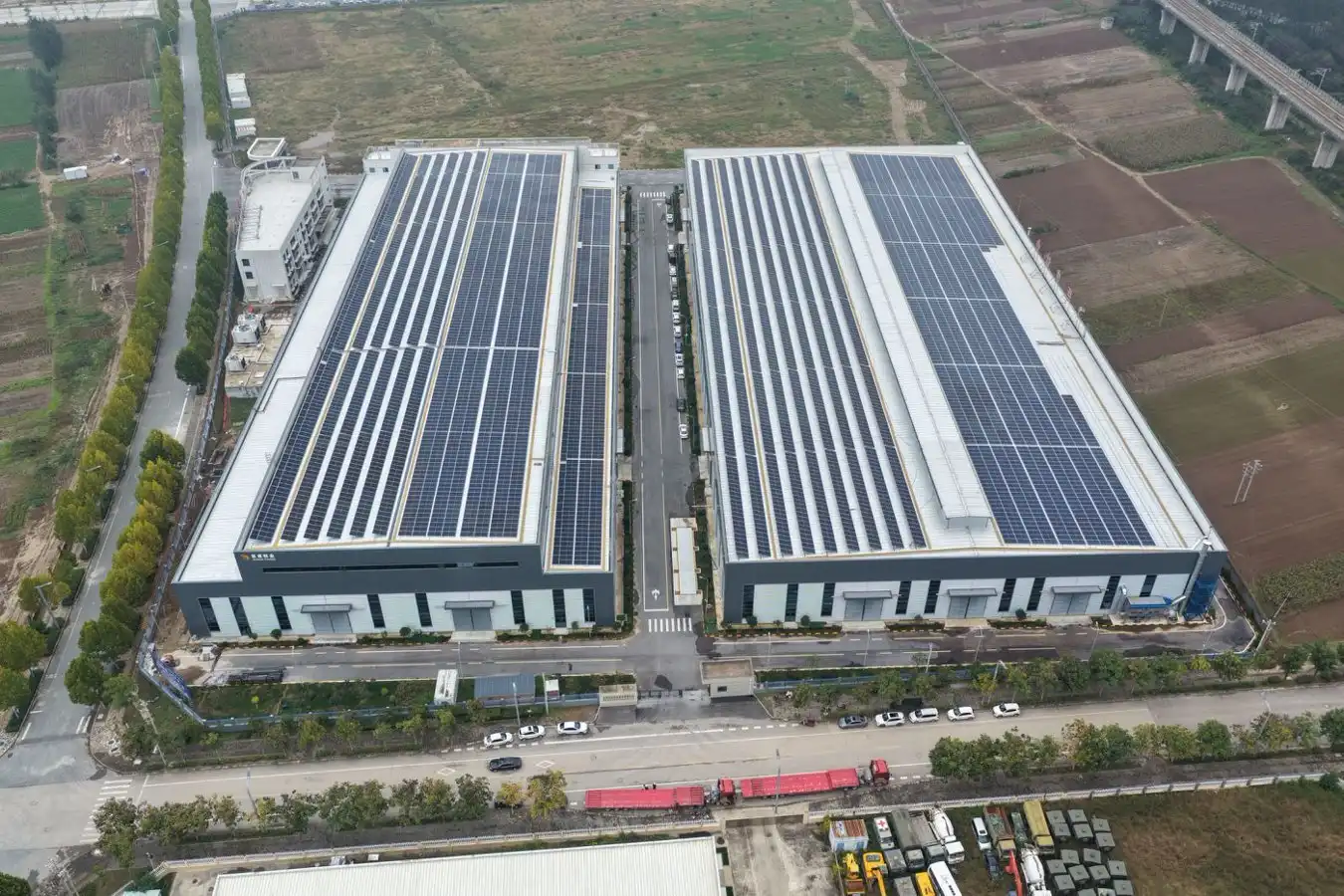
For more than 20 years, Baoji Jucheng Titanium Industry has supplied approved materials that meet ASTM B265, AMS 4911, and ASME SB265 standards to companies around the world that make aircraft, chemical processing, and industrial equipment. Our 3,000-ton inventory allows us to quickly deliver standard sizes, and our custom construction skills allow us to meet the needs of unique projects. We are a national-level specialized manufacturer with 45 patents. We help aerospace component suppliers, chemical equipment integrators, and medical device manufacturers with their procurement problems by offering technical advice, material traceability documentation, and quality assurance programs. Our engineering team works with your requirements to provide performance-optimized solutions, whether you need Grade 5 military plates or commercially pure materials that don't rust. Get in touch with our purchasing agents at s4@juchengti.com to talk about your titanium plate needs with a seasoned maker that is dedicated to quality, dependability, and quick customer service throughout your supply chain.
References
1. American Society for Testing and Materials. "Standard Specification for Titanium and Titanium Alloy Strip, Sheet, and Plate." ASTM B265-20a, 2020.
2. Aerospace Material Specification. "Titanium Alloy Sheet, Strip, and Plate 6Al-4V Annealed." AMS 4911P, SAE International, 2018.
3. Donachie, Matthew J. "Titanium: A Technical Guide." ASM International, Materials Park, Ohio, 2000.
4. Lutjering, Gerd, and James C. Williams. "Titanium: Engineering Materials and Processes." Springer-Verlag Berlin Heidelberg, 2007.
5. Boyer, Rodney, Gerhard Welsch, and E.W. Collings. "Materials Properties Handbook: Titanium Alloys." ASM International, 1994.
6. Schutz, R.W., and H.B. Watkins. "Recent Developments in Titanium Alloy Application in the Energy Industry." Materials Science and Engineering A, Volume 243, Issues 1-2, 1998.