
Titanium Sheet and Plate Welding Guide
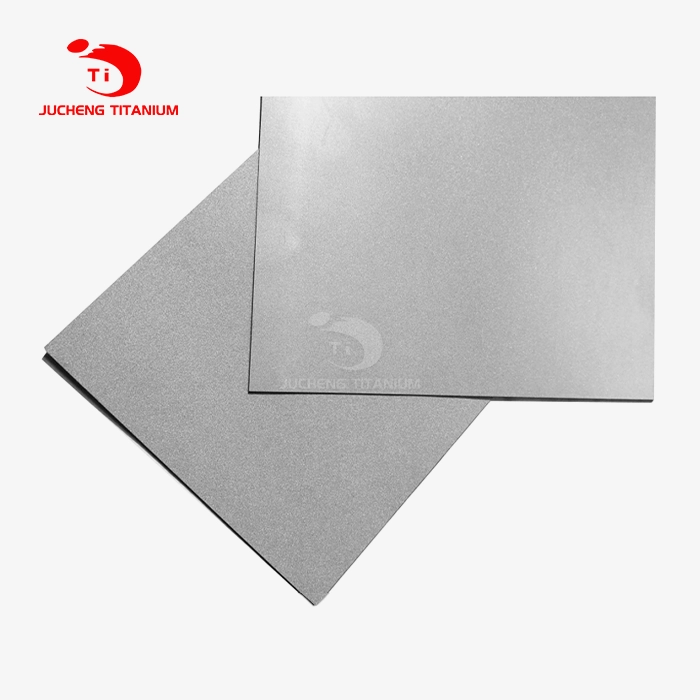
Welding titanium sheets and plates requires precision, expertise, and preparation since titanium reacts poorly at high temperatures. Gr1, Gr2, and Gr4 CP titanium sheets are corrosion-resistant and simple to form, making them ideal for aerospace, chemical processing, and medicine. To weld successfully, you must understand the material, pick the suitable procedures, control contamination, and follow up properly. After mastering these foundations, your joints will be powerful and flawless. These joints preserve titanium's performance while fulfilling industrial requirements.
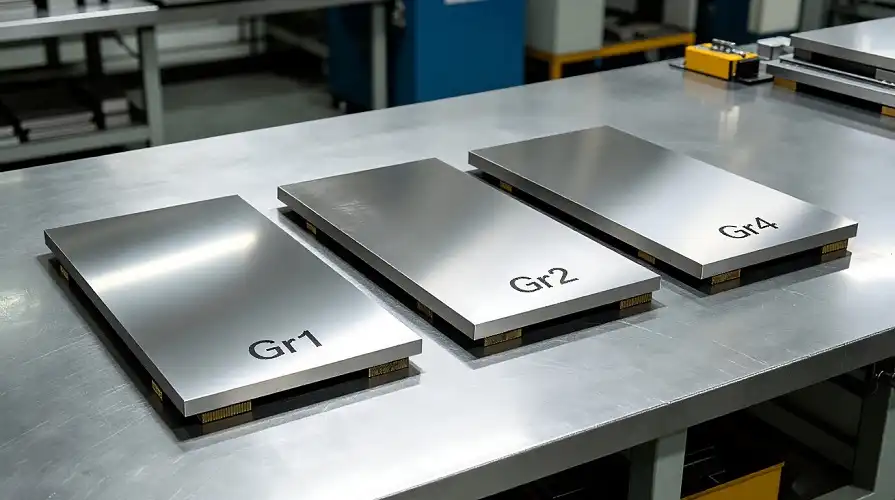
Understanding CP Titanium Sheets for Welding Applications
What Makes CP Titanium Sheets Unique?
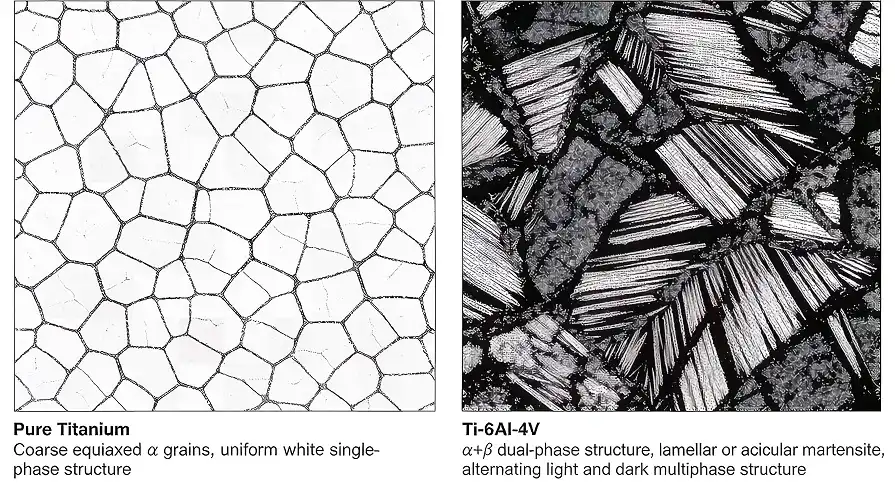
Alpha phase nanostructures and various interstitial elements distinguish commercially pure titanium sheets from other titanium products. Unlike titanium alloys like Ti-6Al-4V (Grade 5), commercially pure grades prioritise flexibility and corrosion resistance above tensile strength. This makes them handy in locations where material deterioration might limit tool life.
Chemistry affects welding performance. Grade 1 is softer and better for deep drawing with oxygen levels below 0.18%. Grade 2's higher oxygen levels (up to 0.25%) make it stronger (275 MPa yield strength vs. 170 MPa in Grade 1) yet easier to form. Grade 4's increased iron content makes it stronger and better for construction.
Key Properties Affecting Weldability
Material thickness is crucial when selecting a welding approach. Sheets from 4 to 80 mm thick need different heat management. Thinner plates must be controlled to avoid burning, and larger plates must pass without thermal stress.
Surface polish greatly affects weld quality. Materials must be rolled, heated, levelled, pickled, and smoothed to fulfil standards. Polished, cut, or acid-pickled regions must be prepared before welding. Oils, oxides, and fingerprints make joints porous and weaken them.
In oxygen-rich environments, titanium's passive oxide layer repairs itself, making it corrosion-resistant. In chemical reactors, heat exchangers, and naval equipment, abrasive media would rapidly wear down copper alloys or stainless steel; extensively pure grades are required.
Industry Standards and Certifications
Procurement managers must verify ASTM B265, ASTM F67, AMS 4911, and ASME SB265 compliance. These requirements govern chemical composition, mechanical qualities, size restrictions, and testing. Every plate's manufacturing history, heat treatment data, and quality certificates are traceable throughout the supply chain. Military and medical gadget firms face tight government inspection, so this is crucial.
Welding Techniques and Best Practices for CP Titanium Sheets
Selecting the Right Welding Method
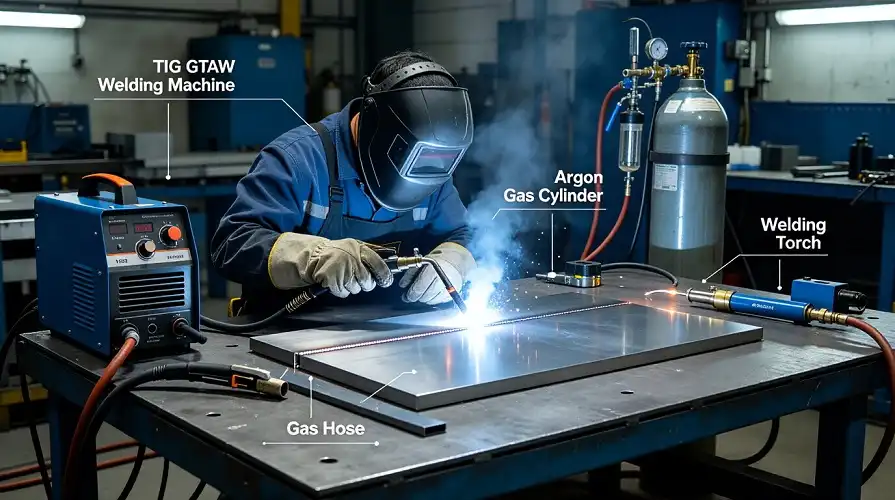
Gas Tungsten Arc Welding (GTAW/TIG) is still the best means to combine commercially pure titanium due to greater heat control and gas coverage. The tungsten tool doesn't need to be changed and performs clean, high-quality welds with minimum dust. TIG welding works on thin and thick objects, making it helpful for many manufacturing purposes.
Gas Metal Arc Welding (GMAW/MIG) deposits metal more quickly on thicker plates, improving large-quantity production. This approach requires adequate protective gas management since the disposable wire electrode increases contamination risk. If speed is more critical than precision, MIG welding is suitable for plates over 6 mm thick.
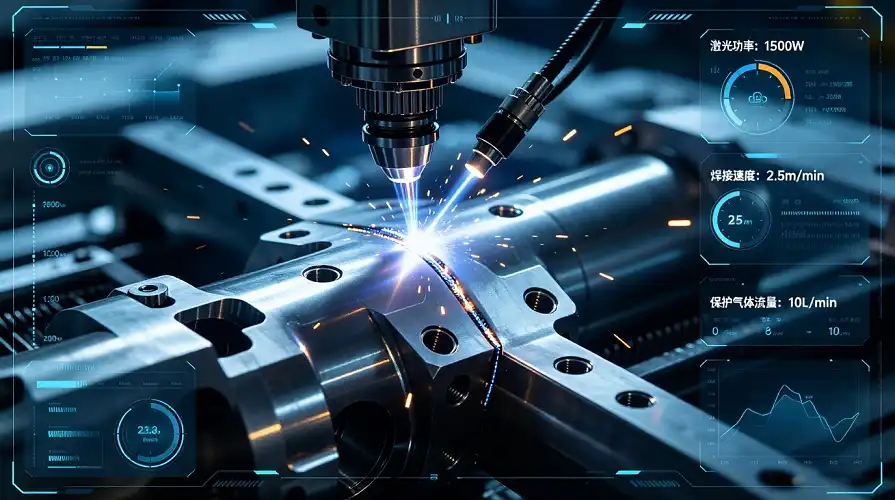
Laser welding is ideal for accurate medical and aeronautical parts since it creates tiny heat damage and negligible distortion. The centred beam automates processes and ensures consistency, but the equipment is too expensive for low-value output.
Critical Surface Preparation Steps
In CP titanium sheet manufacturing, contamination causes weld defects. Surface preparation begins with acetone or methanol solvent cleaning to remove oils and chemicals. A clean base metal exposure is achieved by grinding or brushing with stainless steel wire. Only titanium tools should be used to avoid metal pieces.
Chemical cleaning removes ingrained impurities and metal layers. Using nitric acid and hydrofluoric acid to scrape the surface requires safety precautions. After pickling, thoroughly wash and dry to remove any acids that might damage the metal.
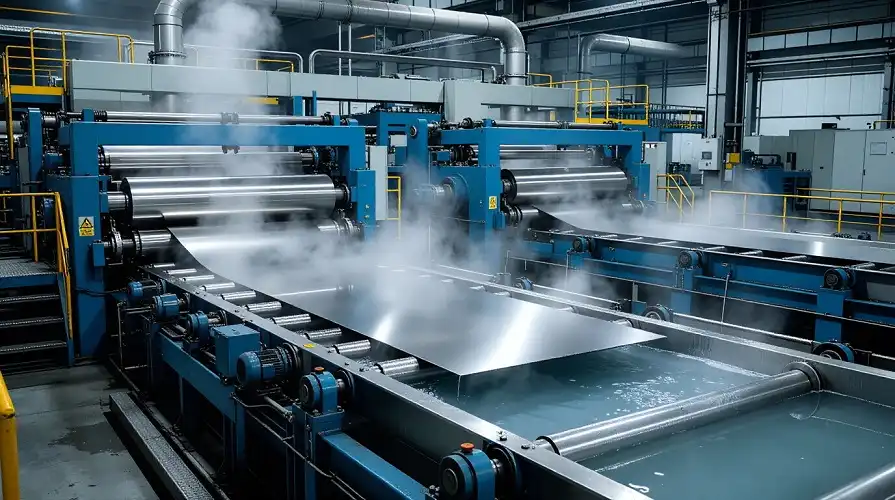
Fit-up and beveling precision affect joint strength and penetration. Edge preparation should maintain tight standards with small gaps, generally less than 1 mm for autogenous welds, to reduce backside oxidation and penetration.
Shielding Gas Selection and Coverage
Titanium requires comprehensive inert gas shielding since air gases react aggressively with it. Argon is the major shielding gas because it is thick and abundant. Helium increases heat input for larger parts. To keep gases clean, purity must exceed 99.995%.
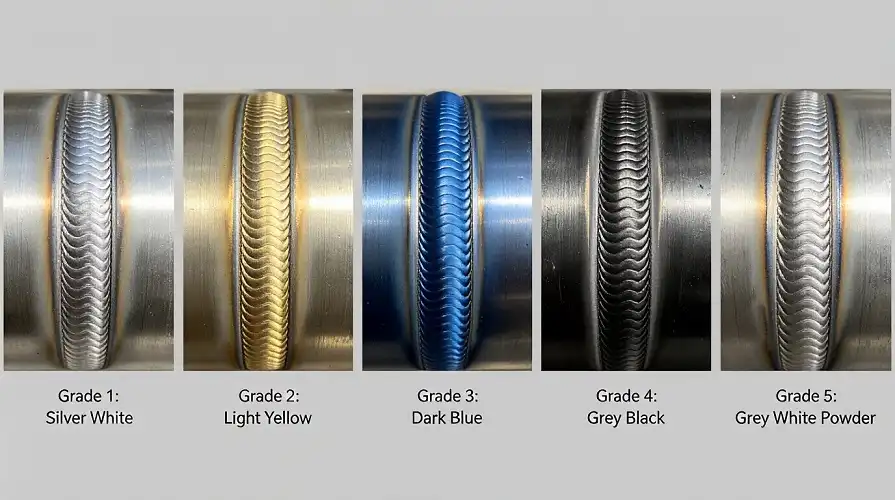
Front-side torch screening is essential for the weld zone; commercially pure titanium is sensitive and requires further protection. Back-side purging prevents oxidation at the entrance, and following shields cover more behind the moving circle. Acceptable welds are silver or light straw, but blue, purple, or white oxidation indicates poor protection and has to be removed.
Addressing Common Welding Challenges
Hydrogen absorption, moisture, and inadequate shielding cause porosity. Keeping the region dry, using clean filler metals, and covering the inert gas reduces the risk of this fault.
Cracking is caused by heat, contaminants, or poor joint design. Controlling heat input with the optimum power and motion speed and setting up the machine for thermal expansion prevent stress.
Post-weld heat treatment removes tensions and restores flexibility. To relieve stress, anneal at 480°C to 595°C for 30–4 hours. Piece grade and thickness determine parameters.
Comparison of CP Titanium with Other Materials in the Welding Context
CP Titanium Versus Titanium Alloys
Grades that are commercially pure are better for welding than metals like Grade 5 (Ti-6Al-4V). The pure grades' single-phase alpha structure is more flexible and forgiving during manufacturing. On the other hand, alpha-beta alloys need careful control of the heat input to avoid changes in the microstructure that make them less tough.
When you weld titanium alloys, you have to be careful about the beta phase stability and the formation of martensite during rapid cooling. Controlled cooling rates and often a post-weld heat treatment are needed for these changes in the metal. Commercially pure types don't have these problems, which makes the manufacturing process easier and lowers the cost of handling.
Grade 5 is often used in aerospace applications for structural parts that need to have the highest strength-to-weight ratios. Commercially pure types, on the other hand, are better at resisting rust and welding, which makes them better for non-structural uses. Manufacturers of medical devices like Grade 2 for implants and surgery tools, where biocompatibility is more important than power.
CP Titanium Versus Stainless Steel
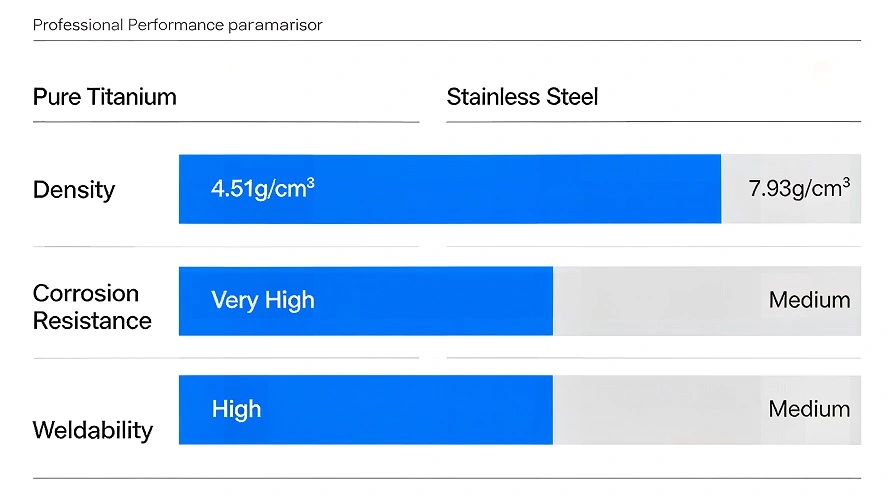
Stainless steel is easy to weld and doesn't need as much defense from the environment. But titanium is more resistant to rust than even high-grade stainless steels in chloride conditions, such as wet chlorine and oxidizing acids. When chemical handling equipment is made from CP titanium sheet instead of stainless steel, it lasts a lot longer when it is exposed to strong media.
Differences in thermal conductivity affect the factors of welding. Titanium doesn't conduct heat as well as 304 stainless steel (16 W/m·K vs. 17 W/m·K), so heat builds up in the weld area and needs to be carefully managed to keep it from getting too hot. This trait actually helps thicker parts because it encourages enough fusion with an acceptable amount of energy.
When reducing mass improves performance, titanium is a better choice because it is lighter. With a density of about 4.51 g/cm³ compared to about 8.0 g/cm³ for stainless steel, titanium parts are about 45% lighter than stainless steel ones, which makes them useful in aircraft, marine, and portable equipment uses.
Procurement Considerations for CP Titanium Sheet Welding Projects
Sourcing from Qualified Manufacturers
Getting titanium that works well starts with choosing a maker based on their technical skills and quality control methods. Well-known manufacturers keep certificates that show they follow international rules, as well as process control records and methods for keeping track of products that are used in serious situations.
The Baoji area in China, also called "Titanium Valley," has a lot of manufacturing knowledge that has been built up over many years. Companies like Jucheng Titanium have been in this field for more than 20 years and have invention and usage model rights that are used in production processes. Being named a National High-Tech business or a specific "little giant" business shows that the company is good at using technology and making things.
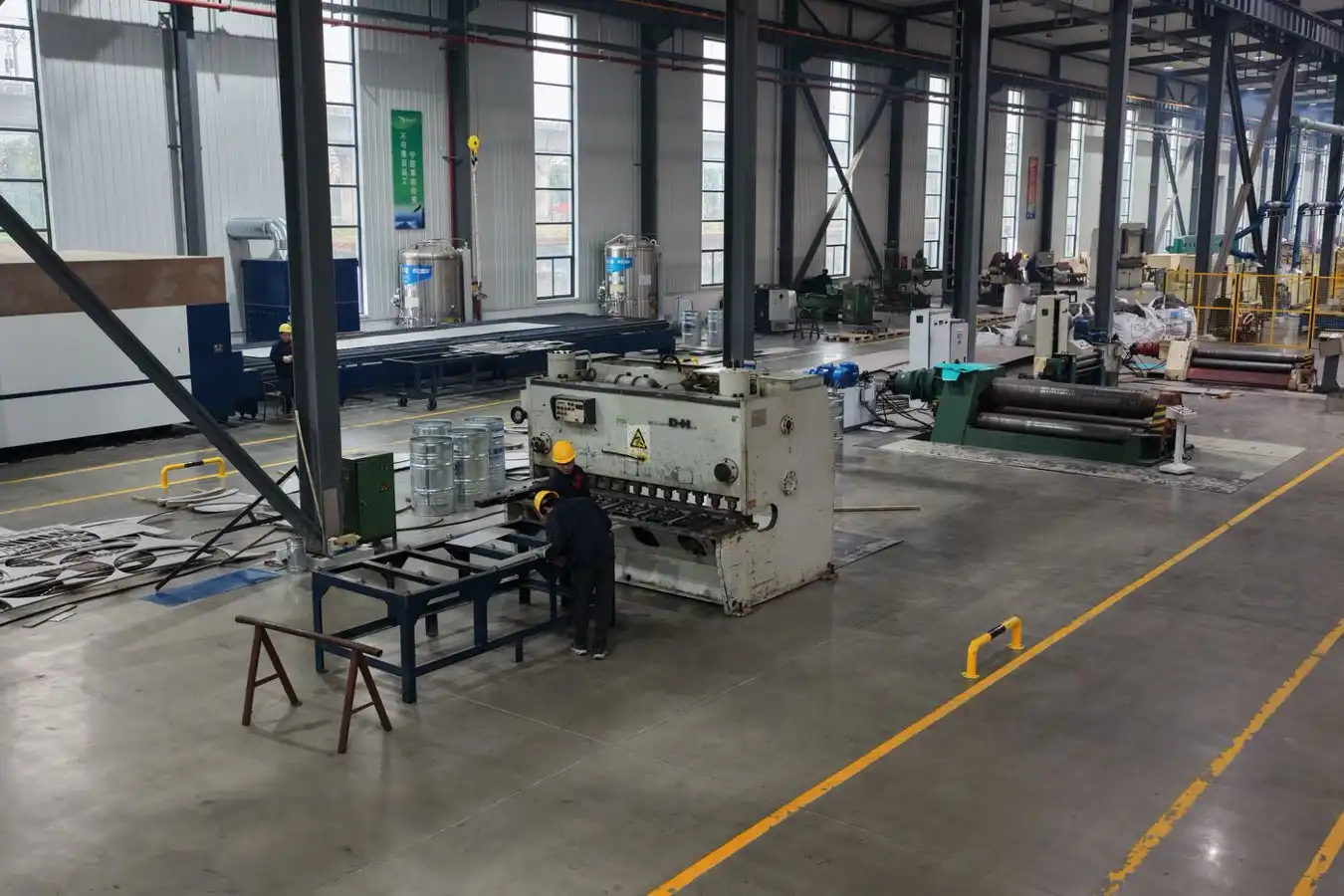
How reliable deliveries are affected by production capacity. When manufacturers keep a lot of stock on hand, like 3,000 tons of titanium, they can respond quickly to pressing needs and avoid long lead times that throw off project plans. Production numbers of more than 500 equipment sets per year show that the company can handle big purchase orders.
Verifying Material Certifications and Standards
Material test records should be sent with every shipment of CP titanium sheet. These reports should show the chemical makeup, mechanical qualities, and size accuracy of the sheets. These certificates list the relevant standards, such as ASME SB265, ASTM F67, AMS 4911, or ASTM B265, which prove that the grade specifications meet the needs of the purchase.
Heat treatment records show that the right number of annealing cycles was used to get the microstructures and tensile qualities that were wanted. Hot-rolled plates go through controlled steps of rolling, heating, leveling, cleaning, and finishing the surface. For quality assurance, each process parameter is written down.
When the requirements of a project call for more control, third-party inspection services provide an independent check. Ultrasonic testing finds breaks inside the material, and a visual review of the outside makes sure there are no flaws that could make it hard to join.
Understanding Pricing and Order Quantities
Titanium prices change based on the cost of raw materials, how hard it is to process, and how much desire there is in the market. Most of the time, commercially pure grades cost less than complex metals. However, the exact price varies depending on the grade, the size, the finish on the surface, and the number of items ordered.
Minimum order numbers show how much it costs to make something. For custom sizes or surface treatments, you may need to make bigger promises to cover the costs of setting up the production line. Standard sizes from stock give you options for smaller needs and easier delivery.
When planning global operations, wait times are taken into account for things like production, quality testing, export paperwork, and shipping between countries. Early contact with suppliers is helpful for chemical processing projects with procurement cycles that last between 6 and 18 months because it makes sure that material supply matches up with fabrication plans.
Customization and OEM Collaboration
Standard sizes range from 4 mm to 80 mm in thickness, 950 mm to 2500 mm in width, and 10,000 mm in length. But welding projects often need unique sizes that are best for the shape of the part and the way it is welded.
OEM partnerships allow makers to work together on engineering projects by sharing their knowledge of materials during the planning stages. As a result of this conversation, the best grade, thickness, and surface preparation will be found that meet the needs of welding and end-use performance.
Technical support that goes beyond providing materials adds value by suggesting welding procedures, helping with qualification, and giving advice on how to fix problems. When traditional methods don't work, manufacturers who run R&D centers with research institutes can offer more advanced ways to solve problems.
Enhancing Welding Performance of CP Titanium Sheets: Optimization Tips
Post-Weld Heat Treatment Protocols
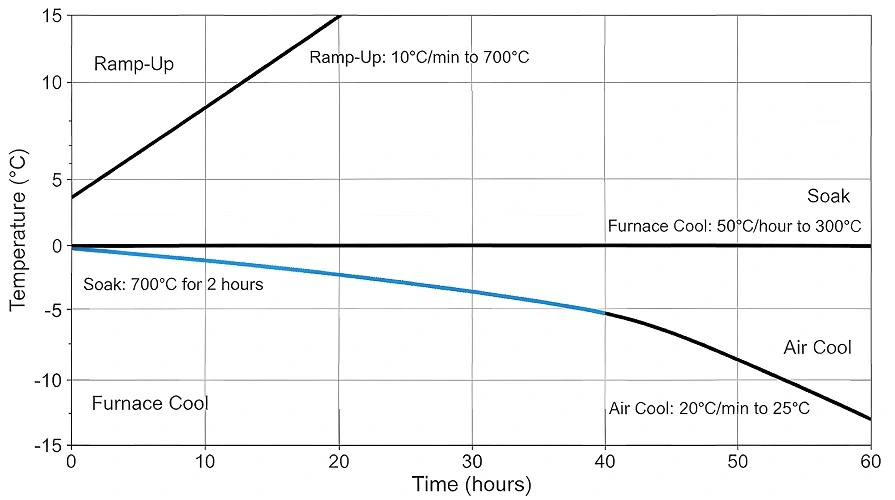
A common procedure that is done after a lot of welding or cold forming is stress-relief annealing. Treatments between 480°C and 595°C work well on commercially pure grades. Hold times depend on the thickness of the piece and the amount of leftover stress.
Grade-specific methods get the best results. Because Grade 1 has less oxygen, it can be treated at slightly lower temperatures while still restoring its flexibility. Grade 2 gains from mid-range factors that keep strength while relieving stress. Because Grade 4 is stronger, it may be okay to use it at temperatures close to 650°C when the specs allow it.
Controlled cooling rates keep microstructures constant and stop thermal shock. Cooling the furnace in neutral atmospheres stops surface rust that needs more pickling steps. The right heat treatment paperwork meets the needs of the quality system and allows for easy tracking in serious situations.
Process Control and Quality Improvements
Specifications for the welding process (WPS) spell out things like amperage, voltage, trip speed, shielding gas flow rates, and warming needs. Procedure qualification records (PQR) show that certain factors lead to good mechanical properties and parts that don't have any flaws.
Welder certification makes sure that workers have the skills needed to make metal things. Certification programs check for consistency in method performance by testing proficiency across important positions, joint configurations, and thickness ranges.
Non-destructive testing checks the quality of a joint without damaging the component. An X-ray shows that the bone is internally porous and hasn't fused together. Surface-breaking flaws can be found with a dye penetrant test. Ultrasonic testing can be used to look at thicker parts where X-rays are less useful.
Implementing Lean Welding Methodologies
Continuous improvement projects look for ways to be more efficient while still meeting quality standards. Root cause analysis of errors finds problems that are caused by specific process variables. This lets you fix the problem so it doesn't happen again.
Standardized work directions decrease variation by writing down the best ways to do things that have been learned through experience. Visual management systems show important factors, acceptance criteria, and cases of common defects, which help production teams work together consistently.
Automation works best for high-volume production where gains in repeatability and efficiency make the investment worth it. Robotic welding systems keep exact control over all parameters, so the results are always the same. They also save money on labor costs and make the job safer for the user.
Conclusion
To successfully weld widely pure CP titanium sheet, you need to know how the material works, choose the right methods, and keep strict contamination control throughout the process. Grade selection that balances strength, flexibility, and resistance to rust makes sure that the material's abilities match the needs of the application. TIG welding is precise and high-quality, while MIG and laser welding can be more productive in some situations. Full shielding gas covering, careful surface preparation, and the right post-weld heat treatment make sure that joints meet the requirements for mechanical properties and work as expected over time. When you buy from experienced manufacturers with quality systems that have been proven, a large inventory, and expert help, you lower the risks in the supply chain and make it easier for everyone to work together to solve problems when they come up.
FAQ
1. What distinguishes Grade 1 from Grade 2 commercially pure titanium for welding?
Grade 1 has less oxygen and iron, which makes it softer and easier to shape. It's perfect for complicated shapes that need a lot of shaping. Grade 2 has a slightly higher interstitial element content than Grade 1, giving it a yield strength of about 275 MPa compared to 170 MPa. This makes it the usual industrial choice for most uses because it balances strength and weldability.
2. Can titanium sheets be welded directly to steel?
When you do direct fusion welding, you make weak titanium-iron intermetallic alloys that break the joint right away. When titanium needs to be joined to steel, explosion bonding is used to make metallurgical bonds without melting, or mechanical connection methods like bolting are used with the right separation to stop galvanic corrosion.
3. Why does weld discoloration matter?
Discoloration means that the air was contaminated while the welding was going on. If the metal is silver or light straw-colored, it means that the inert gas is protecting it well. On the other hand, if it is blue, purple, or white, it means that oxygen or nitrogen is being absorbed, which badly weakens its resistance to corrosion and mechanical qualities, and needs to be taken apart and rewelded.
4. What determines whether post-weld heat treatment is necessary?
Heavy cold working or a lot of welding can leave behind stresses that could lead to cracks or stress corrosion problems later on. Stress-relief annealing at 480°C to 595°C can help parts that have been through a lot of shaping or multiple pass welds. This makes the parts more flexible and reliable in service.
Partner with a Trusted CP Titanium Sheet Manufacturer
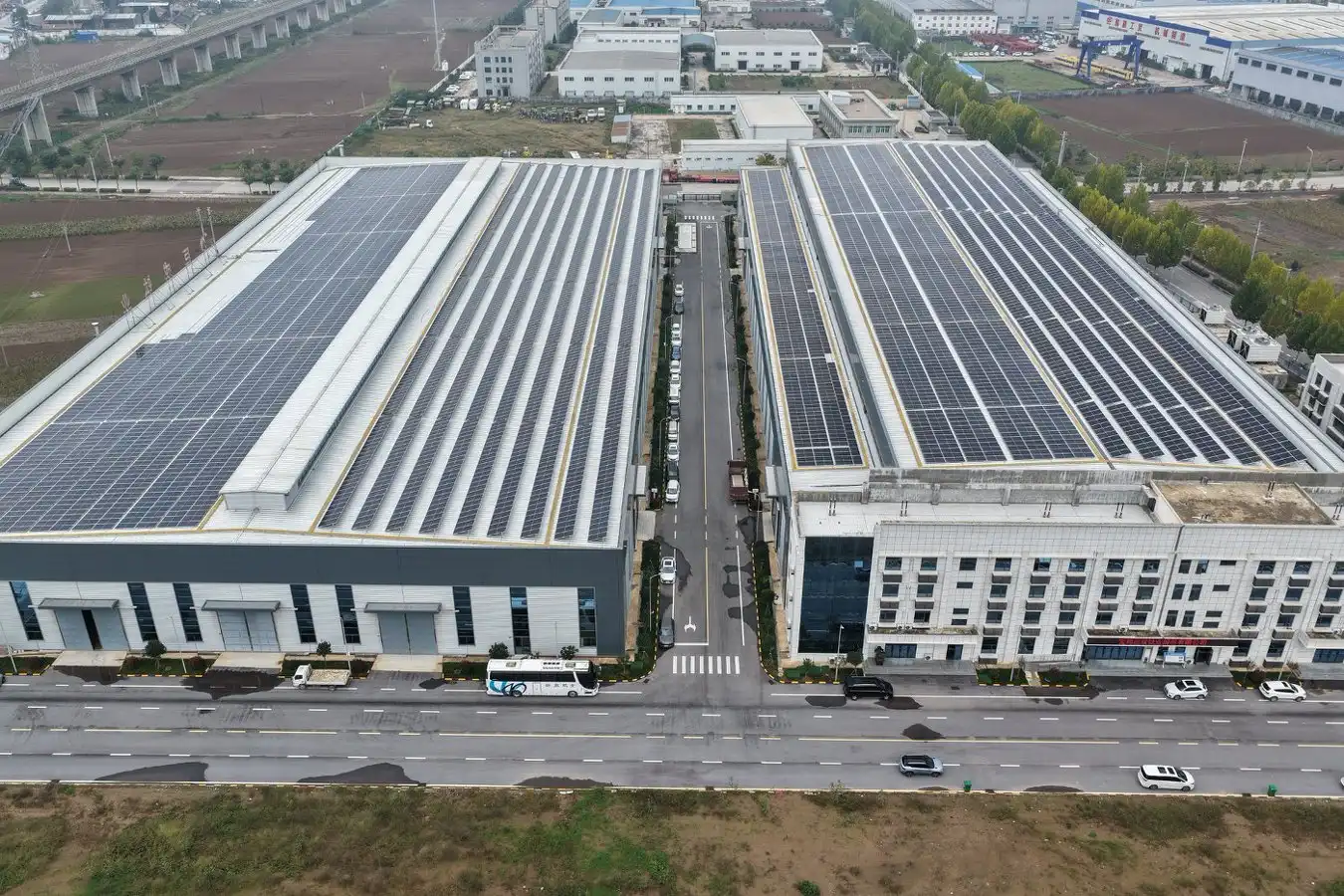
To get great results when welding, you must start with the top commercially pure CP titanium sheet from reputable sources. Jucheng Titanium is in Baoji, China, which is in the Titanium Valley. They have been helping aircraft, chemical processing, and industrial equipment makers around the world for more than 20 years with their specialized manufacturing. We have more than 3,000 tons of products in stock that meet ASTM B265, ASTM F67, AMS 4911, and ASME SB265 standards. We can quickly supply Gr1, Gr2, Gr4, Gr5, Gr7, Gr9, and Gr12. You can get special sizes, surface treatments, and expert advice that are tailored to your specific welding needs from us. Email our engineering team at s4@juchengti.com to talk about your project needs and find out how our quality standards, patents, and track record of working with top makers can help you succeed.
References
1. American Welding Society. (2020). Welding Handbook Volume 4: Materials and Applications – Part 2. Miami: AWS.
2. Donachie, M.J. (2000). Titanium: A Technical Guide (2nd ed.). Materials Park: ASM International.
3. Schutz, R.W. & Watkins, H.B. (1998). "Recent developments in titanium alloy application in the energy industry." Materials Science and Engineering A, 243(1-2), 305-315.
4. Çam, G. & Koçak, M. (1998). "Progress in joining of advanced materials." International Materials Reviews, 43(1), 1-44.
5. Boyer, R., Welsch, G. & Collings, E.W. (1994). Materials Properties Handbook: Titanium Alloys. Materials Park: ASM International.
6. Peters, M., Kumpfert, J., Ward, C.H. & Leyens, C. (2003). "Titanium alloys for aerospace applications." Advanced Engineering Materials, 5(6), 419-427.