



Titanium Sheet Roll: Grades, Sizes, and Buying Guide
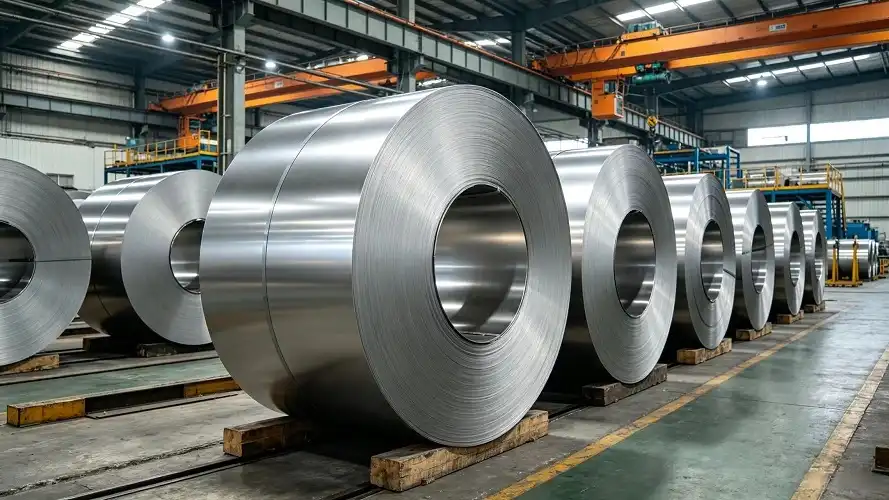
When selecting the appropriate Titanium Sheet Roll, it is not enough to just compare the thickness and breadth of the rolls. Whether or not the material performs as intended may be affected by a number of factors, including the grade, the manufacturing technique, the relevant standards, the surface condition, the flatness, and the final fabrication process. In order to avoid specification mismatches and wasteful processing, it is important for buyers who are buying titanium sheet rolls for chemical equipment, aerospace components, marine systems, medical items, or precision fabrication to have a thorough awareness of these issues before placing an order. Titanium sheet roll goods are offered by Jucheng Titanium, which has its headquarters in Baoji, which is well recognised as the hub of titanium manufacturing in China. These products are available in a variety of grades, thicknesses, widths, rolling conditions, and surface states, and customised dimensions are available to meet the needs of specific projects.

How Should You Choose the Right Titanium Sheet Roll Grade?
Which Titanium Grades Are Commonly Used?
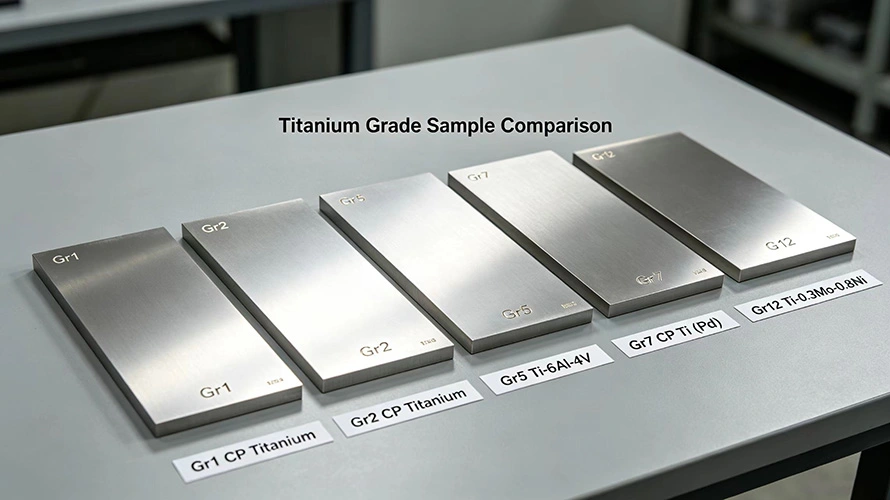
When choosing a grade of titanium, it is important to take into consideration the needed combination of corrosion resistance, strength, formability, temperature performance, and application requirements. Strip, sheet, and plate made of titanium and titanium alloy fall within the purview of ASTM B265, which encompasses both economically pure grades of titanium and alloy grades such as Grade 5. As of right now, Jucheng Titanium's Titanium Sheet Roll product line includes Gr1, Gr2, Gr3, Gr4, Gr5, Gr7, and Gr12 grades. In situations where corrosion resistance and formability are of utmost importance, Gr1 and Gr2 are often selected. On the other hand, Gr3 and Gr4 provide the highest strength among commercially pure titanium grades. Ti-6Al-4V, often known as Grade 5, is an alpha-beta alloy that is commonly used in aerospace and structural applications that need a high level of strength. In Grade 7, palladium is added to commercially pure titanium, while in Grade 12, titanium is combined with molybdenum and nickel to achieve a combination of strength and resistance to corrosion. Instead of selecting the suitable grade only based on price or availability, it is the responsibility of the appropriate grade to always be matched with the governing material specification and the actual service environment. The ASTM B265 standard is where these grades and their compositions are identified by the organization.
How Do Gr1, Gr2, Gr5, Gr7, and Gr12 Differ?
A significant number of industrial purchasers begin their comparison process by contrasting commercially pure titanium with alloyed titanium. Gr1 has good formability and resistance to corrosion, which makes it ideal in situations where the criteria for shaping are very stringent. Gr2 titanium is a grade of titanium that is used for a variety of applications and is often chosen for use in chemical processing, heat exchangers, maritime equipment, and other situations that might potentially cause corrosion. Within the range of commercially pure materials, Gr3 and Gr4 provide levels of strength that are gradually greater. Grade 5 titanium alloy 4V is often specified for use in aeronautical, structural, and high-performance components because it has a mechanical performance that is significantly different from that of older grades. Due to the presence of palladium, Grade 7 is especially appealing in situations where there is a need for increased corrosion resistance. When it is necessary to strike a balance between strength and corrosion resistance, Grade 12 allows us an additional choice. Therefore, rather than merely requesting a "titanium coil," it is appropriate to begin the process of making a suitable purchase selection by considering the application. In accordance with drawings, service circumstances, processing requirements, and relevant standards, Jucheng Titanium is able to assist clients in comparing grades.
When Should You Request a Specific Standard?
In the event that the material is going to be included in a regulated, designed, or traceable product, it is essential that a roll of titanium sheet be bought in accordance with a standard that is clearly recognised. The following standards are included in the list of those that are relevant to Jucheng Titanium: ASTM B265, ASME SB265, ASTM F67, AMS 4911, and ASTM F136. Not all of these standards are designed to accomplish the same thing. While ASTM B265 addresses titanium and titanium alloy strip, sheet, and plate, ASTM F67 addresses unalloyed titanium for surgical implant applications. Both standards are referred to as "materials standards." AMS 4911 is linked with applications using sheet and plate made of Ti-6Al-4V. It is for this reason that purchasers should not consider standards to be interchangeable labels. Prior to placing an order, it is important to verify the relevant documents, as well as the grade, specification, temper or condition, and testing requirements. Within the aerospace, medical, chemical, and other sectors where material traceability is a component of the purchase specification, this is of utmost significance.
| Grade | General Material Type | Typical Selection Consideration | Example Applications |
|---|---|---|---|
| Gr1 | Commercially pure titanium | High formability and corrosion resistance | Chemical equipment, fabricated parts |
| Gr2 | Commercially pure titanium | General-purpose corrosion resistance | Heat exchangers, marine and chemical equipment |
| Gr3 | Commercially pure titanium | Higher strength than lower CP grades | Structural and industrial components |
| Gr4 | Commercially pure titanium | Highest strength among CP grades | Demanding industrial applications |
| Gr5 | Ti-6Al-4V alloy | High strength-to-weight performance | Aerospace, structural components |
| Gr7 | Titanium-palladium alloy | Enhanced corrosion resistance | Chemical processing |
| Gr12 | Titanium alloy | Strength and corrosion resistance balance | Industrial equipment and heat-transfer systems |
What Sizes and Manufacturing Options Should Buyers Compare?
What Thickness and Width Can a Titanium Sheet Roll Have?
Before purchasing a titanium sheet roll, verifying the material dimensions is one of the most important steps. Jucheng Titanium's product specifications include thicknesses ranging from 0.3 to 12.0 millimetres and widths from 950 to 1500 millimetres, with lengths that can be customised according to customer requirements. This range allows fabricators to select materials suitable for forming, cutting, welding, and equipment design. However, buyers should distinguish between a supplier's general manufacturing capabilities and the specific dimensions required for their projects. Other titanium manufacturers offer different dimensional ranges depending on whether the material is hot-rolled or cold-rolled and whether it is intended for industrial, aerospace, or architectural applications. For example, Nippon Steel offers various thickness and width combinations for hot-rolled and cold-rolled titanium coils and sheets. Therefore, when requesting a quotation, buyers should provide detailed dimensional requirements, including material grade, thickness, width, length or coil configuration, tolerances, and order quantity.
When selecting a Titanium Sheet Roll supplier, buyers should compare more than price and standard dimensions. Grade, thickness tolerance, surface condition, and delivery requirements all affect project suitability. If you are sourcing titanium sheet rolls for chemical, marine, or aerospace applications, contact Jucheng Titanium at s4@juchengti.com with your specifications. Our team can help evaluate material grades, customized dimensions, and suitable manufacturing options before you place an order.
Is Hot-Rolled or Cold-Rolled Titanium Sheet Roll Better?
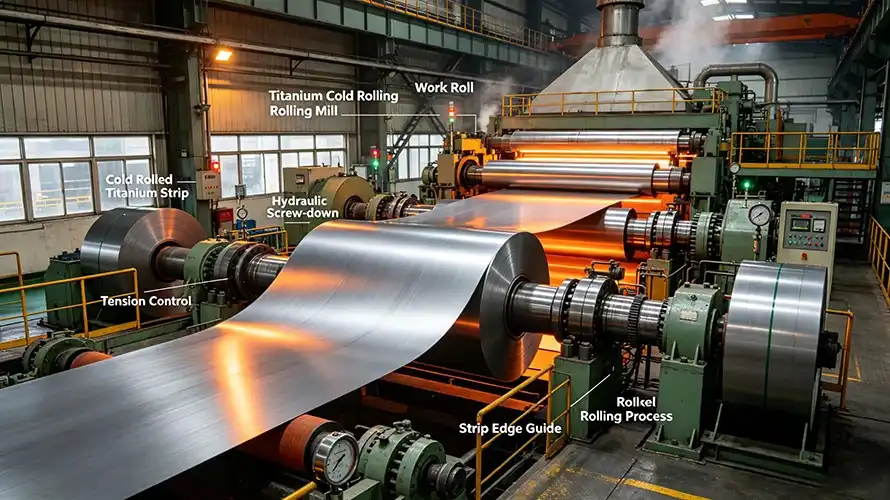
Neither of the two rolling procedures is necessarily better; the one that is most suited is decided by the requisite thickness, dimensional precision, surface condition, and the manufacturing process that occurs after it. In addition to being used for the processing of heavy materials, the method of hot rolling is often utilised to reduce the original thickness. Cold rolling is a technique that may be used to provide both higher surface quality and tighter dimensional control, both of which can be obtained via further reduction. In the course of its manufacturing process, Jucheng Titanium incorporates both hot-rolled and cold-rolled Titanium Sheet Roll goods into its inventory. In addition, the firm incorporates rolling, annealing, levelling, and pickling into its process as essential components of its approach. Instead of treating all titanium sheet rolls as if they were identical products, it is thus feasible to change the production sequence in line with the final standard. Because of this, it is possible to modify the manufacturing sequence. In addition, it is essential for customers to ascertain if the material that is being supplied has been annealed, pickled, or bright-finished. It is possible that these factors will have an effect on the final product once the forming, welding, surface preparation, and appearance processes have been completed.
How Important Are Surface Finish and Flatness?
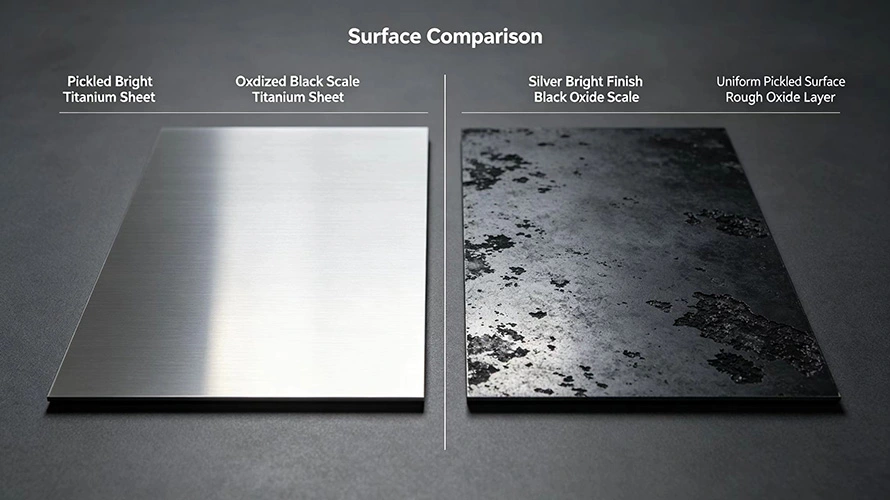
When a titanium sheet is going to be directly exposed to a process environment or when it is going to undergo additional fabrication, the surface condition of the sheet becomes more essential. This is because the surface condition represents the surface condition of the sheet. Jucheng Titanium offers a list of annealed, pickled, and brilliant states, in addition to bright and acid-pickled surface treatments. There is also a list of brilliant and pickled states. Following the completion of thermal processing, the surface is cleaned and oxide-related pollutants are removed via the use of pickling, and levelling is used to improve the surface's flatness. Oxides are eliminated by both of these processes, which are related to one another. The client's manufacturing technique must be taken into consideration when making specifications on the finish that is wanted. In spite of the fact that a client who plans to use the sheet directly in the production of equipment could have various surface requirements, a fabricator who intends to shape, weld, polish, coat, or machine the material might have different surface requirements. Because of this, a thorough procurement specification needs to include surface quality rather than only saying "titanium sheet." This is because of the reason stated above.
What Should You Check Before Buying Titanium Sheet Roll?
Which Technical Documents Should Be Requested?
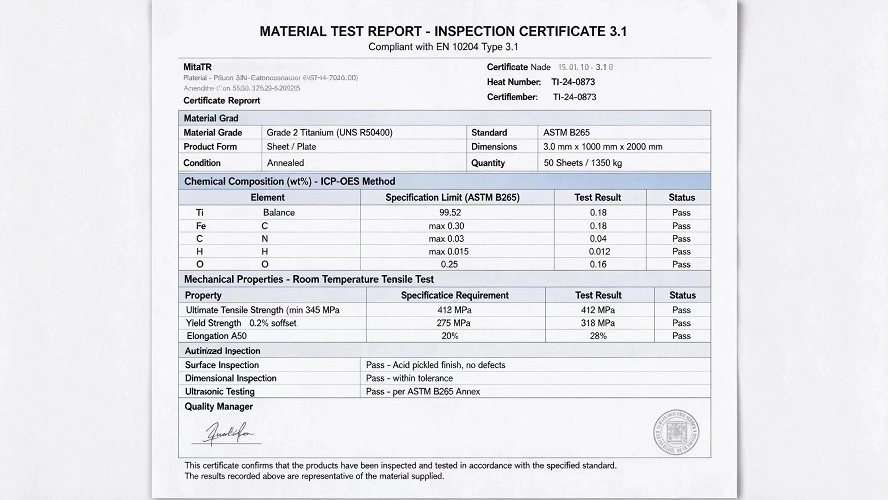
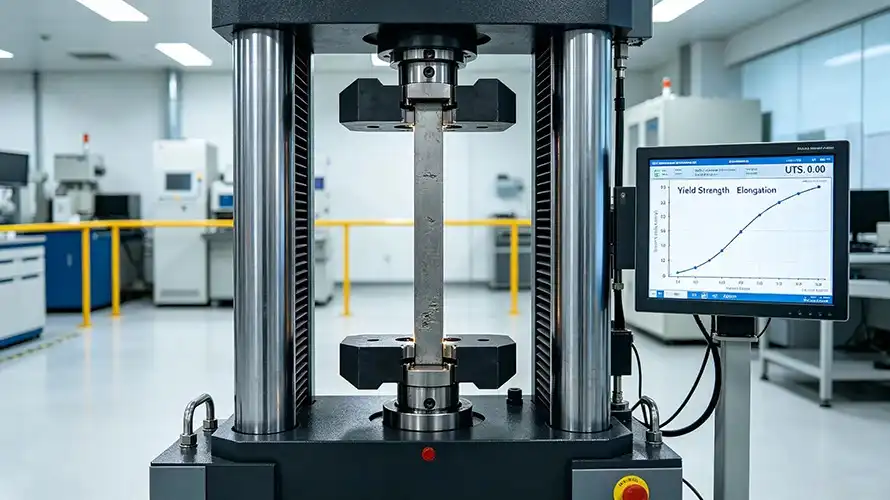
The commencement of a trustworthy purchasing process is the step that involves the necessary papers. The material certificate or any other inspection documentation that is relevant and confirms the grade and specification that was provided should be sought out by purchasers immediately after the transaction has been completed. There are a variety of beneficial records that may be maintained depending on the application. Some examples of these records include the chemical composition, tensile qualities, elongation, hardness where it is acceptable, dimensional inspection, and surface inspection. According to Jucheng Titanium, their quality-control system includes the following: analytical testing of the chemical composition, testing of the mechanical properties, inspection of the thickness and breadth, measurement of the flatness, assessment of the surface, and non-destructive testing when it is required. These evaluations are what establish a connection between the finished roll and the specs that were first acquired. In the event that the item will be entering a regulated supply chain, buyers are obligated to provide an explanation of any traceability requirements that may be applicable to the material before the production process starts. When it comes to determining which standard and test criteria must be included on the documentation, it is not enough to just query as to whether a provider is able to issue a certificate; rather, it is required to establish which criteria must be included.
How Can You Check Whether the Dimensions Match the Order?
It is important that dimensional control includes more than the nominal thickness. Confirm the needed length or weight, as well as the thickness tolerance, breadth tolerance, flatness, edge condition, and coil or roll parameters. When titanium sheet is utilised in situations where material utilisation is highly regulated, such as CNC cutting, automated shaping, heat-exchanger manufacturing, or other operations, even a little discrepancy in dimensions may become significant. When it is feasible, you should supply a technical design or purchasing specification for a titanium sheet roll that has been ordered specifically for you. The possibility of a misunderstanding between nominal dimensions and allowable tolerances is decreased as a result of this occurrence. Customers are able to discuss project-specific measurements with Jucheng Titanium since the company offers customised dimensions and technical help for OEM/ODM needs. This allows customers to avoid restricting their inquiry to standard sizes.
What Should You Ask About Production and Delivery?
Because of factors such as grade, size, quantity, manufacturing schedule, inspection requirements, and customisation, lead time might vary significantly. It is said by Jucheng Titanium that normal grades may often be sent out within around two to three weeks; however, the exact schedule should be validated against the individual order. Buyers should also enquire as to whether the grade and size under consideration are available from the inventory that is currently available or if a fresh manufacturing run is required. Additionally, packaging is something that should be taken into consideration, especially for international delivery over great distances. These criteria must be specified in the first quote in the event that the order contains a particular surface treatment, dimensions that are not typical, or further testing.
| Buying Item | What to Confirm | Why It Matters |
|---|---|---|
| Grade | Gr1, Gr2, Gr3, Gr4, Gr5, Gr7, or Gr12 | Determines mechanical and corrosion performance |
| Standard | ASTM, ASME, AMS, ASTM F67, or project specification | Establishes technical requirements |
| Thickness | Nominal size and tolerance | Affects forming and fabrication |
| Width | Required width and tolerance | Influences material utilization |
| Rolling Type | Hot rolled or cold rolled | Affects thickness control and surface condition |
| State | Annealed, pickled, or bright | Determines downstream processing suitability |
| Testing | Chemical, mechanical, dimensional, NDT | Supports quality and traceability |
| Packaging | Export and project-specific requirements | Helps protect material during transportation |
Where Is Titanium Sheet Roll Used and How Can Suppliers Add Value?
Which Industries Commonly Use Titanium Sheet Roll?
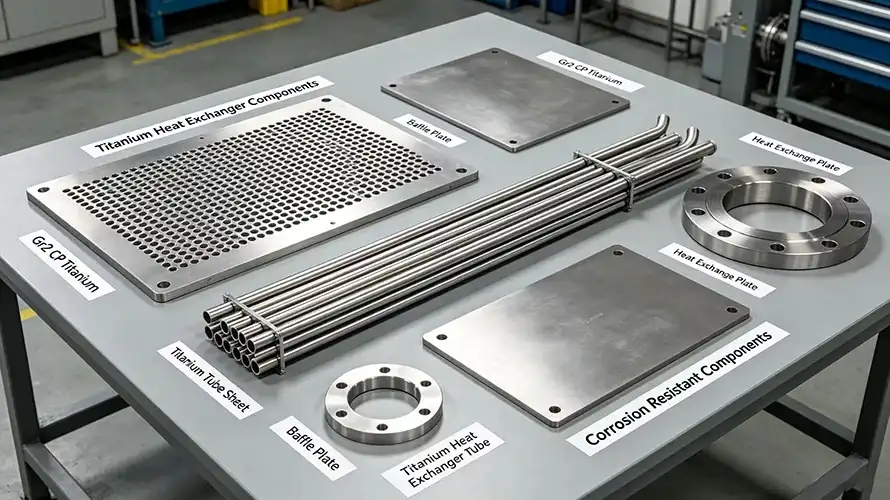
Because of its resistance to corrosion, relatively low density, strength, and superior manufacturing qualities, titanium sheet is an excellent material for use in applications that need an exceptional level of performance. Titanium is a material that may be used in a variety of applications, including chemical processing, where it can be utilised for reactors, heat exchangers, components connected to piping, and other equipment that is exposed to corrosive environments. Titanium may also be used in cases where long-term corrosion performance is a crucial consideration, such as in marine and desalination projects. Medical uses demand precise grades and standards, while aerospace applications put a higher focus on the performance of the material in terms of its strength-to-weight ratio. The resistance to corrosion and technical properties of titanium may be advantageous for the construction of equipment used for heat transfer and power production. The fact that not all requirements can be satisfied by a single universal grade of titanium is explained by the various uses. It is consequently the responsibility of a competent supplier to assist the purchaser in establishing a connection between the finished component and the material grade, dimensions, processing conditions, and relevant standard.
Why Consider Customized Titanium Sheet Roll Production?
Even if standard material is more convenient, customised manufacture may help decrease the amount of wasteful cutting and processing that is required for a project that has precise dimensional requirements. Additionally, Jucheng Titanium provides services in the areas of special-grade, surface treatment, packing, and technical support. Additionally, the company offers customised choices for thickness, breadth, and length. Manufacturers of equipment who operate from engineering drawings rather than normal commercial sizing may find this to be of great use. Changing the material specification without providing an engineering rationale is not what should be considered "customisation." Instead, it should be done in order to bring the product that is given closer to the design that was actually created. The buyer has the ability to provide the manufacturer with drawings, target dimensions, application information, and inspection requirements in order for the manufacturer to choose the manufacturing path that is most appropriate.
Why Work With an Experienced Titanium Manufacturer?
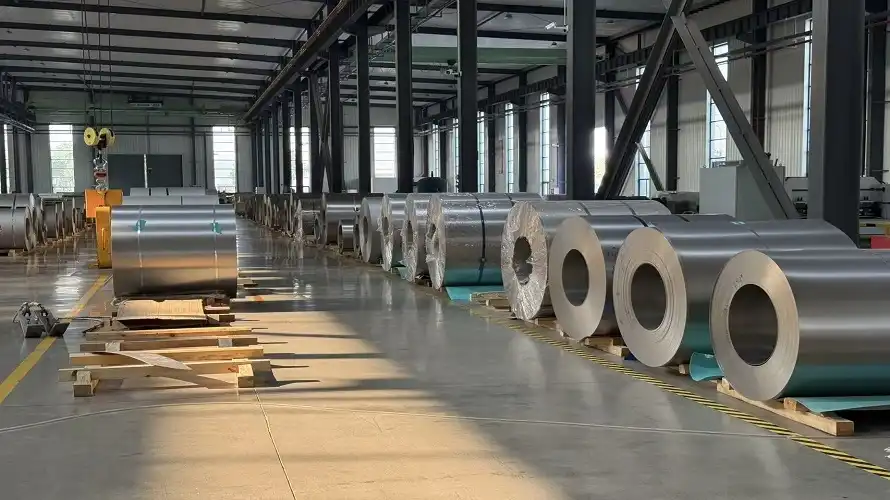
Experience becomes especially crucial when an order includes many criteria, such as a certain grade, restricted dimensional tolerance, distinctive surface condition, inspection paperwork, and customised packaging. Baoji is the location where Jucheng Titanium was founded in 2004, and the company has more than twenty years of expertise in the titanium production industry. It has been recognised as a National High-Tech firm and a national-level specialised and inventive "little giant" firm. The company owns 45 patents, including four invention patents and 41 utility model patents. Additionally, it has been awarded the title of "little giant" enterprise. Titanium materials, goods, and equipment, as well as customisation, quality inspection, and comprehensive technical support are all included in its advertised capabilities. In addition to this, the firm indicates that it has a considerable inventory of titanium and serves applications in a variety of industries, including chemical processing, aerospace, marine, medical, and power, among others. Additionally, these capabilities have the potential to make technical communication and customised sourcing more effective for purchasers who are seeking more than just a straightforward material transaction.
Conclusion
In order to choose the appropriate titanium sheet roll, it is necessary to pay attention to the grade, size, standard, rolling technique, surface condition, testing, and application. With the aid of individualised manufacturing and technical support, Jucheng Titanium is able to assist purchasers in transforming their project needs into a titanium material solution that is applicable.
FAQ
1. What grades are available for Titanium Sheet Roll?
Jucheng Titanium offers Gr1, Gr2, Gr3, Gr4, Gr5, Gr7, and Gr12.
2. What sizes are available?
The listed range is 0.3–12.0 mm in thickness and 950–1500 mm in width, with length customized as required.
3. Is Titanium Sheet Roll available in hot-rolled and cold-rolled forms?
Yes. Jucheng Titanium offers both hot-rolled and cold-rolled options.
4. Which standards can Titanium Sheet Roll meet?
Applicable standards include ASTM B265, ASME SB265, ASTM F67, AMS 4911, and ASTM F136.
Get a Titanium Sheet Roll Solution for Your Project
If you need a reliable titanium sheet roll supplier for chemical, marine, aerospace, medical, or industrial applications, discuss your requirements with Jucheng Titanium. Send your grade, dimensions, standard, quantity, and application details to s4@juchengti.com. Our technical team can help evaluate the suitable material and customization route for your project.

References
1. ASTM International. ASTM B265-25, Standard Specification for Titanium and Titanium Alloy Strip, Sheet, and Plate. 2025.
2. Nippon Steel Corporation. Hot and Cold Rolled Coils / Sheets: Titanium Products. 2025.
3. Titanium Industries. Titanium Sheet: ASTM B265 Grade 2, Grade 3, Grade 4, 6Al-4V and 6Al-4V ELI Sheet.
4. ASTM International. ASTM F67, Standard Specification for Unalloyed Titanium for Surgical Implant Applications.
5. Titanium Industries. Titanium and Titanium Alloys — Bar, Plate, Sheet and Titanium Strip & Coil.
6. Baoji Jucheng Titanium Industry Co., Ltd. Titanium Sheet Roll Product Specifications and Manufacturing Information.